Subud
Inca1200 CE – 1533 CE
Subud
Inca Empire
Subud is an international and interfaith spiritual movement that originated in Indonesia in the 1920s. It was founded b…
Read →
Research Index
An archive of 3,493 gods, deified rulers, and mythological figures across civilizations — from living gods of Egypt to the dying gods of antiquity.
Inca Empire
Subud is an international and interfaith spiritual movement that originated in Indonesia in the 1920s. It was founded b…
Read →
Ancient Mesopotamia
Šubula (Shubula) was a Mesopotamian god. He was associated with the underworld, and commonly appears in association wit…
Read →
Ancient Rome
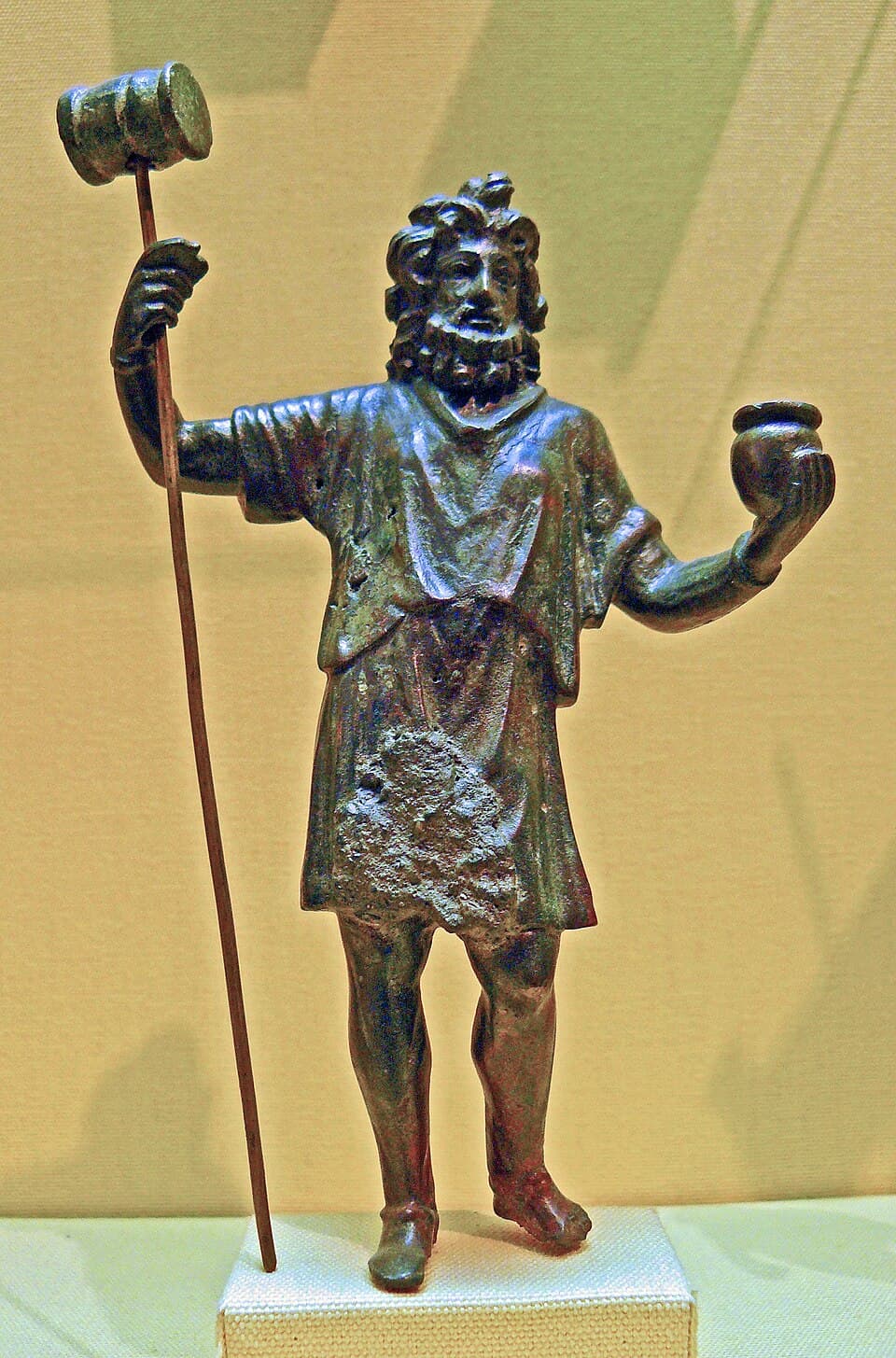
In Gallo-Roman religion, Sucellus or Sucellos was a god shown carrying a large mallet and an olla. Originally a Celtic …
Read →
Asia
According to Indian and Tibetan legend, King Suchandra of the northeastern Indian Kingdom of Shambhala was the one who r…
Read →

Asia
The Sugar Land Quan Âm is a cast concrete statue in Chùa Việt Nam in Sugar Land, Texas, just outside of Houston. The sc…
Read →

Japan
Sugawara no Michizane , or Kankō , was a scholar, poet, and politician of the Heian period of Japan. He is regarded as …
Read →
Japan
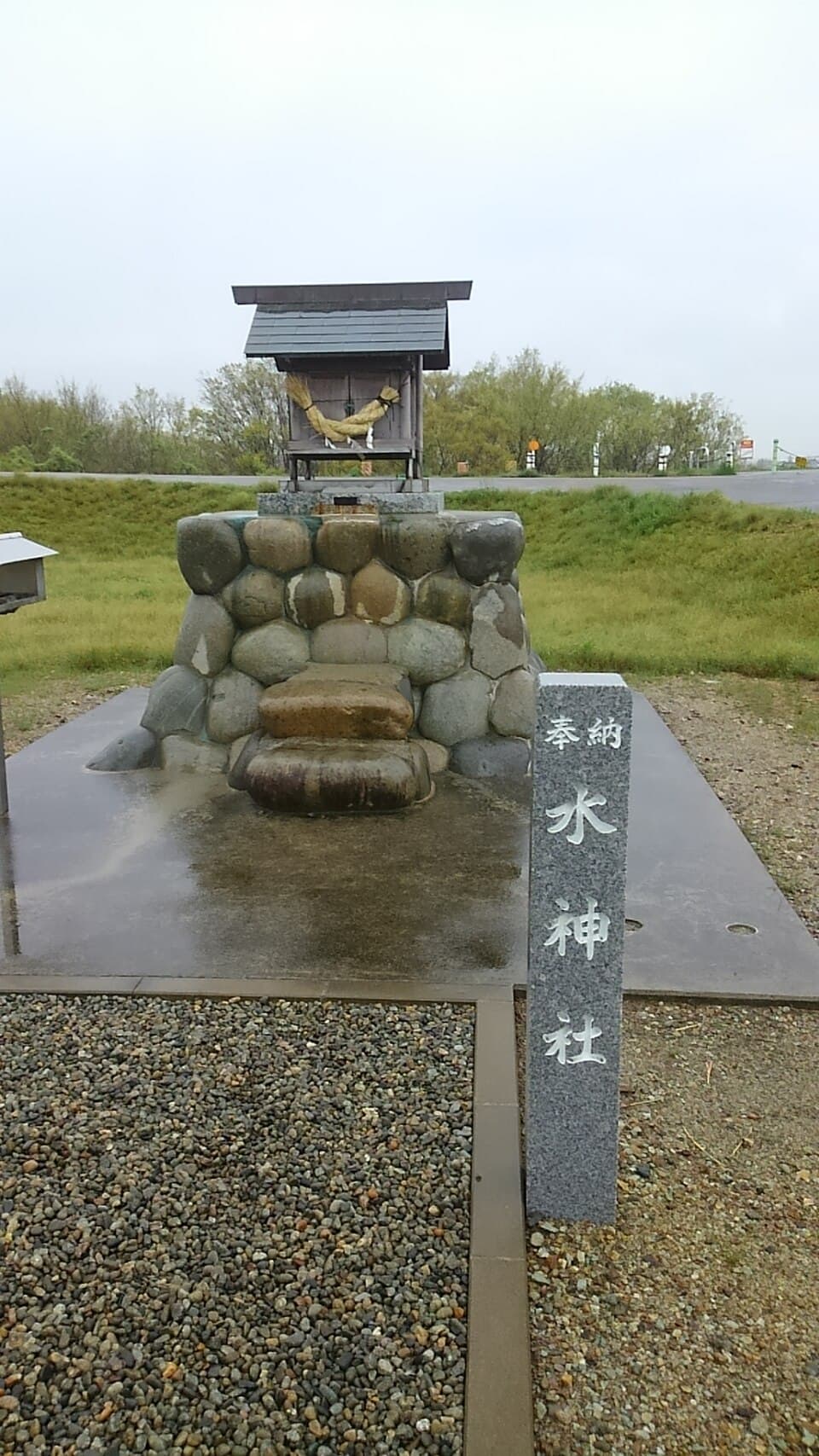
Suijin or Mizugami is a general name for the god of water in Japanese mythology. The term refers to the heavenly and ea…
Read →
China
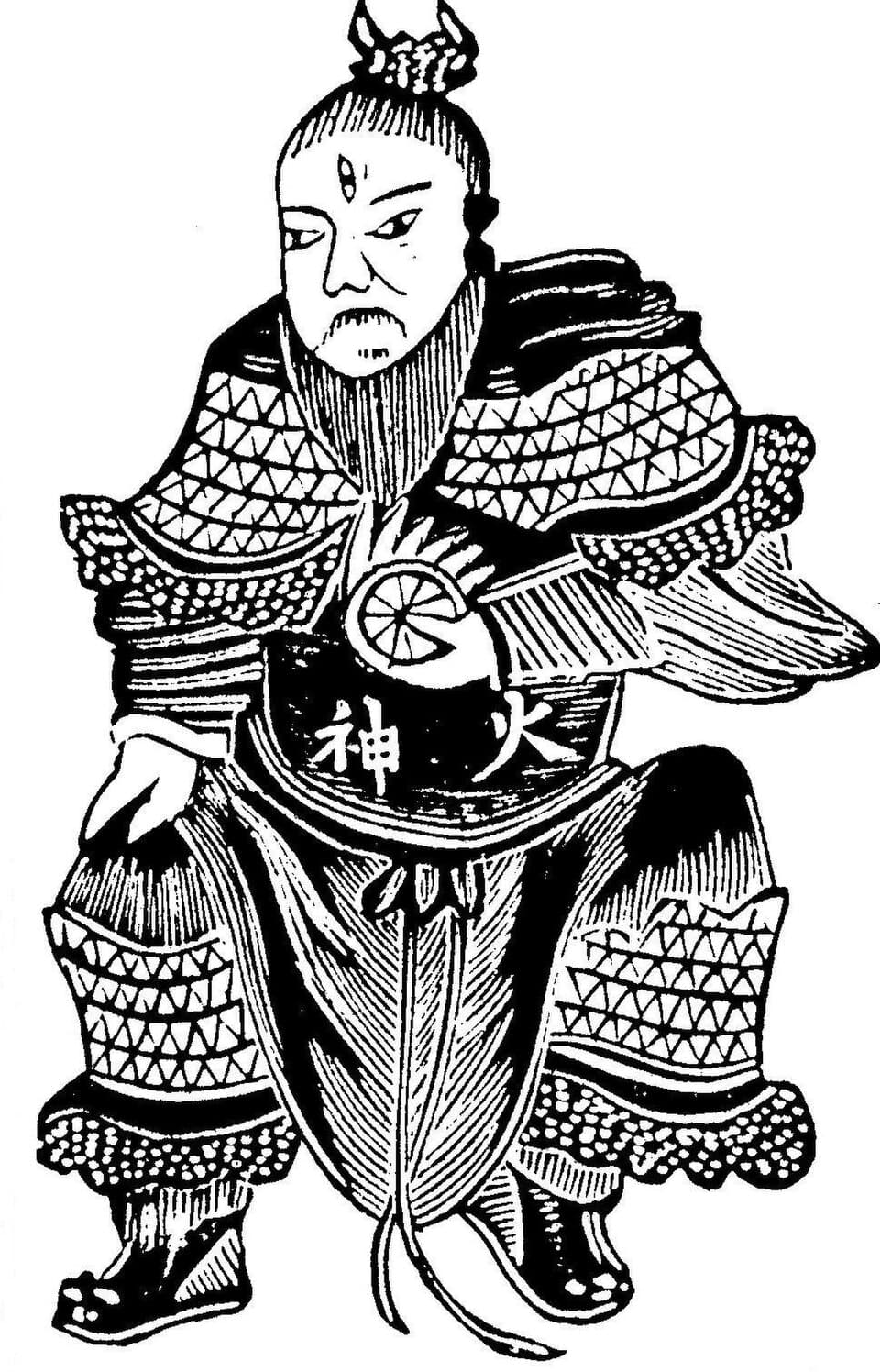
Suiren, also known as Suihuang, in Chinese mythology credited with introducing fire-making to human.
Read →
Asia
Sukhasiddhi was an Indian teacher of Vajrayana Buddhism, a yogini and master of meditation. She was born in west Kashmi…
Read →
Ancient Mesopotamia
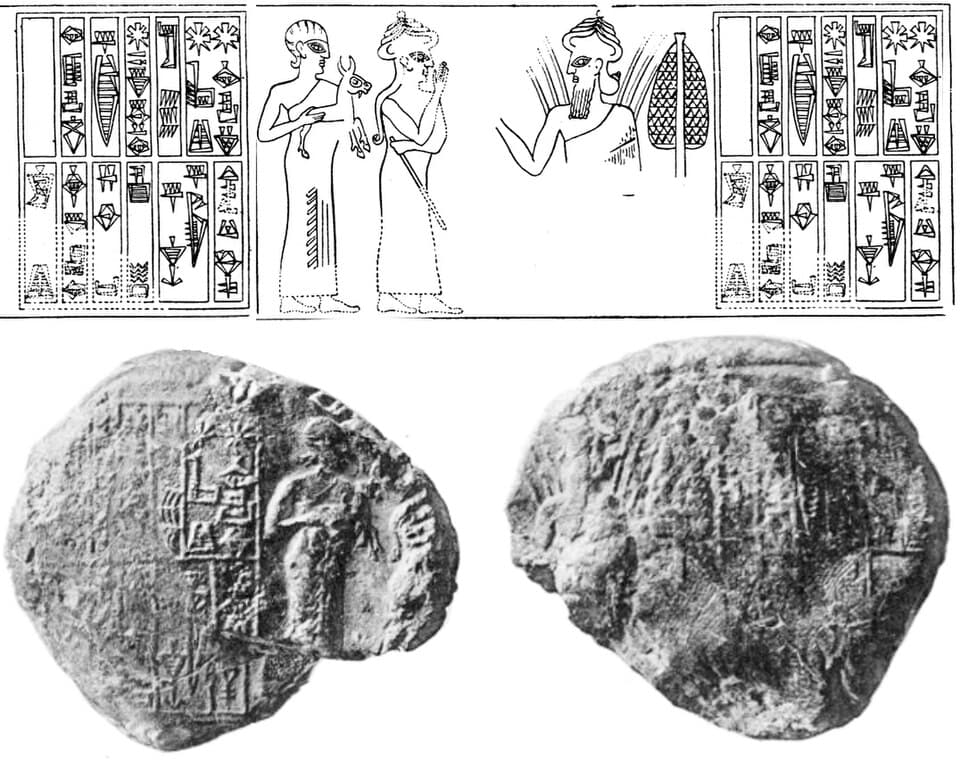
Sukkal was a term which could denote both a type of official and a class of deities in ancient Mesopotamia. The histori…
Read →

Japan
Sukunabikona or Sukuna bikona is the Shinto kami of the onsen, agriculture, healing, magic, brewing sake and knowledge. …
Read →
Iron Age Europe
In ancient Celtic religion, Sulevia was a goddess worshipped in Gaul, Britain, and Gallaecia, very often in the plural f…
Read →

Ancient Rome
In the localised Celtic polytheism practised in Great Britain, Sulis was a deity worshiped at the thermal spring of Bath…
Read →
Ancient Mesopotamia
Šulpae was a Mesopotamian god. Much about his role in Mesopotamian religion remains uncertain, though it is agreed he w…
Read →
Asia
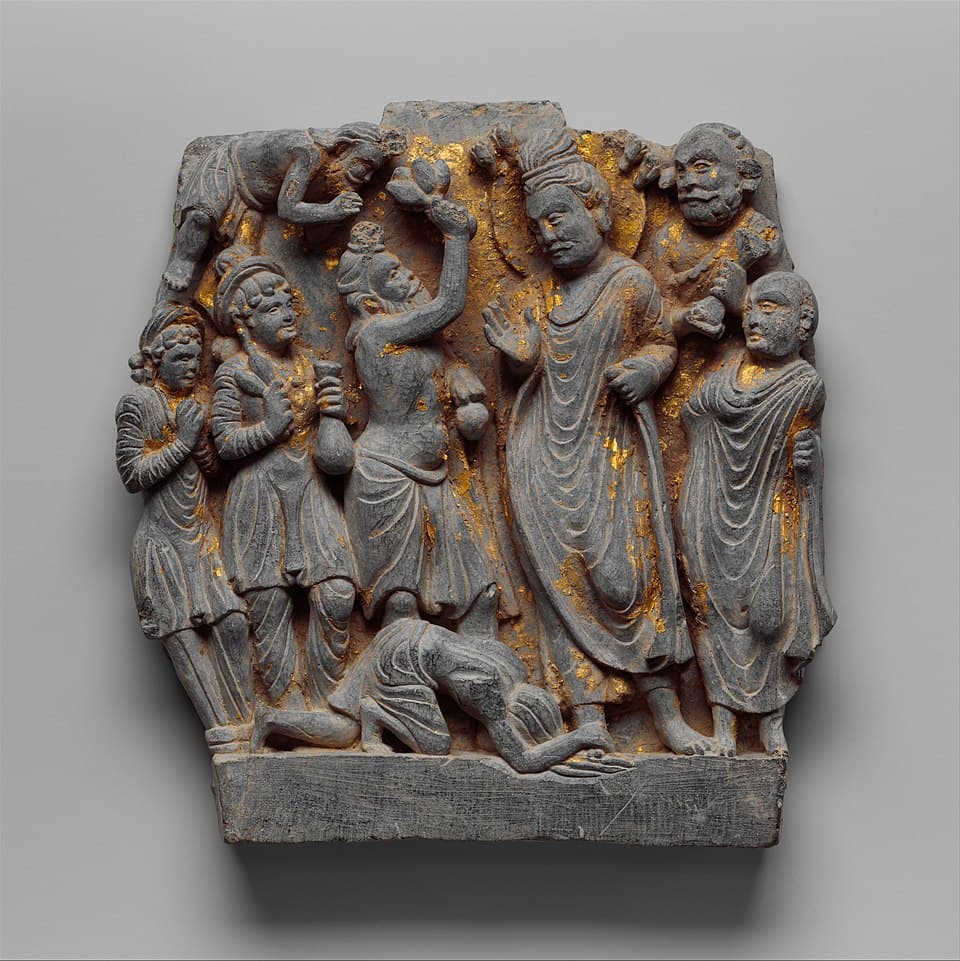
In Buddhist texts, Sumedha is a previous life of Gotama Buddha in which he declares his intention to become a Buddha. B…
Read →
Japan
Sumiyoshi sanjin (住吉三神) is the generic name for the three kami (deities) in Japan: Sokotsutsu no O (底筒男命), Nakatsutsu no…
Read →
Ancient Rome
Summanus was the god of nocturnal thunder in ancient Roman religion, in some accounts as opposed to diurnal (daylight) t…
Read →
Ancient Mesopotamia
Šumugan, Šamagan, Šumuqan or Šakkan (𒀭𒄊) was a god worshipped in Mesopotamia and ancient Syria. He was associated wit…
Read →
North America
The Sun and Moon is an unipkaaqtuat, a story in Inuit folklore. The traditional explanation for the movement of the Sun…
Read →
China
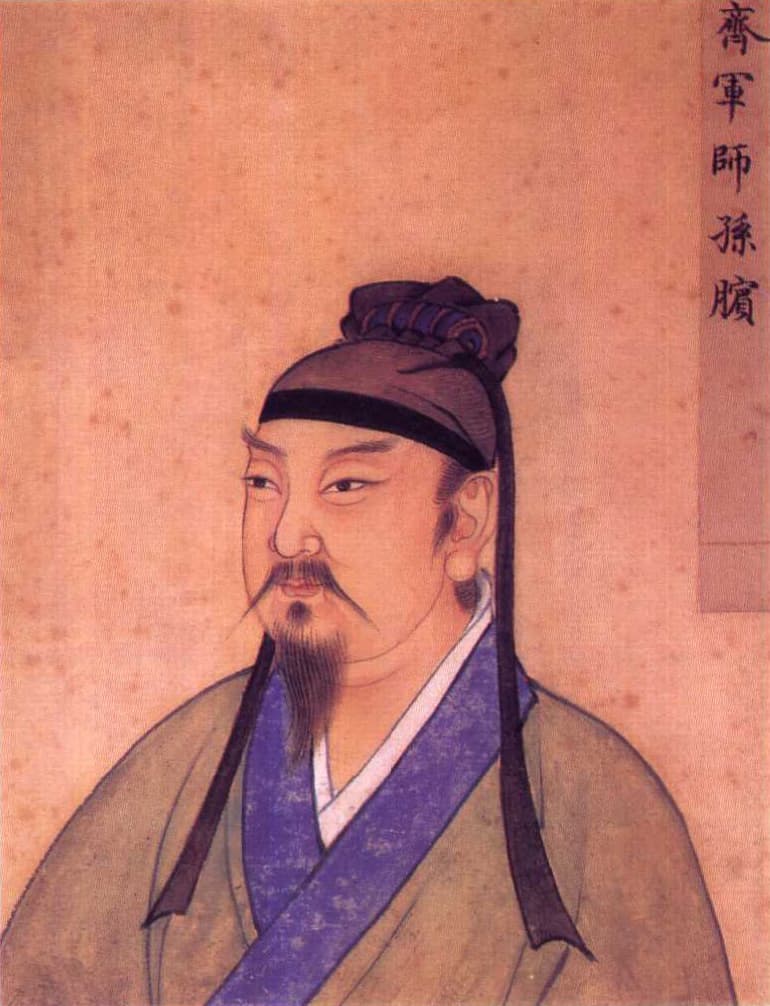
Sun Bin was a Chinese general, military strategist, and writer who lived during the Warring States period of Chinese his…
Read →
Ancient Egypt
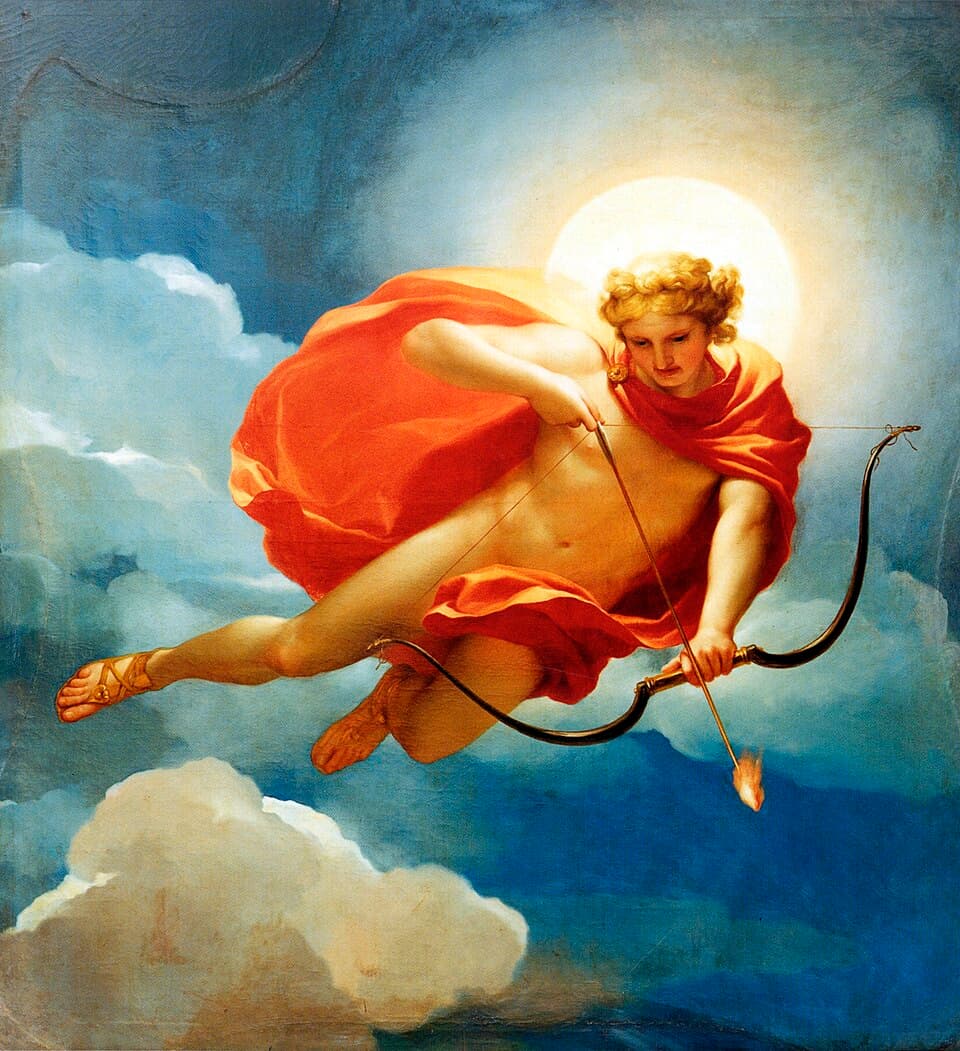
A solar deity or sun deity is a deity who represents the Sun or an aspect thereof. Such deities are usually associated …
Read →

Inca Empire
The Sun of May is one of the national symbols of the Río de la Plata countries of Argentina and Uruguay, featured in the…
Read →
China
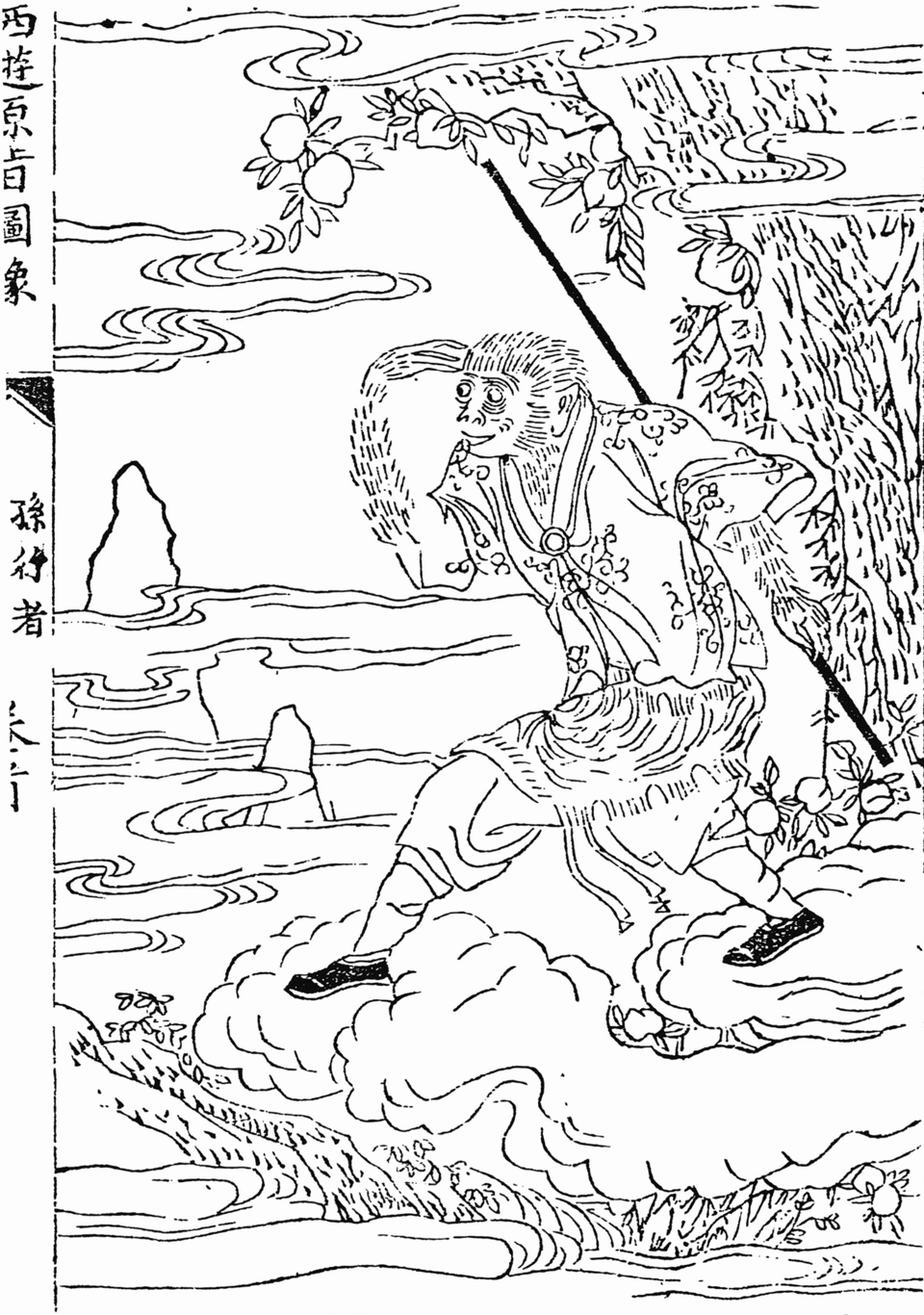
Sun Wukong, also known as the Monkey King, is a literary and religious figure best known as one of the main characters i…
Read →
China
Sunü is a deity of the Chinese pantheon.
Read →
Inca Empire
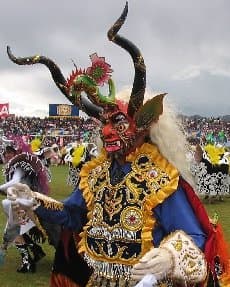
In the Quechua, Aymara, and Inca mythologies, Supay was originally an ambivalent spirit, both benevolent and harmful, a …
Read →
Asia
Supratiṣṭhitacāritra is one of the four great perfected bodhisattvas mentioned in the 15th chapter of the Lotus Sutra. …
Read →
Asia
Supushpachandra is the name of a bodhisattva mentioned by Shantideva in the Bodhisattvacaryāvatāra. He was ordered by r…
Read →
Indian subcontinent
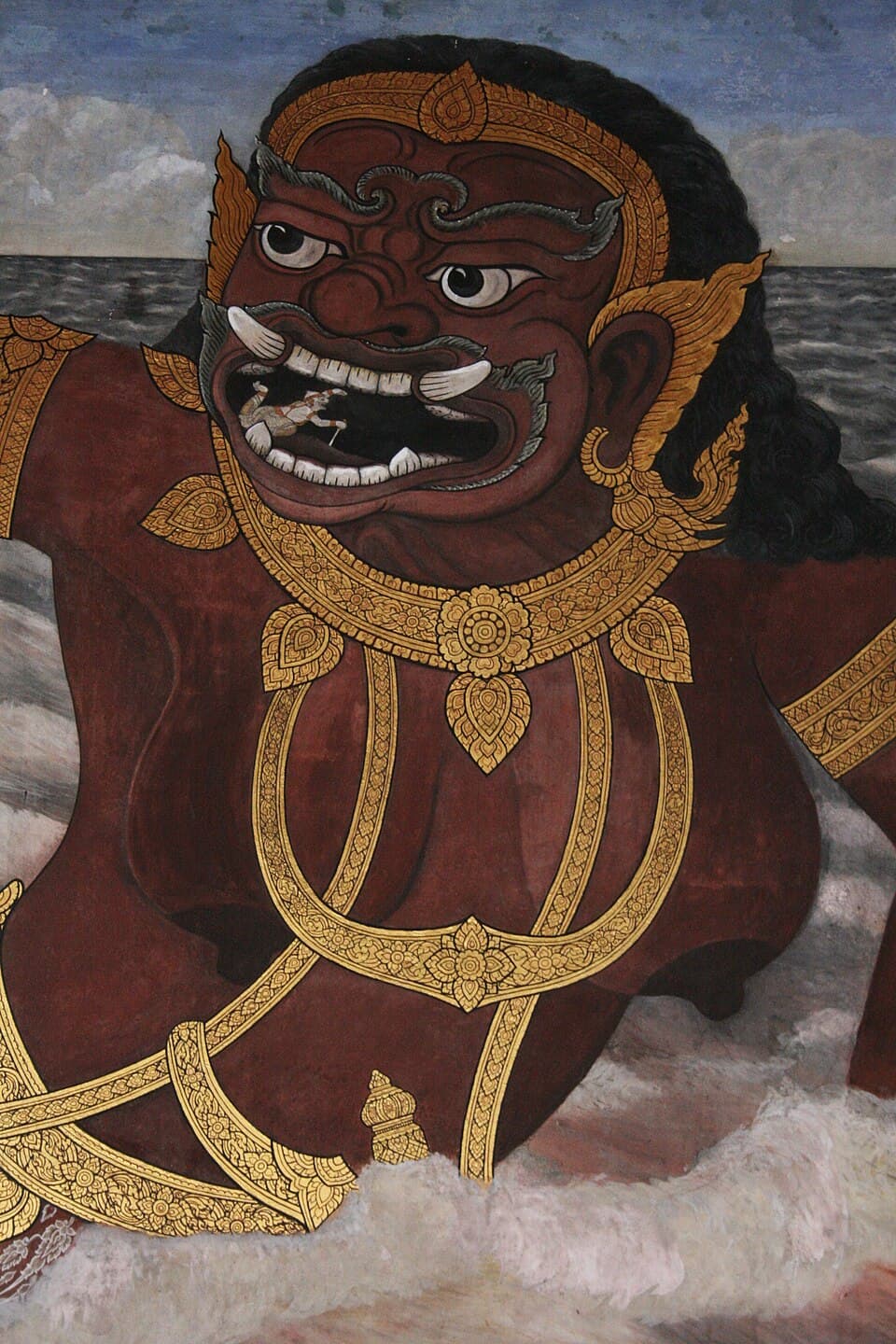
Surasa also Siras is a Hindu goddess, who is described as the mother of the Uragas. Her most popular tale appears in th…
Read →
Ancient Rome
Śuri, Latinized as Soranus, was an ancient Etruscan infernal, volcanic and solar fire god, also venerated by other Itali…
Read →
Iron Age Europe
Suria, also Syria, is the female deification of supposedly good flowing water, conceived as a weaning Mother goddess, in…
Read →
Scandinavia
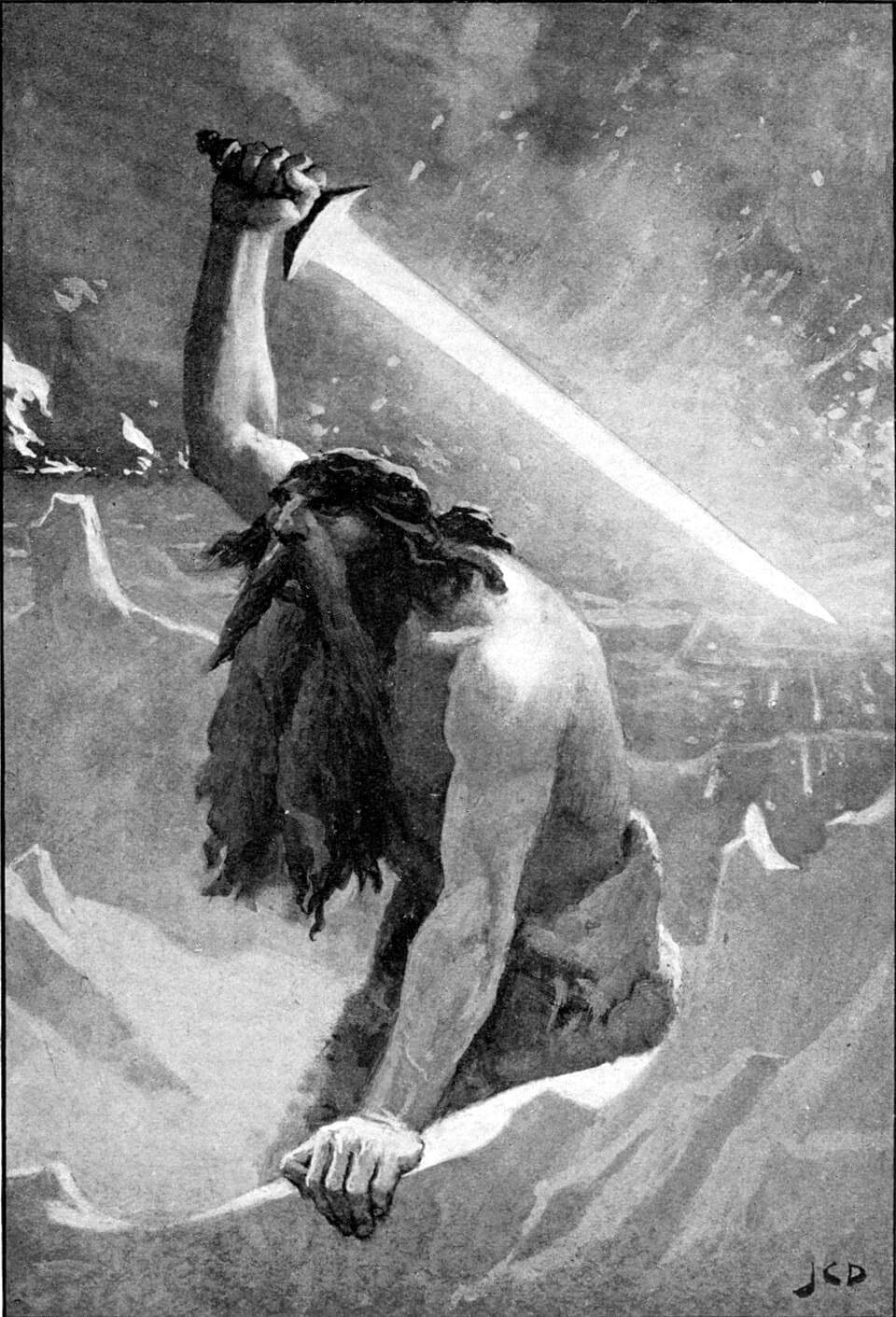
In Norse mythology, Surtr, also sometimes written Surt in English, is a jötunn; he is the greatest of the fire giants an…
Read →
Indian subcontinent
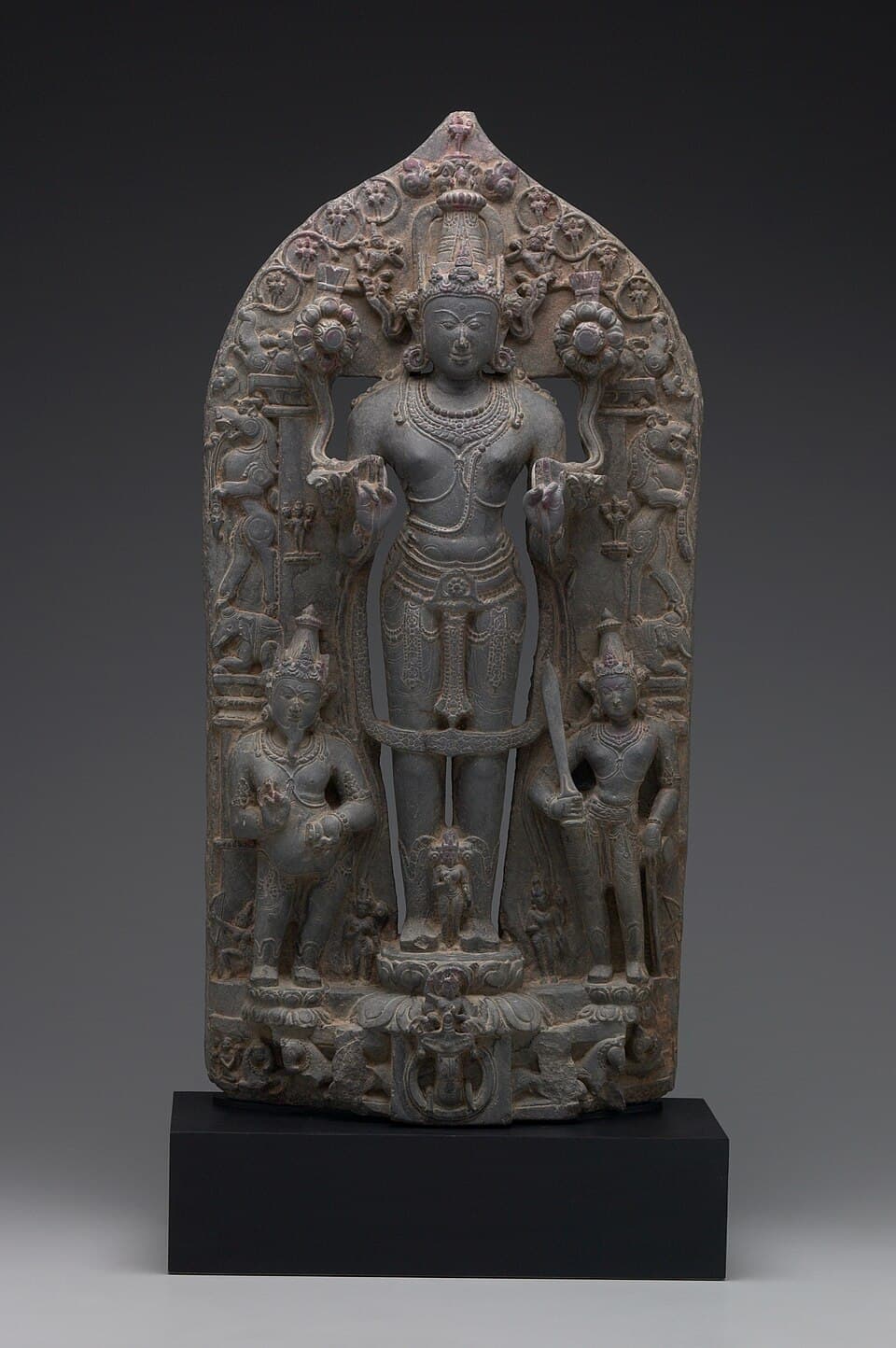
Surya is the Sun as well as the solar deity in Hinduism. He is traditionally one of the major five deities in the Smart…
Read →

Indian subcontinent
Surya Majapahit is the emblem commonly found in ruins dated from the Majapahit era. The emblem commonly took the form o…
Read →

Asia
Sūryaprabha is a bodhisattva whose specialty is sunlight and good health. Sūryaprabha is often seen with Candraprabha, …
Read →
Japan
Susanoo, often referred to by the honorific title Susanoo-no-Mikoto, is a kami in Japanese mythology. The younger broth…
Read →

Indian subcontinent
Suswani Mataji also known as Susani Mata or Susvani Mata is a regional Hindu as well Jain goddess, popular in Rajasthan …
Read →
Ancient Mesopotamia
Sutītu was a Mesopotamian goddess regarded as a divine representation of the nomadic Suteans. She arose in the early fi…
Read →
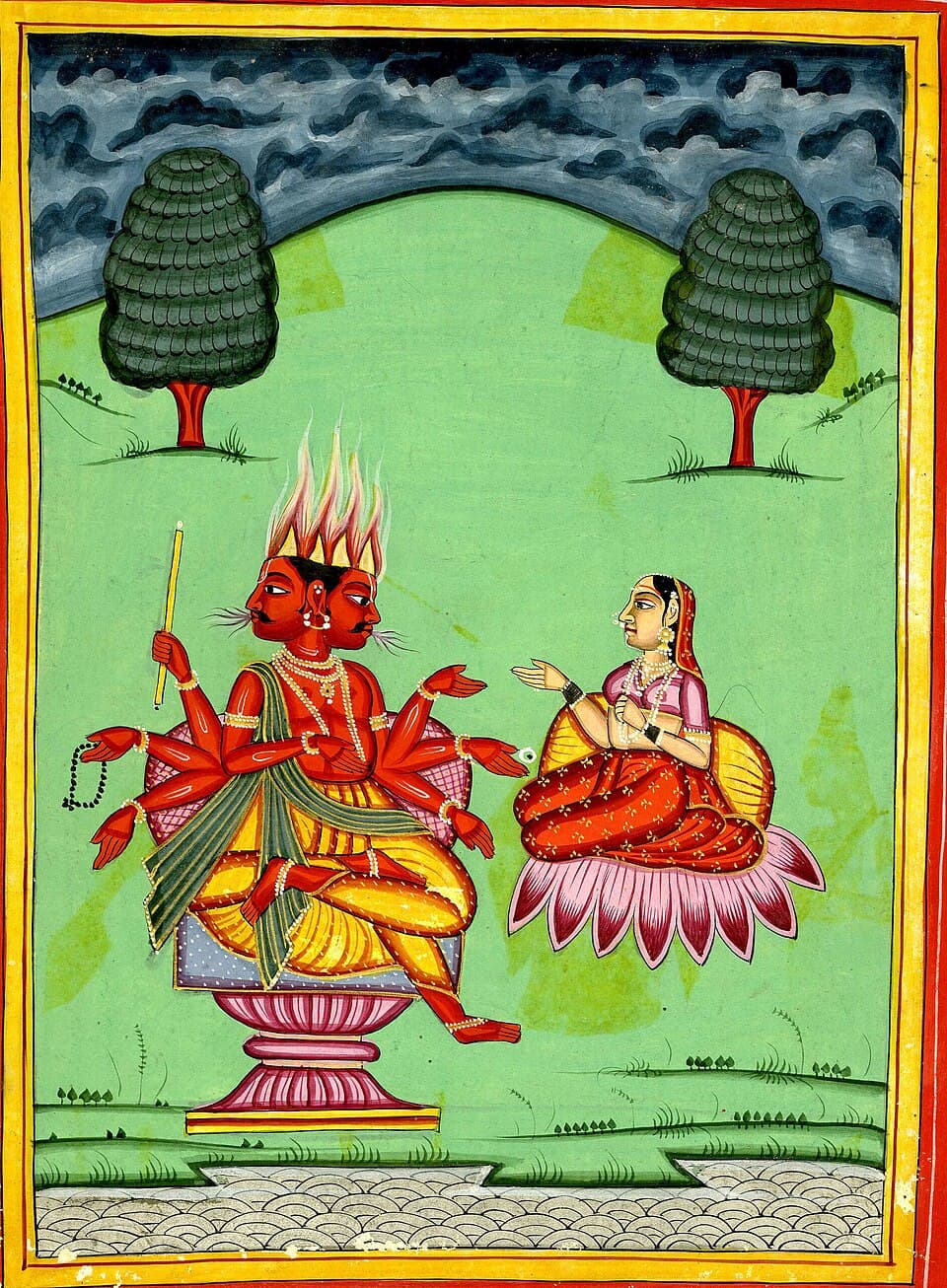
Indian subcontinent
Svaha is a Sanskrit term in Indian religions which refers to a goddess and also to a kind of incantation used in mantras…
Read →
Early Slavs
Svarog is a Slavic god who may be associated with fire and blacksmithing and who was once interpreted as a sky god on th…
Read →
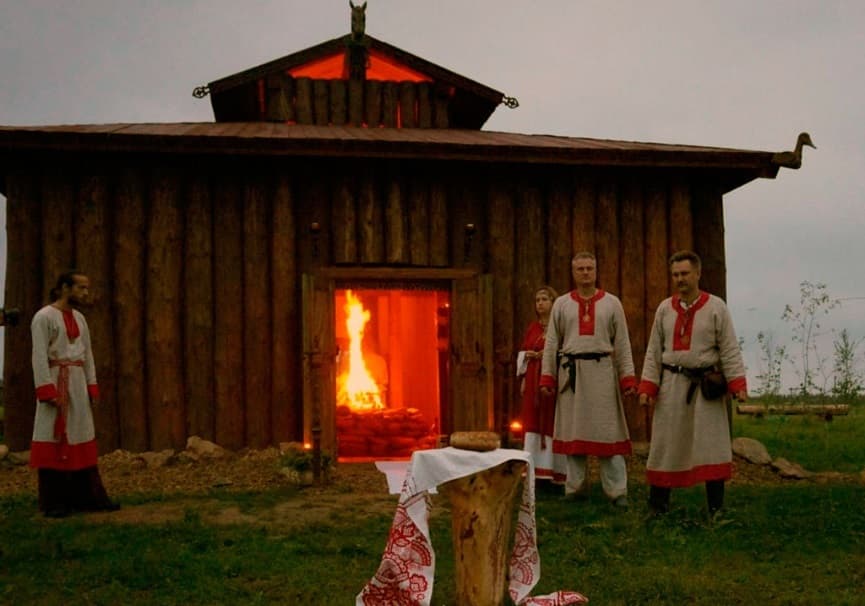
Early Slavs
Svarozhits, Svarozhich is a Slavic god of fire, son of Svarog. One of the few Pan-Slavic gods, he is most likely identi…
Read →
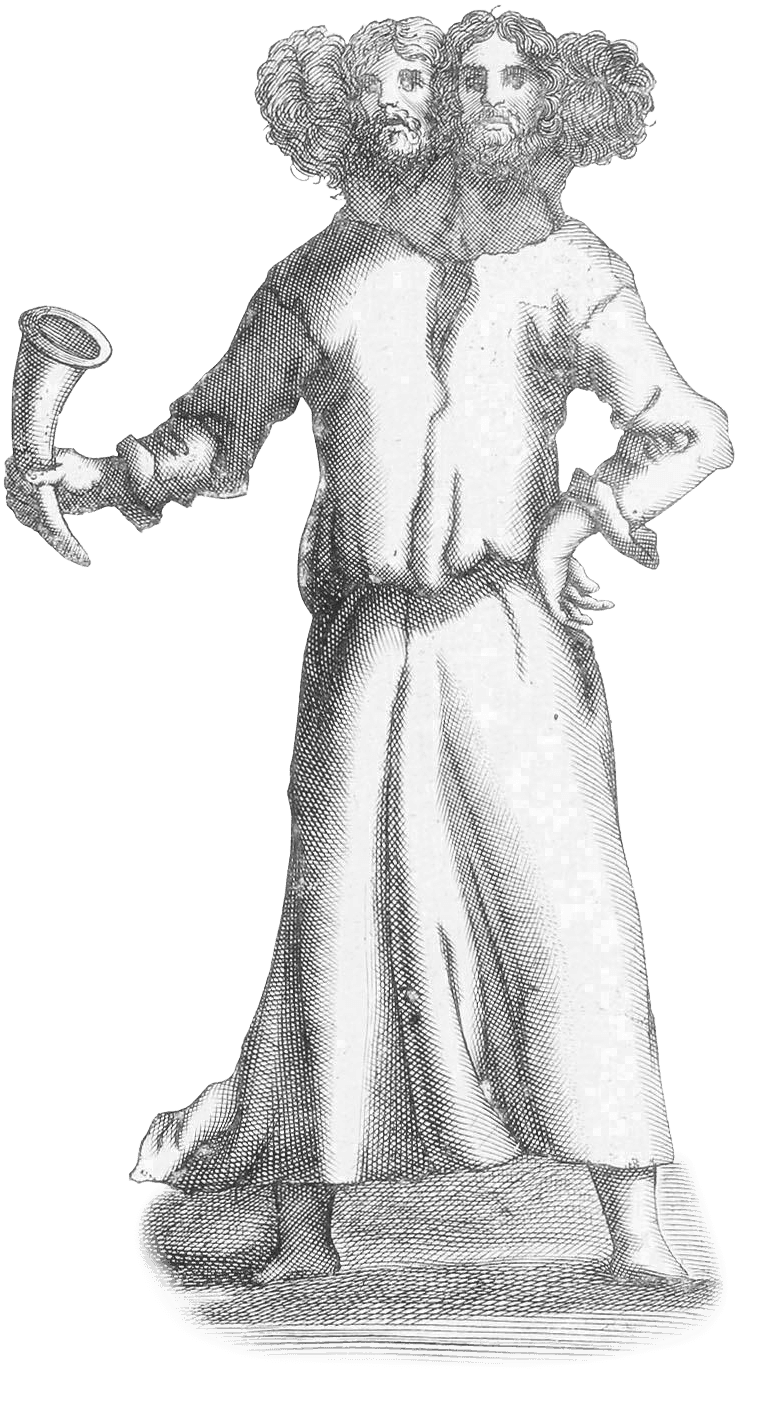
Early Slavs
Svetovit, also known as Sventovit and Svantovit amongst other variants, is the god of abundance and war, and the chief g…
Read →
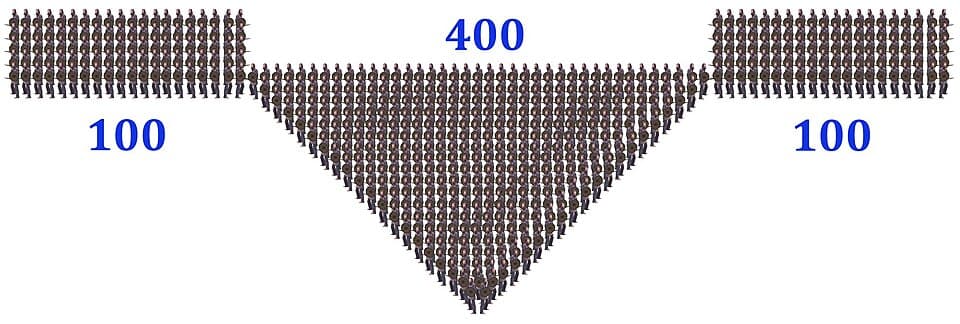
Scandinavia
The Svinfylking was a formation used in battle. Related to the wedge formation, it was used in Iron Age Scandinavia and…
Read →

Inca Empire
The Swaminarayan Sampradaya, also known as Swaminarayan Hinduism and Swaminarayan movement, is a Hindu Vaishnava samprad…
Read →

Indian subcontinent
Shree Swasthani is a Hindu goddess (Parameshwari) and is responsible for the good fortune, welfare and power. She is mo…
Read →
Indian subcontinent
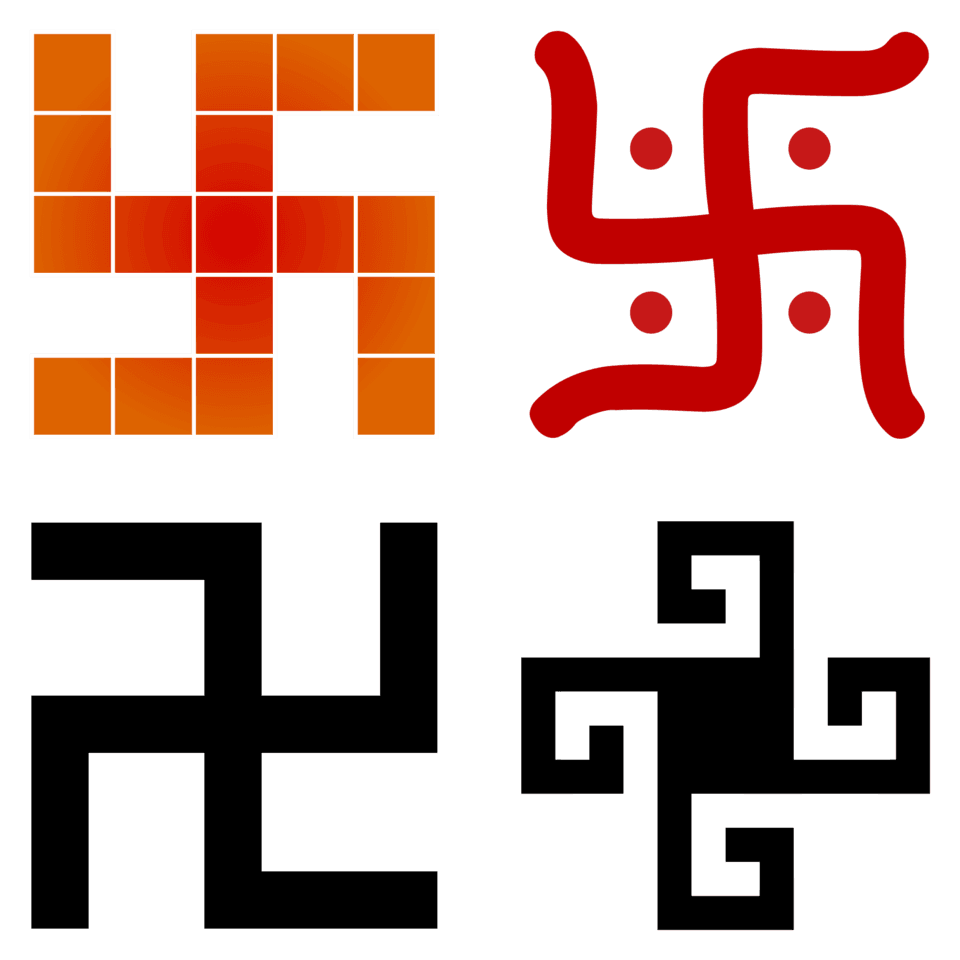
The swastika is a ancient cross-cultural geometrical symbol that has been used in many cultures and religions of Eurasia…
Read →
Ancient Greece
In Greek mythology, Syceus was a Titan son of Gaia (Earth) and eponym of the city of Sykea in Cilicia.
Read →
Ancient Levant
Sydyk was the name of a deity appearing in a theogony provided by Roman-era Phoenician writer Philo of Byblos in an acco…
Read →
Ancient Greece
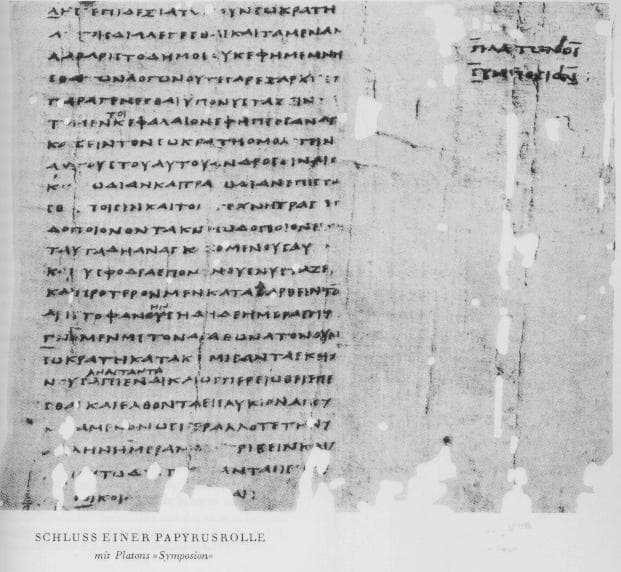
The Symposium is a Socratic dialogue by Plato, dated c. 385 – 370 BC. It depicts a friendly contest of extemporaneous …
Read →
Scandinavia
In Norse mythology, Syn is a goddess associated with defensive refusal. Syn is attested in the Prose Edda, written in t…
Read →
Ancient Egypt
Ta-Bitjet is an ancient goddess of Egyptian mythology. She is identified as the consort of Horus. Ta-Bitjet is a scorp…
Read →
Japan
Ta-no-Kami (田の神) is a kami who is believed to observe the harvest of rice plants or to bring a good harvest, by Japanese…
Read →
Ancient Mesopotamia
Tadmuštum or Dadamušda was a Mesopotamian goddess associated with the underworld. She was regarded as the daughter of N…
Read →
Polynesia
Taema is the name of a female figure referred to in different legends in Samoan mythology.
Read →

Etruria
Tages was claimed as a founding prophet of Etruscan religion who is known from reports by Latin authors of the late Roma…
Read →
China
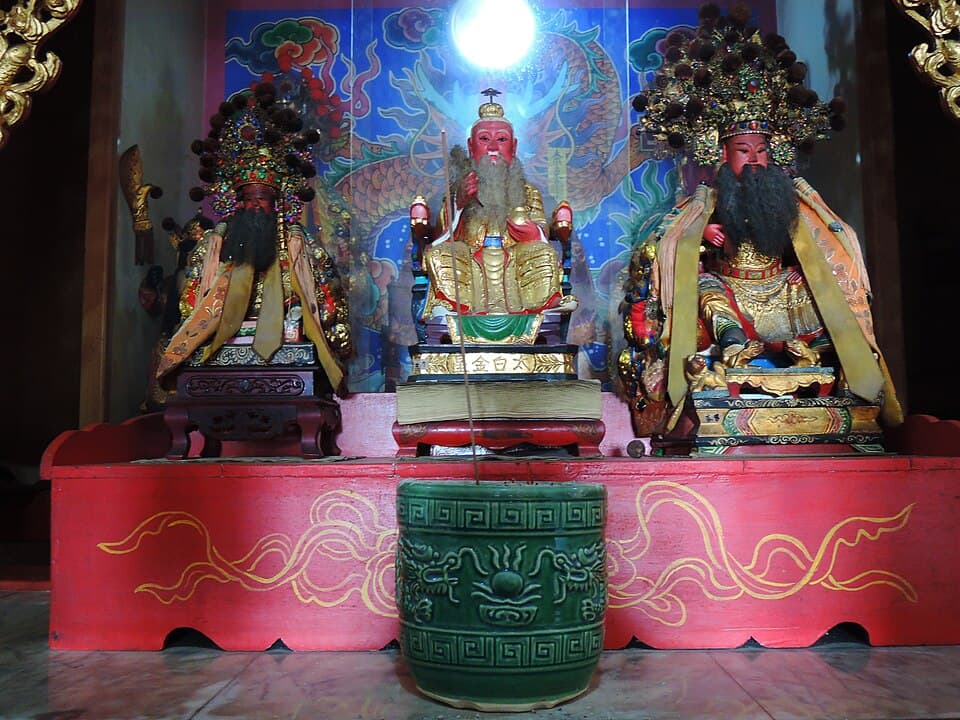
Taibai Jinxing is a deity in Chinese folk religion and Taoism. He is the son of Bai Di, the White Emperor, and his name…
Read →

China
Taiyi Zhenren is a Daoist deity in Chinese religion and Taoism. Taiyi means "primordial unity of yin and yang" and Zhen…
Read →

China
Taiyin Xingjun is a deity of the Chinese pantheon.
Read →
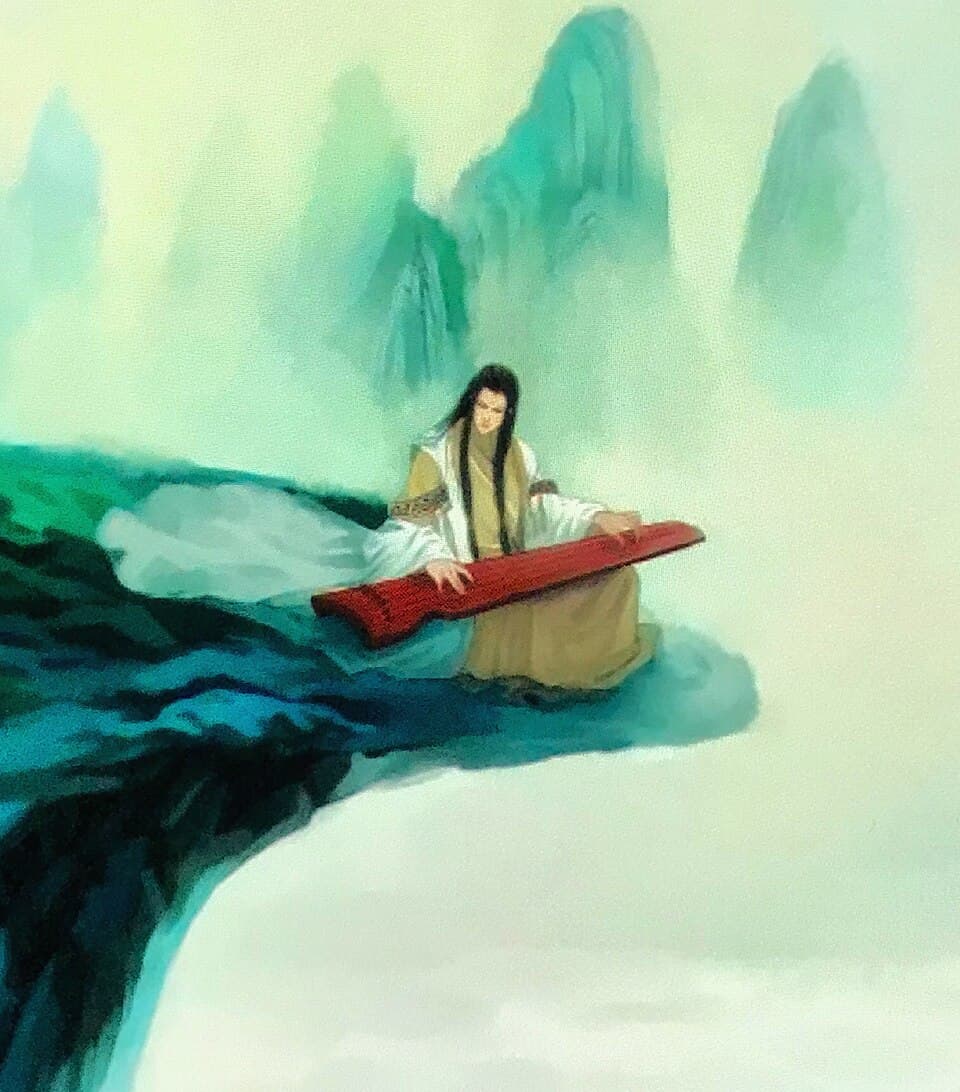
China
Taizi Changqin is a deity in Chinese mythology, regarded as the mythological ancestor of Chinese music and melody. His …
Read →
Japan
Takamen is a supernatural deity with a strange appearance that appears during the traditional Saku-odori or Toyomatsuri-…
Read →

Japan
Takeminakata (タケミナカタ), also known as Minakatatomi or Takeminakatatomi, is a kami in Japanese mythology. Also known as S…
Read →

Japan
Takenouchi no Sukune (武内宿禰) or Takeshiuchi no Sukune was a legendary hero and statesman of the 1st century. He was ensh…
Read →
Japan
In Japanese mythology, Takitsuhiko is a god of waterfalls. He is known also as 'Prince Cataract', and is the son of Aji…
Read →
Ancient Mesopotamia
Tākultu was a type of religious ceremony in ancient Mesopotamia. It took the form of a ritual banquet during which a ki…
Read →

Ancient Greece
The Talaria of Mercury or The Winged Sandals of Hermes are winged sandals, a symbol of the Greek messenger god Hermes. …
Read →
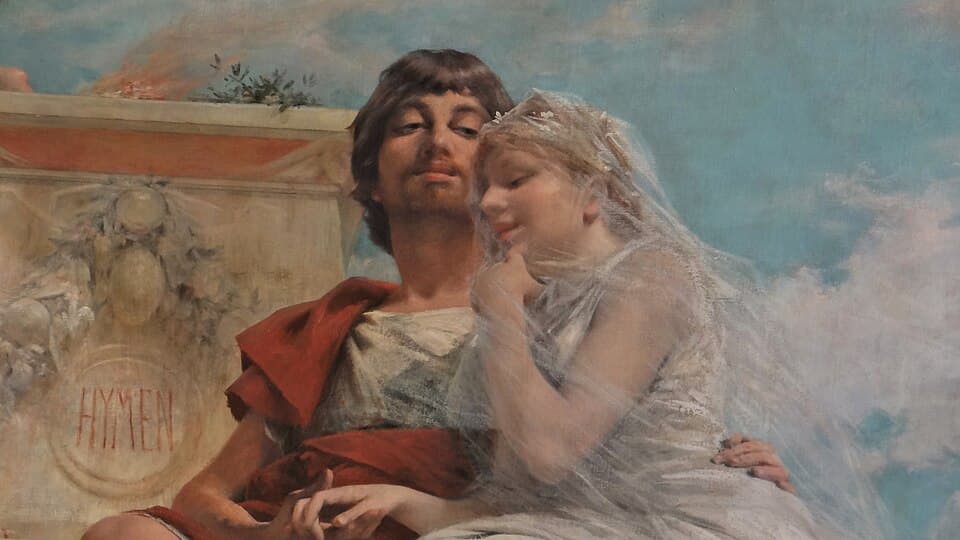
Ancient Rome
Talasius is also known as Thalasius, Talassus and Talassio is a god of marriage in Roman mythology. His equivalent in G…
Read →
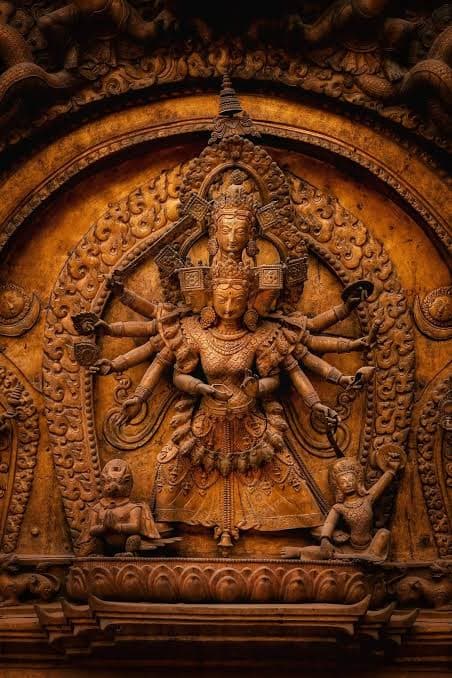
Indian subcontinent
Taleju also venerated as Taleju Bhavani and Taleju Maju, is a goddess worshipped in Nepal as the revered form of the Hin…
Read →
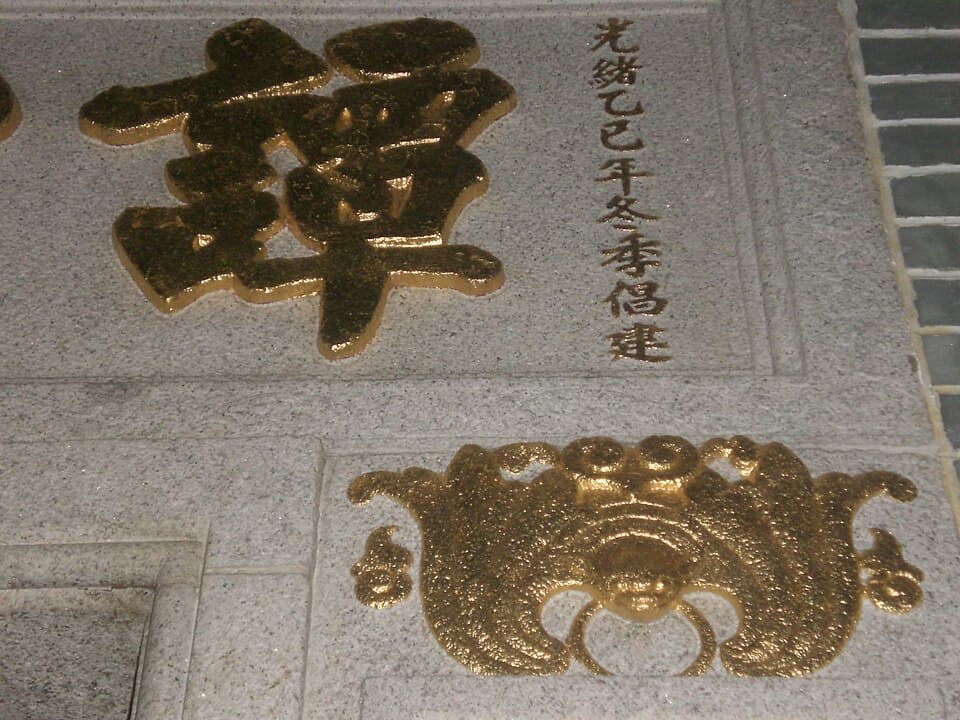
China
Tam Kung or Tam Tai Sin (譚大仙) is a sea deity worshiped in Hong Kong and Macau.
Read →
Polynesia
In Māori mythology, Tama-nui-te-rā (Tamanuiterā) is the personification of the sun.
Read →
Japan
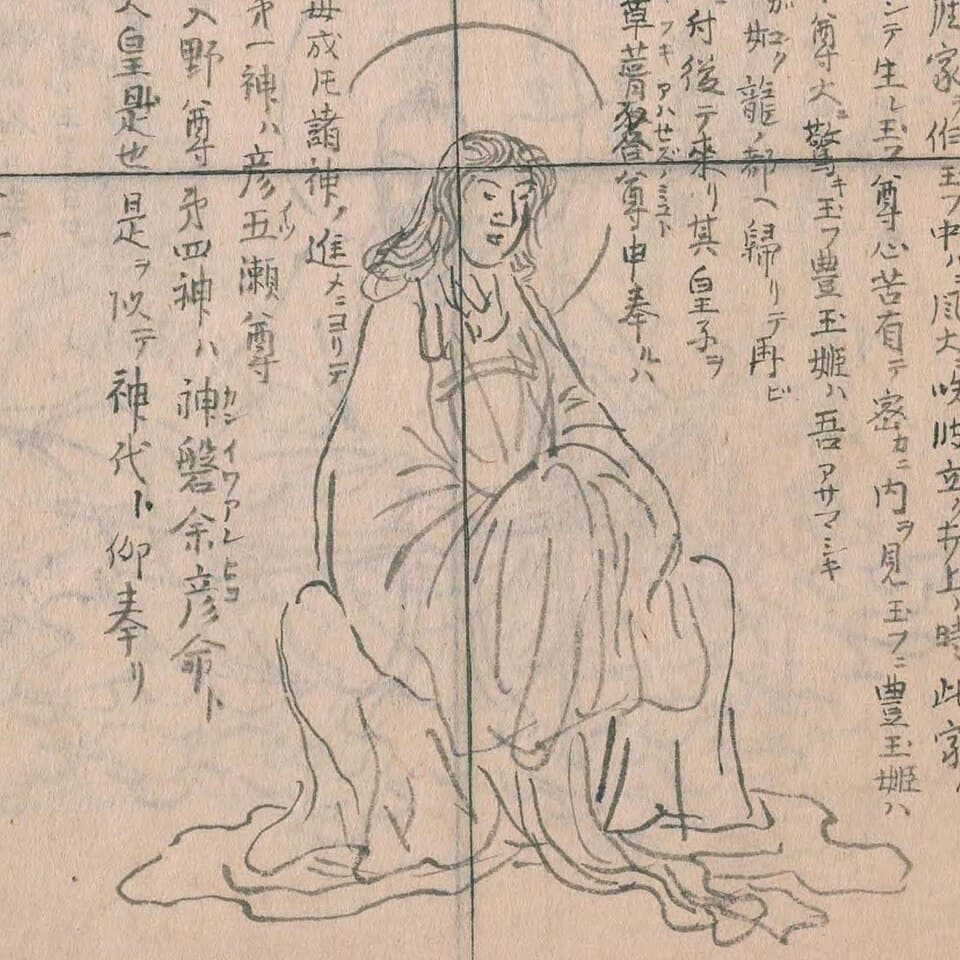
Tamayori-hime is a goddess in Japanese mythology. Her name is spelled as 玉依毘売命 in the Kojiki and 玉依姫 in the Nihon Shoki…
Read →
Scandinavia
In Germanic paganism, Tamfana is a goddess. The destruction of a temple dedicated to the goddess is recorded by Roman s…
Read →
Polynesia
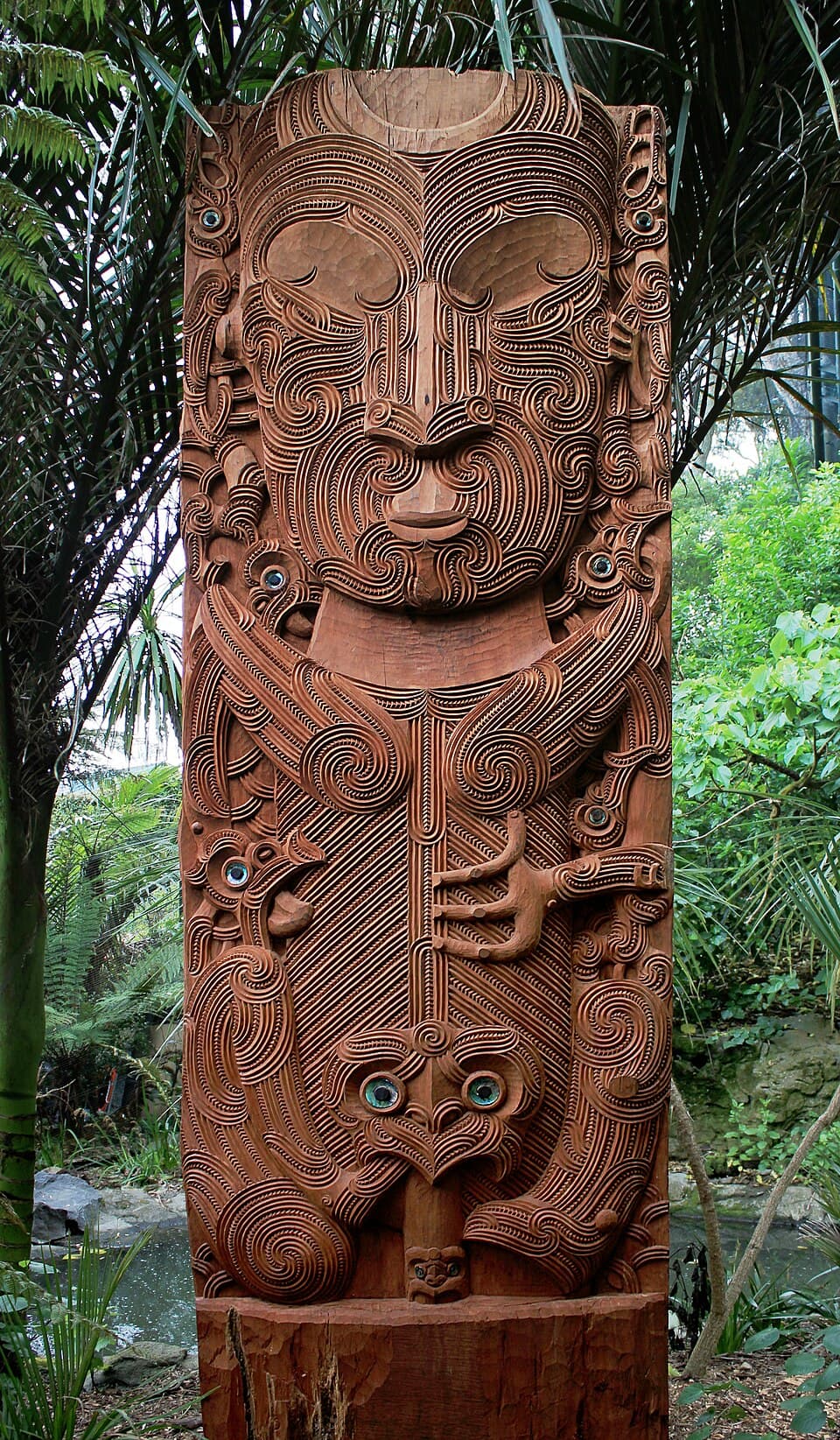
In Māori mythology, Tāne is the god of forests and of birds, and the son of Ranginui and Papatūānuku, the sky father and…
Read →
Polynesia
In Māori mythology, Tane-Rore is the personification of shimmering air as it performs a haka for his mother Hine-raumati…
Read →
Polynesia
Tangaroa is the great atua of the sea, lakes, rivers, and creatures that live within them, especially fish, in Māori myt…
Read →
Polynesia
In Māori mythology, Tangotango was a celestial woman who fell in love with the great hero Tāwhaki and came to earth to b…
Read →
Ancient Rome
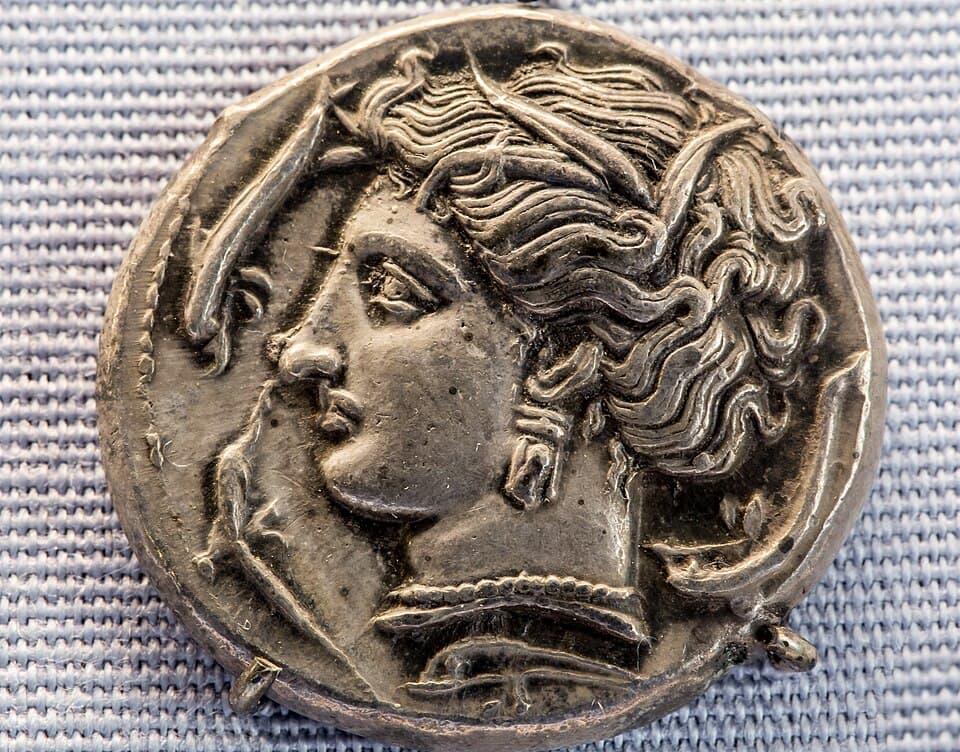
Tanit or Tinnit was a chief deity of Ancient Carthage. She is the consort of Baal Hammon. As Ammon is a local Libyan d…
Read →

Scandinavia
Tanngrisnir and Tanngnjóstr are the goats who pull the chariot of the god Thor in Norse mythology. They are attested in…
Read →
Indian subcontinent
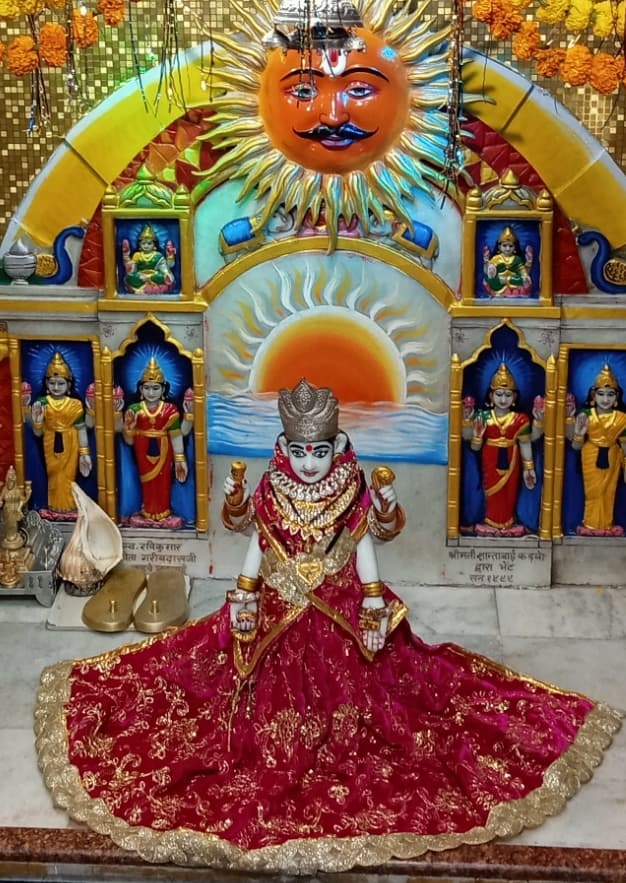
Tapati is a goddess in Hinduism. She is known also as the goddess of the river Tapati and mother-goddess of the south w…
Read →

Asia
Tara, Ārya Tārā, also known as Jetsün Dölma, is an important female Buddha in Buddhism, especially revered in Vajrayana …
Read →
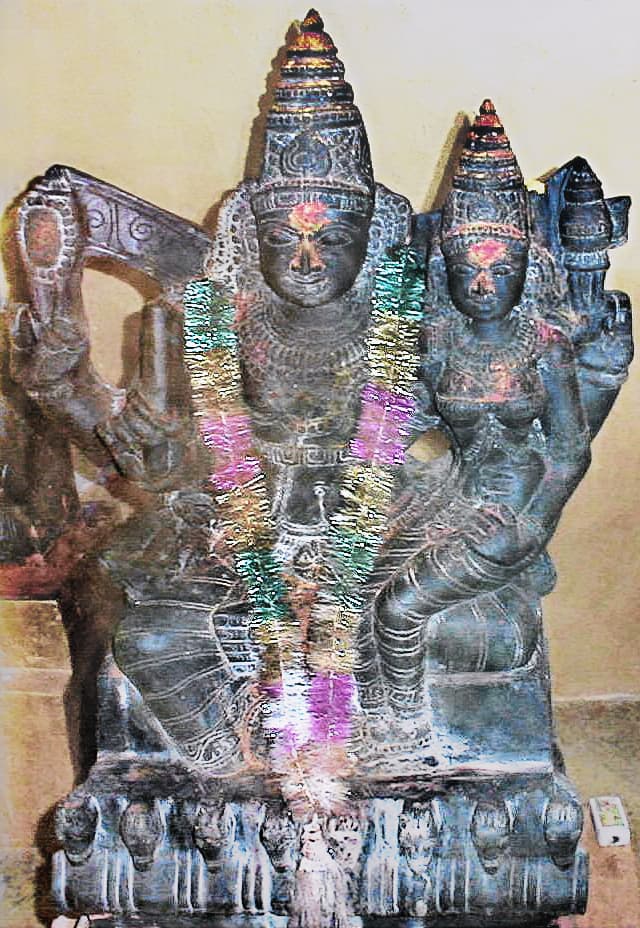
Indian subcontinent
Tārā is the Hindu goddess of felicity and sanguineness. She is also known as the "Wisdom Goddess" in Nepal and Tibet. …
Read →
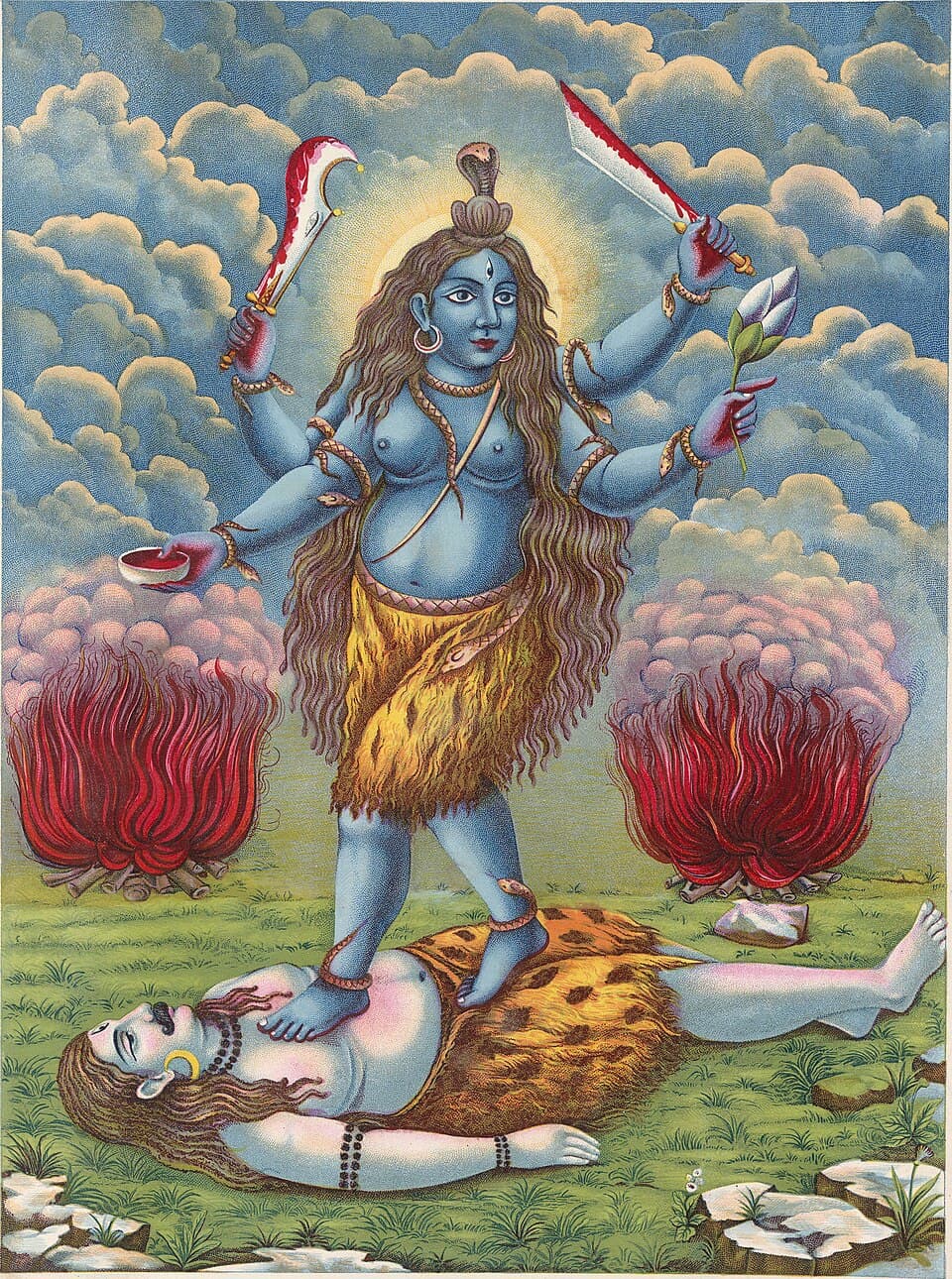
Indian subcontinent
In the Shaivism and Shaktism tradition of Hinduism, the goddess Tara is the second of the ten Mahavidyas. She is consid…
Read →
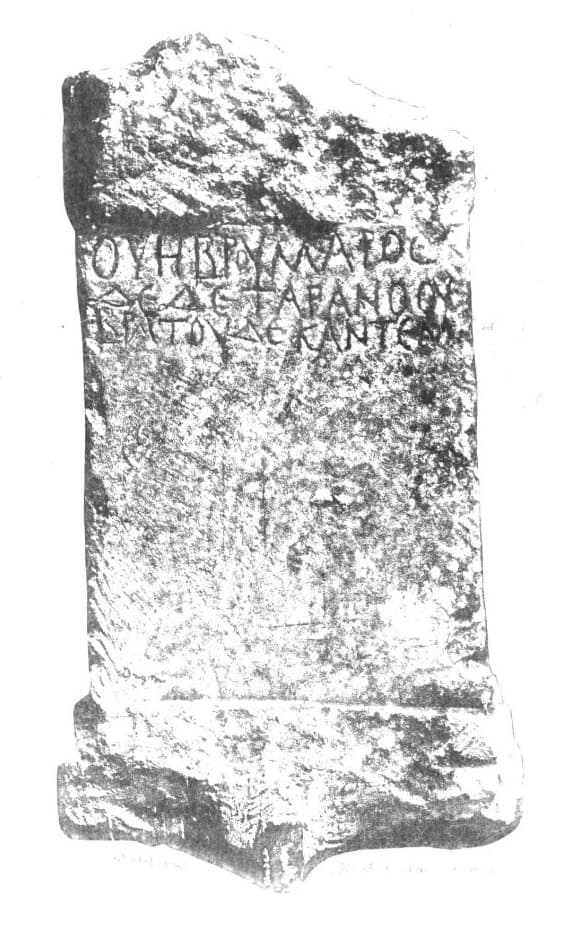
Iron Age Europe
Taranis is a Celtic thunder god attested in literary and epigraphic sources.
Read →
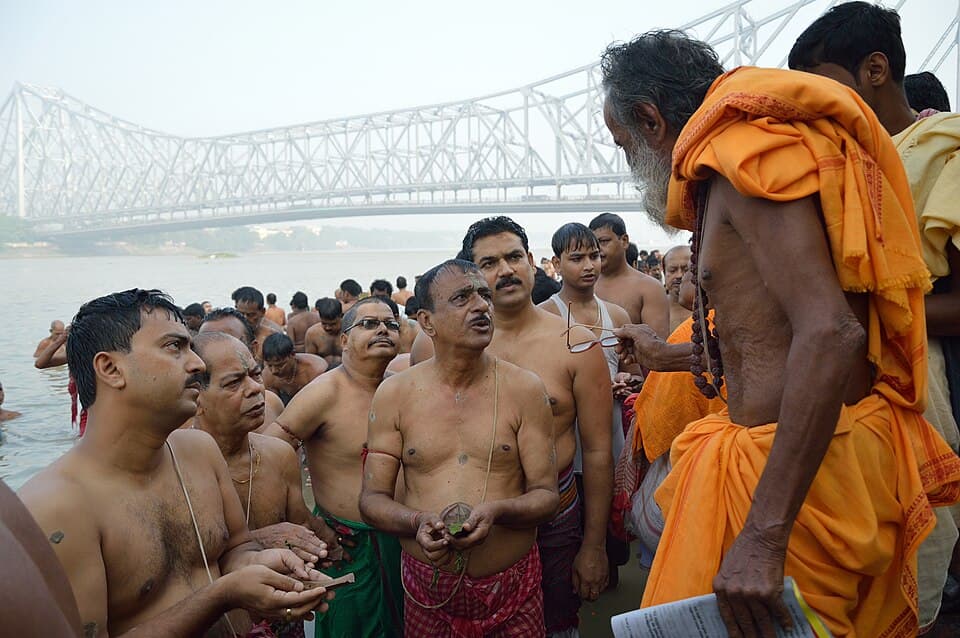
Indian subcontinent
Tarpana or Tarpaṇa is a term in the Vedic practice that refers to an offering made to divine entities. It refers to the…
Read →
Ancient Greece
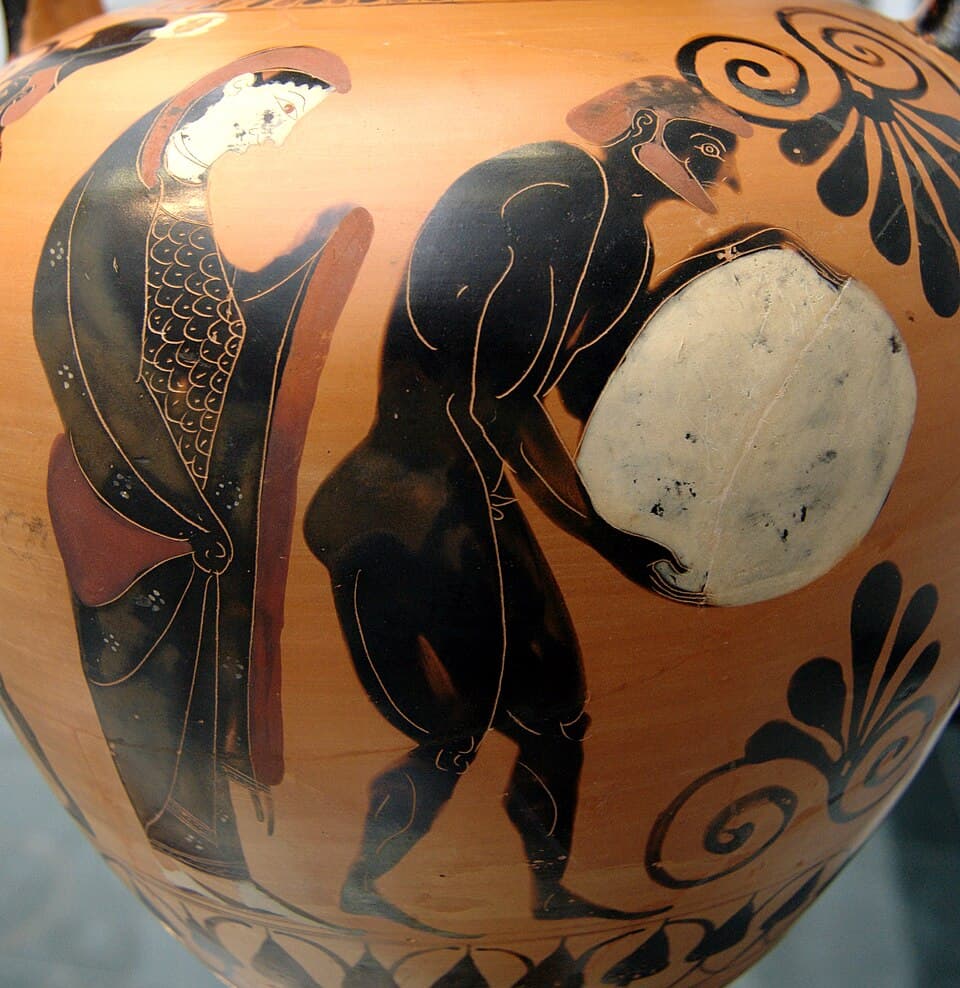
In Greek mythology, Tartarus is the deep abyss that is used as a dungeon of torment and suffering for the wicked and as …
Read →
Ancient Mesopotamia
Tashmetum was a Mesopotamian goddess. Her character is poorly understood, and she is best attested as the spouse of Nab…
Read →
Ancient Mesopotamia
Tashmetum was a Mesopotamian goddess. Her character is poorly understood, and she is best attested as the spouse of Nab…
Read →
Ancient Egypt
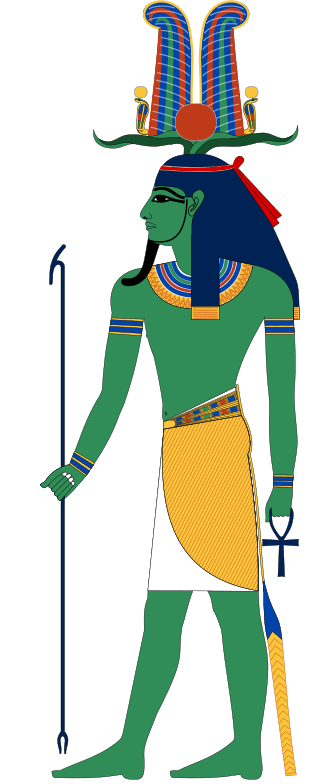
Tatenen was the deity of the primordial mound in ancient Egyptian religion. His name means "risen land" or "exalted ear…
Read →
Indian subcontinent
According to various Indian schools of philosophy, tattvas are the elements or aspects of reality that constitute human …
Read →
Ancient Egypt
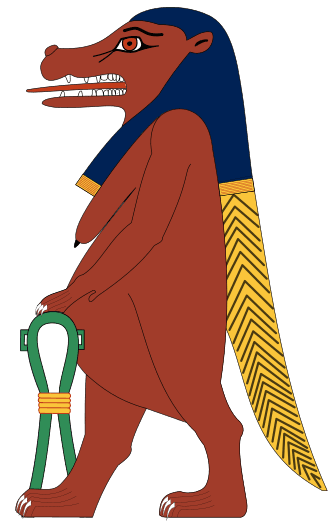
In Ancient Egyptian religion, Taweret is the protective goddess of childbirth and fertility. The name "Taweret" means "…
Read →
Polynesia
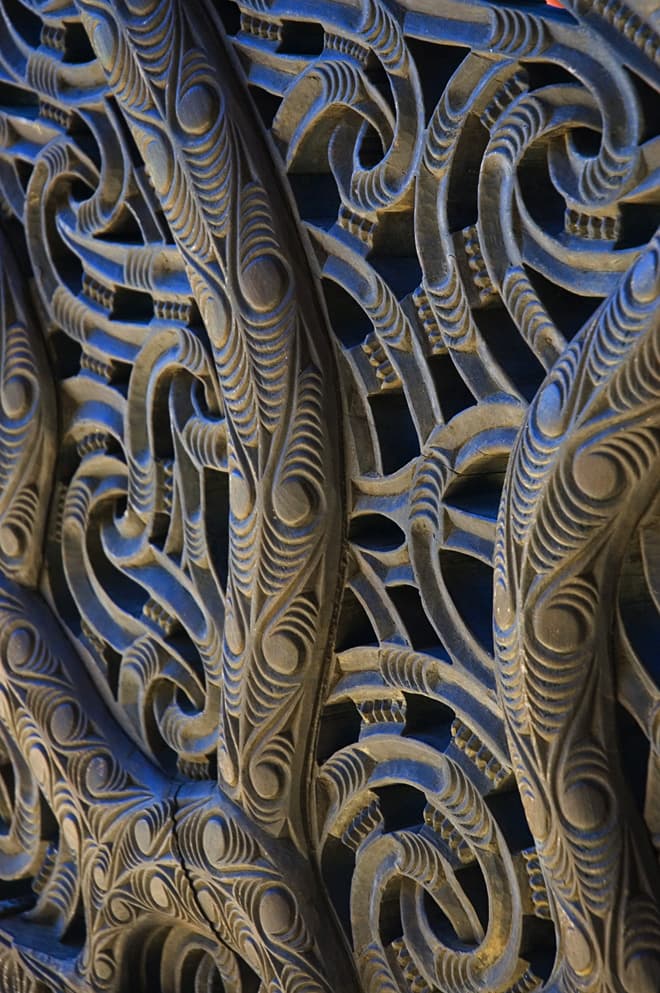
In Māori mythology, Tāwhaki is a semi-supernatural being associated with lightning and thunder.
Read →

Polynesia
In Māori mythology, Tāwhirimātea is the god of weather, including thunder and lightning, wind, clouds and storms. He is…
Read →

Ancient Egypt
Tayt was an Egyptian goddess. Some attest her husband was Neper while others state she was possibly the consort of Hedj…
Read →
Polynesia
Te Uira is an atua who personifies lightning in Māori mythology. Te Uira's child Te Kanapu, grandparent of Whaitiri, is…
Read →
Aztec Empire
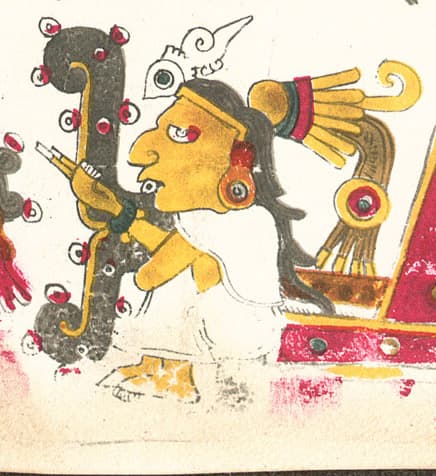
In Aztec mythology, Tecciztecatl was a lunar deity, representing the Man in the Moon.
Read →

Aztec Empire
In Aztec mythology, Tecciztecatl was a lunar deity, representing the Man in the Moon.
Read →
Indian subcontinent
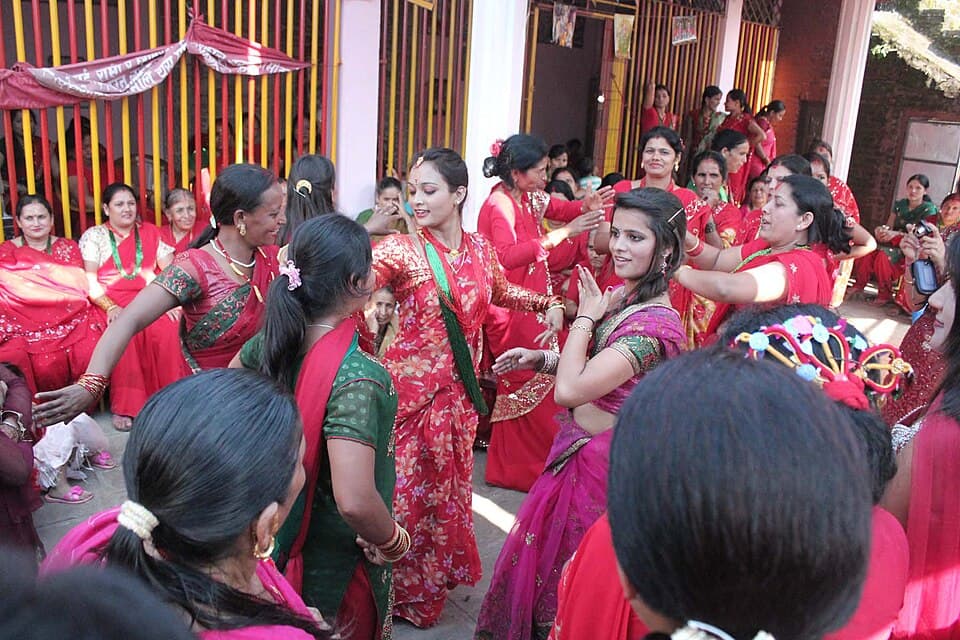
Teej is a collective term for three Hindu festivals dedicated to the goddess Parvati and her consort Shiva. It is mainl…
Read →
Ancient Egypt
Tefnut is a deity in Ancient Egyptian religion, the feminine counterpart of the air god Shu. Her mythological function …
Read →
Ancient Egypt
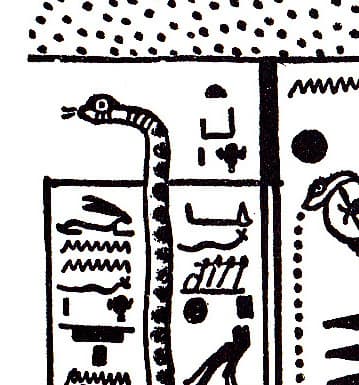
Teka-her, literally "He with the enlightened face", is a monstrous serpent from Egyptian mythology. His existence is me…
Read →
Ancient Greece
Telegonus is the name shared by three different characters in Greek mythology. Telegonus, a king of Egypt who was someti…
Read →
Ancient Greece
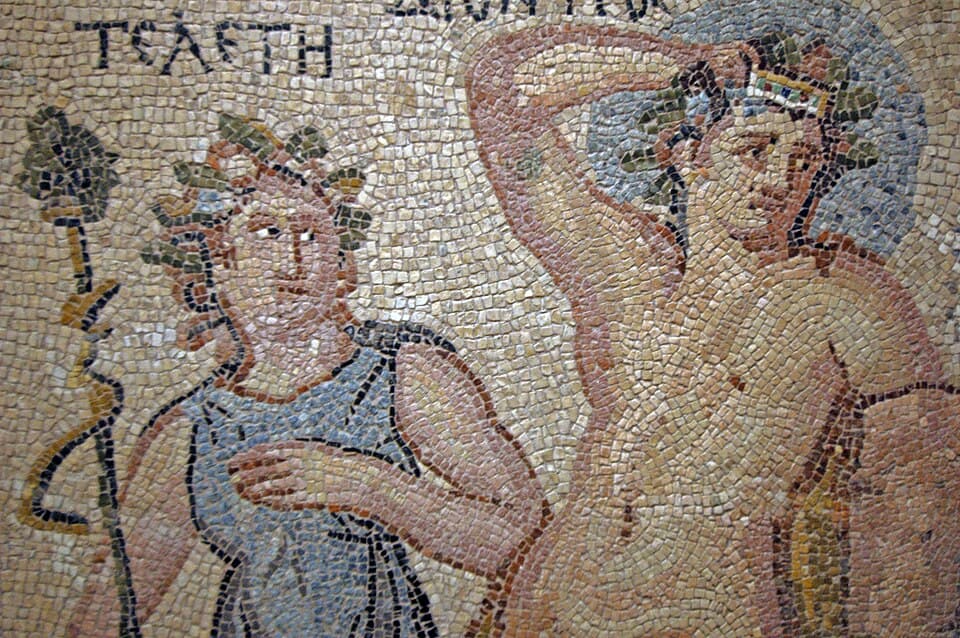
In Greek mythology, Telete is the daughter of the wine-god Dionysus and Nicaea, a Naiad daughter of the river-god Sangar…
Read →
Ancient Rome
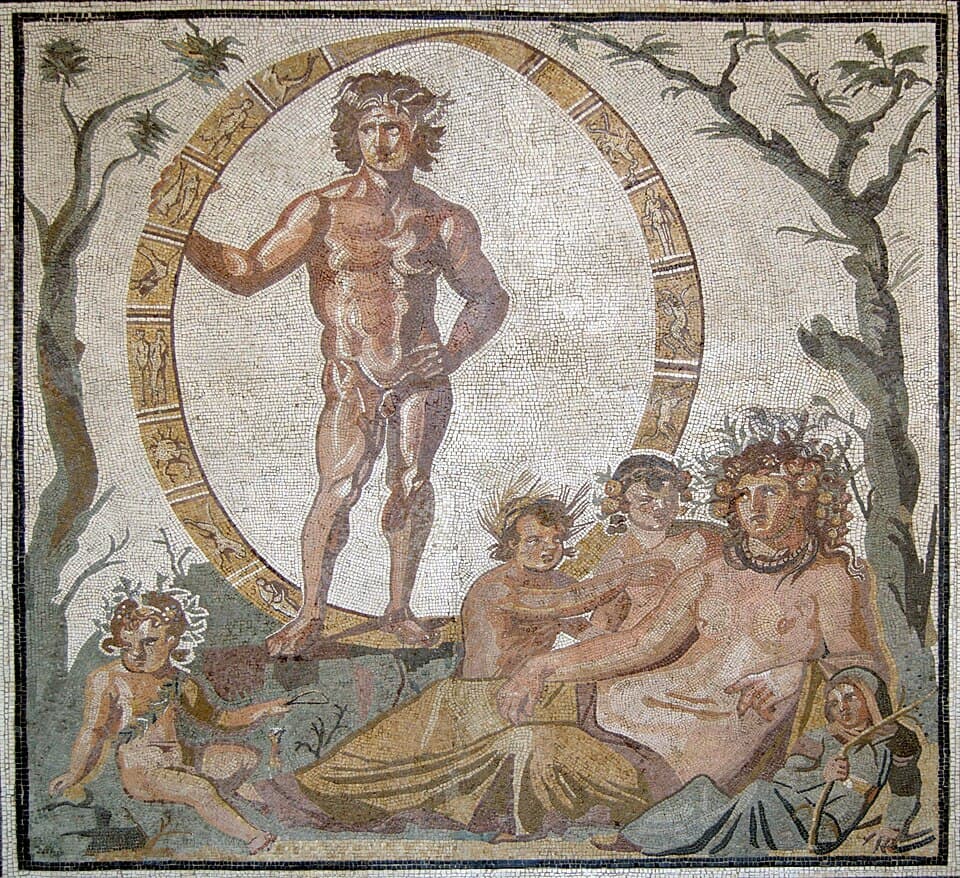
In ancient Roman religion and mythology, Tellus or Terra is the personification of the Earth. Although Tellus and Terra…
Read →
Ancient Rome
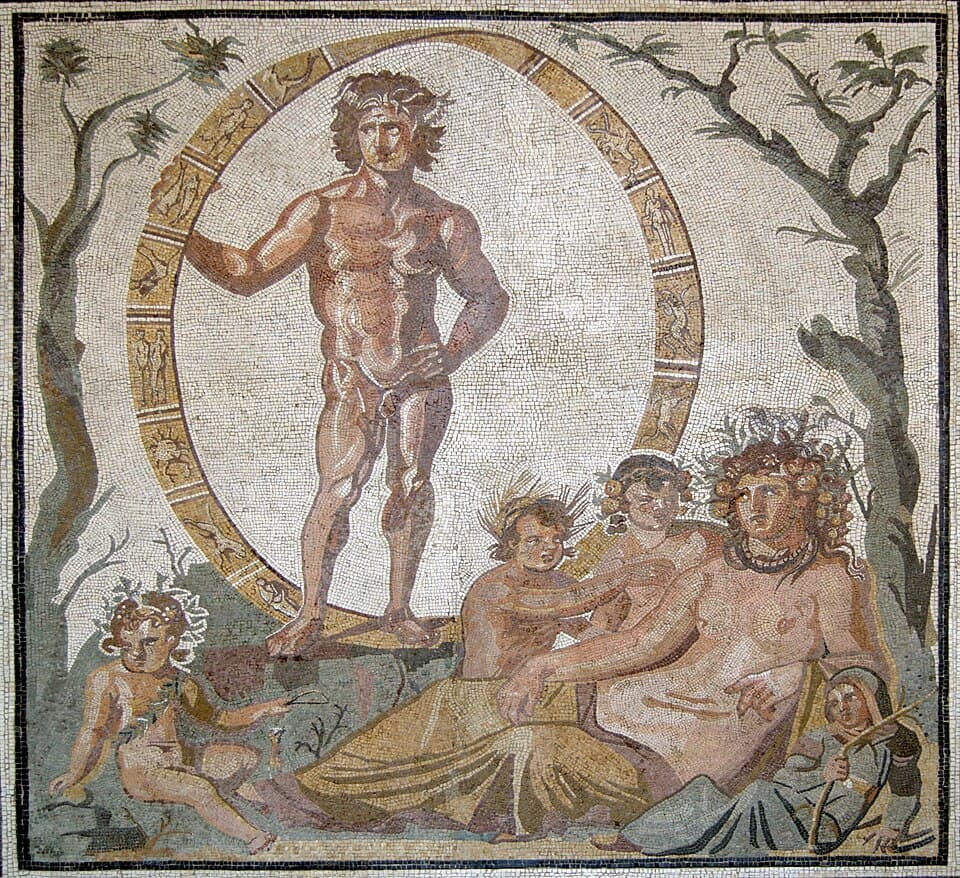
In ancient Roman religion and mythology, Tellus or Terra is the personification of the Earth. Although Tellus and Terra…
Read →
Aztec Empire
In the Aztec mythology, Temazcalteci was the goddess of steam baths. According to Sahagún, she was the goddess of medic…
Read →
Indian subcontinent
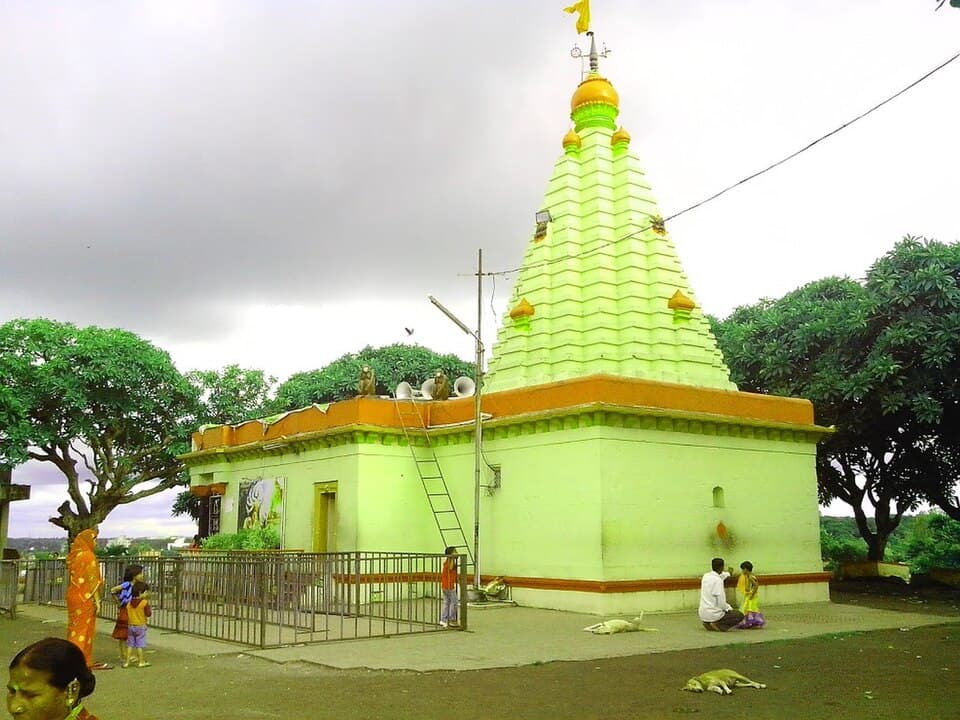
Temblai Devi or Tryamboli is form of Renuka devi, an incarnation of Goddess Durga and the presiding deity of temple loca…
Read →
Ancient Greece
A temenos is a piece of land cut off and assigned as an official domain, especially to kings and chiefs, or a piece of l…
Read →
Ancient Rome
In ancient Roman religion, Tempestas is a goddess of storms or sudden weather. As with certain other nature and weather…
Read →
Asia
Ten Bodhisattas refer to ten future Buddhas during their lives as bodhisattvas. They have also been referred to as succ…
Read →

Inca Empire
Tengrism is a belief system originating in the Eurasian steppes, based on shamanism and animism. It generally involves …
Read →
Japan
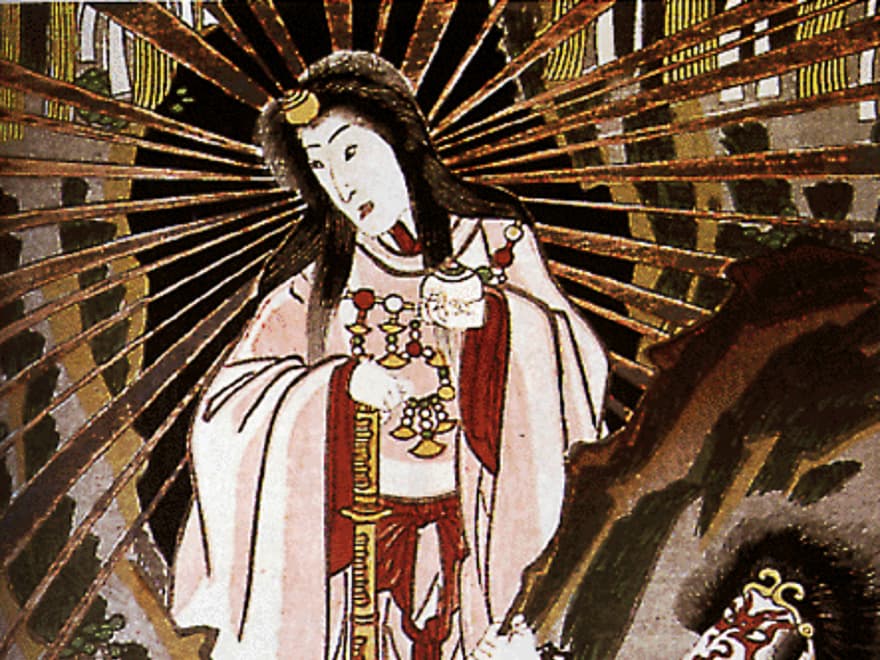
Tengu are a type of legendary creature found in Shinto belief. They are considered a type of yōkai or kami. The Tengu …
Read →