
Buddhist500 BCE – present
Vasudhara
Asia
Vasudhārā whose name means "stream of gems" in Sanskrit, also known as "Gold Tara", is the Buddhist goddess of wealth, p…
Read →
Research Index
An archive of 3,493 gods, deified rulers, and mythological figures across civilizations — from living gods of Egypt to the dying gods of antiquity.
Asia
Vasudhārā whose name means "stream of gems" in Sanskrit, also known as "Gold Tara", is the Buddhist goddess of wealth, p…
Read →
Indian subcontinent
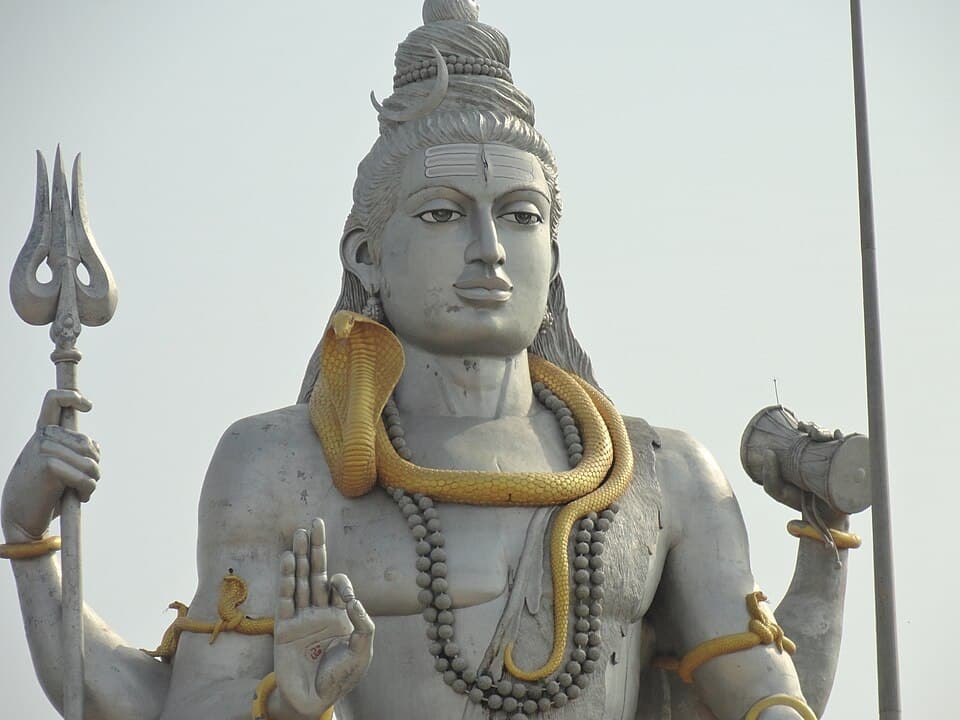
Vasuki is the king of the nagas in Hinduism. He is described as having a gem called Nagamani on his head. Shesha, anot…
Read →
Indian subcontinent
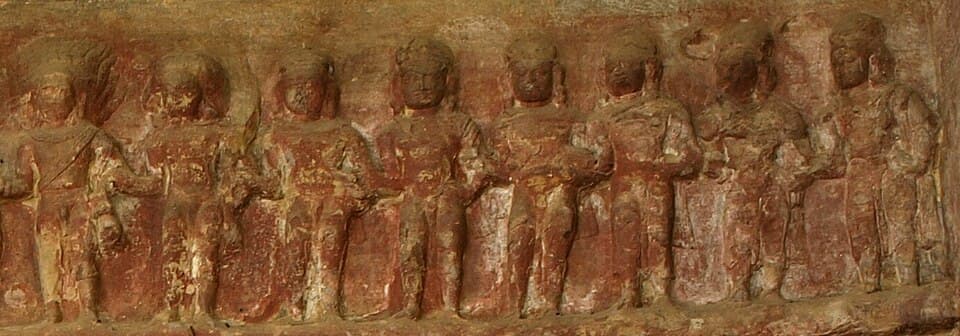
The Vasus are a group of deities in Hinduism associated with fire and light. They are described as the attendant deitie…
Read →
Indian subcontinent
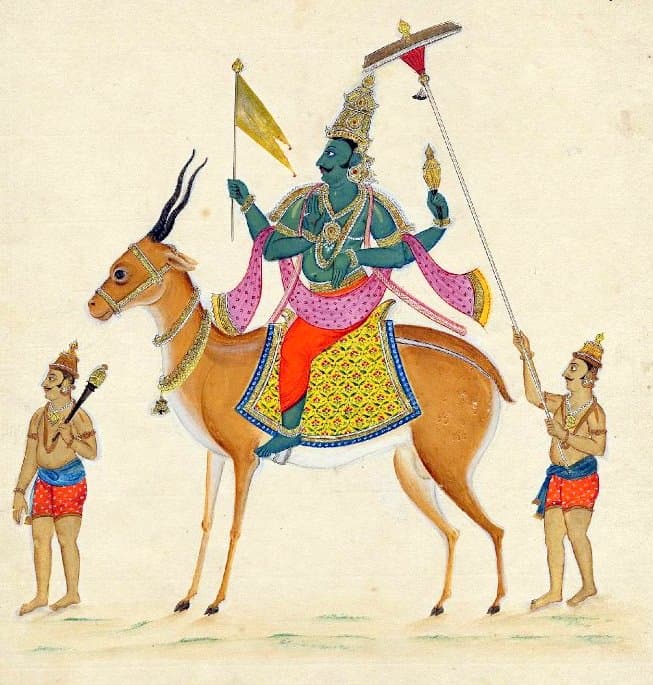
Vayu, also known as Vata and Pavana, is the Hindu god of the winds as well as the divine messenger of the gods. In the …
Read →
Indian subcontinent
The Vayu Stuti is a stuti (eulogy) composed by Trivikrama Panditacharya addressed to Madhvacharya, the founder of the Dv…
Read →
Ancient Persia
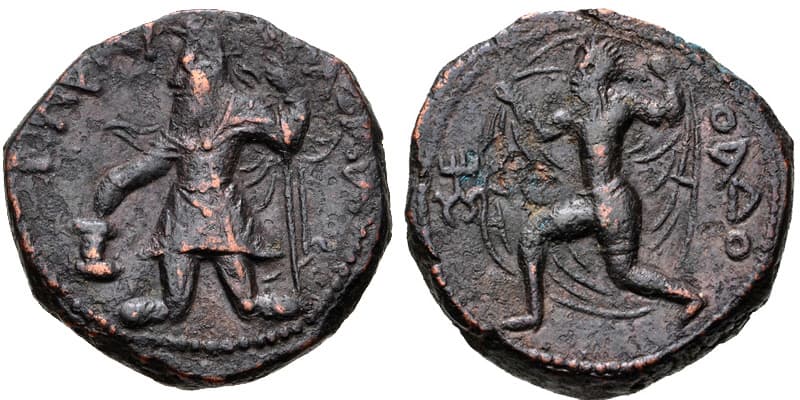
Vāyu-Vāta is the Avestan name of a dual-natured Zoroastrian deity of the wind (Vāyu) and of the atmosphere (Vāta). The …
Read →
Scandinavia
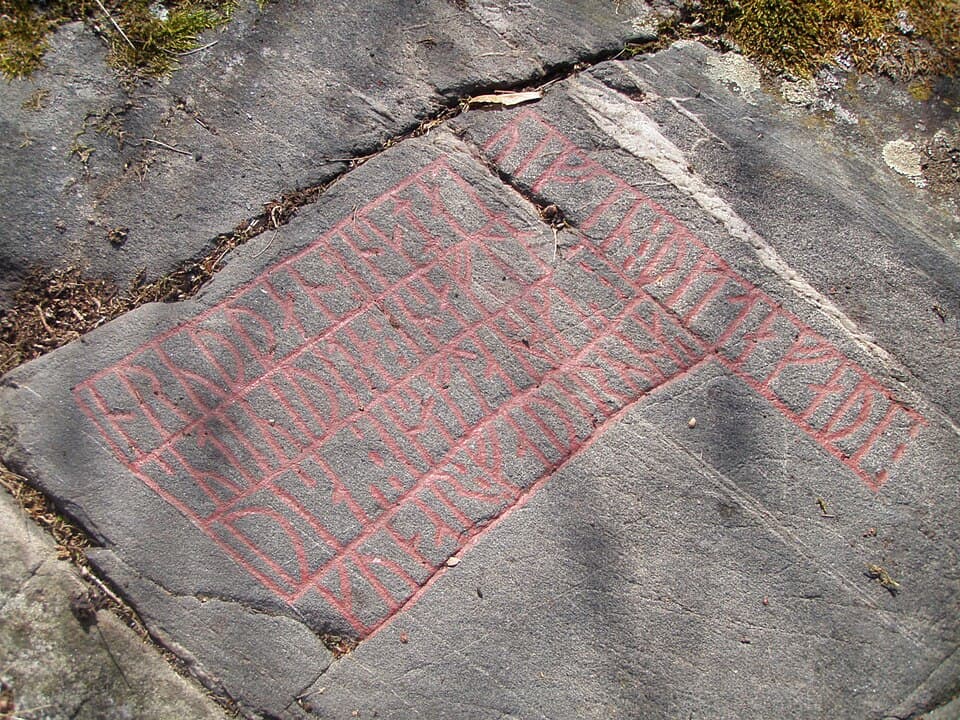
In Germanic paganism, a vé or wēoh is a type of shrine, sacred enclosure or other place with religious significance. Th…
Read →
Scandinavia
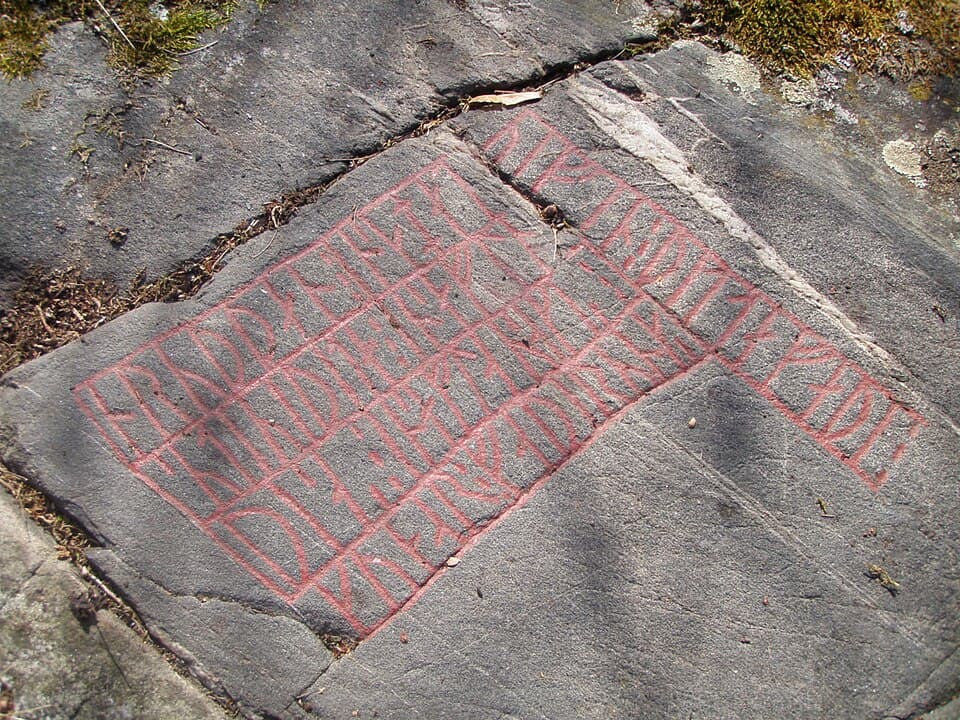
In Germanic paganism, a vé or wēoh is a type of shrine, sacred enclosure or other place with religious significance. Th…
Read →
Indian subcontinent
Vedanta Desika (1268–1369), also rendered Vedanta Desikan, Swami Vedanta Desika, and Thoopul Nigamantha Desikan, was an …
Read →
Indian subcontinent
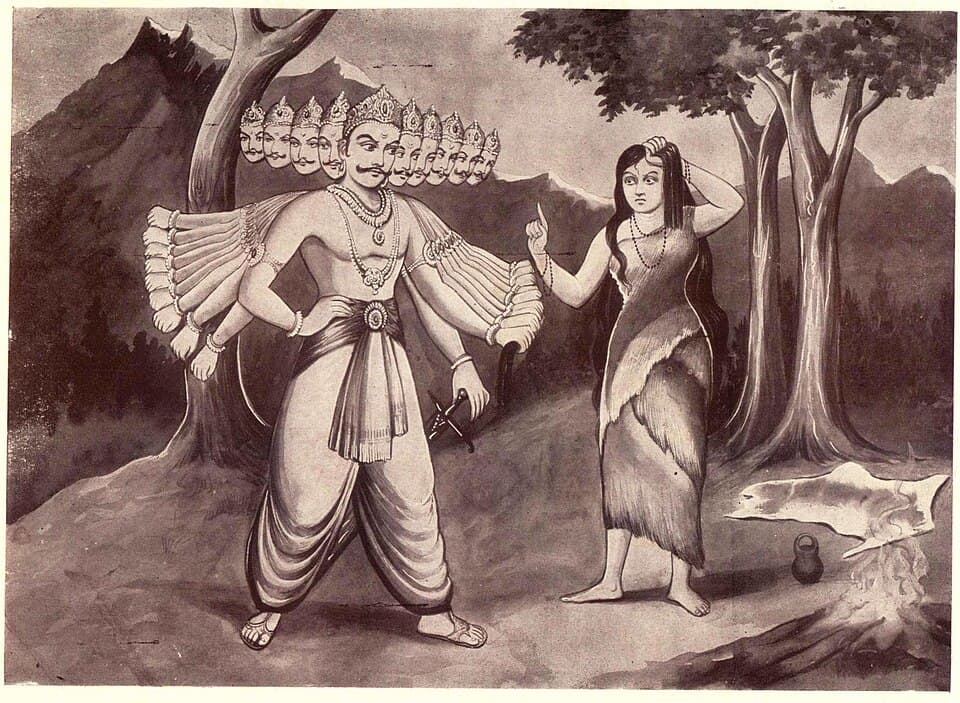
Vedavati is the previous birth of the goddess Sita in Hinduism. She is an avatar of the mother goddess Lakshmi.
Read →
Ancient Rome
Vejovis or Vejove was a Roman god of Etruscan origins.
Read →
Indian subcontinent
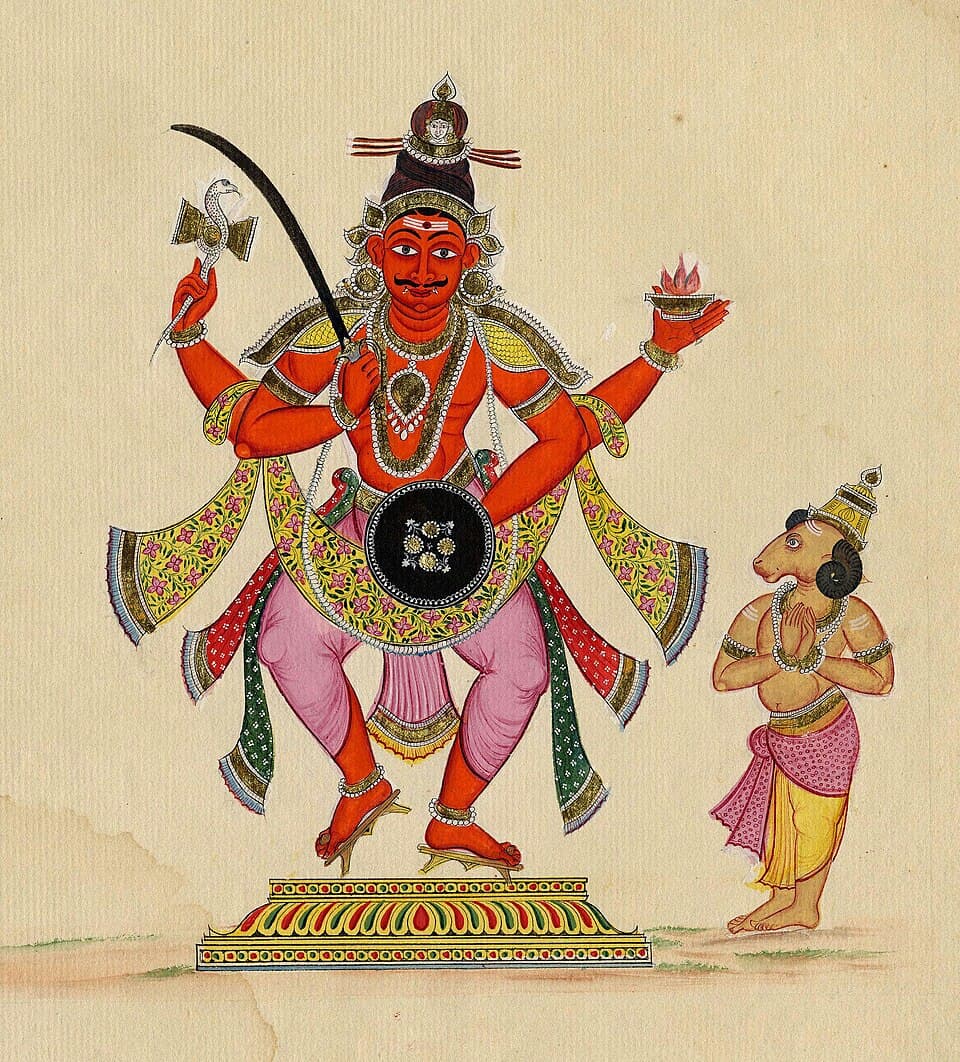
Virabhadra, also rendered Veerabhadra, is a fierce form of the Hindu god Shiva. He is created by the wrath of Shiva, wh…
Read →
Ancient Mesopotamia
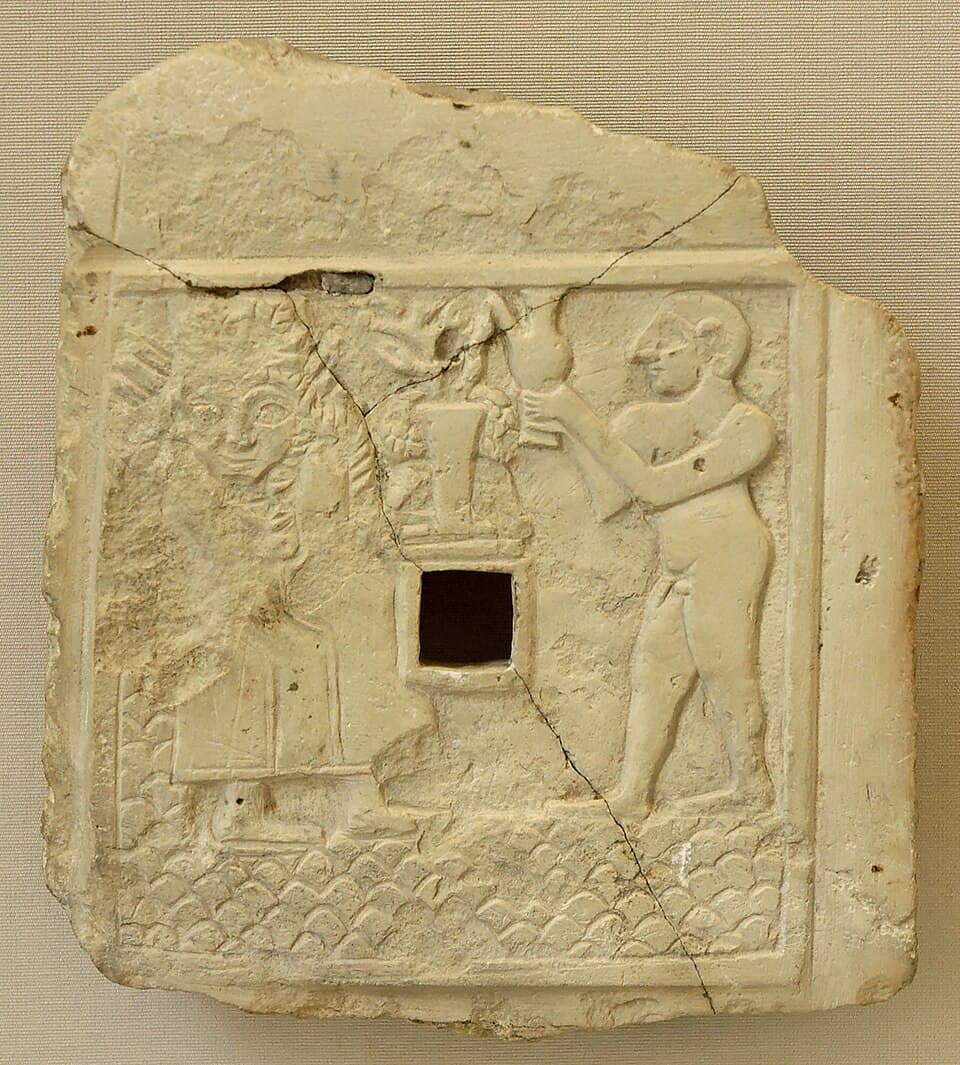
A vegetation deity is a nature deity whose disappearance and reappearance, or life, death and rebirth, embodies the grow…
Read →
Etruria
Vegoia is a sibyl, prophet, or nymph within the Etruscan religious framework. She is identified as the author of parts …
Read →
Ancient Rome
Vejovis or Vejove was a Roman god of Etruscan origins.
Read →
Ancient Rome
Vejovis or Vejove was a Roman god of Etruscan origins.
Read →

Early Slavs
Veles, also known as Volos, is a chthonic god of the underworld, described in contemporary sources as a cattle god, but …
Read →
Ancient Rome
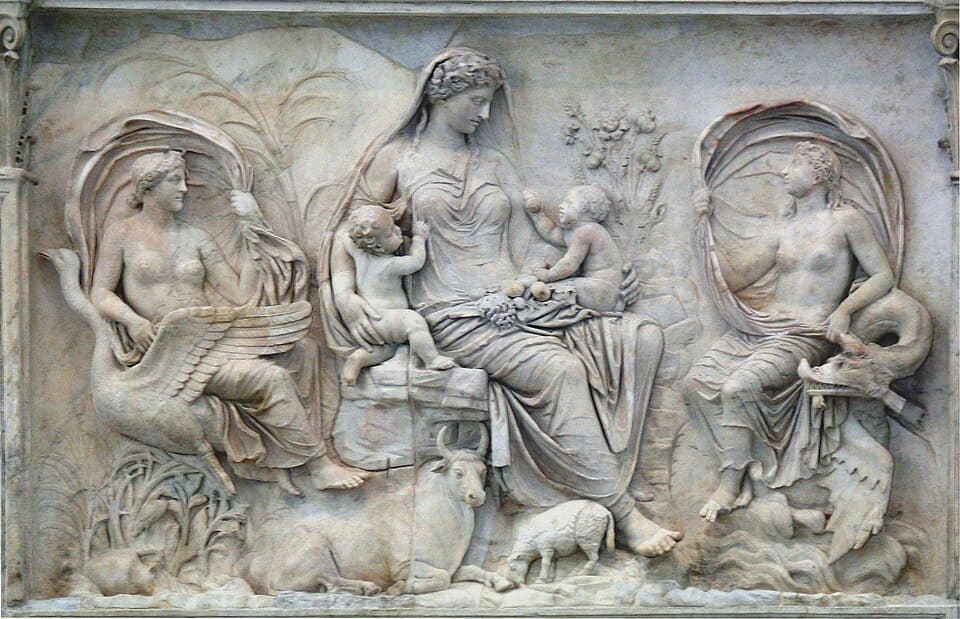
Velificatio is a stylistic device used in ancient Roman art to frame a deity by means of a billowing garment. It repres…
Read →
Iron Age Europe
Vellaunus is a Celtic god known from two inscriptions. He was equated to the Roman god Mercury.
Read →

Ancient Egypt
The veneration of the dead, including one's ancestors, is based on love and respect for the deceased. In some cultures,…
Read →
Ancient Rome
Venilia is a Roman deity associated with the winds and the sea. According to Virgil and Ovid, she was a nymph, the sist…
Read →
Indian subcontinent
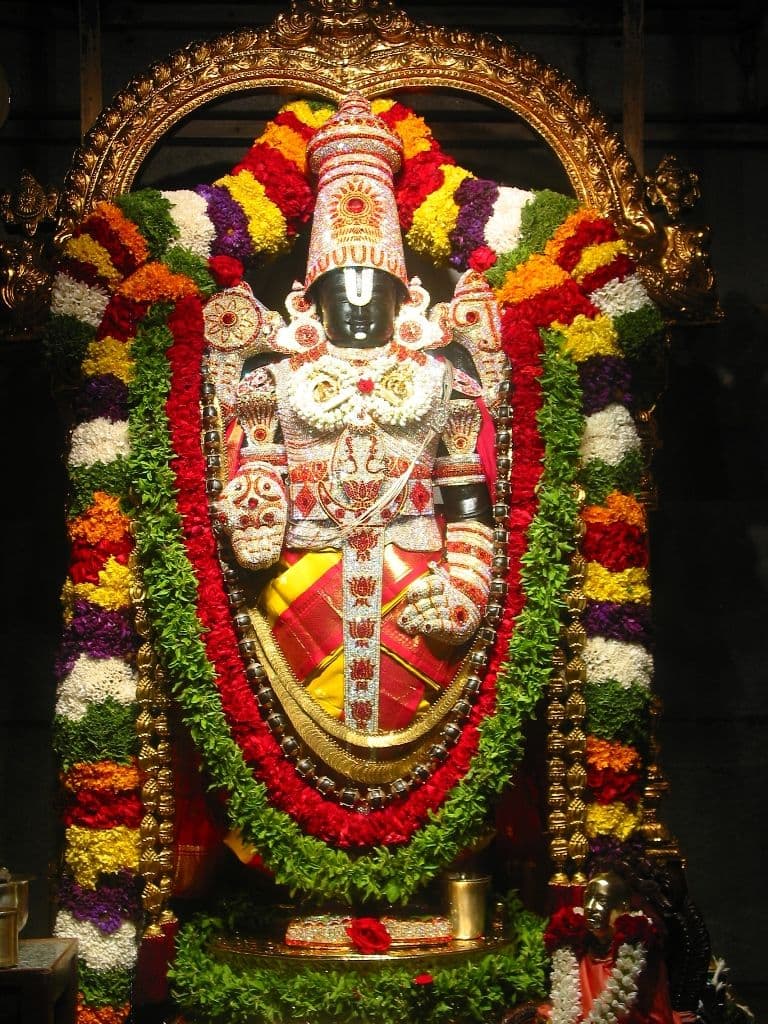
Venkateswara, also known as Venkatachalapati, Venkata, Balaji and Srinivasa, is a deity, described as a form of the god …
Read →
Indian subcontinent
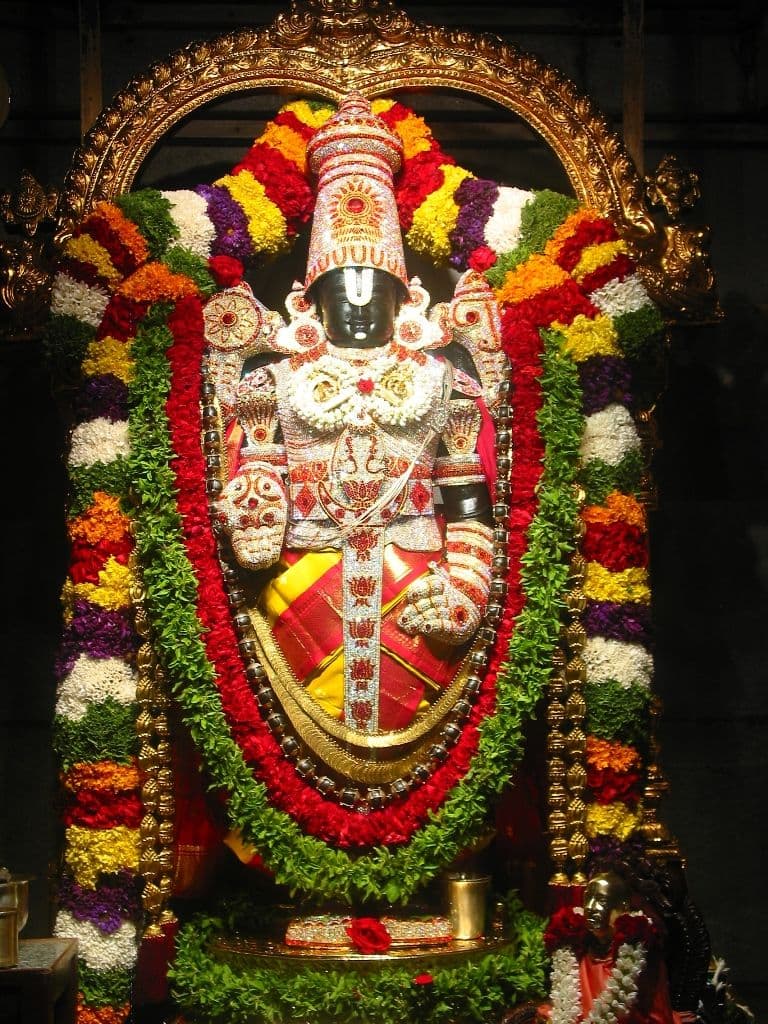
Venkateswara, also known as Venkatachalapati, Venkata, Balaji and Srinivasa, is a deity, described as a form of the god …
Read →

Ancient Rome
Venus Verticordia was an aspect of the Roman goddess Venus conceived as having the power to convert either virgins or se…
Read →

Ancient Mesopotamia
Verethragna or Bahram is a Zoroastrian yazata.
Read →
Ancient Rome
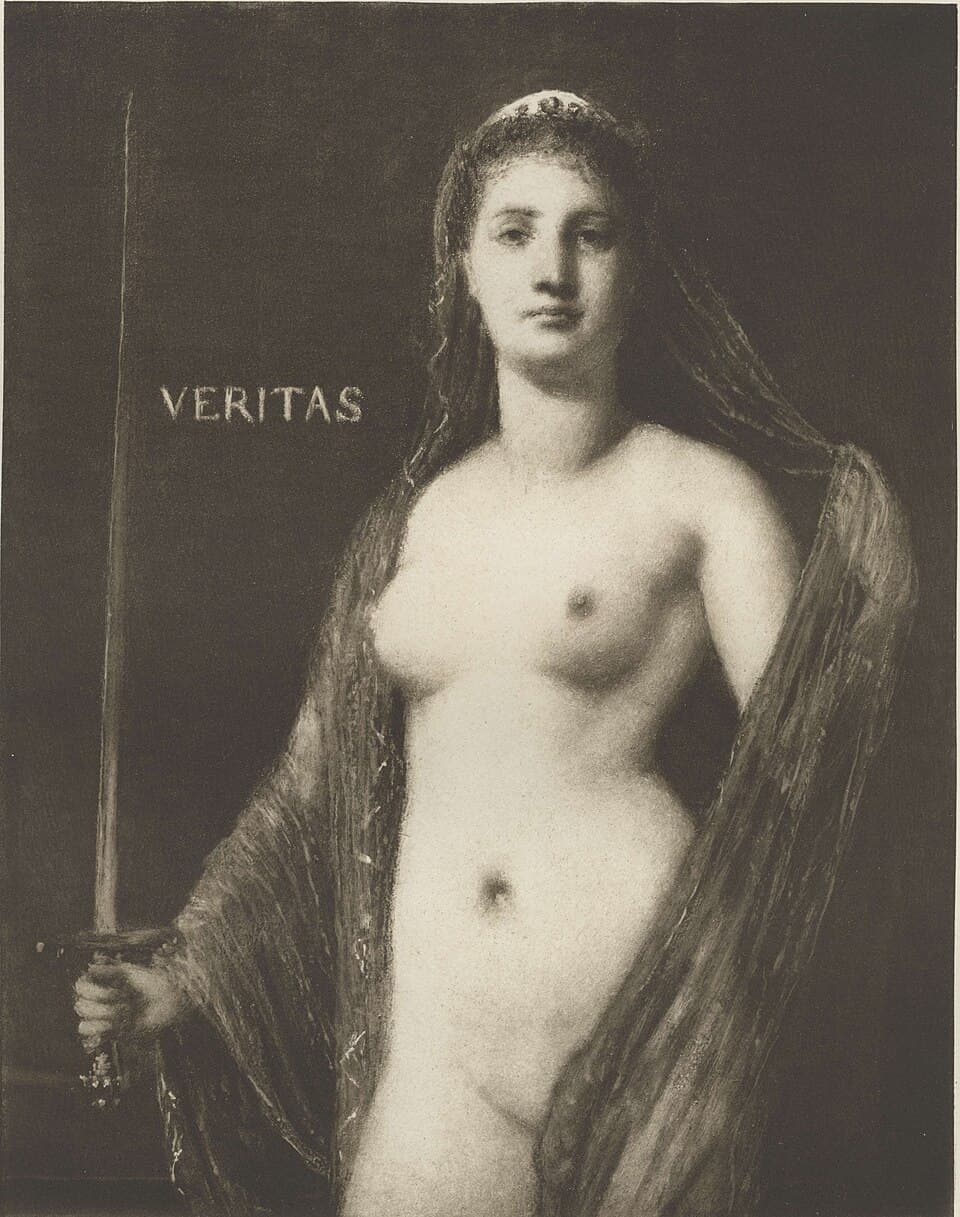
In Roman mythology, Veritas, meaning Truth, is the Goddess of Truth, a daughter of Saturn and the mother of Virtus. She…
Read →
Ancient Rome
In Roman mythology, Verminus was the Roman god who protected cattle from disease. The god may have been inherited from …
Read →
Iron Age Europe
Verostonos was a god in ancient Celtic polytheism, worshipped in Roman Britain. His name links him to alder-trees. Alt…
Read →

Iron Age Europe
The Vertault relief is a Roman relief found in Vertault, the ancient Vertillum, in the Department of Côte-d'Or in France…
Read →
Ancient Rome
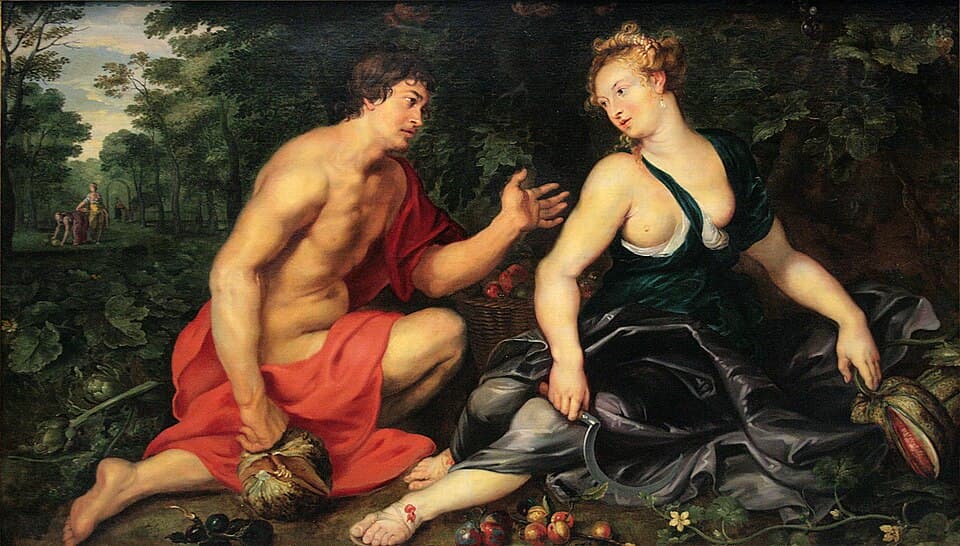
In Roman mythology, Vertumnus is the god of seasons, change, and plant growth, as well as gardens and fruit trees. He c…
Read →
Ancient Rome
In Roman mythology, Vervactor was the deity of ploughing fallow land. He was one of the 12 helper gods of Ceres. His n…
Read →

Ancient Rome
In ancient Rome, the Vestal Virgins or Vestals were priestesses of Vesta, virgin goddess of Rome's sacred hearth and its…
Read →

Inca Empire
In ancient Rome, the Vestal Virgins or Vestals were priestesses of Vesta, virgin goddess of Rome's sacred hearth and its…
Read →
Iron Age Europe
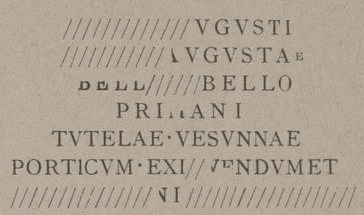
Vesunna is a Celtic goddess worshipped in Roman Gaul. She was likely considered a giver of prosperity, abundance and go…
Read →

Ancient Rome
In ancient Roman religion, Vica Pota was a goddess whose shrine (aedes) was located at the foot of the Velian Hill, on t…
Read →
Inca Empire
In Inca mythology, Vichama is the god of death and the son of Inti. His mother was murdered by his half-brother Pacha K…
Read →
Scandinavia
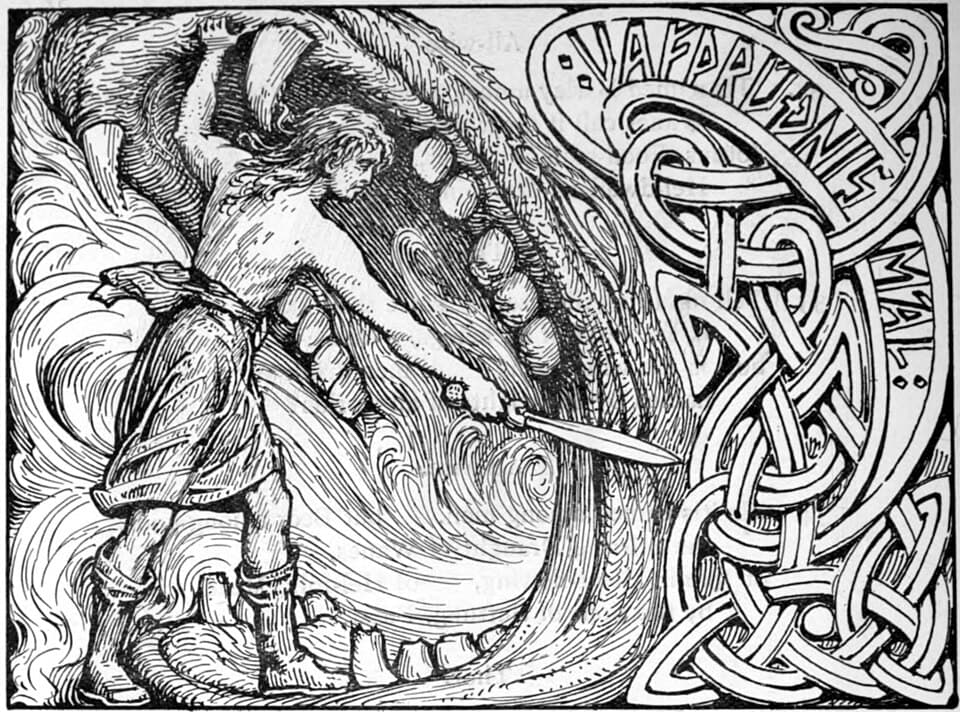
In Norse mythology, Víðarr is a god among the Æsir associated with vengeance. Víðarr is described as the son of Odin an…
Read →
Ancient Rome
The Roman deities most widely known today are those the Romans identified with Greek counterparts, integrating Greek myt…
Read →
Indian subcontinent
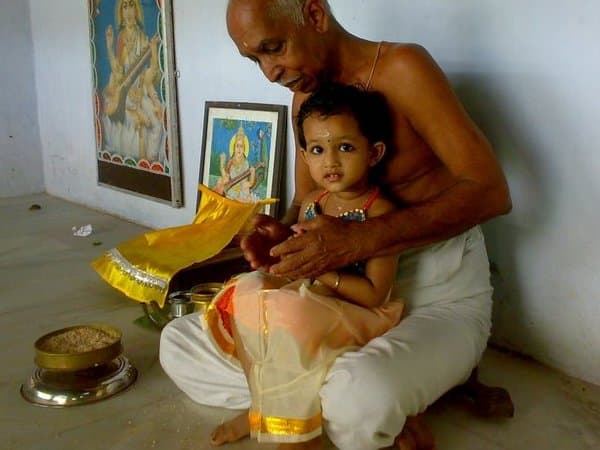
Vidyarambham, also rendered Akshara Abhyasam, and Mutal Eluttu is a Hindu initiation ceremony that is performed before a…
Read →
Scandinavia
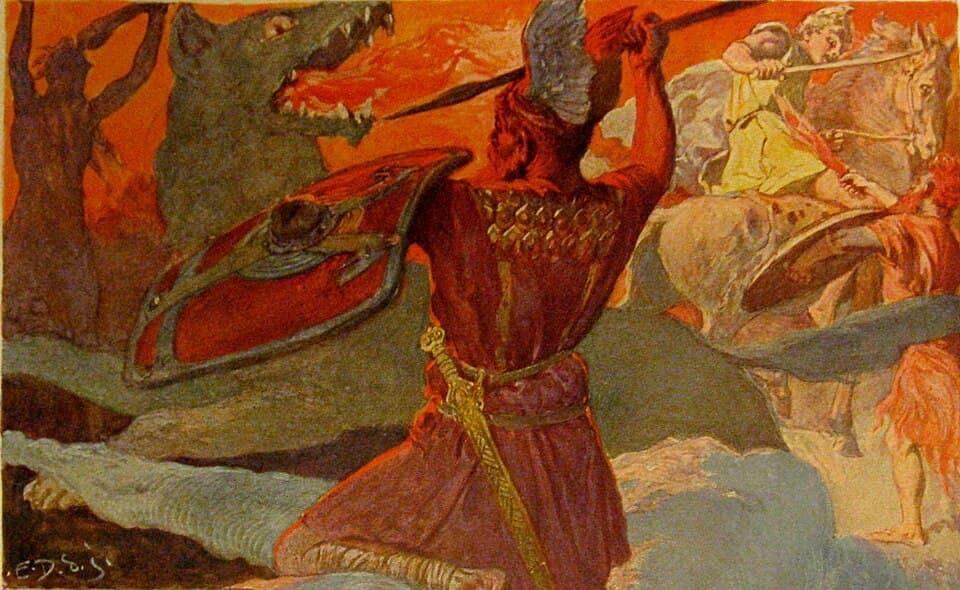
In Norse mythology, Vígríðr or Óskópnir is a large field foretold to host a battle between the forces of the gods and th…
Read →
Scandinavia
Vihansa is the name of a Germanic goddess written on a bronze tablet found in Sint-Huibrechts-Hern, near Tongeren in mod…
Read →
Indian subcontinent
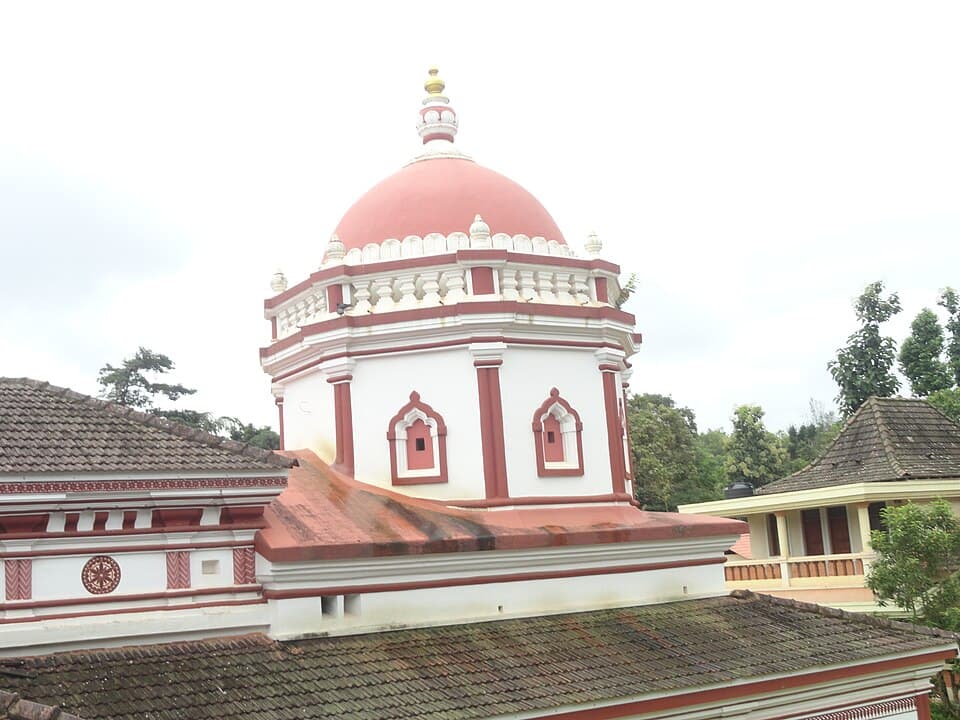
Sri Vijayadurga is a Hindu goddess of varying importance in Indian culture and tradition. She is said to have intervene…
Read →
China
Vilambā is a deity of the Chinese pantheon.
Read →
Scandinavia
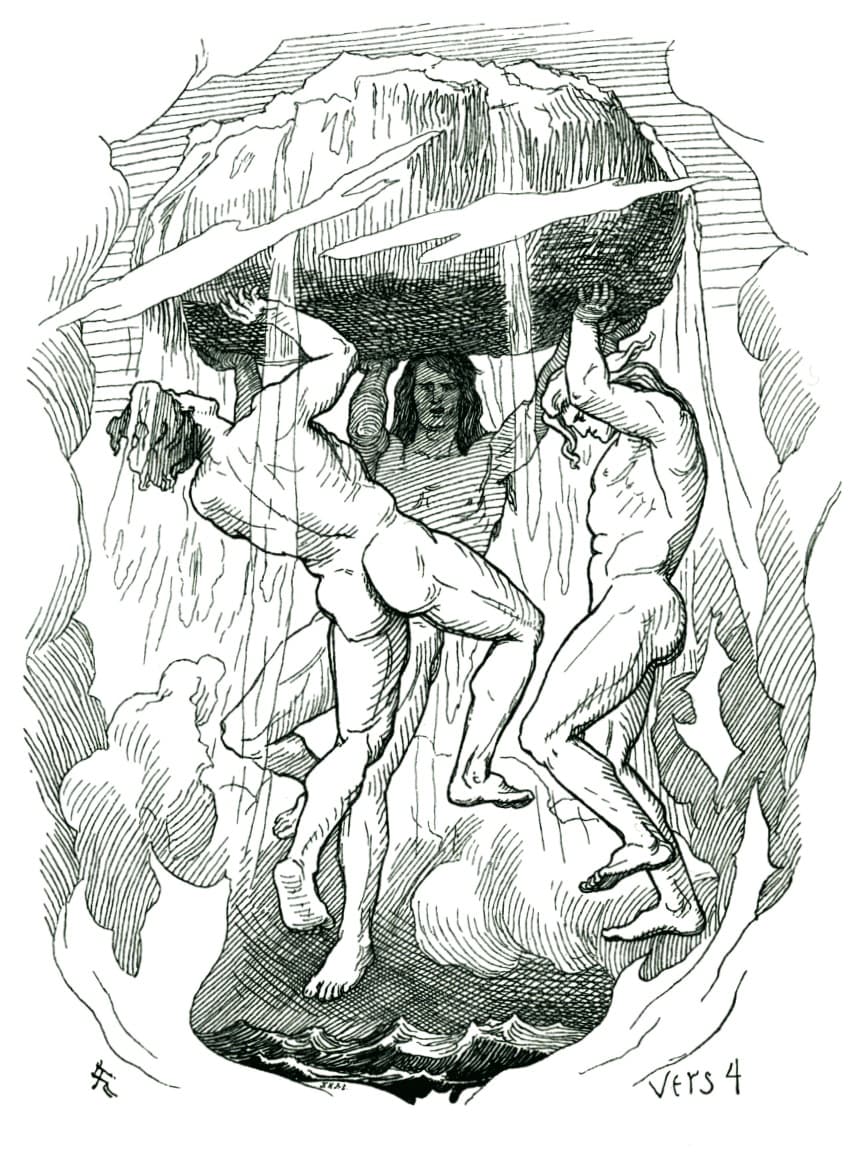
In Norse mythology, Vili and Vé are the brothers of the god Odin, sons of Bestla, daughter of Bölþorn; and Borr, son of …
Read →

Asia
Vimalakīrti is a bodhisattva and the central figure in the Vimalakirti Sutra, which presents him as the ideal Mahayana B…
Read →

Indian subcontinent
In Hinduism, Vinata is the mother of Aruna and Garuda. She is one of the daughters of Prajapati Daksha. She is married…
Read →
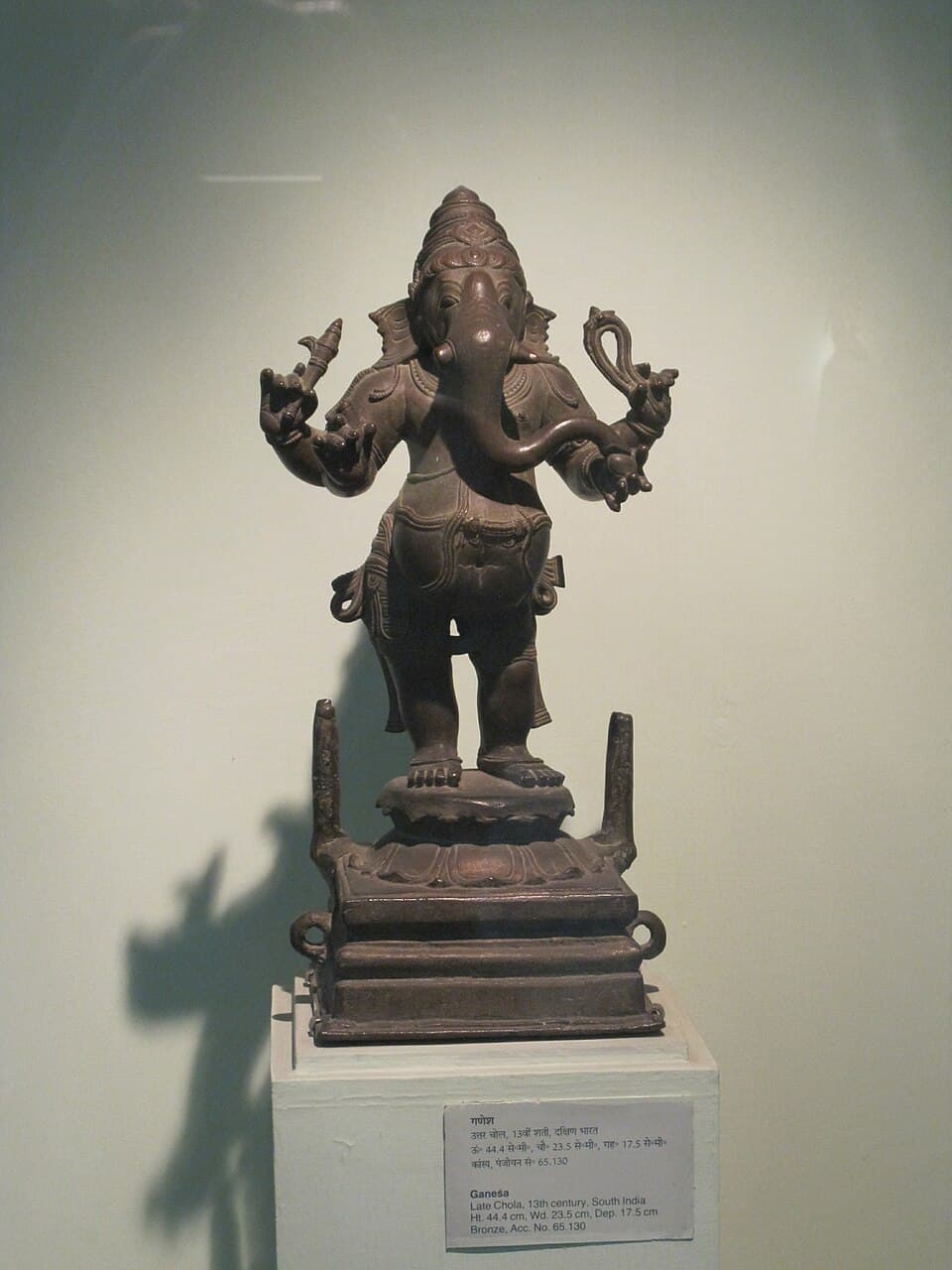
Indian subcontinent
Vinayagar Agaval is a devotional poetic hymn to the Hindu deity Ganesha. It was written in the 10th century during the …
Read →
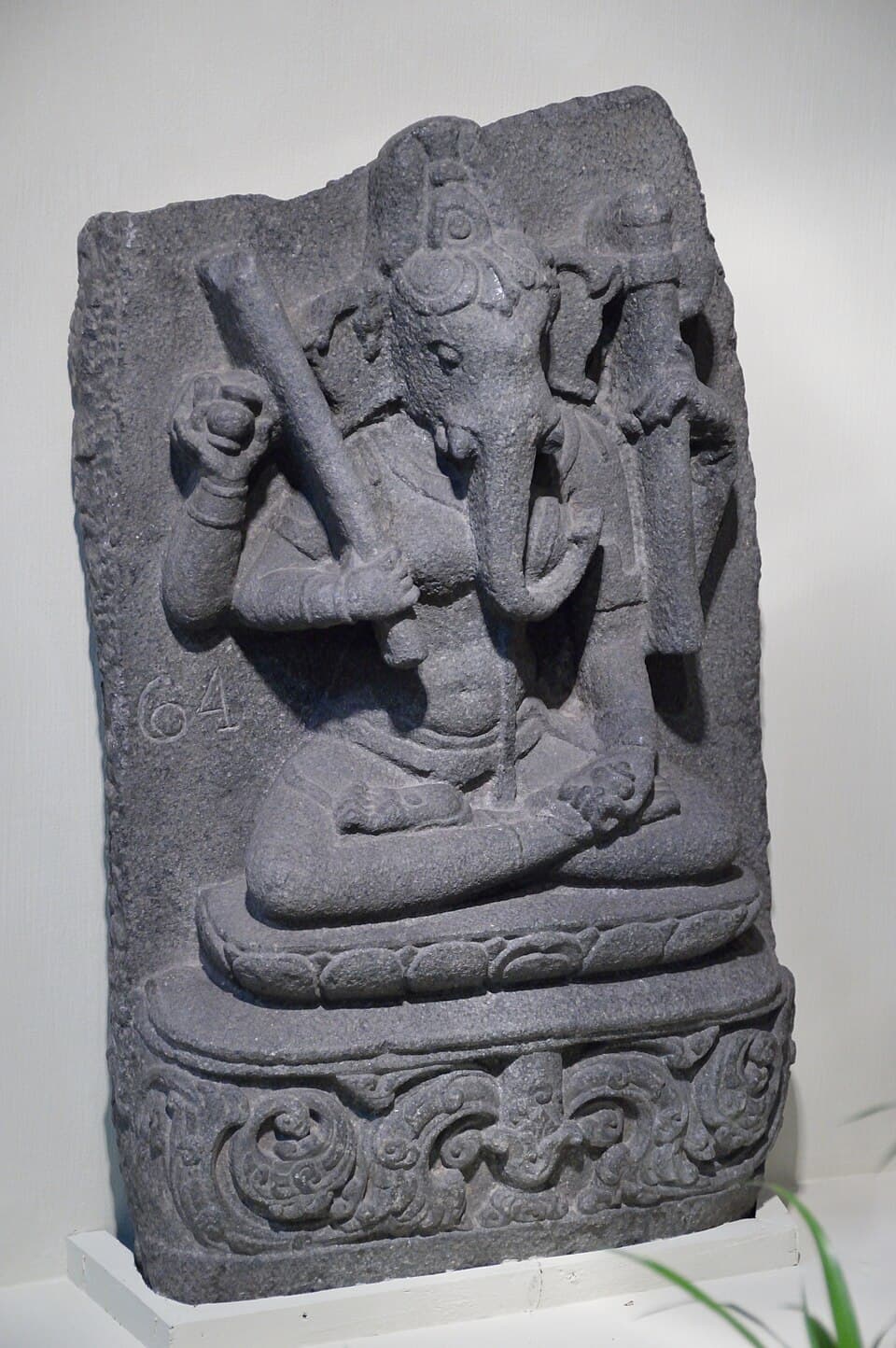
Indian subcontinent
Vinayaki (Vināyakī) is an elephant-headed Hindu goddess. Her mythology and iconography are not clearly defined. Little…
Read →
Iron Age Europe
Belenus is an ancient Celtic healing god whose cult is attested across much of the Celtic-speaking world. While his pri…
Read →
Indian subcontinent
Virabahu is a Hindu deity. He is considered to be the commander-in-chief of Murugan's army. He is regarded in Tamil tr…
Read →
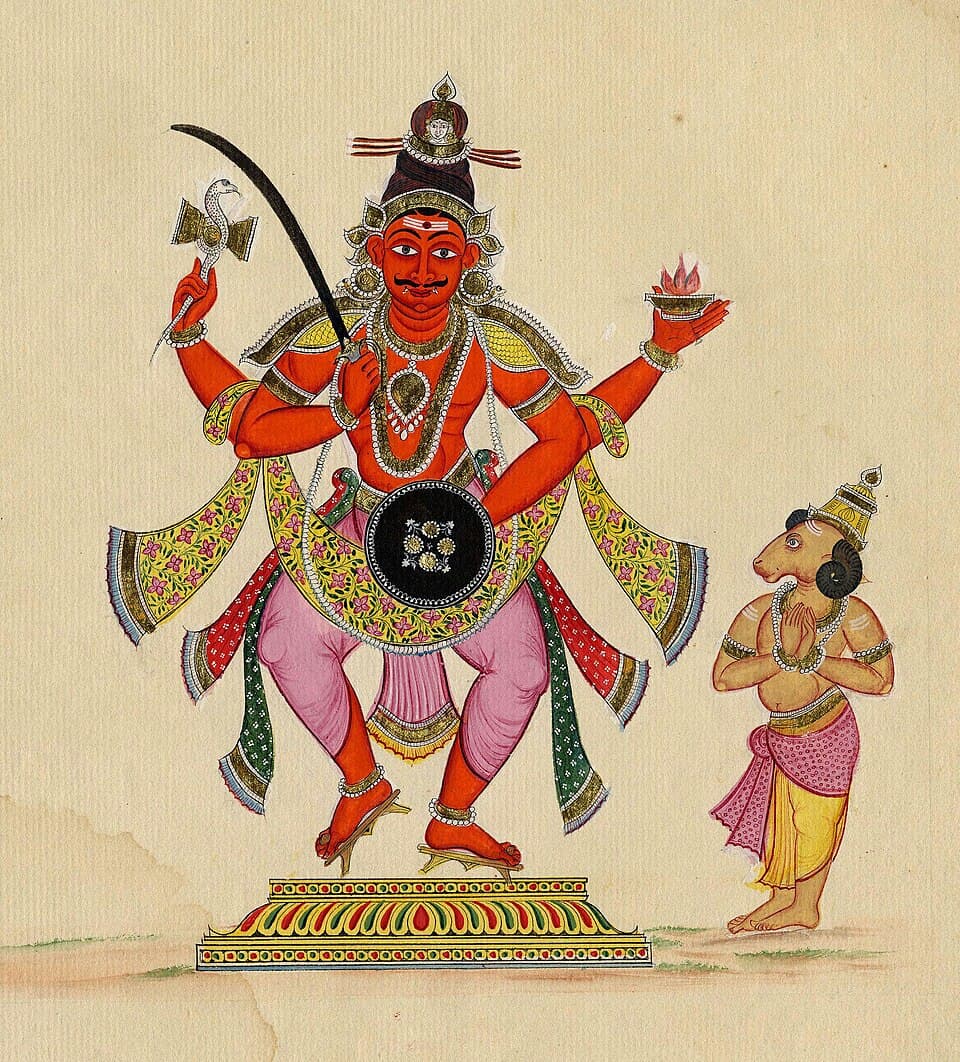
Indian subcontinent
Virabhadra, also rendered Veerabhadra, is a fierce form of the Hindu god Shiva. He is created by the wrath of Shiva, wh…
Read →
Inca Empire
Viracocha is the creator and supreme deity in the pre-Inca and Inca mythology in the Andes region of South America. Acc…
Read →

Ancient Rome
In Greek and Roman mythology, several goddesses are distinguished by their perpetual virginity. These goddesses include…
Read →
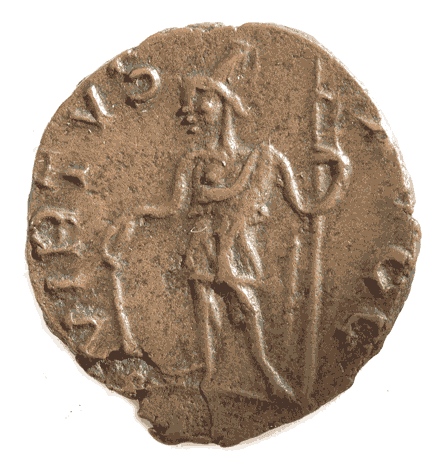
Ancient Rome
In ancient Roman religion, Virtus was the deity of bravery and military strength, the personification of the Roman virtu…
Read →
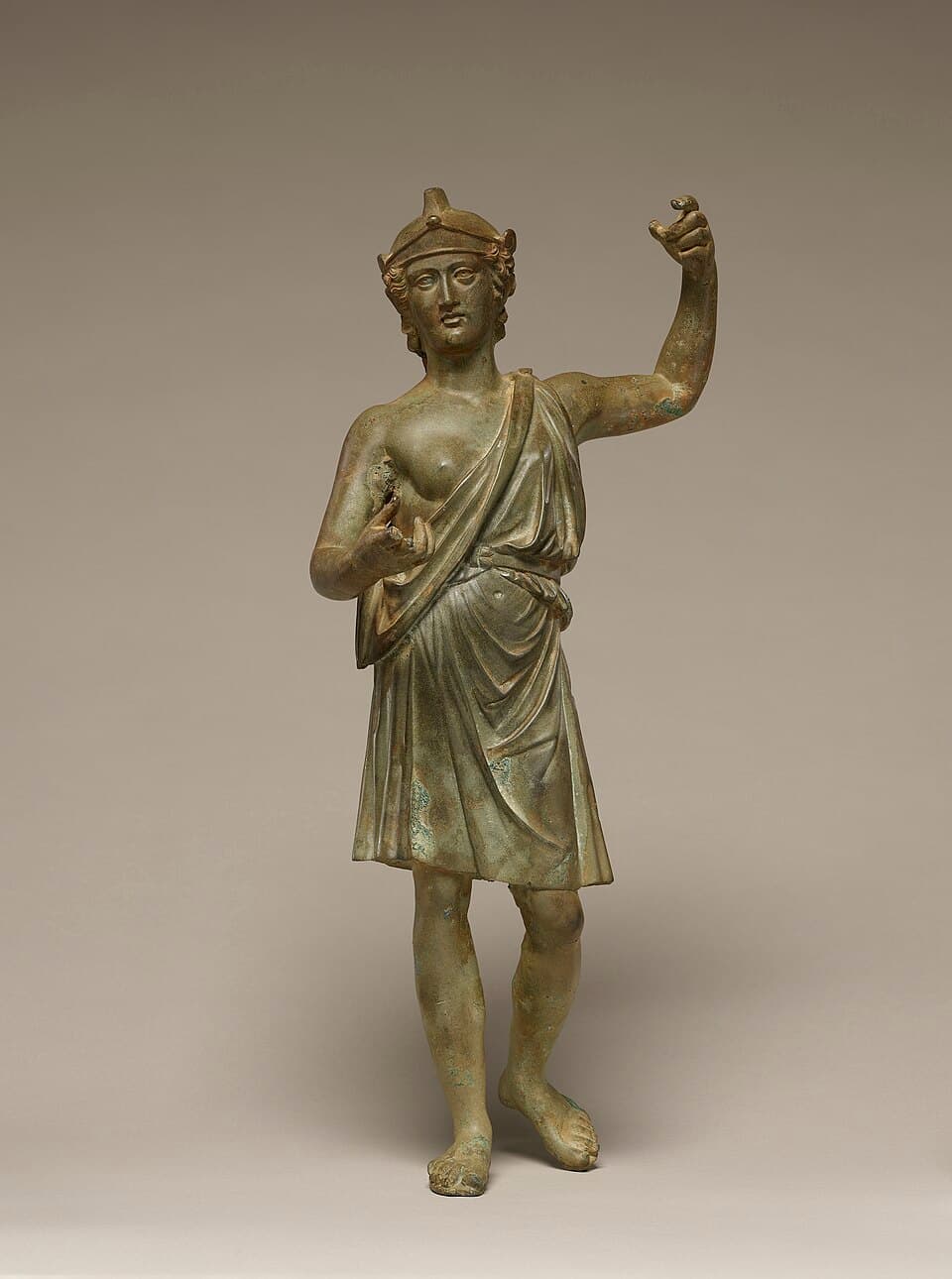
Ancient Rome
Virtus was a specific virtue in ancient Rome that carried connotations of valor, masculinity, excellence, courage, chara…
Read →
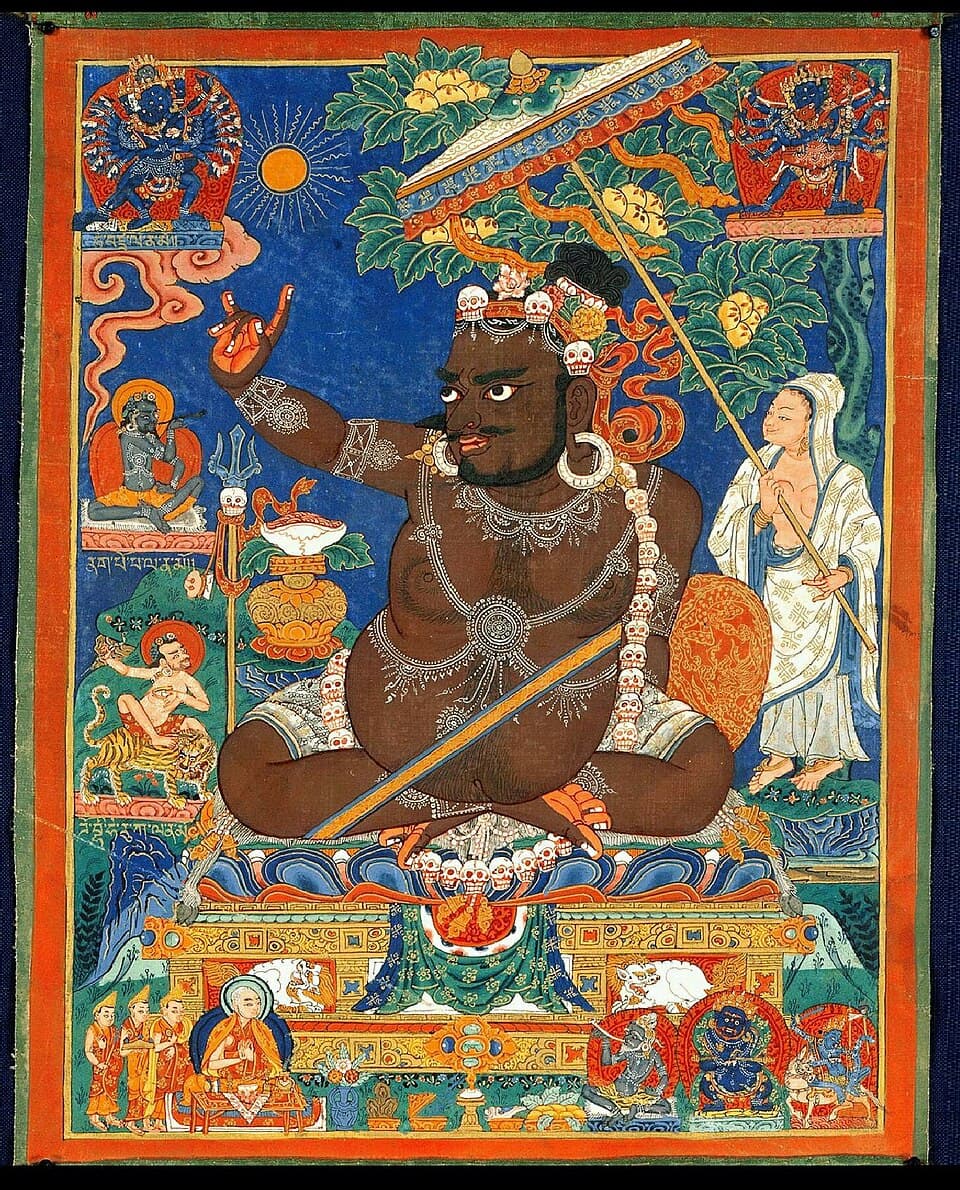
Asia
Virupa, also known as Virupaksa and Tutop Wangchuk, was an 8th–9th century Indian mahasiddha and yogi, and the source of…
Read →
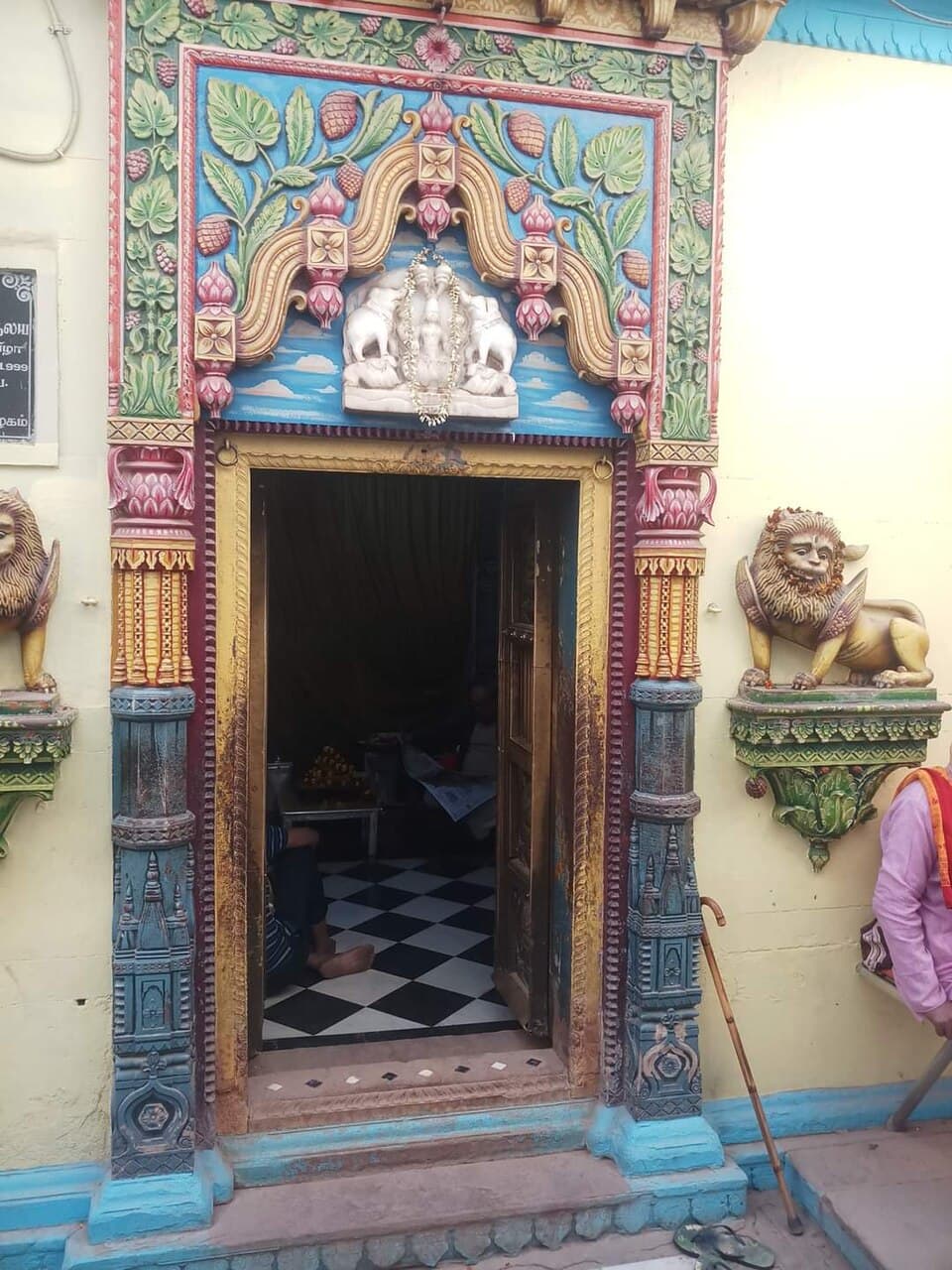
Indian subcontinent
The Vishalakshi Devi Temple, also known as Vishalakshi Gauri Mandir, is a Hindu temple in Varanasi dedicated to the godd…
Read →
Indian subcontinent
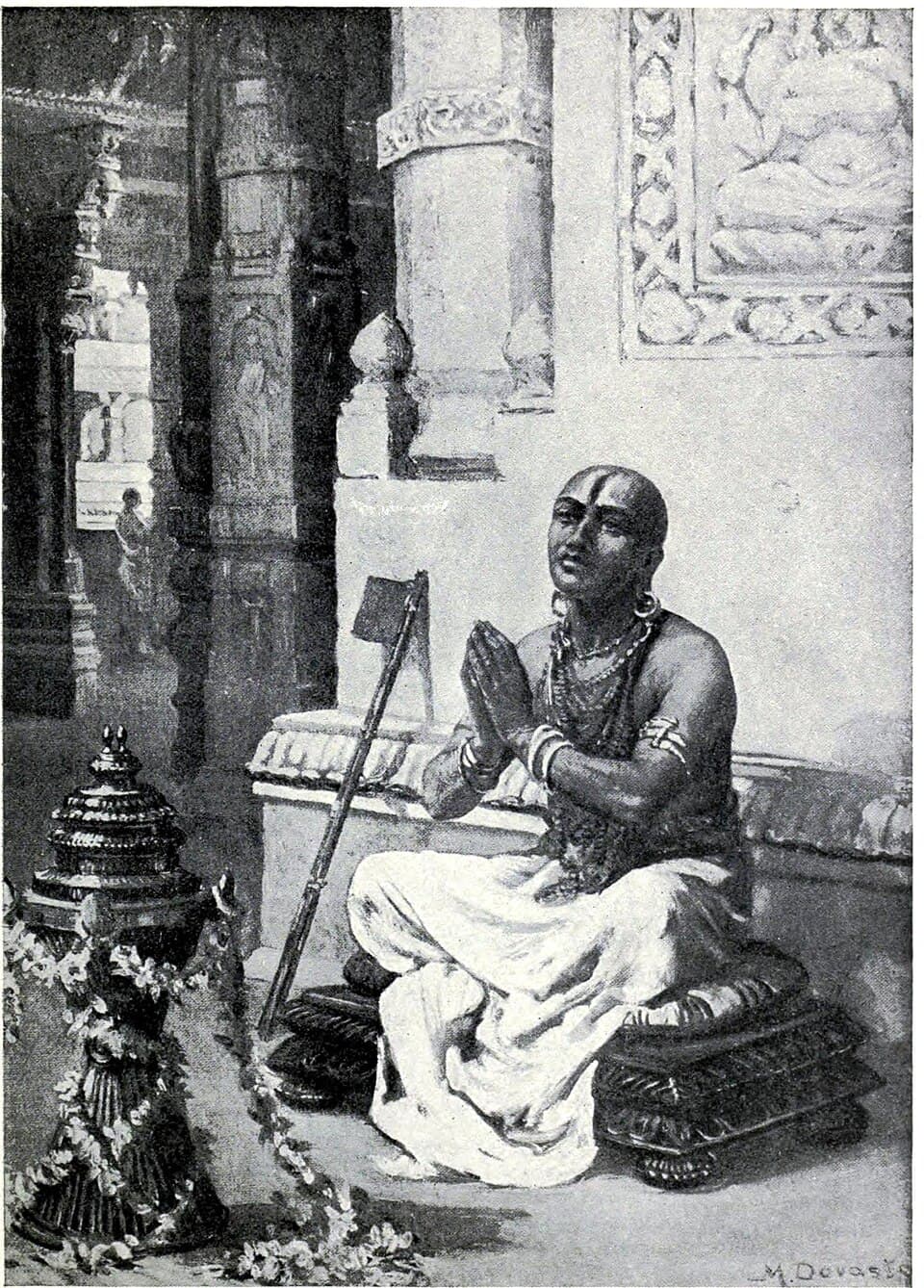
Vishishtadvaita is a school of Hindu philosophy belonging to the Vedanta tradition. Vishishta Advaita means "non-dualit…
Read →
Indian subcontinent
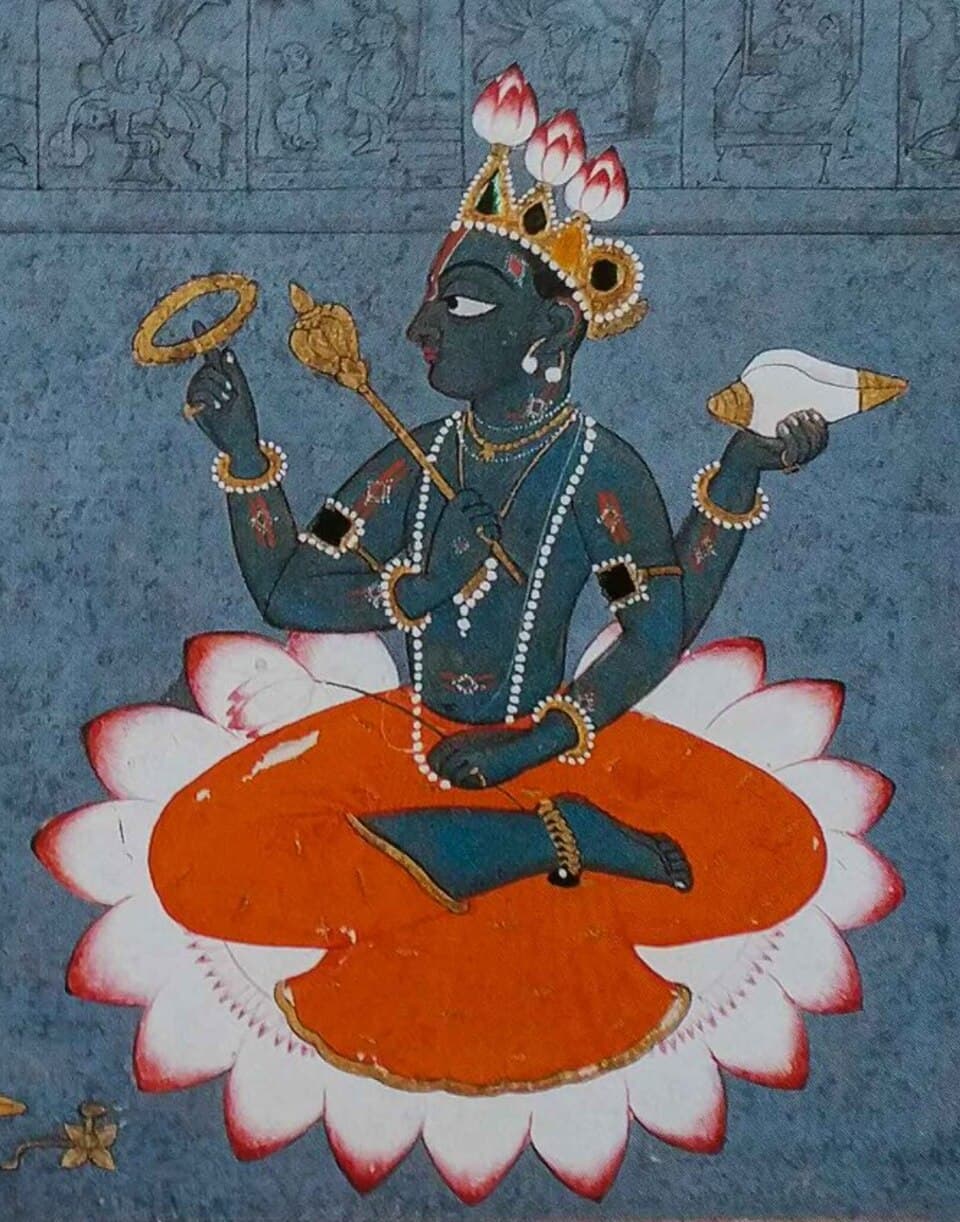
Vishnu, also known as Narayana and Hari, is one of the principal deities of Hinduism. He is the Supreme Being within Va…
Read →
Indian subcontinent
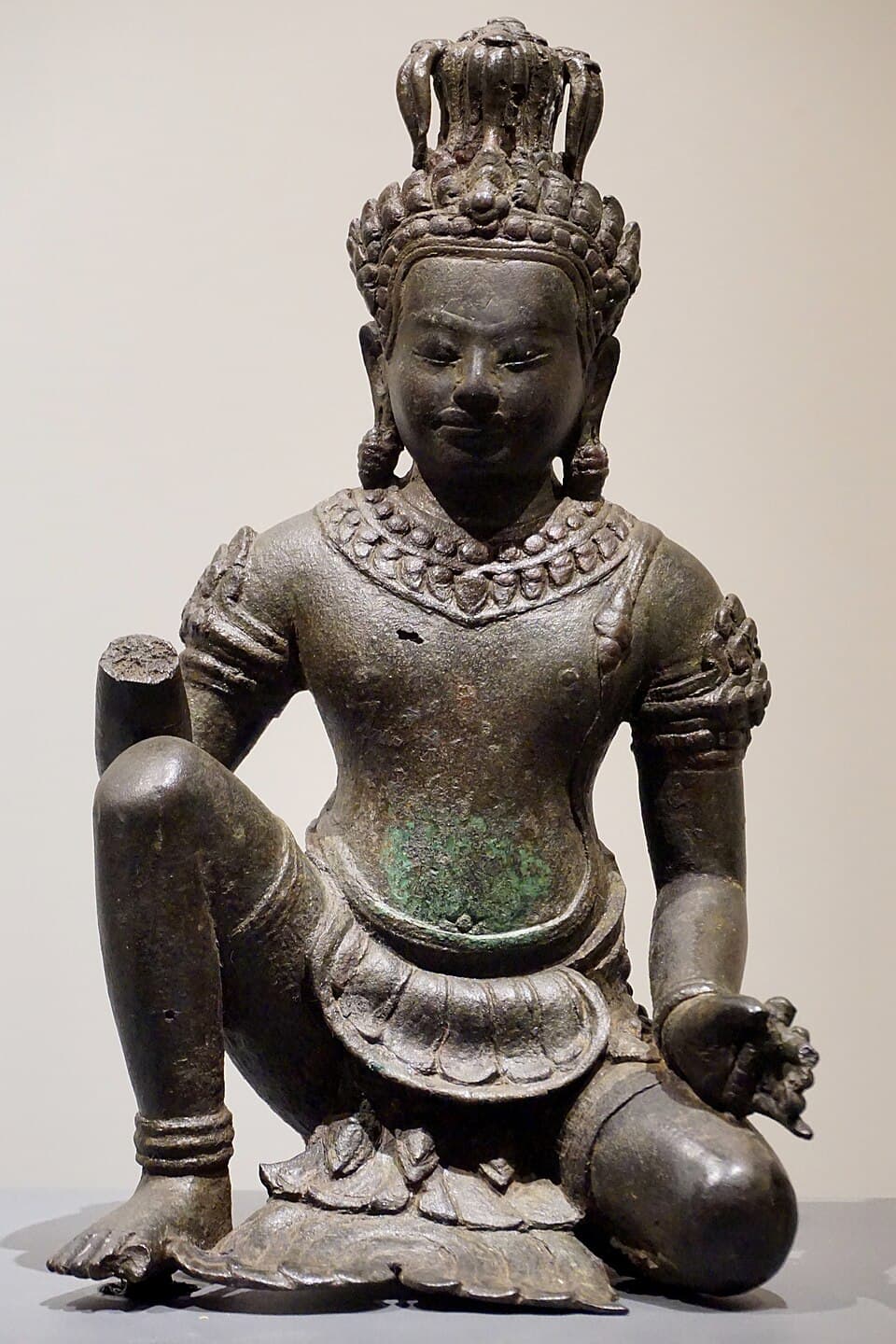
Vishvakarma or Vishvakarman is a craftsman deity and the divine architect of the devas in contemporary Hinduism. In the…
Read →
Indian subcontinent
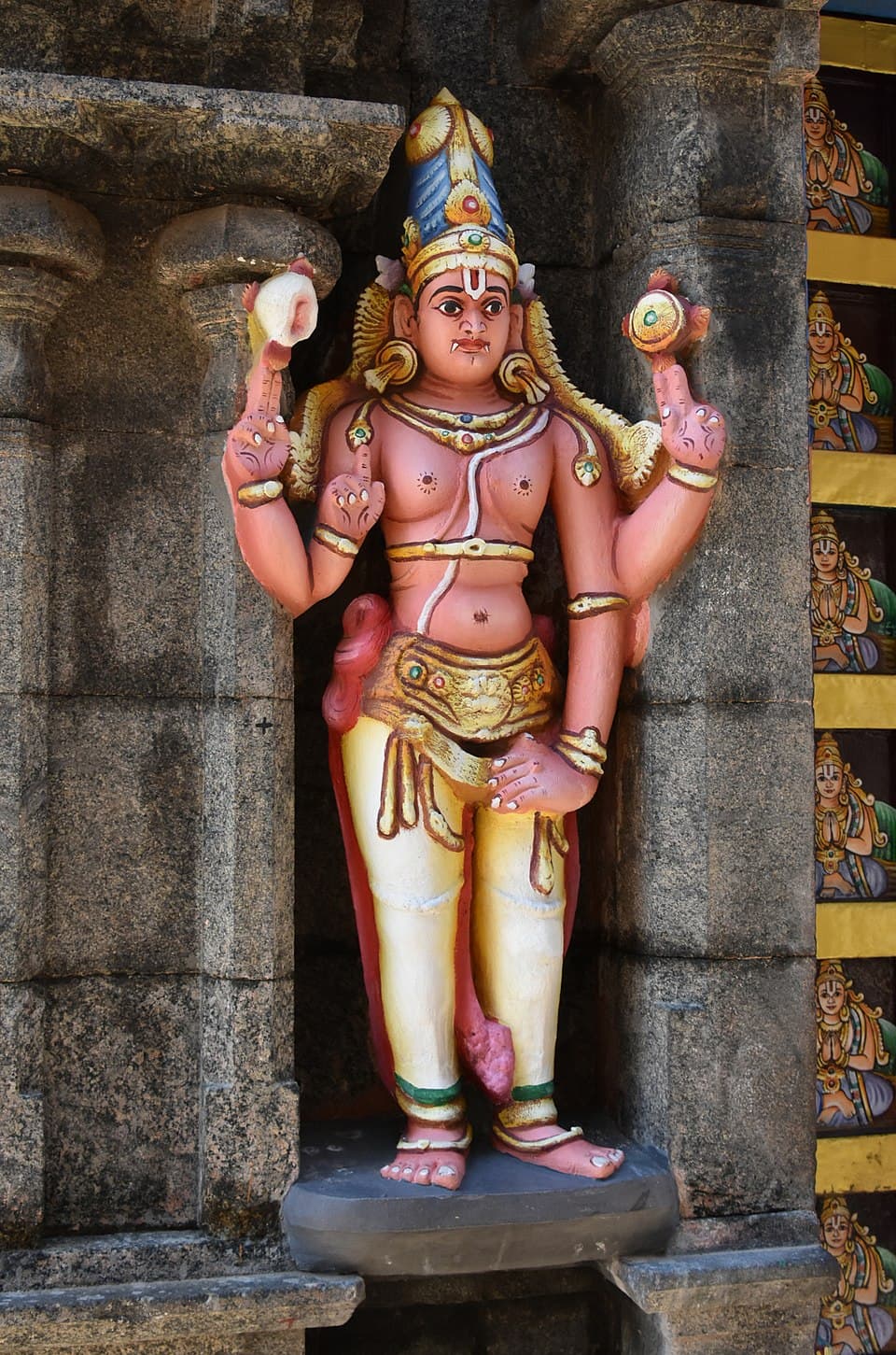
Vishvaksena or Vishwaksena, is the commander-in-chief of the army of the Hindu deity Vishnu, additionally serving as a g…
Read →
Indian subcontinent
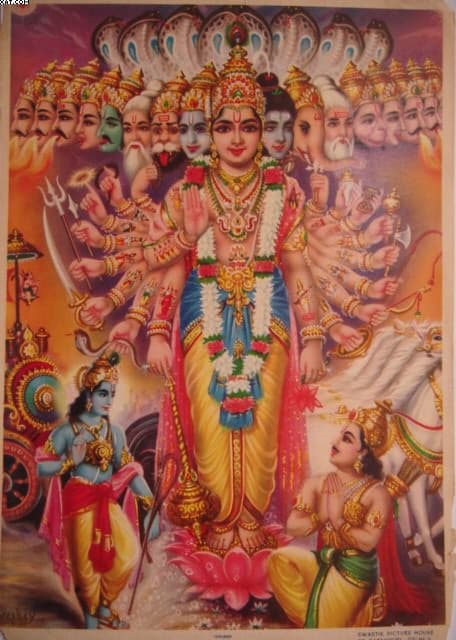
Vishvarupa, also spelt as Vishwaroopa and known as Virāḍrūpa, is an iconographical form and theophany of a Hindu deity V…
Read →
Asia
Viśiṣṭacāritra is a bodhisattva mentioned in the 15th, 21st, and 22nd chapters of the Lotus Sutra. He is one of the fou…
Read →
Asia
Viśuddhacāritra, is one of the four great primarily or eternally evolved bodhisattvas mentioned in the 15th chapter of t…
Read →
Indian subcontinent
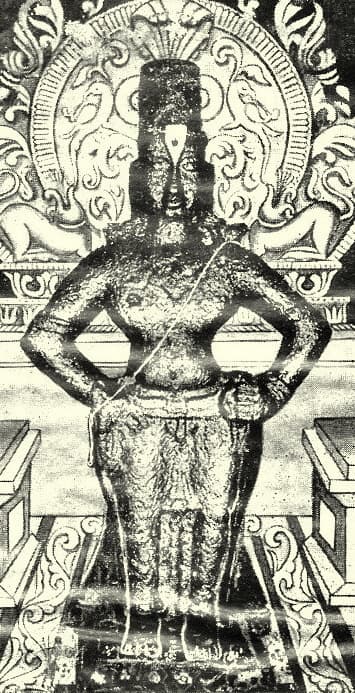
Vithoba, also known as Vitthala, and Panduranga, is a Hindu deity predominantly worshipped in the Indian states of Mahar…
Read →
Indian subcontinent
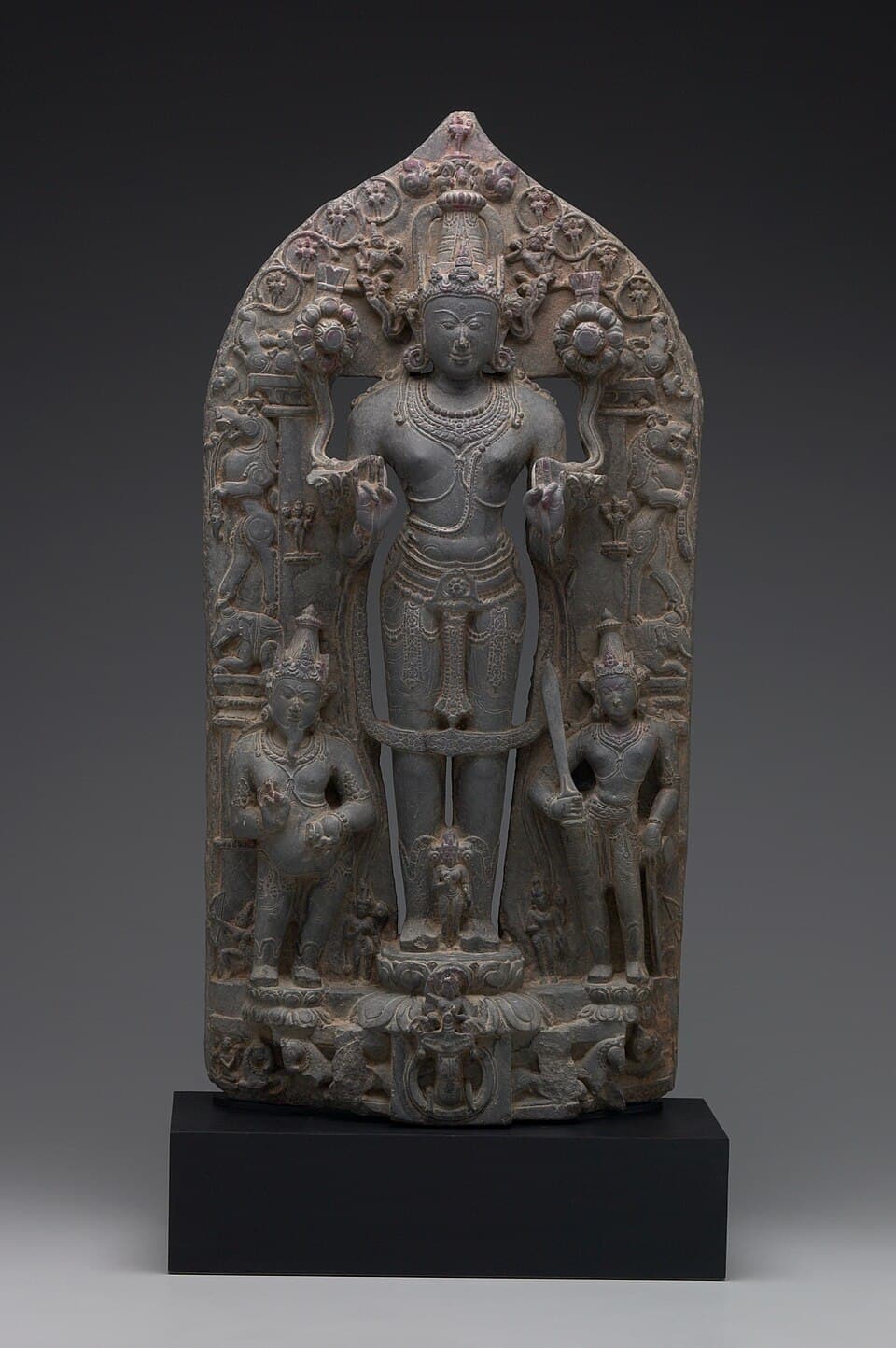
Surya is the Sun as well as the solar deity in Hinduism. He is traditionally one of the major five deities in the Smart…
Read →

Ancient Persia
Vohu Manah is the Avestan language term for a Zoroastrian concept, generally translated as "Good Purpose", "Good Mind", …
Read →

Ancient Mesopotamia
A volcano deity is a deification of a volcano. Volcano deities are often associated with fire, and are often represente…
Read →
Maya civilization
In Maya mythology, Voltan was an earth and drum god, married to Ixchel.
Read →
Etruria
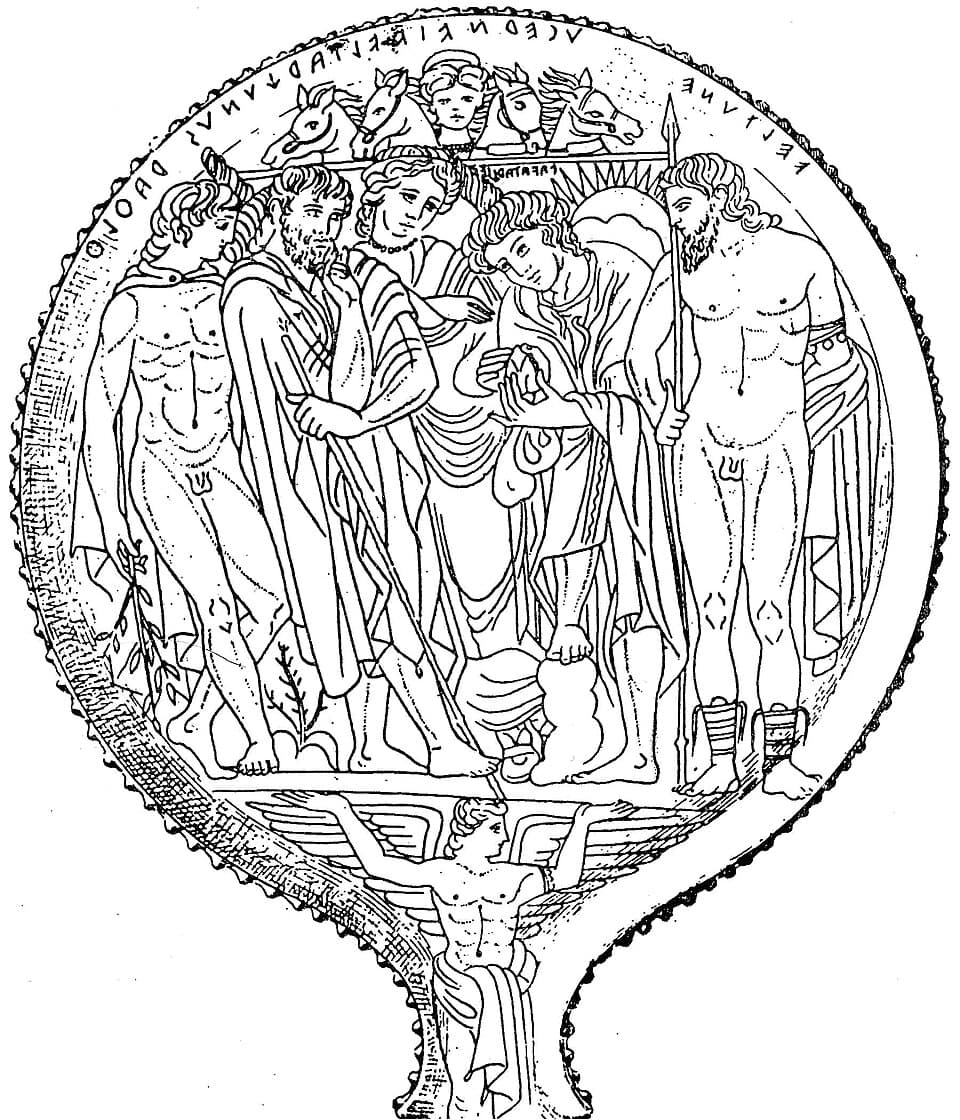
Voltumna, also known as Veltune or Veltha is a chthonic deity of uncertain sex in Etruscan religion, who became the supr…
Read →
Ancient Rome
In Roman mythology, Volturnus was a god of the Tiber, and may have been the god of all rivers. He had his own minor fla…
Read →
Ancient Rome
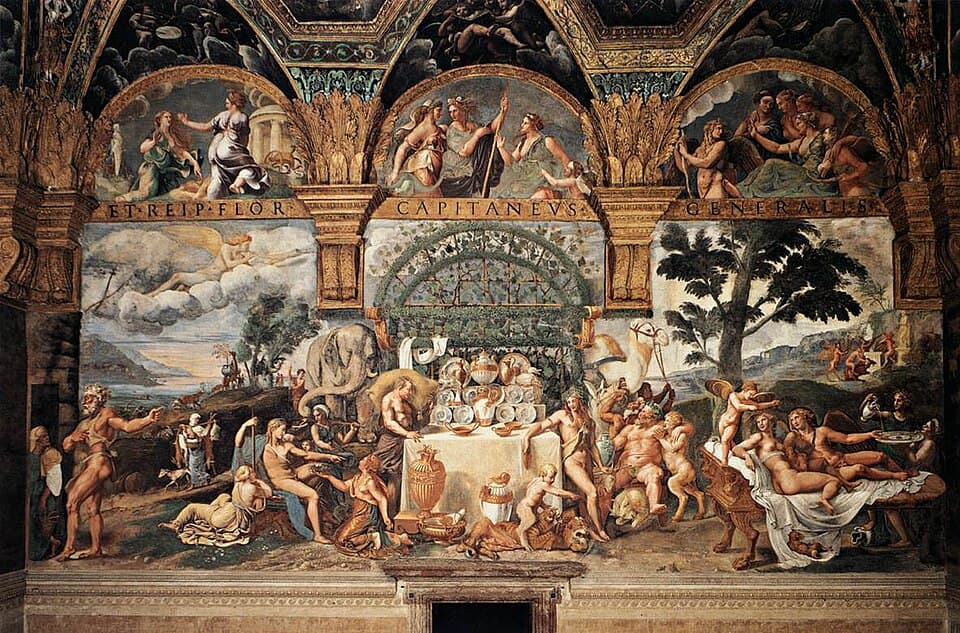
In Roman mythology, Voluptas or Volupta is the daughter born from the union of Cupid and Psyche, according to Apuleius. …
Read →
Scandinavia
In Norse mythology, Vör is a goddess associated with wisdom. Vör is attested in the Prose Edda, written in the 13th cen…
Read →
Scandinavia
In Norse mythology, a vǫrðr is a warden spirit, believed to follow from birth to death the soul of every person.
Read →
Scandinavia
Vosud or Vásuðr, a jötunn from Norse mythology, was the father of Vindsvalr and grandfather of winter (Vetr). He is see…
Read →
Maya civilization
Votan is a legendary or mythological figure mentioned in early European accounts of the Maya civilization.
Read →
Ancient Rome
In ancient Roman religion, a votum is a vow or promise made to a deity. As the result of this verbal action, a votum is…
Read →
Indian subcontinent
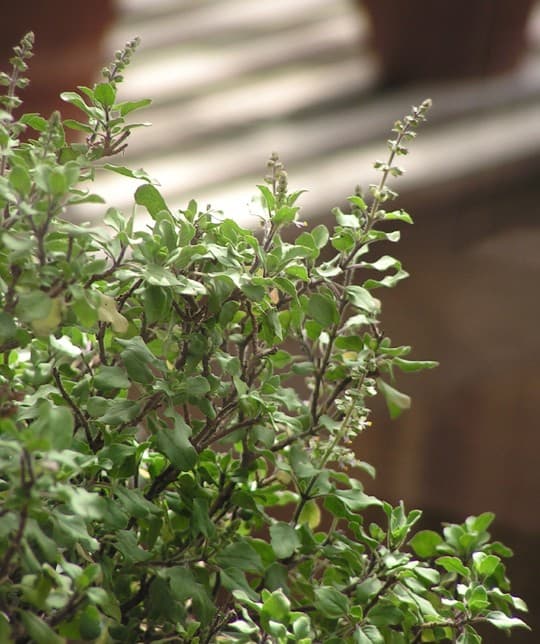
Tulasi, Tulsi or Vrinda is a sacred plant in Hindu tradition. Hindus regard it as an earthly manifestation of the godde…
Read →
Indian subcontinent
Vrishakapi is an epithet that is used in Hinduism to describe the gods Surya, Vishnu, Shiva and Indra. But the word fir…
Read →
Maya civilization
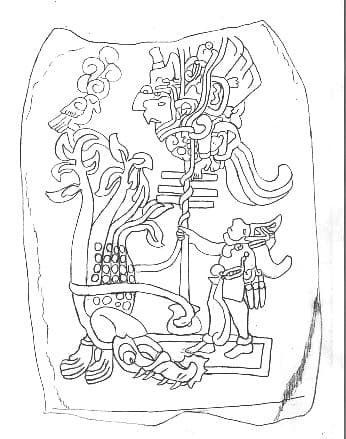
Vucub-Caquix is the name of a bird demon defeated by the Hero Twins of an ancient Maya myth preserved in an 18th-century…
Read →
Etruria
Vulca of Veii was an Etruscan artist from the town of Veii. The only Etruscan artist mentioned by ancient writers, he w…
Read →
Ancient Rome
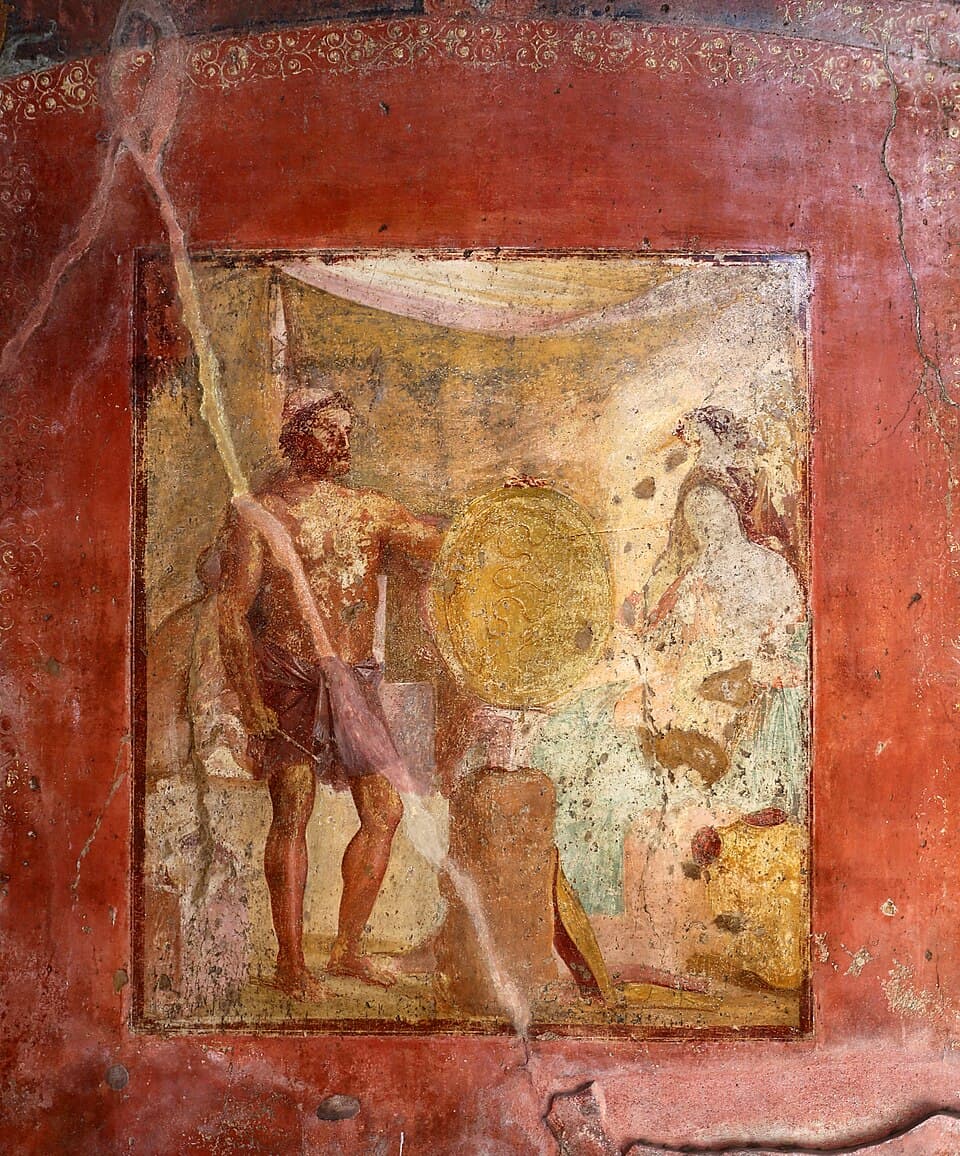
Vulcan is the god of fire including the fire of volcanoes, deserts, metalworking and the forge in ancient Roman religion…
Read →

Ancient Egypt
The Vulture crown was an ancient Egyptian crown worn by Great Royal Wives and female pharaohs. It was depicted as a hea…
Read →
Ancient Egypt
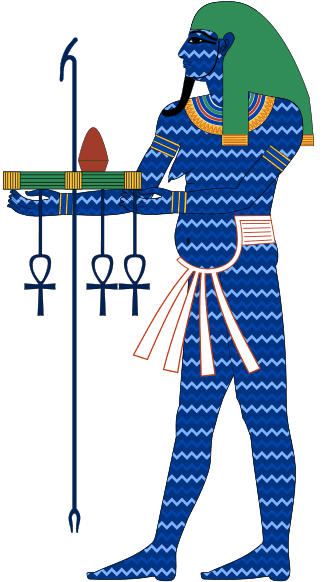
Wadj-wer, also spelled Uatch-ur is an Egyptian god of fertility and the personification of the Mediterranean Sea, whose …
Read →

Ancient Egypt
Wadjet, known to the Greek world as Uto or Buto among other renderings including Wedjat, Uadjet, and Udjo, was originall…
Read →
Scandinavia
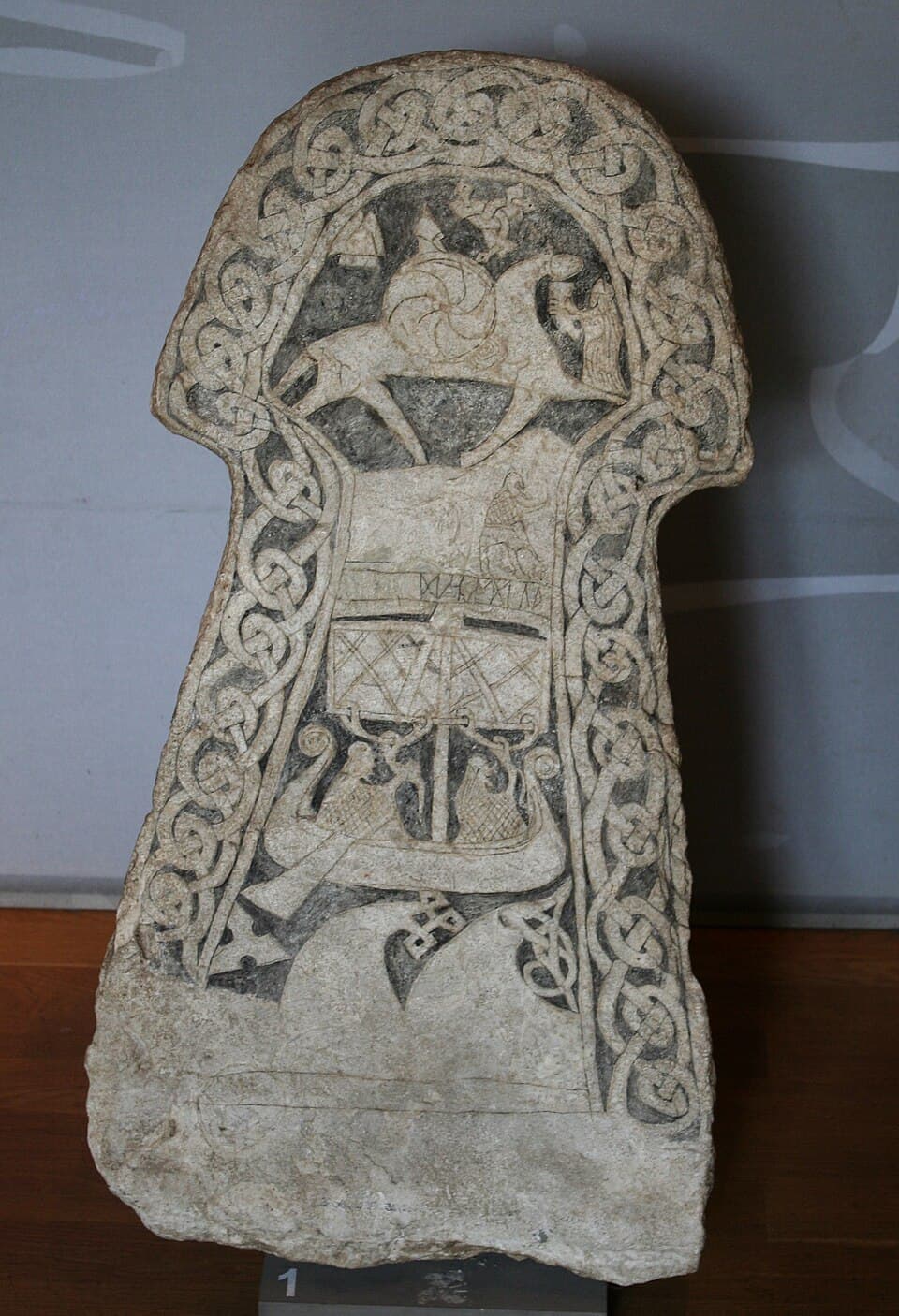
In Norse mythology, a valkyrie is one of a host of female figures who guide souls of the dead to the god Odin's hall Val…
Read →
Polynesia
In the Hawaiian religion, Wākea, the Sky father, weds Papahānaumoku, the earth mother. The two are considered the paren…
Read →
Japan
Wakumusubi (和久産巣日神) is a kami of agriculture. In many versions, he was born from the urine of Izanami when she died. A…
Read →
Aztec Empire
A war god in mythology associated with war, combat, or bloodshed. They occur commonly in polytheistic religions.
Read →
Inca Empire
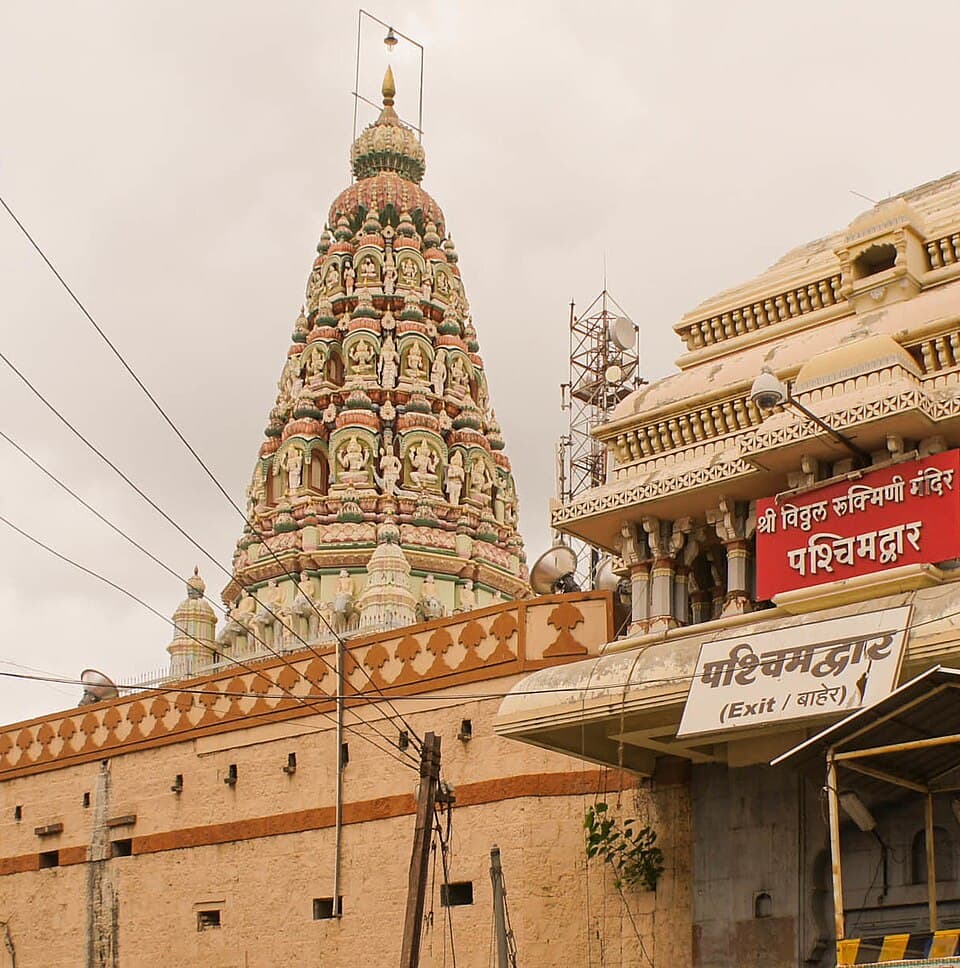
Vārkari meaning: 'The one who performs the Vari' is a sampradaya within the Bhakti spiritual tradition of Hinduism, geog…
Read →

Japan
Watatsumi , also pronounced Wadatsumi, is a legendary kami, Japanese dragon and tutelary water deity in Japanese mytholo…
Read →

Ancient Mesopotamia
A weather god or goddess, also frequently known as a storm god or goddess, is a deity in mythology associated with weath…
Read →
China
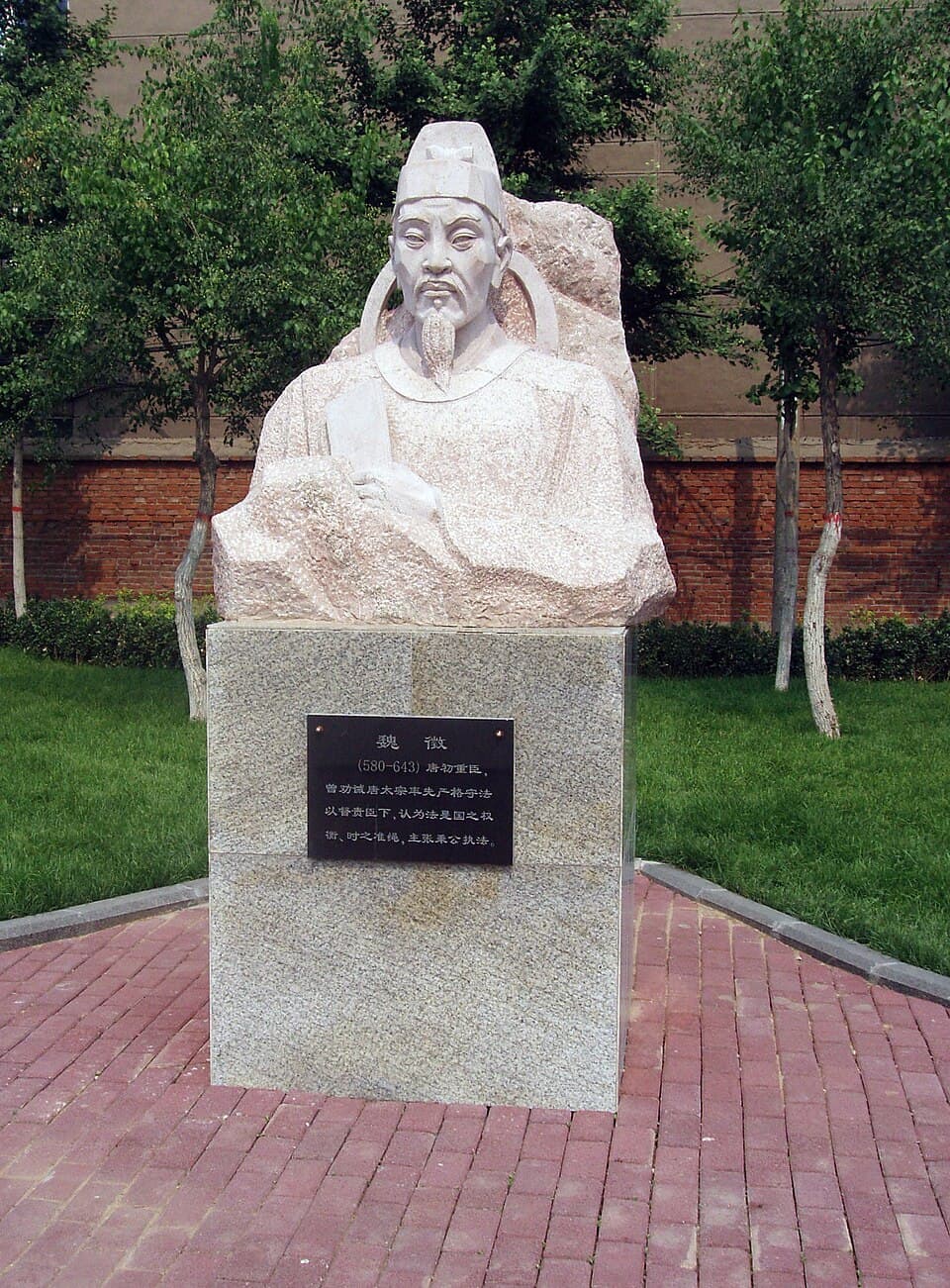
Wei Zheng, courtesy name Xuancheng, posthumous name Duke Wenzhen of Zheng, was a Chinese politician and historian. He s…
Read →
Polynesia
In Hawaiian mythology, Welaʻahilaninui was a god or the first man, the forefather of Hawaiians. He is mentioned as an a…
Read →
China
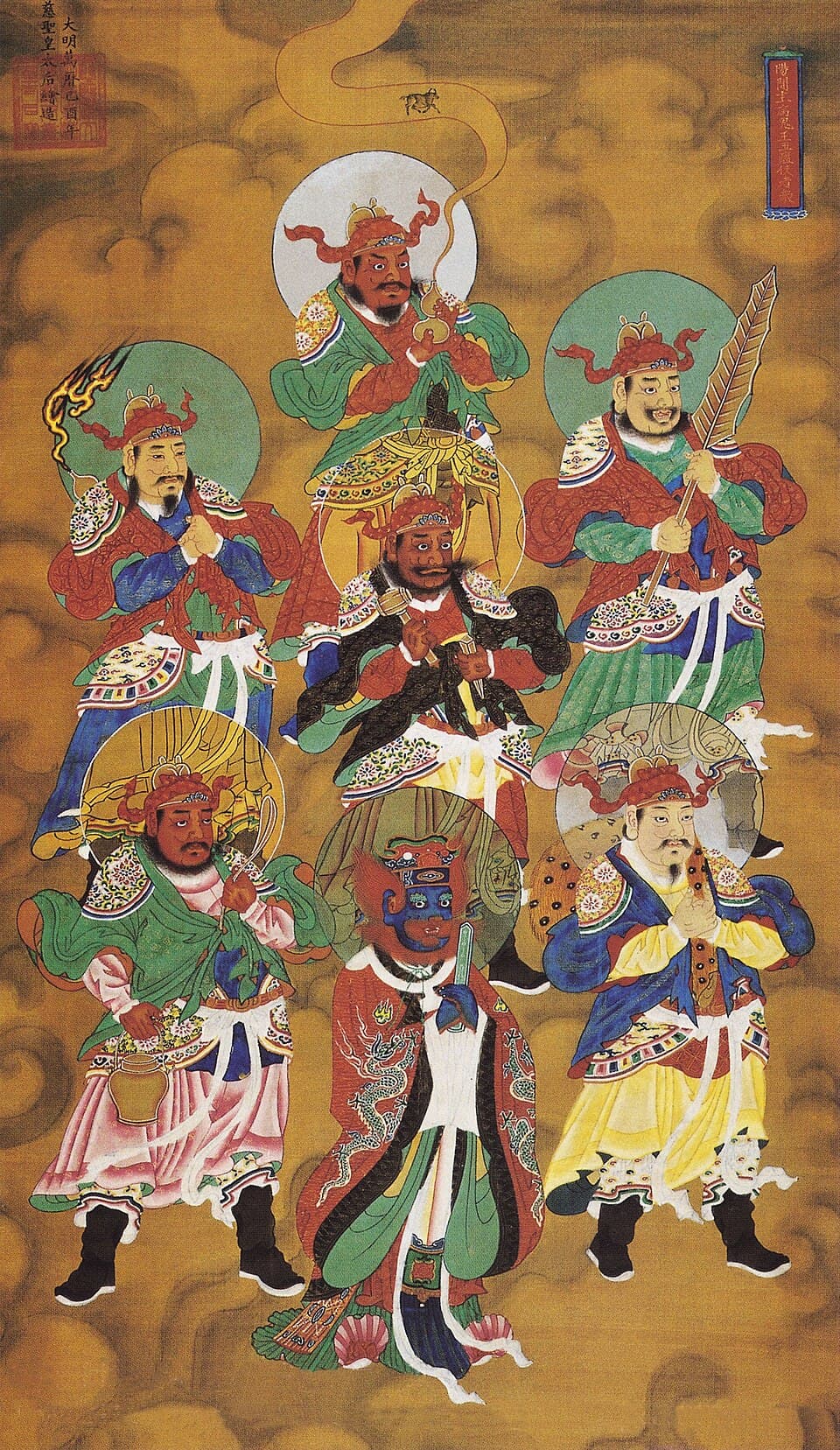
Wen Shen is a deity or group of deities responsible for illness, plague, and disease in Chinese folk religion. In some …
Read →

China
Wen Zhong is a character in the classic Chinese novel Fengshen Yanyi. He was the Grand Preceptor (Taishi) of Di Xin. W…
Read →
China
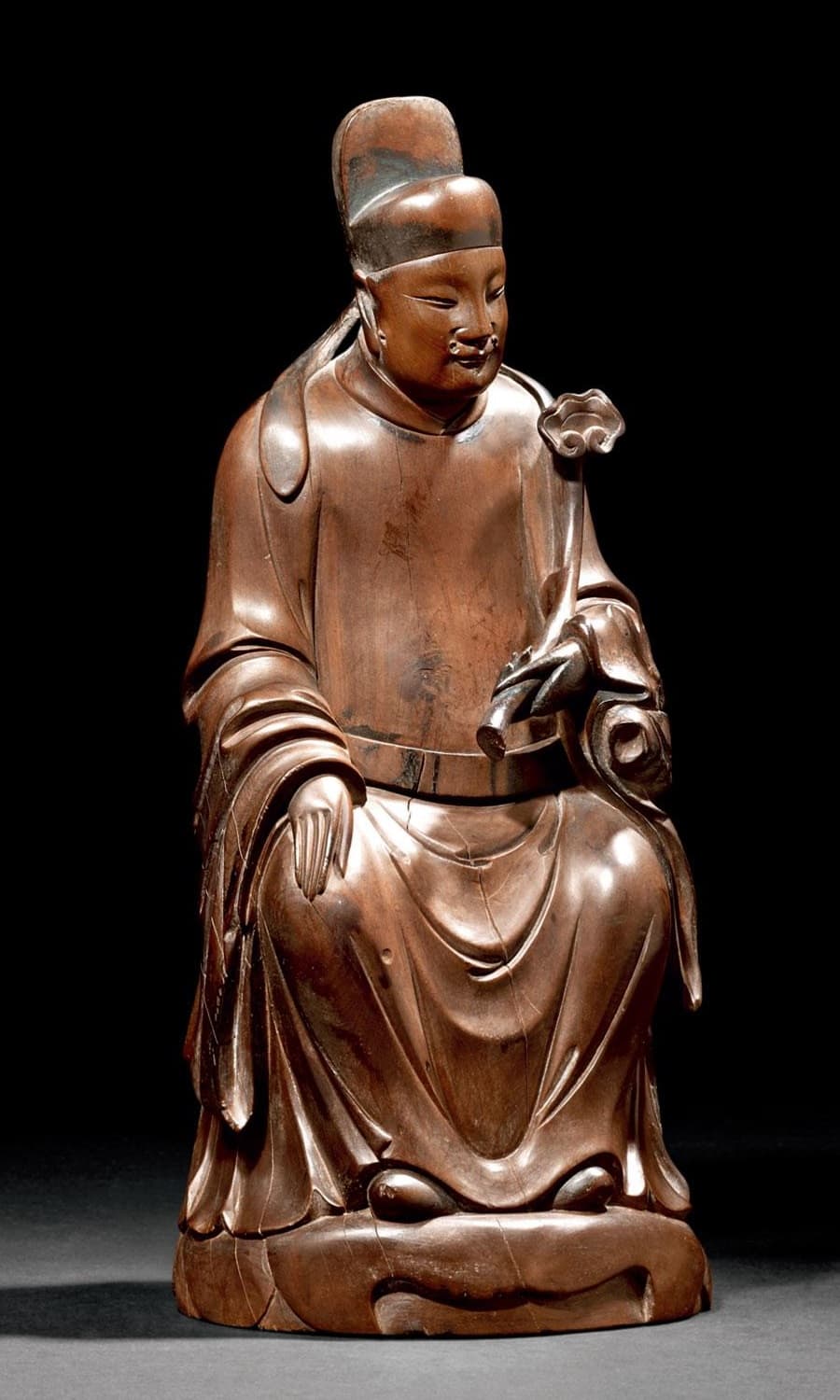
Wenchang Wang, also known as Wenchang Dijun, is a Taoist deity in Chinese mythology, known as the God of Culture and Lit…
Read →
Ancient Egypt
Weneg was a sky and death deity from ancient Egyptian religion, who was said to protect the earth and her inhabitants ag…
Read →
China
In Chinese mythology, Wenquxing is a god responsible for overseeing literary pursuits and examinations. Those who excel…
Read →

China
Wenshu Guangfa Tianzun is a Taoist deity and character in the classic Chinese novel Investiture of the Gods. He is a di…
Read →
Ancient Egypt
Wepset (wps. t) is an ancient Egyptian goddess. She is one of the personifications of the uraeus cobra that protected t…
Read →
Ancient Egypt
In Egyptian mythology, Wepwawet was originally a jackal deity of funerary rites, war, and royalty, whose cult centre was…
Read →
Ancient Mesopotamia
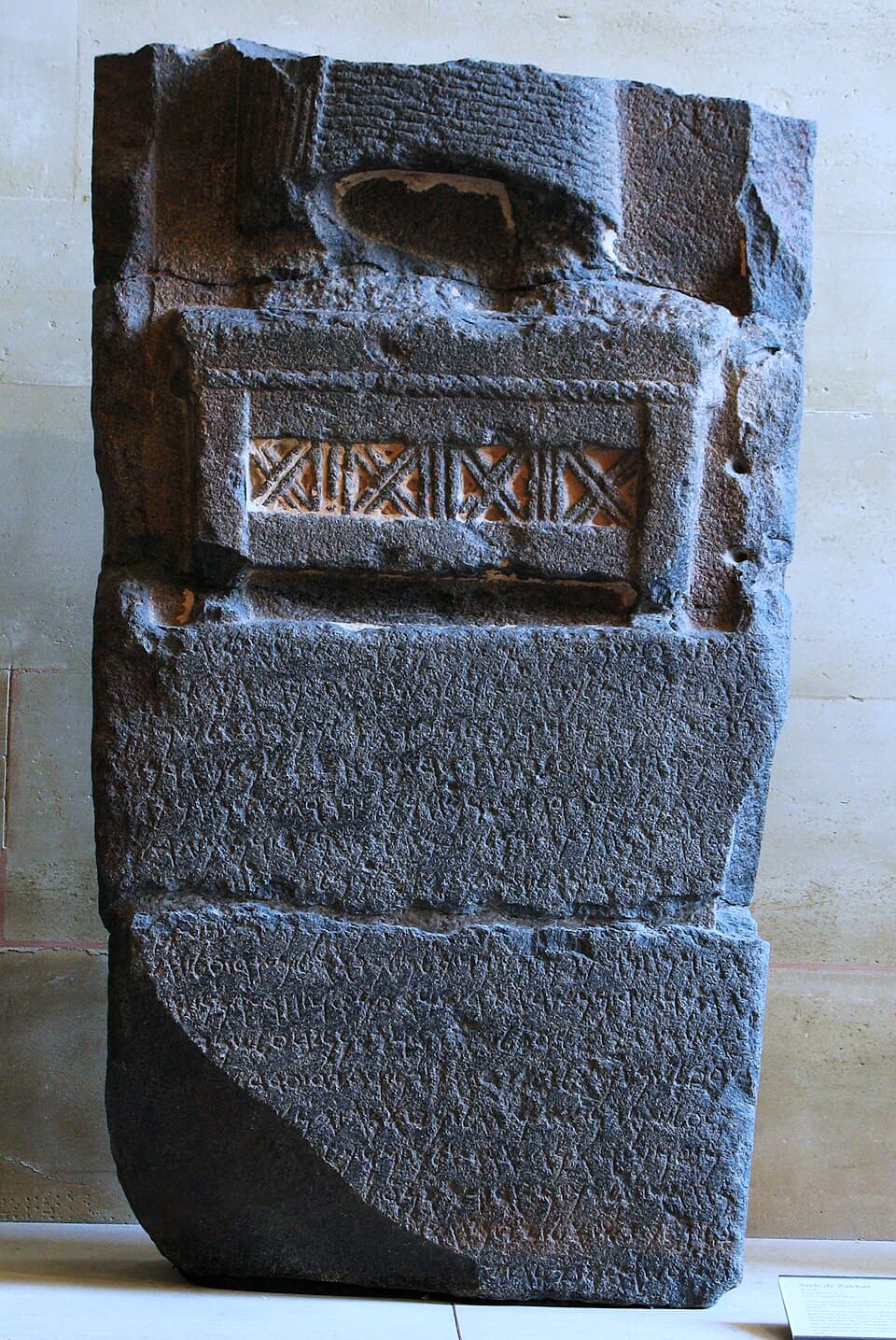
Wer (Wēr), also known as Mer, Ber and Iluwer was a weather god worshiped in parts of Mesopotamia and ancient Syria. It …
Read →
Ancient Egypt
Werethekau was an ancient Egyptian and ancient Nubian deity. She served as the personification of supernatural powers.
Read →
Ancient Egypt
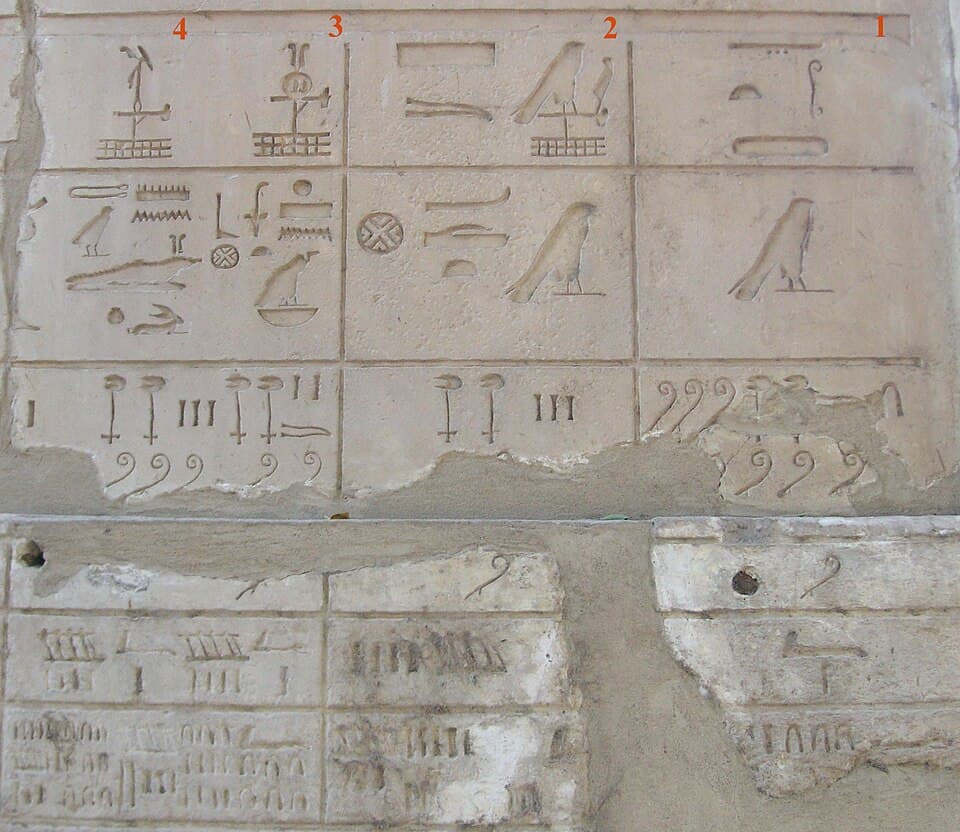
Wetjes-Hor was the second nome of Upper Egypt. Its major population center, modern Edfu, was called Behdet and Djeba in…
Read →
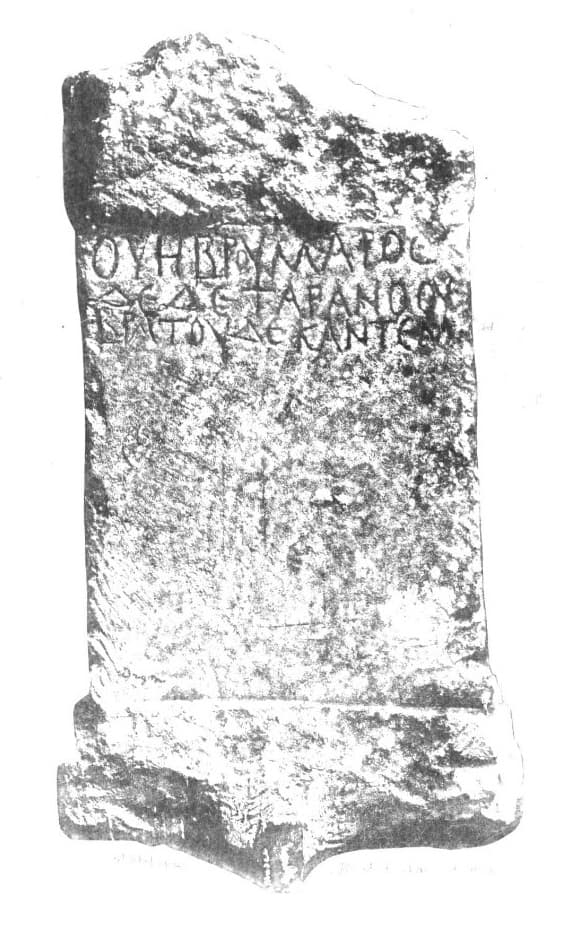
Iron Age Europe
Taranis is a Celtic thunder god attested in literary and epigraphic sources.
Read →
Polynesia
Whiro-te-tipua is the lord of darkness and embodiment of all evil in Māori mythology. Usually depicted as a lizard-like…
Read →

Ancient Egypt
Hedjet was the White Crown of pharaonic Upper Egypt. After the unification of Upper and Lower Egypt, it was combined wi…
Read →