
Zoroastrian1500 BCE – present
Ashi Vanghuhi
Ancient Persia
Ashi is the Avestan language word for the Zoroastrian concept of "that which is attained. " As the hypostasis of "reward…
Read →
Research Index
An archive of 3,493 gods, deified rulers, and mythological figures across civilizations — from living gods of Egypt to the dying gods of antiquity.
Ancient Persia
Ashi is the Avestan language word for the Zoroastrian concept of "that which is attained. " As the hypostasis of "reward…
Read →
Ancient Mesopotamia
Ashnan or Ezina was a Mesopotamian goddess considered to be the personification of grain. She could also be called Ezin…
Read →

Indian subcontinent
Ashokasundari is a Hindu goddess. She is celebrated as the daughter of the deities Shiva and Parvati, and the consort o…
Read →

Ancient Mesopotamia
Ašratum was a Mesopotamian goddess of Amorite origin. She was regarded as the wife of the god Amurru. Her name is a co…
Read →
Indian subcontinent
Ashta Lakshmi or Ashtalakshmi, is a group of the eight manifestations of Lakshmi, the Hindu goddess of prosperity. She …
Read →
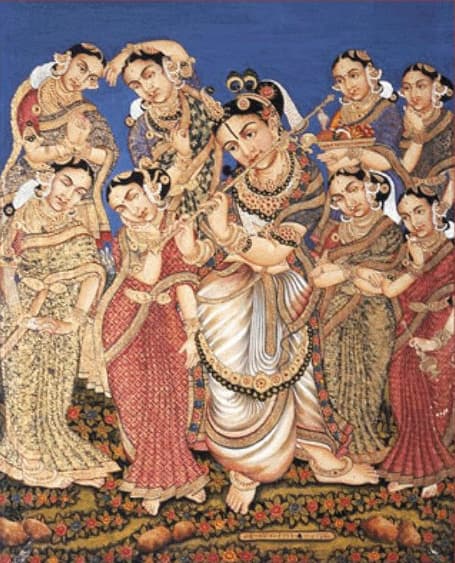
Indian subcontinent
The Ashtabharya or Ashta-bharya(s) is the group of eight principal queen-consorts of Hindu god Krishna, the king of Dvar…
Read →
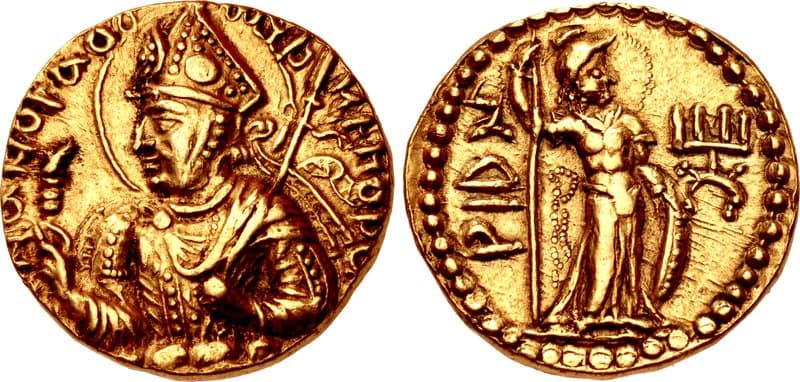
Ancient Persia
Arshtat is the Avestan language name of a Zoroastrian principle and signifies either "justice" or "honesty. " As a subst…
Read →

Indian subcontinent
Ashtavinayaka is a Sanskrit term which means "eight Ganeshas". The Ashtavinayaka Yatra refers to a pilgrimage to the ei…
Read →
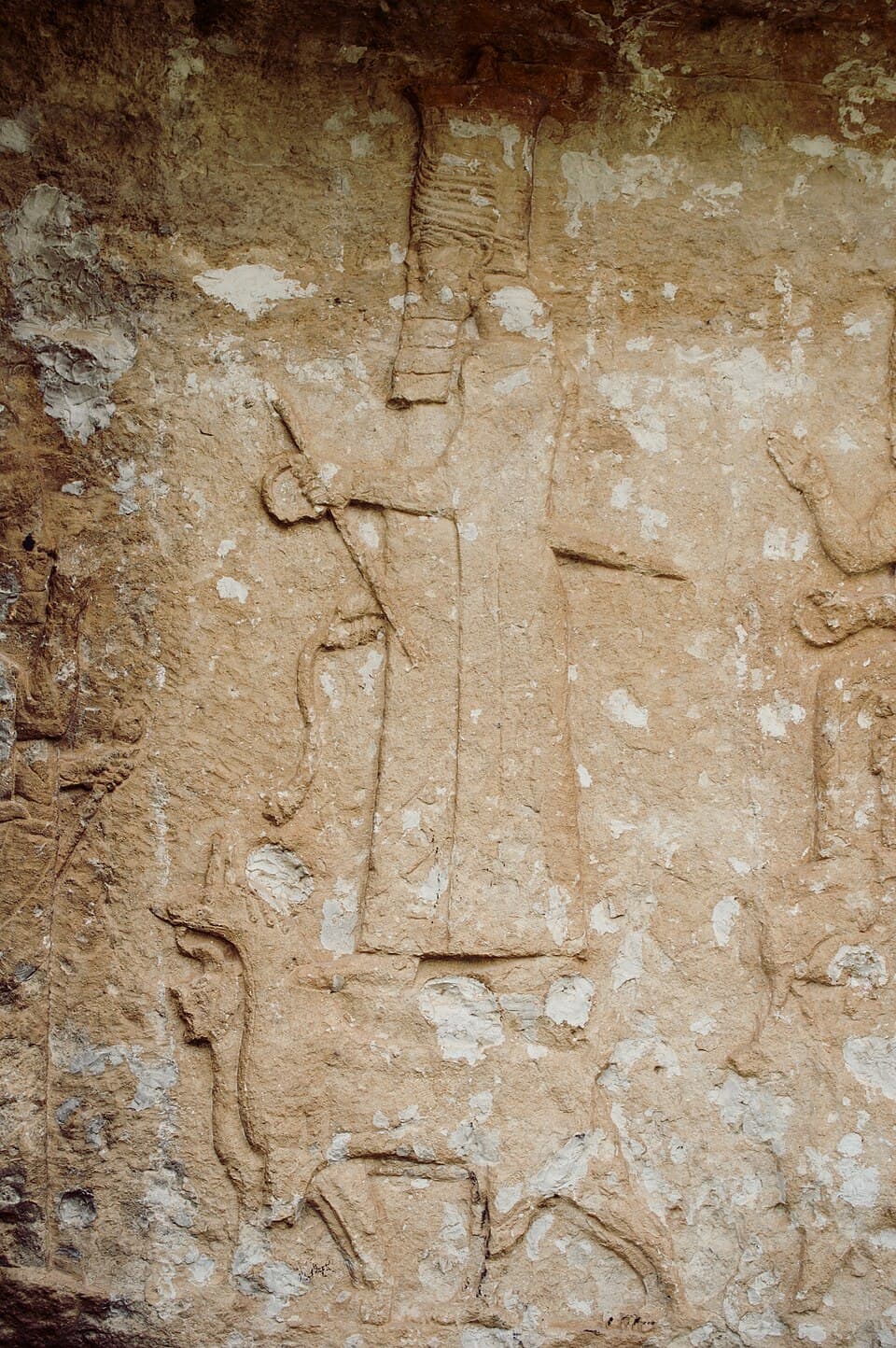
Ancient Mesopotamia
Ashur, Ashshur, also spelled Ašur, Aššur was the national god of the Assyrians in ancient times until their gradual conv…
Read →
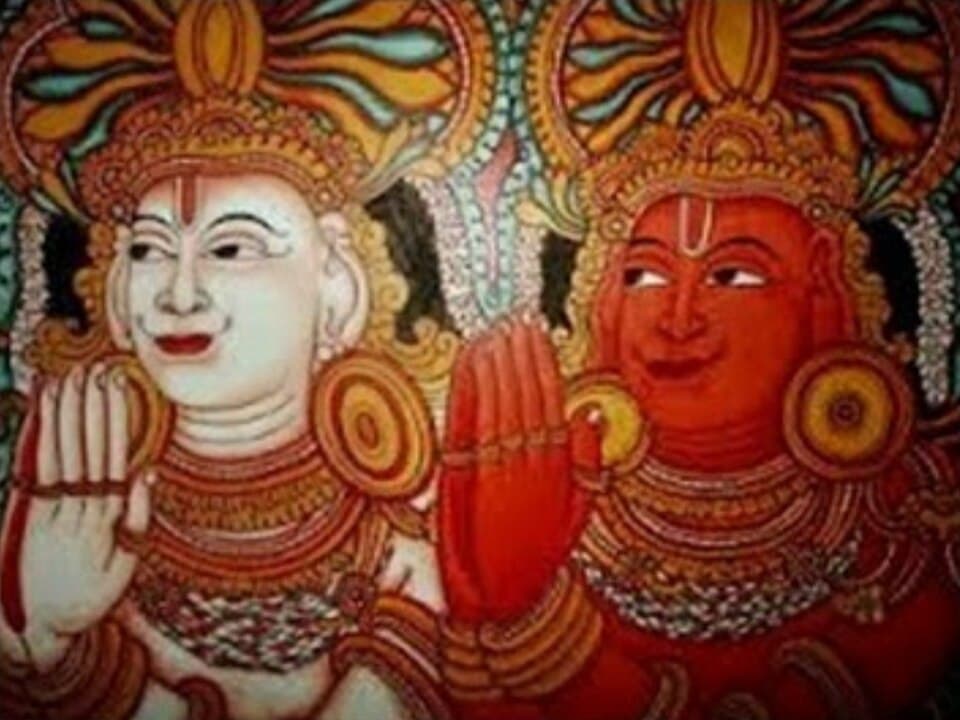
Indian subcontinent
The Ashvins, also known as the Ashvini Kumaras and Asvinau, are Vedic twin gods, namely Nāsatya and Dasra. They are ass…
Read →
Indian subcontinent
In Hindu mythology, Asikni, also known as Panchajani and Virani, is a consort of Daksha in the Puranic pantheon. Most s…
Read →
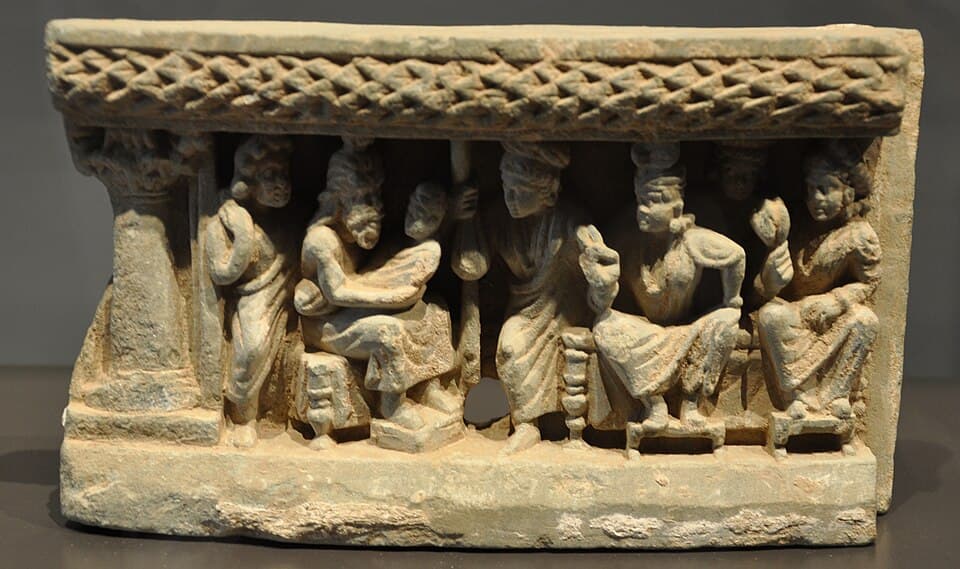
Asia
Asita or Kaladevala or Kanhasiri was a hermit ascetic, a sage and seer, depicted in Buddhist sources as having lived in …
Read →
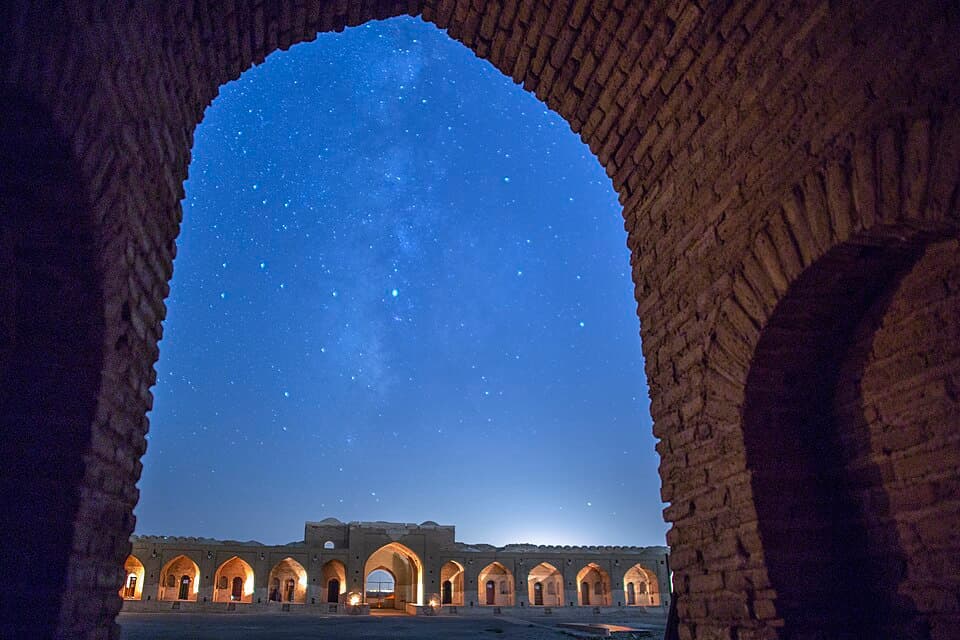
Ancient Persia
Asman is the Avestan and Middle Persian name of the Zoroastrian divinity that is the hypostasis of the sky. Asman is th…
Read →
Ancient Greece
Asopus or Asopos is the name of four different rivers in Greece and one in Turkey. In Greek mythology, it was also the …
Read →
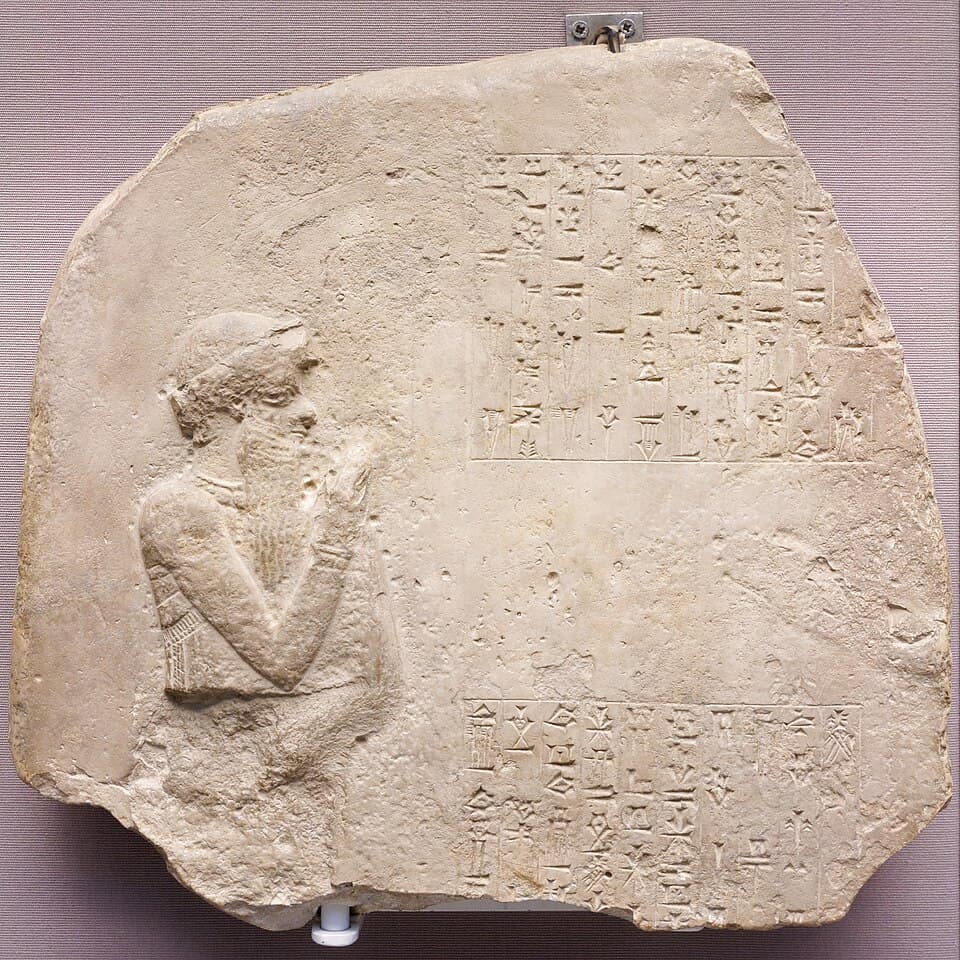
Ancient Mesopotamia
Ašratum was a Mesopotamian goddess of Amorite origin. She was regarded as the wife of the god Amurru. Her name is a co…
Read →
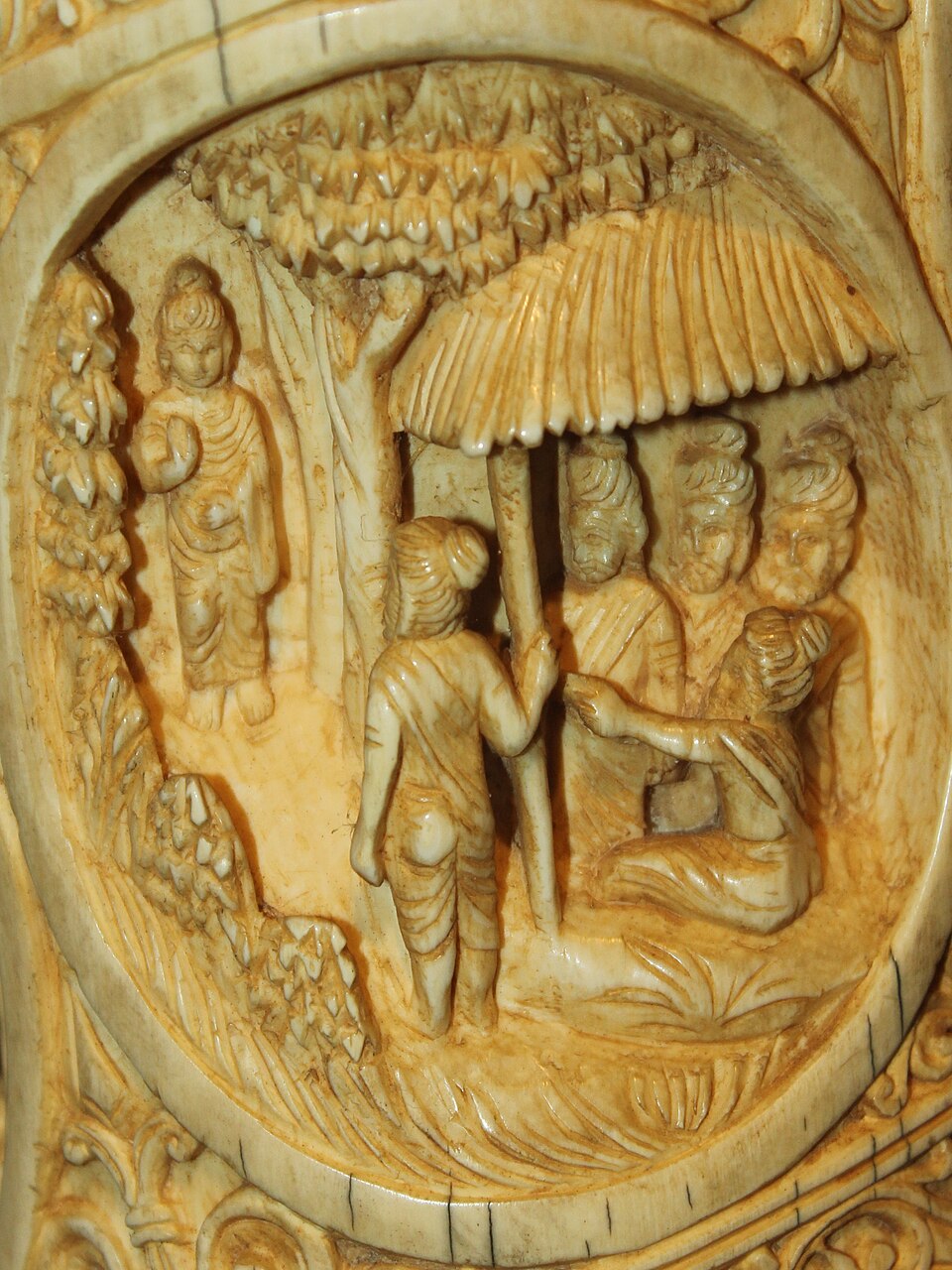
Asia
Aśvajit was one of the first five arhants of Gautama Buddha. He is known for his conversion of Śāriputra and Maudgalyāy…
Read →

Ancient Egypt
The Assessors of Maat were 42 minor ancient Egyptian deities of the Maat charged with judging the souls of the dead in t…
Read →

Ancient Mesopotamia
Ashur, Ashshur, also spelled Ašur, Aššur was the national god of the Assyrians in ancient times until their gradual conv…
Read →

Asia
In Christian theology, assurance refers to a believer's confidence in God, in God's response to prayer, and in the hope …
Read →

Ancient Persia
The Assyrian Church of the East (ACOE), sometimes called the Church of the East and officially known as the Holy Apostol…
Read →
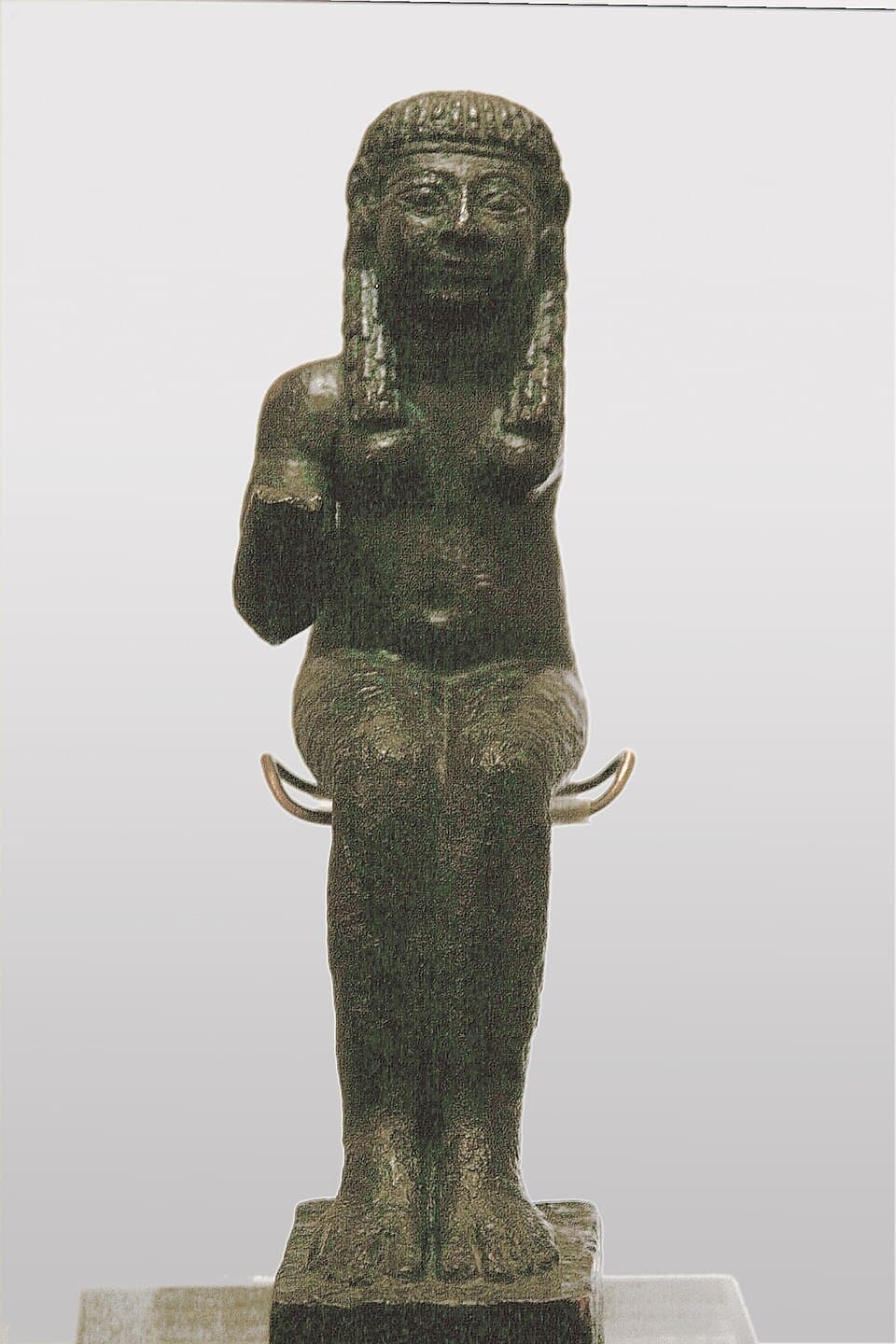
Ancient Egypt
Astarte is the Hellenized form of the Ancient Near Eastern goddess ʿAṯtart. ʿAṯtart was the Northwest Semitic equivalen…
Read →
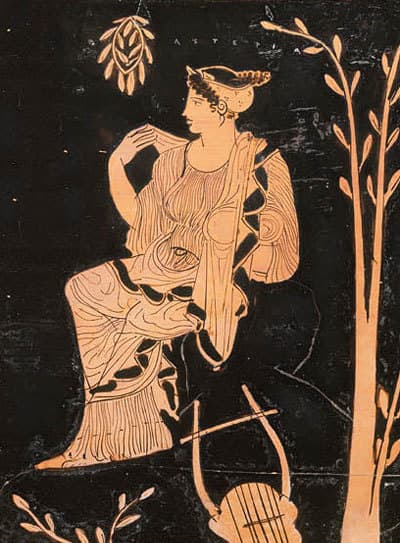
Ancient Greece
In Greek mythology, Asteria or Asterie is a daughter of the Titans Phoebe and Coeus (Polus) and the sister of Leto. Acc…
Read →
Ancient Greece
In Greek mythology, Asterion was a river-god of Argos.
Read →
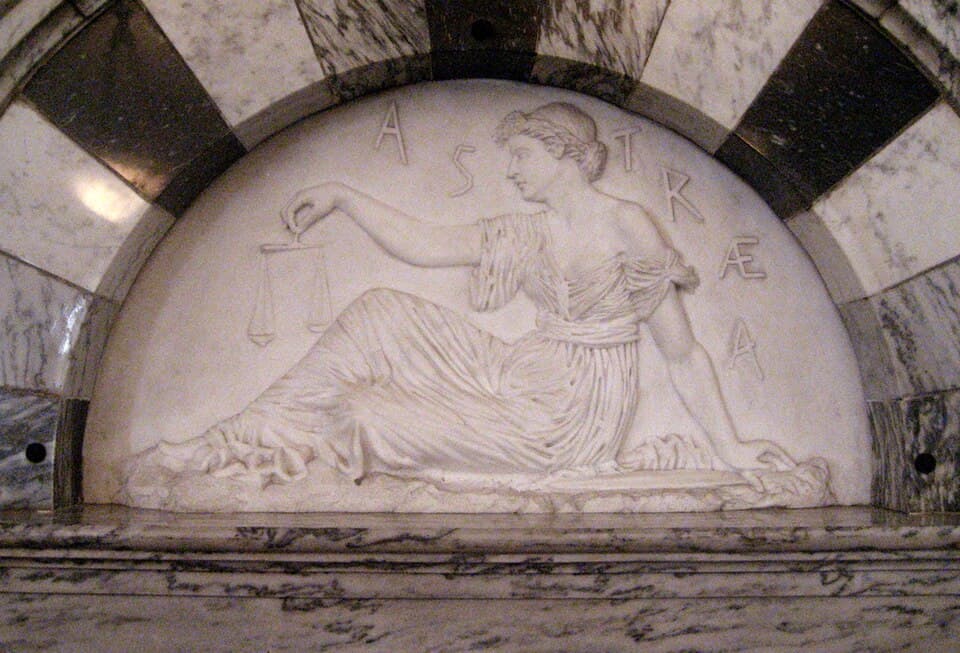
Ancient Greece
In ancient Greek religion and mythology, Astraea, also spelled Astrea or Astria, is a daughter of Astraeus and Eos. She…
Read →
Ancient Greece
In Greek mythology, Astraeus or Astraios is the son of Crius and Eurybia and the consort of Eos. He is said to be the f…
Read →
Ancient Greece
In Greek mythology, Astrape and Bronte are personifications of lightning and thunder, respectively.
Read →
Maya civilization
Astrology is a range of divinatory practices, recognized as pseudoscientific since the 18th century, that propose that i…
Read →

Japan
Ikasuri Shrine is a major Shinto shrine located in central Osaka, Japan. Its annual festival is on April 22. In the fo…
Read →
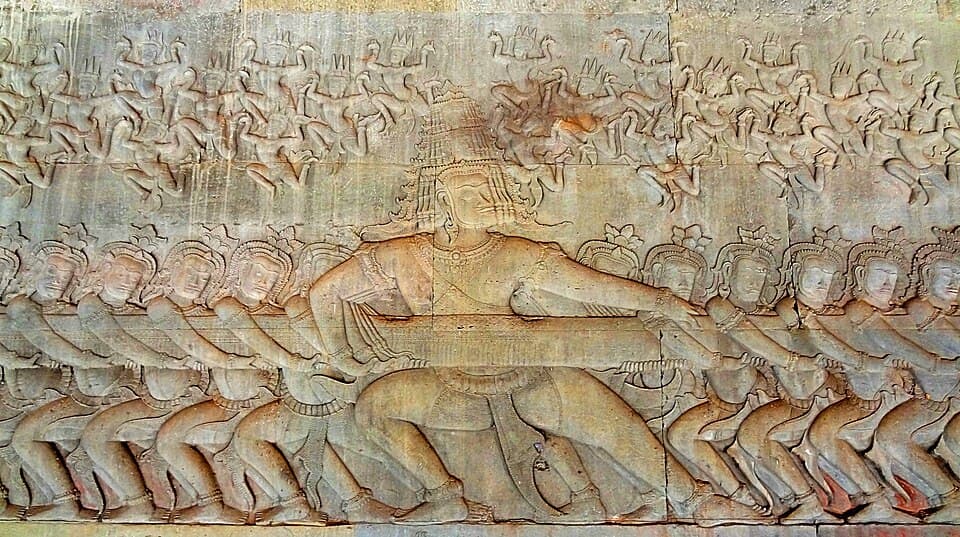
Ancient Persia
Asura are a class of beings in Indian religions. They are described as power-seeking beings related to the more benevol…
Read →

Asia
An asura in Buddhism is a demigod or titan of the Kāmadhātu. They are said to live more pleasurable lives than humans, …
Read →

Indian subcontinent
Asura are a class of beings in Indian religions. They are described as power-seeking beings related to the more benevol…
Read →
Indian subcontinent
In Hinduism, Asvayujau is a goddess of fortune, good luck, joy and other names is Svasti wife of Vayu according to the D…
Read →
Indian subcontinent
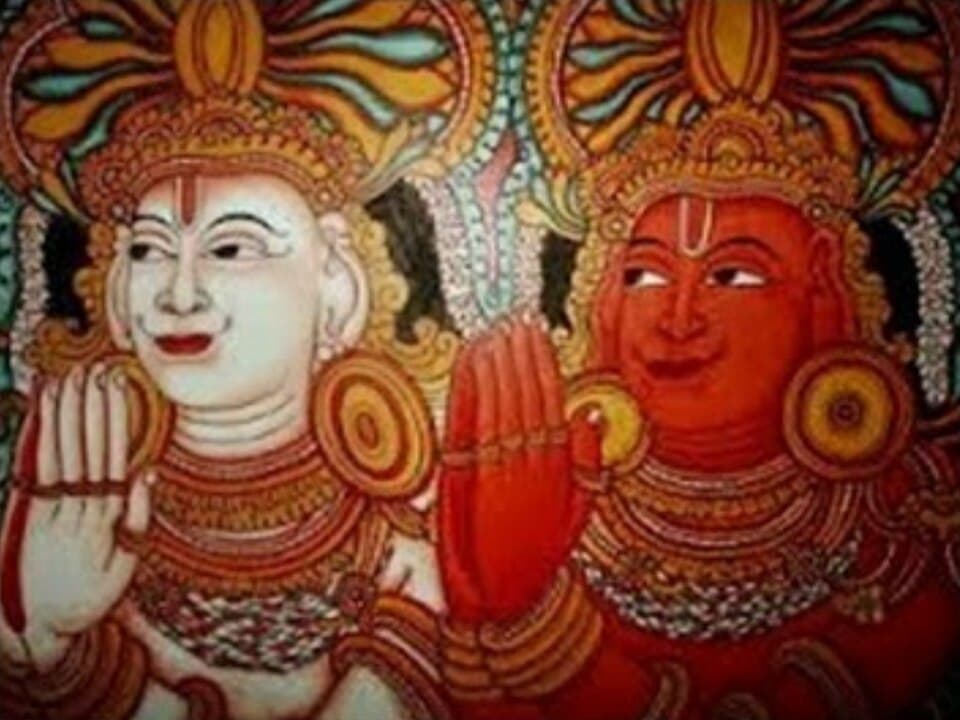
The Ashvins, also known as the Ashvini Kumaras and Asvinau, are Vedic twin gods, namely Nāsatya and Dasra. They are ass…
Read →
Iron Age Europe
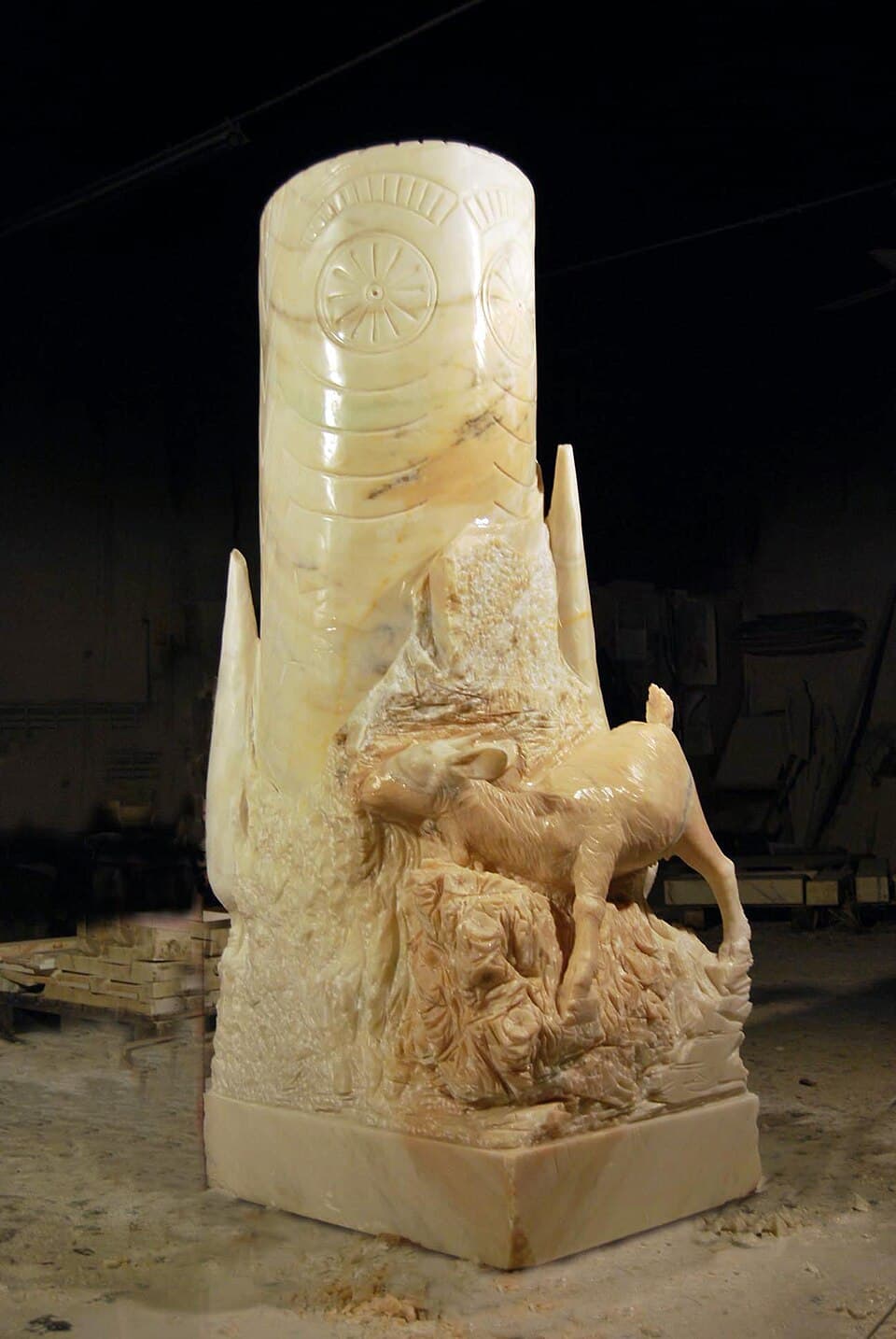
Ataegina was a goddess worshipped by the ancient Iberians, Lusitanians, and Celtiberians of the Iberian Peninsula. She …
Read →

Japan
Atago Gongen (愛宕権現) also known as Tarōbō (太郎坊), Atago Daigongen (愛宕大権現), Shōgun Jizō (勝軍地蔵) of Mount Atago is a Japanese…
Read →
Polynesia
Atanua in Polynesian mythology is the goddess of the dawn and wife of Atea.
Read →
Ancient Persia
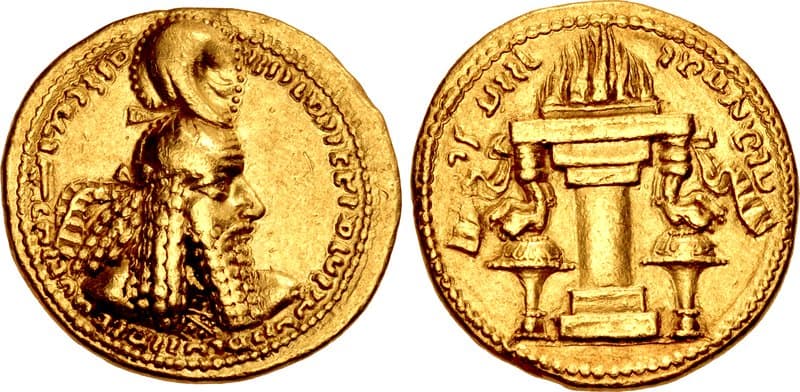
Atar is the Zoroastrian concept of holy fire, sometimes described in abstract terms as "burning and unburning fire" or "…
Read →
Polynesia
In Polynesian mythology, Atarapa ("daybreak") is the goddess of the dawn and a daughter of Haronga.
Read →
Ancient Mesopotamia
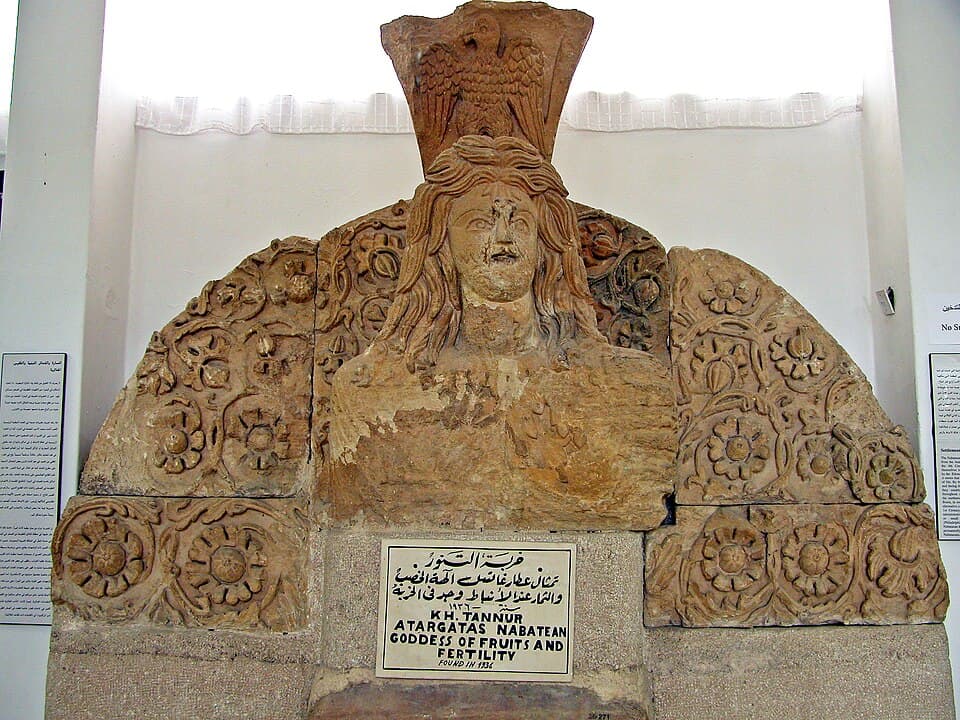
Atargatis was the chief goddess of northern Syria in classical antiquity. Primarily she was a fertility goddess, but, a…
Read →

Ancient Egypt
Atef is the specific feathered white crown of the ancient Egyptian deity Osiris. It combines the Hedjet, the white crow…
Read →

Ancient Egypt
Aten, also Aton, Atonu, or Itn was the focus of Atenism, the religious system formally established in ancient Egypt by t…
Read →
Iron Age Europe
Atepomarus or Atepomaros in Celtic Gaul was a healing god from Mauvières (Indre). Apollo was associated with this god i…
Read →
Ancient Persia
Atheism, in the broadest sense, is an absence of belief in the existence of deities. Less broadly, atheism is a rejecti…
Read →
Indian subcontinent
Atheism, in the broadest sense, is an absence of belief in the existence of deities. Less broadly, atheism is a rejecti…
Read →
Polynesia
Atheism, in the broadest sense, is an absence of belief in the existence of deities. Less broadly, atheism is a rejecti…
Read →
Ancient Mesopotamia
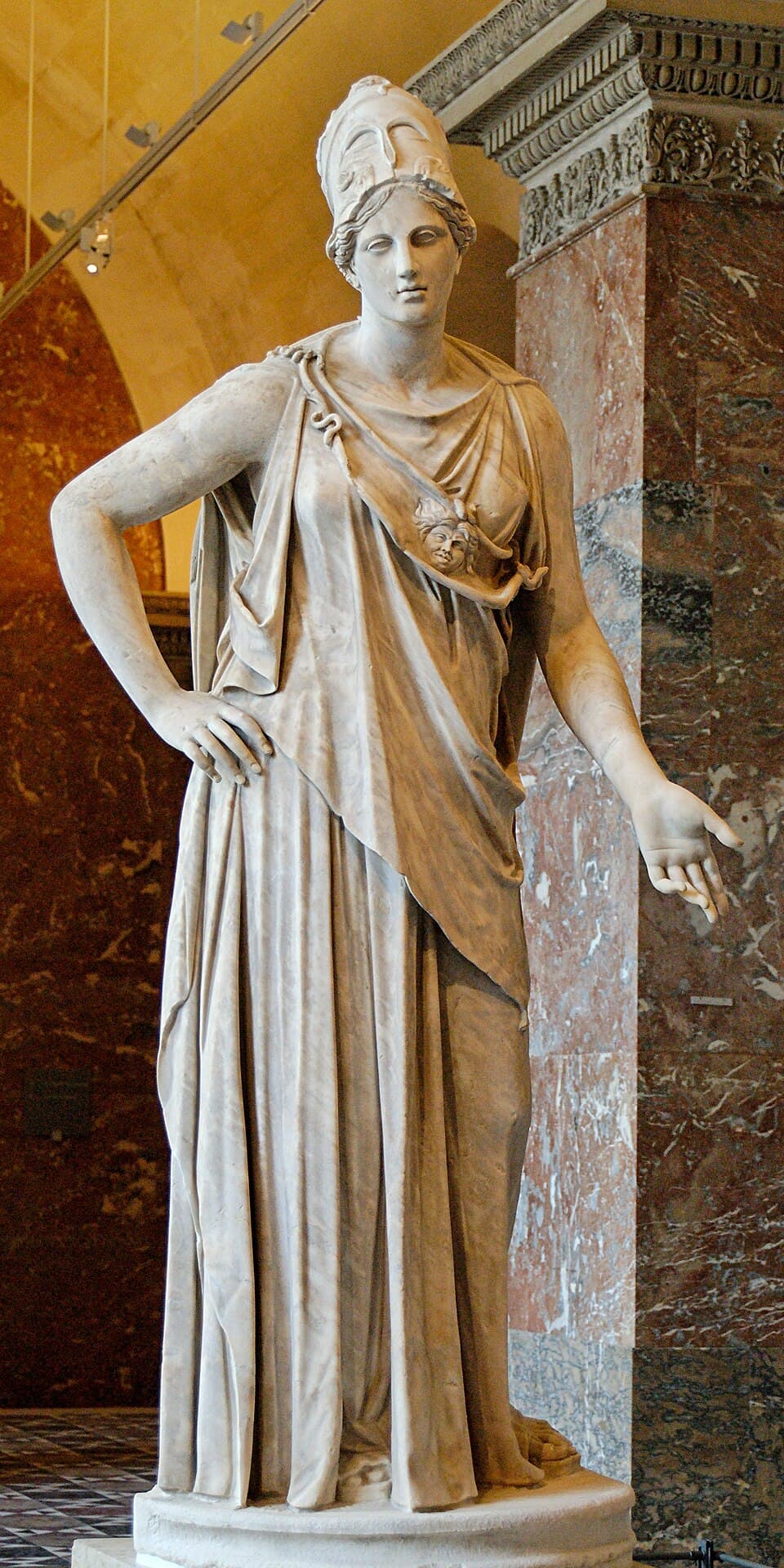
Athena or Athene, often given the epithet Pallas, is an ancient Greek goddess associated with wisdom, warfare, and handi…
Read →

Ancient Mesopotamia
Asherah was a goddess in ancient Semitic religions. She also appears in Hittite writings as Ašerdu(š) or Ašertu(š), and…
Read →
Aztec Empire
This is a list of gods and supernatural beings from the Aztec culture, its religion and mythology. Many of these deitie…
Read →
Aztec Empire
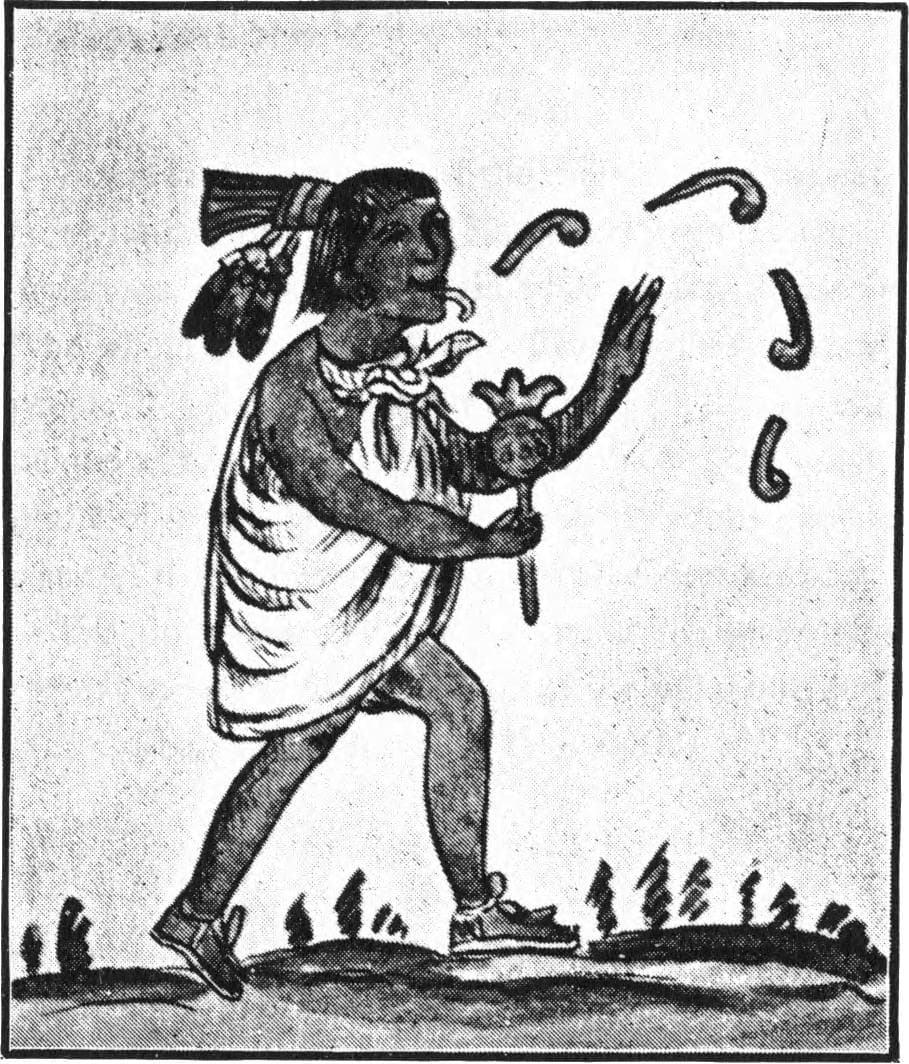
In Aztec mythology, Atlahua, Ahtlahua, Atlahoa, Atlavâ or Atlaua was a water God, fisherman and archer. There were said…
Read →
Aztec Empire
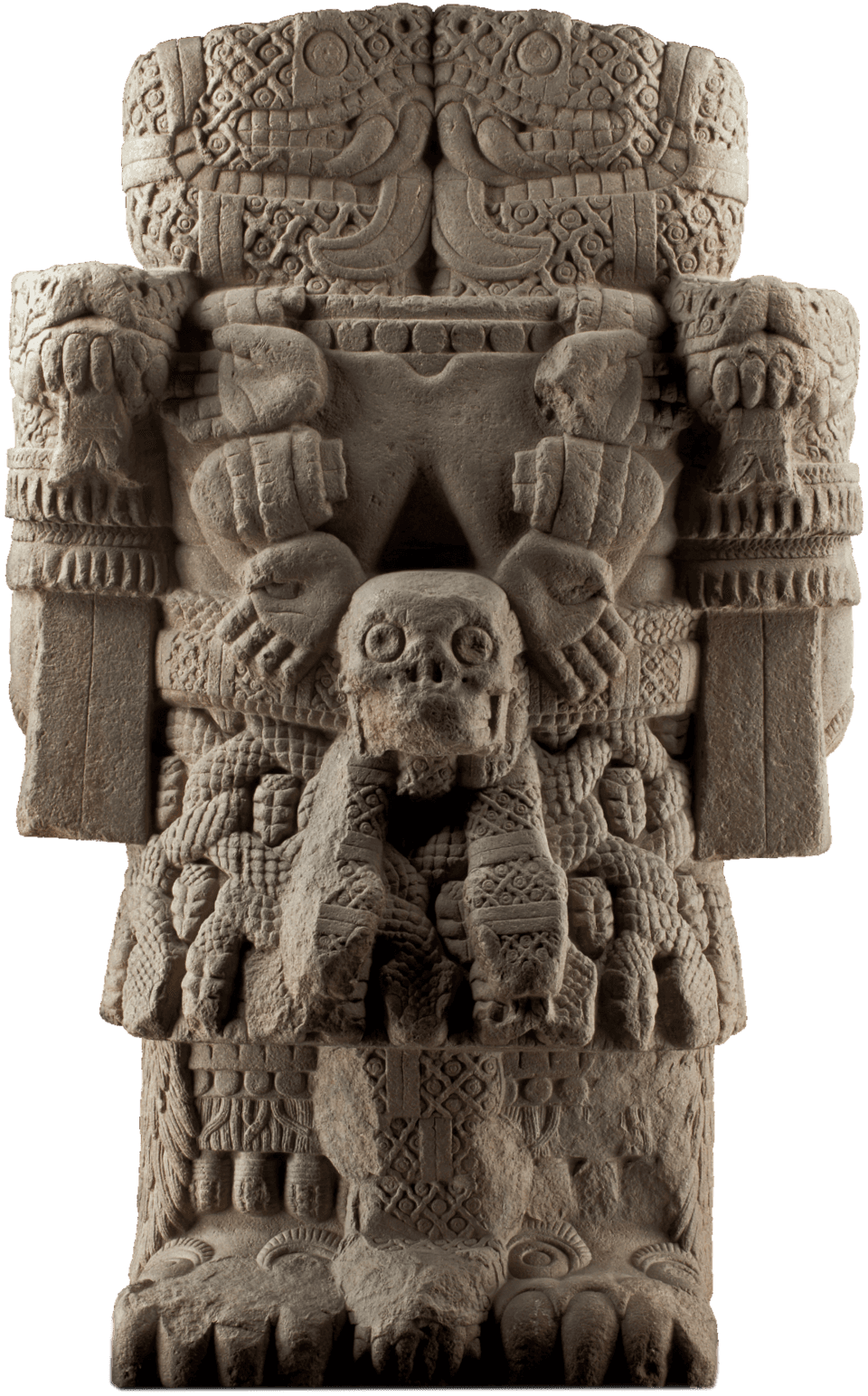
Coatlicue, wife of Mixcōhuātl, also known as Tēteoh īnnān is the Aztec goddess who gave birth to the moon, stars, and Hu…
Read →
Asia
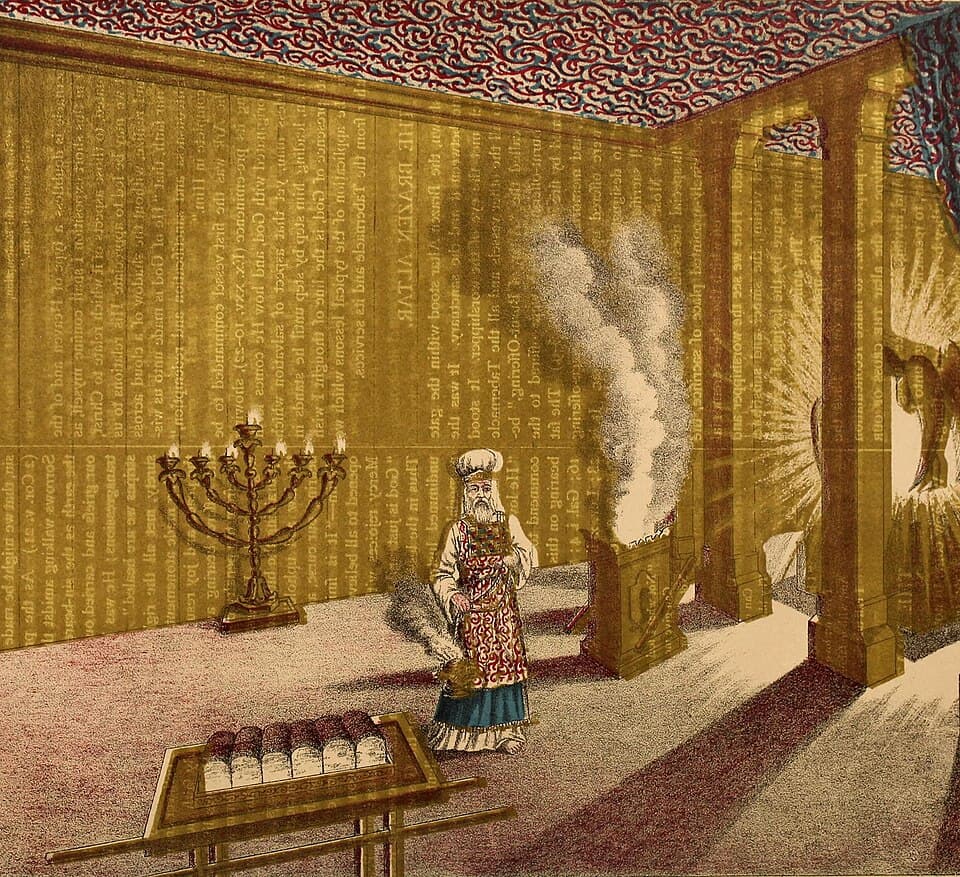
Atonement in Judaism is the process of causing a sin to be forgiven or pardoned. Judaism describes various means of rec…
Read →

Indian subcontinent
Atri or Attri is a Vedic sage, who is credited with composing numerous shlokas to Agni, Indra, and other Vedic deities o…
Read →

Scandinavia
Attila, frequently called Attila the Hun and also known by his nickname The Scourge of God, was the ruler of the Huns fr…
Read →
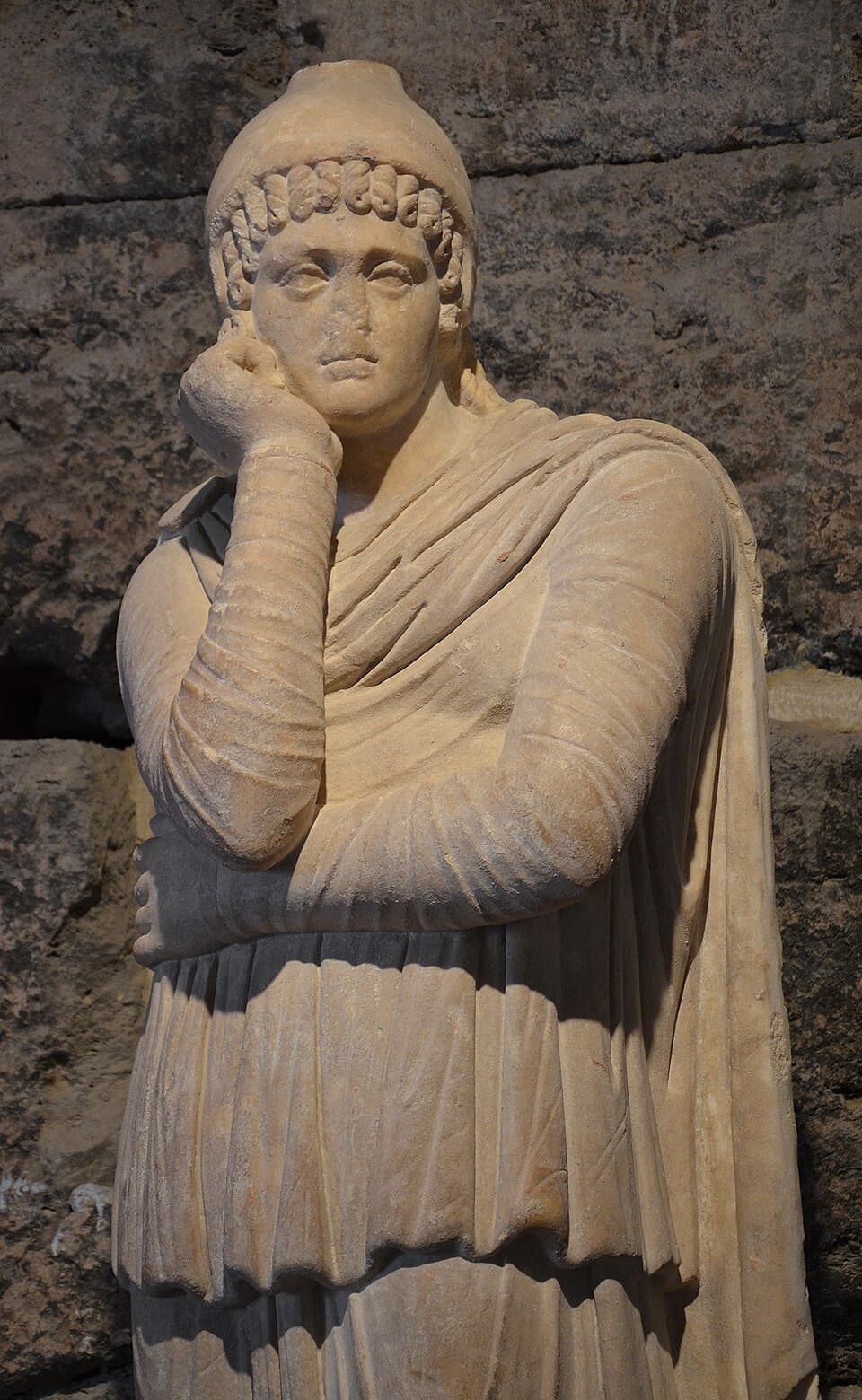
Ancient Greece
Attis was the consort of Cybele, in Phrygian and Greek mythology.
Read →
Ancient Egypt
Atum, sometimes rendered as Atem, Temu, or Tem, is the primordial God in Egyptian mythology from whom all else arose. H…
Read →
Polynesia
Auahitūroa is a Māori god, the son of Tama-nui-te-rā, personification of comets, and the origin of fire.
Read →
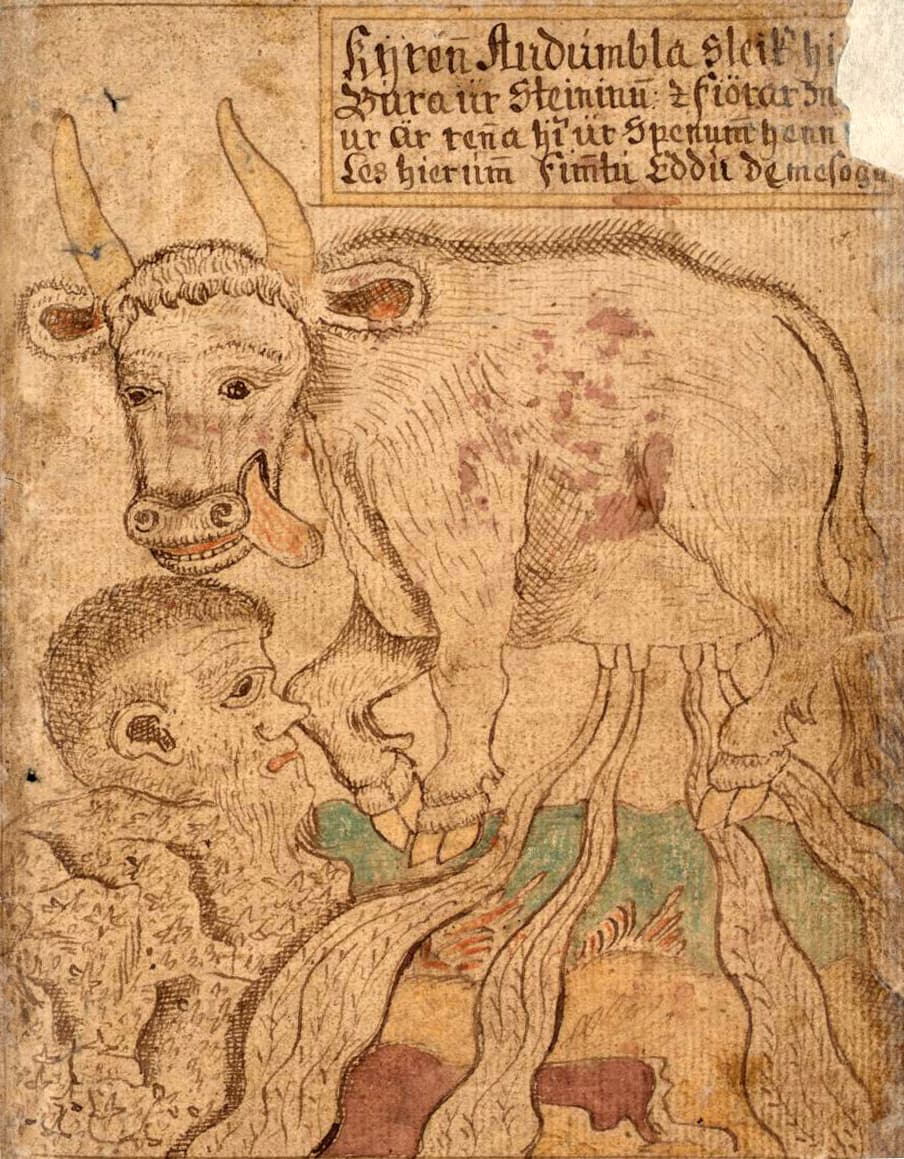
Scandinavia
In Norse mythology, Auðumbla is a primeval cow. The primordial frost jötunn Ymir fed upon her milk, and over the course…
Read →
Ancient Greece
In Greek mythology, Auge, “Daybreak”, was the first Hora (Hour) who presided over the hour of the first light of day. S…
Read →

Asia
Augustinian soteriology refers to Augustine of Hippo's (354–430) view on human salvation and God's providence. His thin…
Read →

Ancient Rome
Augustus was the main title of the Roman emperors during antiquity. It was given as both a name and a title to Gaius Ju…
Read →

Ancient Rome
Augustus was the main title of the Roman emperors during antiquity. It was given as both a name and a title to Gaius Ju…
Read →

Indian subcontinent
Om is a polysemous symbol representing a sacred sound, seed syllable, mantra, and invocation in Hinduism as well as in o…
Read →

Polynesia
In Hawaiian mythology, an ʻaumakua is a personal or family god that originated as a deified ancestor, and which takes on…
Read →

Scandinavia
Aurvandill is a figure in Germanic mythology. In Norse mythology, the god Thor tosses Aurvandill's toe – which had froz…
Read →

Early Slavs
Russian Authentism, incorporated as the Thesaurus Non-Confessional Spiritual Union, is a Rodnover philosophy and psychol…
Read →
Ancient Greece
In Greek mythology, Autonoë was a Theban princess as the eldest daughter of Cadmus, founder of Thebes in Boeotia, and th…
Read →

Asia
In Buddhism, Avalokiteśvara, also known as Lokeśvara and Chenrezig, is a Bodhisattva associated with Great Compassion (m…
Read →
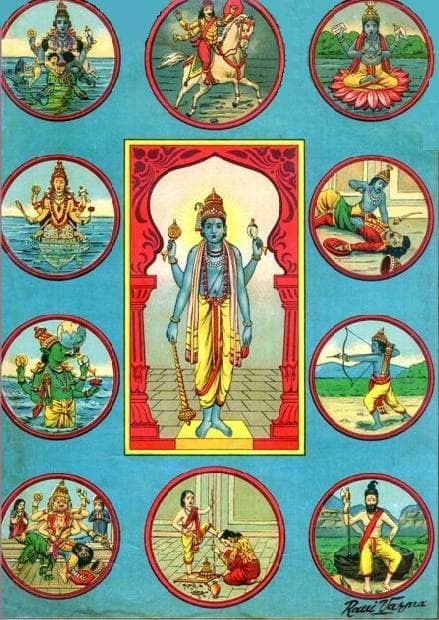
Indian subcontinent
Avatar is a concept within Hinduism that in Sanskrit literally means 'descent'. The concept, with a different name, can…
Read →
Ancient Rome
The Aventine Triad is a modern term for the joint cult of the Roman deities Ceres, Liber and Libera. The cult was estab…
Read →
Ancient Rome
In ancient Roman religion, Averruncus or Auruncus is a god of averting harm. Aulus Gellius says that he is one of the p…
Read →
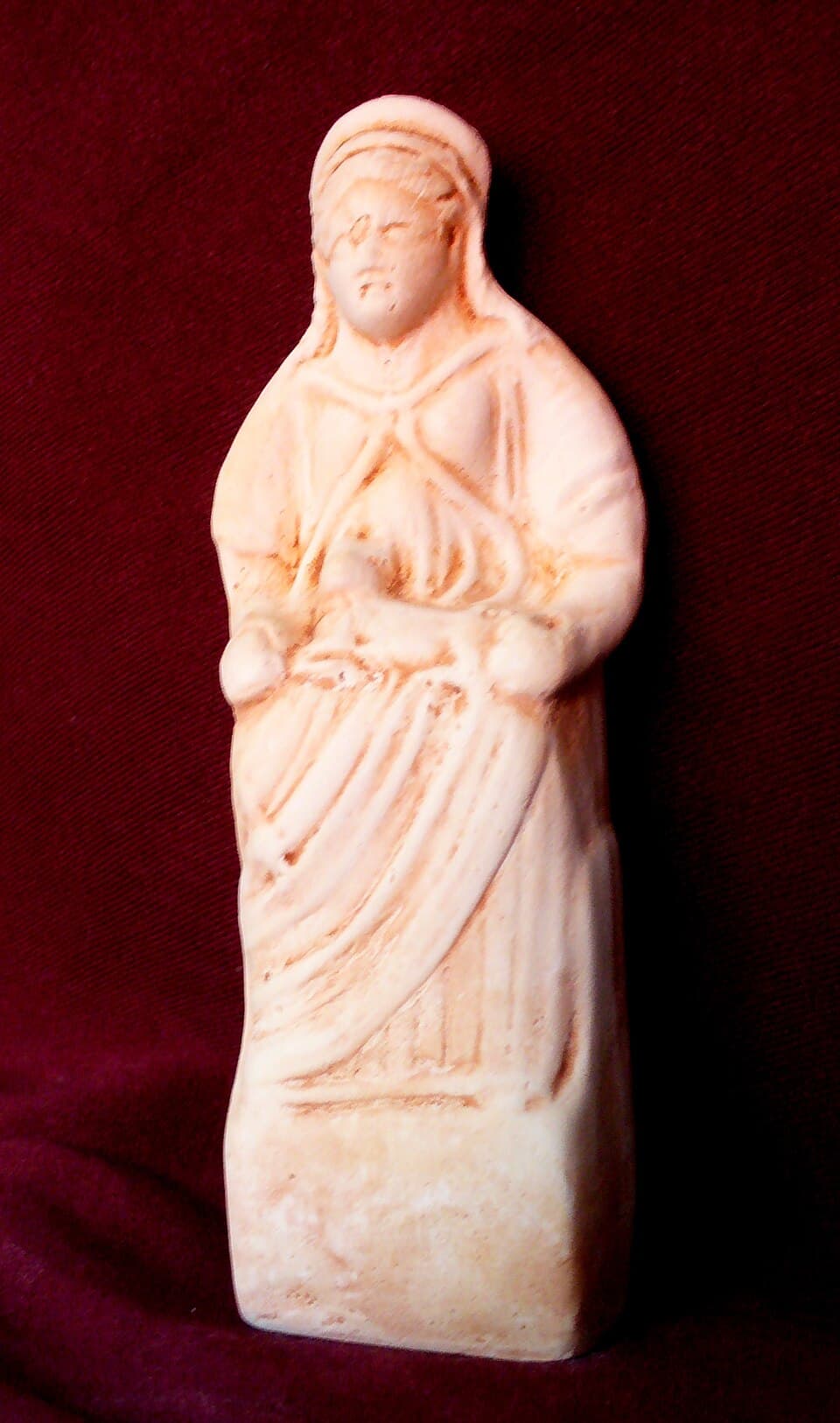
Iron Age Europe
In Gallo-Roman religion, Dea Aveta was a mother goddess, also associated with the freshwater spring at Trier in what is …
Read →
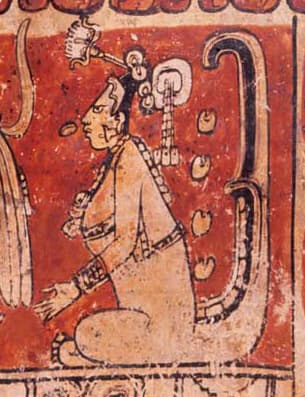
Maya civilization
Awilix was a goddess of the Postclassic Kʼicheʼ Maya, who had a large kingdom in the highlands of Guatemala. She was th…
Read →
Early Slavs
Axes of Perun, also called "hatchet amulets", are archaeological artifacts worn as a pendant and shaped like a battle ax…
Read →
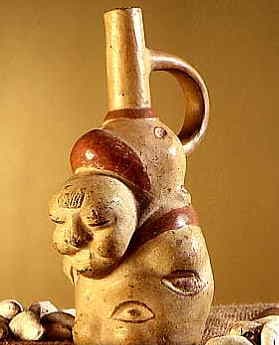
Inca Empire
Axomamma is a goddess of potatoes in Inca mythology. She is one of the daughters of Pachamama, the earth mother. Potat…
Read →
Ancient Mesopotamia
Aya was a Mesopotamian goddess associated with dawn. Multiple variant names were attributed to her in god lists. She w…
Read →
West Africa
Ajagunda is the youngest path, or avatar, of the Sky Father Obatala in the Lukumi (Santería) pantheon. In this manifest…
Read →
West Africa
Ayao is an orisha in the Santería pantheon. She is the orisha of the air, and is considered to reside in both the fores…
Read →
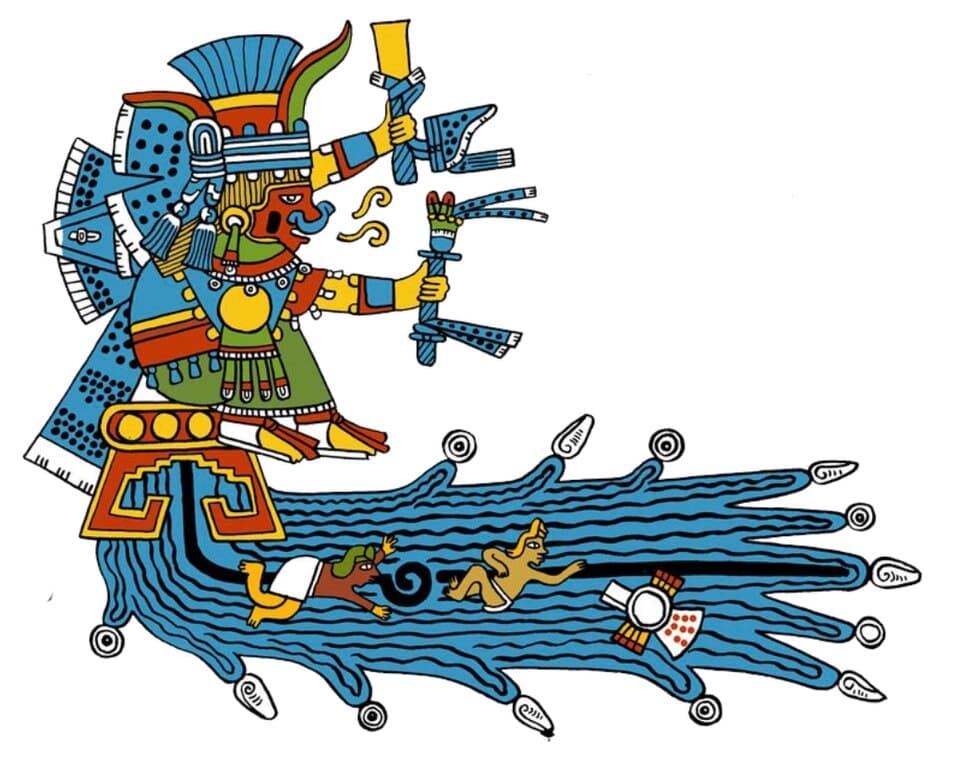
Aztec Empire
Chalchiuhtlicue or 'She of the Jade Skirt' is an Aztec deity of water, rivers, seas, streams, storms, and baptism. Chal…
Read →
West Africa
Ayé is the personification of the Earth or the physical realm and an oriṣa in Yoruba religion. As the physical realm, i…
Read →
West Africa
Ayelala is a female deity of justice and retribution widely feared for her instant punishments for those who commit crim…
Read →
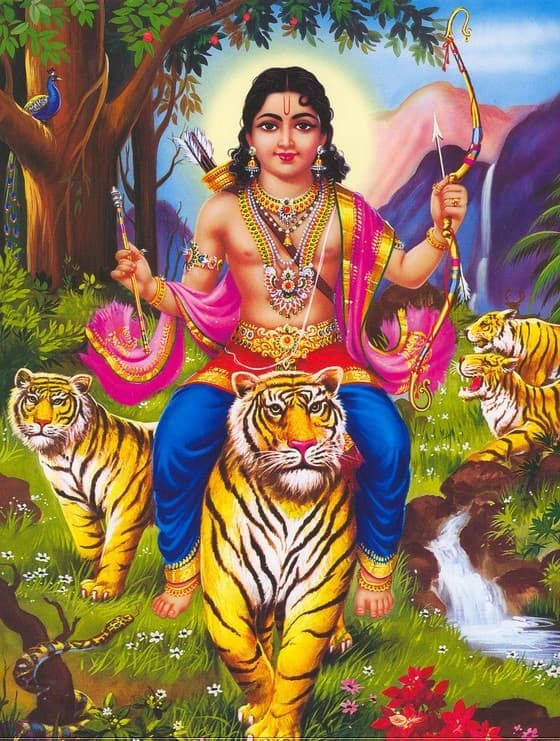
Indian subcontinent
Ayyappan, also known as Dharmasastha and Manikandan, is the Hindu deity of truth and righteousness. According to Hindu …
Read →
North America
Azeban, or "the Raccoon," is a lower-level trickster spirit in Abenaki mythology. The traditional homeland of the Abena…
Read →
Ancient Greece
Azesia or Azosia was a cultic epithet of one or more Greek goddesses, or in some cases was possibly a distinct goddess. …
Read →
Ancient Persia
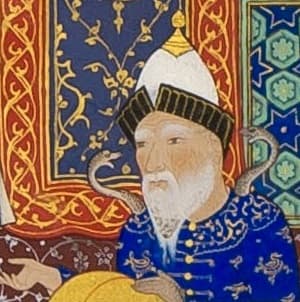
Zahāk is a personification of evil in Iranian mythology and historiography. In the Avesta and Zoroastrian tradition, Za…
Read →
Ancient Mesopotamia
Azimua, also known as Ninazimua, was a Mesopotamian goddess regarded as the wife of Ningishzida.
Read →
Ancient Levant
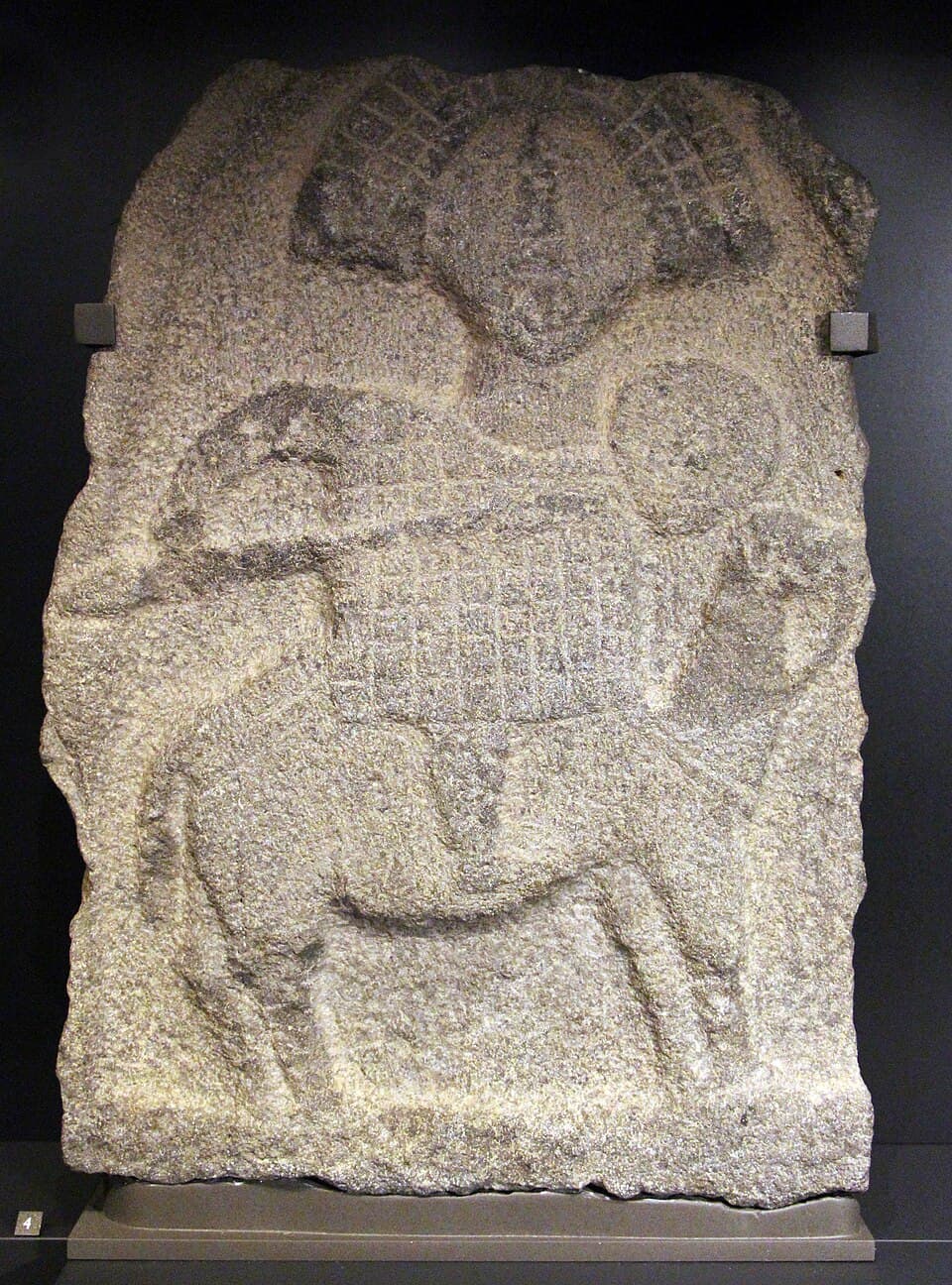
In ancient Arab mythology, Azizos or Aziz is the Palmyran Arab god of the morning star. He is portrayed as riding a cam…
Read →
Aztec Empire
In Aztec mythology, Creator-Brothers gods are the only four Tezcatlipocas, the children of the creator couple Ometecuhtl…
Read →
Japan
Azumi-no-isora is a Shinto kami of the seashore. He is considered to be the ancestor of the Azumi people. He is worshi…
Read →

China
The Azure Dragon is one of the Dragon Gods who represent the mounts or chthonic forces of the Five Regions' Highest Deit…
Read →
Ancient Egypt
Ba-Pef was a minor underworld god in Egyptian mythology. The name literally means that Ba, meaning that soul. Ba-Pef i…
Read →
Ancient Levant
In ancient Canaanite religion, Ba'al Hermon was the titular local deity of Mount Hermon. The mountain was inhabited by …
Read →
Ancient Mesopotamia
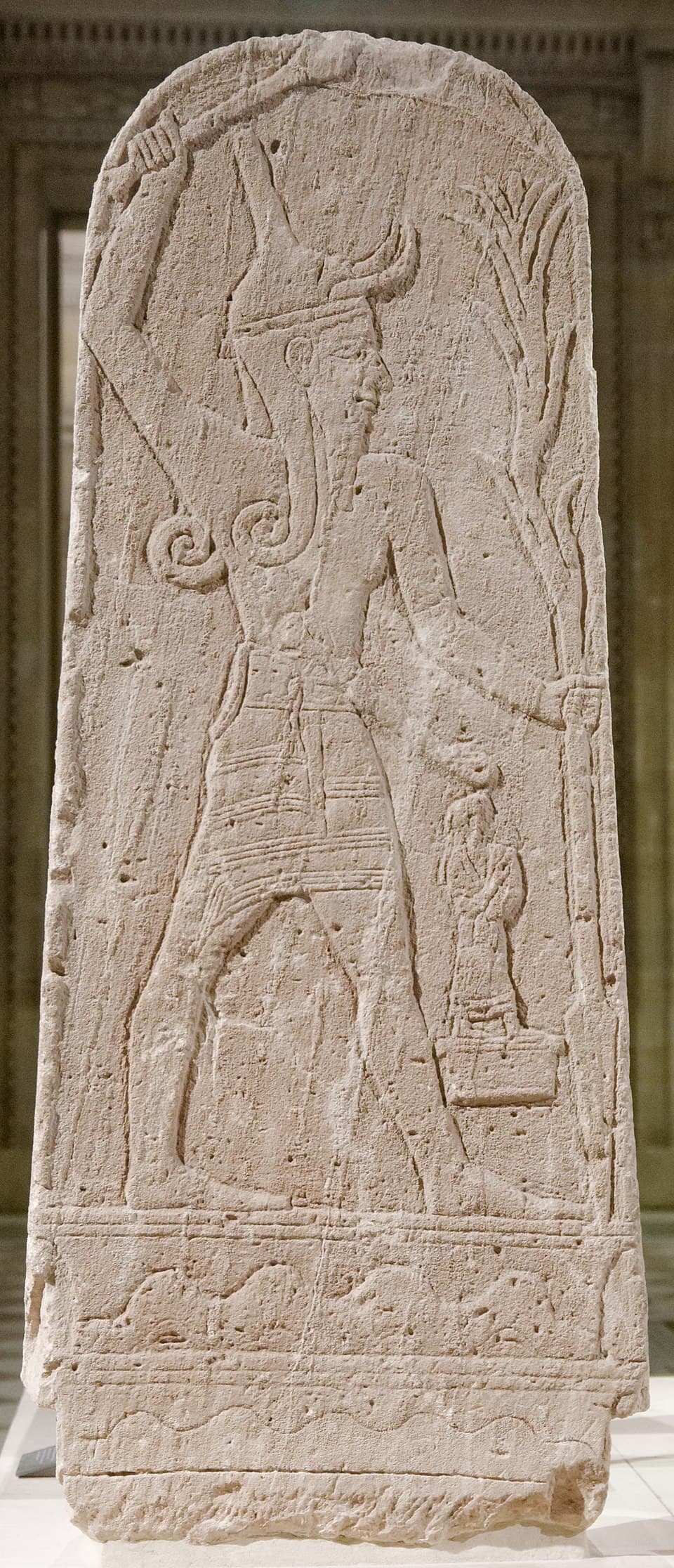
Baal, or Ba'al, was a title and honorific meaning "owner" or "lord" in the Northwest Semitic languages spoken in the Lev…
Read →
Ancient Levant
Baʿal Berith and El Berith are titles of a god or gods worshiped in Shechem, in ancient Canaan, according to the Bible.
Read →
Ancient Levant
Baal Marqod was a Phoenician god of dancing. He is attested in Greek and Latin inscriptions from the Maronite monastery…
Read →
Ancient Egypt
Baalat Gebal, also known as Bēltu ša Gubla and Baaltis, was the tutelary goddess of the city of Byblos. While in the pa…
Read →
Ancient Levant
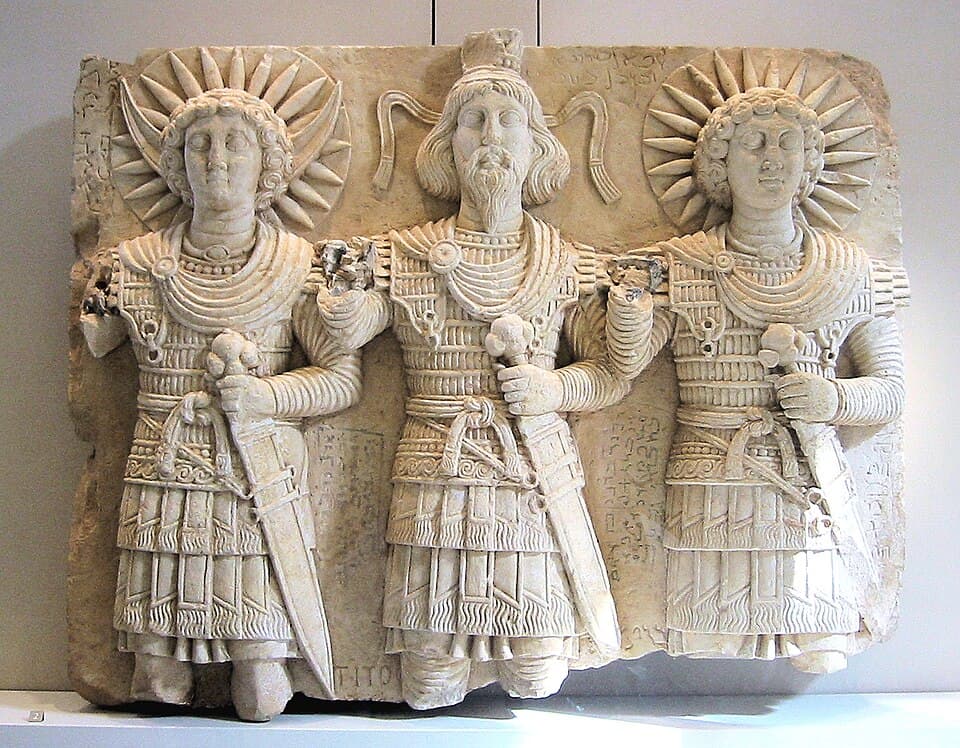
Baalshamin, also called Baal Shamem and Baal Shamaim, was a Northwest Semitic god and a title applied to different gods …
Read →

West Africa
Babalú-Aye is one of the Oriṣa or manifestations of the Supreme Deity Olodumare in the Yoruba religion of West Africa. …
Read →

Ancient Persia
Bábism is a messianic movement founded in 1844 by the Báb. The Báb, an Iranian merchant-turned-prophet, professed that …
Read →
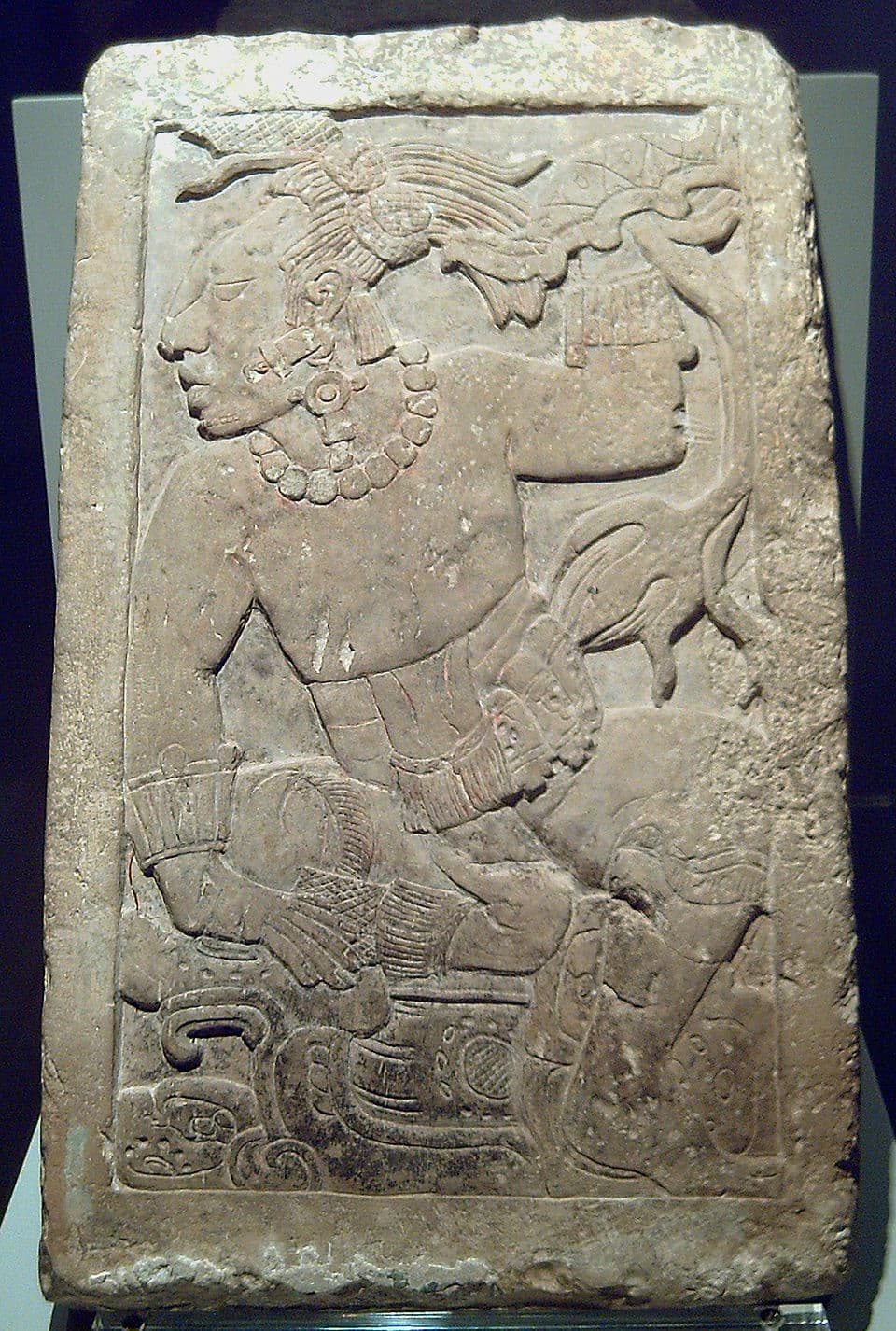
Maya civilization
Bacab is the generic Yucatec Maya name for the four prehispanic aged deities of the interior of the Earth and its water …
Read →
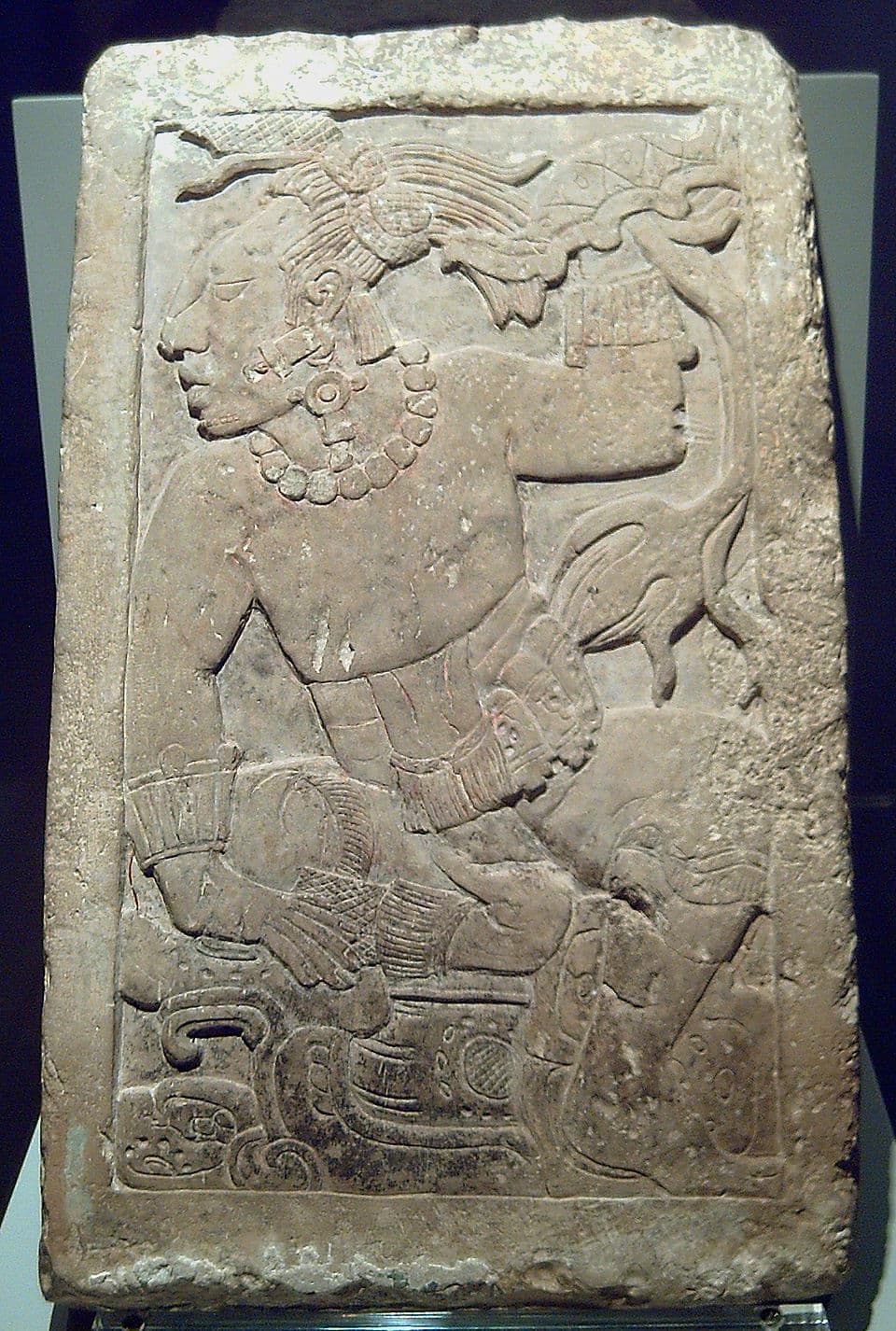
Maya civilization
Bacab is the generic Yucatec Maya name for the four prehispanic aged deities of the interior of the Earth and its water …
Read →
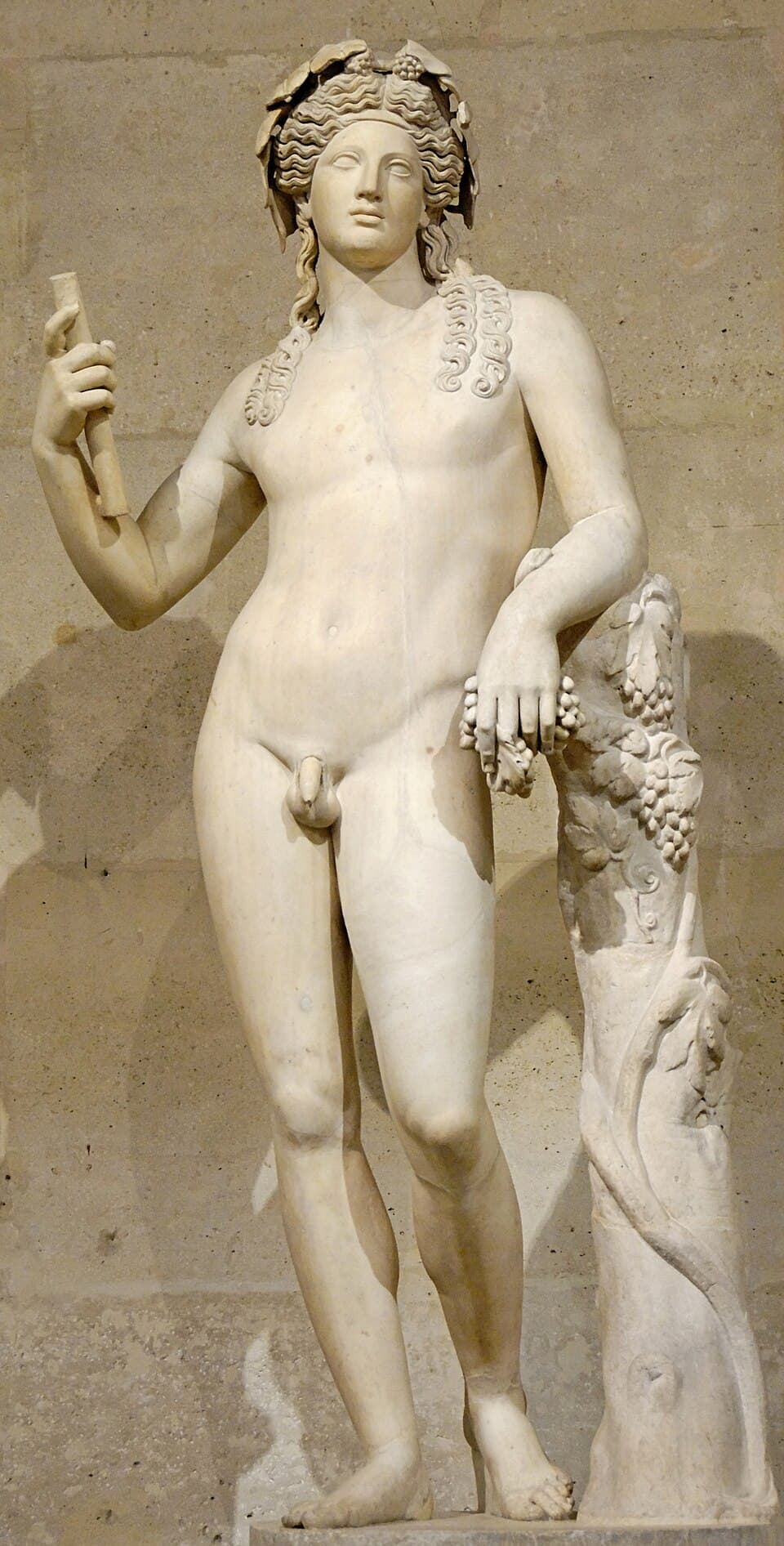
Ancient Rome
In ancient Greek religion and myth, Dionysus is the god of wine-making, orchards, fruit, vegetation, fertility, festivit…
Read →
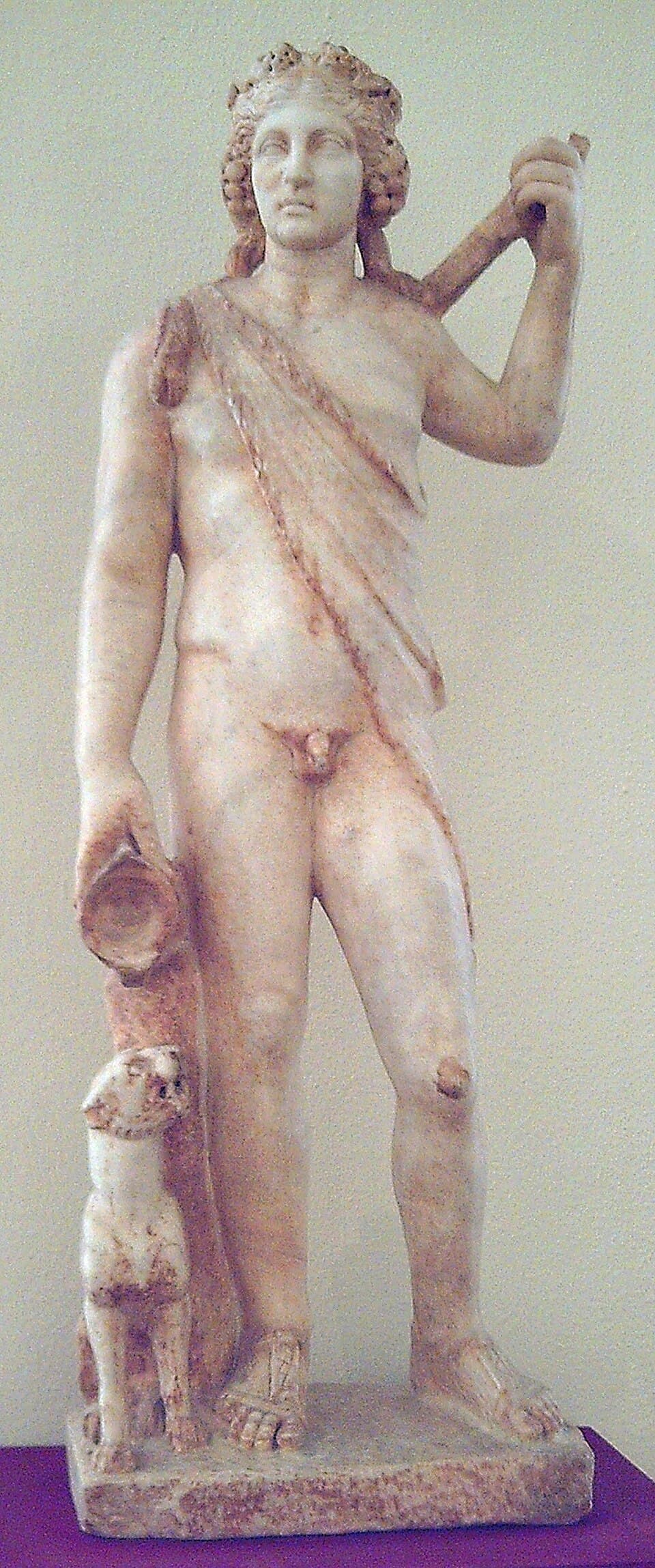
Ancient Rome
The Bacchus of Aldaia is an ancient Roman marble statuette of the Roman god Bacchus (Dionysus) that was found in La Eret…
Read →
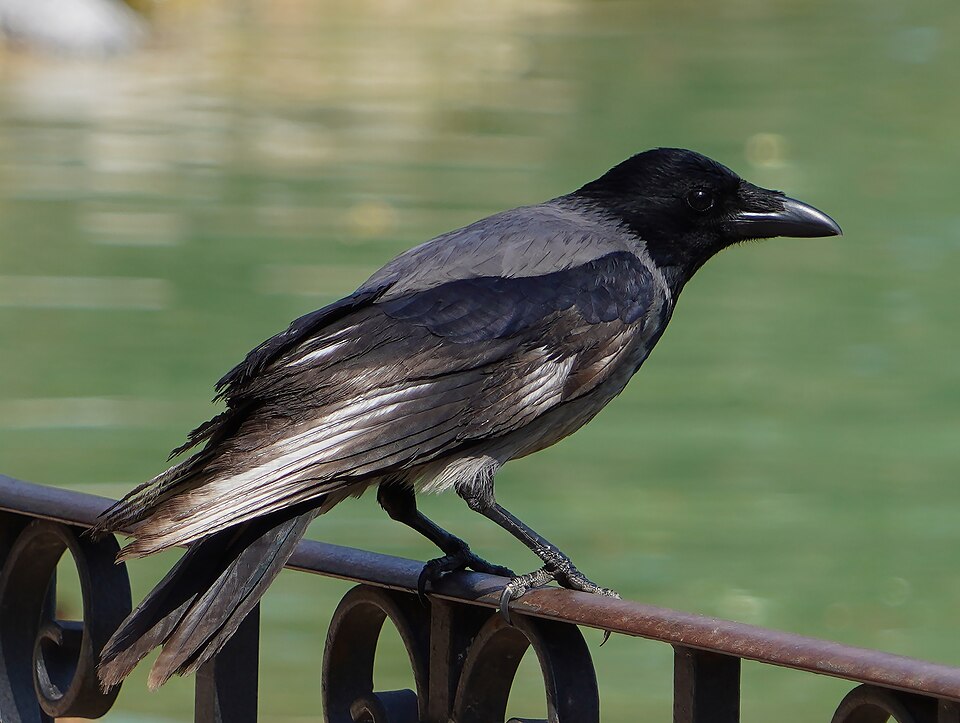
Iron Age Europe
In Irish mythology, the Badb, or in modern Irish Badhbh —also meaning 'crow'—is a war goddess who takes the form of a cr…
Read →
Indian subcontinent
Badi Mata/Chamariya Mata is a Hindu goddess of disease, one of a group of seven sister goddesses with similar associatio…
Read →
Scandinavia
In Germanic paganism, Baduhenna is a goddess. Baduhenna is solely attested in Tacitus's Annals where Tacitus records th…
Read →
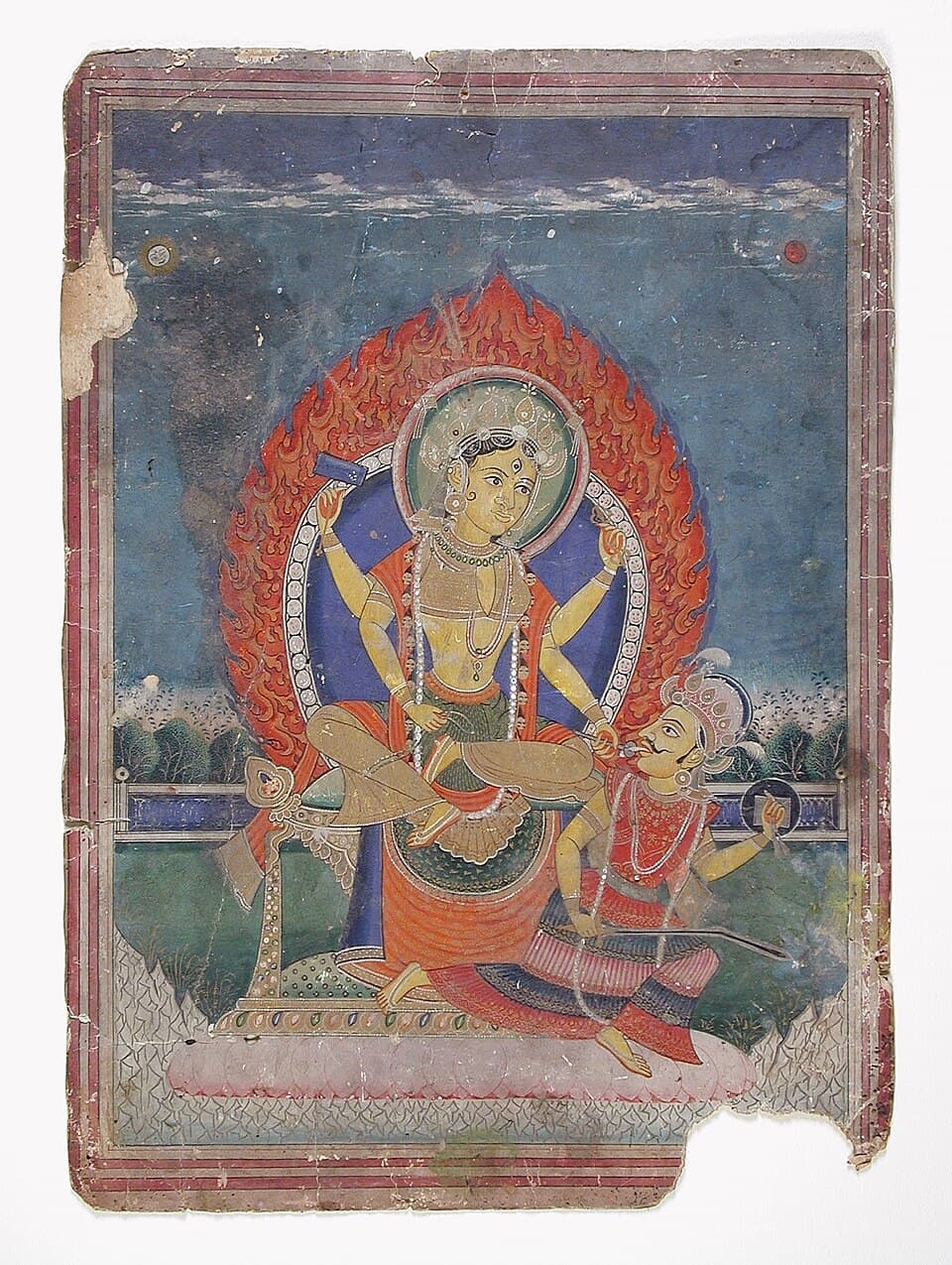
Indian subcontinent
Baglamukhi or Bagalā is the female form of a personification of the mahavidyas, a group of ten Tantric deities in Hindui…
Read →
Asia
The teachings of the Baháʼí Faith regard Buddhism as a religion founded by a Manifestation of God, and Baháʼu'lláh as th…
Read →

Indian subcontinent
Hinduism is recognized in the Baháʼí Faith as one of nine known religions. Krishna is included in the succession of Man…
Read →