Hindu1500 BCE – present
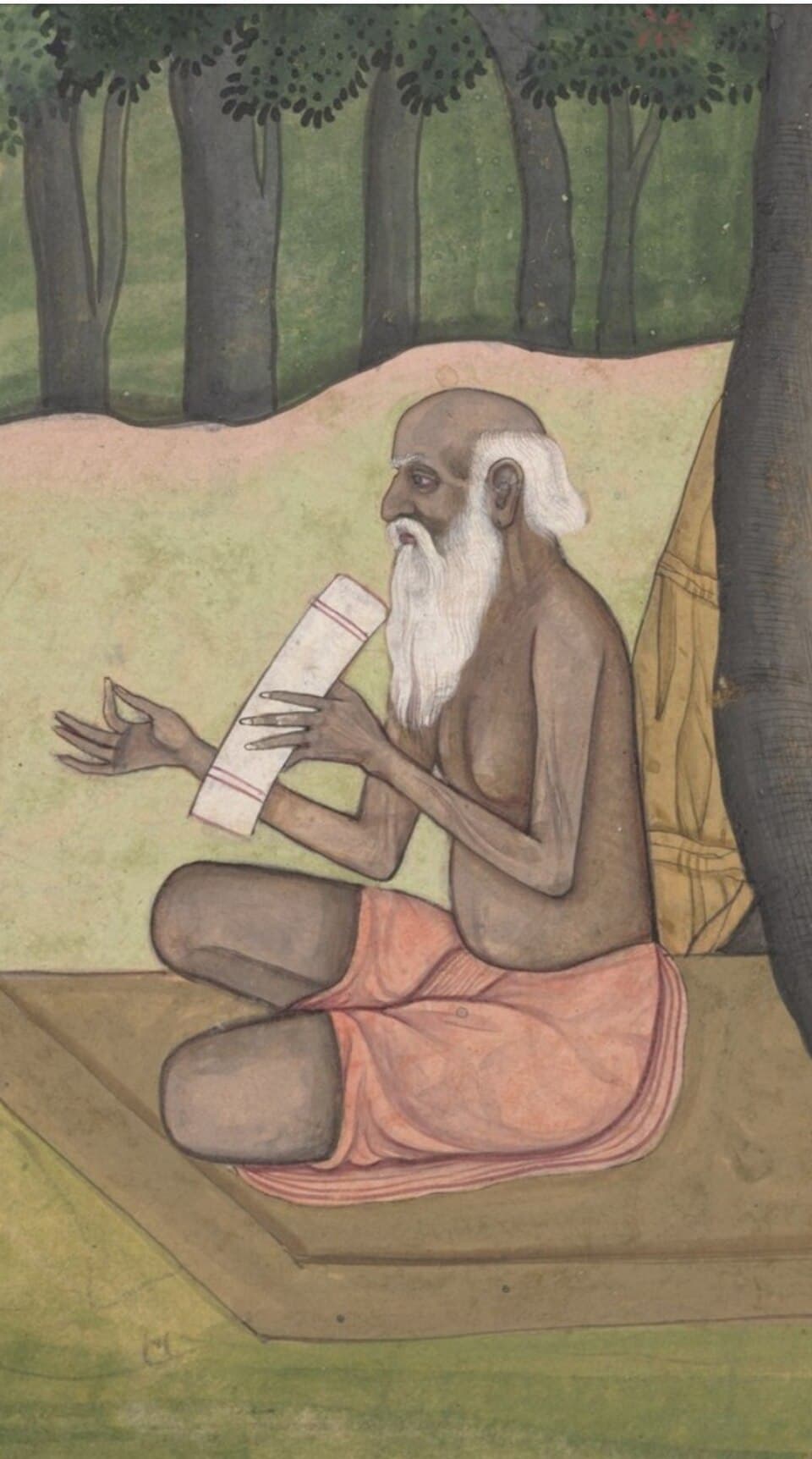
Angiras
Indian subcontinent
Angiras was a Vedic rishi (sage) of Hinduism. He is described in the Rigveda as a teacher of divine knowledge, a mediat…
Read →
Research Index
An archive of 3,493 gods, deified rulers, and mythological figures across civilizations — from living gods of Egypt to the dying gods of antiquity.
Indian subcontinent
Angiras was a Vedic rishi (sage) of Hinduism. He is described in the Rigveda as a teacher of divine knowledge, a mediat…
Read →
Ancient Rome
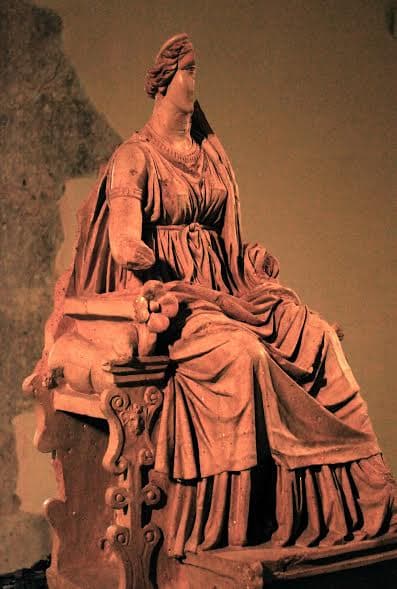
Angitia was a goddess among the Marsi, the Paeligni and other Oscan-Umbrian peoples of central Italy. She was associate…
Read →
Ancient Persia
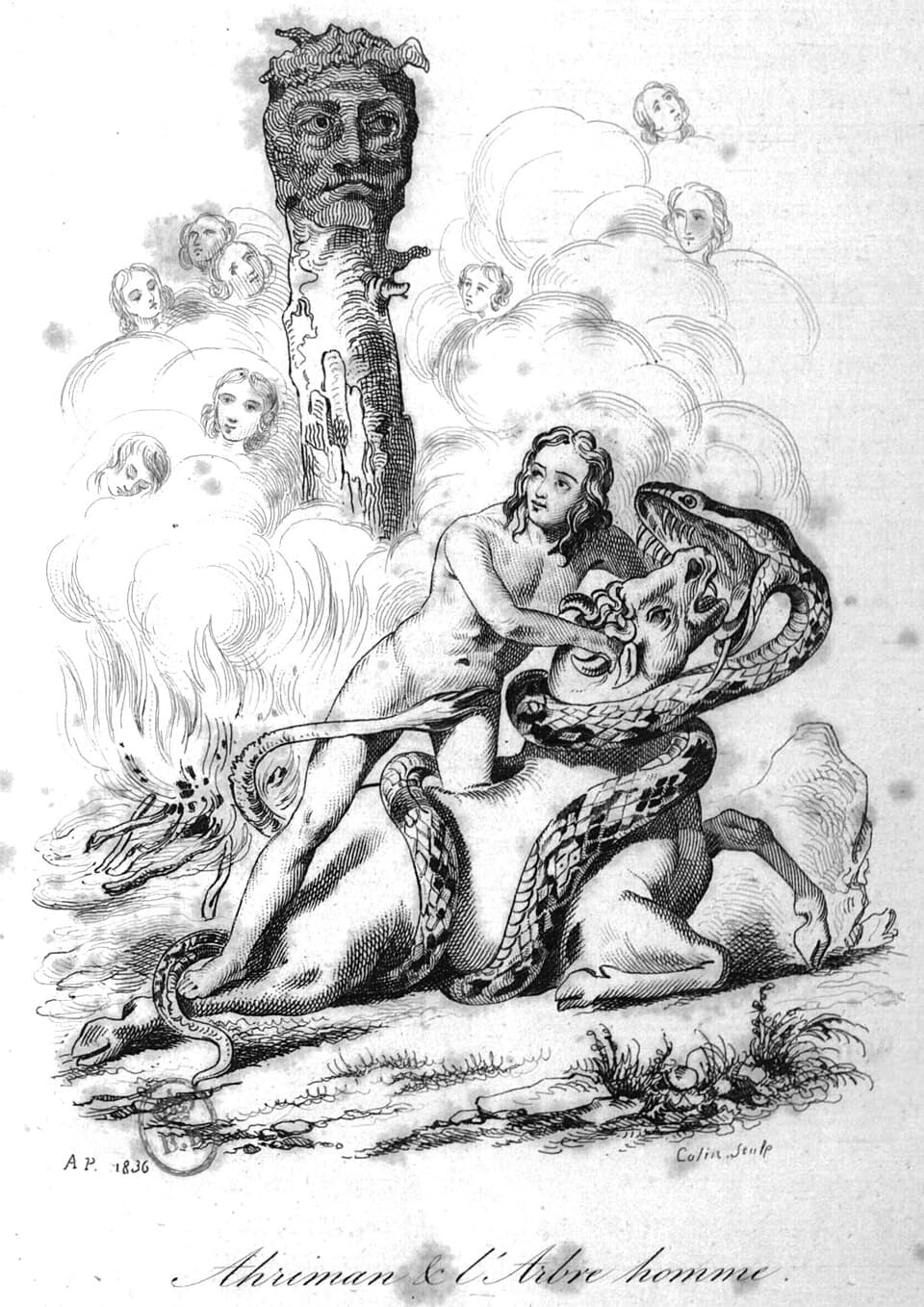
Angra Mainyu is the Avestan name of Zoroastrianism's hypostasis of the "destructive/evil spirit". Angra Mainyu function…
Read →

Asia
Aṅgulimāla is an important figure in Buddhism, particularly within the Theravāda tradition. Depicted as a ruthless brig…
Read →
Indian subcontinent
Anila is one of the Vasus in Hinduism, the gods of the elements of the cosmos. He is often associated with the wind god…
Read →
Ancient Egypt
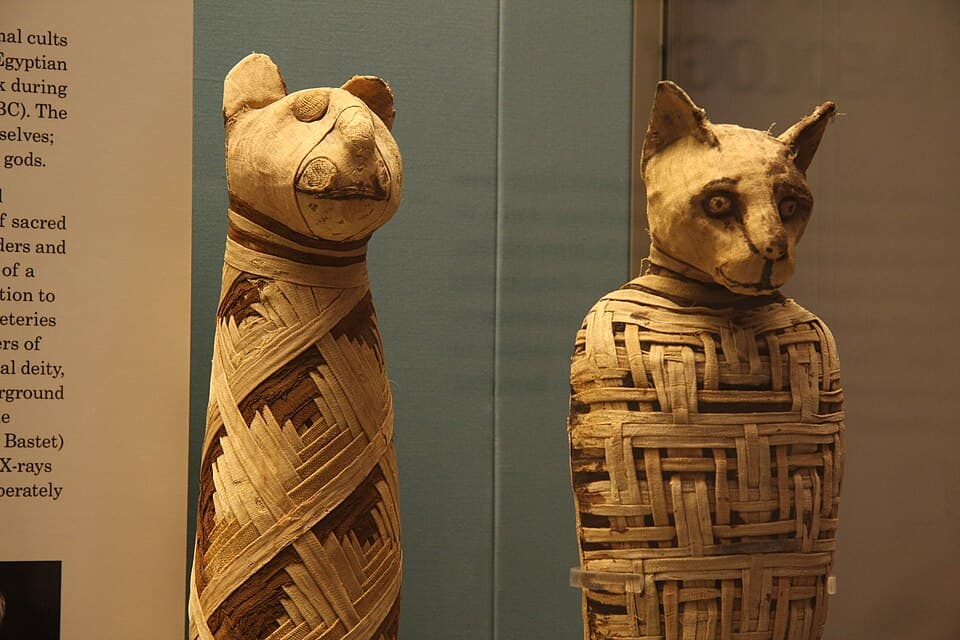
Animal mummification was common in ancient Egypt. Animals were an important part of Egyptian culture, not only in their…
Read →
Ancient Persia
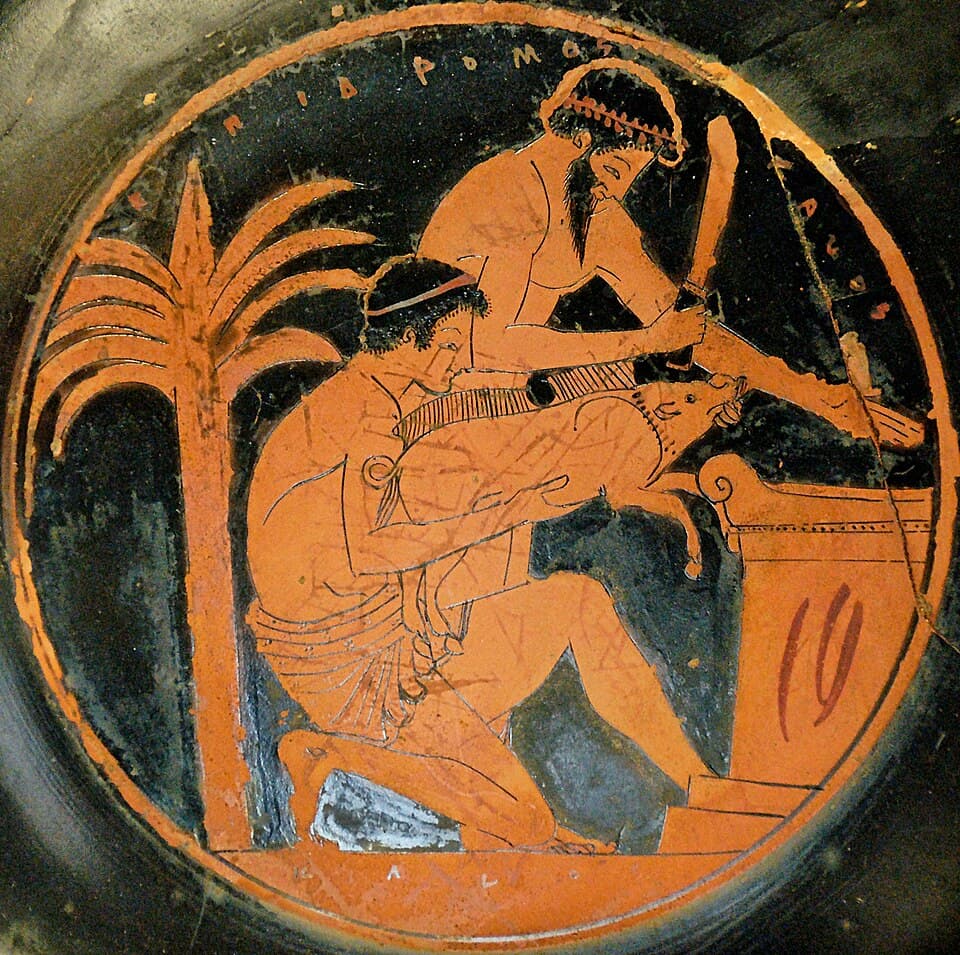
Animal sacrifice is the ritual killing and offering of animals, usually as part of a religious ritual or to appease or m…
Read →
Inca Empire
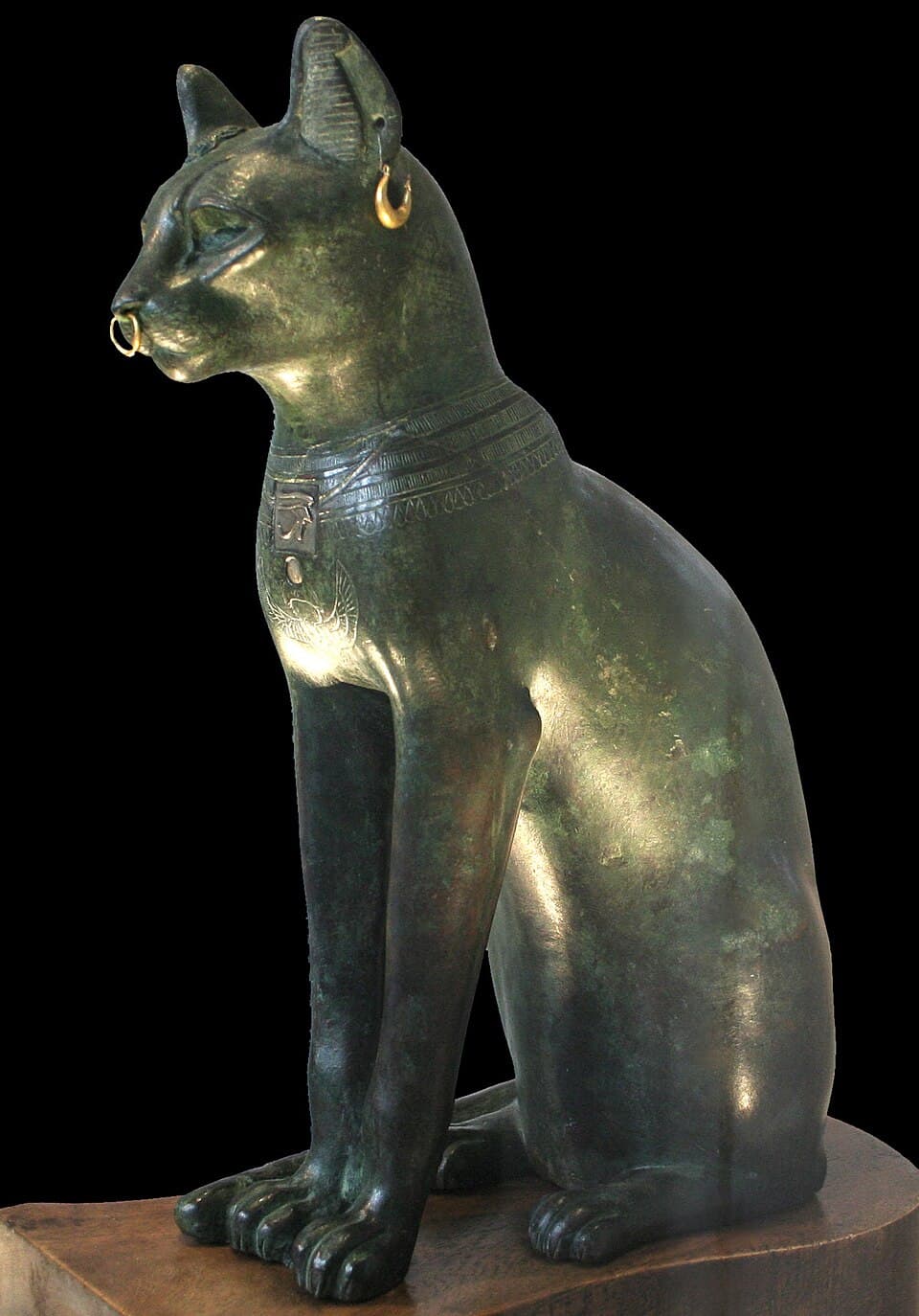
Animal worship is an umbrella term designating religious or ritual practices involving animals. This includes the worsh…
Read →
Indian subcontinent
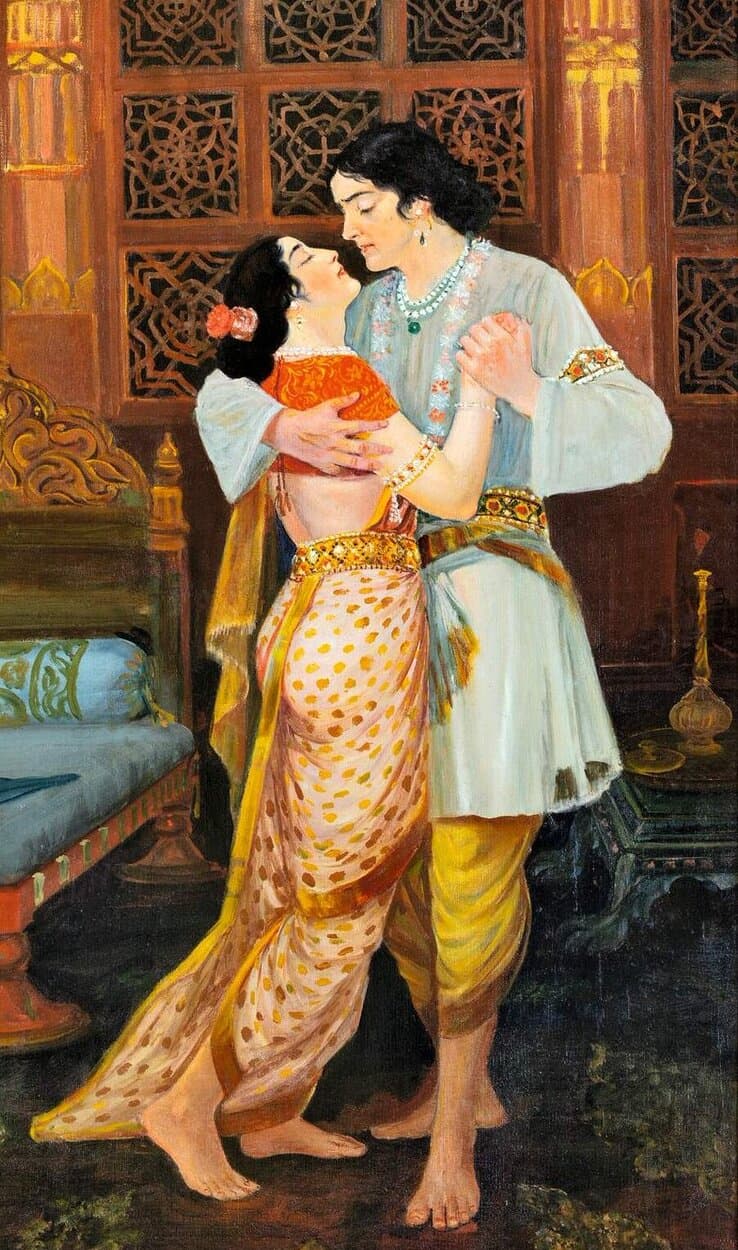
Aniruddha is a character in Hindu mythology, the son of Pradyumna and Rukmavati, and the grandson of Krishna and Rukmini…
Read →
Asia
Anuruddha, also spelled Aniruddha, was one of the ten principal disciples and a cousin of The Buddha.
Read →
Ancient Rome
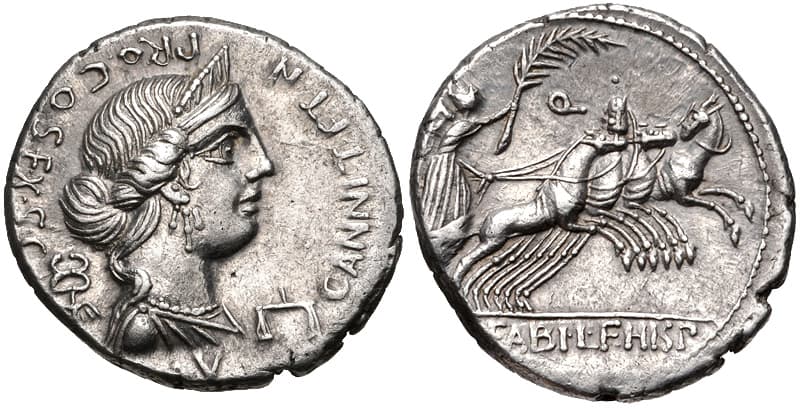
In Roman mythology, Anna Perenna was a minor deity of the circle, wheel, or "ring" of the year, as indicated by her titl…
Read →
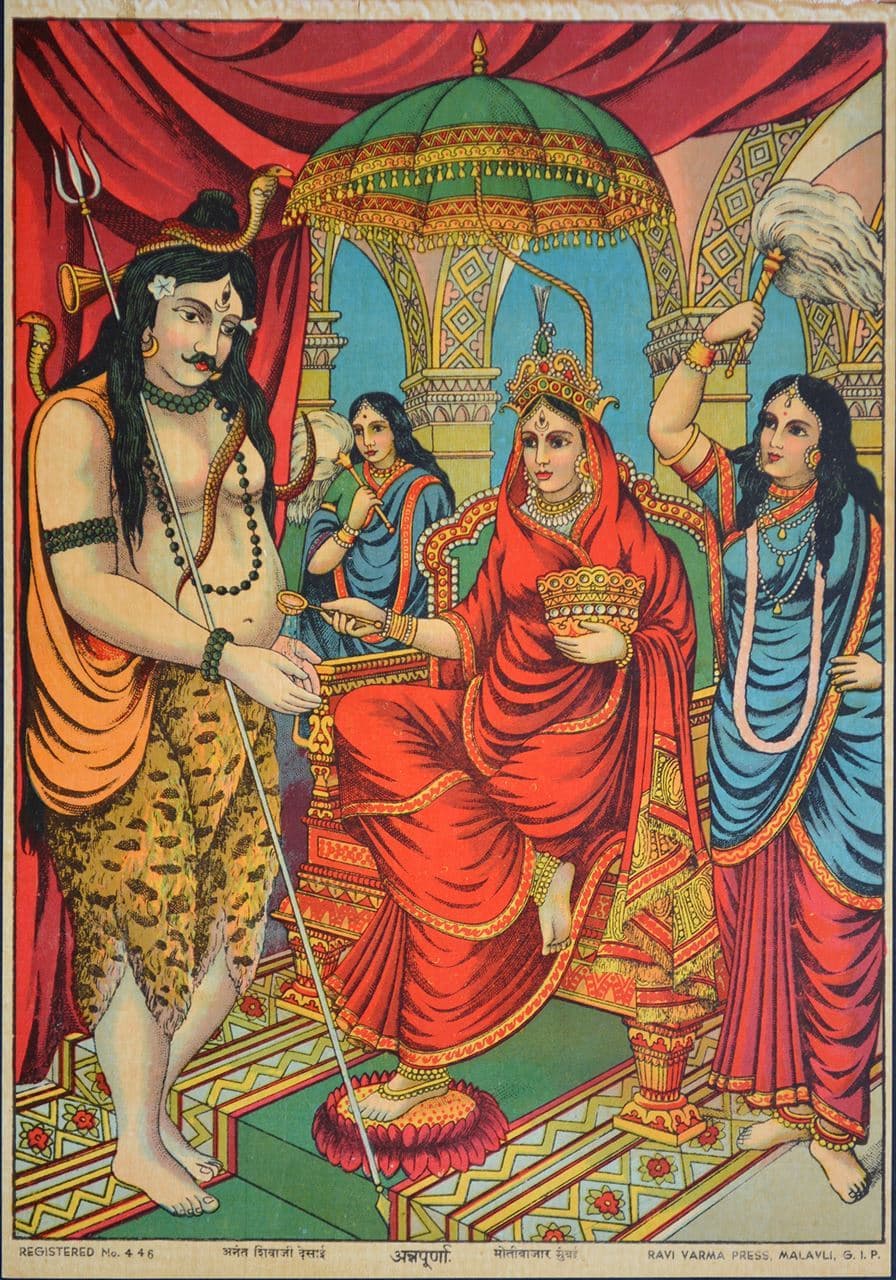
Indian subcontinent
Annapurna, Annapurneshwari, Annada or Annapoorna is a manifestation of Parvati and is known as the Hindu goddess of food…
Read →
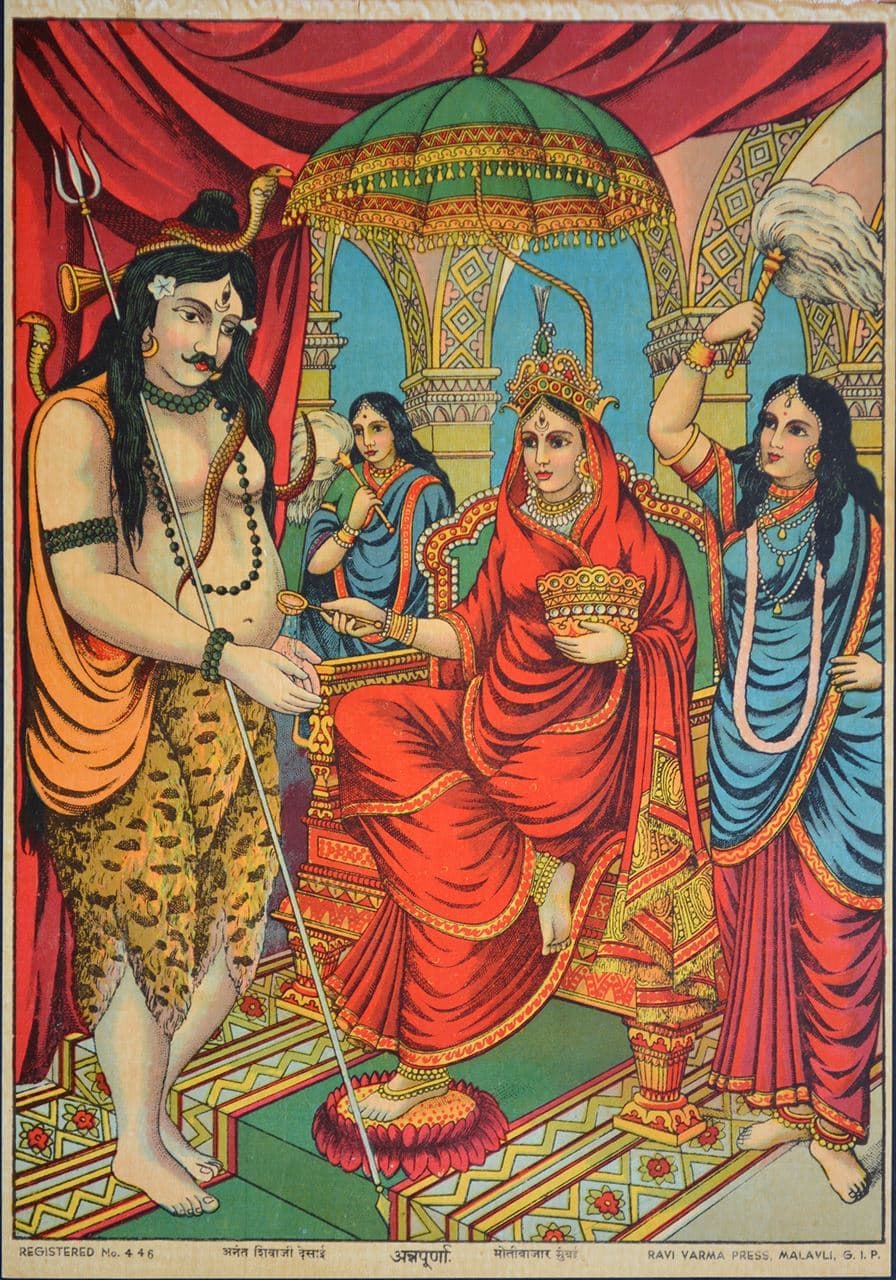
Indian subcontinent
Annapurna, Annapurneshwari, Annada or Annapoorna is a manifestation of Parvati and is known as the Hindu goddess of food…
Read →
Scandinavia
In Norse mythology, according to the Gylfaginning, Annar is the father of Jörð by Nótt. The form Ónar is found as a var…
Read →
Iron Age Europe
In classical Celtic polytheism, Annea Clivana was the name given to a goddess or female spirit worshipped in Canale in V…
Read →
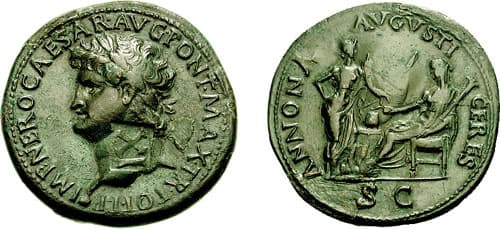
Ancient Rome
In ancient Roman religion, Annona is the divine personification of the grain supply to the city of Rome. She is closely…
Read →
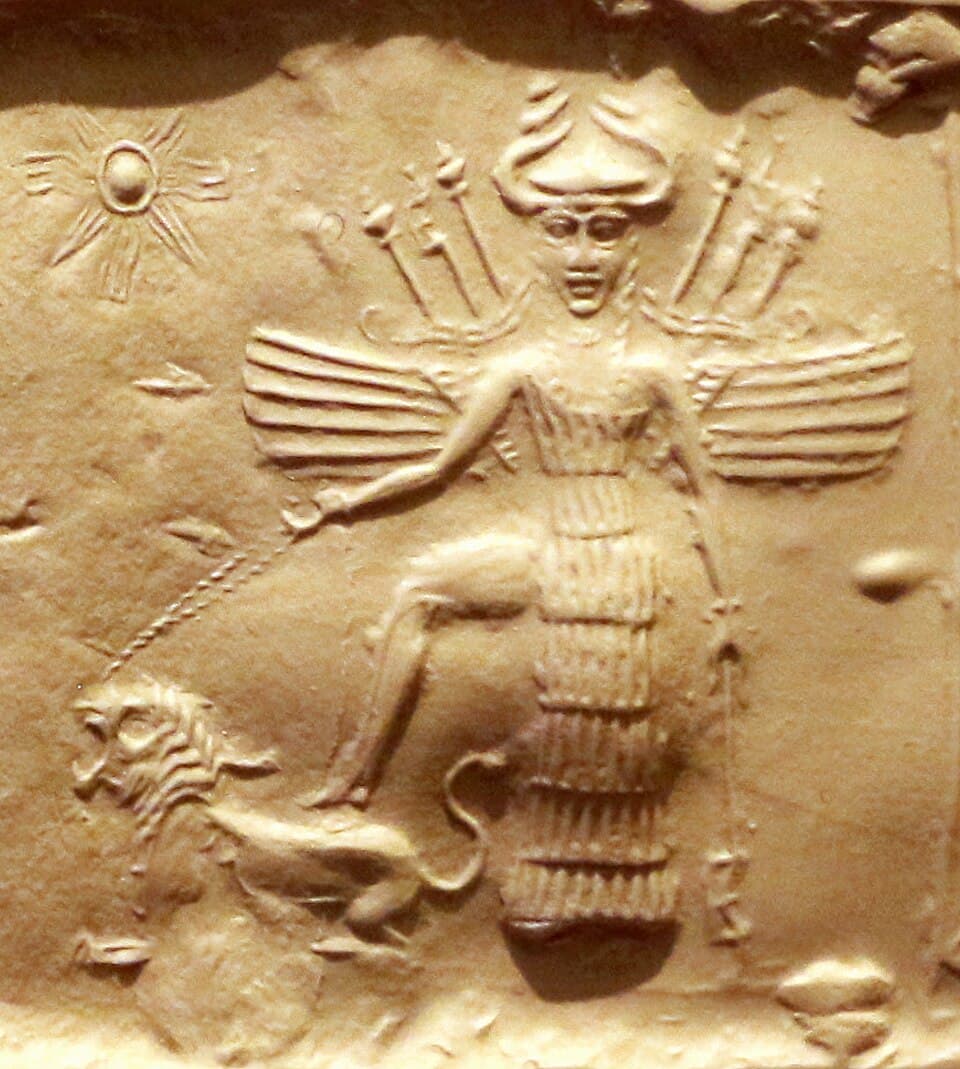
Ancient Mesopotamia
Annunitum was a Mesopotamian goddess associated with warfare. She was initially an epithet of Ishtar of Akkad exemplify…
Read →
North America
In Sioux mythology, Anpao, or Anp, is a spirit with two faces that represents the dawn.
Read →
Ancient Egypt
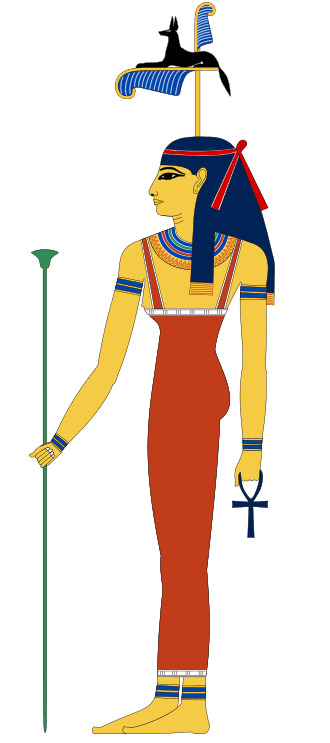
Anput is a goddess in ancient Egyptian religion. Her name is written in hieroglyphs as jnpwt. In English, her name als…
Read →
Indian subcontinent
Amsha is a Vedic deity in Hinduism. He is a member of the Adityas, a group of celestial deities who are the children of…
Read →
Ancient Mesopotamia
Anshar was a Mesopotamian god regarded as a primordial king of the gods. He was not actively worshiped. He was regarde…
Read →

Ancient Rome
In Romano-British worship, the local god Antenociticus, also recorded as "Anociticus" at the same temple site in Benwell…
Read →
Ancient Greece
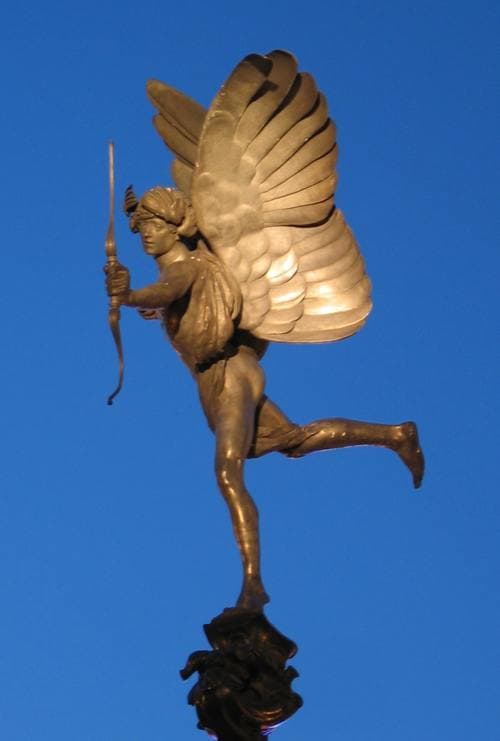
In Greek mythology, Anteros is the god of requited love and also the punisher of those who scorn love and the advances o…
Read →
Ancient Rome
In ancient Roman religion, Antevorta was a goddess of the future, also known as Porrima or Prorsa. She and her sister P…
Read →
Ancient Rome
In ancient Roman religion, Antevorta was a goddess of the future, also known as Porrima or Prorsa. She and her sister P…
Read →
Ancient Mesopotamia
Antu or Antum was a Mesopotamian goddess regarded as the feminine counterpart and spouse of the sky god, Anu. She was s…
Read →
Ancient Mesopotamia
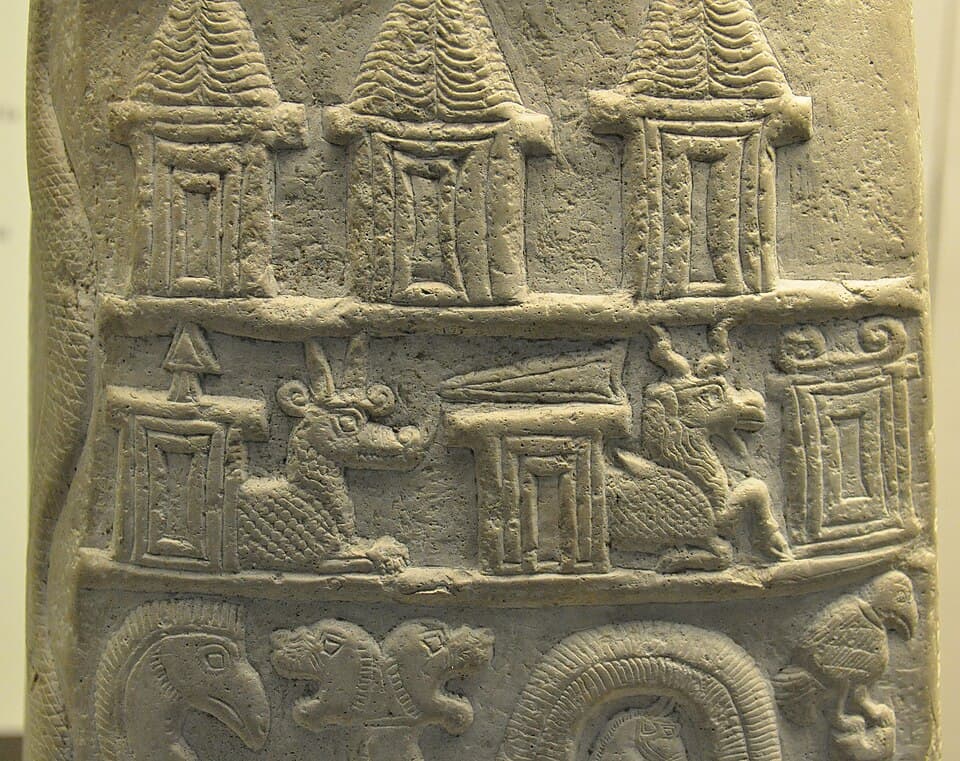
Anu or Anum, originally An, was the divine personification of the sky, king of the gods, and ancestor of many of the dei…
Read →

Iron Age Europe
Anu or Ana is the name of a goddess mentioned briefly in Irish mythology.
Read →

Ancient Egypt
Anubis, also known as Inpu, Inpw, Jnpw, or Anpu in Ancient Egyptian, is the god of funerary rites, protector of graves, …
Read →
Ancient Egypt
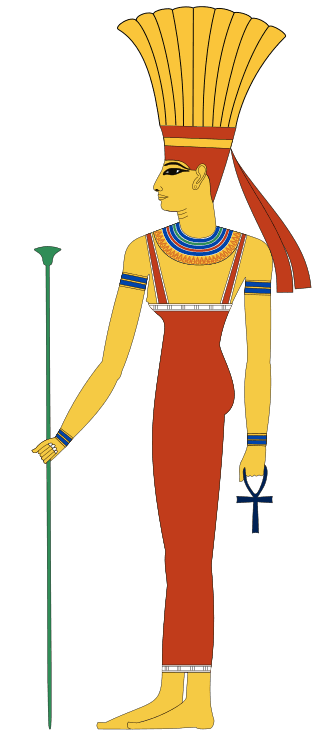
Anuket was the ancient Egyptian goddess of the cataracts of the Nile and Lower Nubia in general, worshipped especially a…
Read →
Indian subcontinent
In Hinduism, Anumati is a lunar deity and goddess of spirituality. Her vehicle is Krisha Mrigam or Krishna Jinka (Black…
Read →
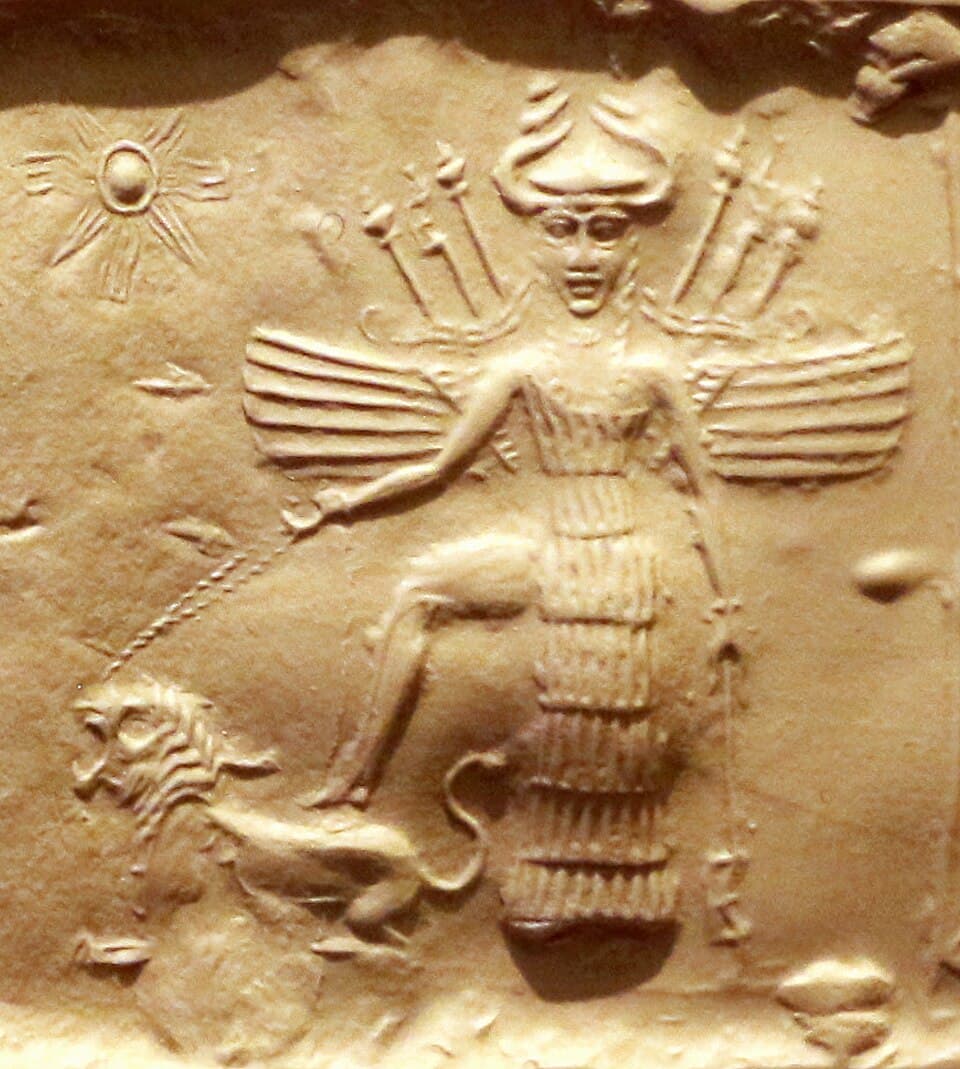
Ancient Mesopotamia
Annunitum was a Mesopotamian goddess associated with warfare. She was initially an epithet of Ishtar of Akkad exemplify…
Read →
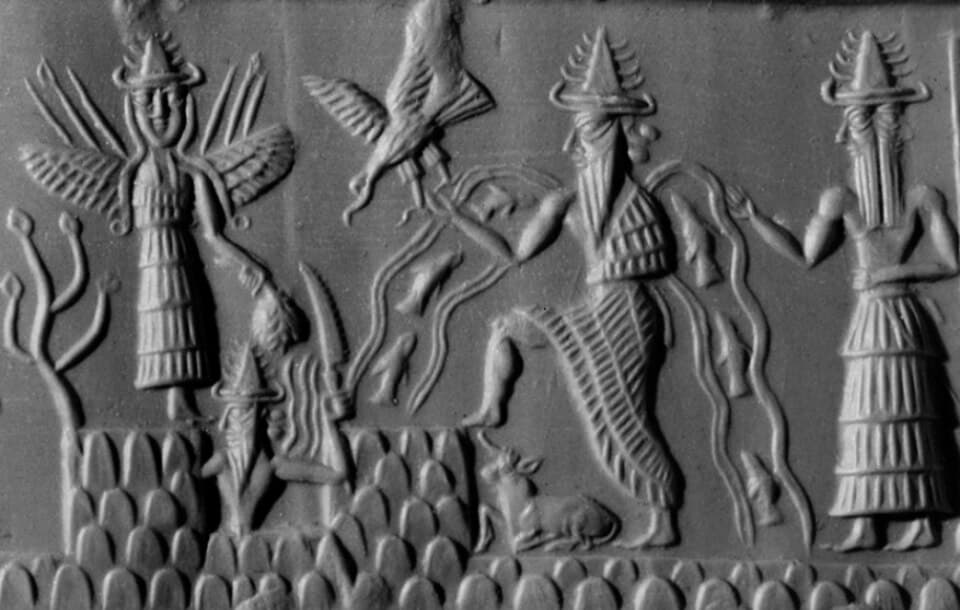
Ancient Mesopotamia
The Anunnaki are a group of deities of the ancient Sumerians, Akkadians, Assyrians and Babylonians. In the earliest Sum…
Read →
Asia
Anussati means "recollection," "contemplation," "remembrance," "meditation", and "mindfulness". It refers to specific B…
Read →
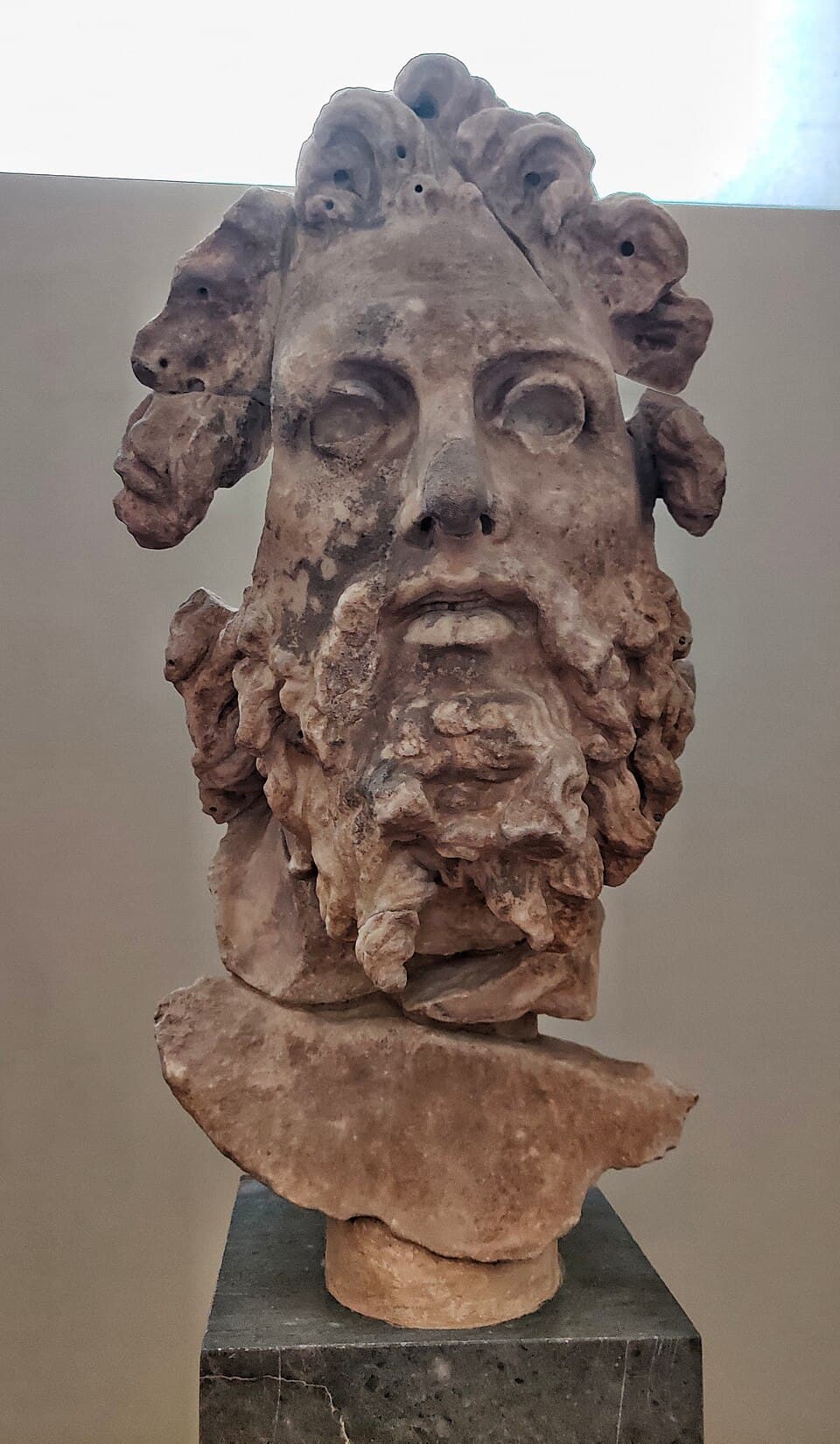
Ancient Greece
Anytos or Anytus was one of the Titans of Greek mythology. He was supposed to have raised Despoina, and in Arcadia duri…
Read →
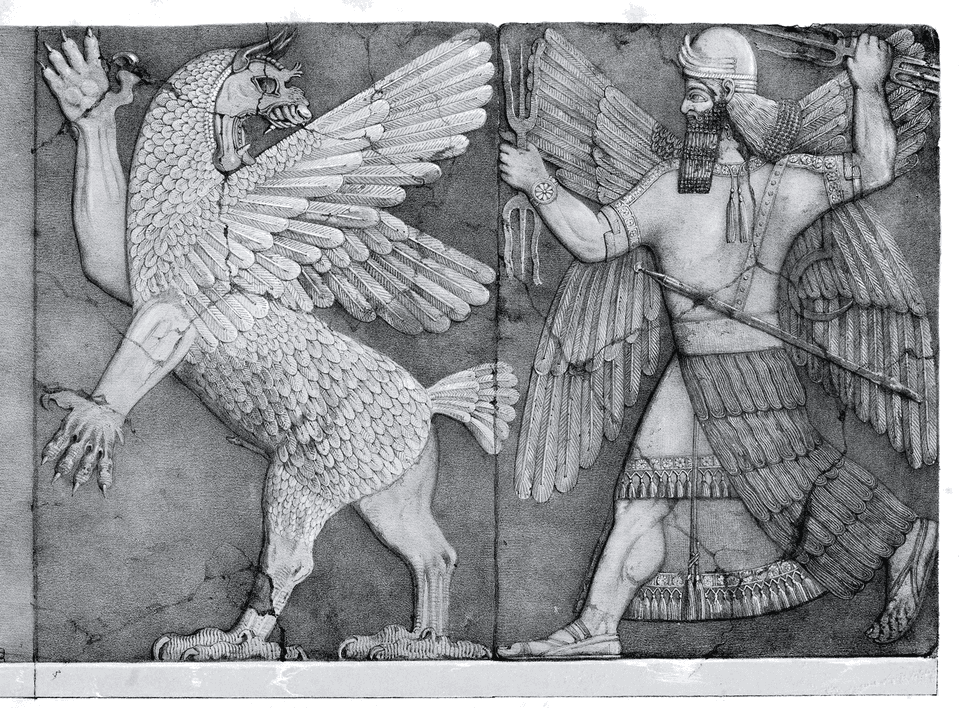
Ancient Mesopotamia
Anzû, also known as dZû and Imdugud, is a demon in several Mesopotamian religions. He was conceived by the cosmic fresh…
Read →

China
Ao Guang is the Dragon King of the East Sea in Chinese folklore. He is a famous figure in Asian mythology, folk-lore an…
Read →
Ancient Greece
According to the 2nd-century AD travel writer Pausanias, Aoede was thought to be one of the three Muses at Mount Helicon…
Read →
Iron Age Europe
Aoi Mac Ollamain or Ai Mac Ollamain is a god of poetry and one of the Tuatha Dé Danann in Irish mythology. Ai is the so…
Read →
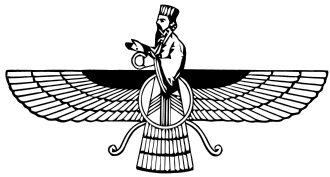
Ancient Persia
Apam Napat is a deity in the Indo-Iranian pantheon associated with water. His names in the Vedas, Apā́ṁ Nápāt, and in Z…
Read →
Ancient Greece
In Greek mythology, Apate is the goddess and personification of deceit. Her mother is Nyx, the personification of the n…
Read →
Ancient Egypt
Apedemak or Apademak was a major deity in the ancient Nubian and Kushite pantheon. Often depicted as a figure with a ma…
Read →

Ancient Egypt
Apophis, also known as Apep or Aphoph is the ancient Egyptian deity of chaos, darkness and fire, and is thus the opponen…
Read →
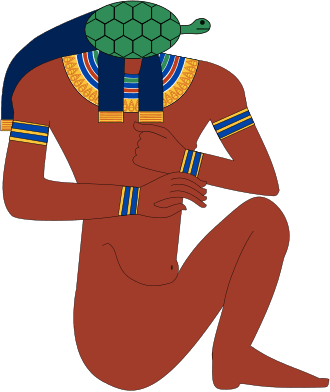
Ancient Egypt
Apesh was an Ancient Egyptian god of the night who had the head of a turtle or tortoise. He was considered to be an evi…
Read →
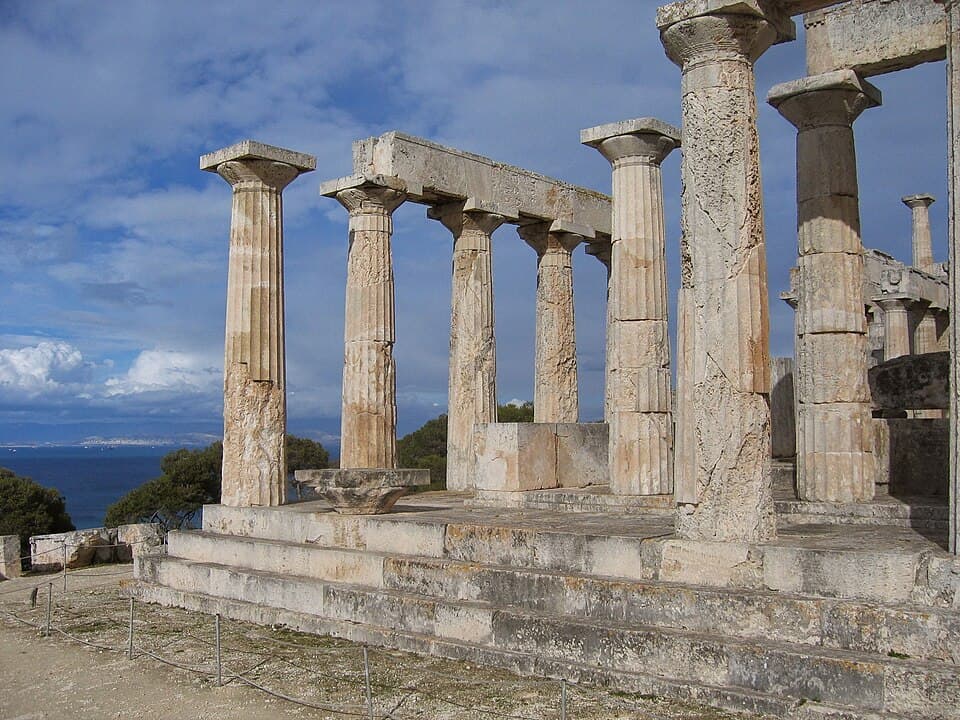
Ancient Greece
Aphaia was a Greek goddess who was worshipped almost exclusively at a single sanctuary on the island of Aegina in the Sa…
Read →
Ancient Greece
In Greek mythology, Apheleia was the spirit and personification of ease, simplicity and primitivity in the good sense, "…
Read →
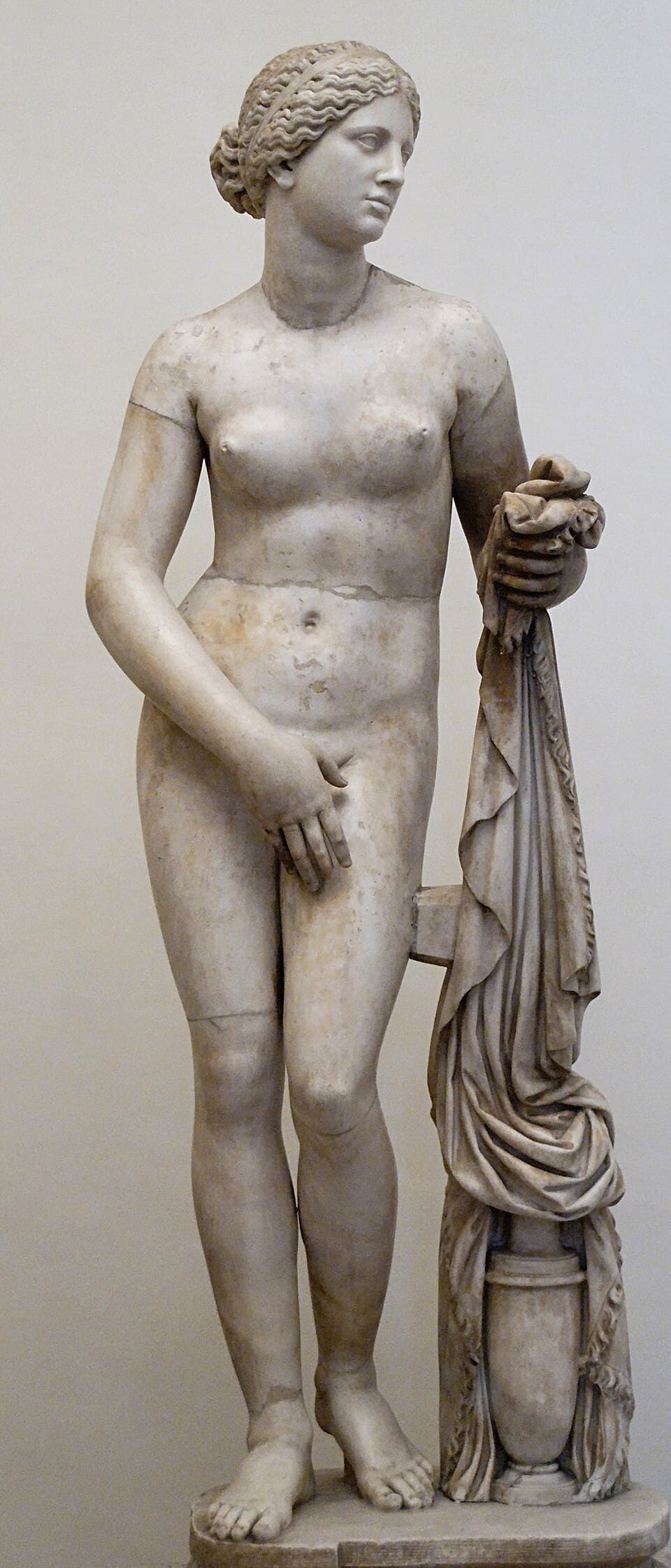
Ancient Mesopotamia
Aphrodite is an ancient Greek goddess associated with love, lust, beauty, pleasure, passion, procreation, and as her syn…
Read →
Ancient Greece
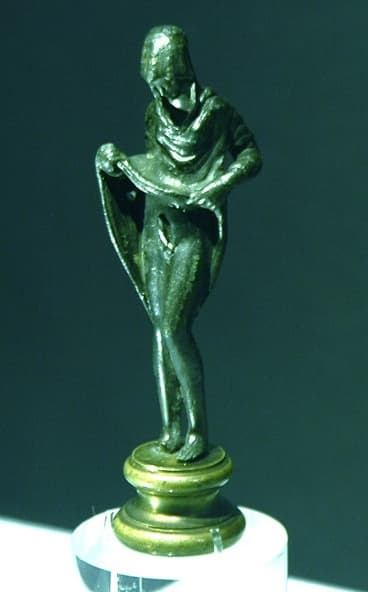
Aphroditus or Aphroditos was a version of the goddess Aphrodite originating from Amathus on the island of Cyprus and cel…
Read →

Ancient Egypt
In ancient Egyptian religion, Apis or Hapis, alternatively spelled Hapi-ankh, was a sacred bull or multiple sacred bulls…
Read →
Ancient Egypt
In ancient Egyptian religion, Apis or Hapis, alternatively spelled Hapi-ankh, was a sacred bull or multiple sacred bulls…
Read →
Ancient Mesopotamia
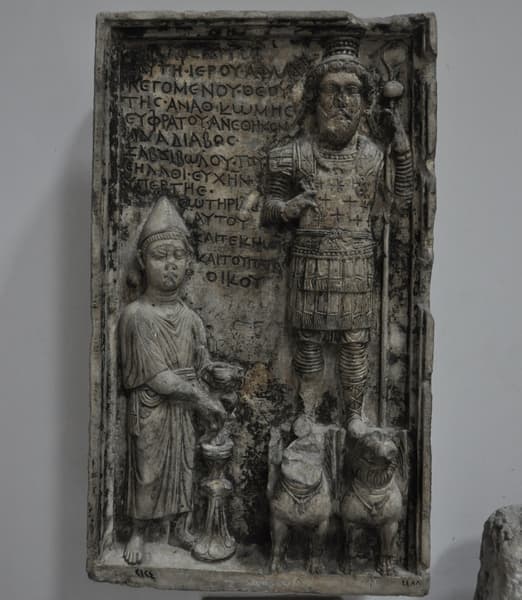
Apladad, "son of Adad", was a Mesopotamian god first attested in the eighth century BCE. He was chiefly worshiped in Su…
Read →
Ancient Mesopotamia
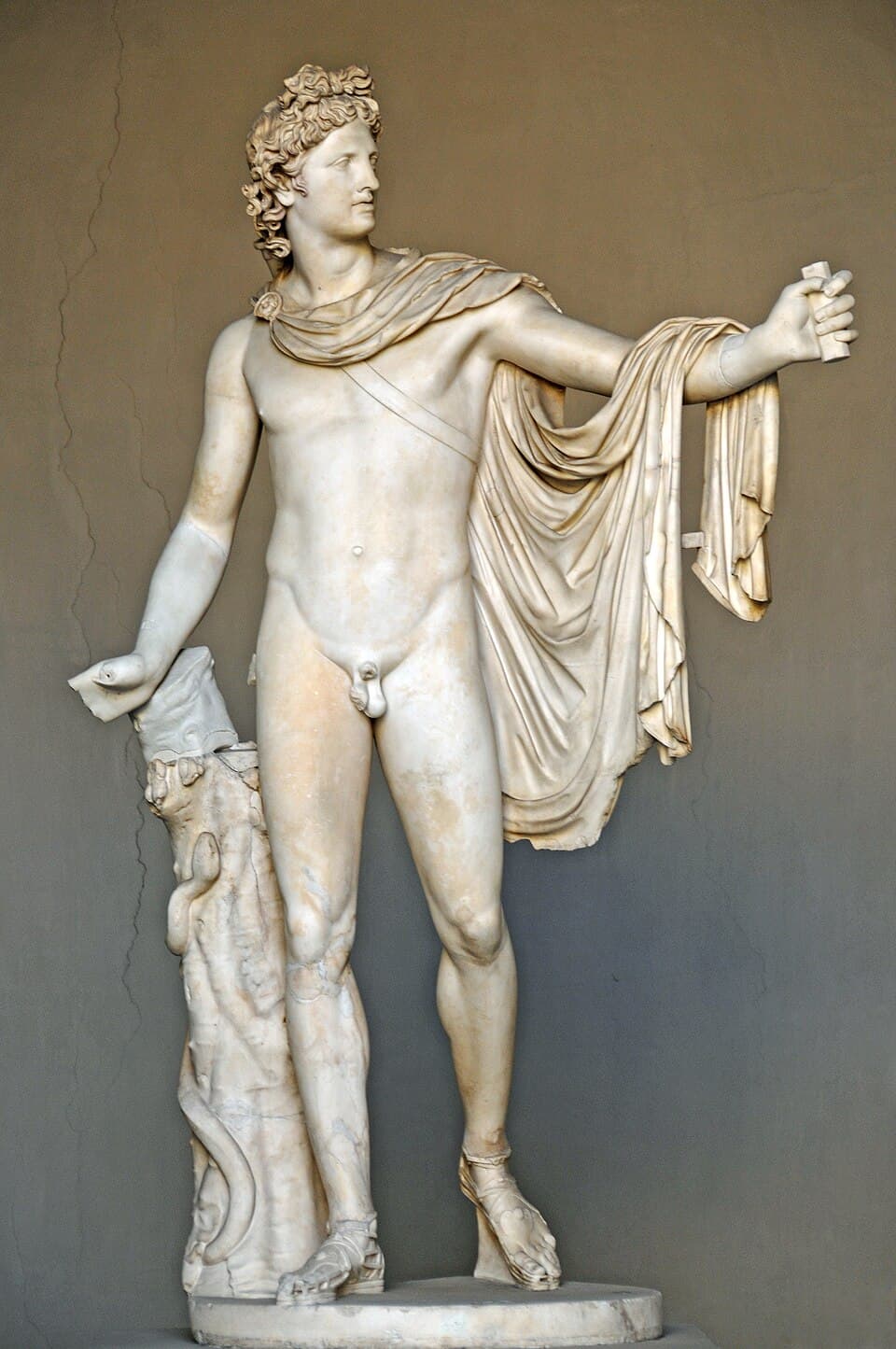
Apollo is one of the Olympian deities in ancient Greek religion and mythology. His numerous functions include healing, …
Read →
Iron Age Europe
Moritasgus is a Celtic epithet for a healing god found in four inscriptions at Alesia. In two inscriptions, he is ident…
Read →
Ancient Greece
Apollonis was one of the three younger Mousai Apollonides (Muses) in Greek mythology and daughters of Apollo, who were w…
Read →
Ancient Egypt
Apophis, also known as Apep or Aphoph is the ancient Egyptian deity of chaos, darkness and fire, and is thus the opponen…
Read →
Asia
Apostasy in Christianity is the abandonment or renunciation of Christianity by someone who formerly was a Christian. Th…
Read →
Asia
Apostasy in Judaism is the rejection of Judaism and possible conversion to another religion by a Jew. The term apostasy…
Read →
Ancient Greece
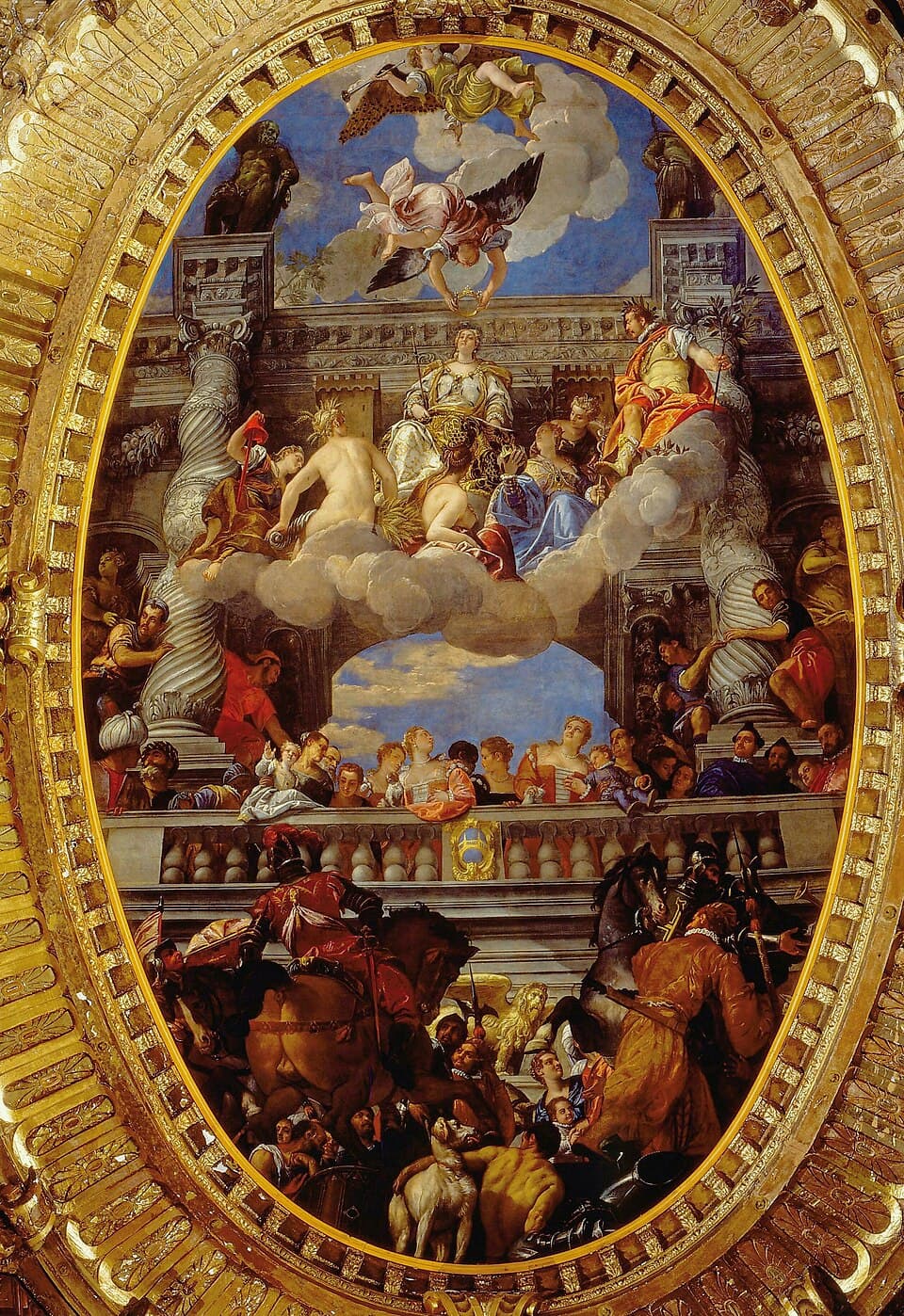
Apotheosis, also called divinization or deification, is the glorification of a subject to divine levels and, commonly, t…
Read →
Ancient Greece
Apotropaei were in ancient Greece certain divinities, by whose assistance the Greeks believed that they were able to ave…
Read →
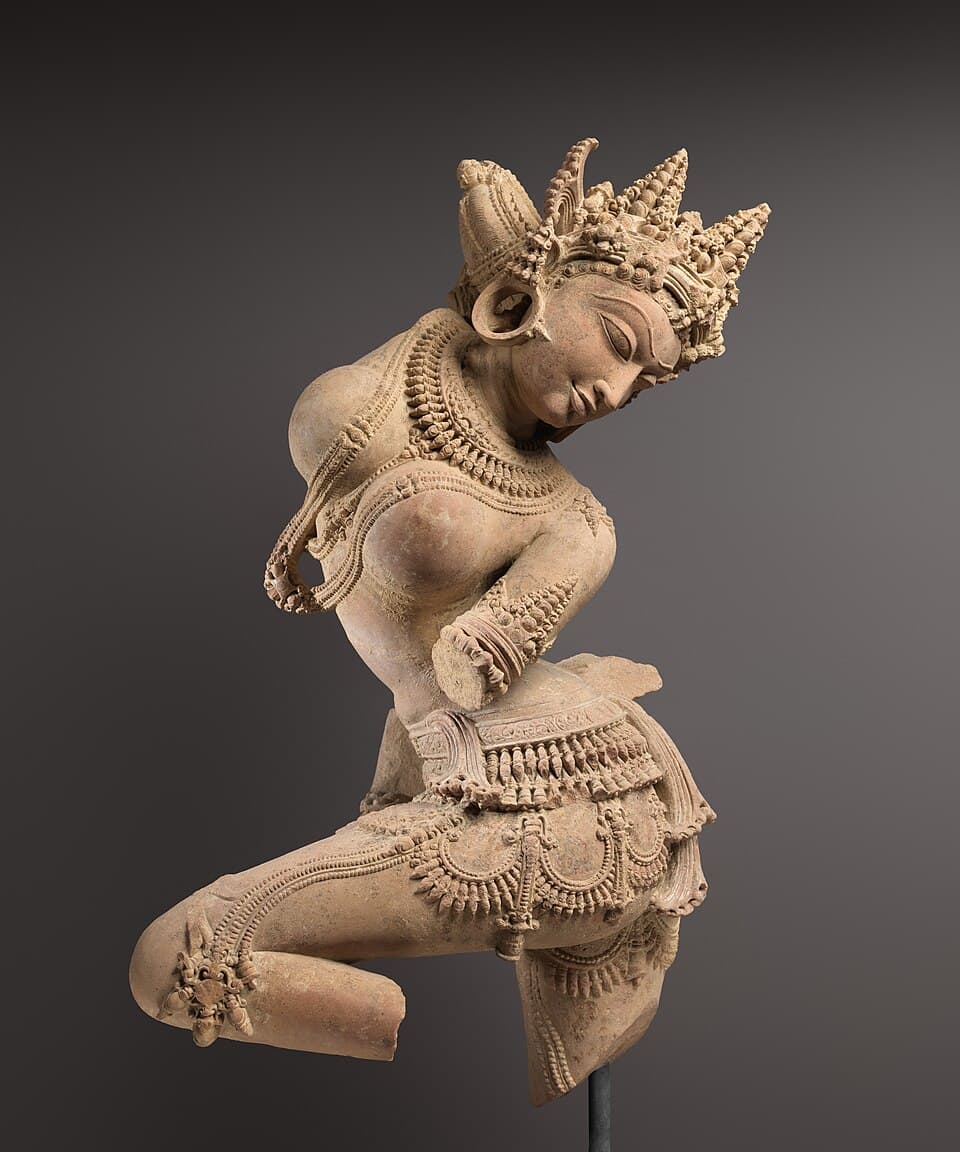
Indian subcontinent
Apsaras are a class of celestial beings in Hindu and Buddhist culture. They were originally a type of female spirit ass…
Read →
Ancient Egypt
Apt, in Egyptian, may refer to:wpwtj or jpwtj, sometimes called Aput, Ȧp-t, or Ȧpu-t in outdated literature, the Egyptia…
Read →

Inca Empire
In the ancient religion and mythology of Peru, Ecuador, and Bolivia, an apu is the term used to describe the spirits of …
Read →
Ancient Egypt
Aqen was a rarely mentioned ancient Egyptian deity of the underworld. He is first mentioned in the famous Book of the D…
Read →
Ancient Mesopotamia
Ara was a Mesopotamian goddess regarded as a servant of the god Enki. While in the past it was often assumed this theon…
Read →
Ancient Greece
In Greek mythology, the Arae were female spirits of curses, particularly of the curses placed by the dead upon those gui…
Read →

Japan
Arahitogami (現人神) is a Japanese word, meaning a kami who is a human being. It first appeared in the Nihon Shoki as the …
Read →

Indian subcontinent
Aranyani is the goddess of forests and the wild animals that dwell within them in Hinduism.
Read →
Ancient Mesopotamia
Arazu is a Babylonian god of construction and or crafts. Arazu was created by Ea, along with the gods Ninsimug and Nini…
Read →
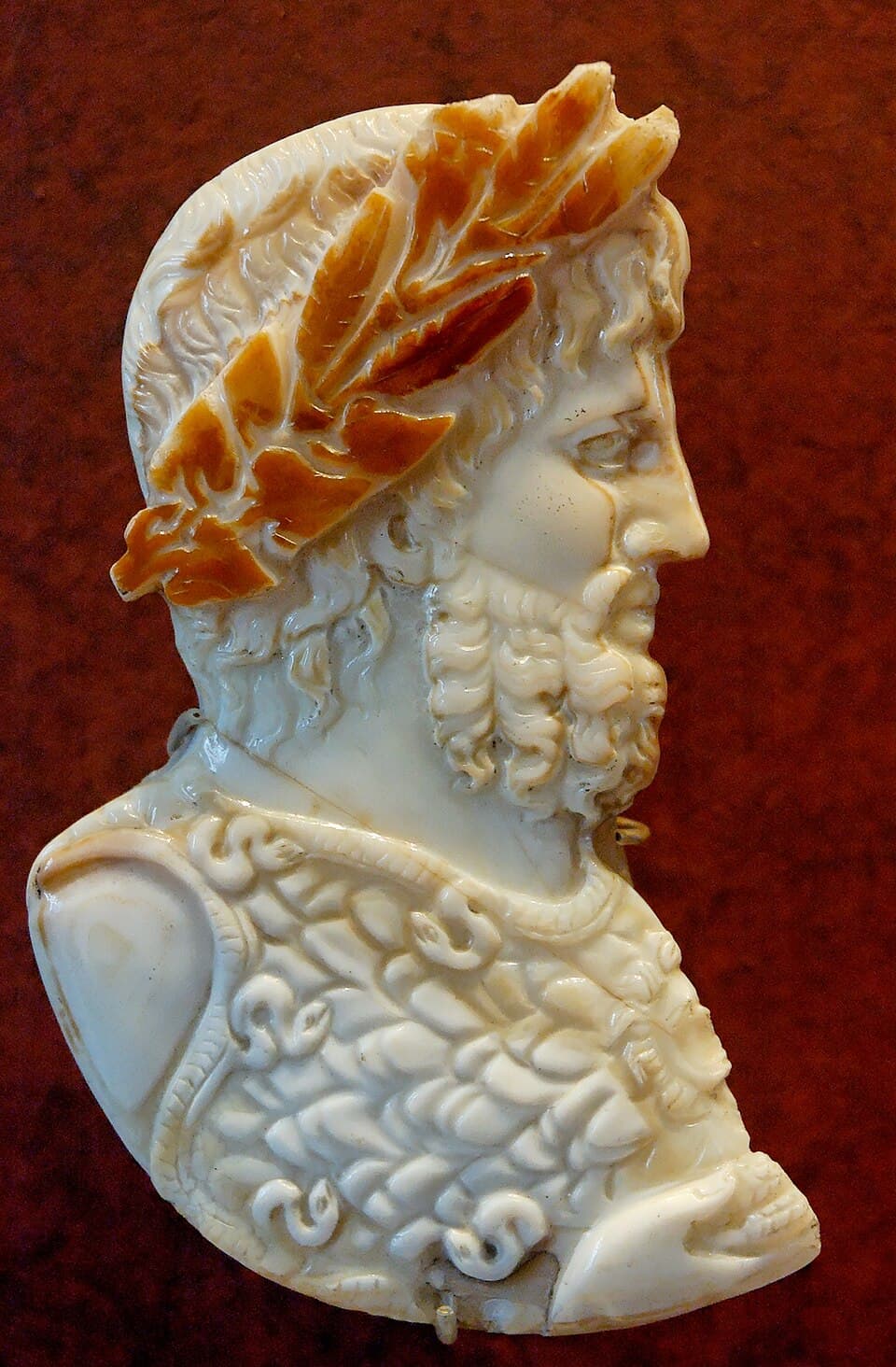
Ancient Rome
The Archaic Triad is a hypothetical divine triad, supposed to consist of the presumed three original deities worshipped …
Read →
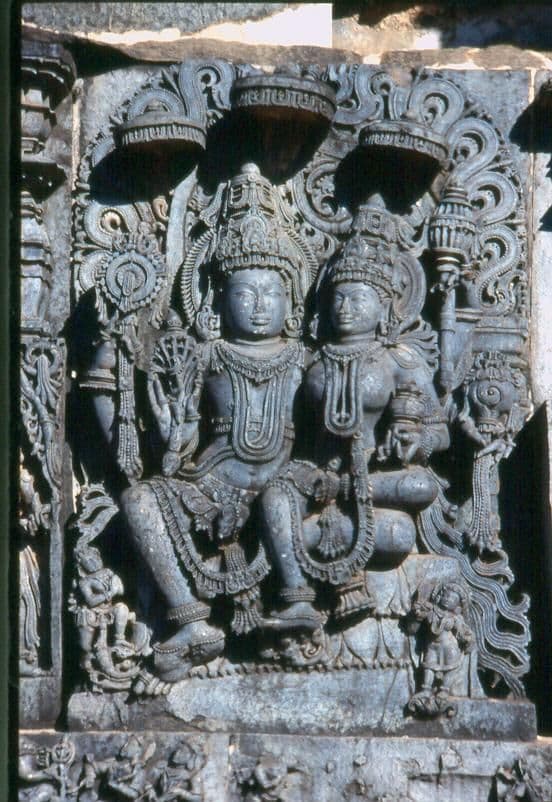
Indian subcontinent
Archi is a queen, and an earthly avatar of Lakshmi in Hindu mythology. According to the Bhagavata Purana, Archi emerges…
Read →
Ancient Greece
In Greek mythology, Arctus was the twelfth Hora (Hour) who presided over the night sky and constellations. She was orig…
Read →
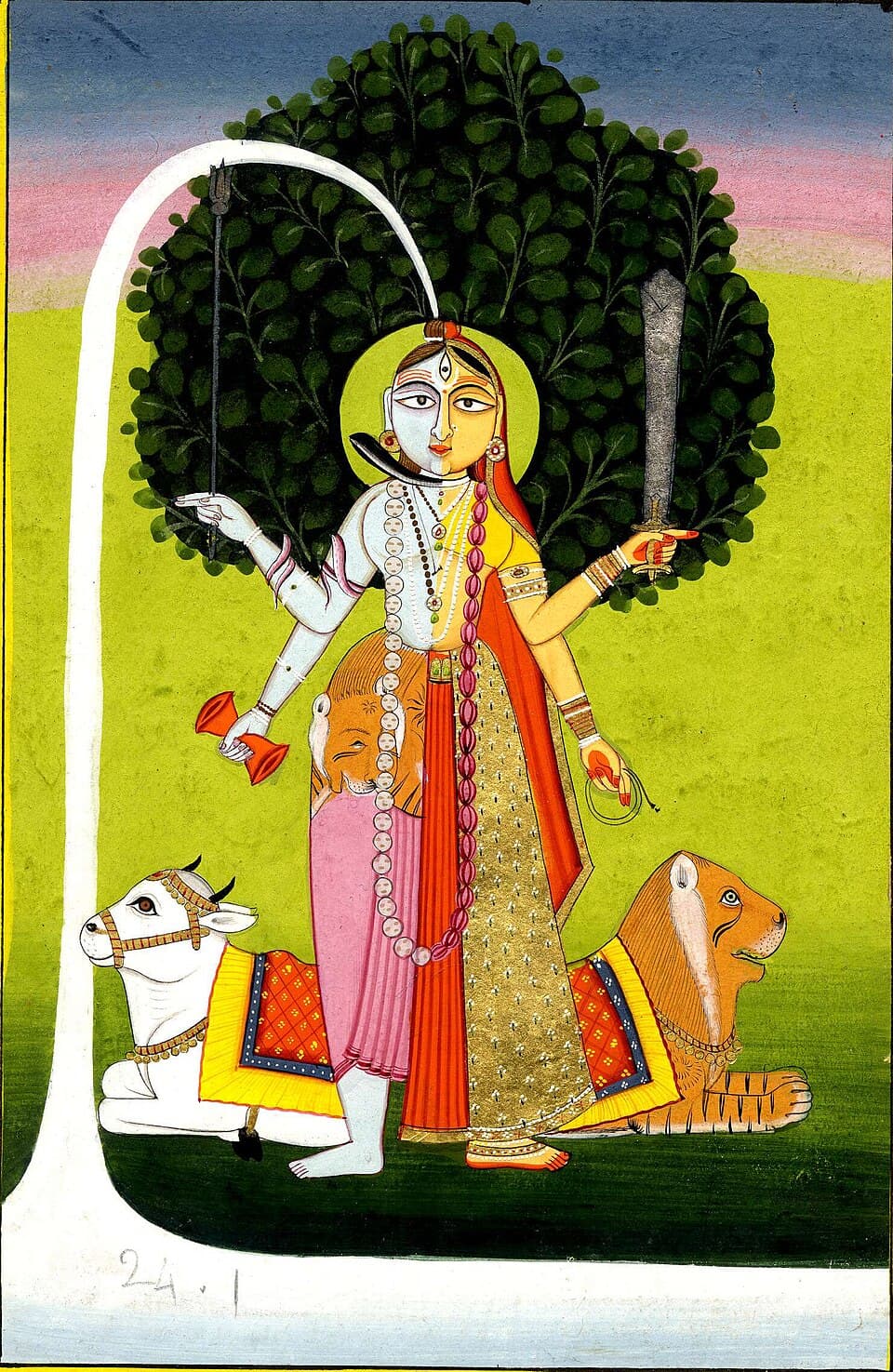
Indian subcontinent
Ardhanarishvara is a form of the Hindu deity Shiva combined with his consort Parvati. Ardhanarishvara is depicted as ha…
Read →
Iron Age Europe
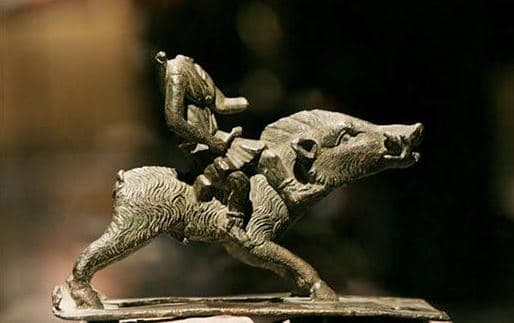
In Gallo-Roman religion, Arduinna was the eponymous tutelary goddess of the Ardennes Forest and region, thought to be re…
Read →
Ancient Persia
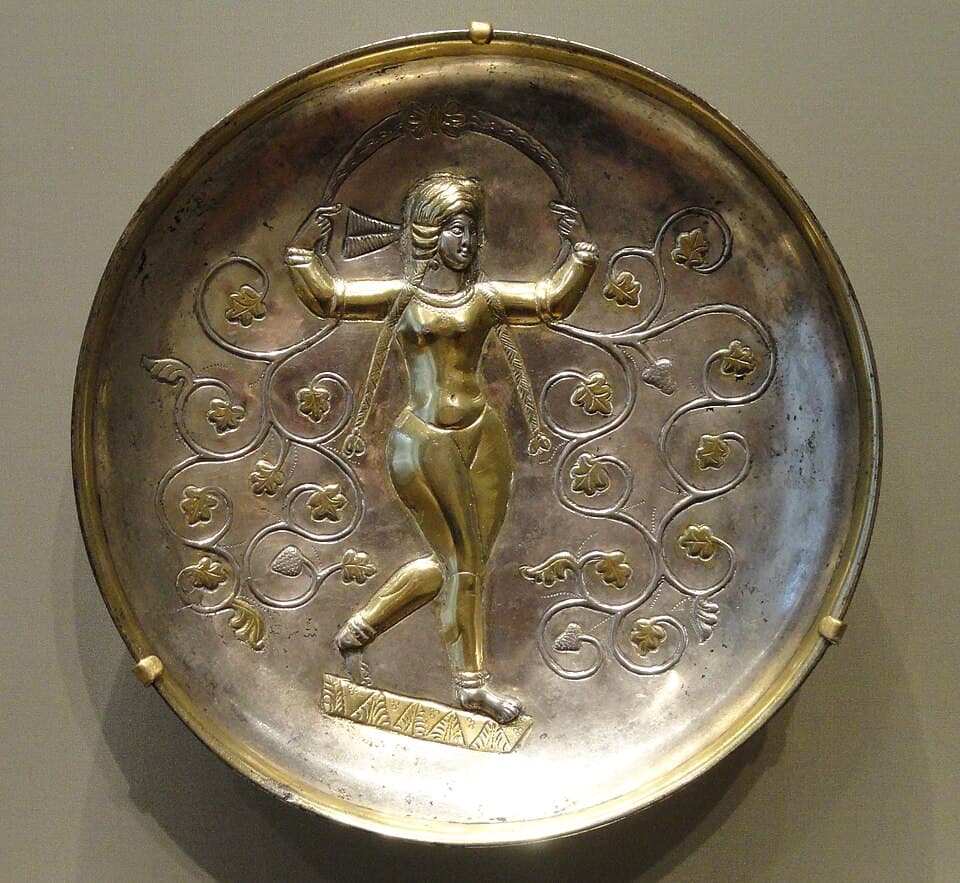
Anahita is the Old Persian form of the name of an Iranian goddess and appears in complete and earlier form as Aradvi Sur…
Read →
Ancient Egypt
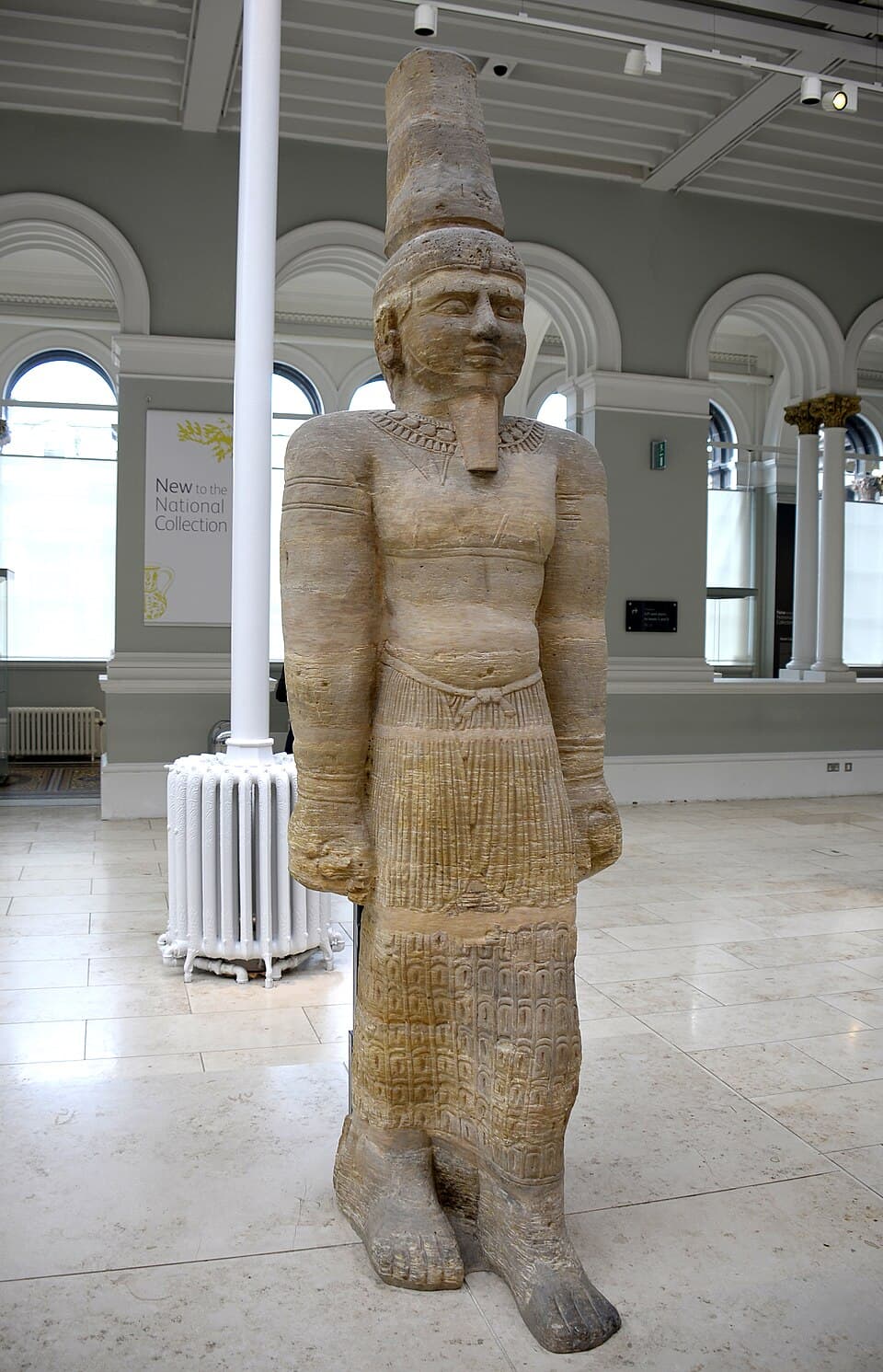
Arensnuphis is a deity from the Kingdom of Kush, first attested at Musawwarat el-Sufra in the 3rd century BC. His worsh…
Read →
Ancient Greece
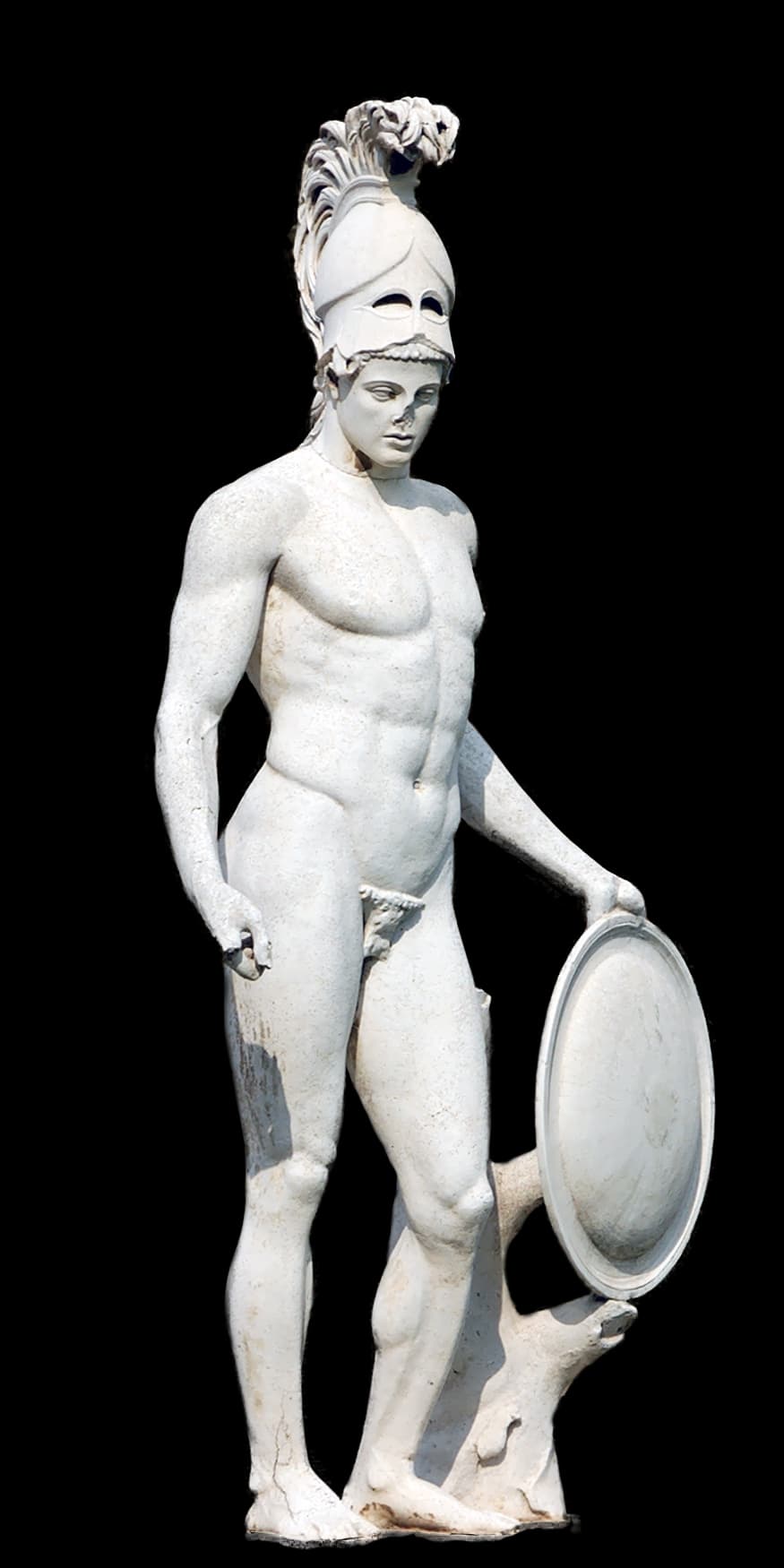
Ares is the Greek god of war and courage. He is one of the Twelve Olympians, and the son of Zeus and Hera. Many Greeks…
Read →
Iron Age Europe
Ares Lusitani was the god of horses and knights in Lusitanian mythology, in the cultural area of Gallaecia and Lusitania…
Read →
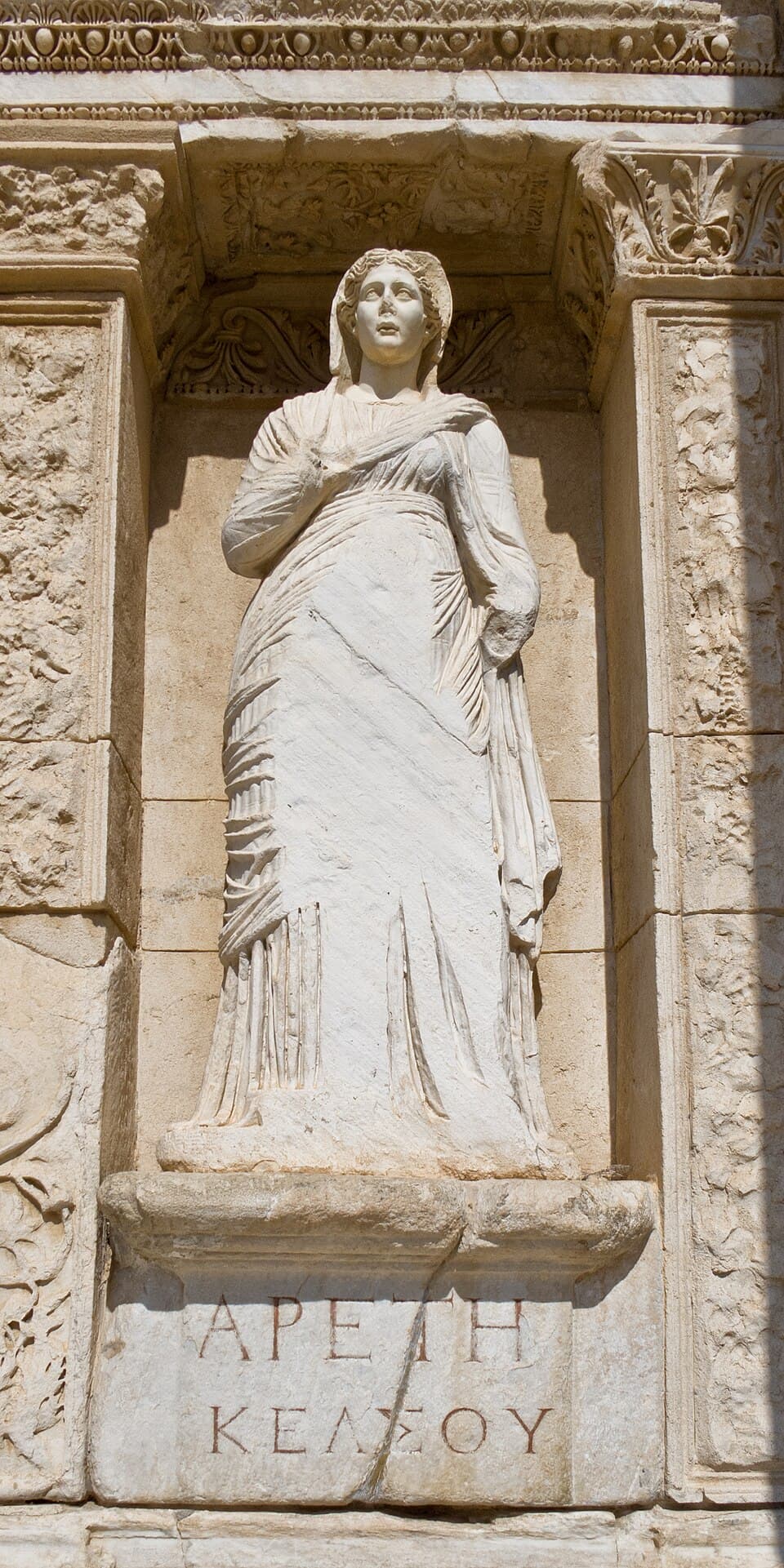
Ancient Greece
Arete is a concept in ancient Greek thought that refers to "excellence" of any kind—especially a person or thing's "full…
Read →
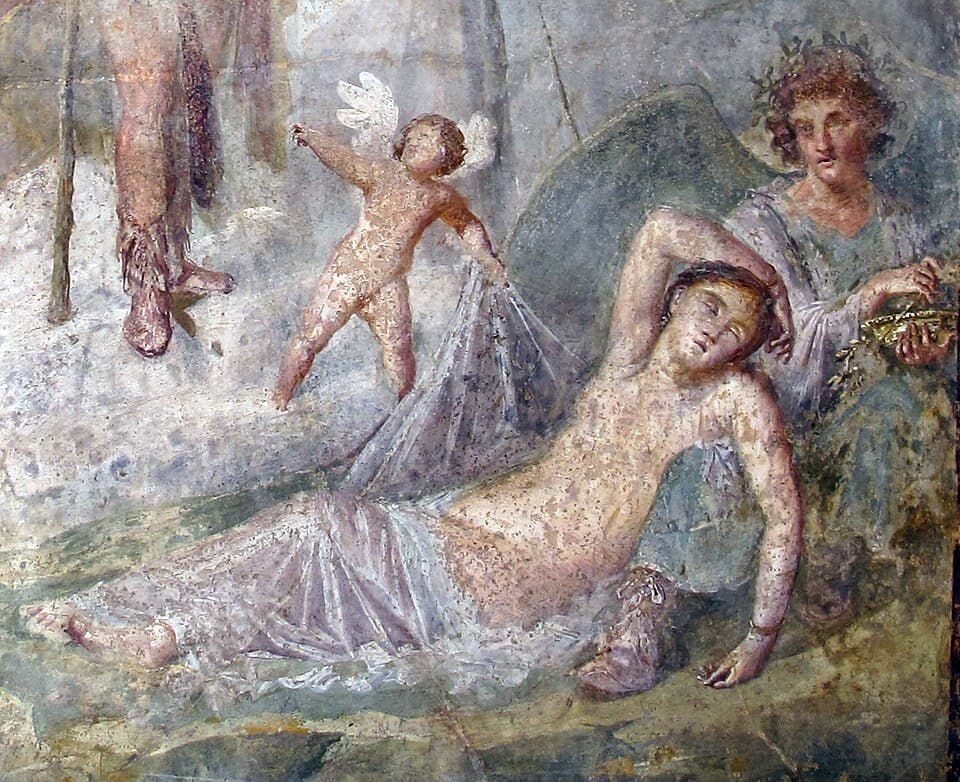
Ancient Greece
In Greek mythology, Ariadne was a Cretan princess as the daughter of King Minos. There are multiple variations of Ariad…
Read →
Ancient Rome
Arimanius is a name for an obscure deity found in a few Greek literary texts and five Latin inscriptions. It is suppose…
Read →
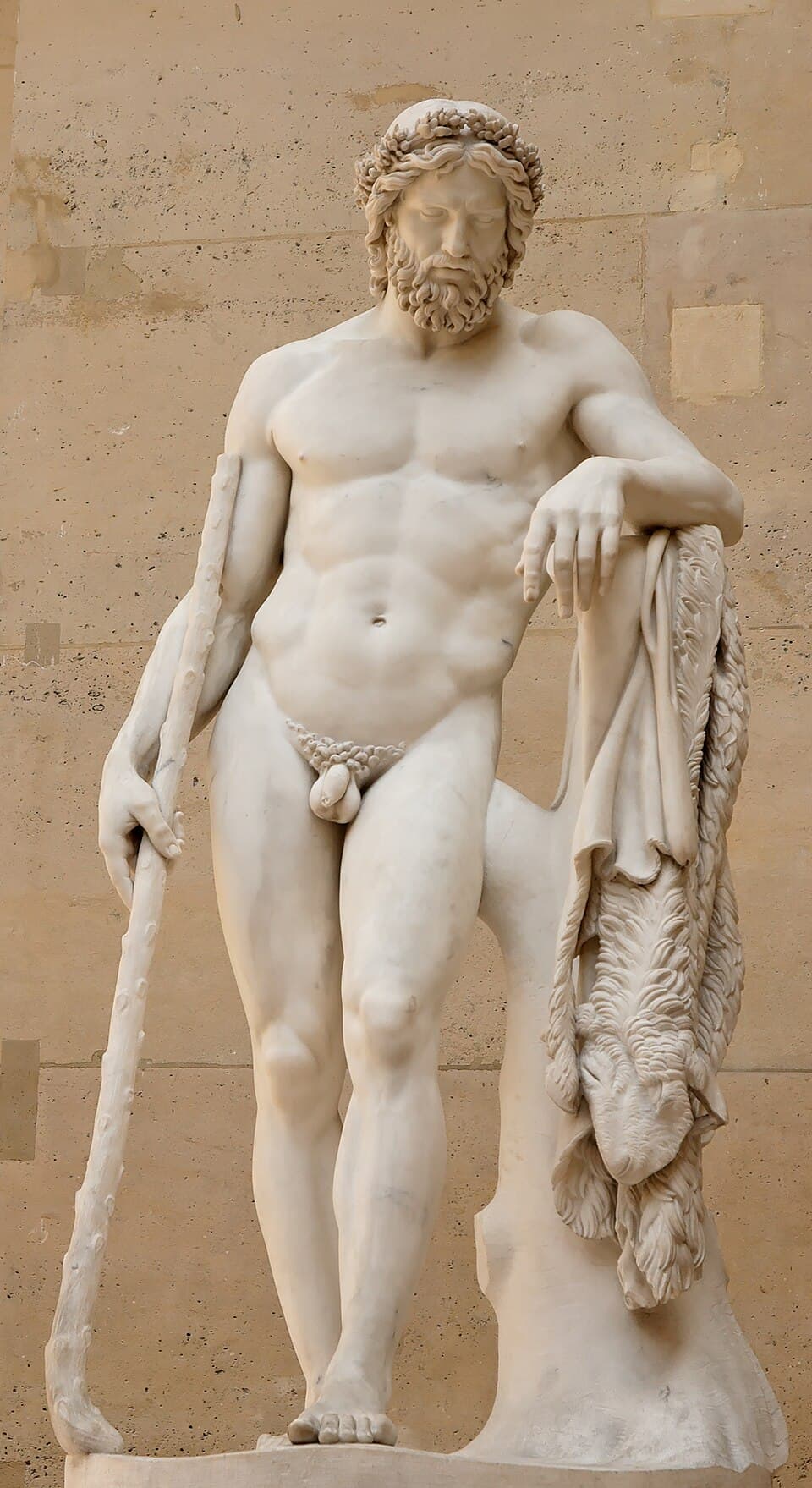
Ancient Greece
Aristaeus was the mythological culture hero credited with the discovery of many rural useful arts and handicrafts, inclu…
Read →
Etruria
Artume was an Etruscan goddess who was the mistress of animals, goddess of human assemblies, and hunting deity of Neolit…
Read →
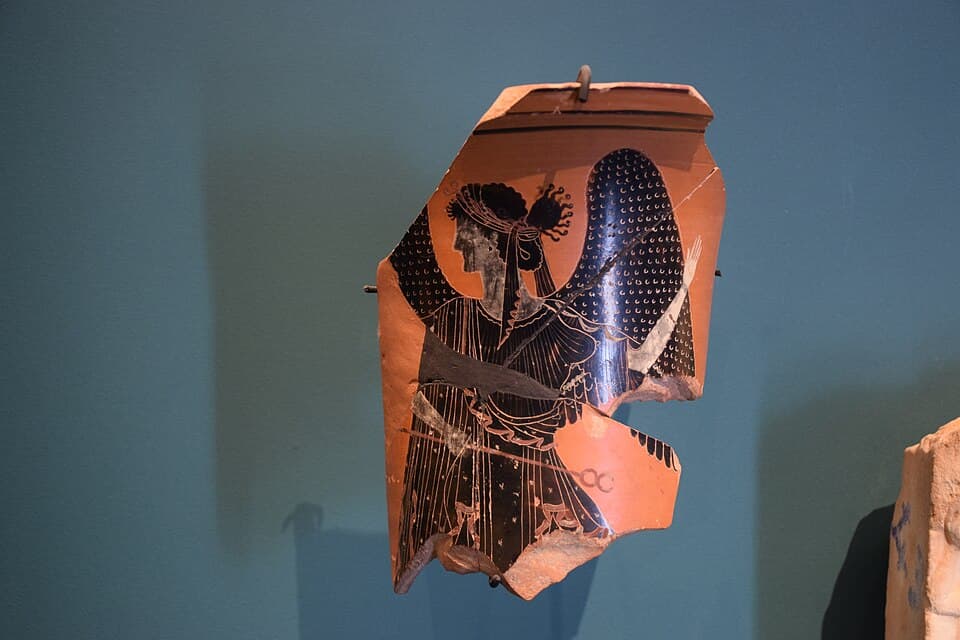
Ancient Greece
In Greek mythology, Arke or Arce is one of the daughters of Thaumas, and sister to the rainbow goddess Iris. During the…
Read →

Iron Age Europe
Arnemetia is a goddess in Romano-British religion. Her shrine is at Aquae Arnemetiae, which is now Buxton in Derbyshire…
Read →
Ancient Persia
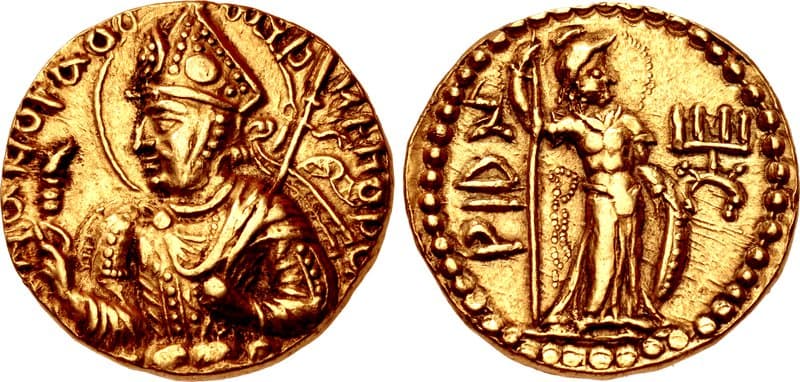
Arshtat is the Avestan language name of a Zoroastrian principle and signifies either "justice" or "honesty. " As a subst…
Read →
Ancient Egypt
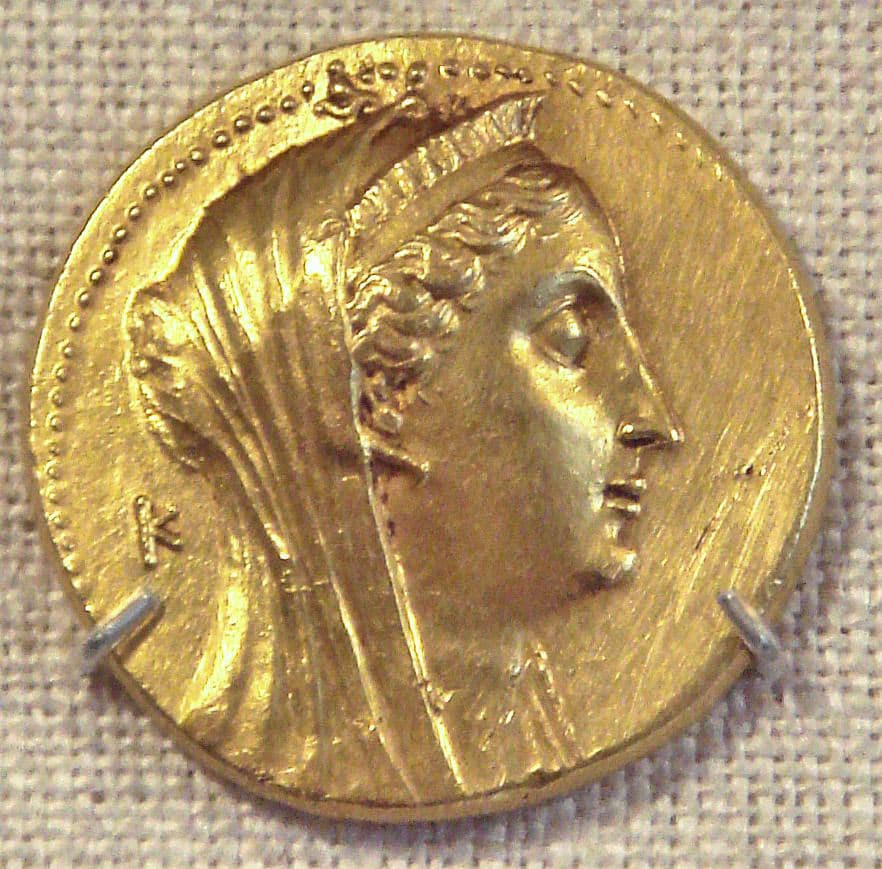
Arsinoë II was Queen consort of Thrace, Anatolia, and Macedonia by her first and second marriage, to king Lysimachus and…
Read →
Ancient Mesopotamia
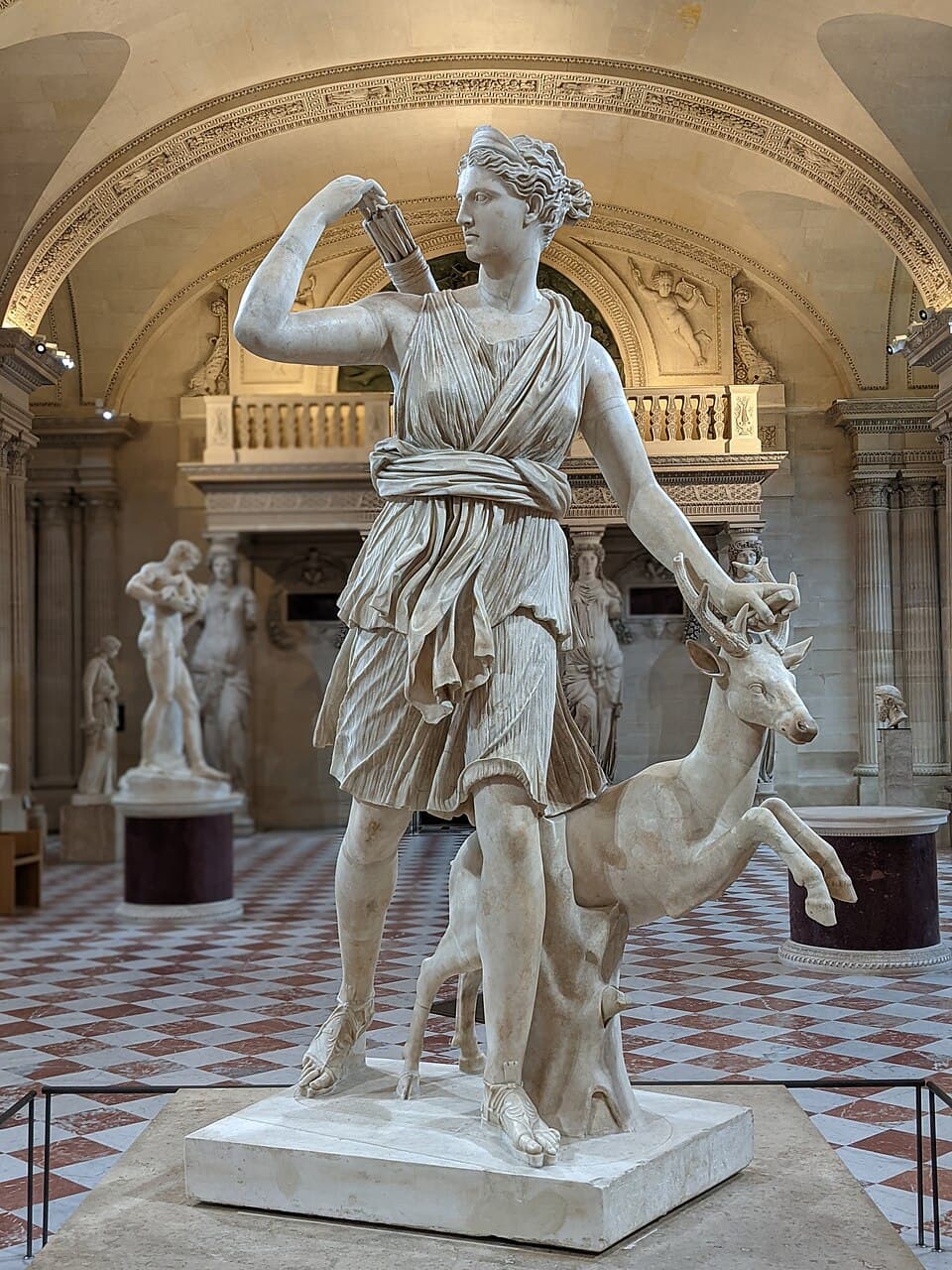
In ancient Greek religion and mythology, Artemis is the goddess of hunting, the wilderness, wild animals, transitions, n…
Read →
Indian subcontinent
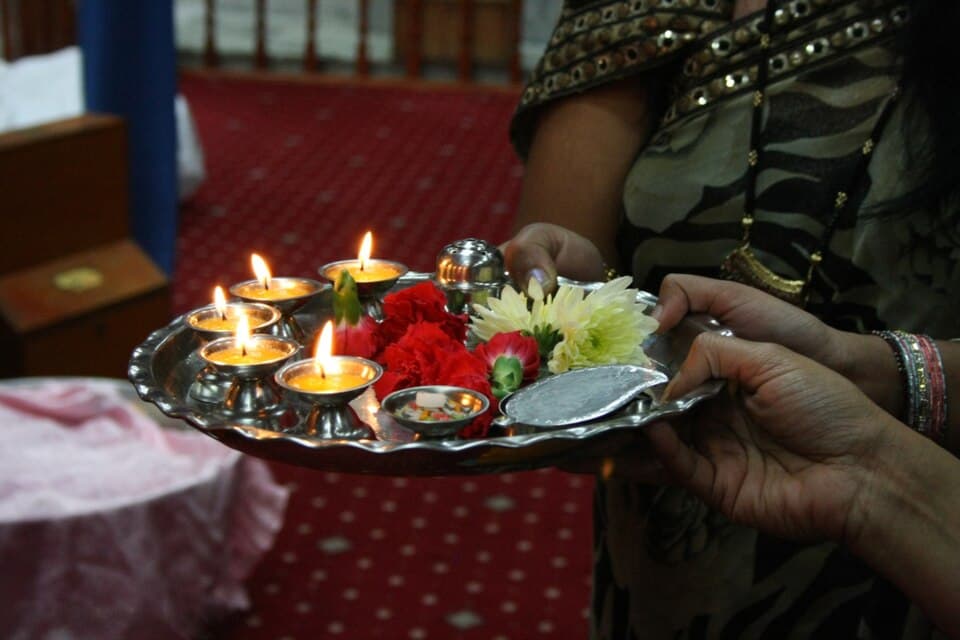
Arti or Arartikya is a Hindu ritual employed in worship, part of a puja, in which light from a flame is ritually waved t…
Read →
Iron Age Europe
Artio is a Celtic bear goddess. Evidence of her worship has notably been found at Bern in Switzerland. Her name is der…
Read →
Iron Age Europe
Arubianus or Arubinus was a Celtic god of the inscriptions in Southern Germany, and in Austria and Slovenia.
Read →
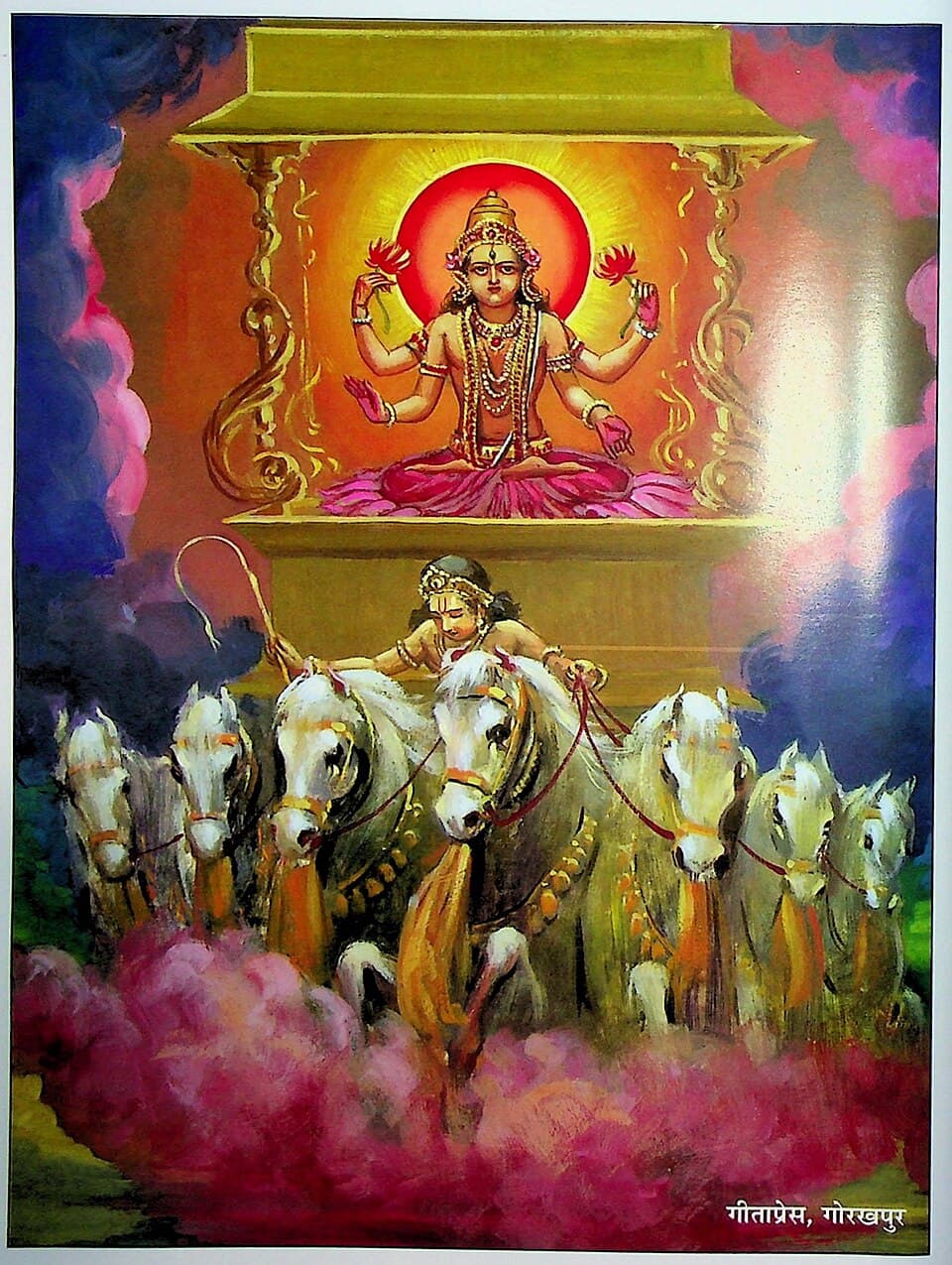
Indian subcontinent
Aruna is the charioteer of Surya in Hinduism. He is the elder brother of Garuda. Aruna and Garuda are the sons of Vedi…
Read →
Indian subcontinent
Uddalaka Aruni, also referred to as Uddalaka or Aruni or Uddalaka Varuni, was a revered Vedic sage of Hinduism. He is m…
Read →
Ancient Mesopotamia
Aruru was a Mesopotamian goddess. The origin of her name is presently uncertain. While initially considered an indepen…
Read →
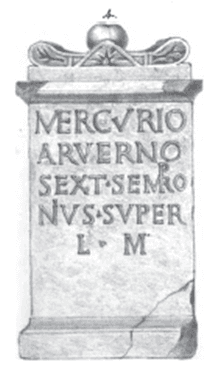
Iron Age Europe
In Gallo-Roman religion, Arvernus was the tribal god of the Arverni and an epithet of the Gaulish Mercury. Although the…
Read →
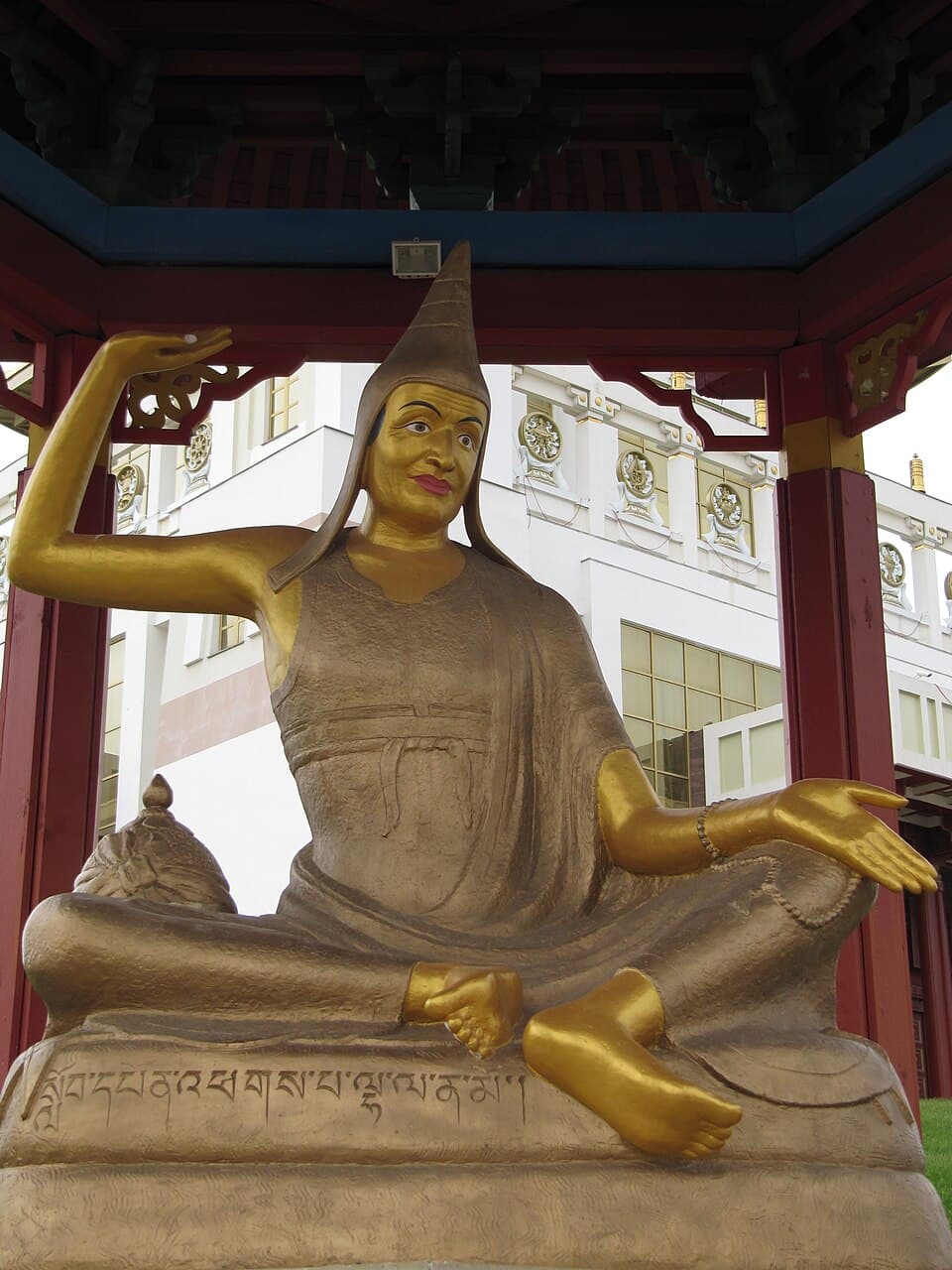
Asia
Āryadeva, was a Mahayana Buddhist monk, a disciple of Nagarjuna and a Madhyamaka philosopher. Most sources agree that h…
Read →
Indian subcontinent
Aryaman is one of the early Rigvedic deities. His name signifies "Life-Partner", "Close Friend", "Sun", "Play-Fellow" o…
Read →
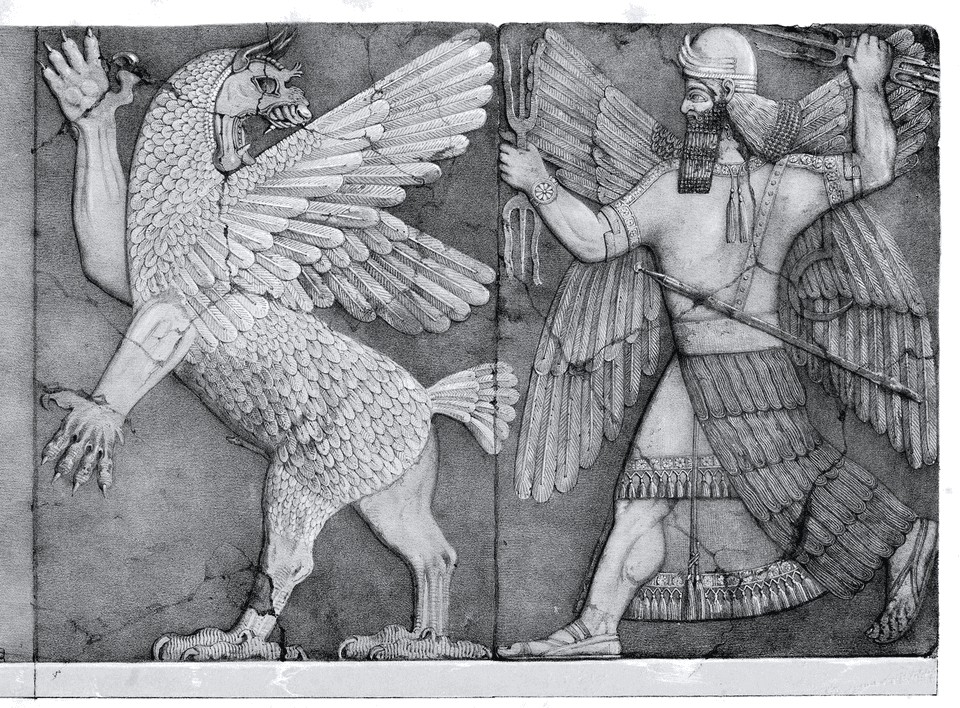
Ancient Mesopotamia
In the Sumerian mythological poem Lugal-e, Asag or Azag is a monstrous demon. In the poem, his power is so hideous that…
Read →
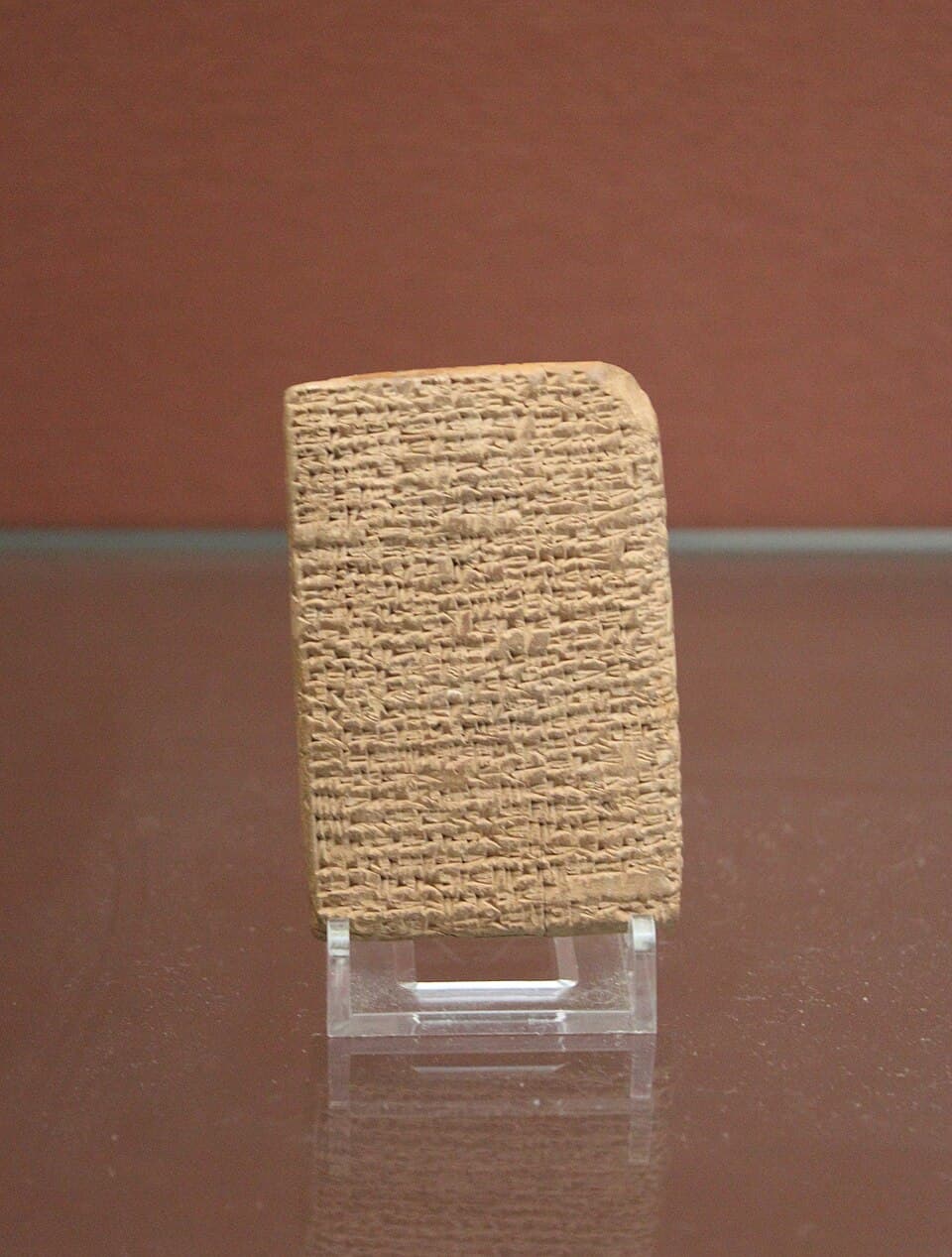
Ancient Mesopotamia
Asalluhi, also spelled as Asarluhi or Asalluhe, also known as Asaralimnuna, Asaralim, Asalim or Asarnuna was a Mesopotam…
Read →

Asia
Asaṅga was one of the most important spiritual figures of Mahayana Buddhism and the founder of the Yogachara school. Tr…
Read →
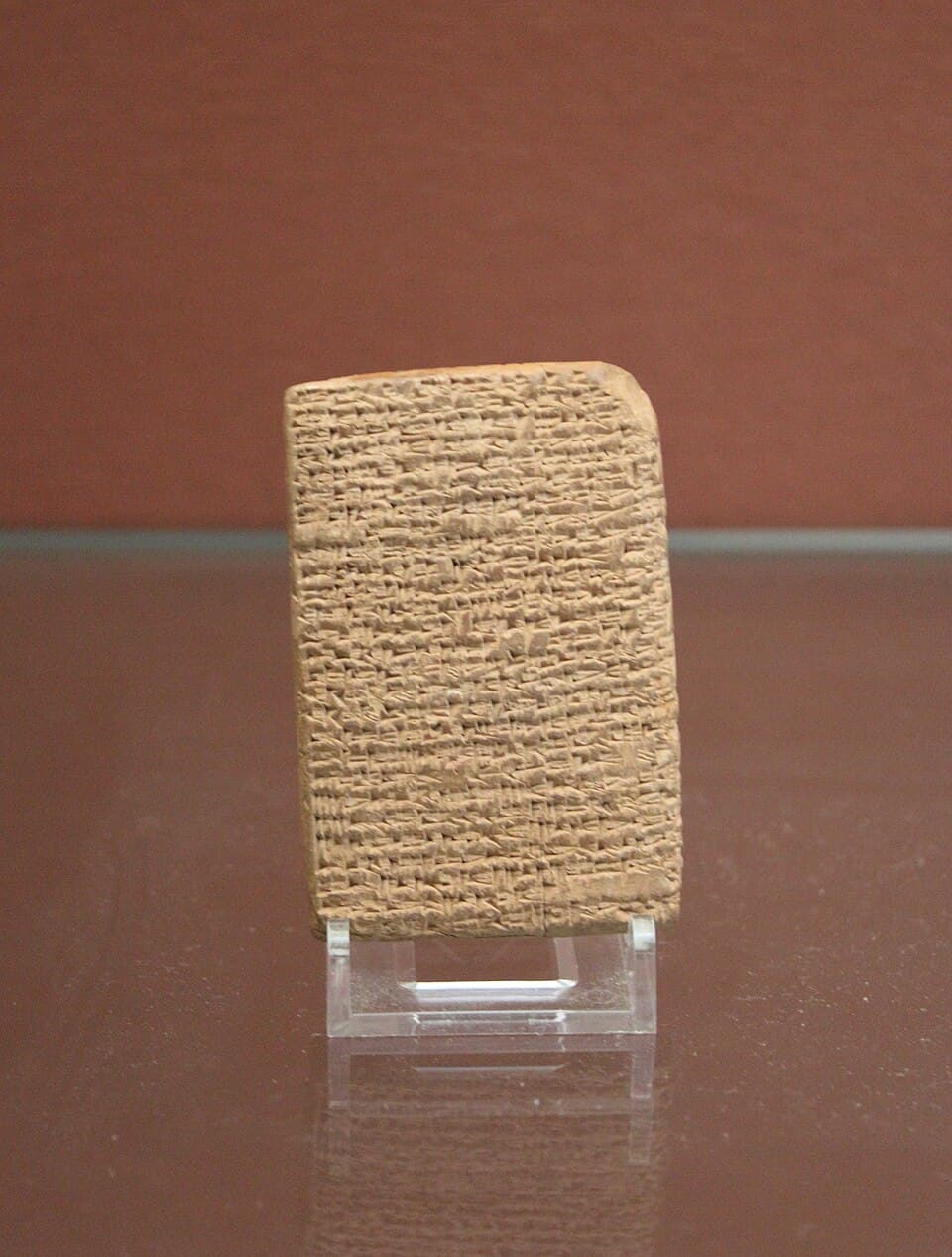
Ancient Mesopotamia
Asalluhi, also spelled as Asarluhi or Asalluhe, also known as Asaralimnuna, Asaralim, Asalim or Asarnuna was a Mesopotam…
Read →
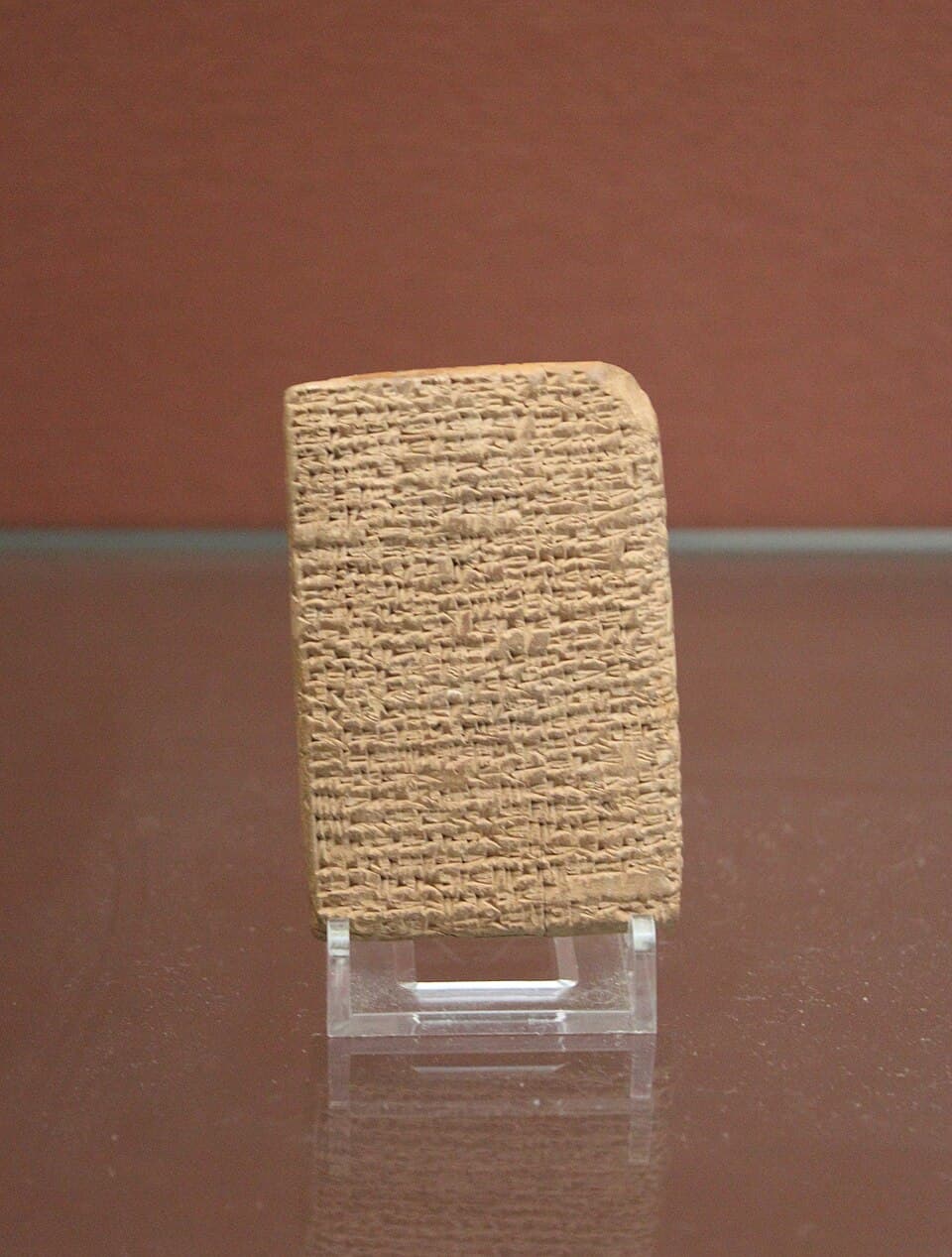
Ancient Mesopotamia
Asalluhi, also spelled as Asarluhi or Asalluhe, also known as Asaralimnuna, Asaralim, Asalim or Asarnuna was a Mesopotam…
Read →
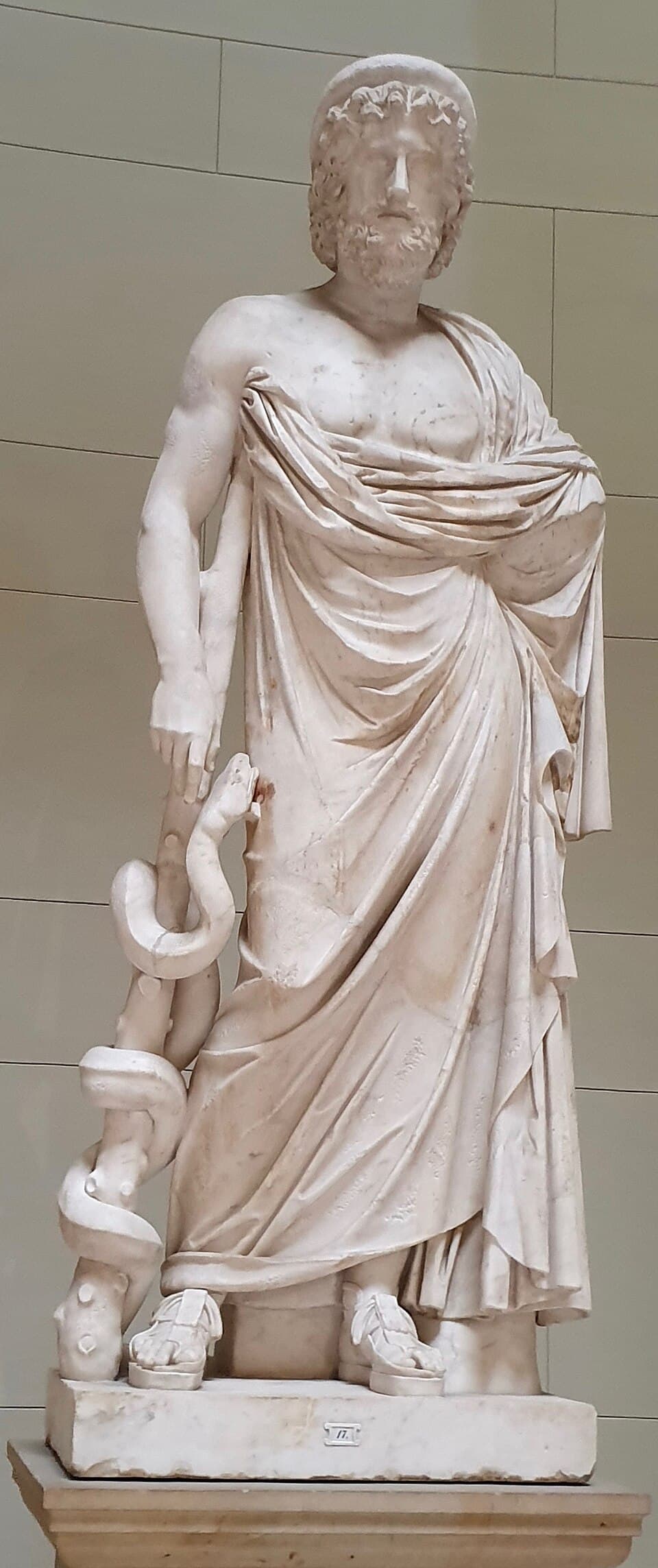
Ancient Greece
Asclepius is a hero and god of medicine in ancient Greek religion and mythology. He is the son of Apollo and Coronis, o…
Read →
Ancient Mesopotamia
Ashgi was a Mesopotamian god associated with Adab and Kesh. While he was originally the tutelary deity of the former of…
Read →
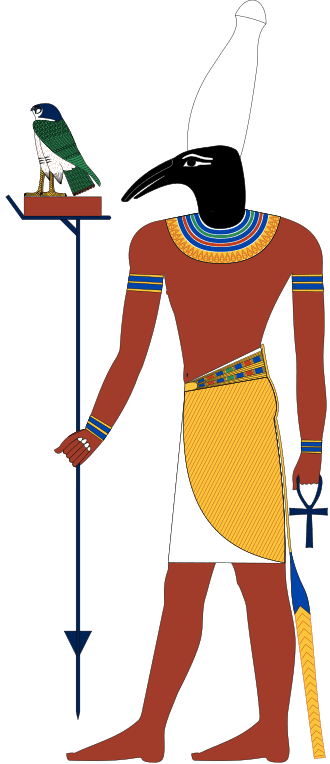
Ancient Egypt
Ash or Yuc was an Amazigh sky god worshipped by the Libyan and Tehenu tribes of the Western Desert, an area of desert th…
Read →
Ancient Persia
Asha or arta is a Zoroastrian concept with a complex and highly nuanced range of meaning. It is commonly summarized in …
Read →
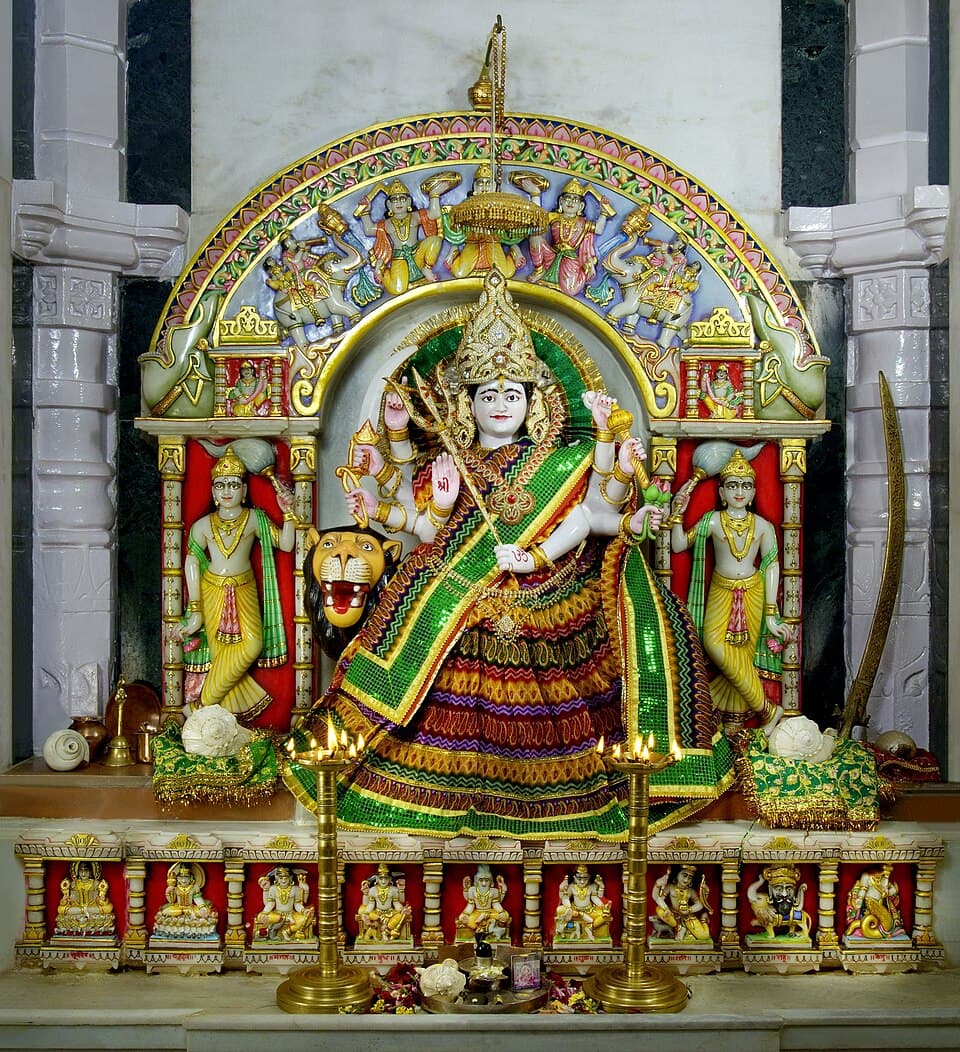
Indian subcontinent
Ashapura Mata is an aspect of Devi, a Hindu goddess. She is one of the kuldevis of Kutch and Rajasthan, and the Jadeja …
Read →
Ancient Mesopotamia
Ashgi was a Mesopotamian god associated with Adab and Kesh. While he was originally the tutelary deity of the former of…
Read →
Ancient Persia
Ashi is the Avestan language word for the Zoroastrian concept of "that which is attained. " As the hypostasis of "reward…
Read →