
Aban
Apas is the Avestan language term for "the waters", which, in its innumerable aggregate states, is represented by the Apas, the hypostases of the waters.
Pantheon
Every entry the archive files to this pantheon, with the record for each shown as it stands.
119 entries
These three are recorded for the Zoroastrian pantheon as a whole. The archive holds no separate culture, civilization or period for the individual entries below.
Page 1 of 2
Showing 1–108 of 119, alphabetically.
Apas is the Avestan language term for "the waters", which, in its innumerable aggregate states, is represented by the Apas, the hypostases of the waters.
Aeshma is the Younger Avestan name of Zoroastrianism's demon of "wrath". As a hypostatic entity, Aeshma is variously interpreted as "wrath", "rage", and "fury". His standard epithet is "of the bloody mace".

Agni Yoga or the Living Ethics, or the Teaching of Life, is a Neo-Theosophical religious doctrine transmitted by Helena Roerich and Nicholas Roerich from 1920. The term Agni Yoga means "Mergence with Divine Fire" or "Path to Mergence with Divine Fire". This term was introduced by the Roerichs.
Agnosticism is a position that questions the existence of God or the divine. On a psychological level, it is a personal attitude that suspends judgment, withholding both belief and disbelief. In philosophy, agnosticism is often treated as a general claim stating that God's existence is unknown or unknowable.

Angra Mainyu is the Avestan name of Zoroastrianism's hypostasis of the "destructive/evil spirit". Angra Mainyu functions in Zoroastrianism as the main adversary either of the Spenta Mainyu, or directly of Ahura Mazda, the highest Zoroastrian deity. The Middle Persian equivalent of the name, Ahriman, can appear in English-language works as Ahreman or as Ahrimanes.
Ahura is an Avestan language designation of a type of deity inherited by Zoroastrianism from the prehistoric Indo-Iranian religion, and denotes a particular class of Zoroastrian divinities. The term is assumed to be linguistically related to the Asuras of Indian Vedic era.
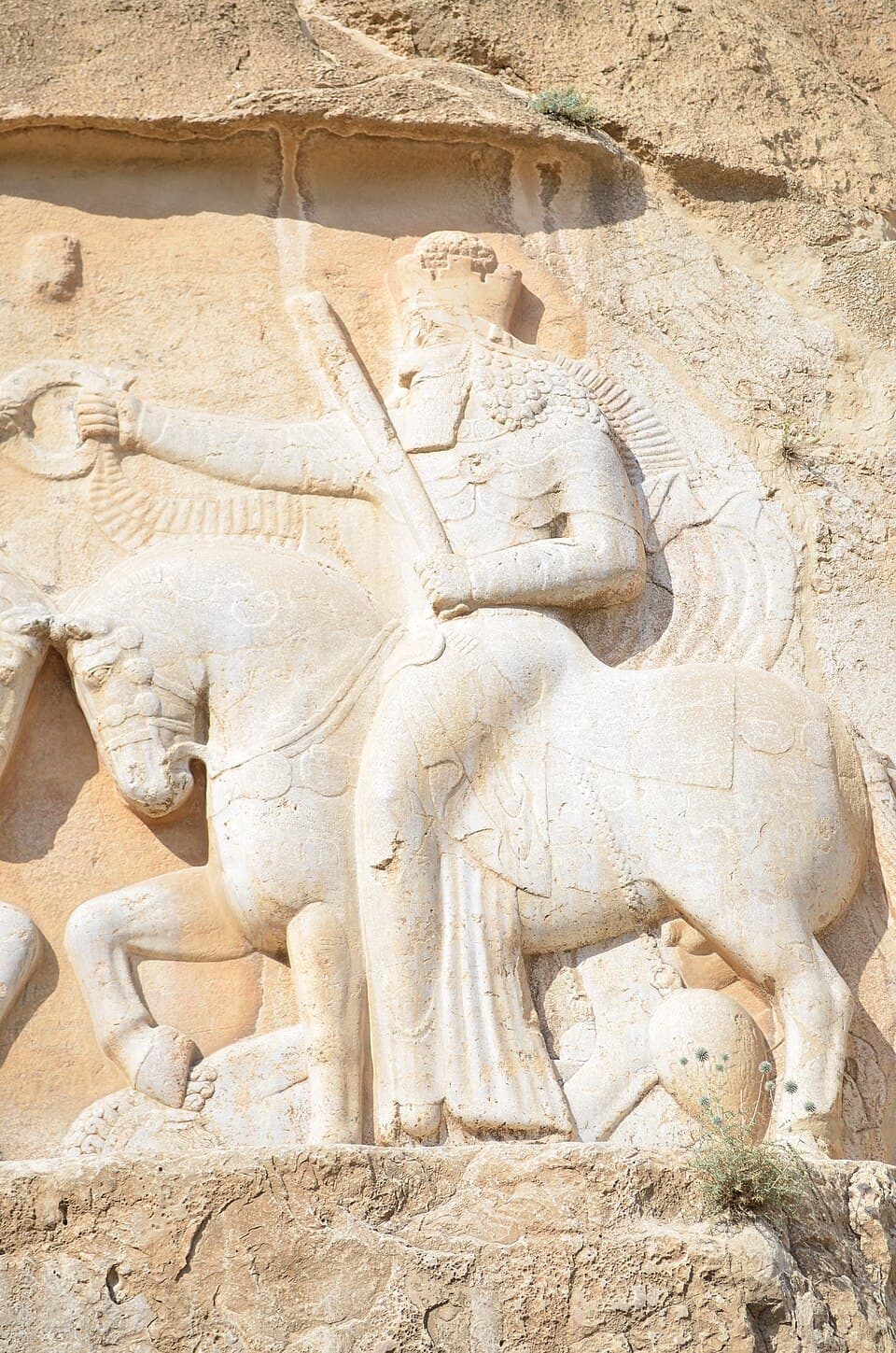
Ahura Mazda, also known as Ormazd and Horomazes, is the principal God and sky deity in Zoroastrianism. He is the first and most frequently invoked spirit in the Yasna. The literal meanings of the words Ahura and Mazda are "lord" and "wisdom", respectively.
In the Avesta, airyaman is both an Avestan language common noun and the proper name of a Zoroastrian divinity.
Aka Manah is the Avestan language name for the Zoroastrian daeva "Evil Mind", "Evil Purpose", "Evil Thinking", or "Evil Intention". Aka Manah also known as Akoman in Middle Persian and Akvan in New Persian, represents the malevolent force of sensual desire that was sent by Ahriman to seduce the prophet Zoroaster. His eternal opponent is Vohu Manah.

Alawites are an ethnoreligious group, many of whom identify as Arabs, who live primarily in Syria and elsewhere in the Levant. They follow Alawism, an offshoot of Shia Islam as a ghulat branch during the ninth century. Alawites venerate Ali ibn Abi Talib, the "first Imam" in the Twelver school, as a manifestation of the divine essence.
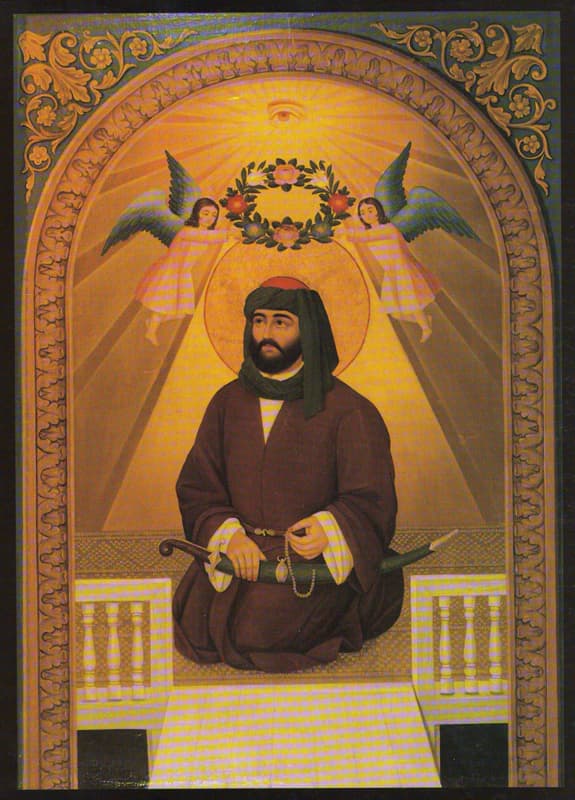
Ali-Illahism is a syncretic religion which has been practiced in parts of the Luristan region in Iran which combines elements of Shia Islam with older religions. It centers on the belief that there have been successive incarnations of God throughout history, and Ali-Illahis reserve particular reverence for Ali, the son-in-law of the Islamic prophet Muhammad, who is considered one such incarnation. Various rites have been attributed as "Ali-Illahi," similarly to the Yazidis, Alawites, and all sects whose doctrine is unknown to the surrounding Muslim and Christian populations.
Ameretat is the Avestan language name of the Zoroastrian divinity/divine concept of immortality. Amerdad is the Amesha Spenta of long life on earth and perpetuality in the hereafter.
In Zoroastrianism, the Amesha Spenta are a class of seven divine entities emanating from Ahura Mazda, the highest divinity of the religion. Later Middle Persian variations of the term include the contraction 'Ameshaspand' as well as the specifically Zoroastrian 'Mahraspand' and 'Amahraspand'.
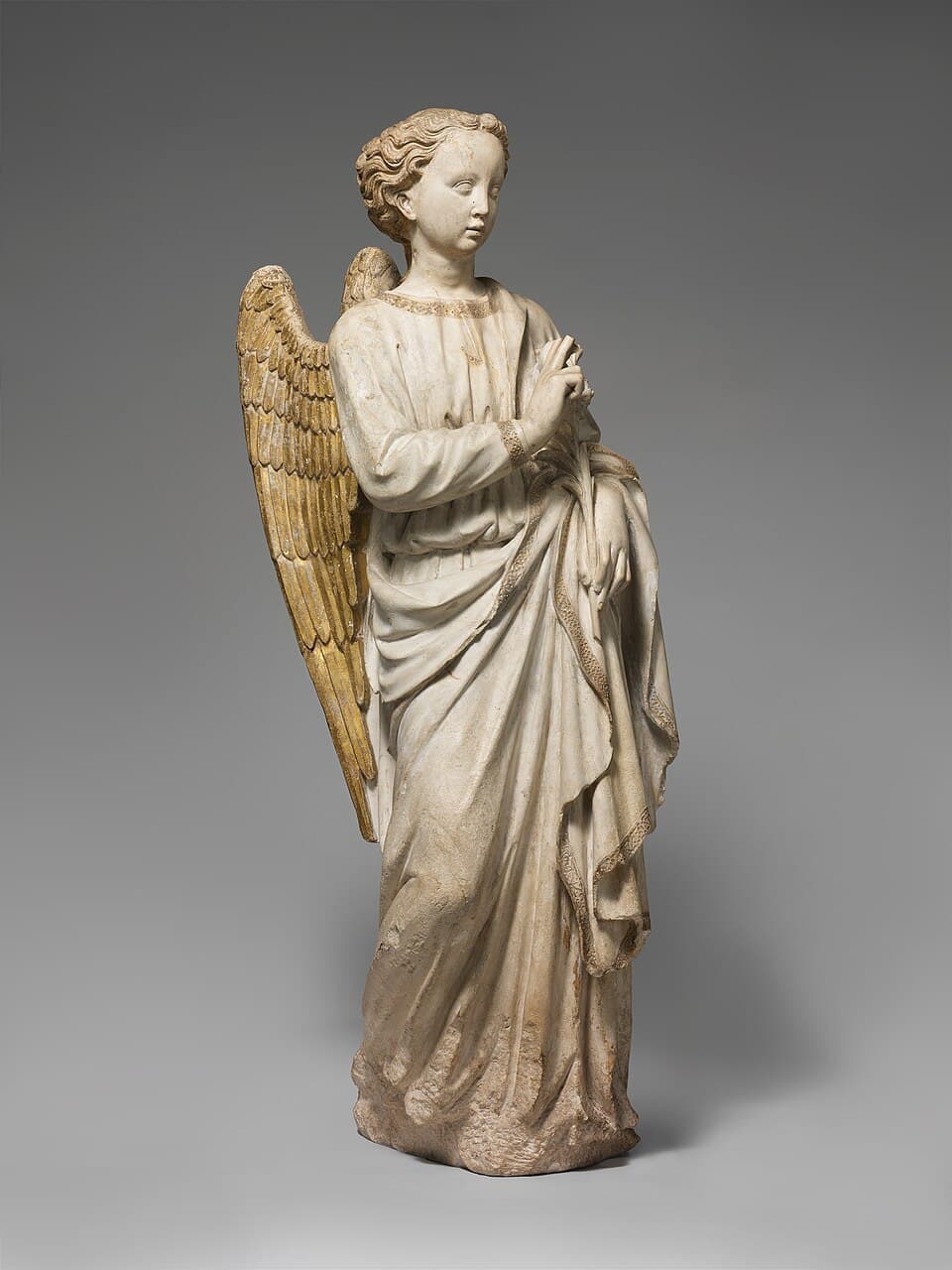
An angel is a spiritual, heavenly, or supernatural entity, usually humanoid with bird-like wings, often depicted as a messenger or intermediary between God and humanity in various traditions like the Abrahamic religions. Other roles include protectors and guides for humans, such as guardian angels, and servants of God. In Western belief-systems the term is often used to distinguish benevolent from malevolent intermediary beings.
An angel is a spiritual, heavenly, or supernatural entity, usually humanoid with bird-like wings, often depicted as a messenger or intermediary between God and humanity in various traditions like the Abrahamic religions. Other roles include protectors and guides for humans, such as guardian angels and servants of God. In Western belief-systems the term is often used to distinguish benevolent from malevolent intermediary beings.

Angra Mainyu is the Avestan name of Zoroastrianism's hypostasis of the "destructive/evil spirit". Angra Mainyu functions in Zoroastrianism as the main adversary either of the Spenta Mainyu, or directly of Ahura Mazda, the highest Zoroastrian deity. The Middle Persian equivalent of the name, Ahriman, can appear in English-language works as Ahreman or as Ahrimanes.
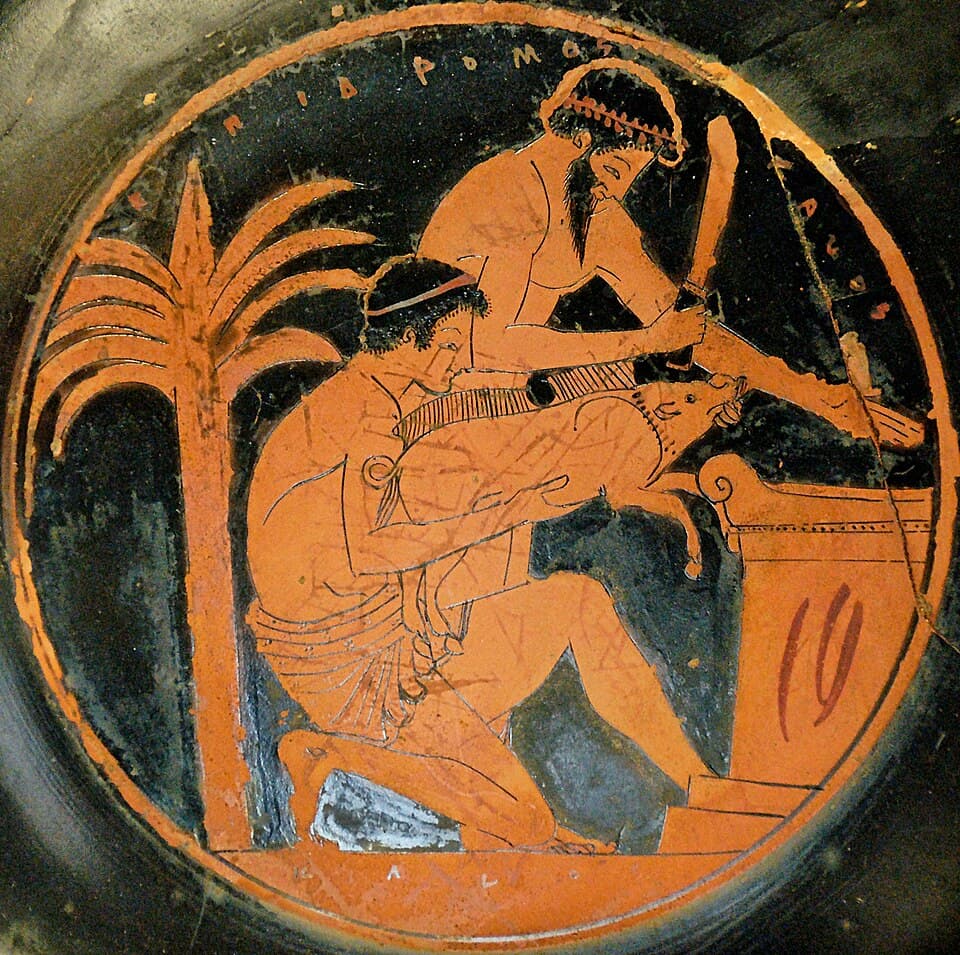
Animal sacrifice is the ritual killing and offering of animals, usually as part of a religious ritual or to appease or maintain favour with a deity. Animal sacrifices were common throughout Europe and the Ancient Near East until the spread of Christianity in Late Antiquity, and continue in some cultures or religions today. Human sacrifice, where it existed, was always much rarer.
Apam Napat is a deity in the Indo-Iranian pantheon associated with water. His names in the Vedas, Apā́ṁ Nápāt, and in Zoroastrianism, Apąm Napāt, mean "child of the waters" in Sanskrit and Avestan respectively. Napāt is cognate with Latin nepos and English nephew.
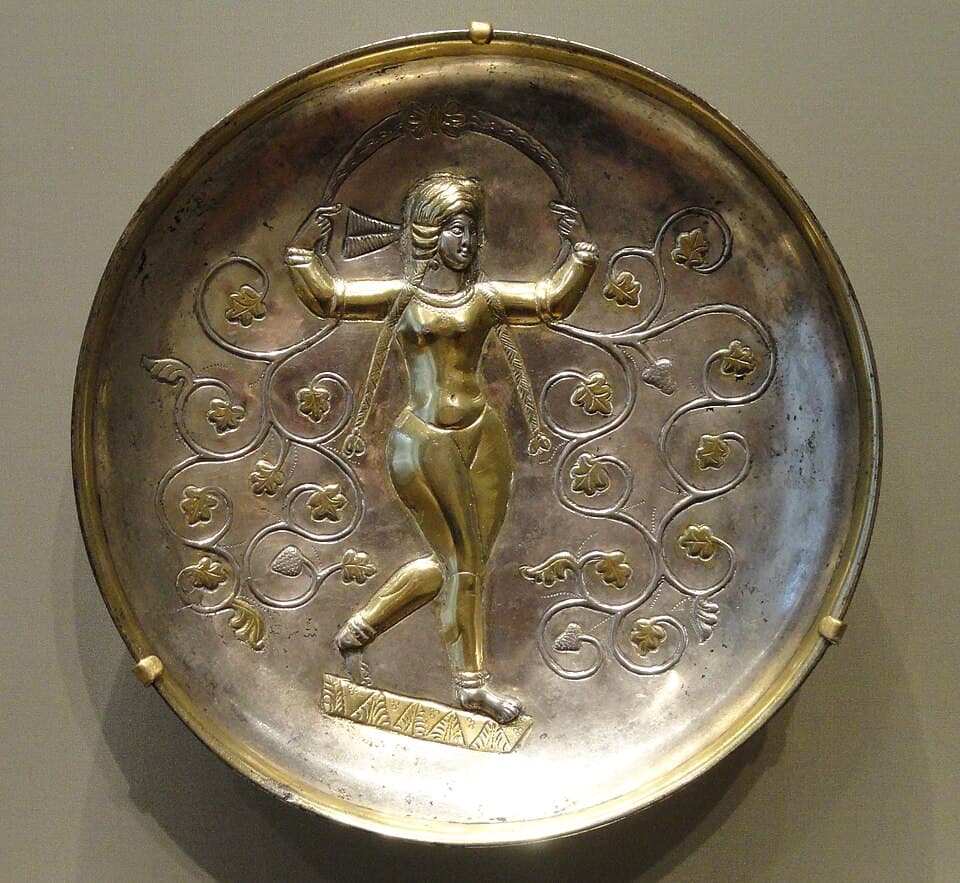
Anahita is the Old Persian form of the name of an Iranian goddess and appears in complete and earlier form as Aradvi Sura Anahita, the Avestan name of an Indo-Iranian cosmological figure venerated as the divinity of "the Waters" (Aban) and hence associated with fertility, healing and wisdom. Anahita is a Zoroastrian deity who is referenced in the Avesta. There is also a temple named Anahita in Iran.
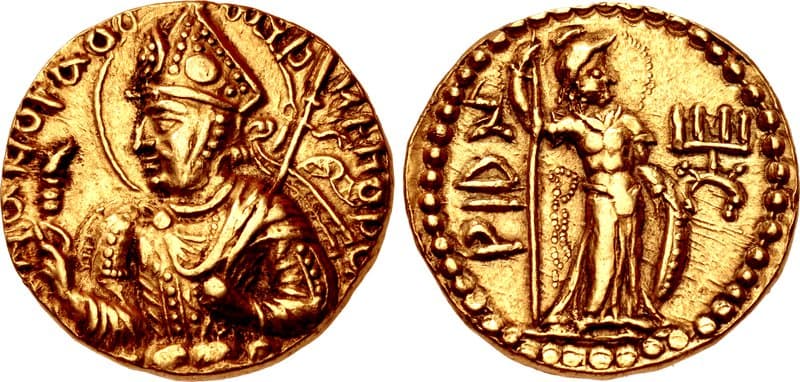
Arshtat is the Avestan language name of a Zoroastrian principle and signifies either "justice" or "honesty. " As a substantive, arshtat designates the divinity Arshtat, the hypostasis of "Rectitude" and "Justice". Her standing epithet is "world-furthering" or "world-promoting.
Asha or arta is a Zoroastrian concept with a complex and highly nuanced range of meaning. It is commonly summarized in accord with its contextual implications of 'truth' and 'right', 'order' and 'right working'. It is of cardinal importance to Zoroastrian theology and doctrine.
Ashi is the Avestan language word for the Zoroastrian concept of "that which is attained. " As the hypostasis of "reward," "recompense," or "capricious luck," Ashi is also a divinity in the Zoroastrian hierarchy of yazatas.
Ashi is the Avestan language word for the Zoroastrian concept of "that which is attained. " As the hypostasis of "reward," "recompense," or "capricious luck," Ashi is also a divinity in the Zoroastrian hierarchy of yazatas.
Arshtat is the Avestan language name of a Zoroastrian principle and signifies either "justice" or "honesty. " As a substantive, arshtat designates the divinity Arshtat, the hypostasis of "Rectitude" and "Justice". Her standing epithet is "world-furthering" or "world-promoting.
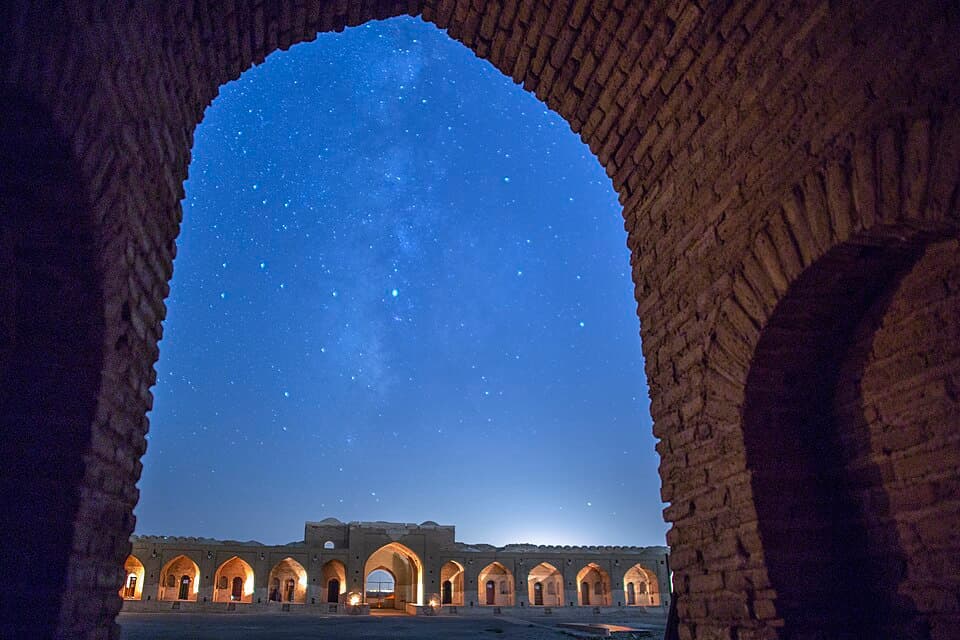
Asman is the Avestan and Middle Persian name of the Zoroastrian divinity that is the hypostasis of the sky. Asman is the "highest heaven," and is distinguished from the firmament, 𐬚𐬡𐬁𐬴𐬀, which lies nearer the earth. The 27th day of the Zoroastrian calendar is dedicated to him.

The Assyrian Church of the East (ACOE), sometimes called the Church of the East and officially known as the Holy Apostolic Catholic Assyrian Church of the East, is an East Syriac Christian denomination that follows and descends from the traditional theology and ecclesiology of the historic Church of the East. It was established in 1672 during a schism from the Chaldean Catholic Church of the East. It belongs to the eastern branch of Syriac Christianity, and employs the Divine Liturgy of Saints Addai and Mari.
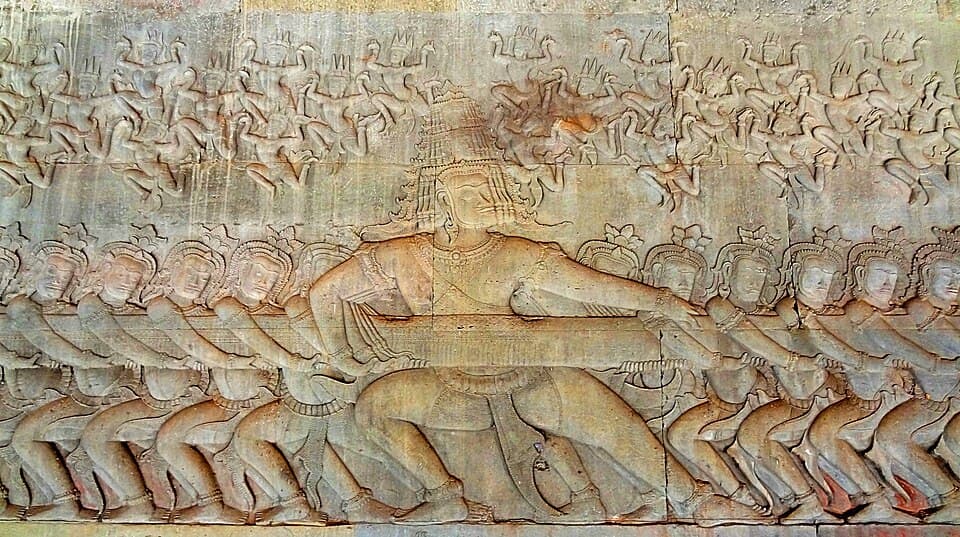
Asura are a class of beings in Indian religions. They are described as power-seeking beings related to the more benevolent Deva in Hinduism. In its Buddhist context, the word is translated as "titan," "demigod," or "antigod".
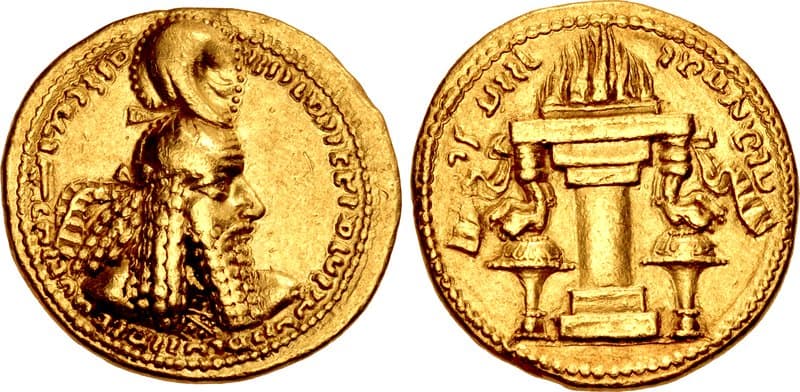
Atar is the Zoroastrian concept of holy fire, sometimes described in abstract terms as "burning and unburning fire" or "visible and invisible fire". It is considered to be the visible presence of Ahura Mazda and his Asha through the eponymous Yazata. The rituals for purifying a fire are performed 1,128 times a year.
Atheism, in the broadest sense, is an absence of belief in the existence of deities. Less broadly, atheism is a rejection of the belief that any deities exist. In an even narrower sense, atheism is specifically the position that there are no deities.
Zahāk is a personification of evil in Iranian mythology and historiography. In the Avesta and Zoroastrian tradition, Zahāk is considered the son of Ahriman, the foe of Ahura Mazda. In the Shāhnāmeh of Ferdowsi, Zahāk is the son of an Arab ruler named Merdās.

Bábism is a messianic movement founded in 1844 by the Báb. The Báb, an Iranian merchant-turned-prophet, professed that there is one incorporeal, unknown, and incomprehensible God who manifests his will in an unending series of theophanies, called Point in Bábí terminology. The Báb's revelation, throughout which there was much evolution as he progressively outlined his teachings, was turbulent and short-lived and ended with his public execution in Tabriz in 1850.

Bathouism is the folk religion of the Boro people of Assam in Northeast India. The name Bathou in Boro means five principles. The five principles are: bar (air), orr (fire), ha (earth), dwi (water) and okhrang (ether).

Candomblé Bantu is one of the major branches (nations) of the Candomblé religious belief system in Brazil. It developed in the Portuguese Empire among Kongo and Mbundu slaves who spoke Kikongo and Kimbundu languages. The supreme and creative god is Nzambi.
Charismatic Christianity is a form of Christianity that emphasizes the work of the Holy Spirit and spiritual gifts as an everyday part of a believer's life. It has a global presence in the Christian community. Practitioners are often called charismatic Christians or renewalists.
The charismatic movement in Christianity is a movement within established or mainstream denominations to adopt beliefs and practices of Charismatic Christianity, with an emphasis on baptism with the Holy Spirit, and the use of spiritual gifts (charismata). It has affected most denominations in the United States, and has spread widely across the world.
Chista is the yazata most closely associated with wisdom, knowledge, and insight in Zoroastrianism. Her name is derived from the Avestan derivative of the verb Cit, 'to notice, to understand'. The sixteenth yasht of the Avesta is dedicated to Chista and she is also mentioned in the tenth yasht.

Christianity is an Abrahamic monotheistic religion based on the Bible and the teachings of Jesus. The Gospels state that Jesus is the Son of God and rose from the dead after his crucifixion, whose coming as the messiah (Christ) was prophesied in the Old Testament and chronicled in the New Testament. It is the world's largest and most widespread religion with over 2.
Comfa, or Komfa, is a folk religion in Guyana also known as Spiritualism or Faithism. The word "Comfa" is used by non-practitioners as a generic term for spirit possession in Guyana. However, the word "Comfa" is also a term to define the greater folk religion involving spirit possession originating in Guyana.

Conservative Judaism, also known as Masorti Judaism, is a Jewish religious movement that regards the authority of Jewish law and tradition as emanating primarily from the assent of the people through the generations, more than from divine revelation. It therefore views Jewish law, or Halakha, as both binding and subject to historical development. The Conservative rabbinate employs modern historical-critical research, rather than only traditional methods and sources, and lends great weight to its constituency, when determining its stance on matters of practice.
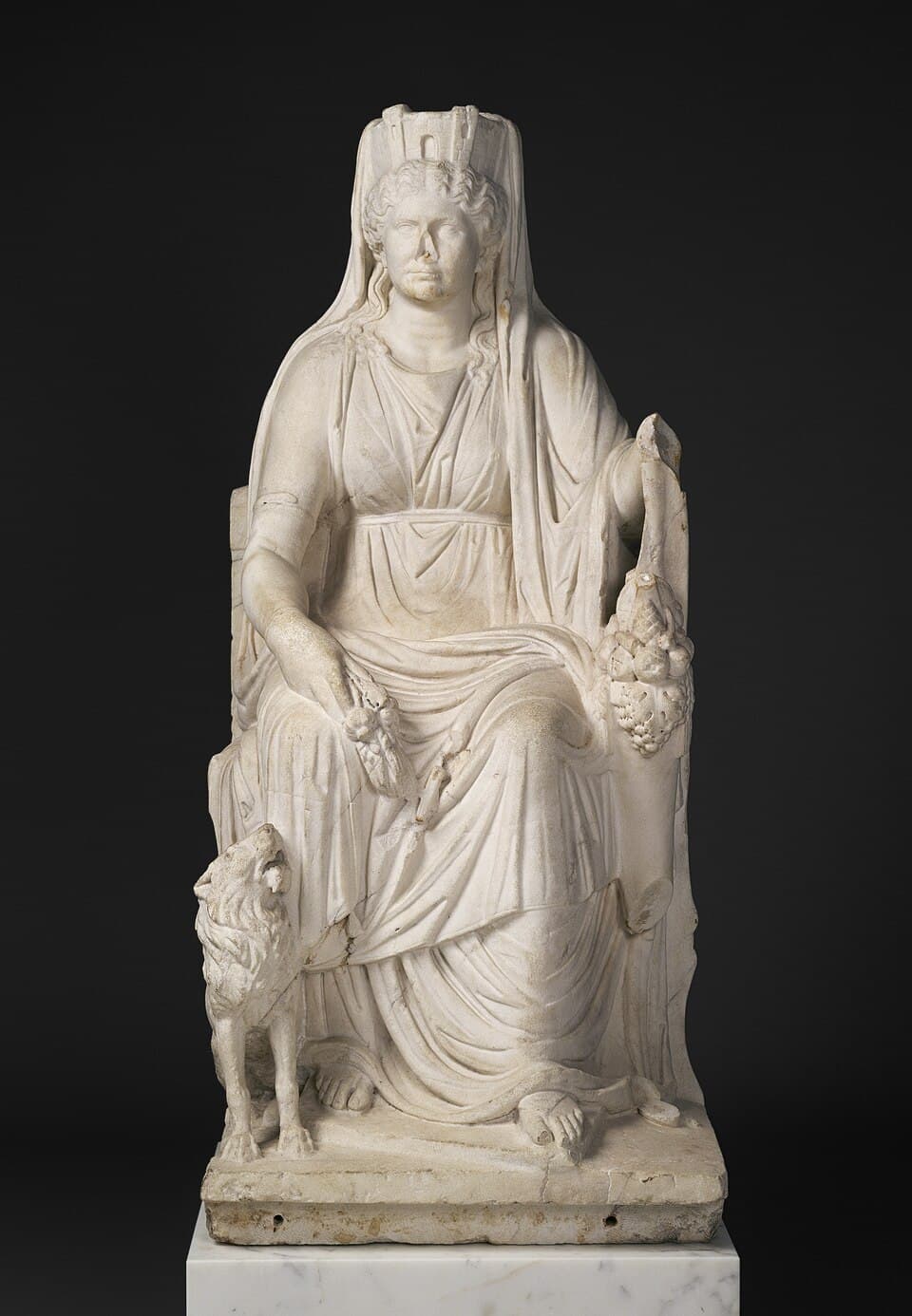
Cybele is an Anatolian mother goddess; she may have a possible forerunner in the earliest Neolithic at Çatalhöyük. Greek colonists in Asia Minor adopted and adapted her Phrygian cult and spread it to mainland Greece and to the more distant western Greek colonies around the sixth century BC.
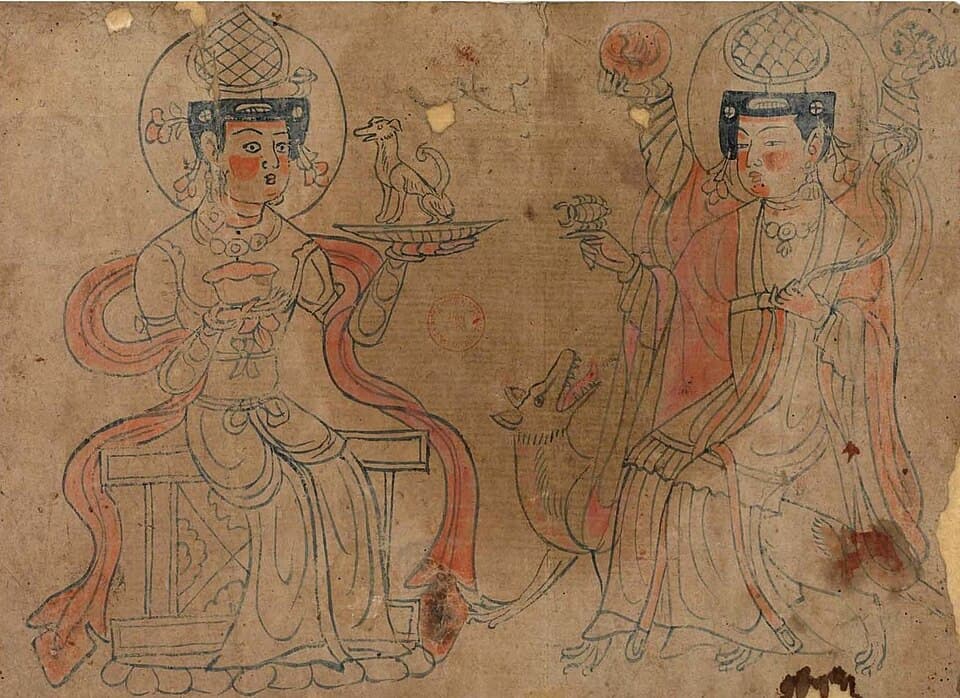
Daēnā is a Zoroastrian concept representing insight and revelation, hence "conscience" or "religion. " Alternately, Daena is considered to be a divinity, counted among the yazatas.
A daeva is a Zoroastrian supernatural entity with disagreeable characteristics. In the Gathas, the oldest texts of the Zoroastrian canon, the daevas are "gods that are rejected". This meaning is – subject to interpretation – perhaps also evident in the Old Persian "daiva inscription" of the 5th century BC.
Dahman or Dahman Afrin is the Avestan language name of a Zoroastrian concept, later considered to be the embodiment of prayer, and ultimately (also) as a divinity, one of the yazatas.
Deism is the belief, based solely upon logic and observation while rejecting any supernatural speculation, that a Supreme Being or God created the universe. As a philosophical position and rationalistic theology that rejects prophecies, revelations, and religious texts as legitimate or reliable sources of divine knowledge, Deism instead asserts that empirical reason and observation of the natural world are exclusively logical, reliable, and sufficient to determine the existence of a creator God.

Discordianism is a belief system based around Eris, the Greek goddess of strife and discord, and variously defined as a religion, new religious movement, virtual religion, or somewhere between parody and social commentary. It was founded after the 1963 publication of its holy book, Principia Discordia, written by Greg Hill with Kerry Wendell Thornley, the two working under the pseudonyms Malaclypse the Younger and Omar Khayyam Ravenhurst.

Divinity refers to the quality, presence, or nature of that which is divine—a term that, before the rise of monotheism, evoked a broad and dynamic field of sacred power. In the ancient world, divinity was not limited to a single deity or abstract ideal but was recognized in multiple forms: as a radiant attribute possessed by gods, as a vital force cushioning nature, and even as a quality glimpsed in extraordinary humans, laws, or acts. The Latin divinitas and its Greek counterparts conveyed something both immanent and awe-inspiring: a presence that could be felt in thunder, justice, ecstasy, fate, or beauty.

Druidry, sometimes termed Druidism, is a modern movement of spirituality or religion that promotes the cultivation of honorable relationships with the physical landscapes, flora, fauna, and diverse peoples of the world, as well as with nature deities, and spirits of nature and place. Theological beliefs among modern Druids are diverse; however, all modern Druids venerate the divine essence of nature. While there are significant variations in the expression and practice of modern Druidry, a core set of spiritual and devotional practices may be observed, including: meditation; prayer/conversation with deities and spirits; the use of extra-sensory methods of seeking wisdom and guidance; the use of nature-based spiritual frameworks to structure devotional practices and rituals; and a regular practice of nature connection and environmental stewardship work.

The Druze, who call themselves al-Muwaḥḥidūn, are an esoteric religious group of Arabs who adhere to Druzism or the Druze faith, an Abrahamic, esoteric, monotheistic, ethnic, and syncretic religion whose main tenets assert the unity of God, reincarnation, and the eternity of the soul.
Drvaspa is the Avestan language name of an "enigmatic" and "strangely discreet" Zoroastrian divinity, whose name literally means "with solid horses" and which she is then nominally the hypostasis of.

Entheogens are psychoactive substances used in spiritual, religious, recreational, therapeutic, and experimental contexts to induce altered states of consciousness. While the term itself emphasizes ritual and sacred applications, the same substances are also frequently employed recreationally—sometimes in ways that diverge from or disregard traditional protocols. Hallucinogens such as the psilocybin found in so-called "magic" mushrooms have been used in sacred contexts since ancient times.
In religion, faith is the "belief in God or in the doctrines or teachings of religion".
The Farāvahār, also called the Foruhār (فروهر) or the Fārre Kiyâni, is one of the most prominent symbols of Zoroastrianism. There is no universal consensus on what it means or stands for, as a variety of interpretations exist. The most common belief is that it depicts the fravaṣ̌i, which is the Zoroastrian concept of one's personal spirit.
Frashokereti is the Avestan language term for the Zoroastrian doctrine of a final renovation of the universe, when evil will be destroyed, and everything else will be then in perfect unity with God.

Fravashi is the Avestan term for the Zoroastrian concept of a personal spirit of an individual, whether dead, living, or yet-unborn. The fravashi of an individual sends out the urvan into the material world to fight the battle of good versus evil. On the morning of the fourth day after death, the urvan returns to its fravashi, where its experiences in the material world are collected to assist the next generation in their fight between good and evil.
The Friends of Man are a Christian denomination founded in 1919 by Frédéric-Louis-Alexandre Freytag, the former Branch manager of the Swiss Watch Tower Society since 1912. He founded a group first named the Angel of the Lord, Angel of Jehovah Bible and Tract Society, then Church of the Kingdom of God or the Philanthropic Assembly of the Friends of Man.
Gavaevodata is the Avestan language name of the primordial bovine of Zoroastrian cosmogony and cosmology, one of Ahura Mazda's six primordial material creations and the mythological progenitor of all beneficent animal life.

The Goddess movement is a revivalistic Neopagan religious movement which includes spiritual beliefs and practices that emerged primarily in the United States in the late 1960s and predominantly in the Western world during the 1970s. The movement grew as a reaction both against patriarchal Abrahamic religions, which refer to God to using masculine grammatical articles and pronouns, and secularism. It revolves around Goddess worship and the veneration for the divine feminine, and may include a focus on women or on one or more understandings of gender or femininity.
Haoma is a divine plant in Zoroastrianism and in later Persian culture and mythology. Haoma has its origins in Indo-Iranian religion and is the cognate of Vedic soma.

Haredi Judaism is a sector of Orthodox Judaism that is characterized by its strict interpretation of religious sources and its accepted halakha and traditions, in opposition to more accommodating values and practices. Its members are often referred to as ultra-Orthodox in English, a term considered pejorative by many of its adherents, who prefer the term strictly Orthodox or Haredi. Haredim regard themselves as the most authentic custodians of Jewish religious law and tradition which, in their opinion, is binding and unchangeable.

Haurvatat is the Avestan language word for the Zoroastrian concept of "wholeness" or "perfection. " In post-Gathic Zoroastrianism, Haurvatat was the Amesha Spenta associated with water, prosperity, and health.
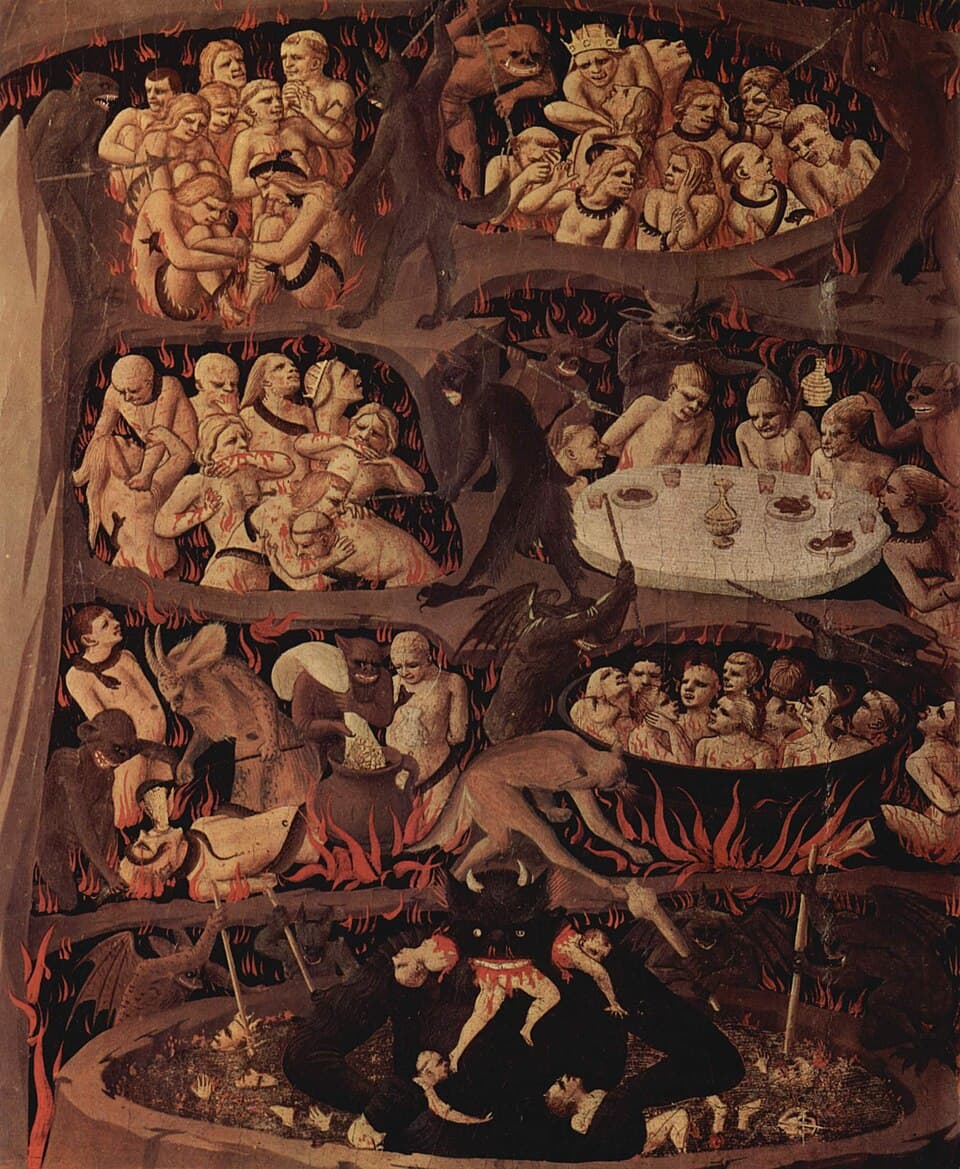
In religion and folklore, hell is a location or state in the afterlife in which souls are subjected to punishment after death. Religions with a linear divine history sometimes depict hells as eternal, such as in some versions of Christianity and Islam, whereas religions with reincarnation usually depict a hell as an intermediary period between incarnations, as is the case in the Indian religions. Religions typically locate hell in another dimension or under Earth's surface.
The Holiness movement is a Christian movement that emerged chiefly within 19th-century Methodism, and to a lesser extent influenced other traditions, such as Quakerism, Anabaptism, and Restorationism. Churches aligned with the holiness movement teach that the life of a born-again Christian should be free of sin. The movement is historically distinguished by its emphasis on the doctrine of a second work of grace, which is called entire sanctification or Christian perfection.

Hvare-khshaeta is the Avestan language name of the Zoroastrian yazata (divinity) of the "Radiant Sun".
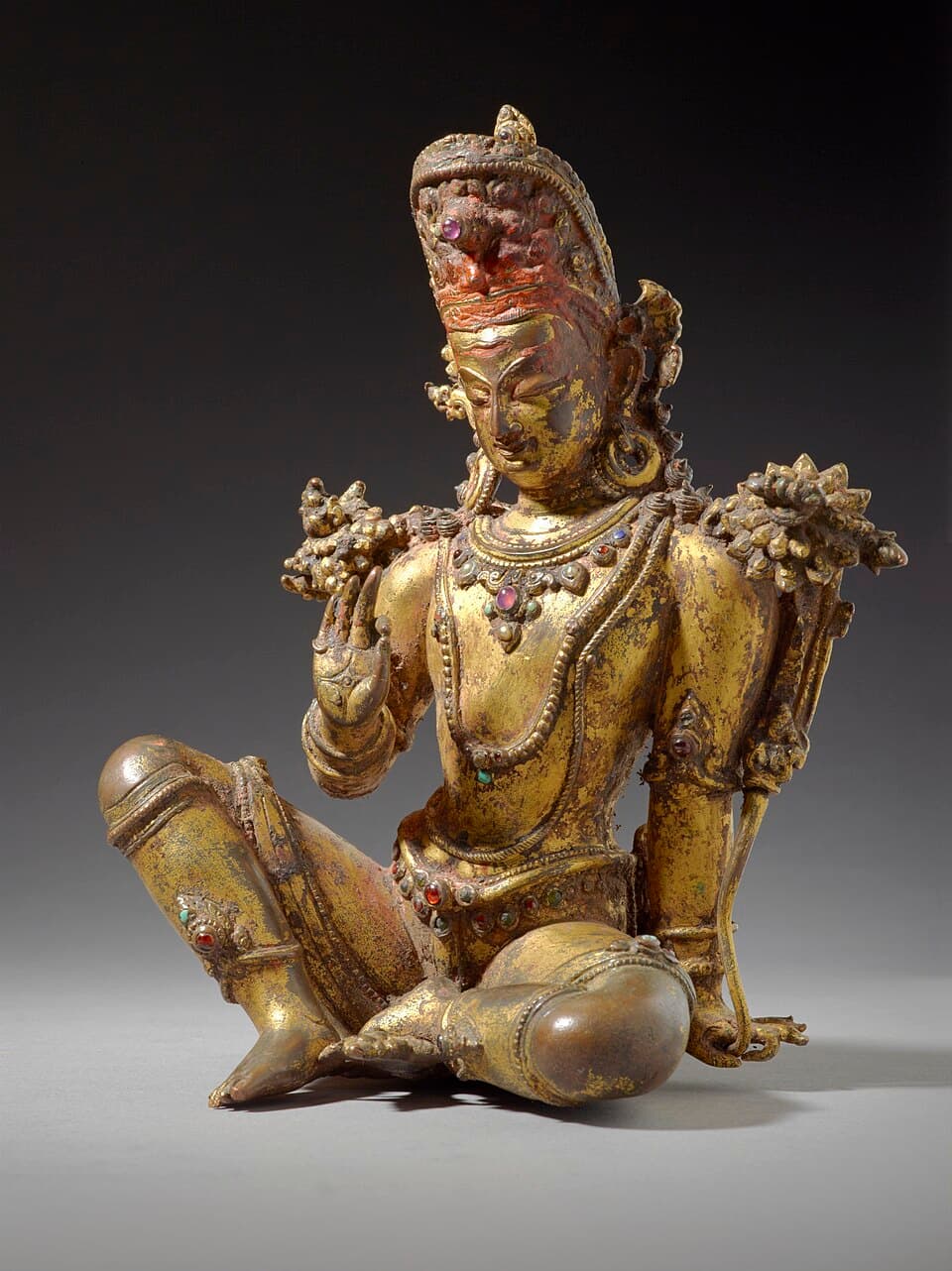
Indra is the Vedic god of weather, considered the king of the devas and the realm of Svarga in Hinduism. He is associated with the sky, lightning, weather, thunder, storms, rains, river flows, and war.

Jeung San Do (Korean: 증산도), occasionally called Jeungsanism, meaning "The Dao/Tao of Jeung-san", although this term is better reserved for a larger family of movements, is a new religious movement founded in South Korea in 1974. It is one of the most recognized movement of more than 100 Korean religious movements that recognize and revere Gahng Il-sun, an early 20th century religious leader who was known at the time as the Jeungsan Cheonsa(천사, 증산천사, divine teacher), as the incarnation and personification of Sangjenim and performed a "reordering of the universe(Cheonji-Gongsa)" through his mission and rituals. The religion is characterised by a universal message, millenarianism, and a method of healing meditation.

Judaism is an Abrahamic, monotheistic, ethnic religion that comprises the collective spiritual, cultural, and legal traditions of the Jewish people. Religious Jews regard Judaism as their means of observing the Mosaic covenant, which they believe was established between God and the Jewish people. The religion is considered one of the earliest monotheistic religions.
Karaite Judaism or Karaism is a Jewish sect characterized by the recognition of the written Tanakh alone as its supreme authority in halakha and theology, and rejection of Rabbinic authority or traditions. Karaites believe that all of the divine commandments which were handed down to Moses by God were recorded in the written Torah without any additional Oral Torah or explanation.

Kaumaram is a Hindu denomination that primarily venerates the Hindu deity of war, Kartikeya, also known as Kumaran, Murugan, Arumugan, and Subrahmanyan. Devotees of Kumaran, called Kaumaras, also revere members of his family: Parvati, Shiva, and Ganesha, as well as his consorts, Devasena and Sundaravalli, the daughters of Vishnu in Tamil tradition. The important theological texts relating to Kumara are a part of the Shaiva agama canon.
The Kharijites were an Islamic sect which emerged during the First Fitna (656–661). The first Kharijites were supporters of Ali who rebelled against his acceptance of arbitration talks to settle the conflict with his challenger, Mu'awiya, at the Battle of Siffin in 657. They asserted that "judgment belongs to God alone", which became their motto, and that rebels such as Mu'awiya had to be fought and overcome according to Qur'anic injunctions.
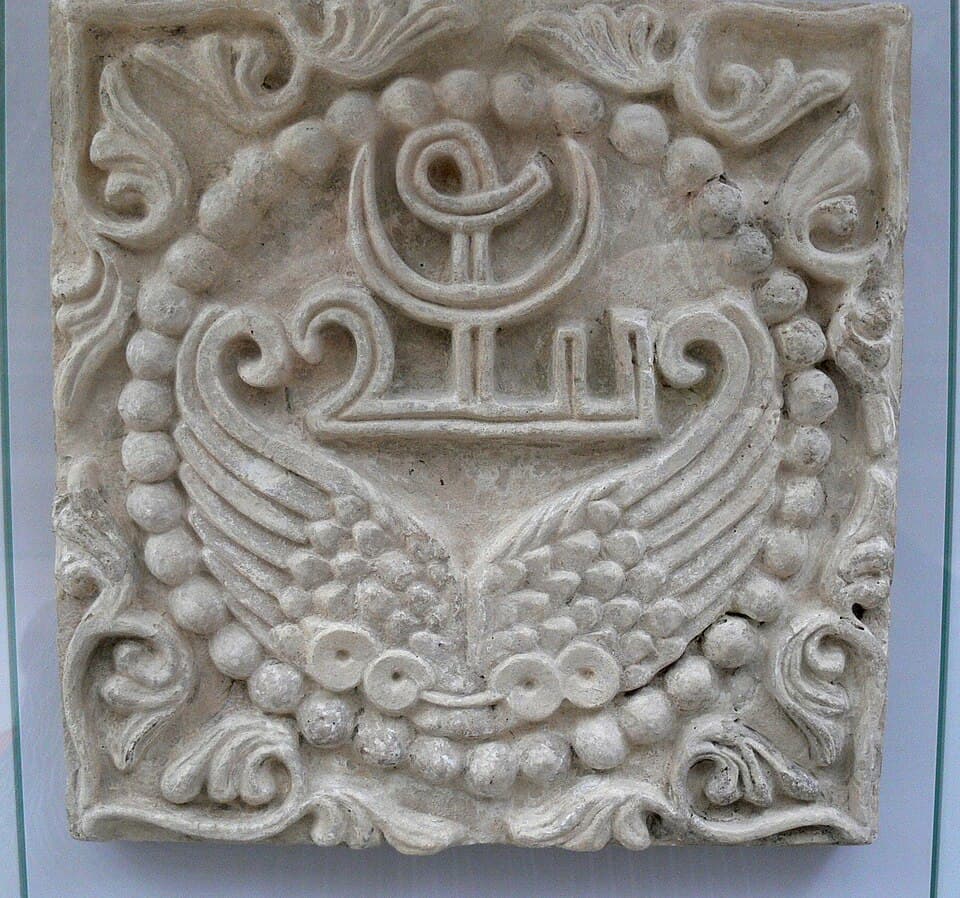
Khvarenah (Avestan: 𐬓𐬀𐬭𐬆𐬥𐬀𐬵, romanized: xvarənah), also spelled khwarenah or xwarra(h), in New Persian Farr, is a mystical radiant force emanating from men chosen by God that confers upon them both divine right of kings and the cosmic capacity to do so justly.

Krishnaism is a term used in scholarly circles to describe large group of independent Hindu traditions—sampradayas related to Vaishnavism—that center on the devotion to Krishna as Svayam Bhagavan, Ishvara, Para Brahman, who is the source of all reality, not simply an avatar of Vishnu. This is its difference from such Vaishnavite groupings as Sri Vaishnavism, Sadh Vaishnavism, Ramaism, Radhaism, and Sitaism. There is also a personal Krishnaism, that is devotion to Krishna outside of any tradition and community, as in the case of the saint-poet Mirabai.
Kshatra Vairya is one of the great seven "Amesha Spenta" of Ahura Mazda in the Zoroastrian religion.

The Lingayats are a monotheistic religious denomination of Hinduism. Lingayats are known for their unique practice of Ishtalinga worship, where adherents carry a personal linga symbolizing a constant, intimate relationship with Parashiva. A radical feature of Lingayats is their staunch opposition to the caste system and advocacy for social equality, challenging societal norms of the time.

Liturgy is the customary public ritual of worship performed by a religious group. As a religious phenomenon, liturgy represents a communal response to and participation in the sacred through activities reflecting praise, thanksgiving, remembrance, supplication, or repentance. It forms a basis for establishing a relationship with God or the divine.
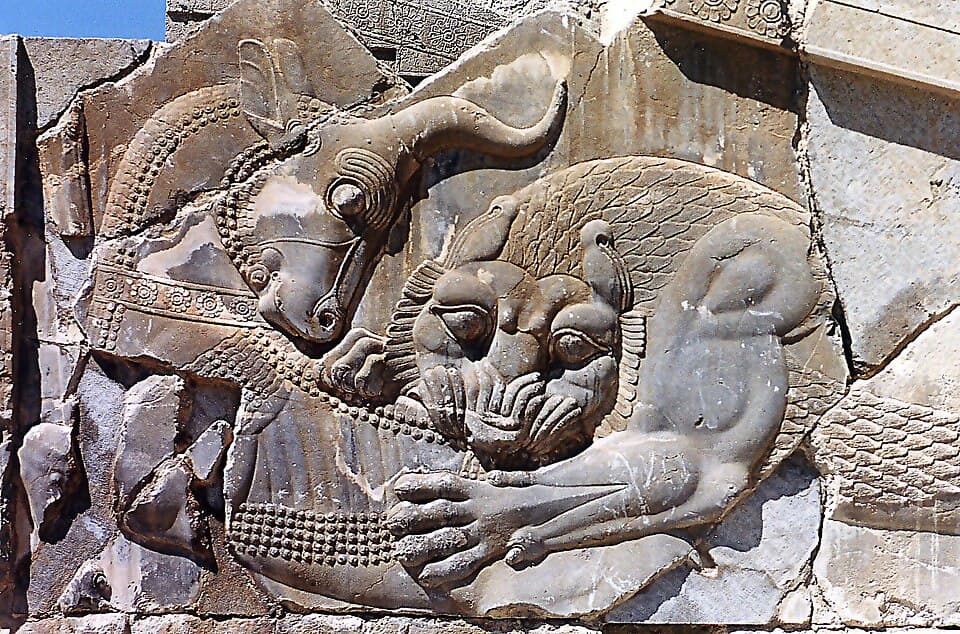
Mångha is the Avestan for "Moon, month", equivalent to Persian Māh . It is the name of the lunar deity in Zoroastrianism. The Iranian word is masculine.

Mahayana is the largest branch of Buddhism, followed by Theravada. It is a broad group of Buddhist traditions, texts, philosophies, and practices that developed in various regions and Buddhist communities of ancient India. Mahāyāna Buddhism accepts the main scriptures and teachings of early Buddhism but also recognizes various scriptures that are not accepted by Theravāda Buddhism as canonical.

Manichaeism was a major world religion founded in the third century CE by the Parthian Iranian prophet Mani (216–274) in the Sasanian Empire. It taught an elaborate dualistic cosmology describing the struggle between a good spiritual world of light, and an evil material world of darkness. Through an ongoing process in human history, light is gradually removed from the world of matter and returned to the world of the divine.
Mazdaznan is a neo-Zoroastrian new religious movement which held that the Earth should be restored to a garden where humanity can cooperate and converse with God. Founded at the end of the 19th century by Otoman Zar-Adusht Ha'nish, born Otto Haenisch, the religion was a revival of 6th century Mazdakism. Adherents maintained a vegetarian diet and practiced breathing exercises.
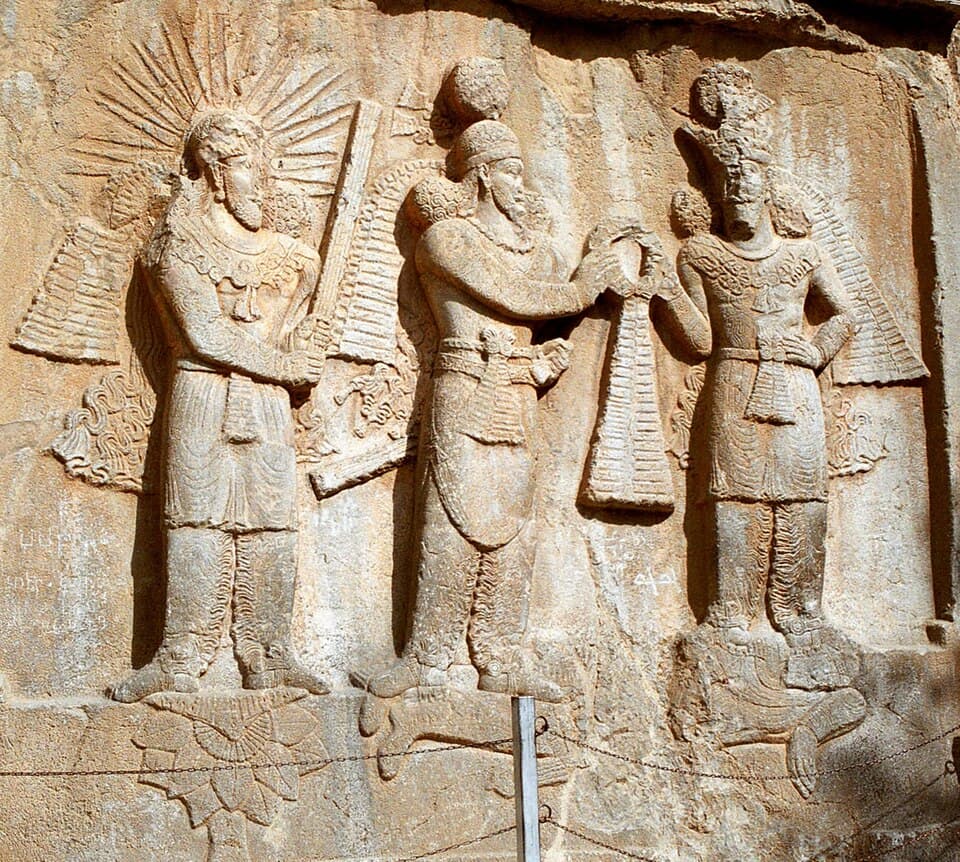
Mithra is an ancient Iranian deity (yazata) of covenants, light, oaths, justice, the Sun, contracts, and friendship. In addition to being the divinity of contracts, Mithra is also a judicial figure, an all-seeing protector of Truth (Asha), and the guardian of cattle, the harvest, and the Waters.

Mithraism, also known as the Mithraic mysteries or the Cult of Mithras, was a Roman mystery religion focused on the god Mithras. Although inspired by Iranian worship of the Zoroastrian divinity (yazata) Mithra, the Roman Mithras was linked to a new and distinctive imagery, and the degree of continuity between Persian and Greco-Roman practice remains debatable. The mysteries were popular among the Imperial Roman army from the 1st to the 4th century AD.
Mitra is the name of an Indo-Iranian divinity that came out of the Rigvedic Mitrá and Avestan Mithra.
Modekngei, or Ngara Modekngei, is a monotheistic religious movement founded around 1915 by Tamadad, a native of the island of Babeldaob, that spread throughout Palau. It rose to political significance between the First and Second World Wars and is currently professed by 5. 7% of Palau's population.
Monotheism is the belief in only one deity, or God. A distinction may be made between exclusive monotheism, in which the one God is a singular existence, and both inclusive and pluriform monotheism, in which multiple gods or godly forms are recognized, but each are postulated as extensions of the same God.

Muhammad was an Arab religious, military, and political leader, and the founder of Islam. According to Islam, he was the final prophet of God who was divinely inspired to preach and confirm the monotheistic teachings of Adam, Noah, Abraham, Moses, Jesus, and other prophets in Islam. He is believed by Muslims to be the Seal of the Prophets, and along with the Quran, his teachings and normative examples form the basis for Islamic religious belief.
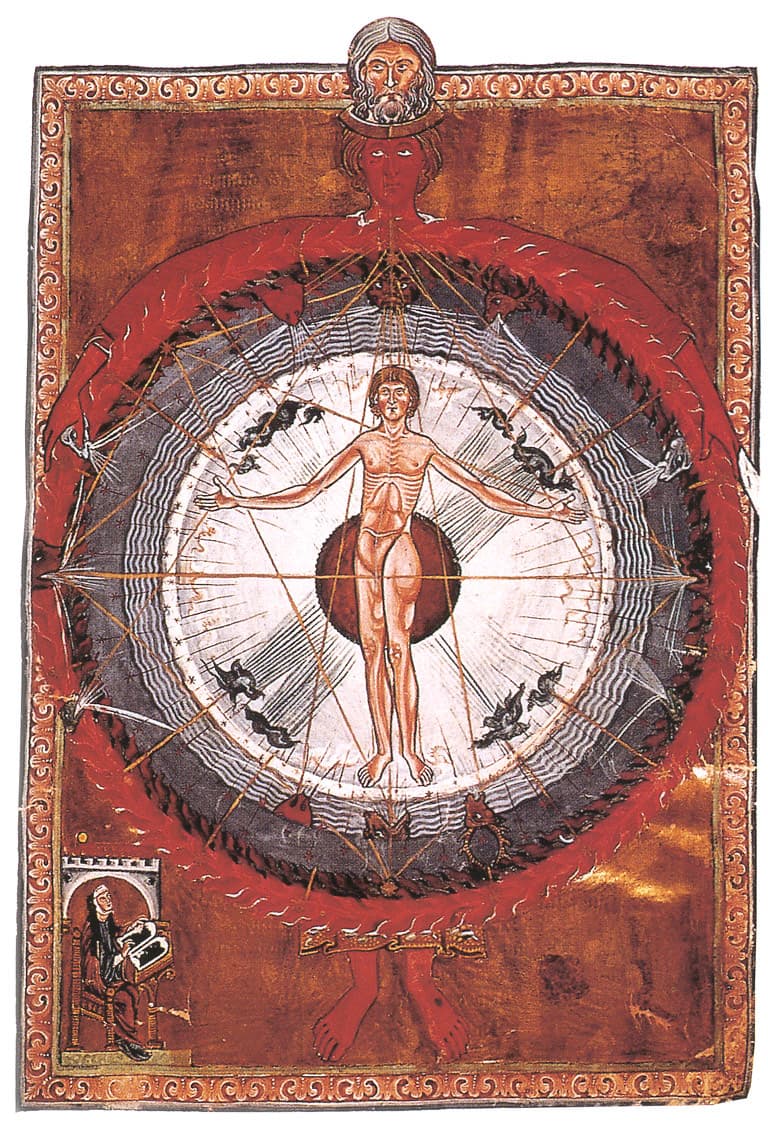
Mysticism encompasses religious traditions of human transformation aided by various practices and religious experiences. Popularly, mysticism is used synonymously with mystical experience, a neologism which refers to an ecstatic unitive experience of becoming one with God, the Absolute, or all that exists.
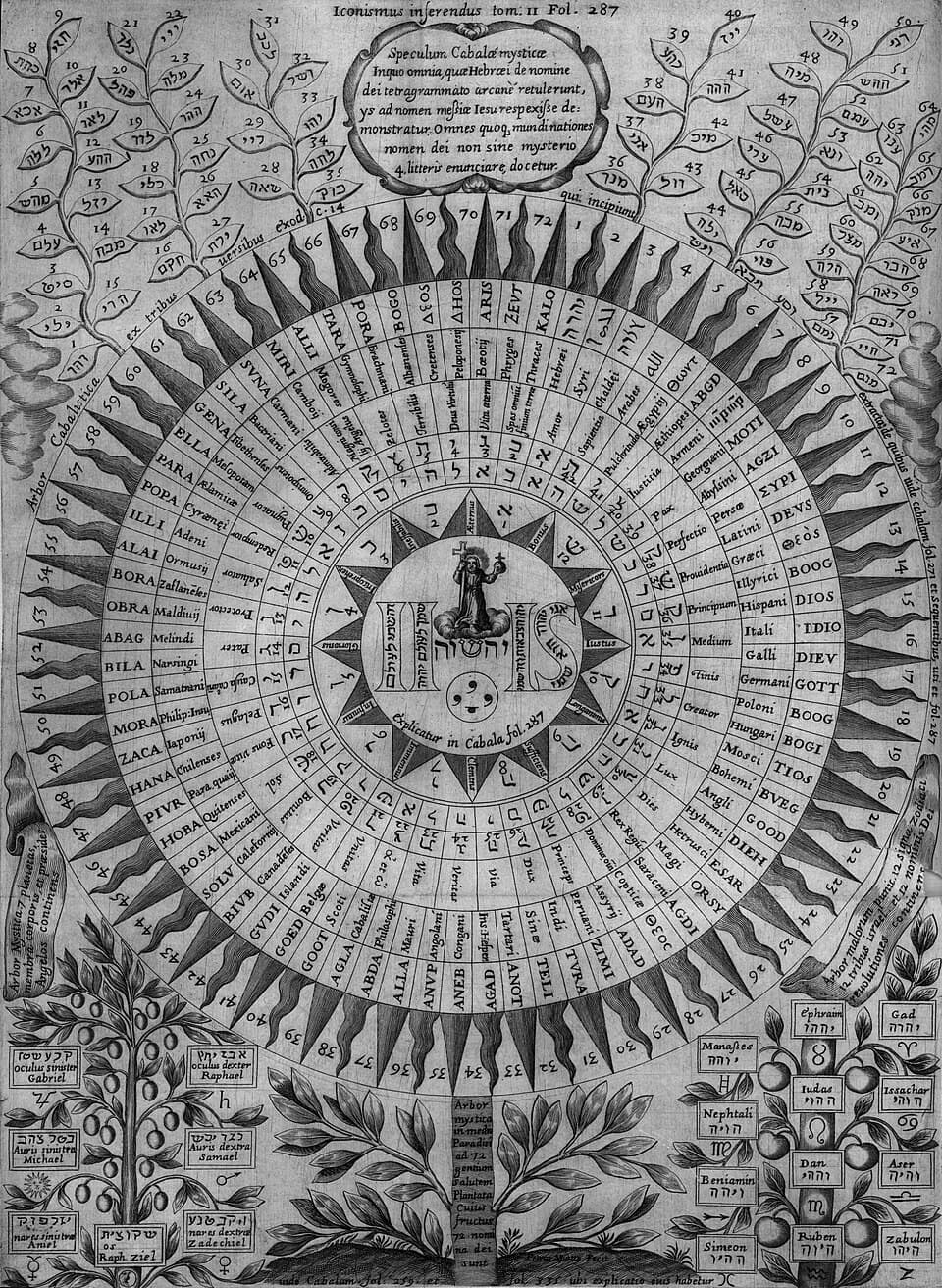
There are various names of God and many titles that refer to God, many of which enumerate the various qualities of a Supreme Being. The English word god is used by multiple religions as a noun to refer to different deities, or specifically to the Supreme Being, as denoted in English by the capitalized and uncapitalized terms God and god. Ancient cognate equivalents for the biblical Hebrew Elohim, one of the most common names of God in the Bible, include proto-Semitic El, biblical Aramaic Elah, and Arabic ilah.

Nature worship, also called naturism or physiolatry, is any of a variety of religious, spiritual and devotional practices that focus on the worship of a nature deity, considered to be behind the natural phenomena visible throughout nature. A nature deity can be in charge of nature, a place, a biotope, the biosphere, the cosmos, or the universe. Nature worship is often considered the primitive source of modern religious beliefs and can be found in animism, pantheism, panentheism, polytheism, deism, totemism, shamanism, Taoism, Hinduism, some theism and paganism including Wicca.
The neo-charismatic movement is a movement within evangelical Christianity that is composed of a diverse range of independent churches and organizations that emphasize the current availability of gifts of the Holy Spirit, such as speaking in tongues and faith healing. The Neo-charismatic movement is considered to be the "third wave" of the Charismatic Christian tradition which began with Pentecostalism, and was furthered by the Charismatic movement. As a result of the growth of postdenominational and independent charismatic groups, Neo-charismatics are now believed to be more numerous than the first and second wave categories.

Nestorianism is a term used in Christian theology and Church history to refer to several mutually related but doctrinally distinct sets of teachings that fall under the umbrella term Dyophysitism, such as two natures in Christ or two persons in Christ. The extent to which those two definitions are actually distinct is also debatable. The first meaning of the term is related to the teachings of Christian theologian Nestorius as according to his immediate opponents at the Council of Ephesus and traditionally used by Miaphysites.
New Age is a range of spiritual or religious practices and beliefs that rapidly grew in Western society during the early 1970s. Its highly eclectic and unsystematic structure makes a precise definition difficult. Although many scholars consider it a religious movement, its adherents typically see it as spiritual or as a unification of mind, body, and spirit, and rarely use the term New Age themselves.

The Nimbarka Sampradaya, also known as the Kumāra Sampradāya, Hamsa Sampradāya, and Sanakādi Sampradāya, is the oldest Vaiṣṇava sect. It was founded by Nimbarka, a Telugu Brahmin yogi and philosopher. It propounds the Vaishnava Bhedabheda theology of Dvaitadvaita (dvaita-advaita) or dualistic non-dualism.
Nontheism or non-theism is a range of both religious and non-religious attitudes characterized by the absence of espoused belief in the existence of God or gods. Nontheism has generally been used to describe apathy or silence towards the subject of gods and differs from atheism, or active disbelief in any gods. It has been used as an umbrella term for summarizing various distinct and even mutually exclusive positions, such as atheism, agnosticism, apatheism, egotheism, ignosticism, ietsism, pantheism, deism, pandeism, skepticism, and transtheism.
Nontrinitarianism is a form of Christianity that does not adhere to the Christian theology of the Trinity—the belief that God is three distinct hypostases or persons who are coeternal, coequal, and indivisibly united in one being, or essence. Certain religious groups that emerged during the Protestant Reformation have historically been known as antitrinitarian.

Odinani, also known as Odinala, Omenala, Odinana, and Omenana, is the traditional cultural belief and practice of the Igbo people of South East and South South Nigeria. These terms, as used here in the Igbo language, are synonymous with the traditional Igbo "religious system" which was not considered separate from the social norms of ancient or traditional Igbo societies. Theocratic in nature, spirituality played a huge role in their everyday lives.
Oneness Pentecostalism is a nontrinitarian movement of Pentecostal Christianity that emphasizes the absolute oneness of God and the full deity of Jesus Christ. It teaches that God is a singular divine spirit—undivided and without distinction of persons—who reveals himself in various ways, including as Father, Son, and Holy Spirit. This theology is often categorized by scholars as a form of Modalistic Monarchianism, though Oneness theologians have sought to distinguish their beliefs from historical Sabellianism and Patripassianism.

Orthodox Judaism is a collective term for the traditionalist branches of contemporary Judaism. Theologically, it is chiefly defined by regarding the Torah, both Written and Oral, as literally revealed by God on Mount Sinai and faithfully transmitted ever since.
Pandeism, or pan-deism, is a theological doctrine that combines aspects of pantheism with aspects of deism. Unlike classical deism, which holds that the creator deity does not interfere with the universe after its creation, pandeism holds that such an entity became the universe and ceased to exist as a separate entity. Pandeism purports to explain why God would create a universe and then appear to abandon it, and pandeism seeks to explain the origin and purpose of the universe.
Panentheism is the belief that the divine intersects every part of the universe and also extends beyond space and time. The term was coined by the German philosopher Karl Krause in 1828 to distinguish the ideas of Georg Wilhelm Friedrich Hegel (1770–1831) and Friedrich Wilhelm Joseph Schelling (1775–1854) about the relation of God and the universe from the supposed pantheism of Baruch Spinoza. Unlike pantheism, which holds that the divine and the universe are identical, panentheism maintains an ontological distinction between the divine and the non-divine and the significance of both.
Pantheism is a diverse family of philosophical and religious beliefs that equate reality with divinity. Pantheistic concepts date back thousands of years, and pantheistic elements have been identified in diverse religious traditions. Most notably, pantheism refers to the belief that the totality of being—called by various names such as Nature, the universe, the cosmos—is a self-organizing unity that needs no distinct, supernatural creator, and that pantheists can address it with the same sense of reverence and dulia as theists attribute to their gods.
Pentecostalism, also known as classical Pentecostalism, is a movement within the evangelical wing of Protestant Christianity that emphasizes direct personal experience of God through baptism with the Holy Spirit. The term Pentecostal is derived from Pentecost, an event that commemorates the descent of the Holy Spirit upon the Apostles and other followers of Jesus Christ while they were in Jerusalem celebrating the Feast of Weeks, as described in the Acts of the Apostles.
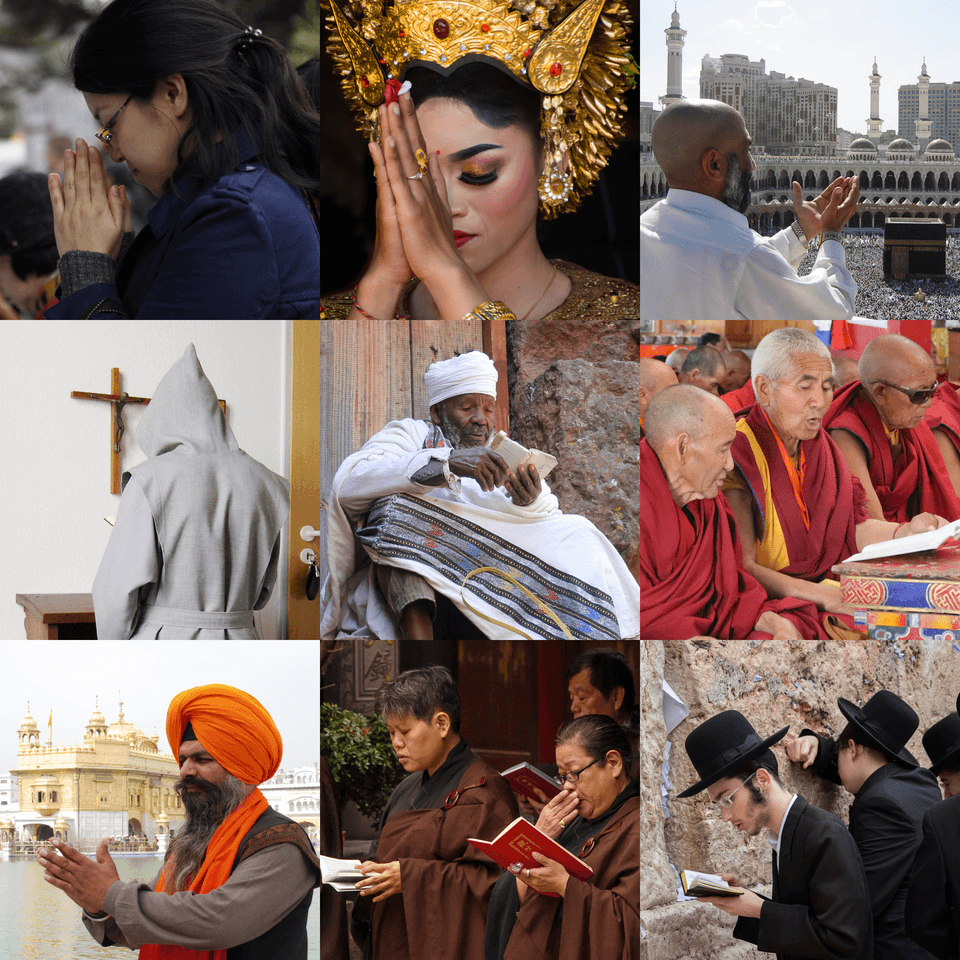
Prayer is an invocation or act that seeks to activate a rapport with an object of worship through deliberate communication. In the narrow sense, the term refers to an act of supplication or intercession directed towards a deity or a deified ancestor. More generally, prayer can also have the purpose of giving thanks or praise, and in comparative religion is closely associated with more abstract forms of meditation and with charms or spells.

In religion, mythology, and fiction, a prophecy is a message that has been communicated to a person by a supernatural entity. Prophecies are a feature of many cultures and belief systems and usually contain divine will or law, or preternatural knowledge, for example of future events. They can be revealed to the prophet in various ways depending on the religion and the story, such as visions, or direct interaction with divine beings in physical form.
Protestantism is a form of Christianity that emphasizes justification of sinners through faith alone, the teaching that salvation comes by unmerited divine grace, the priesthood of all believers, and the Bible as the sole infallible source of authority for Christian faith and practice. The five solæ summarize the basic theological beliefs of mainstream Protestantism.

Quakers are people who belong to the Religious Society of Friends, originally known as simply the Society of Friends, a historically Protestant Christian set of denominations. Members refer to each other as Friends after John 15:14 in the Bible. Originally, others referred to them as Quakers because the founder of the movement, George Fox, told a judge to "quake before the authority of God".
Rashnu is the Avestan language name of the Zoroastrian yazata of justice. Together with Mithra and Sraosha, Rashnu is one of the three judges who pass judgment on the souls of people after death. Rashnu's standard appellation is "the straightest".
Spandaramet or Sandaramet (Սանդարամետ) was the Armenian name of the Zoroastrian yazata Spenta Armaiti, one of the six Amesha Spentas, and the guardian of the earth.
In Zoroastrianism, Spenta Armaiti is one of the Amesha Spentas, the seven divine manifestations of Wisdom and is considered the daughter of Ahura Mazda. While older sources present the Amesha Spentas more as abstract entities, in later sources Spenta Armaiti is personified as a female divinity with connotations of harmony and devotion.

Sraosha, is the Avestan name of the Zoroastrian yazata of "Conscience" and "Observance", which is also the literal meaning of his name.
Complete index
All 119 names, alphabetically. This pantheon is too small for a letter rail to be worth the space — 119 entries do not fill 26 letters — so it runs as one list.