John Shaqi
Western1588–1679

Thomas Hobbes

England

English philosopher of the social contract, author of Leviathan.
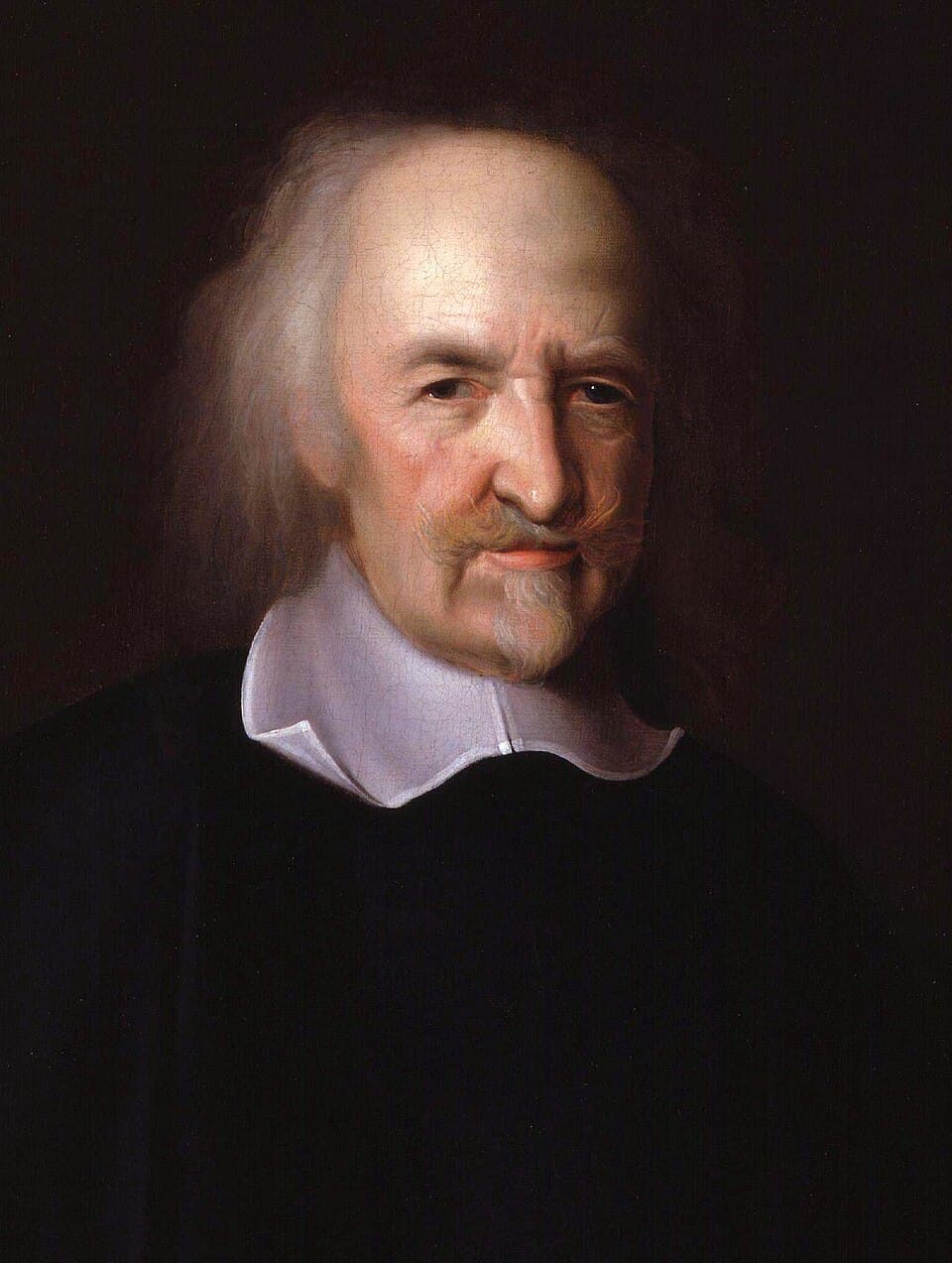
Thomas Hobbes
John Michael Wright · Public domain · Wikimedia Commons

Biography

Thomas Hobbes — born prematurely in 1588 as the Armada approached ("my mother gave birth to twins: myself and fear") — lived ninety-one years through England's religious civil wars and distilled them into the most formidable political treatise in the language.

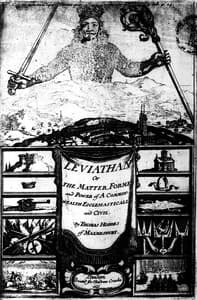
Leviathan (1651) begins not with God but with matter in motion. Man is a machine of appetites; the natural condition of mankind, without a common power to awe us, is war of every man against every man, where life is "solitary, poor, nasty, brutish, and short." Reason's escape is contract: each lays down his right of nature and authorizes a sovereign — one man or assembly — whose word is law and whose power is undivided. The Leviathan, that "mortal god," exists not by divine right but by human covenant made from fear of death: an entirely secular foundation for the state, published while a king's blood was fresh on the scaffold.

Half of Leviathan — the half moderns skip — is about religion, because his enemies were clergy of every party who claimed a power beside the sovereign's. Books III and IV subject scripture itself to political reading: prophecy, miracles, and "the Kingdome of Darknesse" of Aristotle-corrupted theology are examined with corrosive literalism. Religion, he wrote, is "fear of power invisible, feigned by the mind or imagined from tales publicly allowed" — allowed, it is religion; not allowed, superstition. The Church must be under the state, or there are two masters and therefore war.

Accused of atheism in Parliament (he professed a materialist theism — even God, being real, must be body), he prudently burned papers and outlived his accusers, translating Homer in his eighties. Every social-contract theorist since — Locke, Rousseau, Rawls — is arguing with him.

Works

LeviathanThomas Hobbes
Leviathan

Leviathan

en

Political science -- Early works to 1800; State, The -- Early works to 1800

Robert Orange: Being a Continuation of the History of Robert OrangeThomas Hobbes
Robert Orange: Being a Continuation of the History of Robert Orange

Robert Orange: Being a Continuation of the History of Robert Orange

en

Religious fiction

The English works of Thomas Hobbes of Malmesbury, Volume 01 (of 11)Thomas Hobbes
The English works of Thomas Hobbes of Malmesbury, Volume 01 (of 11)

The English works of Thomas Hobbes of Malmesbury, Volume 01 (of 11)

en

Philosophy, English -- 17th century
The English works of Thomas Hobbes of Malmesbury, Volume 02 (of 11)Thomas Hobbes
The English works of Thomas Hobbes of Malmesbury, Volume 02 (of 11)

The English works of Thomas Hobbes of Malmesbury, Volume 02 (of 11)

en

Philosophy, English -- 17th century
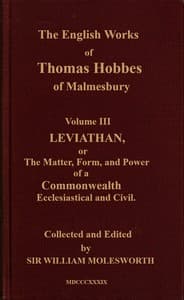
The English works of Thomas Hobbes of Malmesbury, Volume 03 (of 11)Thomas Hobbes
The English works of Thomas Hobbes of Malmesbury, Volume 03 (of 11)

The English works of Thomas Hobbes of Malmesbury, Volume 03 (of 11)

en

Philosophy, English -- 17th century

The English works of Thomas Hobbes of Malmesbury, Volume 04 (of 11)Thomas Hobbes
The English works of Thomas Hobbes of Malmesbury, Volume 04 (of 11)

The English works of Thomas Hobbes of Malmesbury, Volume 04 (of 11)

en

Philosophy, English -- 17th century

The English works of Thomas Hobbes of Malmesbury, Volume 05 (of 11)Thomas Hobbes
The English works of Thomas Hobbes of Malmesbury, Volume 05 (of 11)

The English works of Thomas Hobbes of Malmesbury, Volume 05 (of 11)

en

Philosophy, English -- 17th century

The English works of Thomas Hobbes of Malmesbury, Volume 06 (of 11)Thomas Hobbes
The English works of Thomas Hobbes of Malmesbury, Volume 06 (of 11)

The English works of Thomas Hobbes of Malmesbury, Volume 06 (of 11)

en

Philosophy, English -- 17th century

The English works of Thomas Hobbes of Malmesbury, Volume 07 (of 11)Thomas Hobbes
The English works of Thomas Hobbes of Malmesbury, Volume 07 (of 11)

The English works of Thomas Hobbes of Malmesbury, Volume 07 (of 11)

en

Philosophy, English -- 17th century
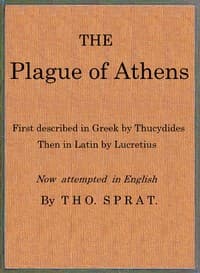
The Plague of Athens, which hapned in the second year of the Peloponnesian Warre: First described in Greek by Thucydides; then in Latin by Lucretius. Now attempted in EnglishThomas Hobbes
The Plague of Athens, which hapned in the second year of the Peloponnesian Warre: First described in Greek by Thucydides; then in Latin by Lucretius. Now attempted in English

The Plague of Athens, which hapned in the second year of the Peloponnesian Warre: First described in Greek by Thucydides; then in Latin by Lucretius. Now attempted in English

en

Greece -- History -- Peloponnesian War, 431-404 B.C.; Plague -- Greece -- Athens

LeviathanThomas Hobbes
Leviathan

Leviathan

English

Quote Attribution

Identify the philosopher behind a quote using AI.

Books by & about Thomas Hobbes

Works by and about Thomas Hobbes — readable in full, right here in the Library.

A Discourse of a Method for the Well Guiding of Reason: and the Discovery of Truth in the SciencesDescartes, René

A Discourse of a Method for the Well Guiding of Reason: and the Discovery of Truth in the Sciences

Descartes, René

Read on site →
A System of Logic, Ratiocinative and InductiveMill, John Stuart
A System of Logic, Ratiocinative and Inductive

A System of Logic, Ratiocinative and Inductive

Mill, John Stuart

Read on site →
A Theological-Political Treatise [Part III]Spinoza, Benedictus de

A Theological-Political Treatise [Part III]

Spinoza, Benedictus de

Read on site →
A Theological-Political Treatise [Part IV]Spinoza, Benedictus de

A Theological-Political Treatise [Part IV]

Spinoza, Benedictus de

Read on site →
A Treatise of Human Nature: Being an Attempt to Introduce the Experimental Method Into Moral Subjects; and Dialogues Concerning Natural ReligionHume, David
A Treatise of Human Nature: Being an Attempt to Introduce the Experimental Method Into Moral Subjects; and Dialogues Concerning Natural Religion

A Treatise of Human Nature: Being an Attempt to Introduce the Experimental Method Into Moral Subjects; and Dialogues Concerning Natural Religion

Hume, David

Read on site →
Alice in Wonderland: A Dramatization of Lewis Carroll's "Alice's Adventures in Wonderland" and "Through the Looking Glass"Carroll, Lewis
Alice in Wonderland: A Dramatization of Lewis Carroll's "Alice's Adventures in Wonderland" and "Through the Looking Glass"

Alice in Wonderland: A Dramatization of Lewis Carroll's "Alice's Adventures in Wonderland" and "Through the Looking Glass"

Carroll, Lewis

Read on site →
Alice's Adventures in WonderlandCarroll, Lewis
Alice's Adventures in Wonderland

Alice's Adventures in Wonderland

Carroll, Lewis

Read on site →
An Enquiry Concerning Human UnderstandingHume, David
An Enquiry Concerning Human Understanding

An Enquiry Concerning Human Understanding

Hume, David

Read on site →
An Enquiry Concerning the Principles of MoralsHume, David
An Enquiry Concerning the Principles of Morals

An Enquiry Concerning the Principles of Morals

Hume, David

Read on site →
Analysis of the Phenomena of the Human MindMill, James
Analysis of the Phenomena of the Human Mind

Analysis of the Phenomena of the Human Mind

Mill, James

Read on site →
AnthemRand, Ayn
Anthem

Anthem

Rand, Ayn

Read on site →
ApologyPlato
Apology

Apology

Plato

Read on site →
Apology, Crito, and Phaedo of SocratesPlato

Apology, Crito, and Phaedo of Socrates

Plato

Read on site →
Aristotle on the art of poetryAristotle
Aristotle on the art of poetry

Aristotle on the art of poetry

Aristotle

Read on site →
Aristotle's History of Animals: In Ten BooksAristotle
Aristotle's History of Animals: In Ten Books

Aristotle's History of Animals: In Ten Books

Aristotle

Read on site →
Aristotle's works:: Containing the Master-piece, Directions for Midwives, and Counsel and Advice to Child-bearing Women with Various Useful RemediesAristotle, pseud.

Aristotle's works:: Containing the Master-piece, Directions for Midwives, and Counsel and Advice to Child-bearing Women with Various Useful Remedies

Aristotle, pseud.

Read on site →
Auguste Comte and PositivismMill, John Stuart
Auguste Comte and Positivism

Auguste Comte and Positivism

Mill, John Stuart

Read on site →
AutobiographyMill, John Stuart
Autobiography

Autobiography

Mill, John Stuart

Read on site →
Beyond Good and EvilNietzsche, Friedrich Wilhelm
Beyond Good and Evil

Beyond Good and Evil

Nietzsche, Friedrich Wilhelm

Read on site →
CandideVoltaire
Candide

Candide

Voltaire

Read on site →
CharmidesPlato
Charmides

Charmides

Plato

Read on site →
Considerations on Representative GovernmentMill, John Stuart
Considerations on Representative Government

Considerations on Representative Government

Mill, John Stuart

Read on site →
CratylusPlato
Cratylus

Cratylus

Plato

Read on site →
CritiasPlato
Critias

Critias

Plato

Read on site →