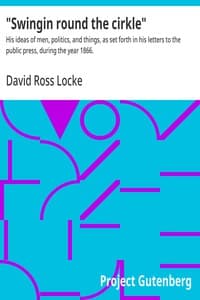
"Swingin round the cirkle" : $b His ideas of men, politics, and things, as set forth in his letters to the public press, during the year 1866.
en
Campaign literature -- Republican; United States -- Politics and government -- 1865-1869 -- Humor
England
English founder of empiricism and liberalism, theorist of natural rights and government by consent.
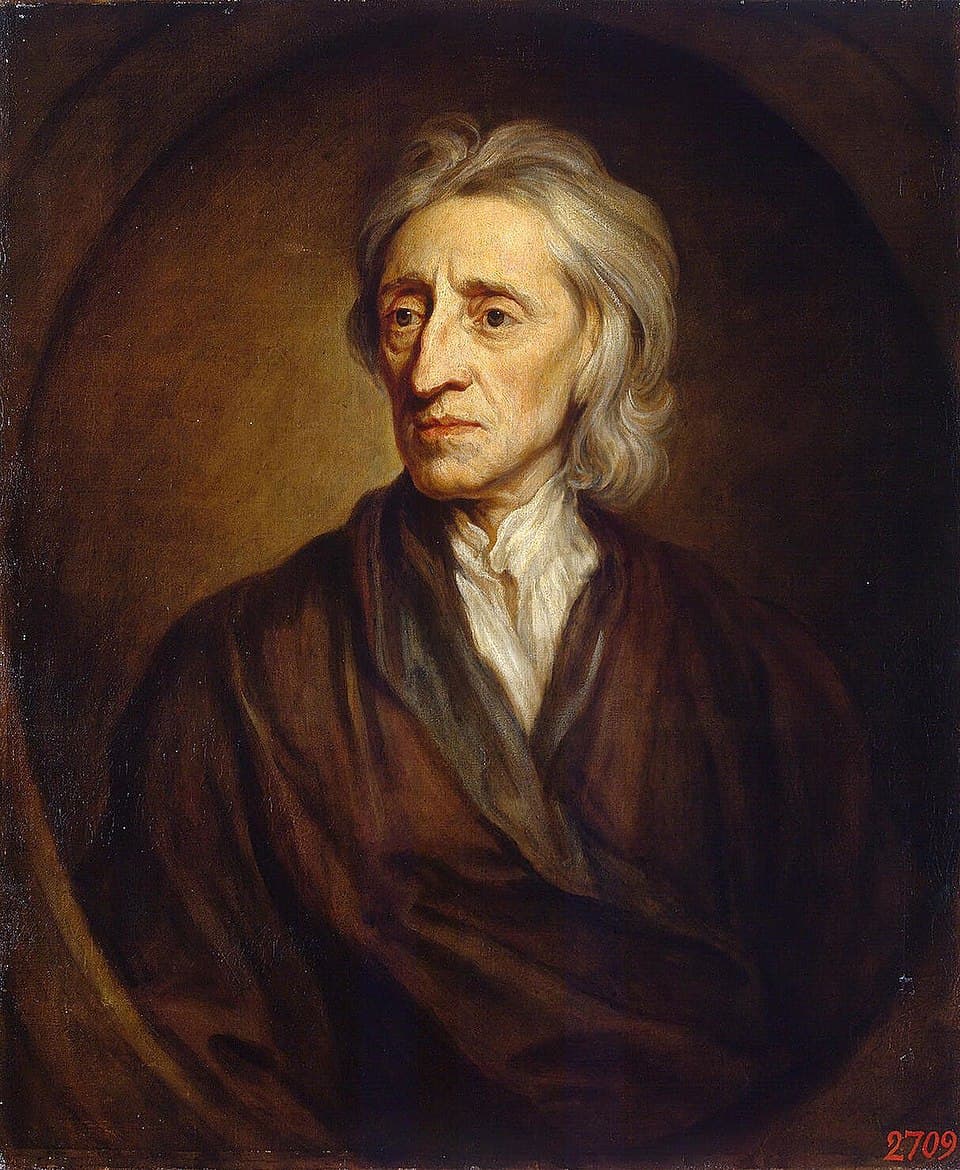
John Locke — physician, Oxford don, political exile, and after 1688 the house philosopher of England's Glorious Revolution — built the empiricist framework within which English-language argument about religion still moves.
The Essay Concerning Human Understanding (1689) demolished innate ideas: the mind begins as white paper, and all knowledge derives from sensation and reflection. Yet Locke was no skeptic about God. He held a demonstrative proof from our own existence back to an eternal cogitative being, and in The Reasonableness of Christianity (1695) argued that the gospel's essentials are few — Jesus is the Messiah — and its morality reason's own, delivered with an authority plain men could receive.
His signature category was the boundary line. Above reason (revelation may teach what reason cannot discover), according to reason, and contrary to reason (which no alleged revelation can be, since the credentials of revelation are themselves weighed by reason). "Reason must be our last judge and guide in everything," the Essay concludes — a sentence that made enthusiasm and infallibility equally suspect and set the terms for a century of debate about miracles and testimony that Hume would radicalize.
The Letter Concerning Toleration (1689) is his most consequential religious text: the state exists for civil goods, the soul cannot be saved by force, and churches are voluntary societies. He notoriously stopped short — no toleration for atheists (whose oaths, he thought, bind nothing) — and his line was redrawn by his heirs. American disestablishment and the First Amendment are, in large part, applied Locke; so is the two-treatise doctrine that legitimate government rests on consent, written against the divine right of kings.
en
Campaign literature -- Republican; United States -- Politics and government -- 1865-1869 -- Humor

en
Building trades -- Employees -- Labor unions -- Illinois -- Chicago; Strikes and lockouts -- Building trades -- Illinois -- Chicago; Strikes and lockouts -- Illinois -- Chicago
en
Great Britain -- Foreign relations -- Sweden; Sweden -- Foreign relations -- Great Britain; Sweden -- History -- Christina, 1632-1654

en
Boardinghouses -- Fiction; Geneva (Switzerland) -- Fiction; Man-woman relationships -- Fiction; Mate selection -- Fiction
en
United States -- History -- Civil War, 1861-1865 -- Personal narratives, Confederate

en
Bildungsromans; Christian fiction; England -- Fiction; Labor movement -- Fiction; Poets -- Fiction; Tailors -- Fiction; Working class -- Fiction; Young men -- Fiction
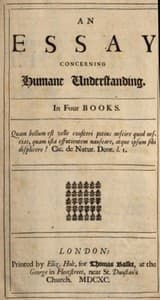
en
Knowledge, Theory of -- Early works to 1800
en
Knowledge, Theory of -- Early works to 1800
en
London (England) -- Fiction; Man-woman relationships -- Fiction; Women artists -- Fiction
en
Aunts -- Juvenile fiction; Christian life -- Juvenile fiction; Conduct of life -- Juvenile fiction; Cousins -- Juvenile fiction; Family -- Juvenile fiction; Fathers and daughters -- Juvenile fiction; Girls -- Conduct of life -- Juvenile fiction; Jealousy -- Juvenile fiction; Lockets -- Juvenile fict
en
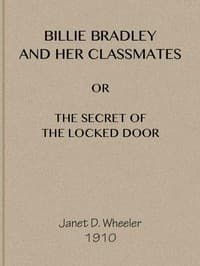
Boarding school students -- Juvenile fiction; Boarding schools -- Juvenile fiction; Competition -- Juvenile fiction; Detective and mystery stories; Humanitarianism -- Juvenile fiction; Rescues -- Juvenile fiction; Schools -- Juvenile fiction; Winter sports -- Juvenile fiction
en
Reconstruction (U.S. history, 1865-1877); Southern States -- Social conditions
en
Fraud -- Juvenile fiction; Mystery and detective stories; Swindlers and swindling -- Juvenile fiction

en
Divorce -- Fiction; London (England) -- Fiction; Man-woman relationships -- Fiction; Murder -- Fiction; Trials (Murder) -- Fiction
en
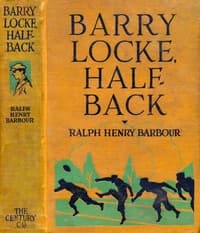
Baseball managers -- Juvenile fiction; Baseball stories; Swindlers and swindling -- Juvenile fiction; Teamwork (Sports) -- Juvenile fiction

en
Nemaha County (Kan.) -- History; Wetmore (Kan.) -- History
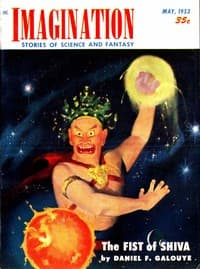
en
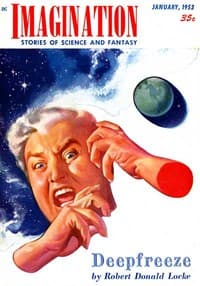
Human-alien encounters -- Fiction; Science fiction; Short stories; Space ships -- Fiction
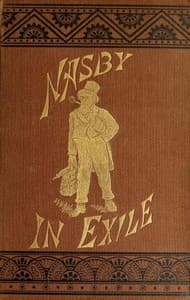
en
Europe -- Description and travel

en
Political science -- Great Britain -- History
en
Liberty -- Early works to 1800; Political science -- Early works to 1800; Toleration -- Early works to 1800


en
England -- Fiction; Man-woman relationships -- Fiction; Political fiction
en
Lawyers -- Fiction; Middle-aged men -- Fiction; Runaway husbands -- Fiction; Voyages and travels -- Fiction
en
Franklin, Benjamin, 1706-1790; Statesmen -- United States -- Biography

en
Generals -- United States -- Biography; Georgia -- History -- Revolution, 1775-1783; Marion, Francis, 1732-1795; South Carolina -- History -- Revolution, 1775-1783; South Carolina -- Militia -- Biography; Swamp Fox; United States -- History -- Revolution, 1775-1783 -- Campaigns
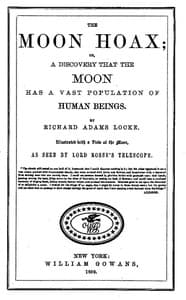
en
Astronomy -- Miscellanea; Biographical fiction; Herschel, John F. W. (John Frederick William), 1792-1871 -- Fiction; Moon -- Miscellanea; Science fiction
en
Guardian and ward -- Fiction; Inheritance and succession -- Fiction; Scholars -- Fiction
en
Circus -- Fiction; Clowns -- Fiction; World War, 1914-1918 -- Veterans -- Fiction
en
Bible. Jonah -- Commentaries

en
Disabled veterans -- England -- Fiction; People with disabilities -- Fiction; World War, 1914-1918 -- England -- Fiction

en
Adultery -- Fiction; England -- Fiction; Families -- Fiction; Man-woman relationships -- Fiction
en
British -- Egypt -- Fiction; British -- France -- Fiction; English fiction -- 20th century; World War, 1914-1918 -- France -- Fiction
en
Brothers -- Fiction; England -- Social life and customs -- 20th century -- Fiction; Triangles (Interpersonal relations) -- Fiction; Young women -- Fiction
en
Birds -- Juvenile literature; Seasons -- Juvenile literature

Quote Attribution
Identify the philosopher behind a quote using AI.
Works by and about John Locke — readable in full, right here in the Library.