Constantino Brumidi, Michelangelo of the United States Capitol
en
Brumidi, Constantino, 1805-1880
جلال الدین رومی
Persia
Sufi mystic and poet whose Masnavi remains among the most beloved works of spiritual literature.
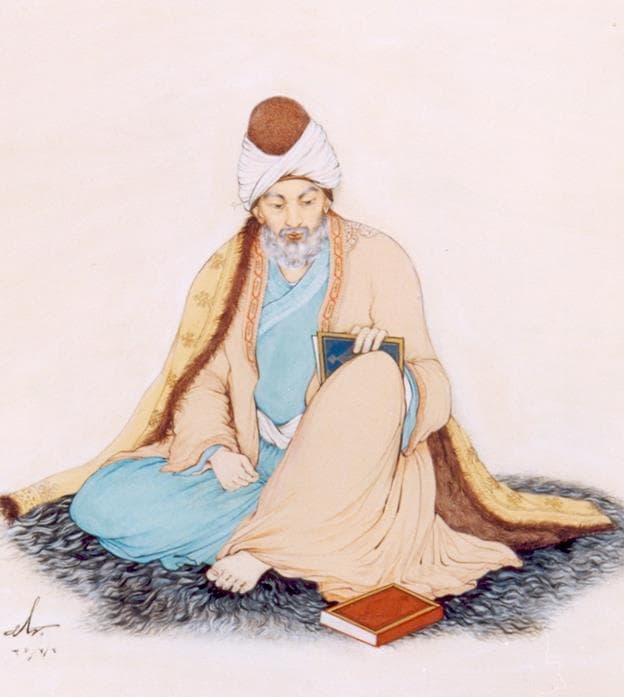
Jalal al-Din Rumi — Mawlana, "our master," to the Persianate world — was born in 1207 in Balkh or Wakhsh on the eastern edge of Persia; his family fled the Mongol storm westward, settling in Konya in Seljuk Anatolia (Rum, hence the name). He inherited his father's post as a respected jurist and preacher — until 1244, when a wandering dervish named Shams of Tabriz stopped his mule in the street with a question, and the professor became a poet.
The friendship with Shams was total, scandalous to the disciples, and brief — Shams vanished (murdered, some sources hint, with a son of Rumi's implicated) — and out of that loss poured the Divan-e Shams: some 35,000 verses in which Rumi signs his beloved's name instead of his own, love and bereavement transmuted into the vocabulary of God. His second monument, the Masnavi — six books, about 25,000 couplets, called by Jami "the Qur'an in the Persian tongue" — teaches by torrential story and image: the reed flute crying for the reed-bed it was cut from is the soul remembering its origin; the famous elephant touched in a dark room is every sect mistaking its handhold for the whole.
His theology is Sufism at flood tide: creation exists because "I was a hidden treasure and longed to be known"; the law is the shell, the truth the kernel; and love — ishq — outranks both intellect and fear as the road to God. He institutionalized nothing himself, but his son organized the Mevlevi order, whose sema — the whirling ceremony — turns his cosmology into movement: the dervish rotating like the spheres, one palm open to heaven, one to earth.
He died in Konya in December 1273; his funeral was followed by Muslims, Christians, and Jews together, and his epitaph invites: "Come, come, whoever you are." Eight centuries on, he is — in translation — America's best-selling poet, a fact both lovely and ironic, since the God his verses orbit is often edited out.
en
Brumidi, Constantino, 1805-1880
en
Omar Khayyam. Rubaiyat; Sufi poetry, Persian
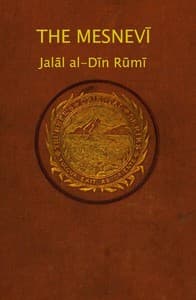
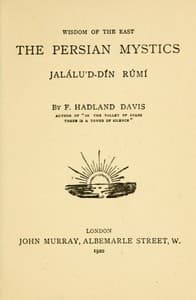
en
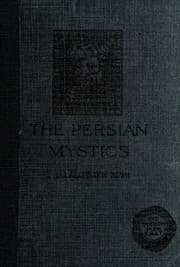
Jalal al-Din Rumi, Maulana, 1207-1273; Mysticism -- Iran; Mysticism in literature; Persian literature -- History and criticism; Persian literature -- Translations into English; Sufism
Persian
Quote Attribution
Identify the philosopher behind a quote using AI.
Works by and about Rumi — readable in full, right here in the Library.