The Seal of the Prophets: Khatam an-Nabiyyin in Q 33:40
The dispute between the Ahmadiyya movement and the rest of the Muslim world is not, at bottom, about politics or personalities. It is about how to read a single word in a single verse. Everything else follows from that.
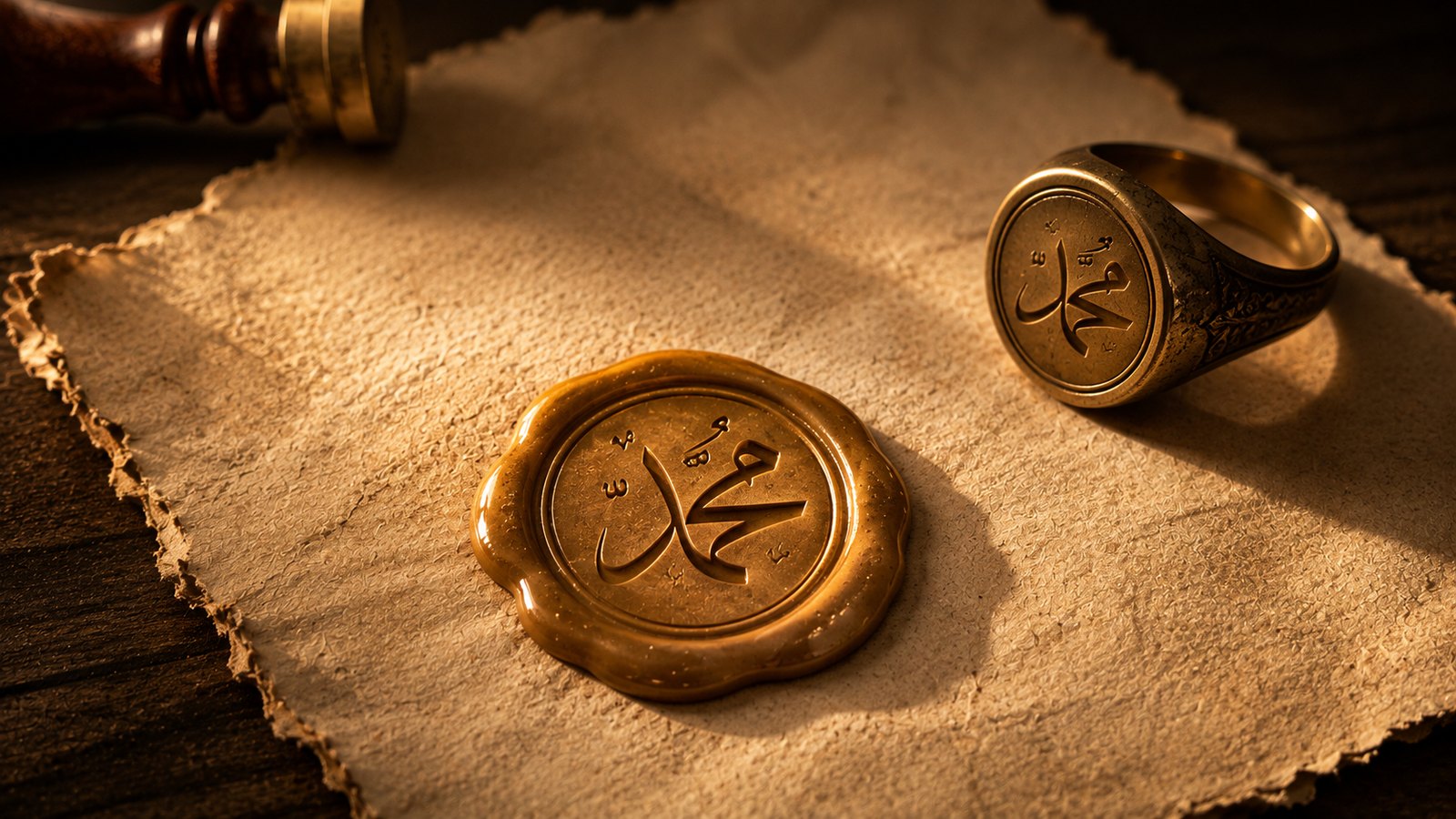
In March 1889, in a house in Ludhiana, about forty people took the hand of a fifty-four-year-old man from a small Punjabi town called Qadian and pledged him their allegiance. His name was Mirza Ghulam Ahmad. Until that afternoon he had been known, when he was known at all, as an unusually combative defender of Islam. He had spent the 1880s writing against Christian missionaries and against the Arya Samaj, and the first volumes of his Barahin-e-Ahmadiyya (1880–1884) had been received warmly by Muslim scholars who saw in him a useful polemicist for a community under pressure.
Nineteen years later he died with a following in the tens of thousands and a reputation, among the great majority of Muslims, as the most consequential heretic South Asian Islam had produced.
What happened in between is worth setting out precisely, because most of what is said about it on both sides is said carelessly.
Continue reading this article
Sign in free to read in full. Become a member to join the discussion without limits.
Sign in free to read- ✓Read every article
- ✓Comment and reply (up to 100 words, 10/month)
- ✓Browse the community
- ✓Reader badge
Citation
English
The language and the date you read it belong in the citation: this corpus is multilingual and articles are revised after publication.
John Shaqi. “The Seal of the Prophets: Khatam an-Nabiyyin in Q 33:40.” English version. 5 August 2026 (revised 9 August 2026). https://johnshaqi.com/articles/seal-of-the-prophets-khatam-an-nabiyyin.
@misc{johnshaqi-seal-of-the-prophets-khatam-an-nabiyyin-en,
  author       = {John Shaqi},
  title        = {The Seal of the Prophets: Khatam an-Nabiyyin in Q 33:40},
  year         = {2026},
  howpublished = {English version},
  url          = {https://johnshaqi.com/articles/seal-of-the-prophets-khatam-an-nabiyyin},
  note         = {Revised 9 August 2026. Accessed n.d.}
}The word count is counted from this edition. The minute estimate uses 238 words a minute, the silent reading rate for English non-fiction reported by Brysbaert (2019). The Urdu, Hindi and Roman Urdu editions carry a word count and no estimate, because no comparable rate has been published for those scripts.