Hindu1500 BCE – present
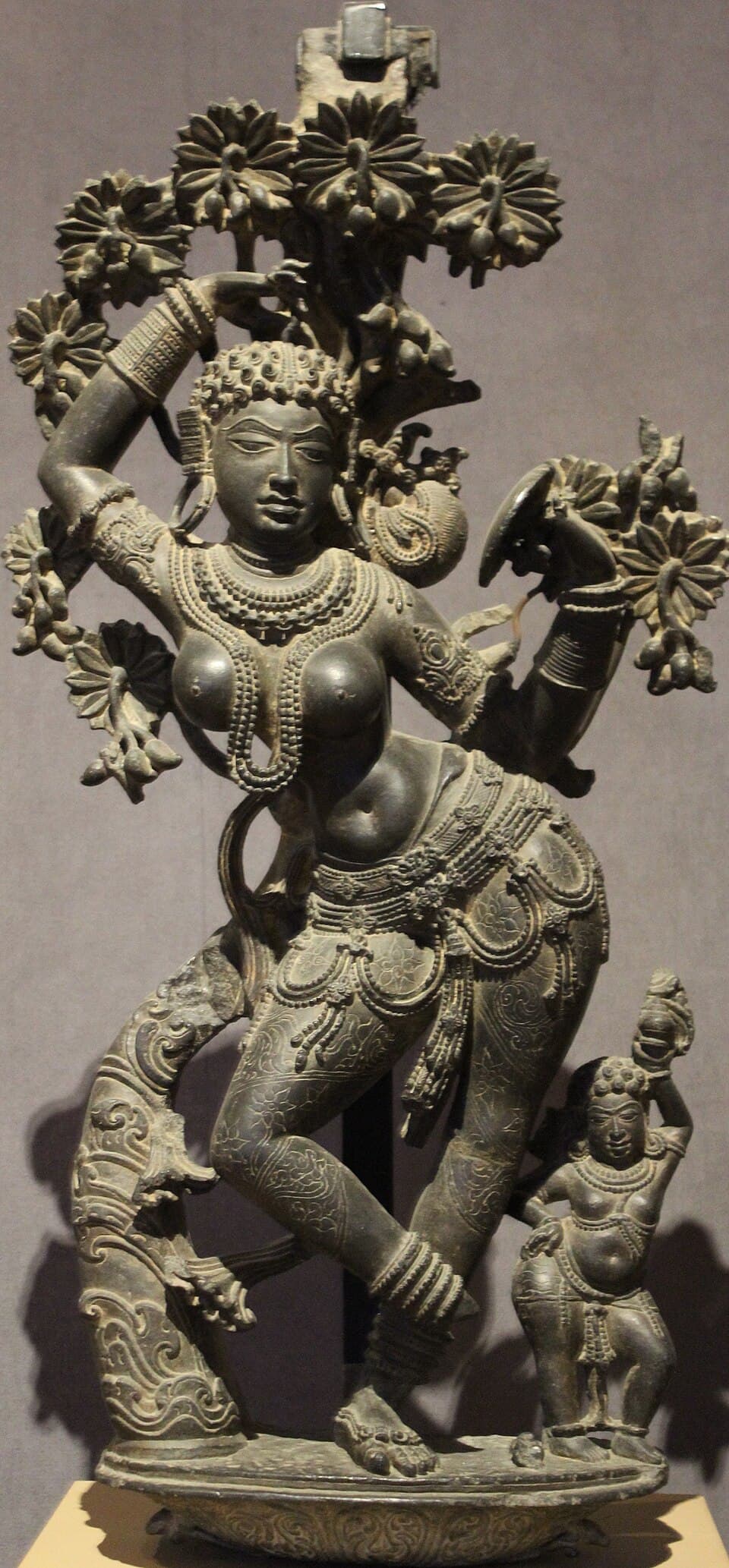
Mohini
Indian subcontinent
Mohini is the Hindu goddess of enchantment. She is the only female avatar of the Hindu god Vishnu. She is portrayed as…
Read →
Research Index
An archive of 3,493 gods, deified rulers, and mythological figures across civilizations — from living gods of Egypt to the dying gods of antiquity.
Indian subcontinent
Mohini is the Hindu goddess of enchantment. She is the only female avatar of the Hindu god Vishnu. She is portrayed as…
Read →
Indian subcontinent
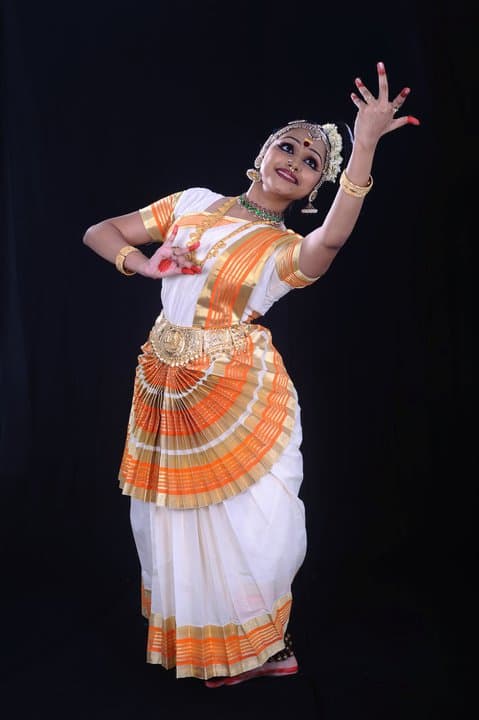
Mohiniyattam is an Indian classical dance form originating from the state of Kerala. The dance gets its name from Mohin…
Read →
Early Slavs
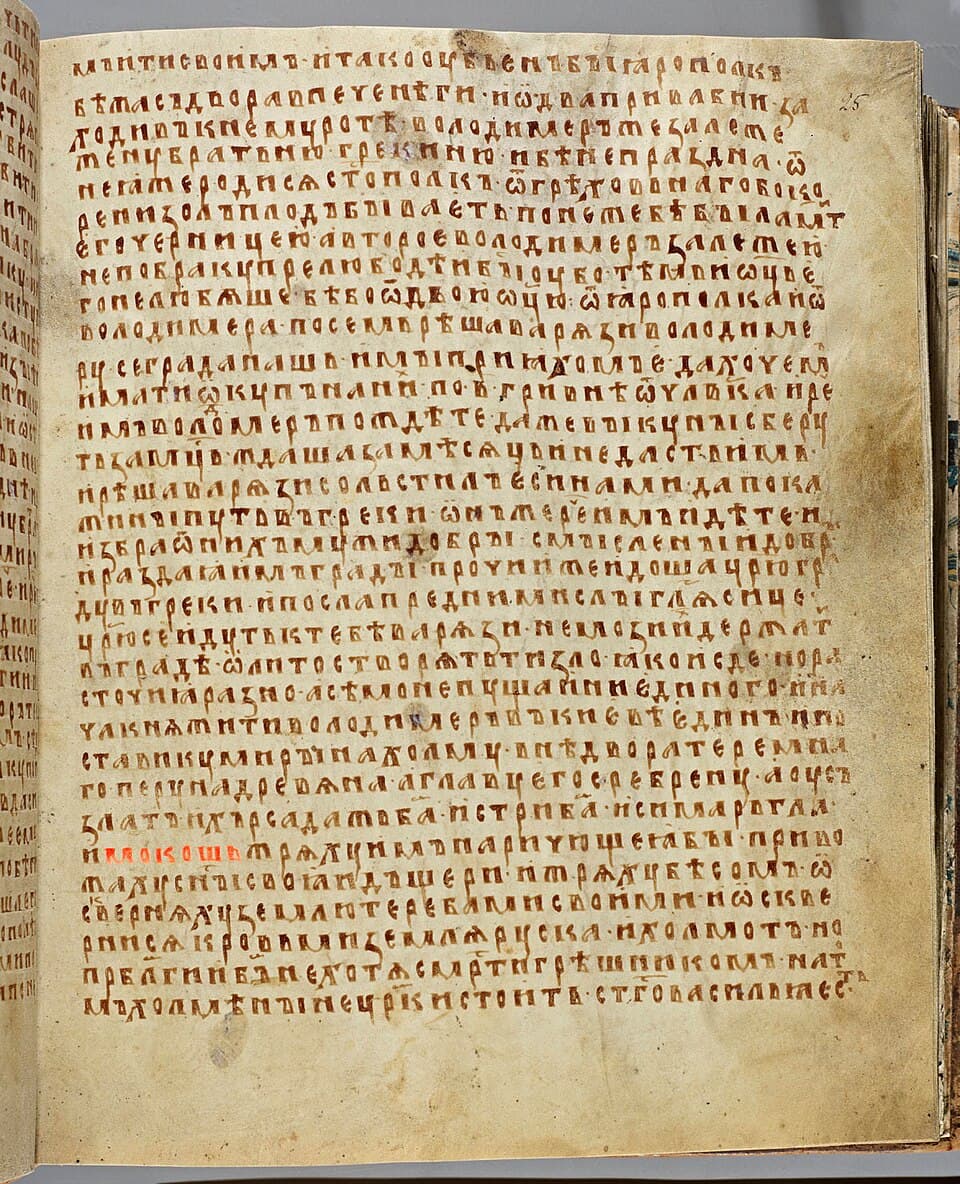
Mokosh is a Slavic goddess. No narratives about this deity have survived: Mokosh was mentioned in various sermons again…
Read →
Ancient Rome
The Molae are goddesses who appear in an ancient Roman prayer formula in connection with Mars. The list of invocations …
Read →
Ancient Levant
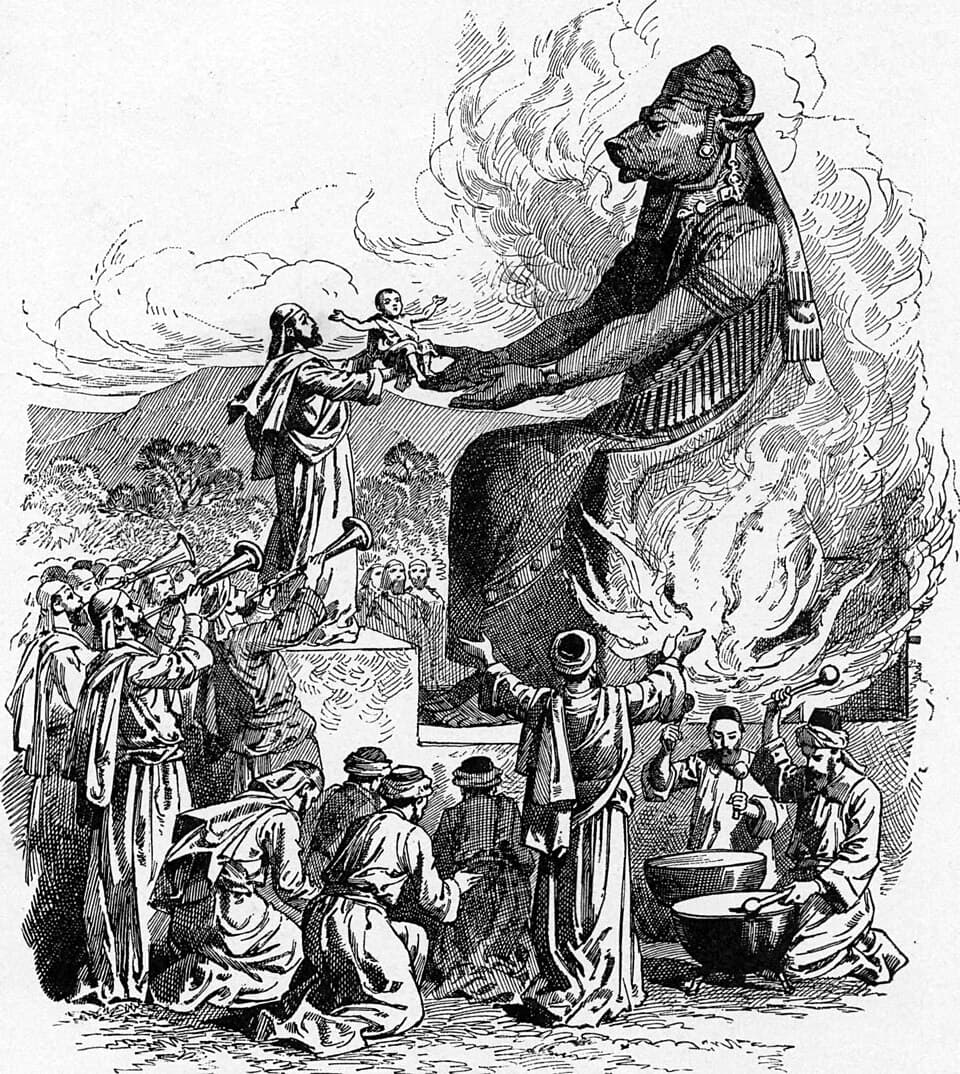
Moloch, Molech, or Molek is a word which appears in the Hebrew Bible several times, primarily in the Book of Leviticus. …
Read →
China
Momu (goddess) is a deity of the Chinese pantheon.
Read →
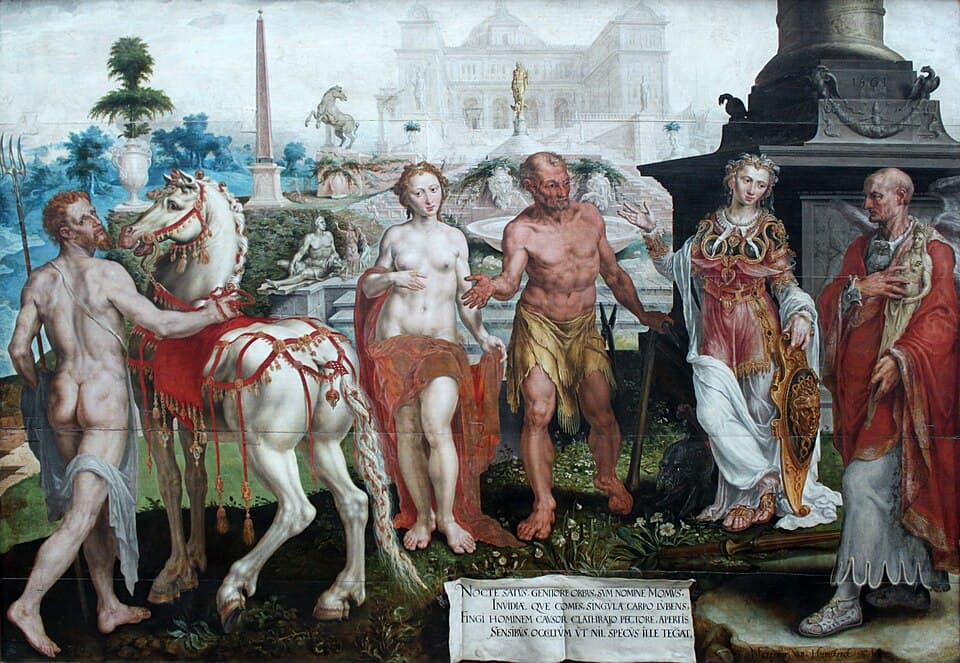
Ancient Greece
Momus in Greek mythology was the personification of satire and mockery, two stories about whom figure among Aesop's Fabl…
Read →
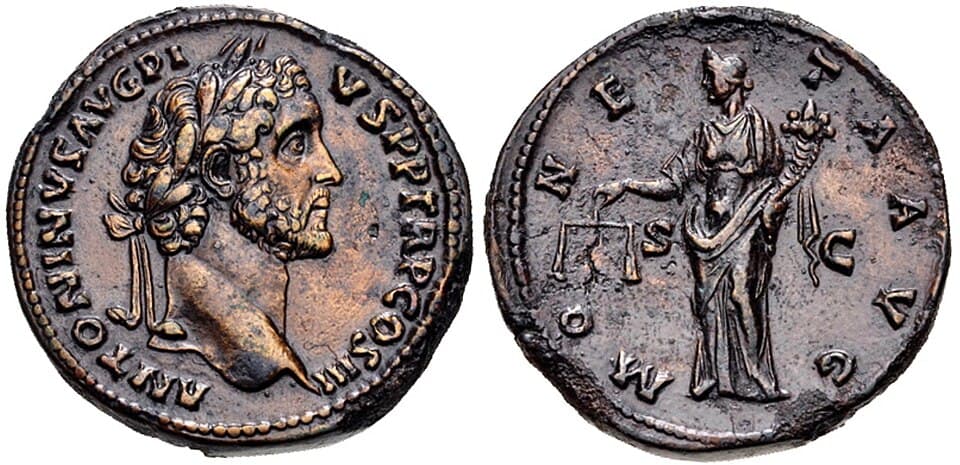
Ancient Rome
In Roman mythology, Moneta was a title given to two separate goddesses: It was the name of the goddess of memory, and it…
Read →
Ancient Levant
In Near Eastern mythology, Monimos (Mun'im) is the Arab god of the evening star (Hesperos), the counterpart of Azizos, t…
Read →

Ancient Egypt
Monolatry is the belief in the existence of many gods, but the insistence on the exclusive worship of only a single chos…
Read →
Ancient Persia
Monotheism is the belief in only one deity, or God. A distinction may be made between exclusive monotheism, in which th…
Read →
Ancient Egypt
Montu was a falcon-god of war in the ancient Egyptian religion, an embodiment of the conquering vitality of the pharaoh.…
Read →
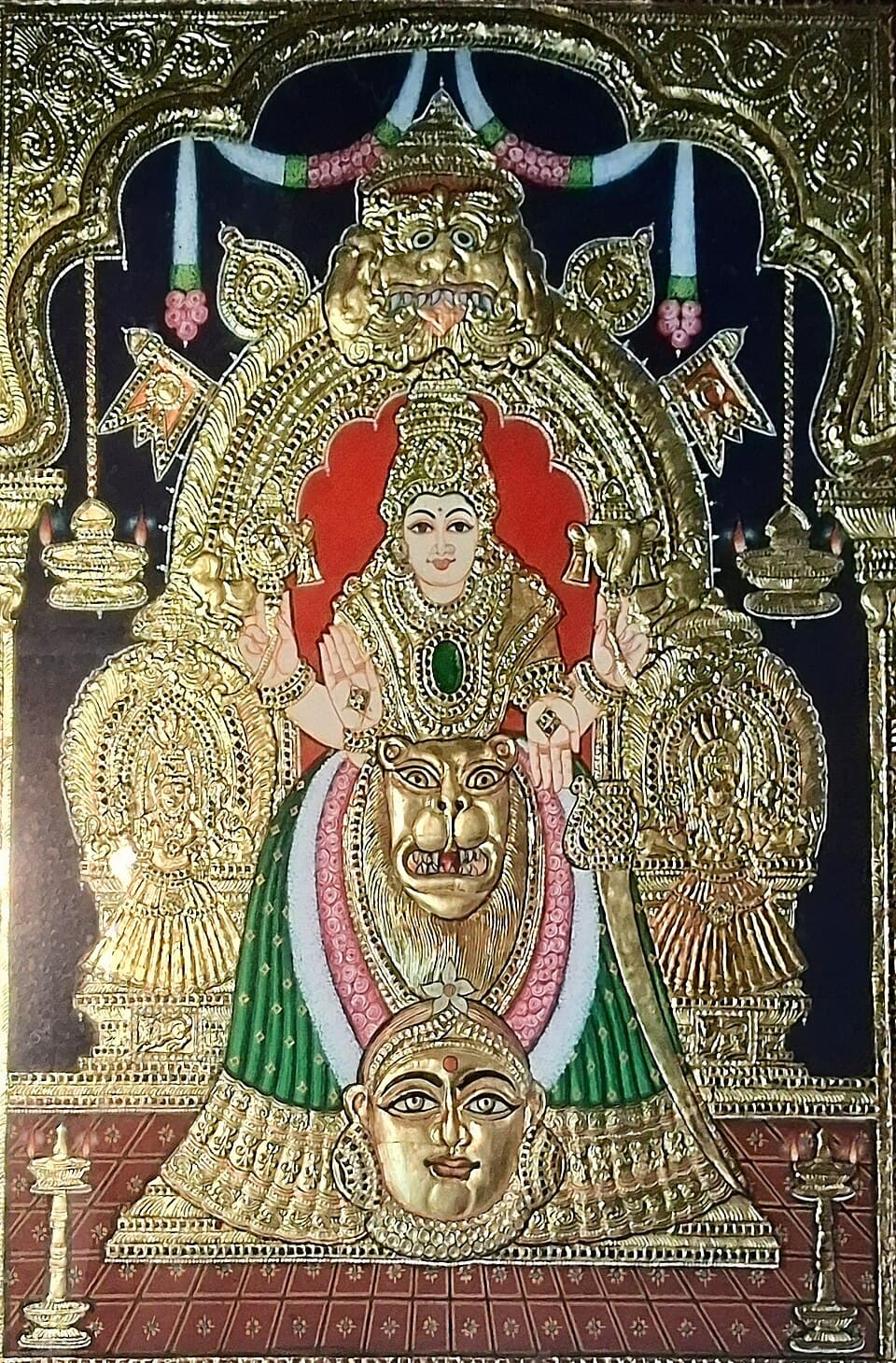
Indian subcontinent
Mookambika is a Hindu goddess, an aspect of Adi Parashakti, the supreme goddess of Hinduism. She is regarded to be the …
Read →
Iron Age Europe
Mór Muman or Mór Mumain is a figure from early Irish literature who is said to have been a queen of Munster and daughter…
Read →

Early Slavs
Morana, Morena, Mora, Mara, Morė, Marena, or Marzanna is a Slavic goddess associated with seasonal rites based on the id…
Read →
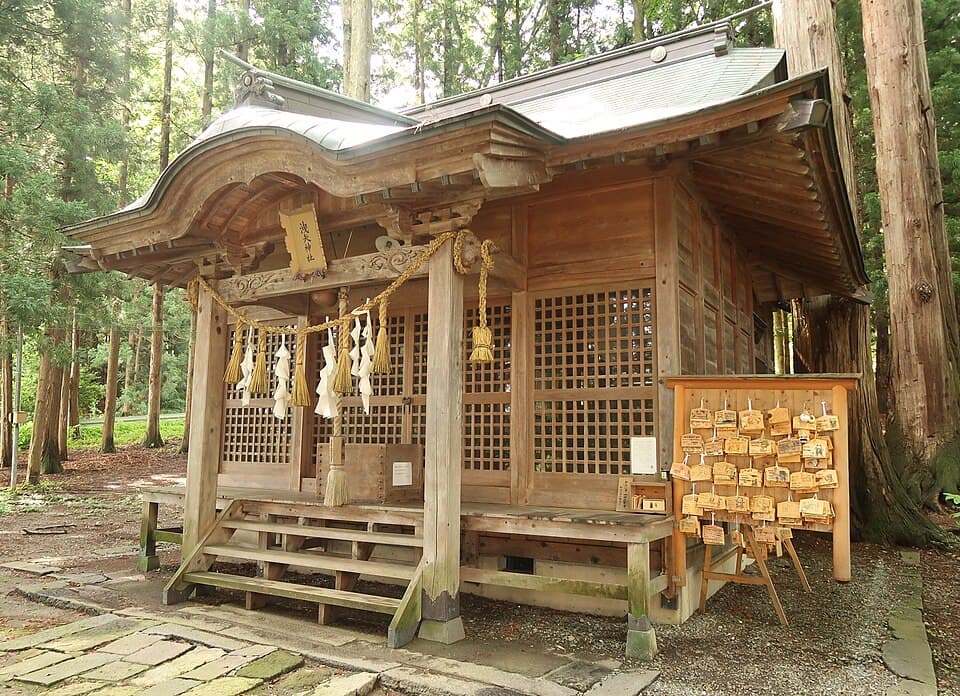
Japan
Moreya or Moriya is a Japanese god who appears in various myths and legends of the Suwa region in Nagano Prefecture. Th…
Read →
Iron Age Europe
Moritasgus is a Celtic epithet for a healing god found in four inscriptions at Alesia. In two inscriptions, he is ident…
Read →
Ancient Greece
In Greek mythology, Moros /ˈmɔːrɒs/ or Morus /ˈmɔːrəs/ is the personified spirit of impending doom, who drives mortals t…
Read →
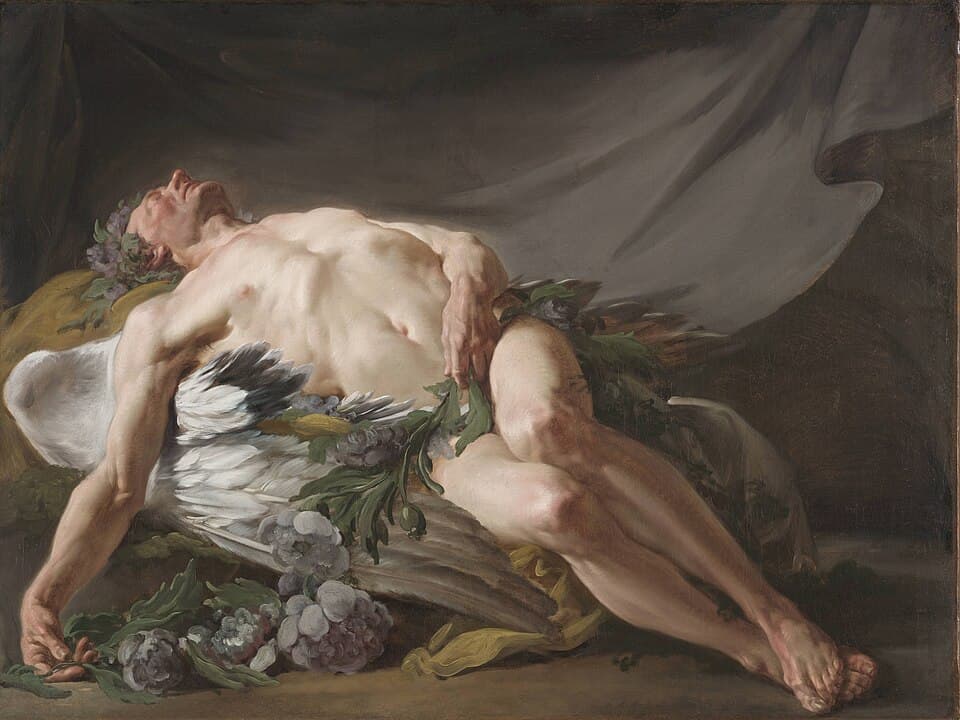
Ancient Greece
Morpheus is a god associated with sleep and dreams. In Ovid's Metamorphoses, he is the son of Somnus and appears in dre…
Read →
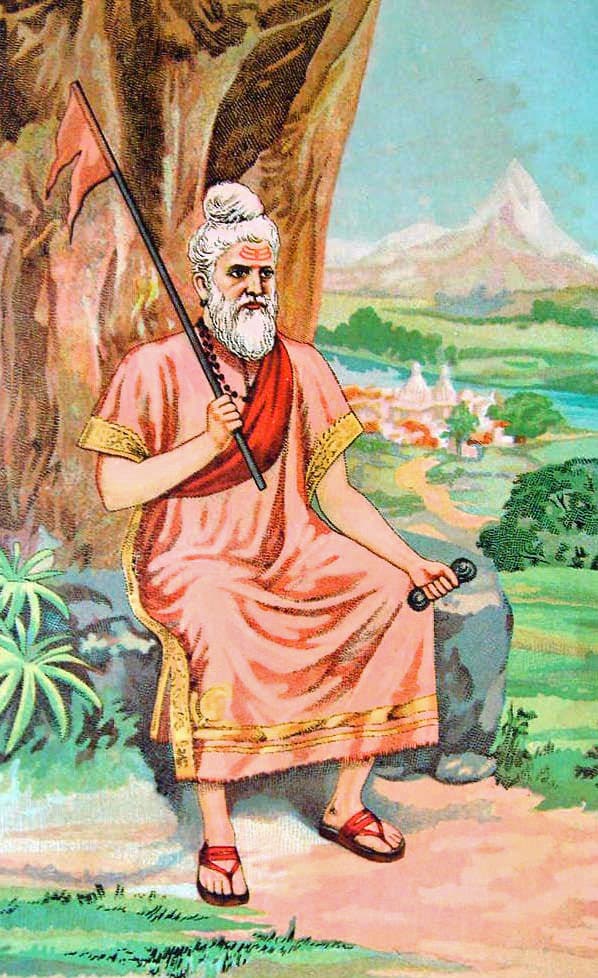
Indian subcontinent
Morya Gosavi or Moraya Gosavi alias Moroba Gosavi was a saint of the Hindu Ganapatya sect, which considers Ganesha as th…
Read →
Early Slavs
Moryana is a female sea spirit in Slavic folklore, possibly a goddess. Moryana was a sea vodyanitsa and daughter of the…
Read →
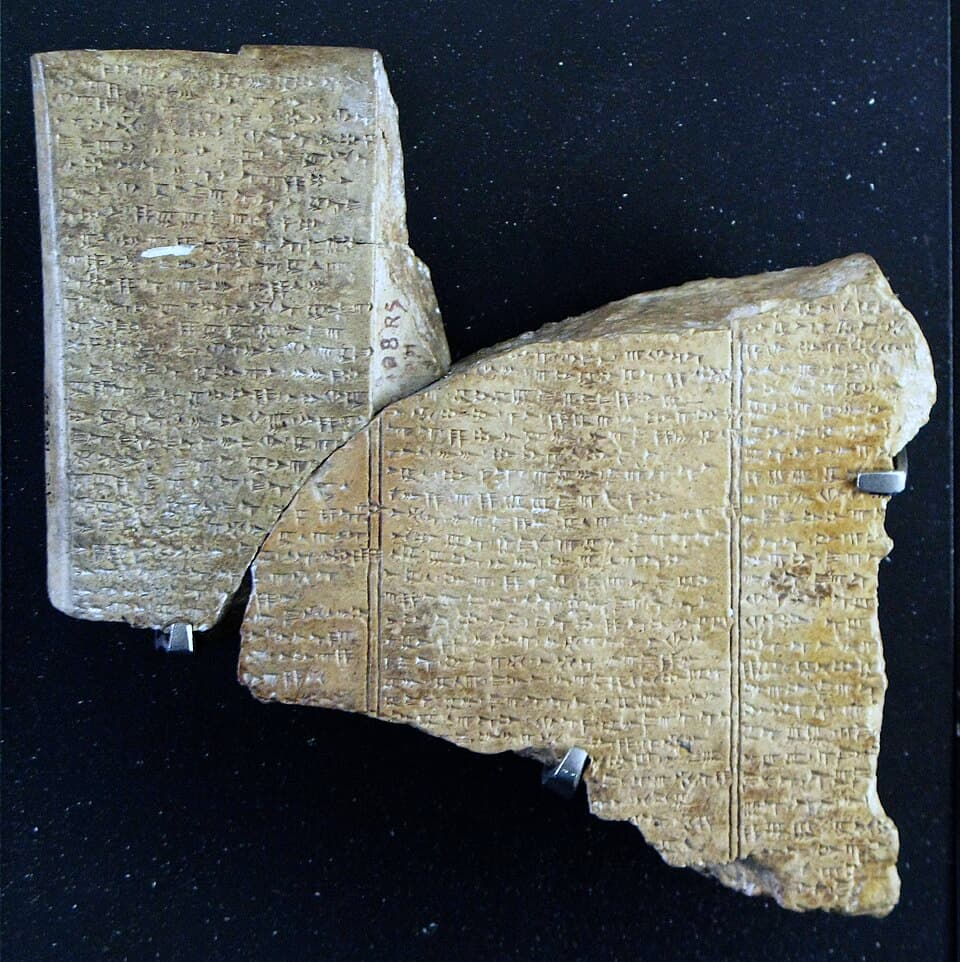
Ancient Levant
Mot, also known as Maweth, was the Canaanite god of death and the Underworld. He was also known to the people of Ugarit…
Read →

Ancient Egypt
A mother goddess is a major goddess characterized as a mother or progenitor, either as an embodiment of motherhood and f…
Read →
Ancient Rome
The Mother of the Lares has been identified with any of several minor Roman deities. She appears twice in the records o…
Read →
Ancient Greece
In Greek mythology, two sacred mountains are called Mount Ida, the "Mountain of the Goddess": Mount Ida in Crete, and Mo…
Read →
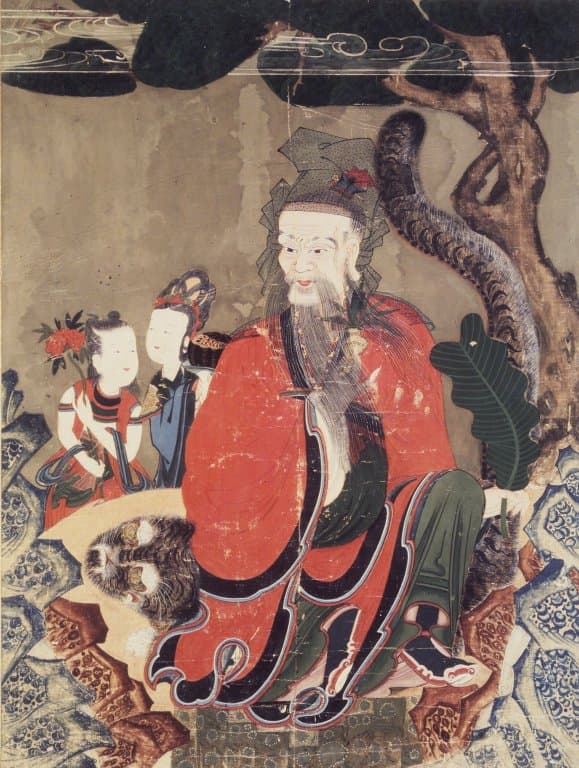
Japan
Mountain Gods are Asian tutelary deities associated with mountains. They are related to dizhu shen, tudigongs and City …
Read →
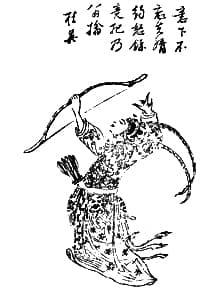
China
Mu Guiying is a deity of the Chinese pantheon.
Read →
Ancient Mesopotamia
Muati was a Mesopotamian god. His character is poorly known. He was regarded as the spouse of Nanaya in Old Babylonian…
Read →

Indian subcontinent
Muchilot Bhagavathi Is The Tutelary Deity Of Vaniyar Community In North Malabar.
Read →
Iron Age Europe
Mug Ruith is a figure in Irish mythology, a powerful blind druid of Munster who lived on Valentia Island, County Kerry. …
Read →
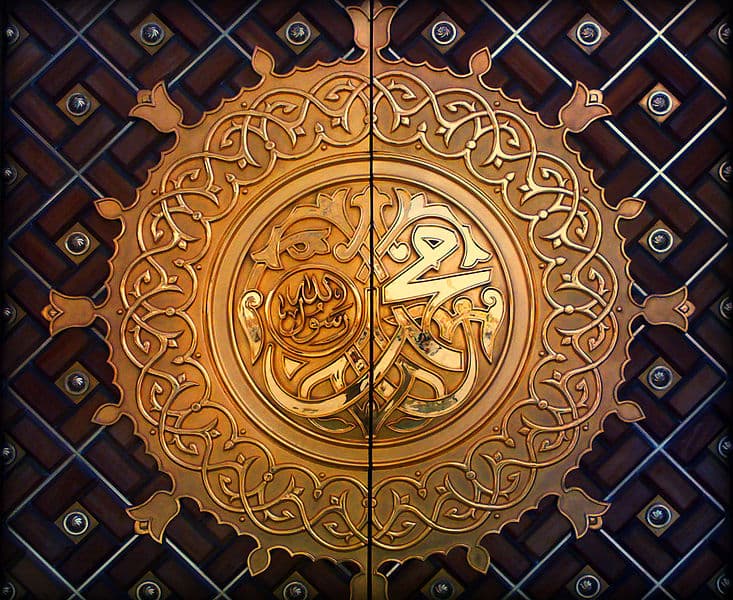
Ancient Persia
Muhammad was an Arab religious, military, and political leader, and the founder of Islam. According to Islam, he was th…
Read →
Ancient Mesopotamia
Mullissu is a goddess who is the consort of the Assyrian god Asshur. Mullissu may be identical with the Sumerian goddes…
Read →
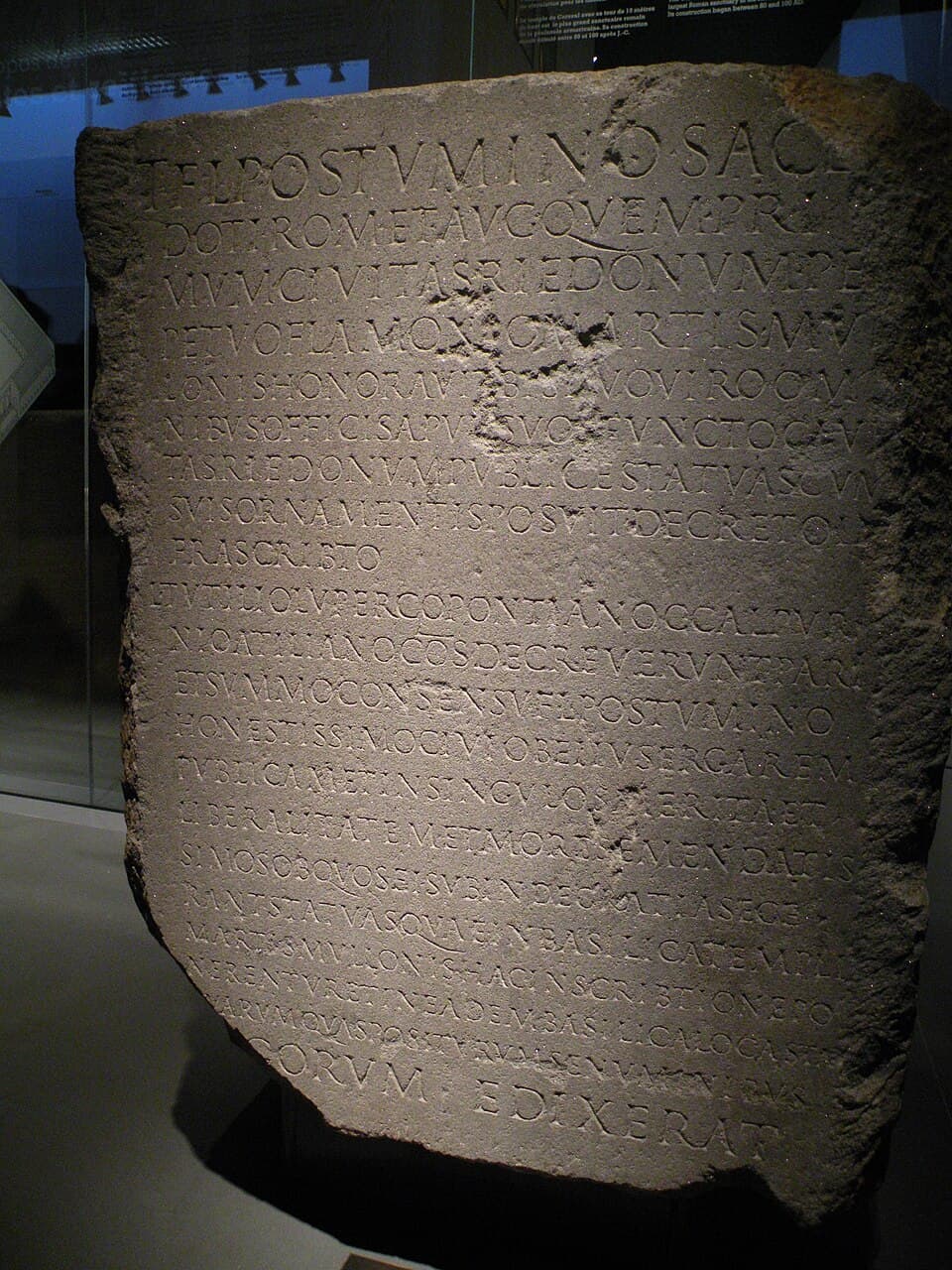
Iron Age Europe
Mullo is a Celtic god. He is known from inscriptions and is associated with the god Mars in the form of Mars Mullo.
Read →
Ancient Mesopotamia
Mummu was a Mesopotamian god. His name is presumed to be derived from the Akkadian word mummu, "creative force". In ad…
Read →
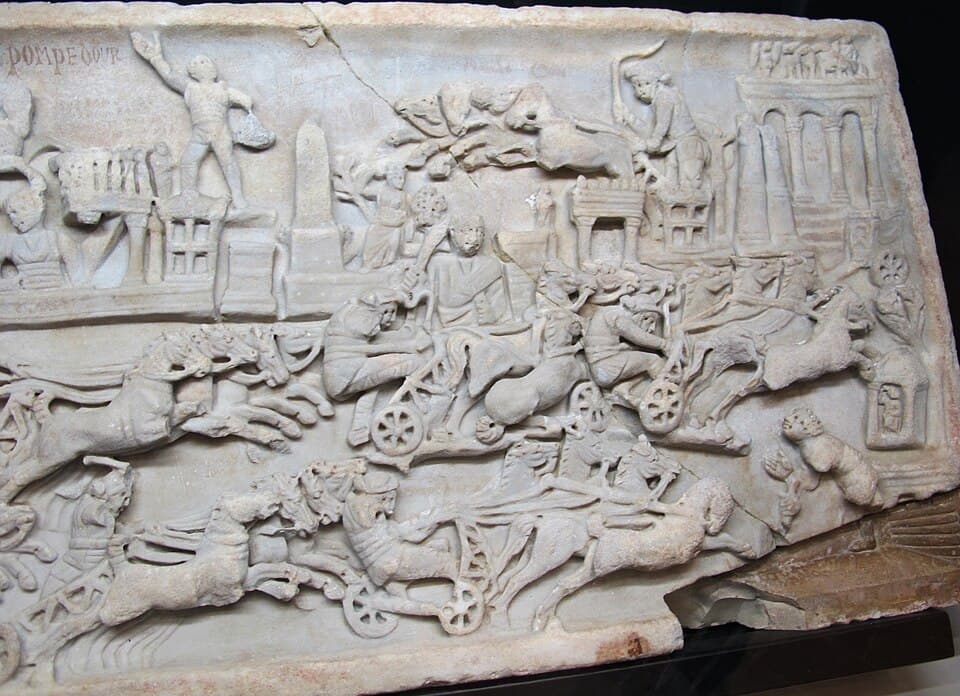
Ancient Rome
Murcia was a little-known goddess in ancient Rome. Her name occurs as an epithet of Venus.
Read →

Indian subcontinent
In the Hindu tradition, a murti is a devotional image, such as a statue or icon, of a deity or saint used during puja an…
Read →
Ancient Greece
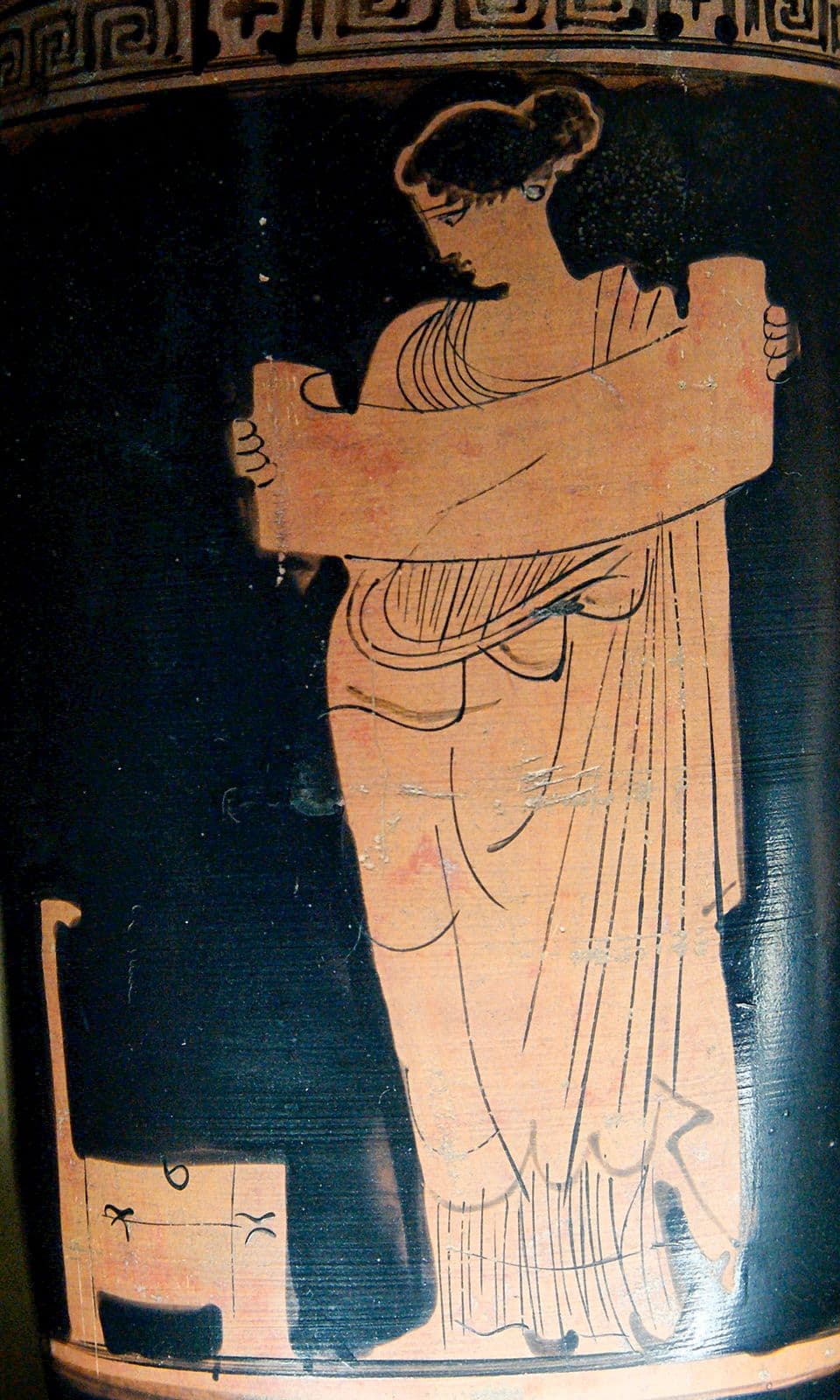
In ancient Greek religion and mythology, the Muses were the inspirational goddesses of literature, science, and the arts…
Read →
Ancient Mesopotamia
Mušdam(m)a, inscribed dmuš-dam-ma, and titled šidim gal den-líl-lá-ke4, "the great builder of Enlil,” was an ancient Mes…
Read →
Ancient Egypt
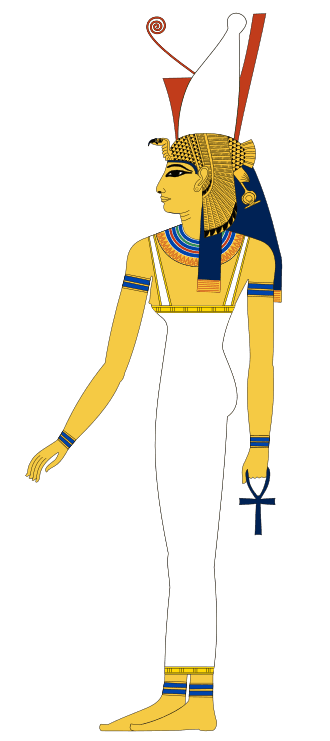
Mut was a mother goddess worshipped in ancient Egypt. Her name means mother in the ancient Egyptian language. Mut had …
Read →
Indian subcontinent
Muthyalamma is a Hindu goddess who is a form of Durga / Kali Matha. There are hundreds of temples to her in Hyderabad.
Read →

Ancient Rome
In ancient Roman religion, Mutunus Tutunus or Mutinus Titinus was a phallic marriage deity, in some respects equated wit…
Read →
Ancient Greece
In ancient Greek religion, Myiagros or Myacoris was a cult title for a divine figure who warded off flies. It could be …
Read →
Asia
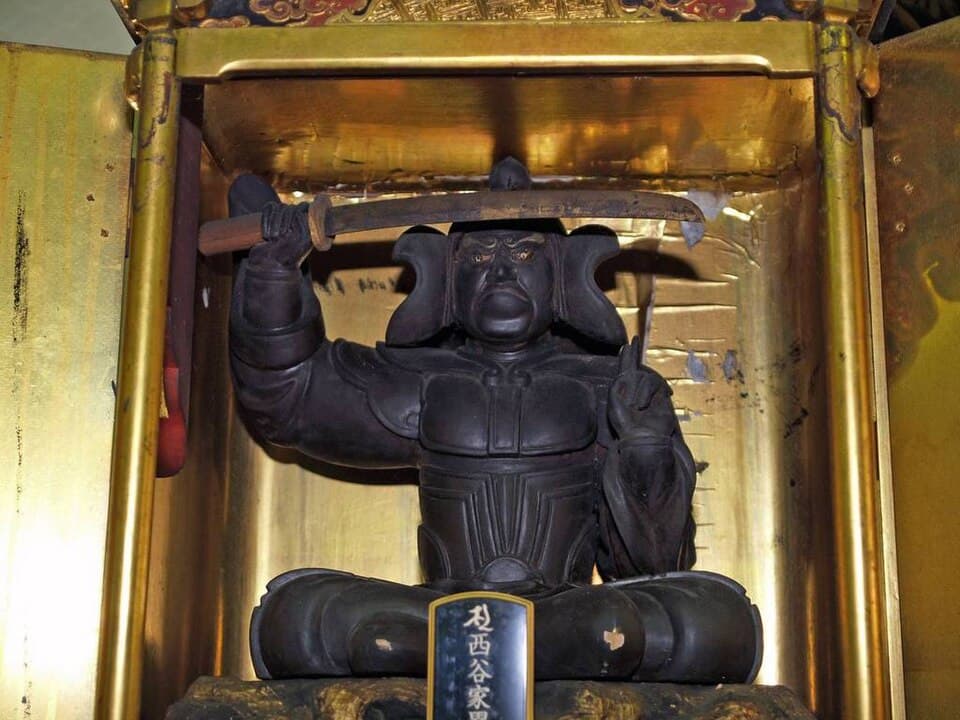
Myōken, also known as Sonjō-Ō, is a Buddhist deification of the North Star worshiped mainly in the Shingon, Tendai and N…
Read →

Ancient Egypt
The mysteries of Isis were religious initiation rites performed in the cult of the Egyptian goddess Isis in the Greco-Ro…
Read →

Ancient Egypt
The Mysteries of Osiris, also known as Osirism, were religious festivities celebrated in ancient Egypt to commemorate th…
Read →
Ancient Persia
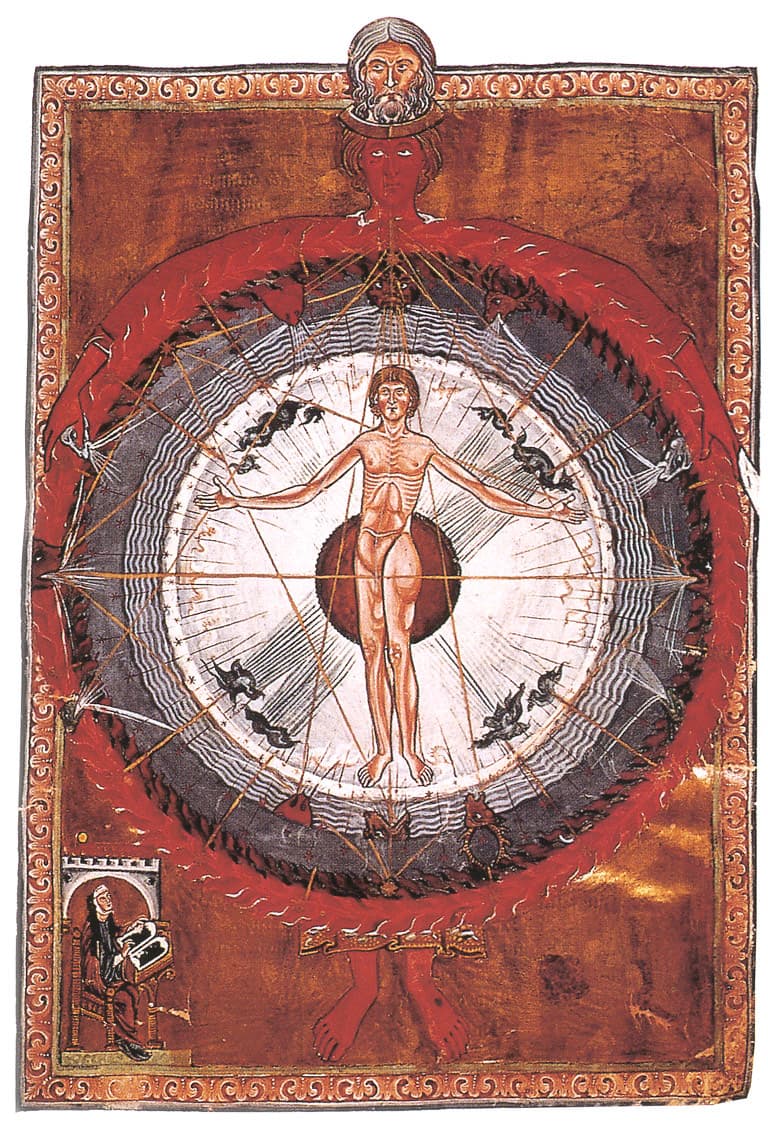
Mysticism encompasses religious traditions of human transformation aided by various practices and religious experiences.…
Read →

Iron Age Europe
The Mythological Cycle is a conventional grouping within Irish mythology. It consists of tales and poems about the god-…
Read →
North America
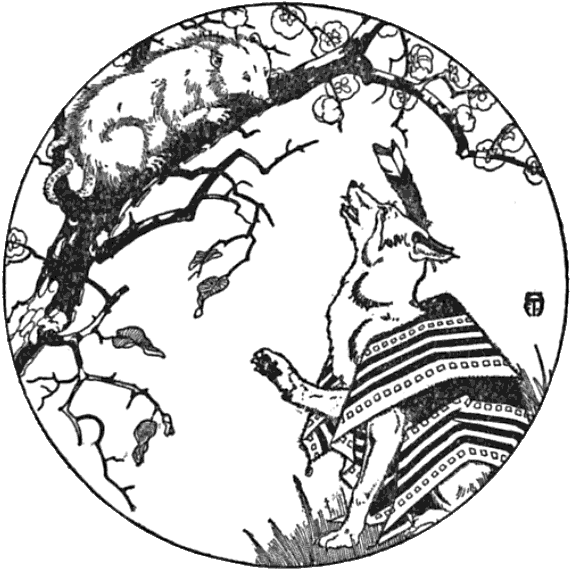
The Indigenous peoples of the Americas comprise numerous different cultures. Each has its own mythologies, many of whic…
Read →

China
Na Tuk Gong are local guardian spirits worshipped by overseas Chinese communities in Malaysia and Singapore. An alterna…
Read →
Ancient Mesopotamia
Nabarbi or Nawarni was a Hurrian goddess possibly associated with pastures. She was one of the major deities in Hurrian…
Read →
Iron Age Europe
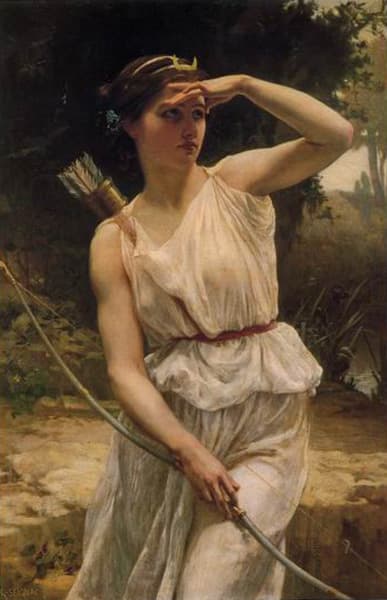
Nabia was a goddess of the Pre-Roman peoples of the Iberian Peninsula, although she also had an extended cult during the…
Read →
Ancient Mesopotamia
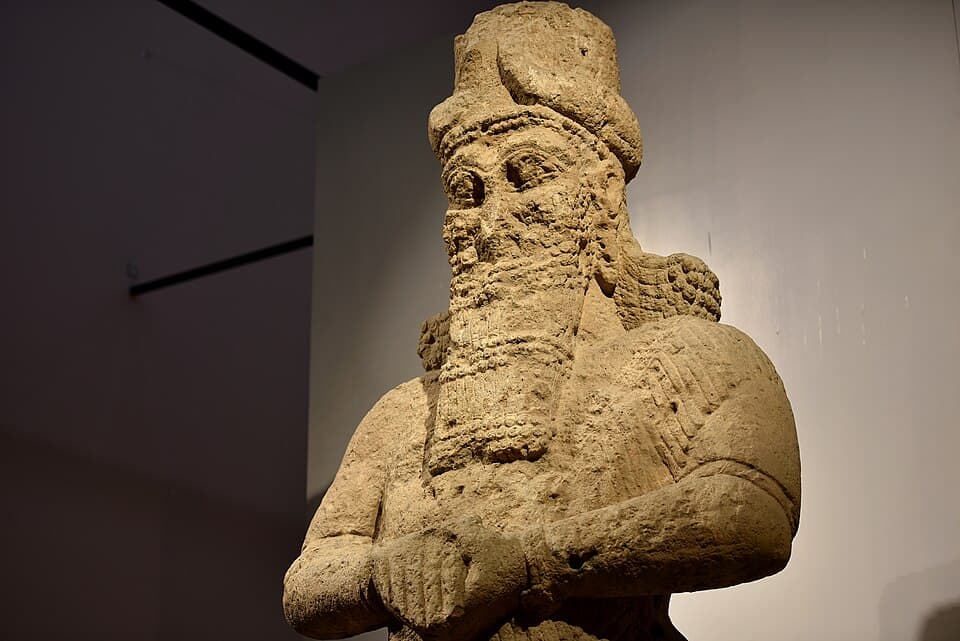
Nabu is the Babylonian patron god of literacy, scribes, wisdom, and the rational arts. He is associated with the classi…
Read →
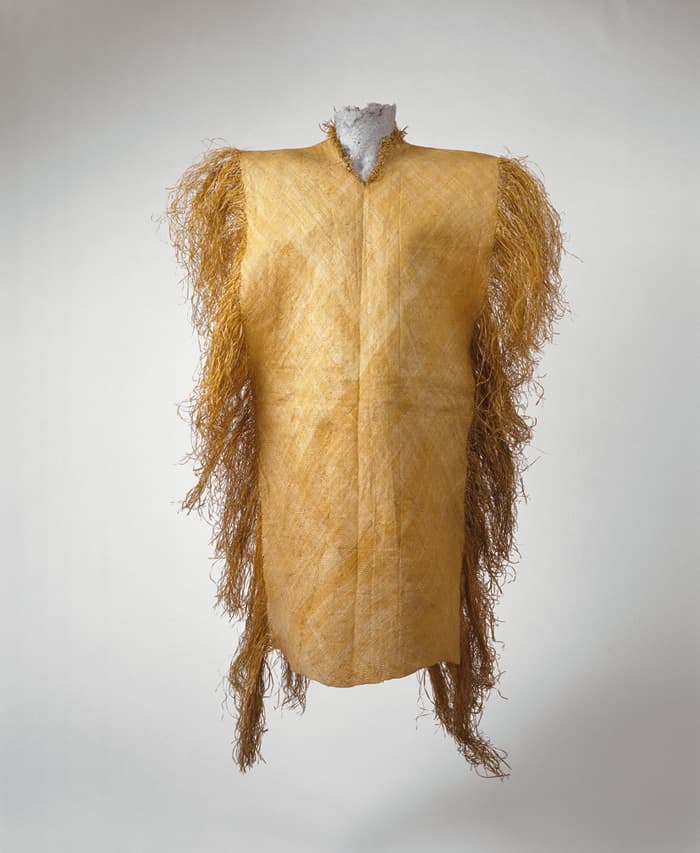
Polynesia
Nafanua was a historical aliʻi and toa (warrior) of Samoa from the Sā Tonumaipeʻa clan, who secured the four pāpā (distr…
Read →
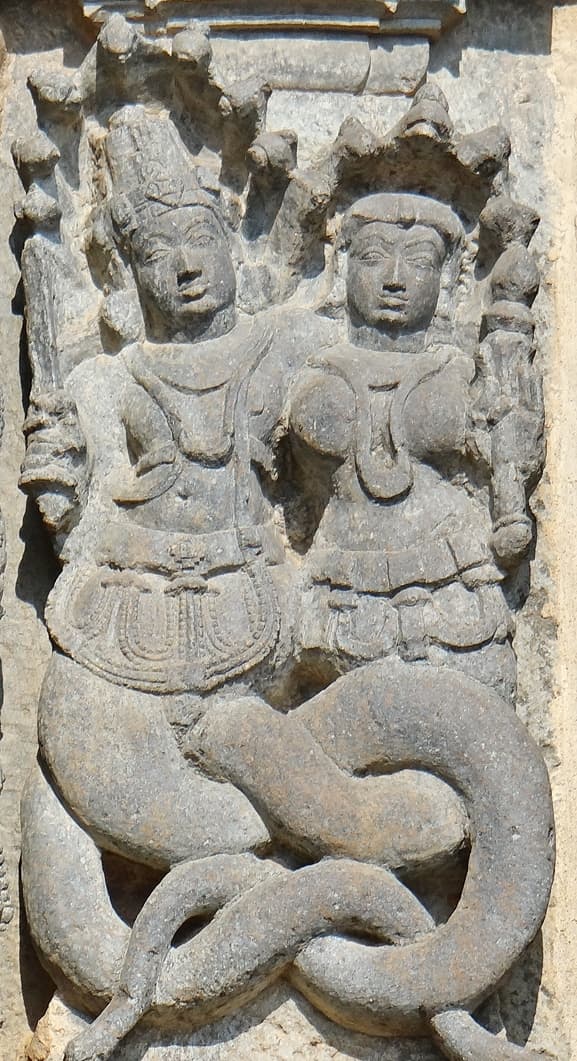
Indian subcontinent
In various Asian religious traditions, the Nāgas are a divine, or semi-divine, race of half-human, half-serpent beings t…
Read →
Indian subcontinent
Nagalakshmi is a serpent goddess and the wife of Shesha, a nagaraja and one of the two mounts of Vishnu featured in Hind…
Read →
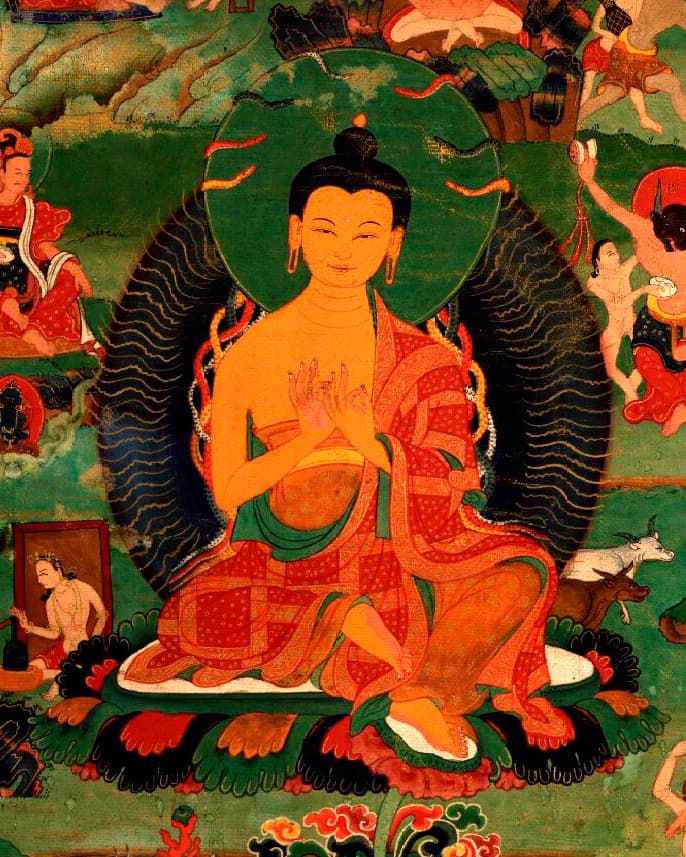
Asia
Nāgārjuna was a philosopher and Mahāyāna Buddhist monk from South India, considered the founder of the Madhyamaka school…
Read →
Scandinavia
In Nordic mythology, Naglfari is the father of Auðr by the personified night, Nótt. Naglfari is attested in a single me…
Read →

Indian subcontinent
Nagnechiya Mata or Naganechi Mata is an aspect of Devi, a Hindu goddess. She is the Kuldevi of the Rathore Rajputs of t…
Read →
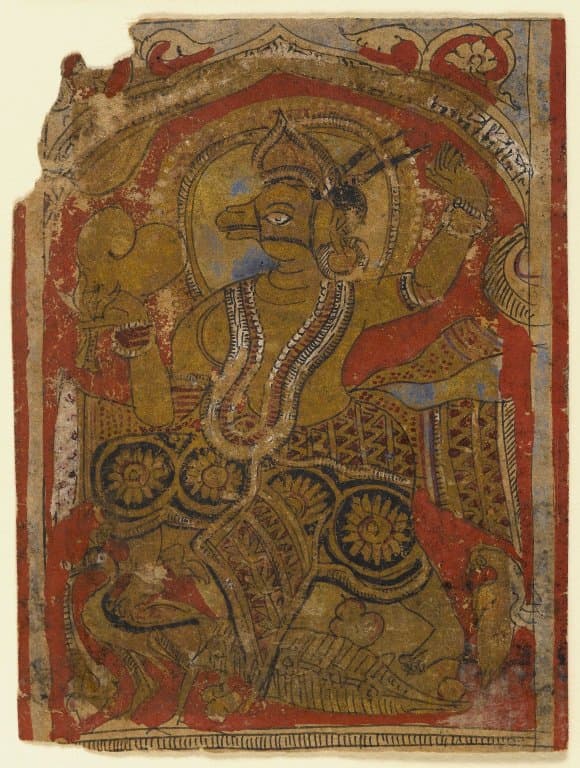
Indian subcontinent
Naigamesha, also known as Harinegameshi, is a goat-headed or deer-headed deity, associated with children. He also appea…
Read →
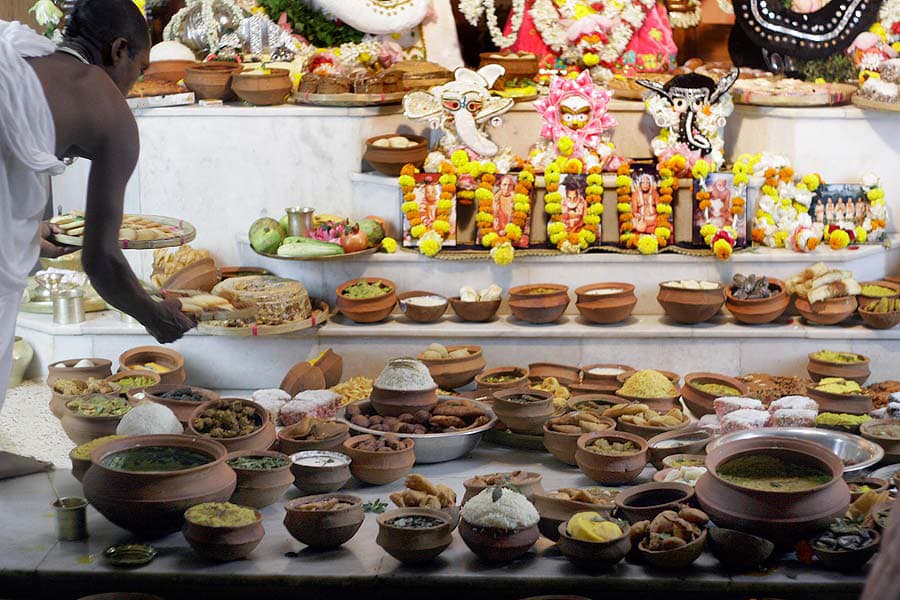
Indian subcontinent
Prasāda, prasad or prasadam is a religious offering in Hinduism. Most often prasada is vegetarian food especially cooke…
Read →
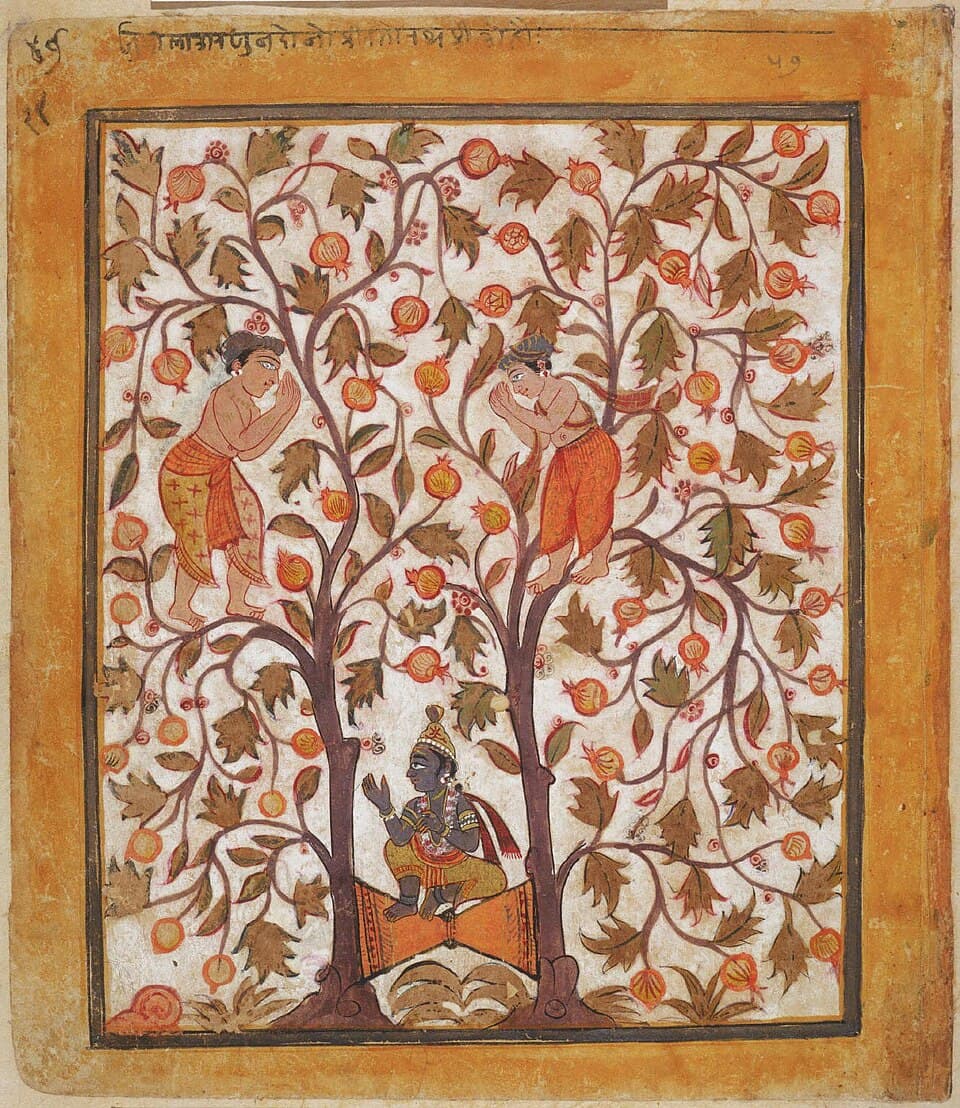
Indian subcontinent
Nalakuvara, also known as Nalakubara, appears in Hindu and Buddhist mythology as the brother of Manigriva, the son of th…
Read →
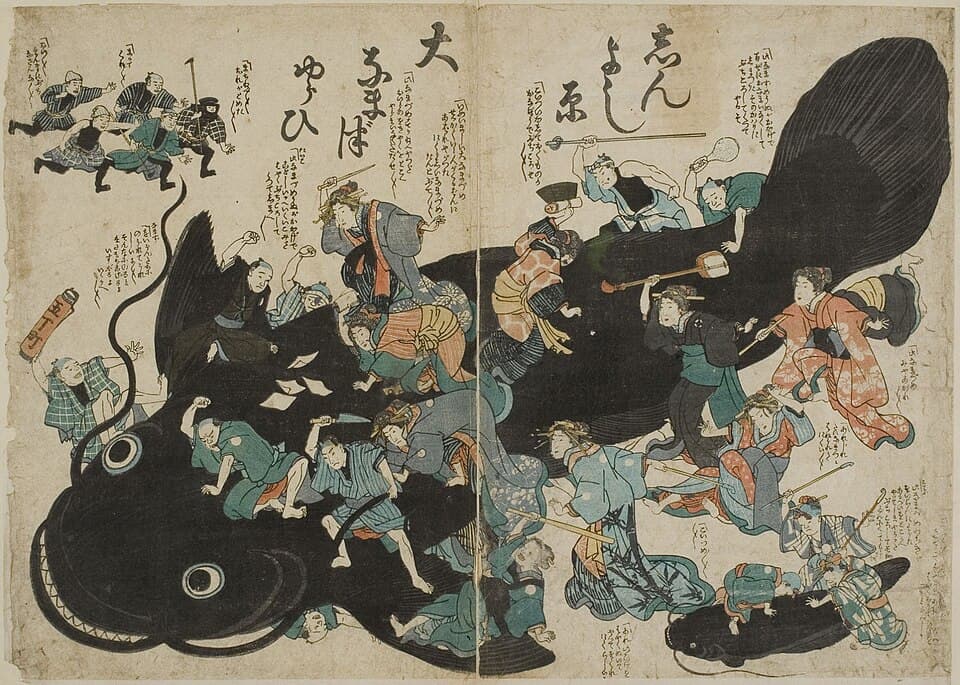
Japan
In Japanese mythology, the Namazu or Ōnamazu is a giant underground catfish who causes earthquakes.
Read →
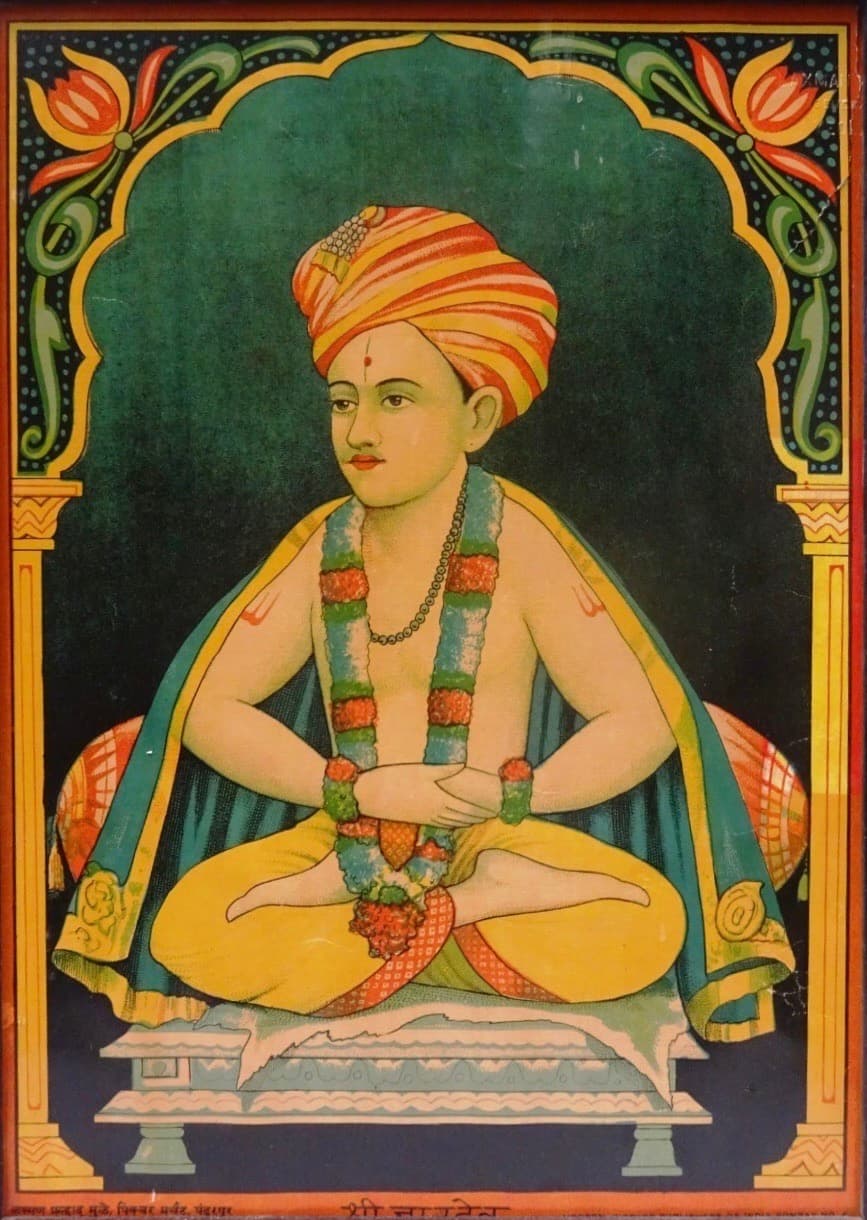
Indian subcontinent
Namdev, also transliterated as Namdeo was a Marathi Vaishnava saint from Narsi, Hingoli, Maharashtra, Medieval India wit…
Read →
Ancient Persia
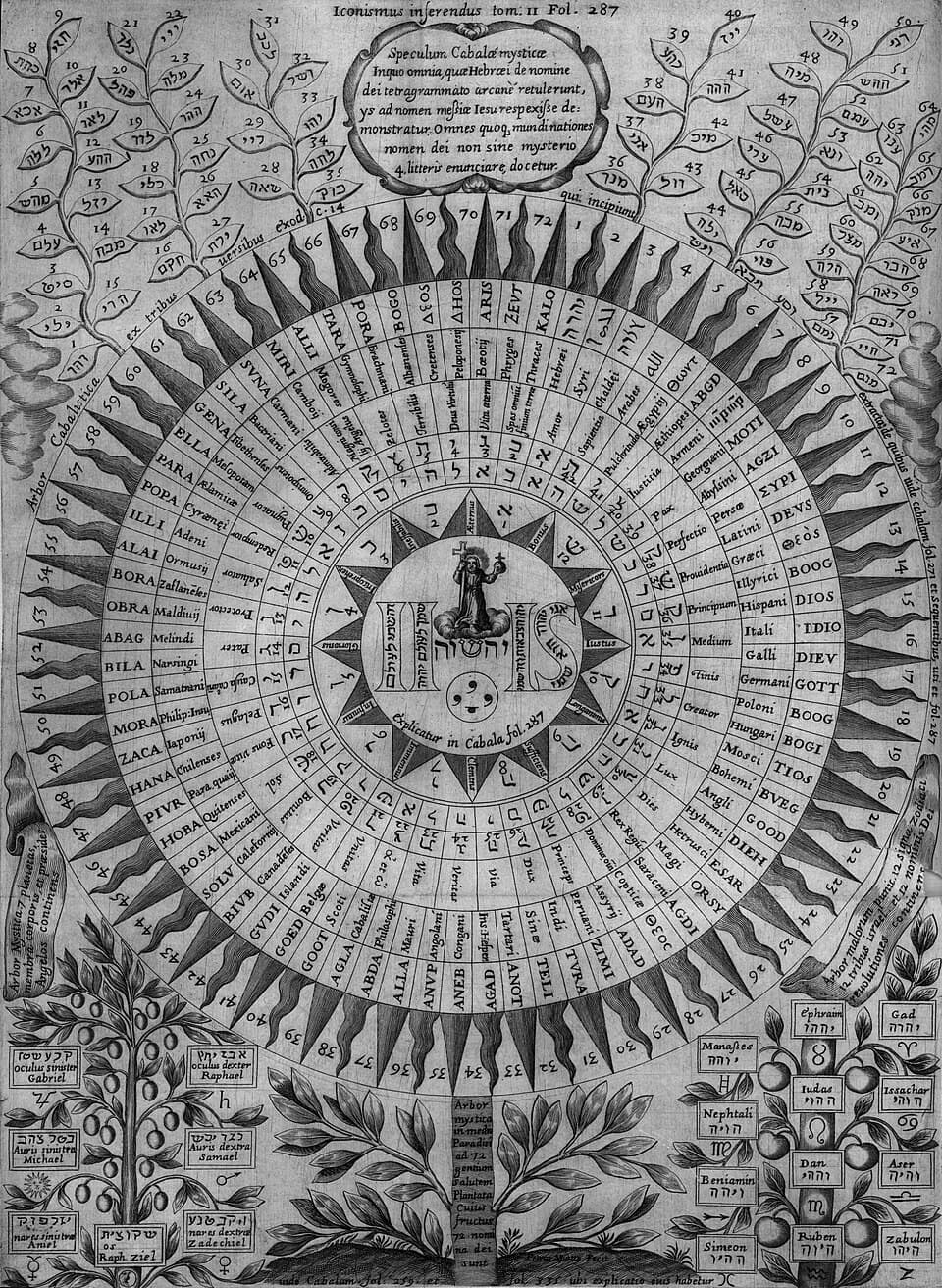
There are various names of God and many titles that refer to God, many of which enumerate the various qualities of a Sup…
Read →
Ancient Mesopotamia
Nammu was a Mesopotamian goddess regarded as a creator deity in the local theology of Eridu. It is assumed that she was…
Read →
Ancient Mesopotamia
Namtar was a figure in ancient Mesopotamian religion who, depending on the context, could be regarded both as a minor go…
Read →
Aztec Empire
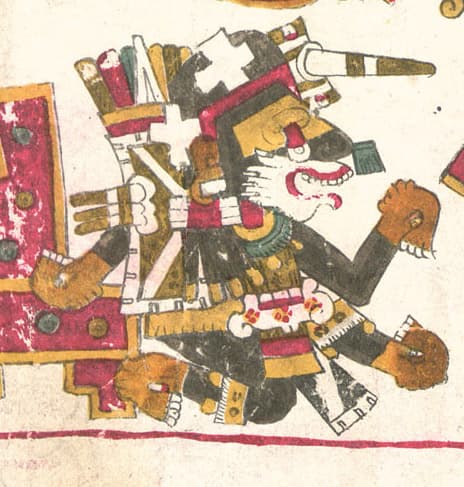
In Aztec mythology, the god Nanāhuātzin or Nanāhuātl, the most humble of the gods, sacrificed himself in fire so that he…
Read →
Aztec Empire
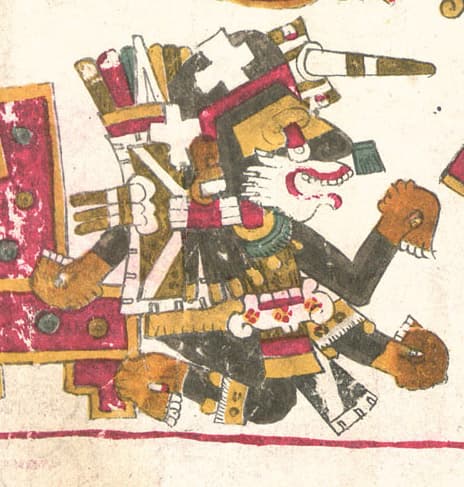
In Aztec mythology, the god Nanāhuātzin or Nanāhuātl, the most humble of the gods, sacrificed himself in fire so that he…
Read →
Polynesia
Nanaue is a demigod from Hawaiian mythology. He is described as a man with the mouth of a shark on his back who can sha…
Read →

Ancient Mesopotamia
Nanaya was a Mesopotamian goddess of love closely associated with Inanna.
Read →
Indian subcontinent
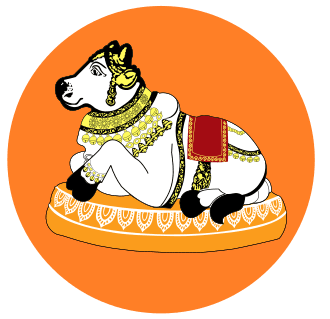
Nandi, also known as Nandhiyamperuman நந்தி Nandikeshvara or Nandideva, is the bull vahana (mount) of the Hindu god Shiv…
Read →

Indian subcontinent
The Nandipada is an ancient Indian symbol, also called a taurine symbol, representing a bull's hoof or the mark left by …
Read →
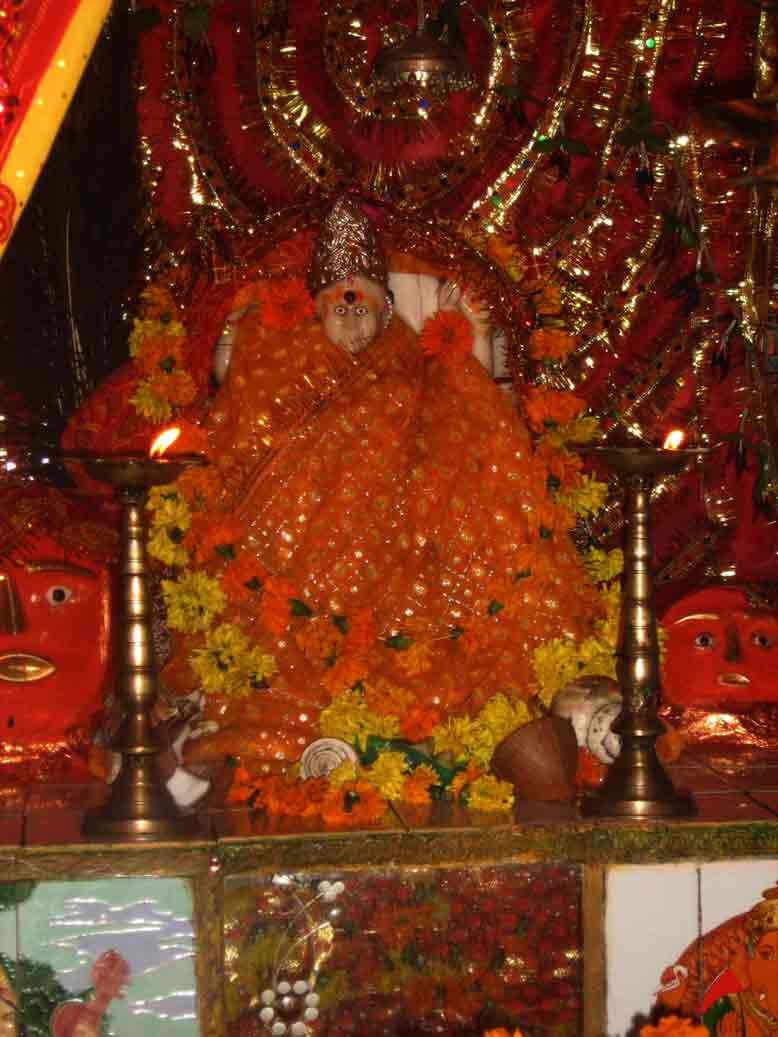
Indian subcontinent
Nandni Mata is a Hindu goddess. The name Nandni is another name for Durga, which means "daughter".
Read →
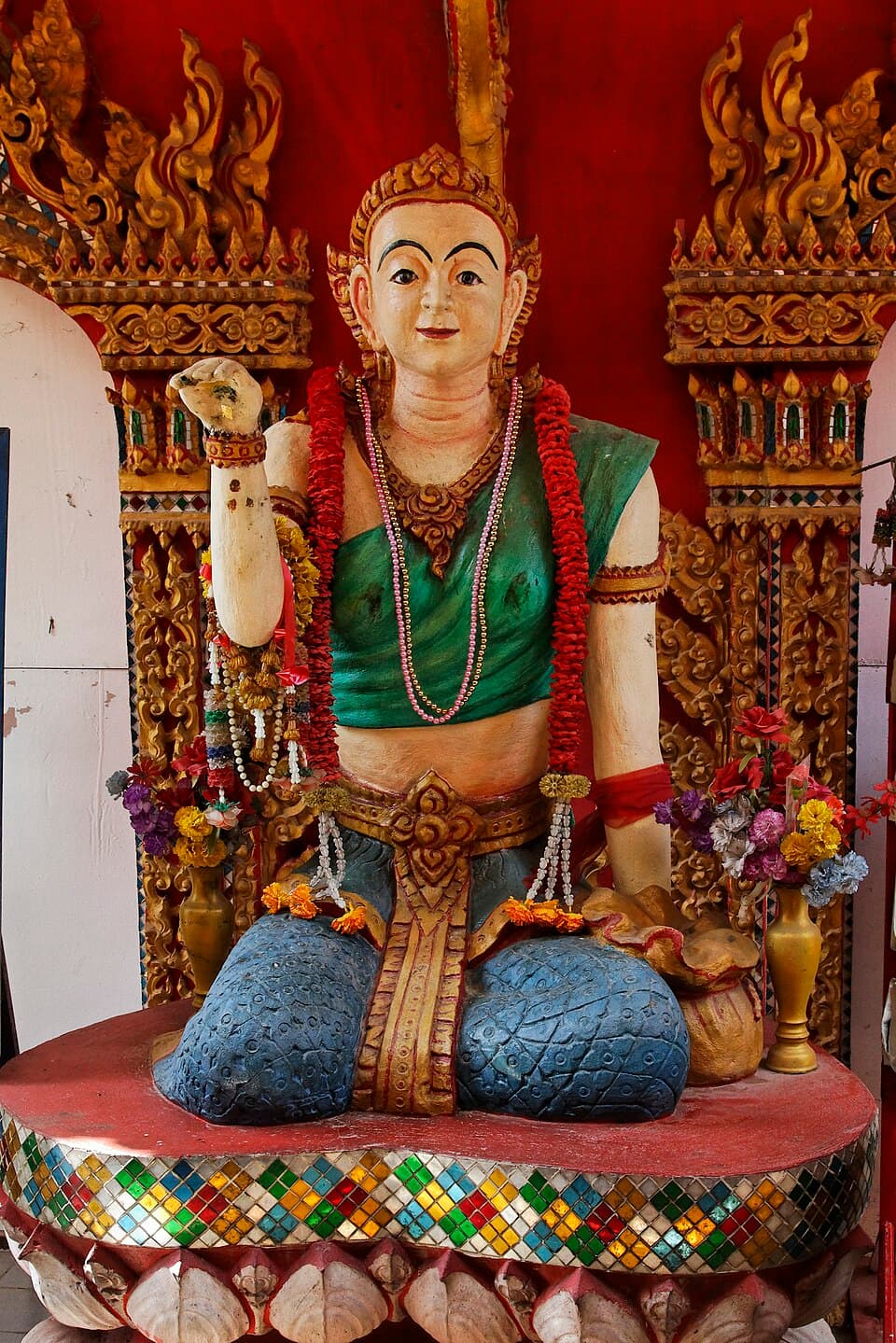
Indian subcontinent
Nang Kwak is a Bodhisattva, household goddess or Spirit of Thai folklore. She is deemed to bring good fortune, prosperi…
Read →
Scandinavia
In Norse mythology, Nanna or Nána is a goddess associated with devotion, peace and harmony. Accounts of Nanna vary grea…
Read →

Ancient Mesopotamia
Sin or Suen (Akkadian: 𒀭𒂗𒍪, dEN. ZU) also known as Nanna (Sumerian: 𒀭𒋀𒆠 DŠEŠ. KI, DNANNA) is the Mesopotamian god …
Read →

Ancient Mesopotamia
Nanshe was a Mesopotamian goddess in various contexts associated with the sea, marshlands, the animals inhabiting these …
Read →
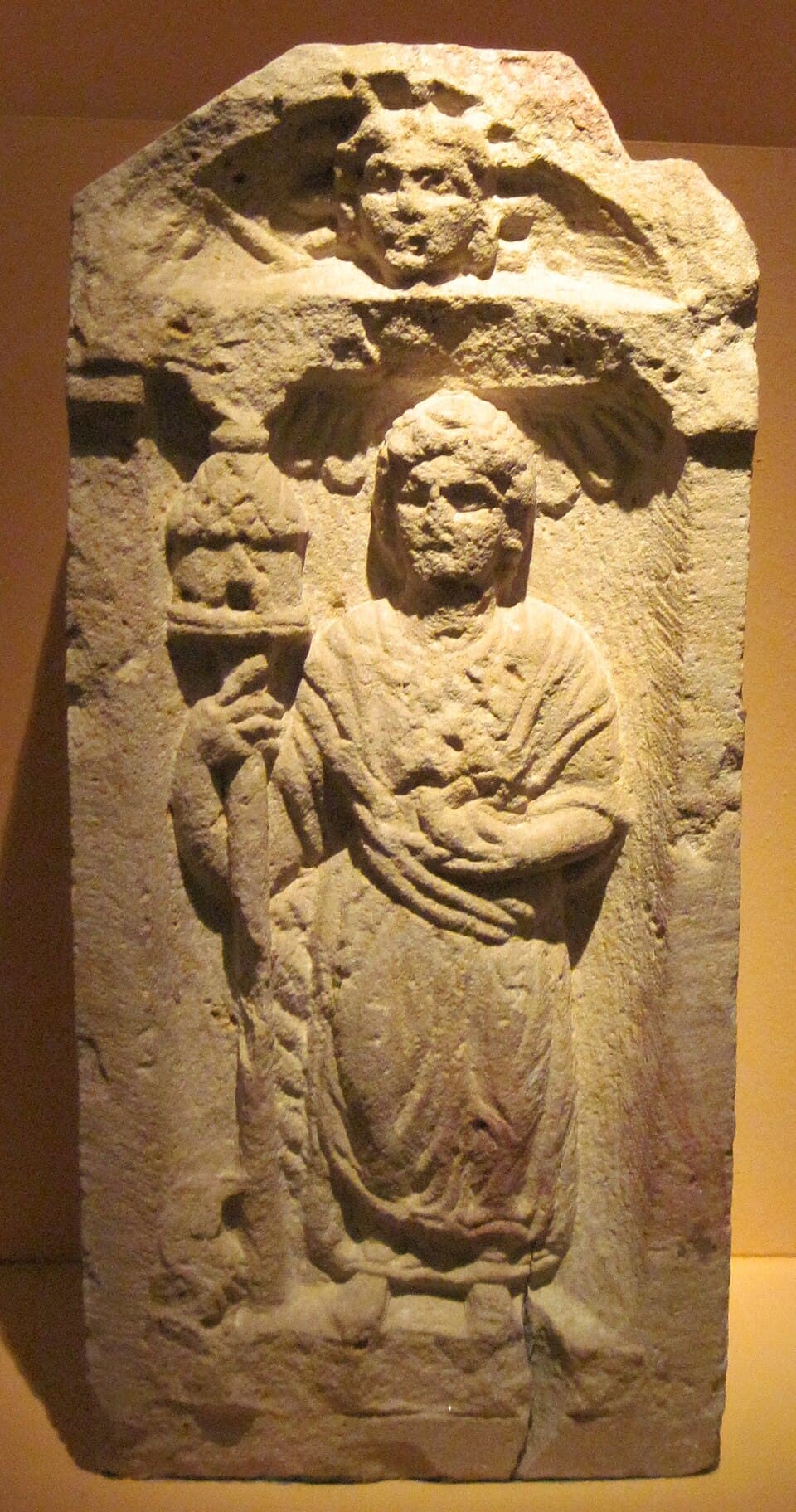
Iron Age Europe
In Celtic mythology, Nantosuelta is the goddess of nature, the earth, fire, and fertility.
Read →
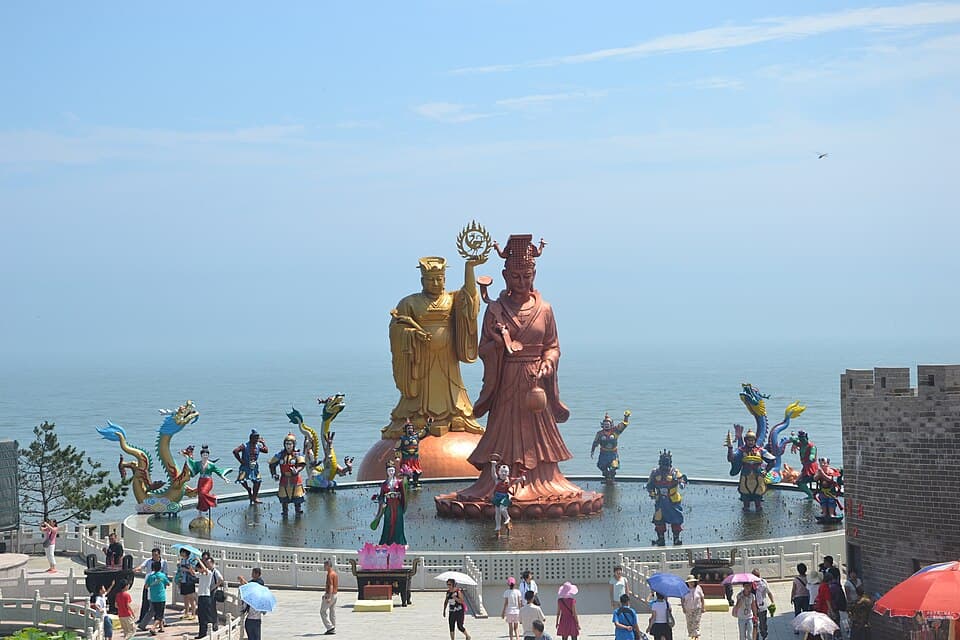
China
Chinese gods and immortals are beings in various Chinese religions seen in a variety of ways and mythological contexts.
Read →

Ancient Mesopotamia
Napirisha was a major Elamite deity. He likely originated from Anshan.
Read →
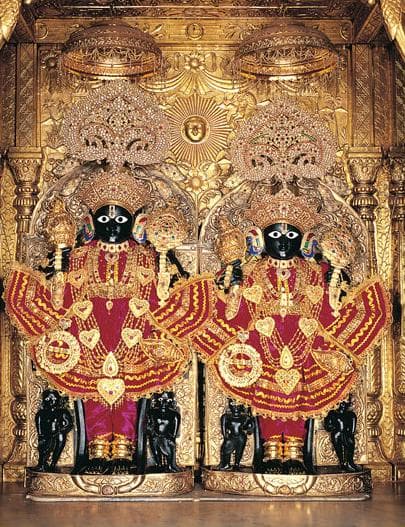
Indian subcontinent
Naranarayana, also rendered Nara-Narayana, are a pair of sage-brothers in Hinduism. They are generally regarded as part…
Read →

Indian subcontinent
Narasimha, is a deity in Hinduism, revered as the fourth of the ten principal avatars (Dashavatara) of the god Vishnu. …
Read →
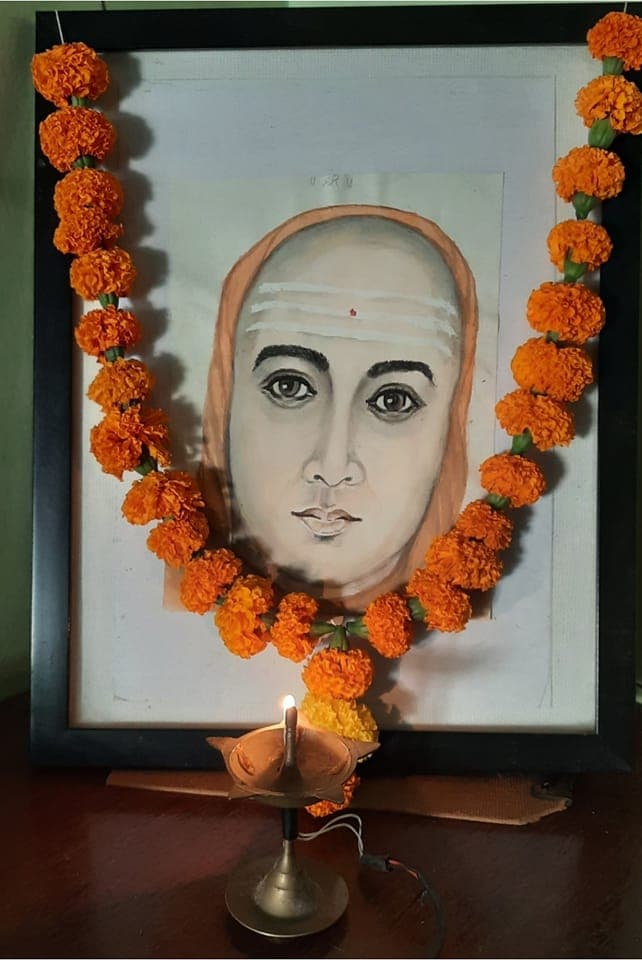
Indian subcontinent
Shree Narasimha Saraswati Swami or Shree Nrusimha Saraswati Swami was an Indian guru of Dattatreya tradition(sampradaya)…
Read →
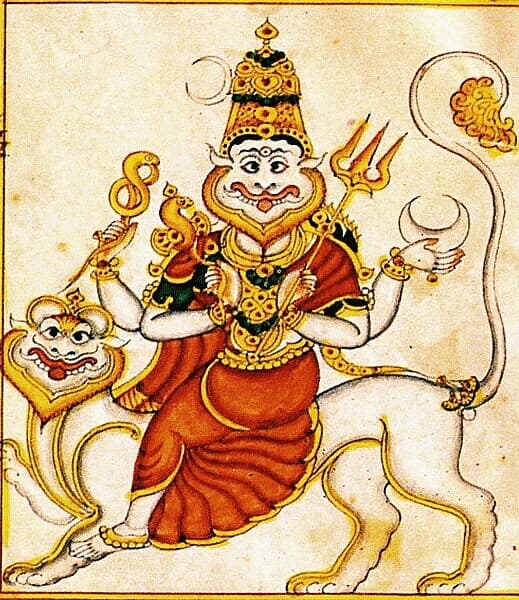
Indian subcontinent
Pratyangira, also called Atharvana Bhadrakali, Narasimhi and Nikumbhala, is a Hindu goddess associated with Shaktism. S…
Read →
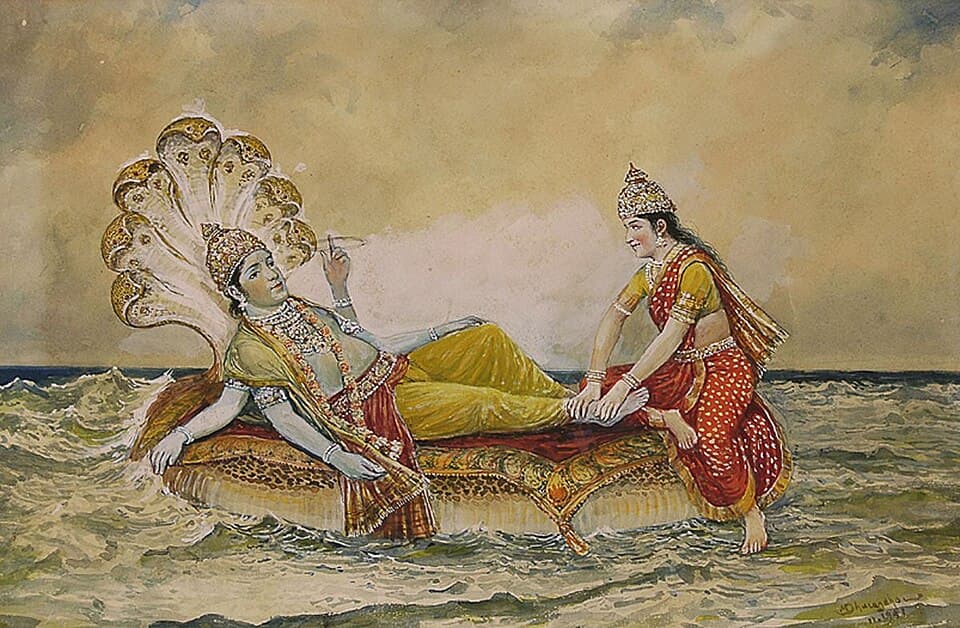
Indian subcontinent
Narayana is one of the forms and epithets of Vishnu. In this form, the deity is depicted in yogic slumber under the cel…
Read →
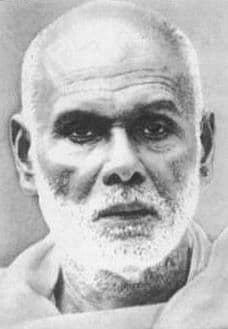
Indian subcontinent
Sree Narayana Guru was a philosopher, spiritual leader and social reformer in India. He led a reform movement against t…
Read →

Scandinavia
In Norse mythology, Narfi is a son of Loki, referred to in a number of sources. He was the God of balance, loyalty, and…
Read →
Iron Age Europe
Naria was a goddess in Gallo-Roman religion who appears to have been venerated only in what is now the western part of S…
Read →

Ancient Mesopotamia
Narundi or Narunde was an Elamite goddess worshiped in Susa. She is attested there roughly between 2250 BCE and 1800 BC…
Read →
Ancient Rome
In Roman mythology, Nascio or Natio was one of many goddesses of birth, and a protector of women in labor. According to…
Read →

Ancient Mesopotamia
The nats are god-like spirits venerated in Myanmar and neighbouring countries in conjunction with Buddhism. They are di…
Read →
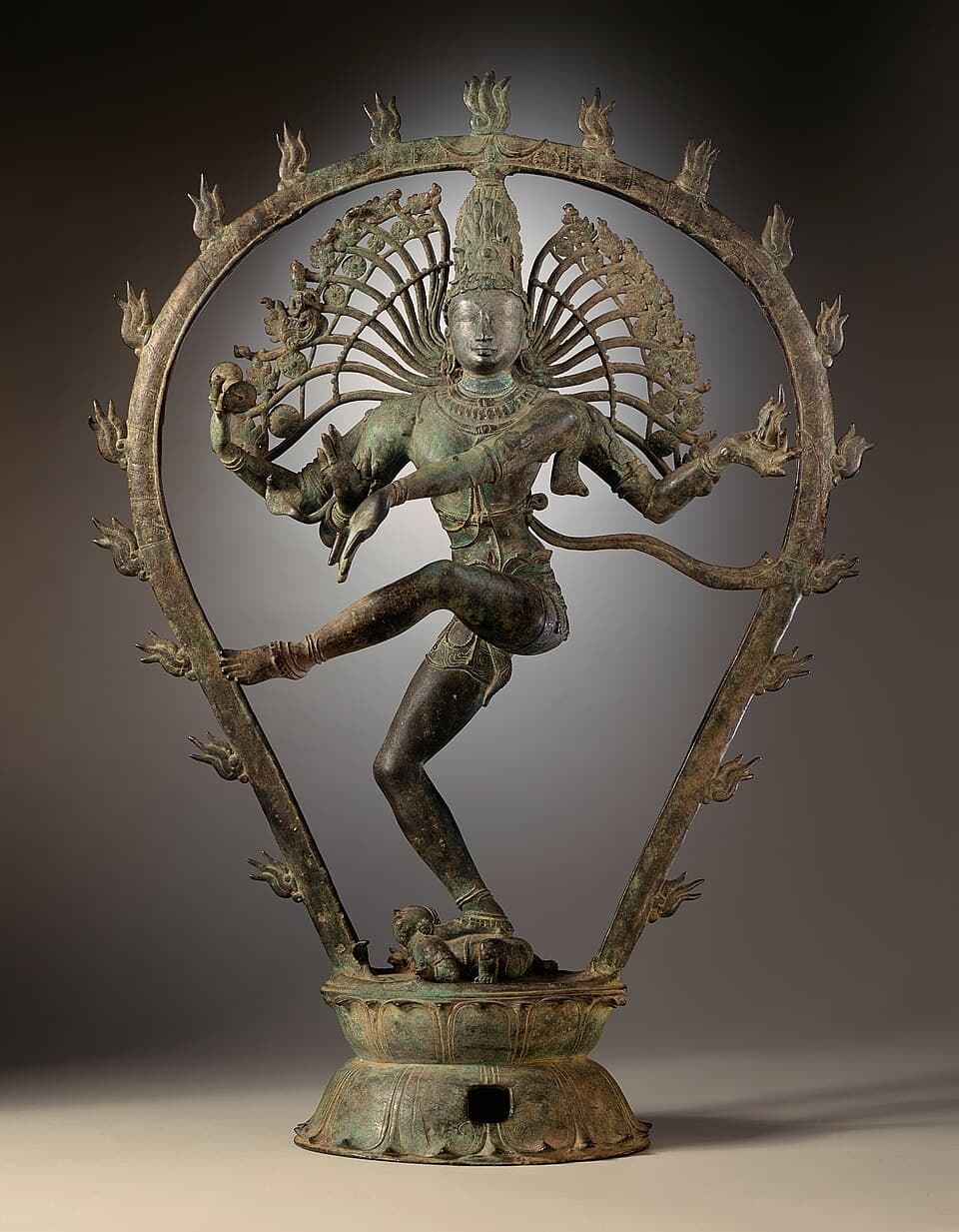
Indian subcontinent
Nataraja, also known as Adalvallan, is a depiction of Shiva, one of the main deities in Hinduism, as the divine cosmic d…
Read →
West Africa
The Nation of Yahweh is a Black Hebrew Israelite religious movement which was founded in 1979 in Miami by Hulon Mitchell…
Read →
Ancient Mesopotamia
A national god or tribal god is a guardian deity whose special concern is supposed to be the safety and well-being of an…
Read →
Ancient Persia
Nature worship, also called naturism or physiolatry, is any of a variety of religious, spiritual and devotional practice…
Read →
Indian subcontinent
Navadurga, also spelled Navdurga and Navadurgas, are nine manifestations and forms of Durga in Hinduism, especially wors…
Read →
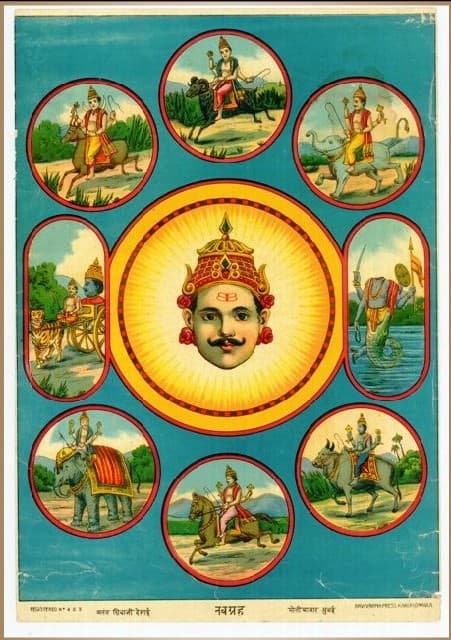
Indian subcontinent
The navagraha are nine heavenly bodies and deities that influence human life on Earth according to Hinduism and Hindu my…
Read →
Ancient Greece
In Greek mythology, Neaera, also Neaira, is the name of a minor goddess, a lover of Helios the god of the sun and the mo…
Read →
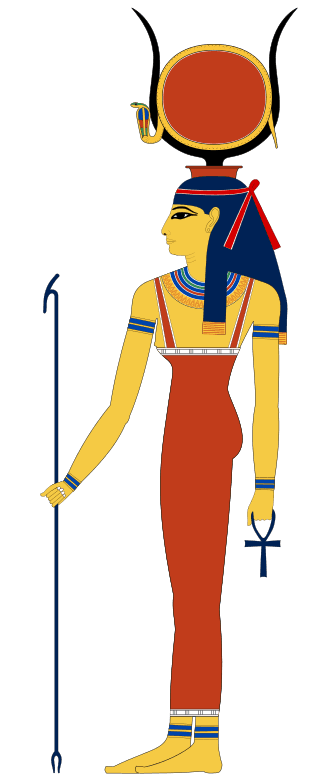
Ancient Egypt
Nebethetepet (nb. t-ḥtp. t) is an ancient Egyptian goddess.
Read →
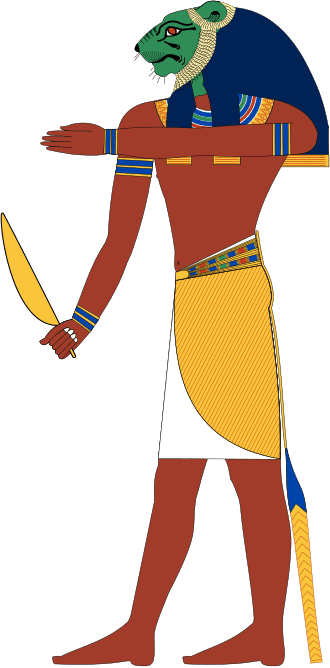
Ancient Egypt
Nebnerou also spelled Neb-nerou or Nebneru is an ancient Egyptian deity associated with guarding tombs and the afterlife…
Read →
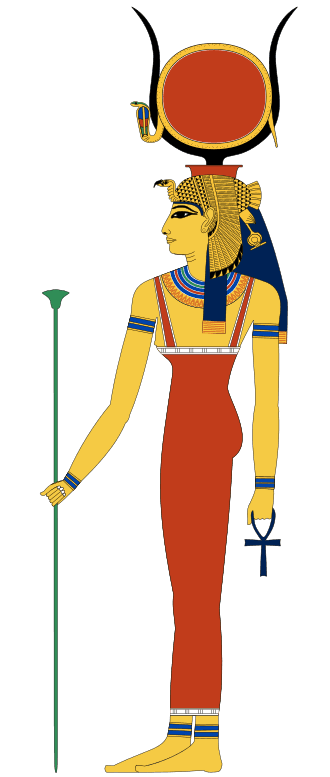
Ancient Egypt
Nebtuwi is an ancient Egyptian goddess personifying fertility, wife of Khnum. Her name translates as "the lady of the f…
Read →

Indian subcontinent
Shani, or Shanaishchara, is the divine personification of the planet Saturn in Hinduism, and is one of the nine heavenly…
Read →
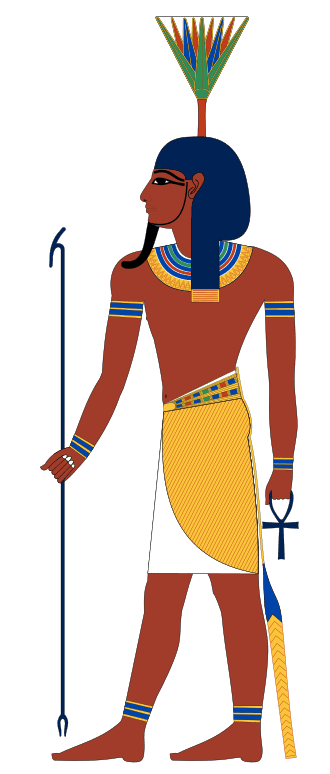
Ancient Egypt
In Egyptian mythology, Nefertem was a lotus flower at the creation of the world, who had arisen from the primal waters. …
Read →
Ancient Egypt
In Egyptian mythology, Nefertem was a lotus flower at the creation of the world, who had arisen from the primal waters. …
Read →
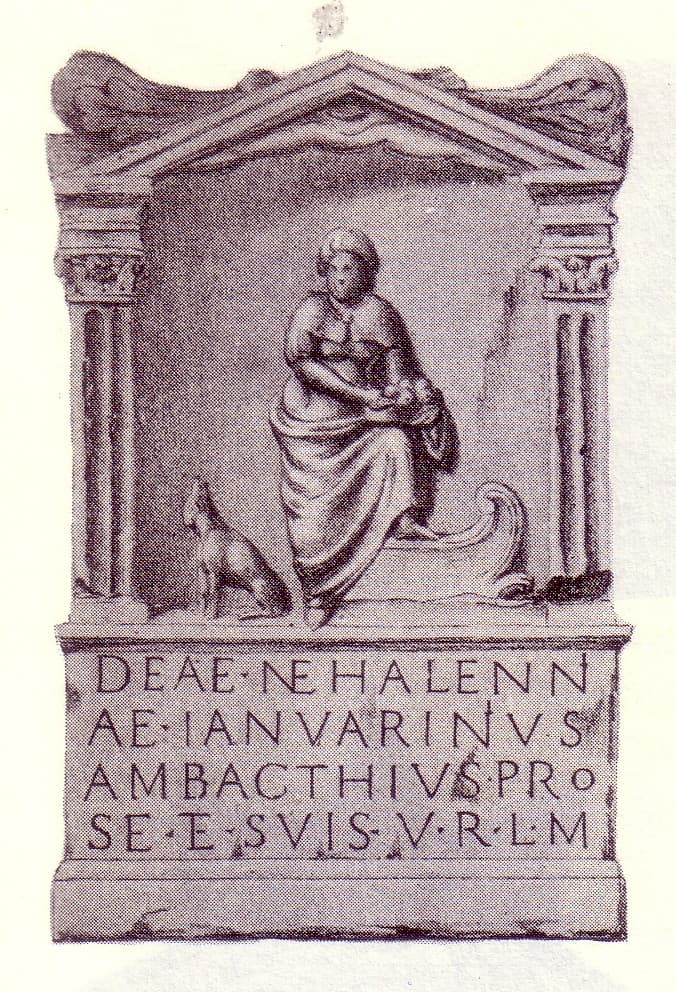
Scandinavia
Nehalennia is a tutelary goddess who was worshipped in 2nd- and 3rd-century Gallia Belgica by travelers, especially sail…
Read →
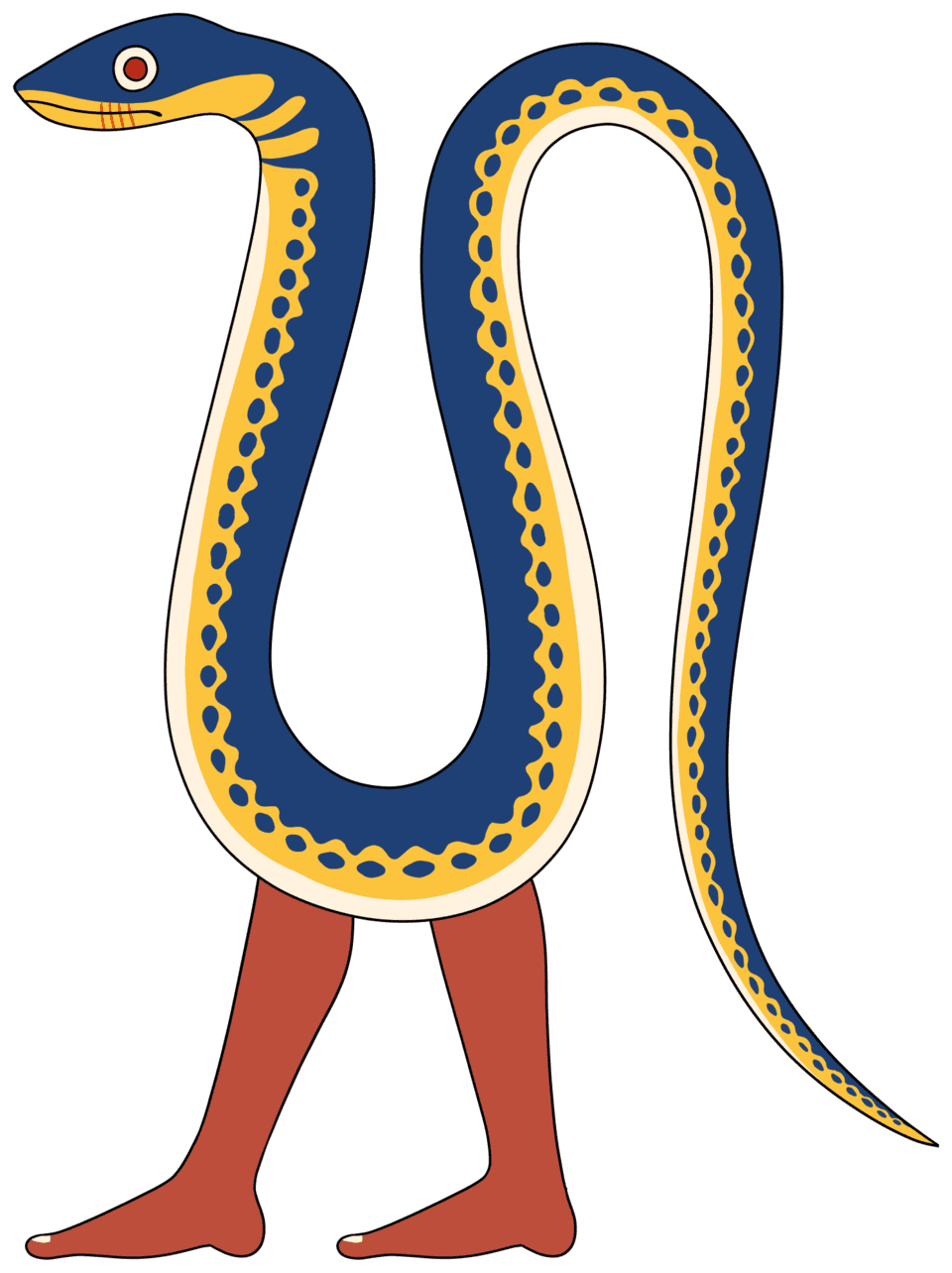
Ancient Egypt
Nehebkau was the primordial snake god in ancient Egyptian mythology. Although originally considered an evil spirit, he …
Read →
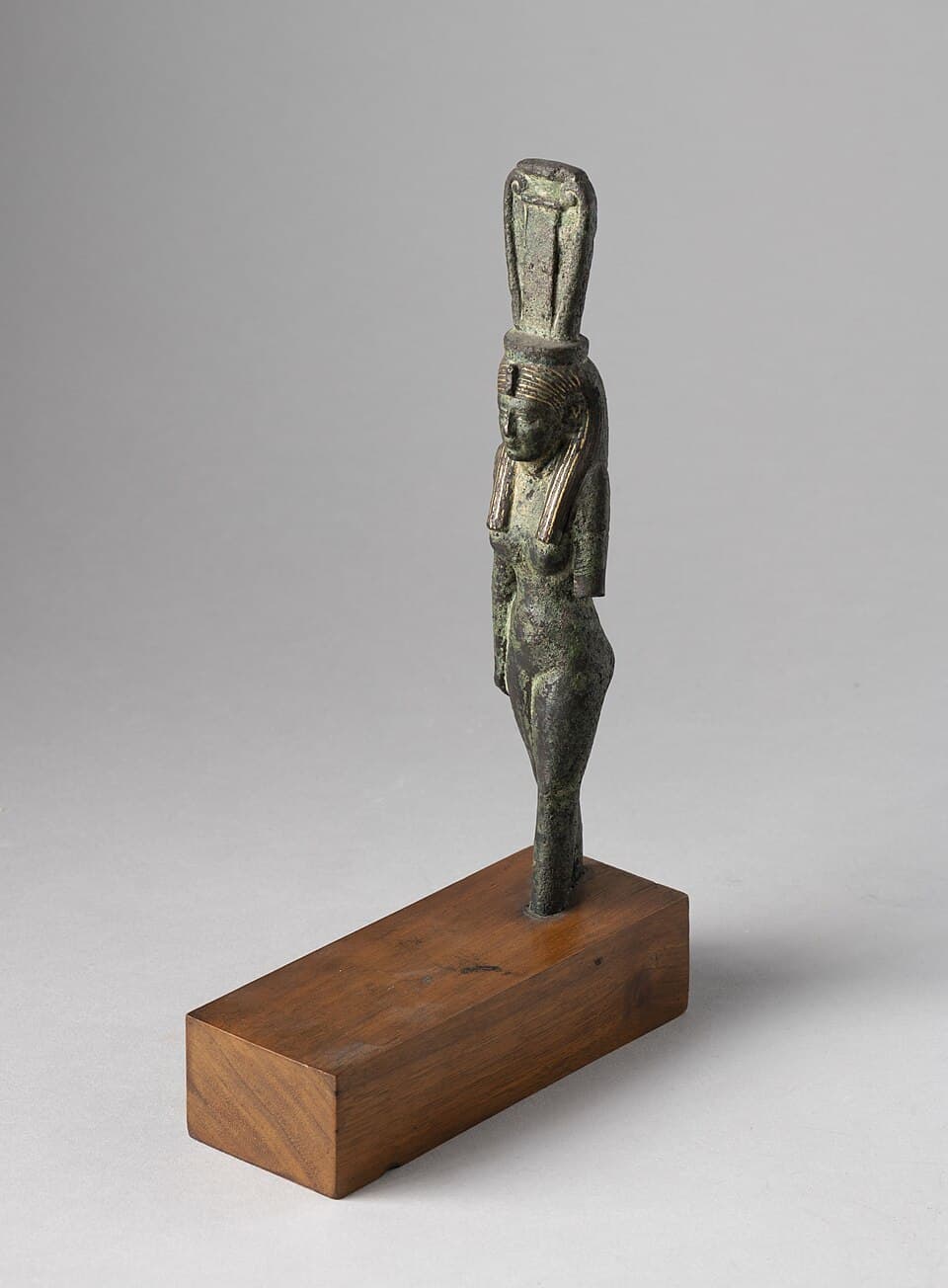
Ancient Egypt
Nehmetawy (nḥm. t-ˁw3ỉ; "she who embraces those in need") is a goddess in the ancient Egyptian religion. She is not ver…
Read →
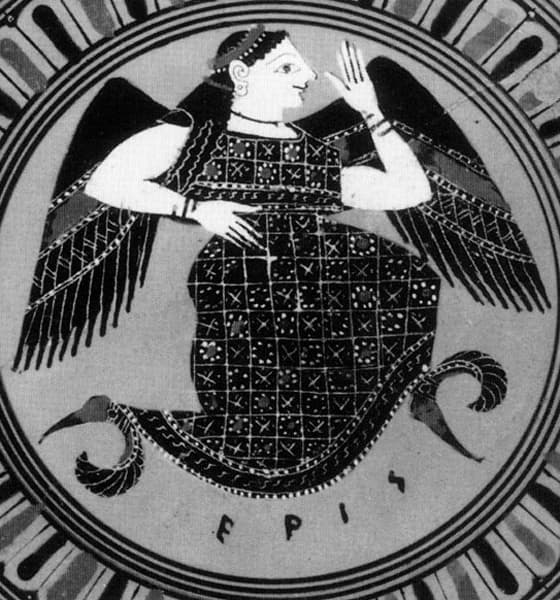
Ancient Greece
In Greek mythology, Eris is the goddess and personification of strife and discord, particularly in war, and in the Iliad…
Read →