
Egyptian3100 BCE – 400 CE
Shu (Egyptian deity)
Ancient Egypt
Shu was one of the primordial Egyptian gods, spouse and brother to the goddess Tefnut, and one of the nine deities of th…
Read →
Research Index
An archive of 3,493 gods, deified rulers, and mythological figures across civilizations — from living gods of Egypt to the dying gods of antiquity.
Ancient Egypt
Shu was one of the primordial Egyptian gods, spouse and brother to the goddess Tefnut, and one of the nine deities of th…
Read →
Ancient Egypt
Shu was one of the primordial Egyptian gods, spouse and brother to the goddess Tefnut, and one of the nine deities of th…
Read →
Ancient Egypt
Shu was one of the primordial Egyptian gods, spouse and brother to the goddess Tefnut, and one of the nine deities of th…
Read →

Indian subcontinent
Shuddadvaita is the "purely non-dual" philosophy propounded by the Hindu philosopher Vallabha, the founder of Puṣṭimārga…
Read →

China
Shui Wei Sheng Niang is a deity of the Chinese pantheon.
Read →
China
Shuimu is a deity of the Chinese pantheon.
Read →
China
Shujun is a Chinese god of farming and cultivation, also known as Yijun and Shangjun. Alternatively he is a legendary c…
Read →
Ancient Mesopotamia
Šulpae was a Mesopotamian god. Much about his role in Mesopotamian religion remains uncertain, though it is agreed he w…
Read →

Ancient Mesopotamia
Shul-utul or Shul-utula was the personal god of the rulers of the Mesopotamian Ur-Nanshe dynasty of Lagash. His name me…
Read →

Ancient Mesopotamia
Shulgi of Ur was the second king of the Third Dynasty of Ur. He reigned for 48 years, from c. 2094 – c.
Read →
Ancient Mesopotamia
Shullat (Šûllat) and Hanish (Ḫaniš) were a pair of Mesopotamian gods. They were usually treated as inseparable, and app…
Read →
Ancient Mesopotamia
Shulmanu or Shulman was an ancient Mesopotamian deity. The deity is only ever recorded as having been worshipped by the…
Read →
Ancient Mesopotamia
Shulshaga (Šulšaga) or Shulsagana (Šulšagana) was a Mesopotamian god. He was a part of the state pantheon of the city-s…
Read →

China
Shunfeng'er is a Chinese sea and door god. He usually appears with Qianliyan as a guardian of the temples of the sea go…
Read →

Ancient Mesopotamia
Šuqamuna (dšu-qa-mu-na) and Šumaliya (dšu-ma-li-ia) were a pair of deities introduced to Mesopotamia during the Kassite …
Read →
Ancient Mesopotamia
Shuruppak, modern Tell Fara, was an ancient Sumerian city situated about 55 kilometres (35 mi) south of Nippur and 30 ki…
Read →
Ancient Mesopotamia
Shuwala (Šuwala) was a Hurrian goddess who was regarded as the tutelary deity of Mardaman, a Hurrian city in the north o…
Read →
Ancient Mesopotamia
Shuzianna was a Mesopotamian goddess. She was chiefly worshiped in Nippur, where she was regarded as a secondary spouse…
Read →
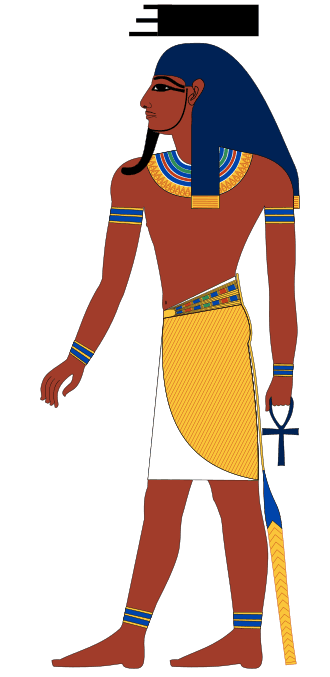
Ancient Egypt
Sia or Saa, an ancient Egyptian god, was the deification of perception in the Heliopolitan Ennead cosmogony and is proba…
Read →
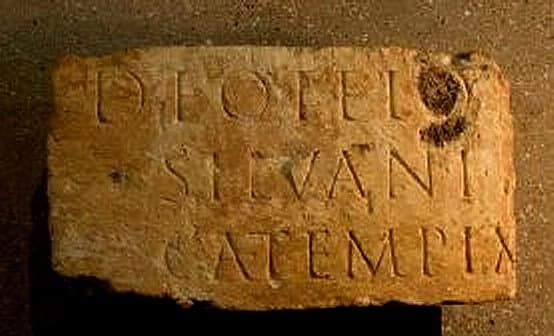
Iron Age Europe
Sianna or Stanna is a Romano-Celtic goddess from Roman Gaul, attested epigraphically from Vesunna.
Read →
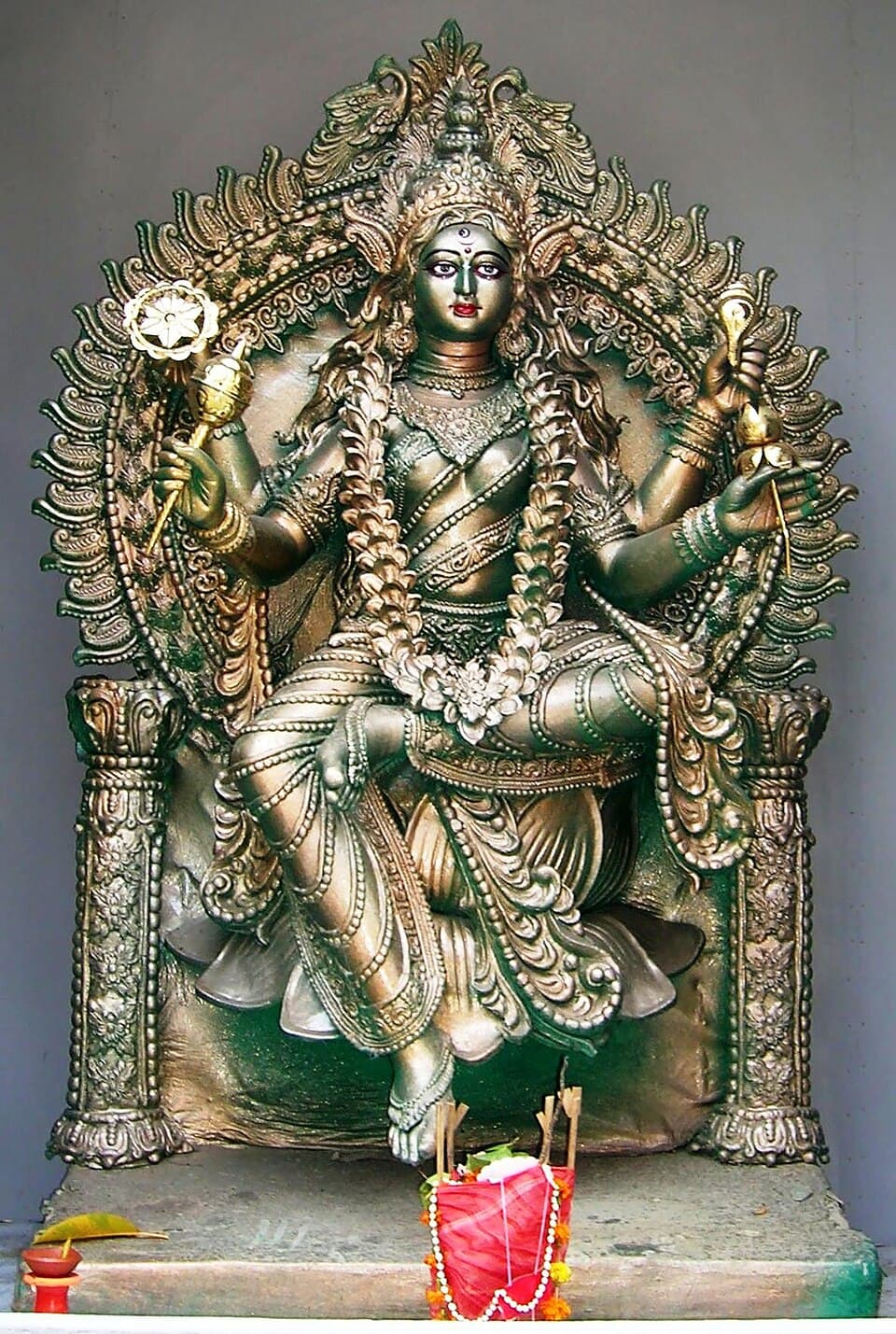
Indian subcontinent
Siddhidhatri or Siddhidatri is a form of the Hindu goddess Mahadevi, venerated as the goddess of siddhi. She is the nin…
Read →
Ancient Mesopotamia
Siduri, or more accurately Šiduri, is a character in the Epic of Gilgamesh. She is described as an alewife. The oldest…
Read →
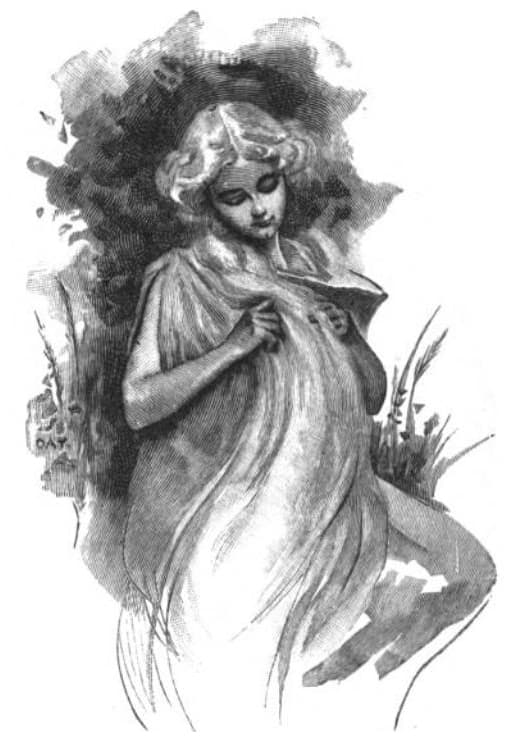
Scandinavia
In Norse mythology, Sif is a golden-haired goddess associated with earth. Sif is attested in the Poetic Edda, compiled …
Read →

Scandinavia
Signhildsberg is a manor that formerly was a royal estate, located in the parish of Håtuna approximately 4 kilometres (2…
Read →
Scandinavia
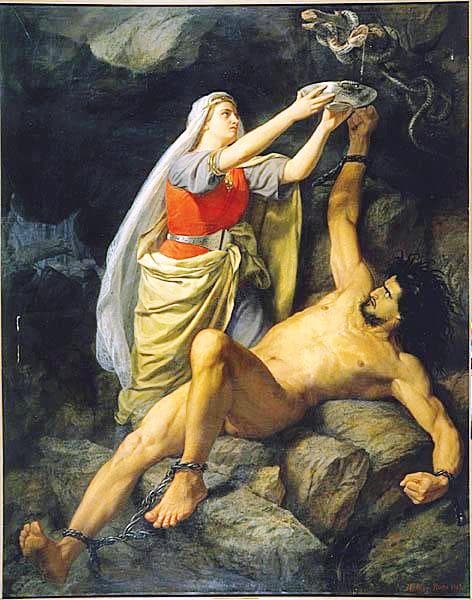
Sigyn is a deity from Norse mythology. She is attested in the Poetic Edda, compiled in the 13th century from earlier tr…
Read →
Ancient Greece
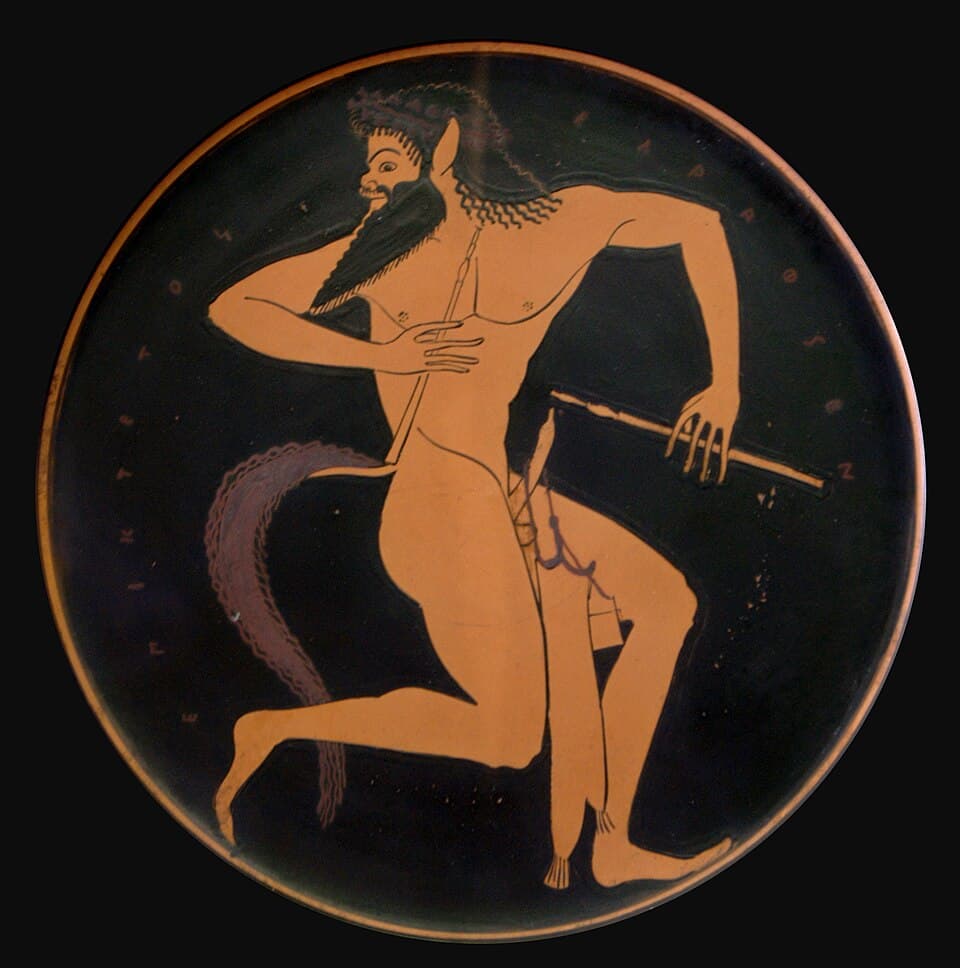
In Greek mythology, a satyr, also known as a silenus or silenos, and sileni (plural), is a male nature spirit with ears …
Read →
Ancient Greece
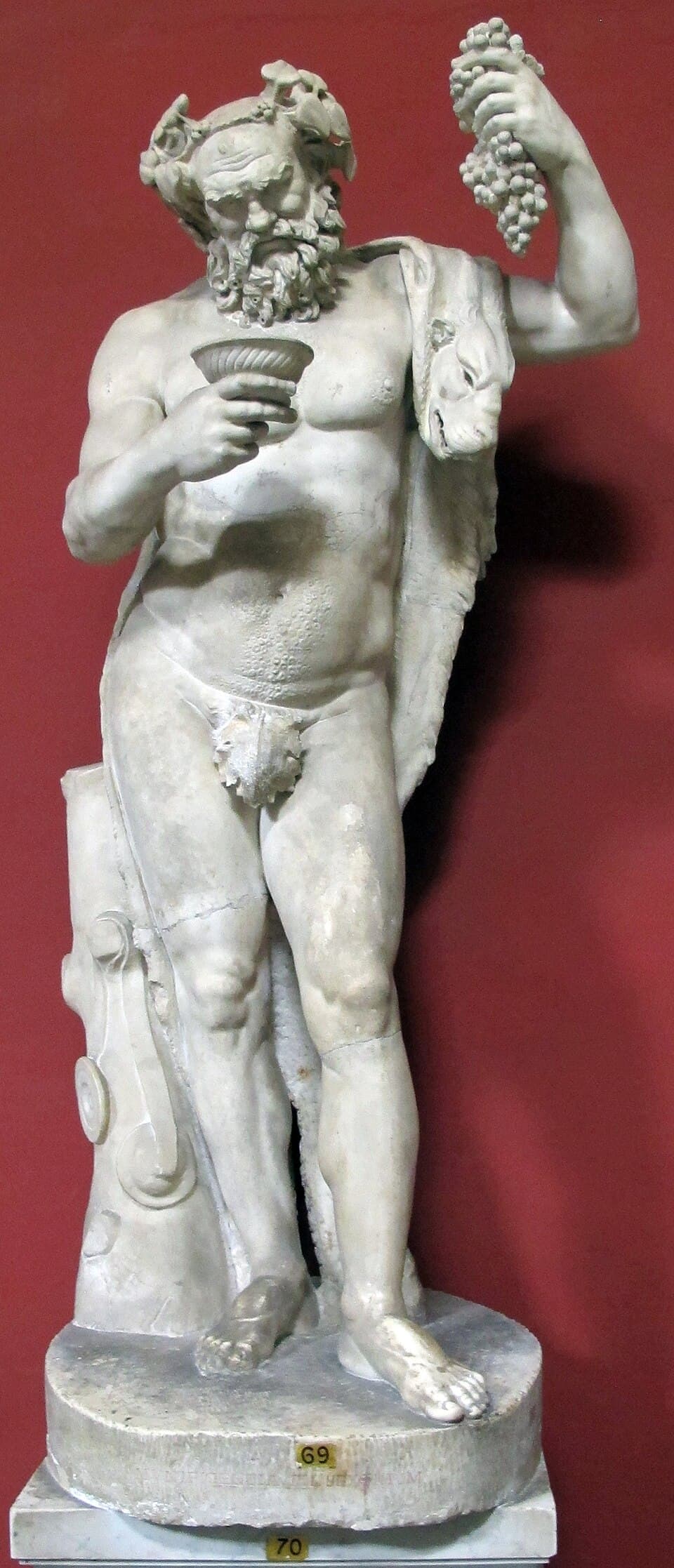
In Greek mythology, Silenus was a companion and tutor to the wine god Dionysus. He is typically older than the satyrs o…
Read →
Ancient Mesopotamia
Silili is a divine figure mentioned in Tablet VI of the Epic of Gilgamesh. Gilgamesh objects to the unwanted attraction…
Read →
Ancient Rome
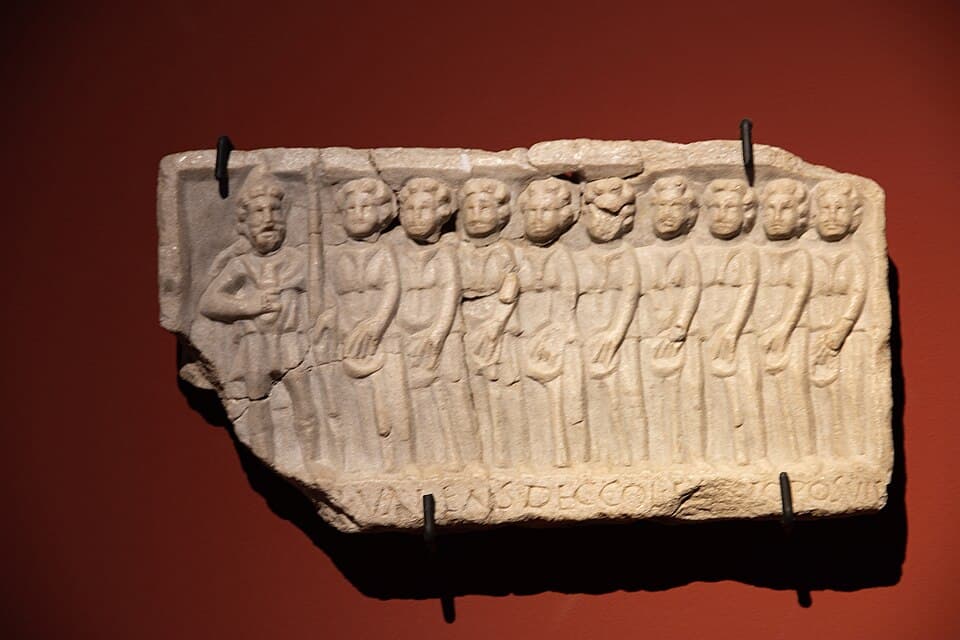
In the religion of the Roman Empire, the Silvanae are nymphs or goddesses associated with the woodland god Silvanus. Th…
Read →
Early Slavs
Simargl or Sěm and Rgel is an East Slavic god or gods often depicted as a winged dog, mentioned in two sources. The ori…
Read →

China
Siming refers to a Chinese male deity or deified functionary of that title who makes fine adjustments to human fate, wit…
Read →
Ancient Greece
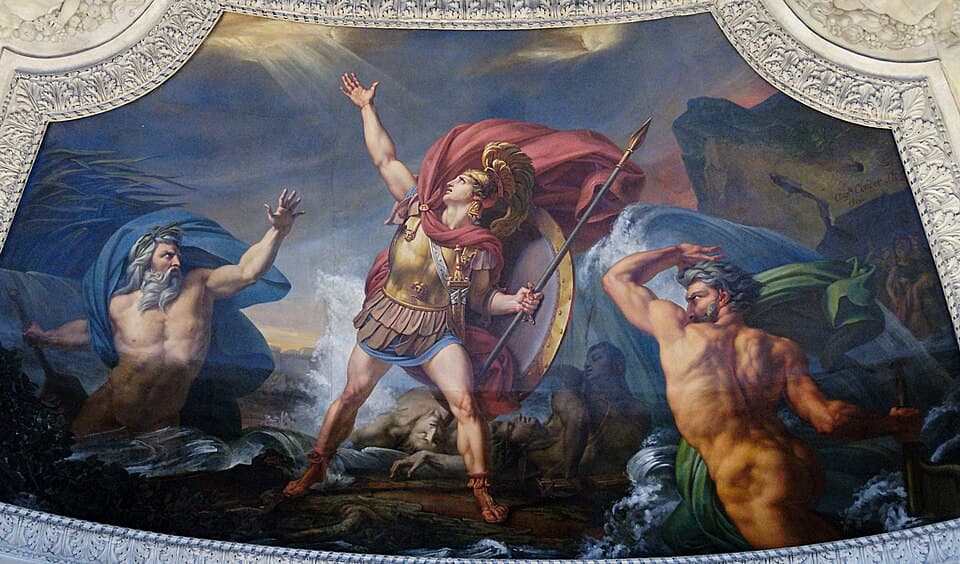
Simoeis or Simois was a river of the Trojan plain, now called the Dümruk Su, and the name of its god in Greek mythology.
Read →
Ancient Mesopotamia
Simut or Šimut (Shimut) was an Elamite god. He was regarded as the herald of the gods, and was associated with the plan…
Read →

Asia
Singha Sārtha Aju is a merchant in Nepalese folklore. According to tradition, he is the first Newar merchant of Kathman…
Read →
Indian subcontinent
Sinivali is a Vedic goddess, mentioned in two hymns of the Rigveda, in RV 2. 32 and RV 10. 184.
Read →
Ancient Mesopotamia
Siris or Siraš was a Mesopotamian goddess associated with beer. She was also worshiped in Ebla, where her name was spel…
Read →

Ancient Mesopotamia
Sirsir, also known as Ninsirsir, was a Mesopotamian god. He was associated with sailors. It has been proposed that he …
Read →
Scandinavia
In Norse mythology, the sister-wife of Njörðr is the twin sister and unnamed first wife of the god Njörðr, and together …
Read →
Ancient Egypt
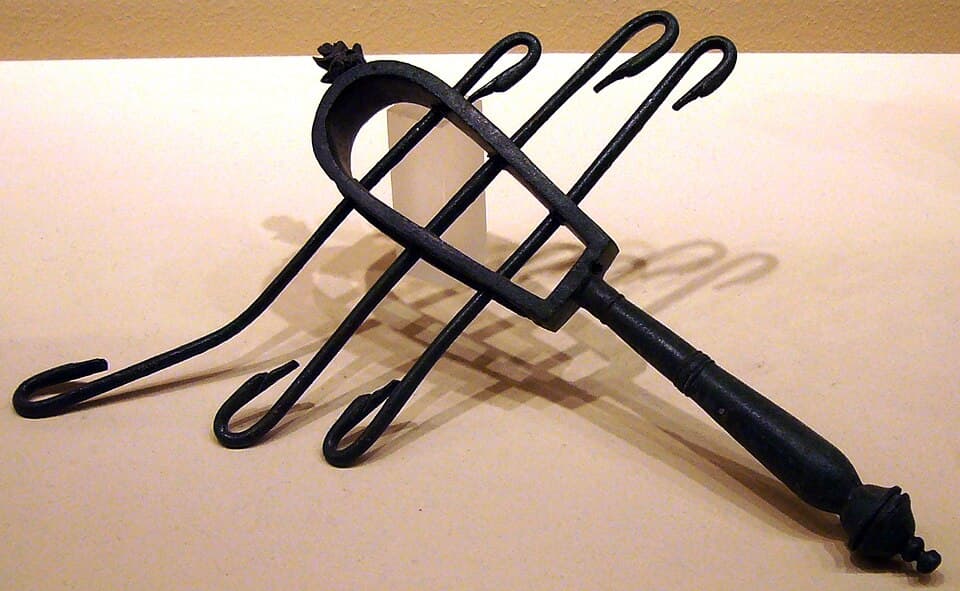
A sistrum is a musical instrument of the percussion family, a form of rattle, used most notably by the ancient Egyptians…
Read →
Indian subcontinent
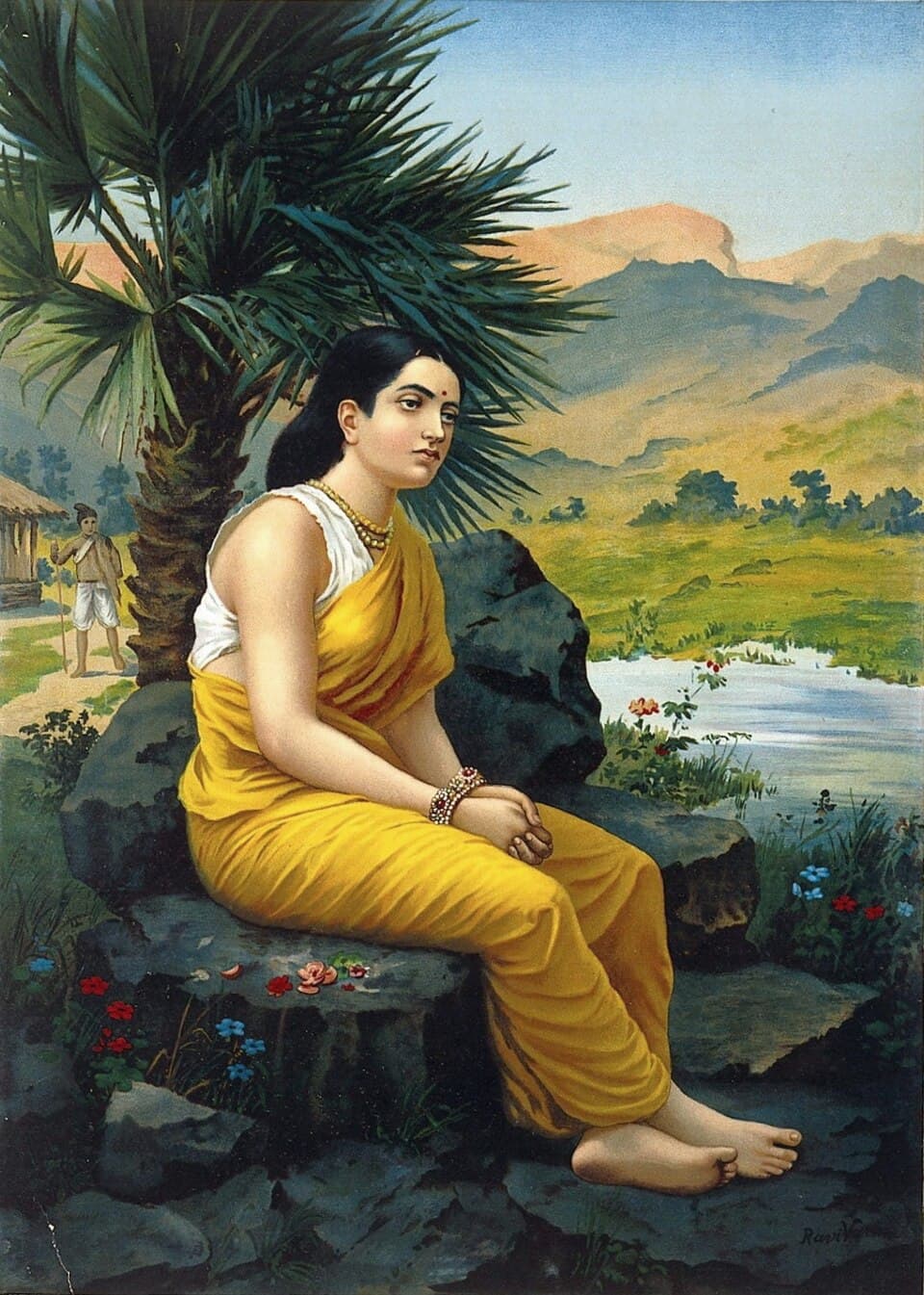
Sita, also known as Siya, Jānaki and Maithili, is a Hindu goddess and the female protagonist of the Hindu epic Ramayana.…
Read →

Asia
Sitātapatrā is a bodhisattva and protector against supernatural danger in Buddhism. She is venerated in both the Mahaya…
Read →

Ancient Egypt
The Siwa Oasis is an urban oasis in Egypt. It is situated between the Qattara Depression and the Great Sand Sea in the …
Read →
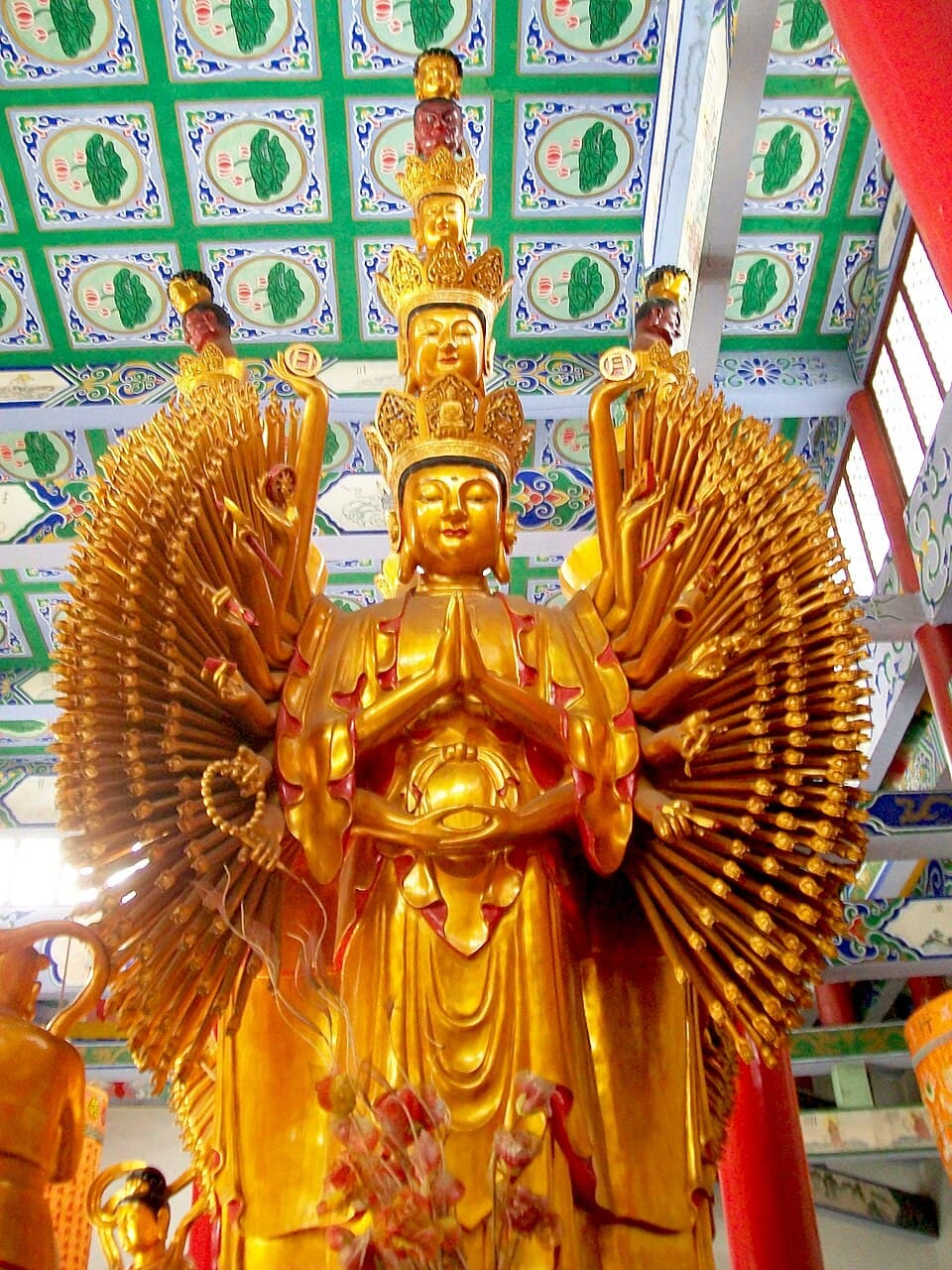
Asia
In East Asian Buddhism, the Six Guanyin or Six forms of Avalokitesvara is a grouping of six manifestations of the Bodhis…
Read →
Scandinavia
In Norse mythology, Sjöfn or Vjöfn is a goddess associated with love. Sjöfn is attested in the Prose Edda, written in t…
Read →
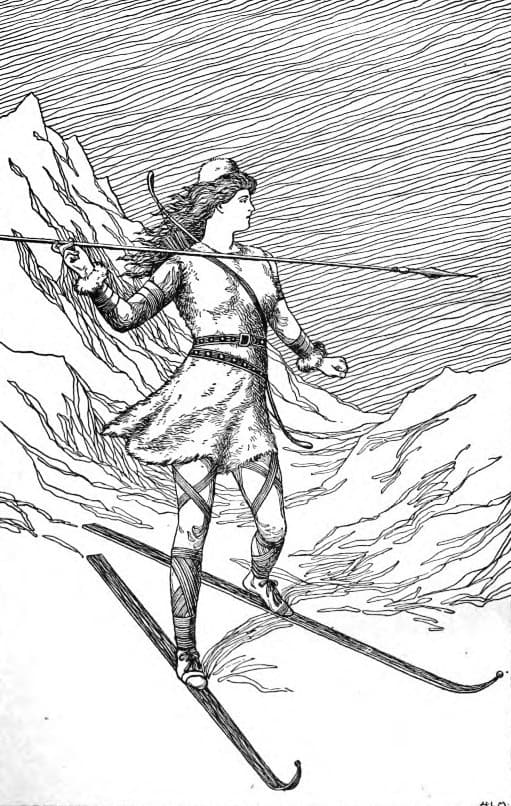
Scandinavia
In Norse mythology, Skaði is a jötunn and goddess associated with bowhunting, skiing, winter, and mountains. Skaði is a…
Read →

Scandinavia
Skáldskaparmál is the second part of the Prose Edda, compiled by Snorri Sturluson. It consists of a dialogue between Æg…
Read →

Asia
Skanda, also known as Weituo and Idaten, is a Mahayana bodhisattva regarded as a devoted guardian of Buddhist monasterie…
Read →

Indian subcontinent
The Skanda Purana is the largest Mukhyapurāṇa, a genre of eighteen Hindu religious texts. The text contains over 81,000…
Read →
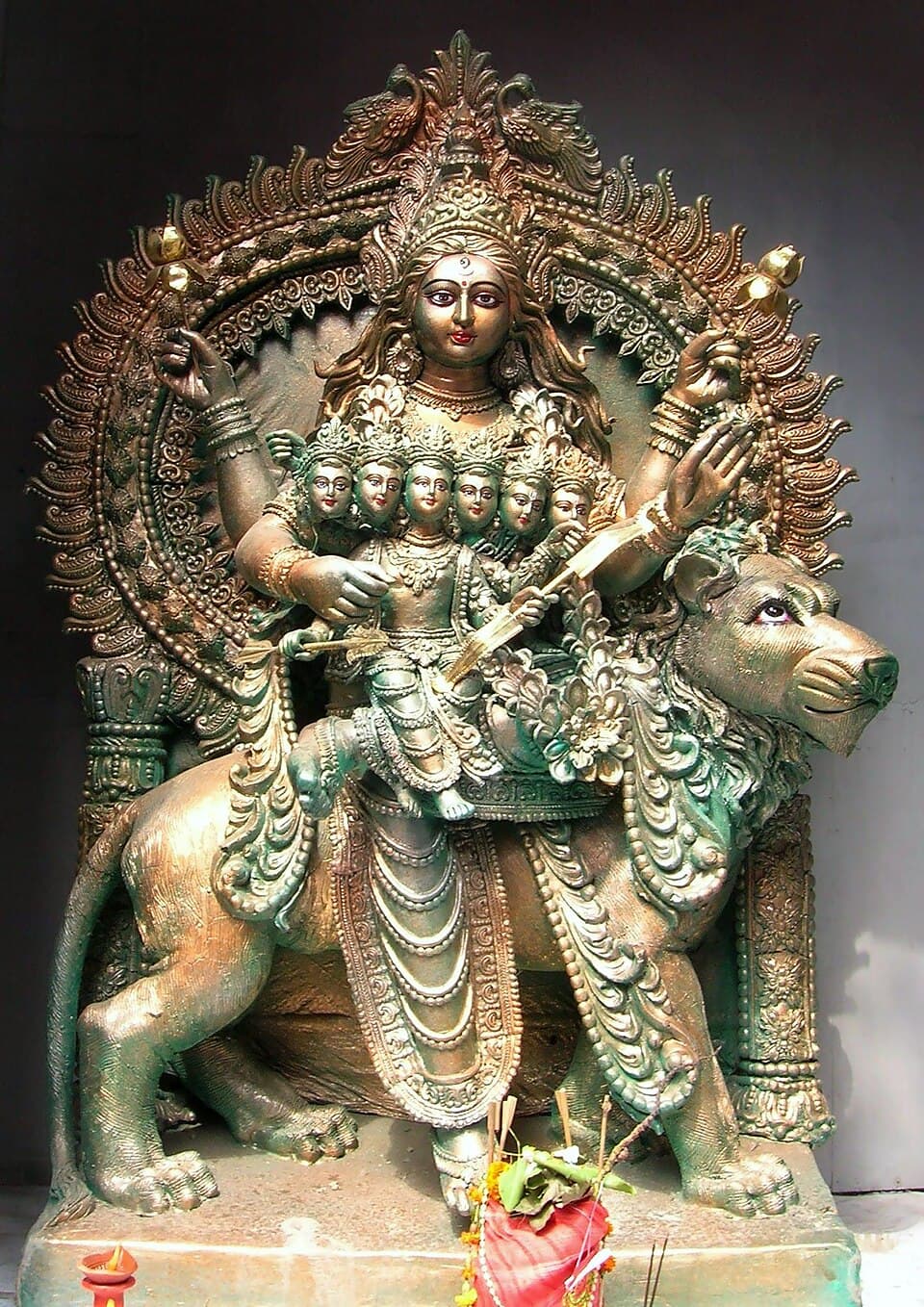
Indian subcontinent
Skandamata is a form of the Hindu goddess Mahadevi, venerated as the mother of the war god Kartikeya, also called Skanda…
Read →
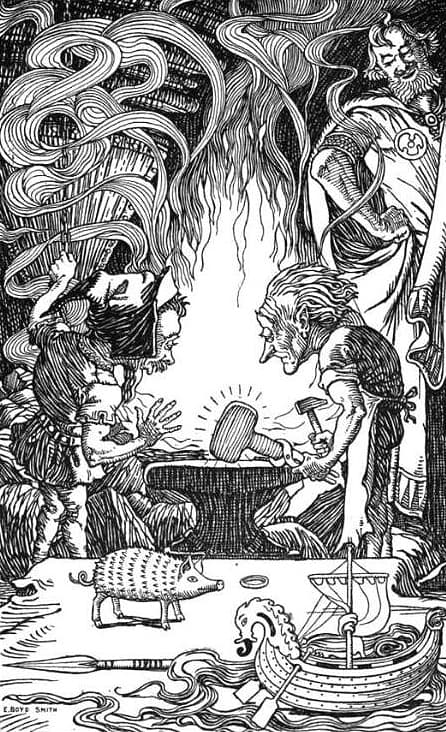
Scandinavia
Skíðblaðnir, sometimes anglicized as Skidbladnir or Skithblathnir, is the best of ships in Norse mythology. It is attes…
Read →
Scandinavia
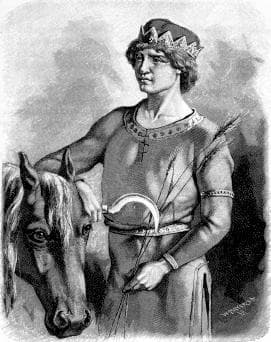
In Norse mythology, Skírnir is the god Freyr's messenger and vassal. He appears in both the Poetic and Prose Eddas.
Read →

Ancient Mesopotamia
A sky deity is a deity associated with the sky, and are a common feature of polytheistic religions, and as hypothesized …
Read →

Japan
Smallpox demon or smallpox devil is a demon which was believed to be responsible for causing smallpox in medieval Japan.…
Read →

Indian subcontinent
The Smarta tradition is a movement in Hinduism that developed and expanded with the Puranas genre of literature. It ref…
Read →
Indian subcontinent
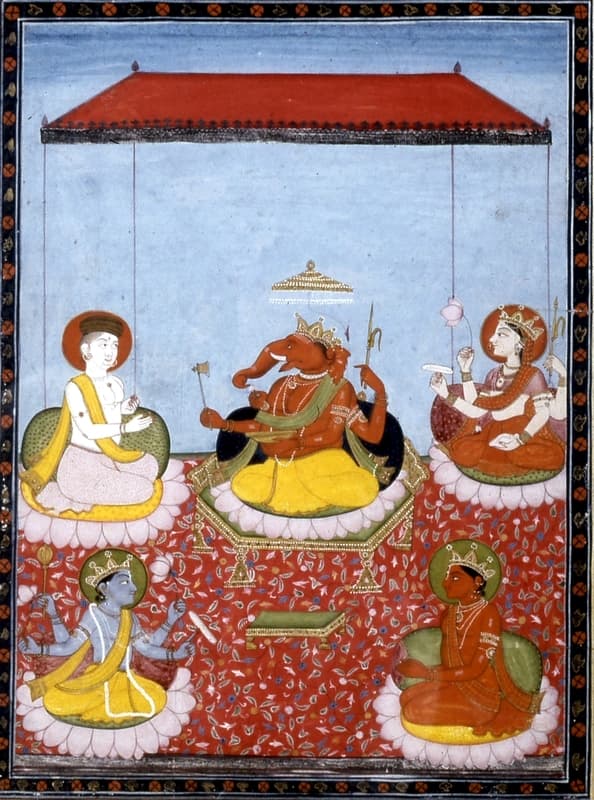
The Smarta tradition is a movement in Hinduism that developed and expanded with the Puranas genre of literature. It ref…
Read →
Ancient Mesopotamia
This is a list of deities associated with blacksmiths and craftspeople.
Read →
Scandinavia
In Norse mythology, Snotra is a goddess associated with wisdom. Snotra is attested in the Prose Edda, written in the 13…
Read →
Ancient Egypt
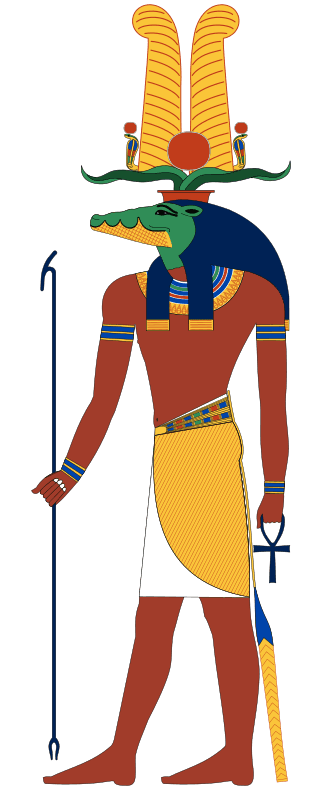
Sobek, also known as Suchus, was an ancient Egyptian deity with a complex history and nature. He is associated with the…
Read →
Japan
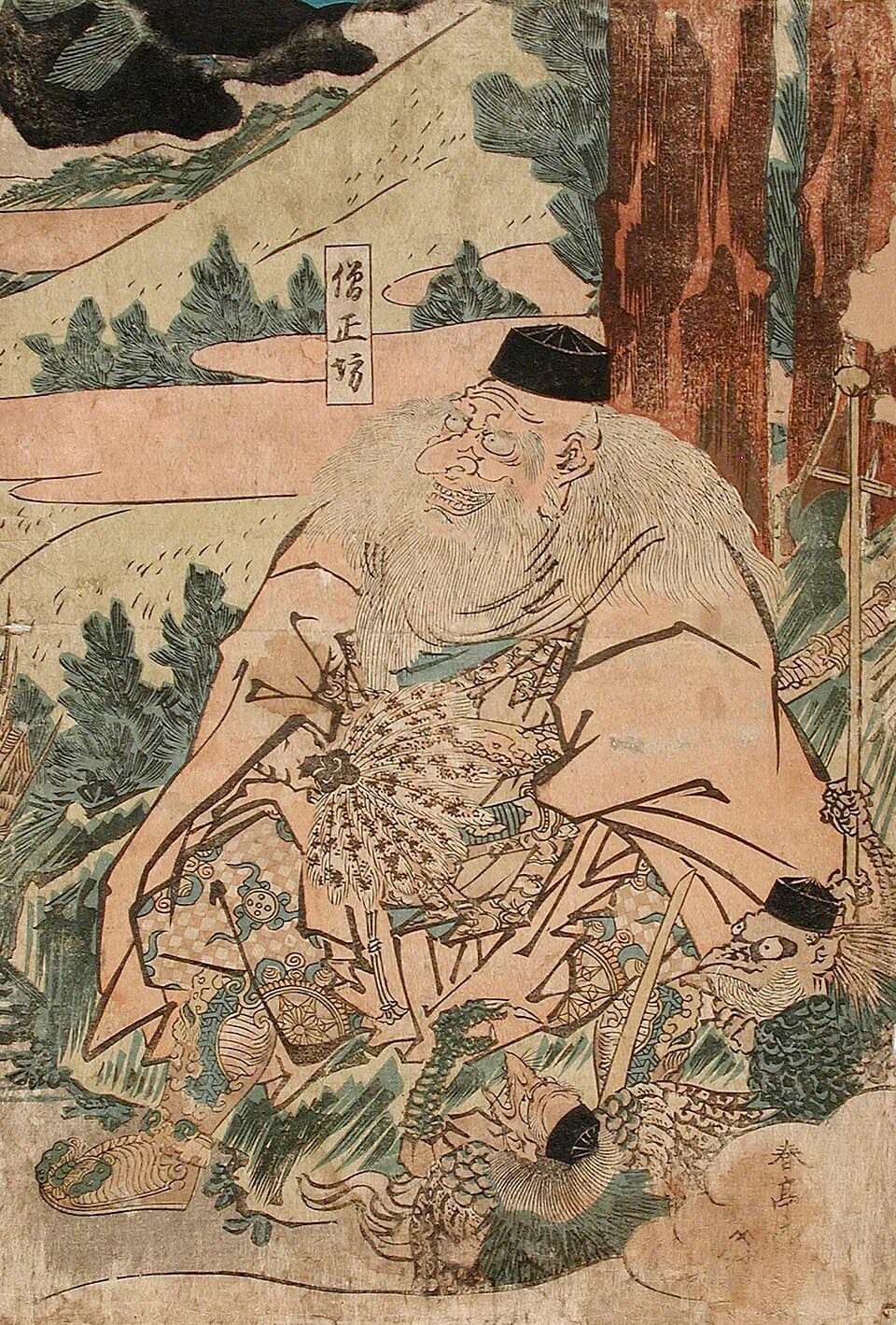
In Japanese folklore and mythology, Sōjōbō is the mythical king and god of the tengu, legendary creatures thought to inh…
Read →
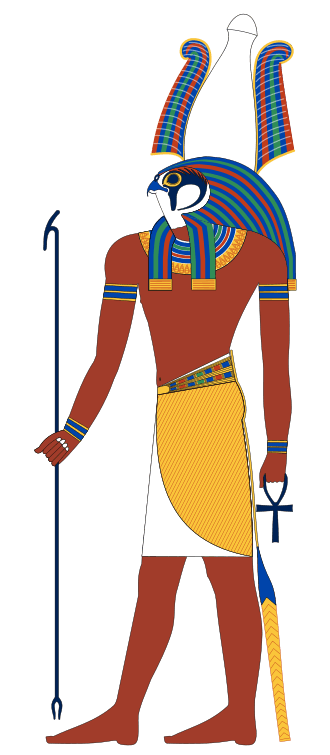
Ancient Egypt
Sokar is a hawk or falcon god of the Memphite necropolis in the Ancient Egyptian religion, who was known as a patron of …
Read →
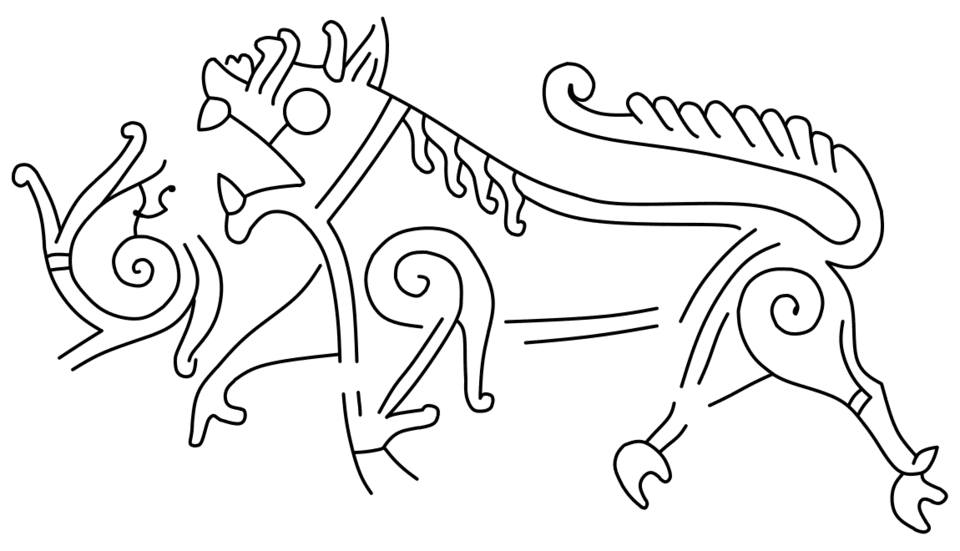
Scandinavia
In Germanic mythology, Sól or Sunna, Old English: Siġel, Sunne; Old Frisian: Sunne, Old Saxon: Sunna, Old High German: S…
Read →
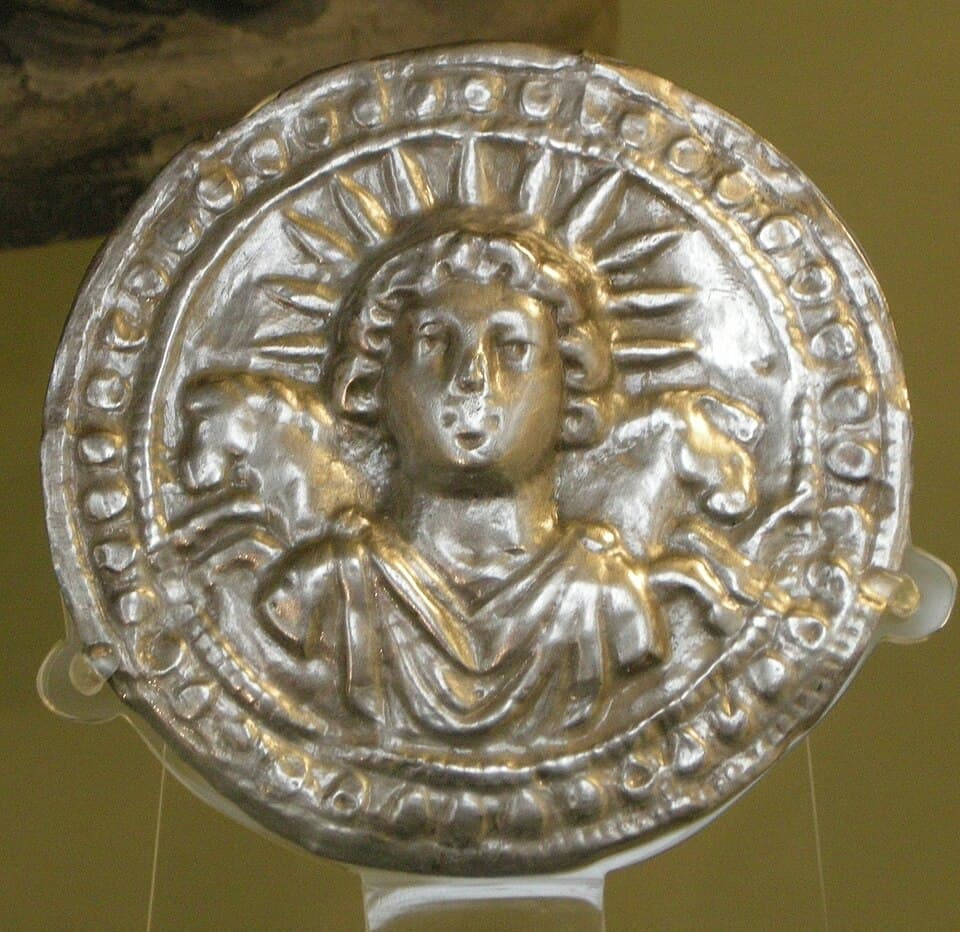
Ancient Rome
Sol is the personification of the Sun and a god in ancient Roman religion. It was long thought that Rome actually had t…
Read →
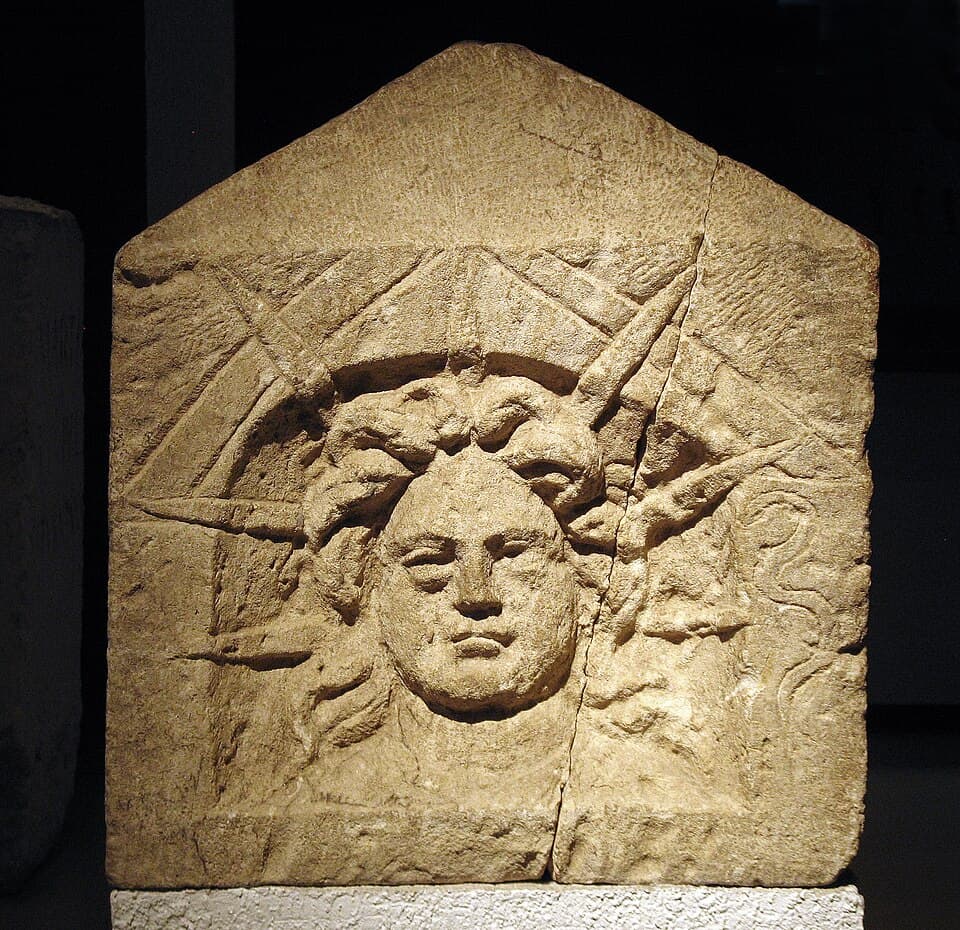
Ancient Rome
Sol Invictus was the official sun god of the late Roman Empire and a later aspect of, or replacement for, the old Latin …
Read →

Ancient Egypt
Solar barques were the vessels used by the sun god Ra in ancient Egyptian mythology. During the day, Ra was said to use…
Read →
Ancient Egypt
Solar barques were the vessels used by the sun god Ra in ancient Egyptian mythology. During the day, Ra was said to use…
Read →
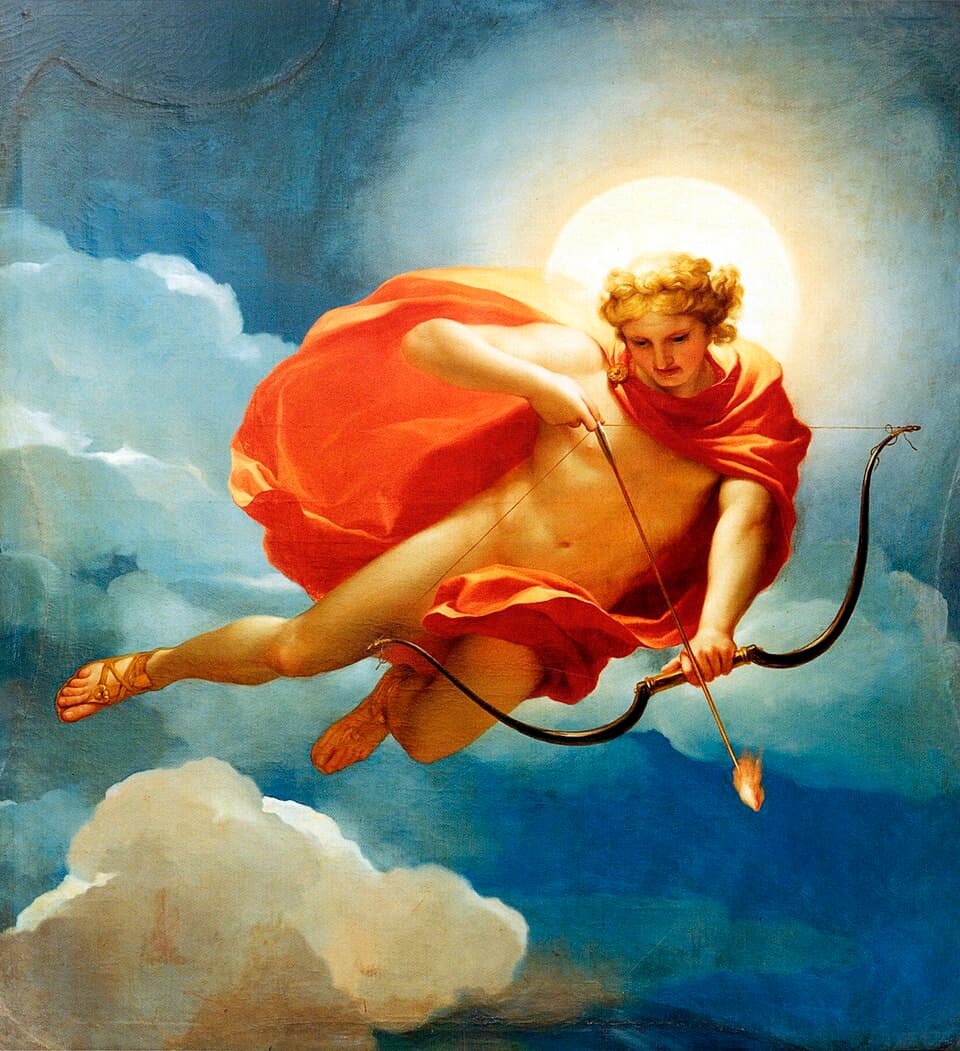
North America
A solar deity or sun deity is a deity who represents the Sun or an aspect thereof. Such deities are usually associated …
Read →
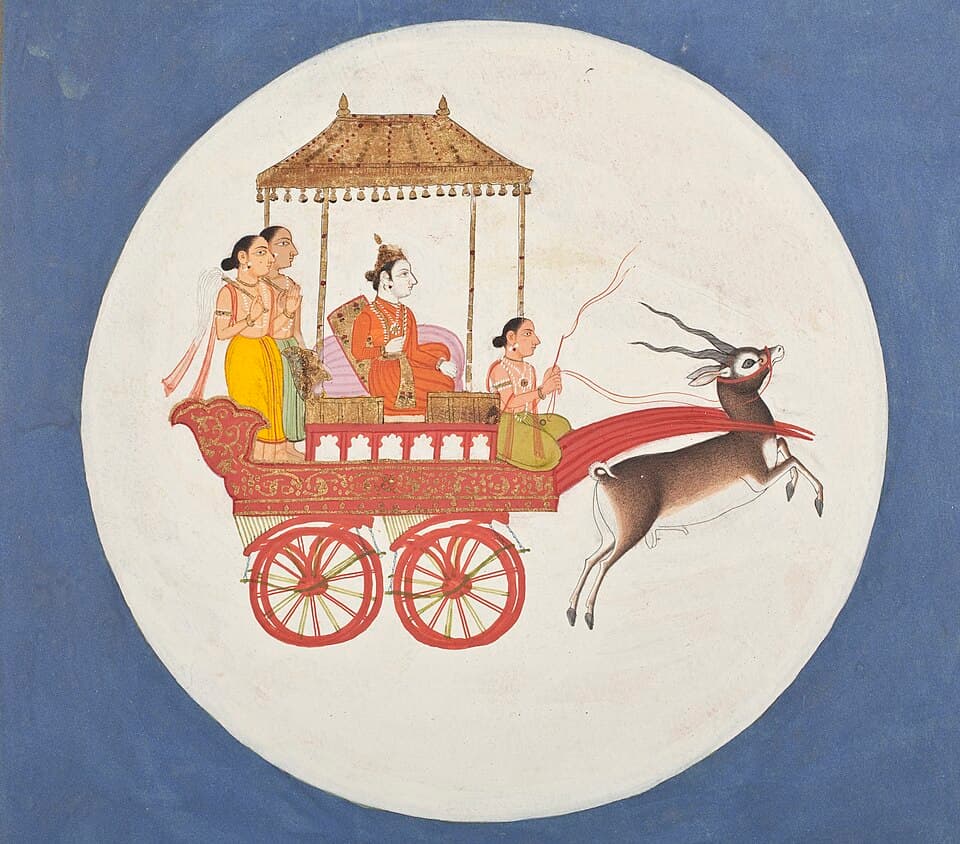
Indian subcontinent
Chandra, also known as Soma, is the Hindu god of the Moon, and is associated with the night, plants and vegetation. He …
Read →
Indian subcontinent
Somalamma, also called Somanalamma and Somanayaki Amma, is a Hindu devi (goddess) who protects soma and gives soma to he…
Read →
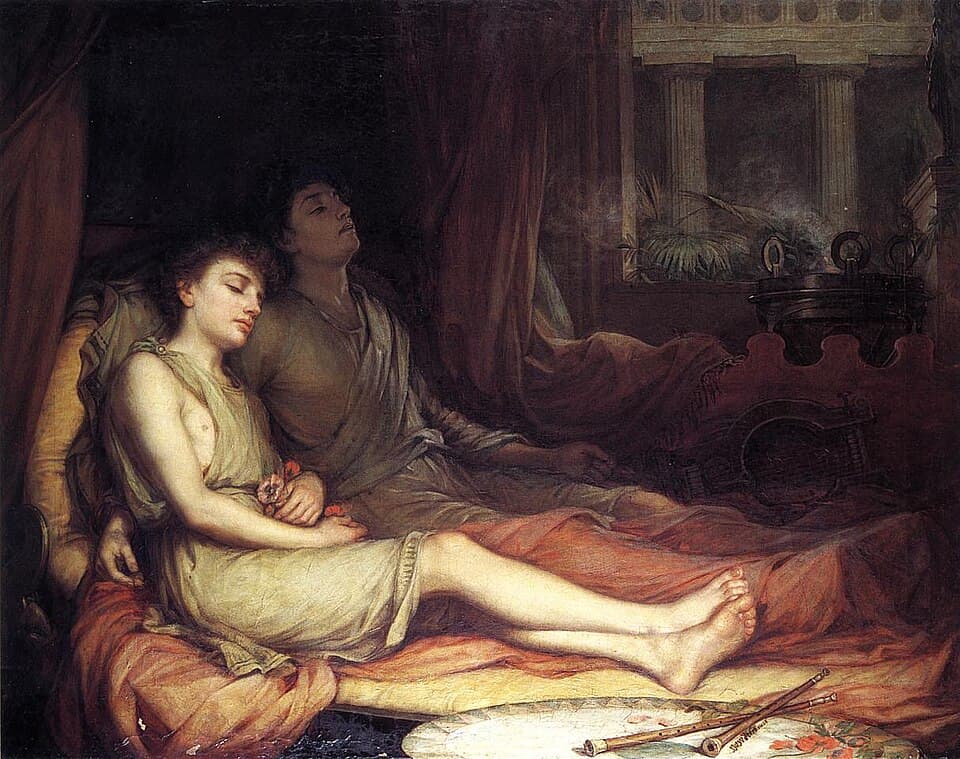
Ancient Rome
In Roman mythology, Somnus ("sleep") is the personification of sleep. His Greek counterpart is Hypnos. Somnus resided …
Read →
Scandinavia
Various gods and men appear as sons of Odin in Old Norse and Old English texts.
Read →
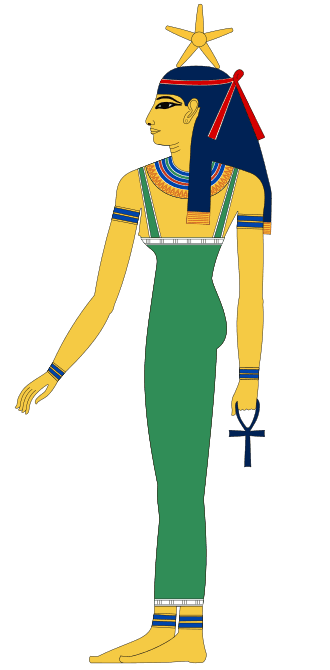
Ancient Egypt
Sopdet is the Ancient Egyptian name of the star Sirius and its personification as an Egyptian goddess. Known to the Gre…
Read →
Ancient Egypt
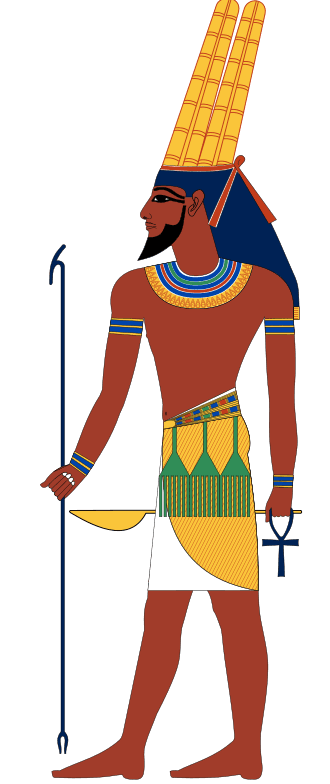
Sopdu was a god of the sky and of eastern border regions in the religion of Ancient Egypt. He was Khensit's husband.
Read →

Ancient Greece
Sophia is a figure, along with Knowledge, among many of the early Christian knowledge theologies grouped by the heresiol…
Read →
Ancient Greece
Sophrosyne is an ancient Greek concept of an ideal of excellence of character and soundness of mind, which when combined…
Read →
Ancient Rome
In Roman mythology, Sors, a lesser deity, was a god of luck. Derived from the Greek model of Tyche, and supposedly a so…
Read →
Ancient Greece
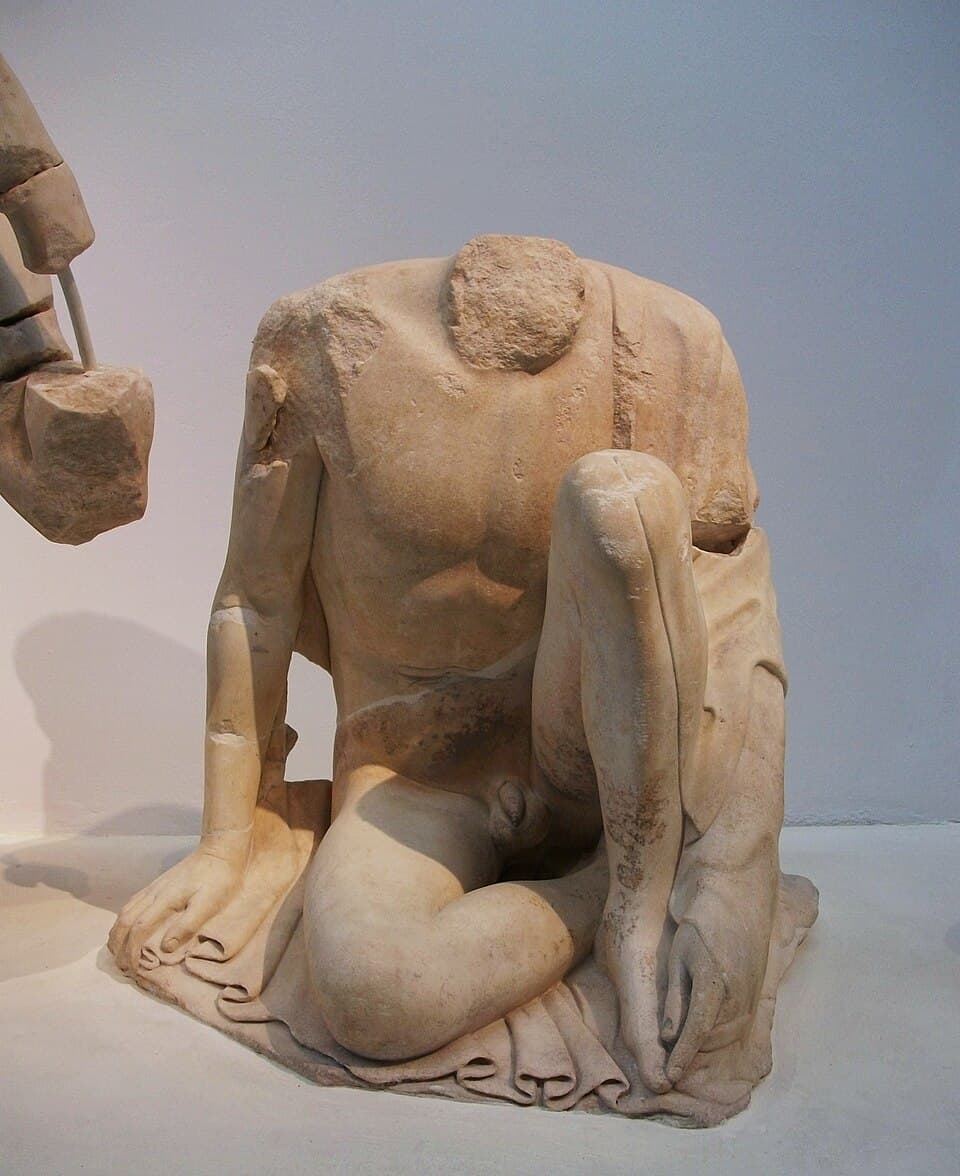
In ancient Greek religion and mythology, Sosipolis was a native god at Elis. His mother was the childbirth-goddess Eile…
Read →
Ancient Greece
In Greek mythology, Soter was the personification or daimon of safety, preservation and deliverance from harm.
Read →

North America
In religion and philosophy, the soul is the immaterial aspect or essence of a living being. It is typically believed to…
Read →

Ancient Egypt
The Souls of Pe and Nekhen, mentioned first in the Pyramid Texts, refer to the ancestors of the ancient Egyptian kings. …
Read →
Ancient Persia
Spandaramet or Sandaramet (Սանդարամետ) was the Armenian name of the Zoroastrian yazata Spenta Armaiti, one of the six Am…
Read →
Ancient Persia
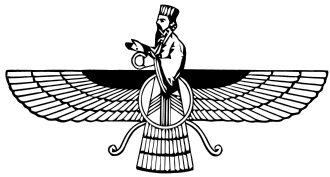
In Zoroastrianism, Spenta Armaiti is one of the Amesha Spentas, the seven divine manifestations of Wisdom and is conside…
Read →
Ancient Rome
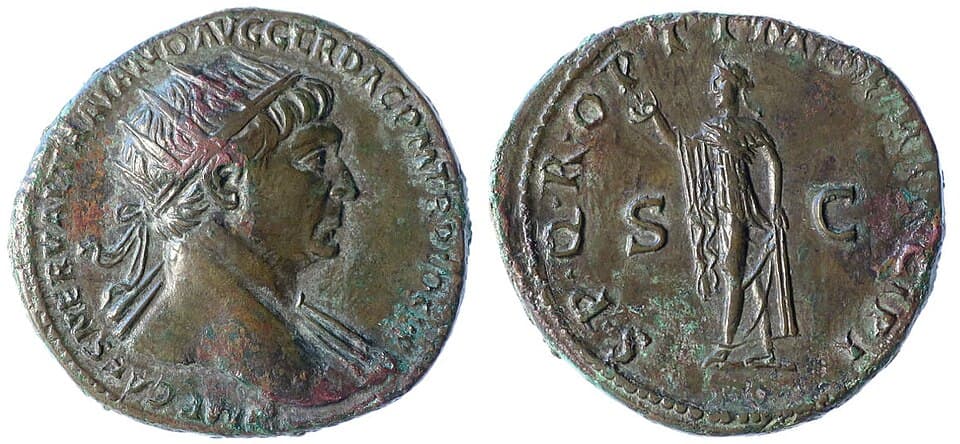
Spes was worshipped as a goddess in ancient Roman religion. Numerous temples to Spes are known, and inscriptions indica…
Read →
Ancient Rome
In Roman mythology, Spiniensis was the god of thorns. People prayed to him when they removed thorny plants from their f…
Read →
Inca Empire
Spiritual Christianity is the group of belief systems held by so-called heterodox ethnic Russians, folk Protestants, inc…
Read →

Inca Empire
Spiritualism is a social religious movement popular in the nineteenth and early twentieth centuries, according to which …
Read →
Inca Empire
The meaning of spirituality has developed and expanded over time, and various meanings can be found alongside each other…
Read →
Ancient Greece
In Greek mythology, Sponde was the seventh Hora (Hour) who presided over the hour of libations poured after lunch.
Read →

Ancient Persia
Sraosha, is the Avestan name of the Zoroastrian yazata of "Conscience" and "Observance", which is also the literal meani…
Read →

Indian subcontinent
Sri Aurobindo was an Indian philosopher, yogi and nationalist, who is noted for his participation in the movement for In…
Read →

Indian subcontinent
Sri Ramalinga Chowdeshwari Amman, also known as Sowdeshwari, is a Hindu folk deity, regarded by adherents to be a region…
Read →
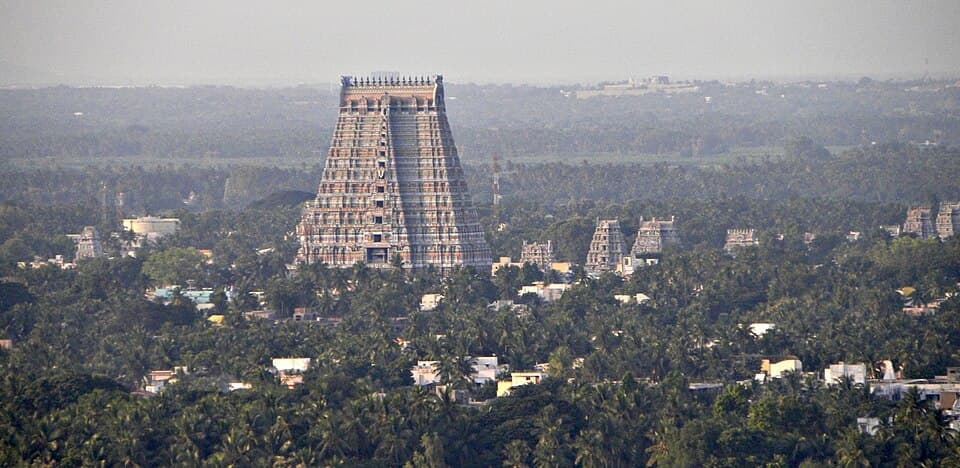
Inca Empire
Sri Vaishnavism is a denomination within the Vaishnavism tradition of Hinduism, predominantly practiced in South India. …
Read →

Indian subcontinent
Sripada Sri Vallabha is an Indian guru who is an incarnation of Dattatreya. He is considered as one of the first comple…
Read →
Indian subcontinent
Sripadaraja or Sripadaraya, also known by his pontifical name Lakshminarayana Tirtha, was a Hindu Dvaita philosopher, sc…
Read →
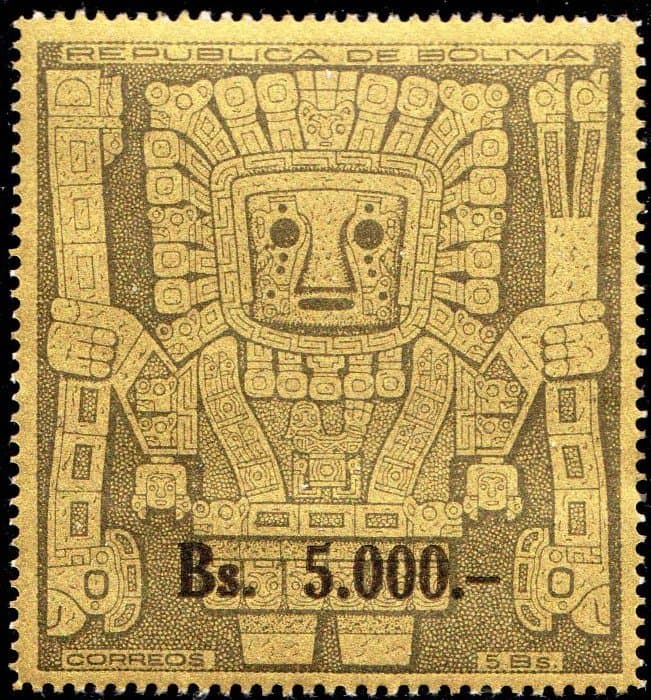
Inca Empire
In "Southern Andean Iconographic Series" the Staff God pose is a religious icon and a standardized pose reminiscent in i…
Read →
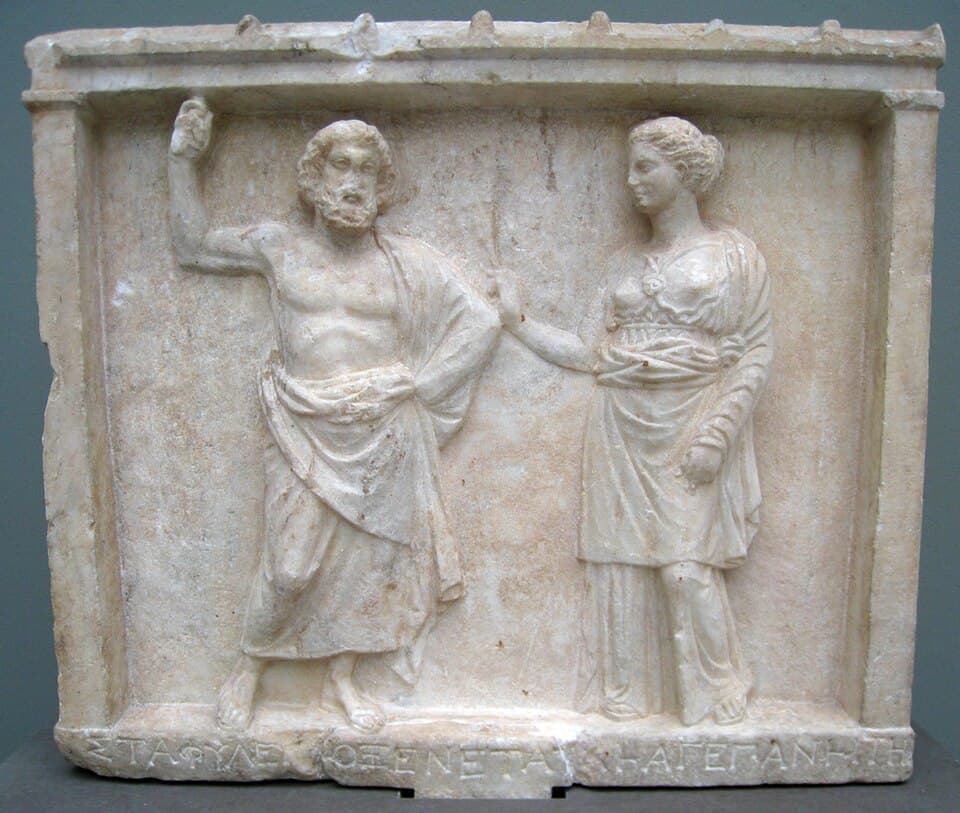
Ancient Greece
Staphylus is one of several personages of Greek mythology, almost always associated with grapes or wine:Staphylus, the s…
Read →
Ancient Rome
In ancient Roman religion, Stata Mater was a compital goddess who protected against fires. She had an image (simulacrum…
Read →
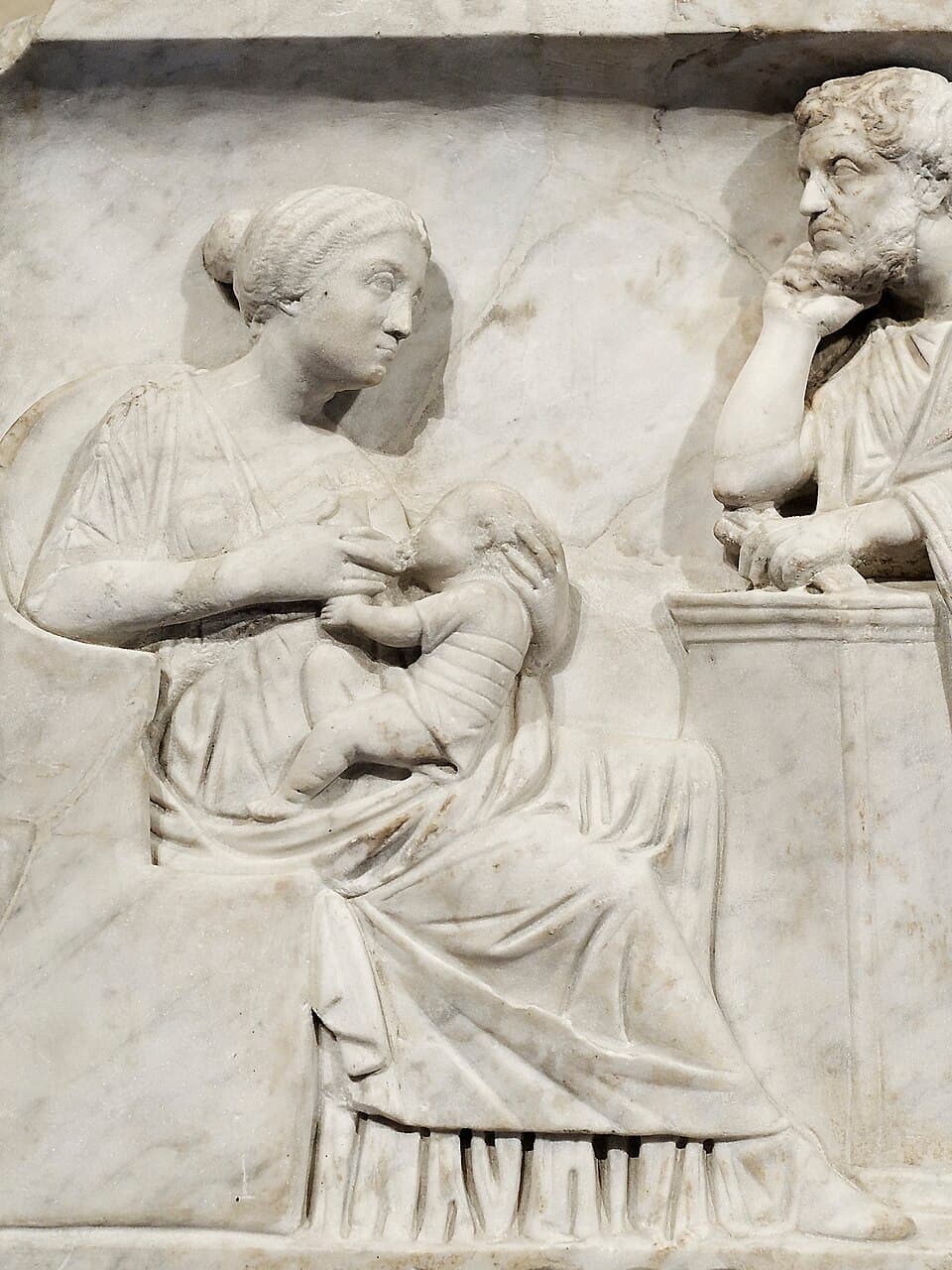
Ancient Rome
In ancient Roman religion, birth and childhood deities were thought to care for every aspect of conception, pregnancy, c…
Read →
Ancient Rome
Publius Papinius Statius was a Latin poet of the 1st century CE. His surviving poetry includes an epic in twelve books,…
Read →
Ancient Greece
Sterope was the name of several individuals in Greek mythology:Sterope, one of the Pleiades and the wife of Oenomaus. S…
Read →
Ancient Rome
In ancient Roman religion, Sterquilinus — also called Stercutus and Sterculius — was a god of odor. He may have been eq…
Read →

Indian subcontinent
Hindu temple architecture as the main form of Hindu architecture has many different styles, though the basic nature of t…
Read →
Ancient Greece
Stilbe in Greek mythology may refer to the following personages:Stilbe, mother of Callisto by Ceteus. Stilbe, a nymph, …
Read →
Ancient Rome
In ancient Roman religion, Strenua or Strenia was a goddess of the new year, purification, and wellbeing. She had a shr…
Read →
Early Slavs
Stribog is a god in Slavic mythology found in three East Slavic sources, whose cult may also have existed in Poland. Th…
Read →
Scandinavia
Stuffo is the name of a supposed Germanic god, who originates from various late medieval legends from Germany related to…
Read →
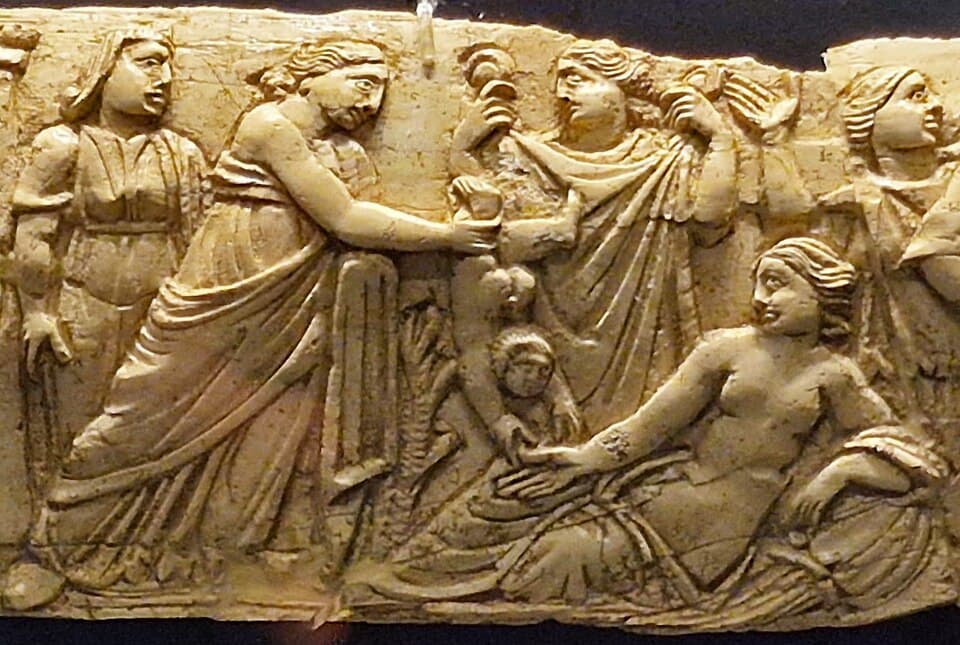
Ancient Greece
In Greek mythology, Styx, also called the River Styx, is a goddess and one of the rivers of the Greek Underworld. Her p…
Read →
Ancient Rome
In Roman mythology, Suada was the goddess of persuasion, particularly in the realms of romance, seduction and love. She…
Read →
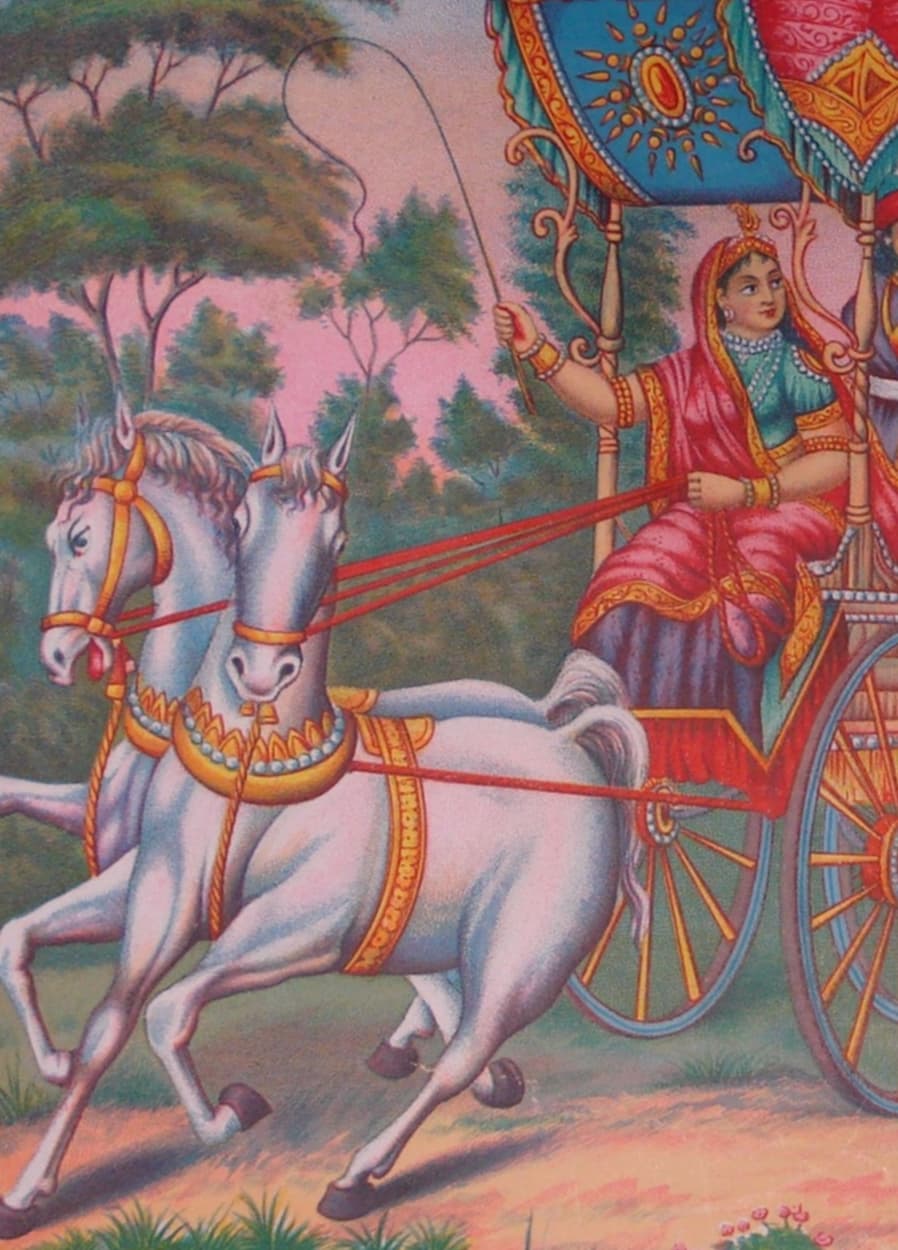
Indian subcontinent
Subhadra is a figure in Hindu tradition, particularly revered in Vaishnavism as the sister of the deities Krishna and Ba…
Read →