
Chinese1600 BCE – present
White Emperor
China
Chinese: 白帝; pinyin: Báidì; trans. "White Emperor" or "White Deity" or Báishén, also known as the Xīdì or Xīyuèdàdì is …
Read →
Research Index
An archive of 3,493 gods, deified rulers, and mythological figures across civilizations — from living gods of Egypt to the dying gods of antiquity.
China
Chinese: 白帝; pinyin: Báidì; trans. "White Emperor" or "White Deity" or Báishén, also known as the Xīdì or Xīyuèdàdì is …
Read →
Scandinavia
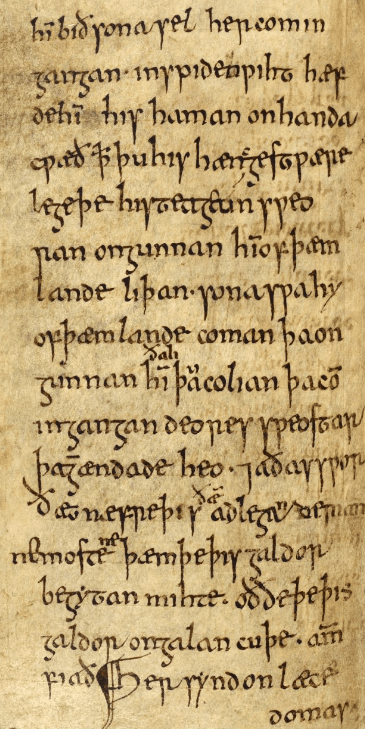
A wight is a being or thing. This general meaning of the term is shared by its cognates in other Germanic languages, bu…
Read →
Inca Empire
Willka Raymi is a feast celebrated in the Cusco Region in Peru. It is the representation of the traditional offering ce…
Read →

Ancient Egypt
The winged sun is a solar symbol associated with divinity, royalty, and power in the Ancient Near East. The Illyrian Su…
Read →

Ancient Greece
The Winged Victory of Samothrace, or the Nike of Samothrace, is a votive monument originally discovered on the island of…
Read →

China
A wisdom king is a type of wrathful deity in East Asian Buddhism.
Read →
Scandinavia
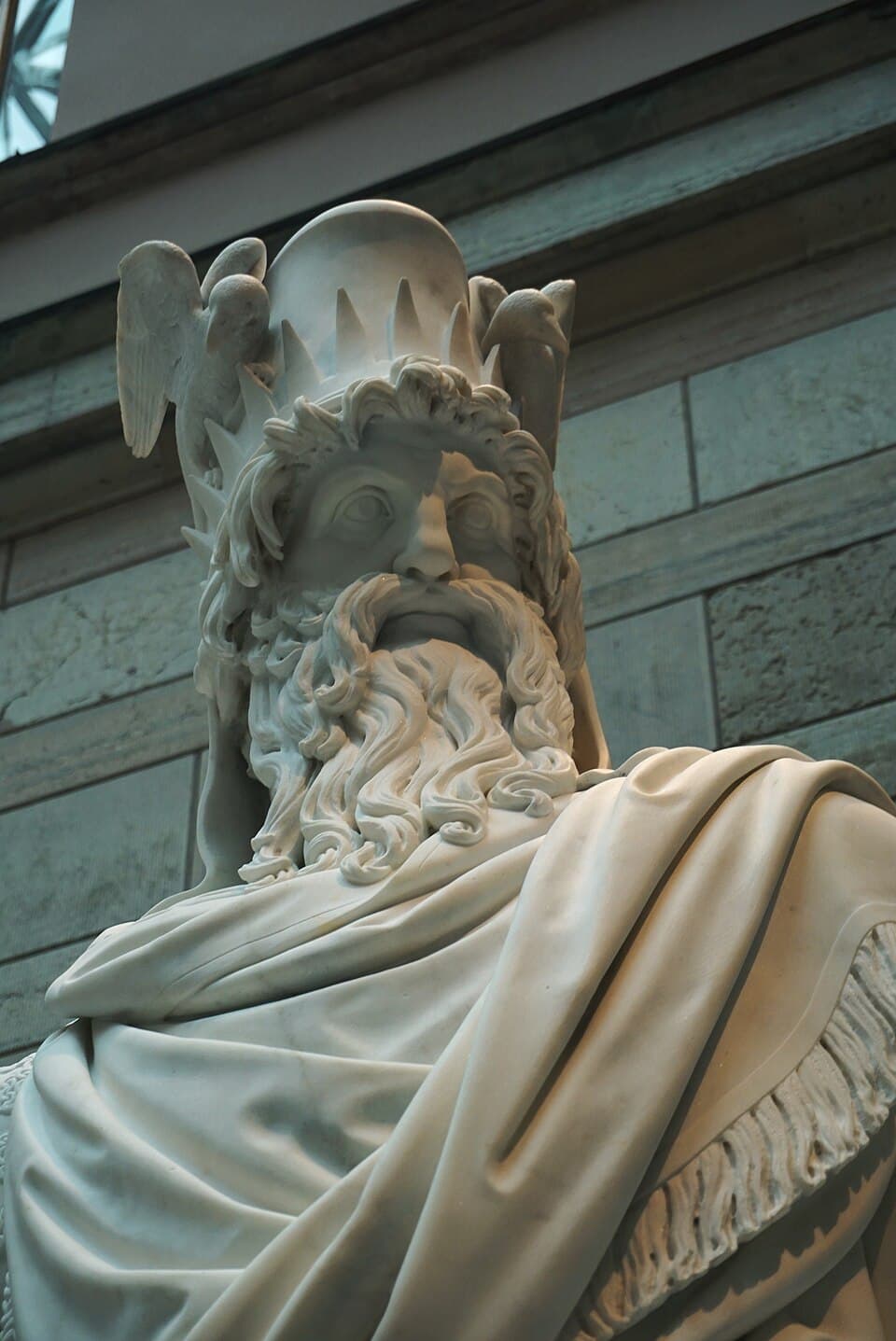
Odin is a widely revered god in Norse mythology and Germanic paganism. Most surviving information on Odin comes from No…
Read →
Inca Empire
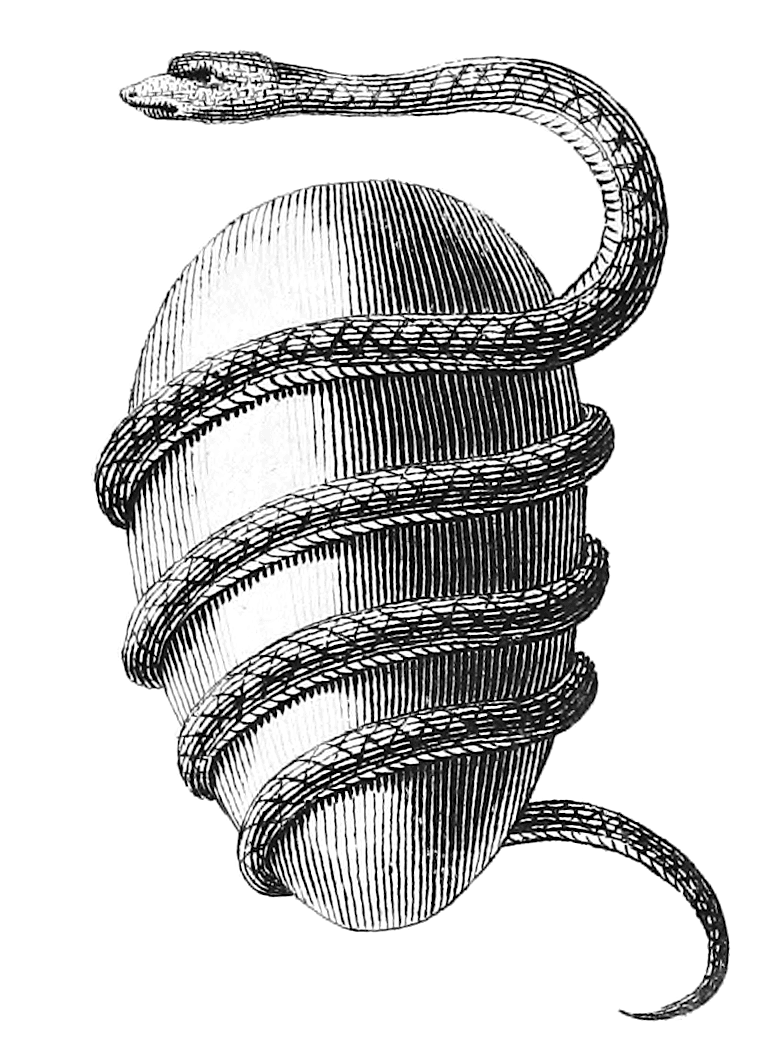
The cosmic egg, world egg or mundane egg is a mythological motif found in the cosmogonies of many cultures and civilizat…
Read →
Inca Empire
Worship is an act of religious devotion usually directed towards a deity or God. For many, worship is not about an emot…
Read →

Indian subcontinent
Worship in Hinduism is an act of religious devotion usually directed to one or more Hindu deities, invoking a sense of B…
Read →

Inca Empire
The worship of heavenly bodies is the veneration of stars, the planets, or other astronomical objects as deities, or the…
Read →
Ancient Egypt
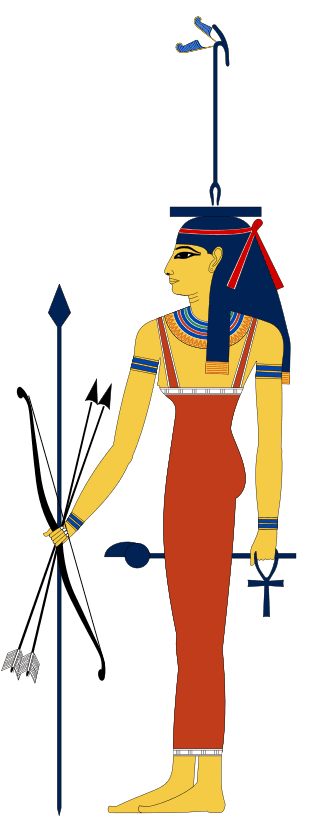
Wosret, Waset, or Wosyet meaning "the powerful female one" was an Egyptian goddess whose cult was centered on Thebes in …
Read →
China
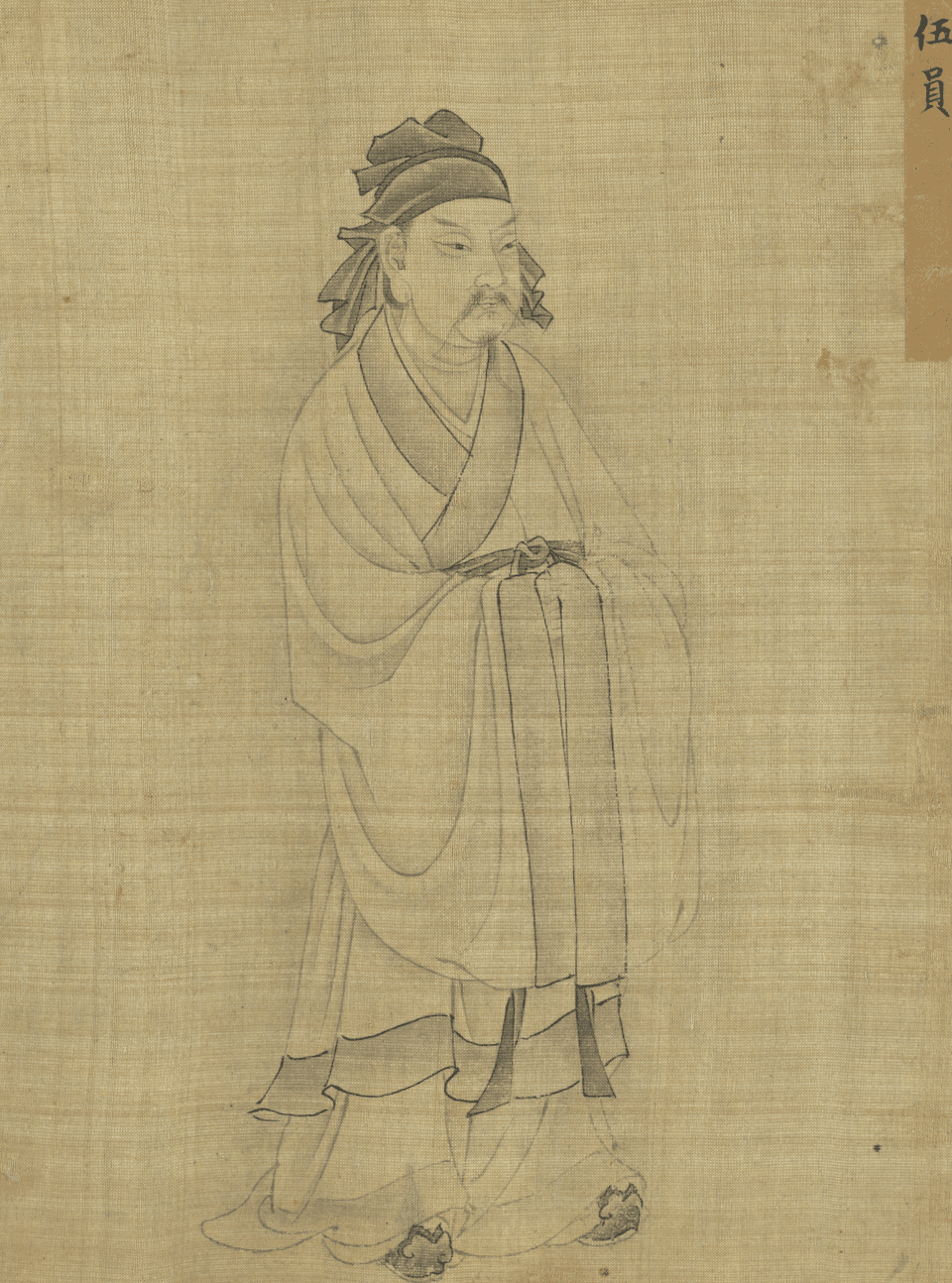
Wu Yun, better known by his courtesy name Zixu, was a Chinese military general and politician of the Wu kingdom in the S…
Read →
China
Wudao Jiangjun are underworld deities in Chinese folk religion and Taoism. They are responsible for escorting spirits o…
Read →
China
Wufang Guidi are underworld deities in Chinese folk religion and Taoism. They are associated with death, ghosts, and th…
Read →

China
Wutong Shen (五通神) or Wulang Shen (五郎神) are a group of five sinister deities from the southern region of China. Their cu…
Read →
Maya civilization
Xbaquiyalo is a Mayan deity. She was the wife of Hun-Hunahpú, and mother to the Monkey Twins, Hun Batz and Hun Chouén.
Read →

Asia
A xian is any manner of immortal or mythical being within the Taoist pantheon or Chinese folklore. Xian has often been …
Read →

China
Xiangshuishen is a deity of the Chinese pantheon.
Read →

China
Xianhe Tongzi, also known as Baihe Tongzi, is a Chinese deity who is worshipped in temples and shrines as a spiritual po…
Read →
Inca Empire
The Xiantiandao, or known as Blue/Green Lotus sect (青蓮教), also simply Tiandao, is one of the most productive currents of…
Read →
China
Xiaoziye is a deity venerated in certain regional folk traditions, typically representing a mortal who was deified due t…
Read →
China
Xihe (deity) is a deity of the Chinese pantheon.
Read →
China
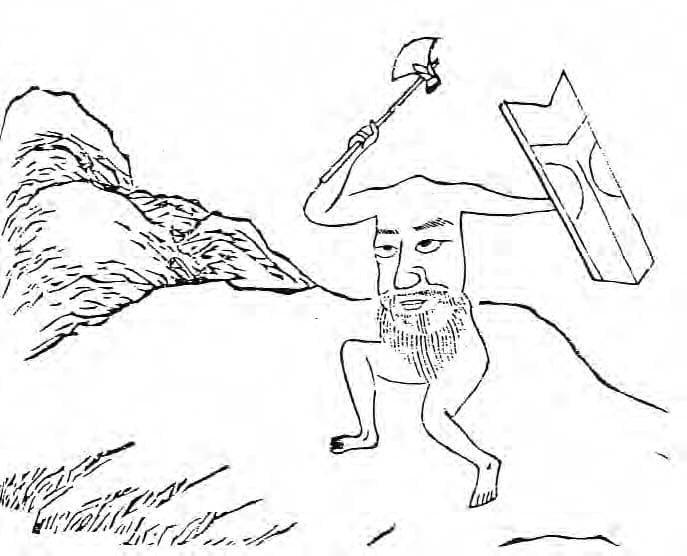
Xingtian is a Chinese deity who fights against the Supreme Divinity, not giving up even after he was decapitated. Losin…
Read →
Aztec Empire
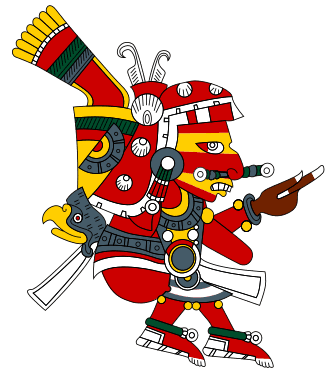
In Aztec mythology, Xipe Totec or Xipetotec was a life-death-rebirth deity, god of agriculture, vegetation, the east, sp…
Read →
Aztec Empire
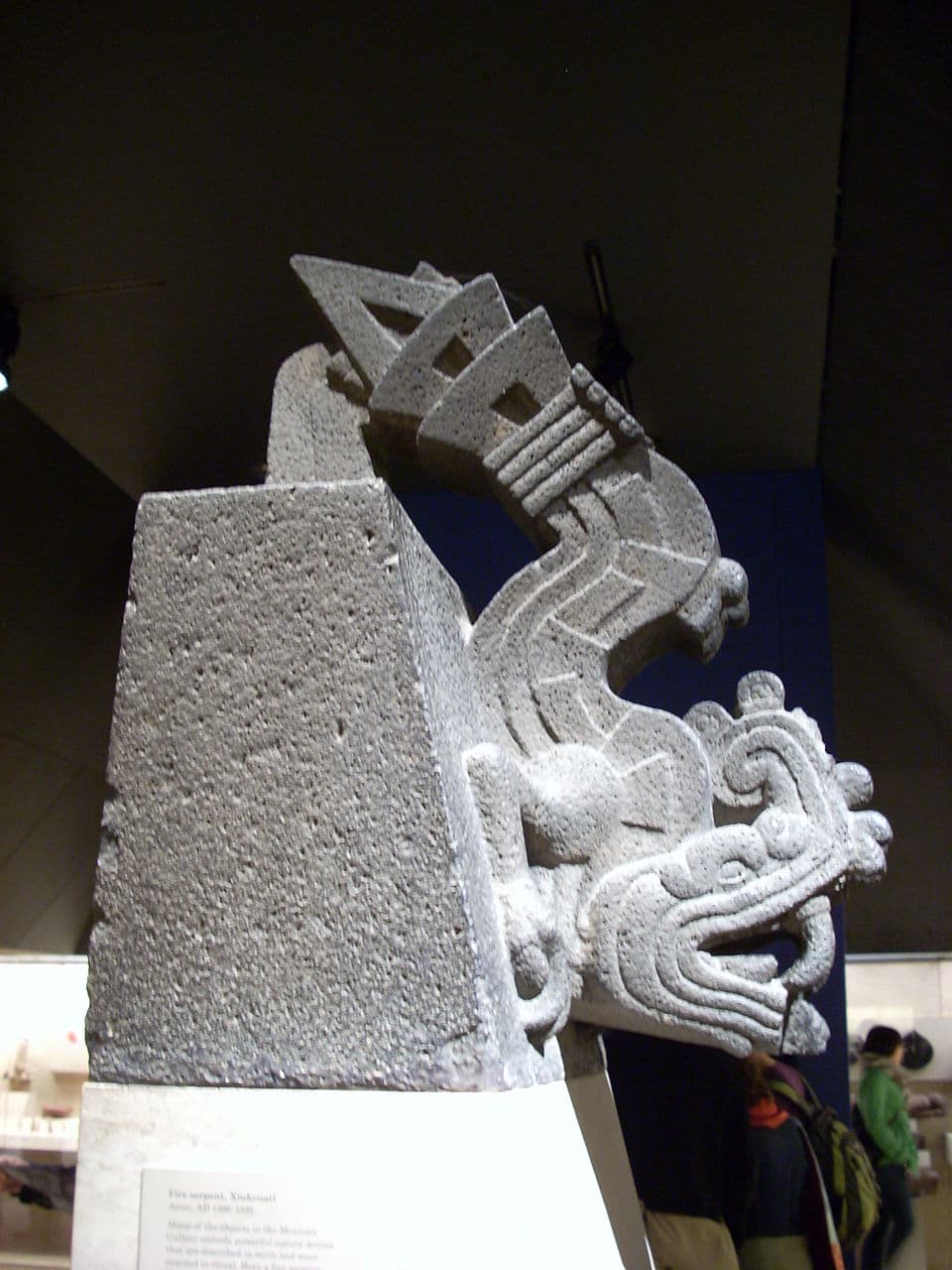
In Aztec religion, Xiuhcōātl was a mythological serpent, regarded as the spirit form of Xiuhtecuhtli, the Aztec fire dei…
Read →
Aztec Empire
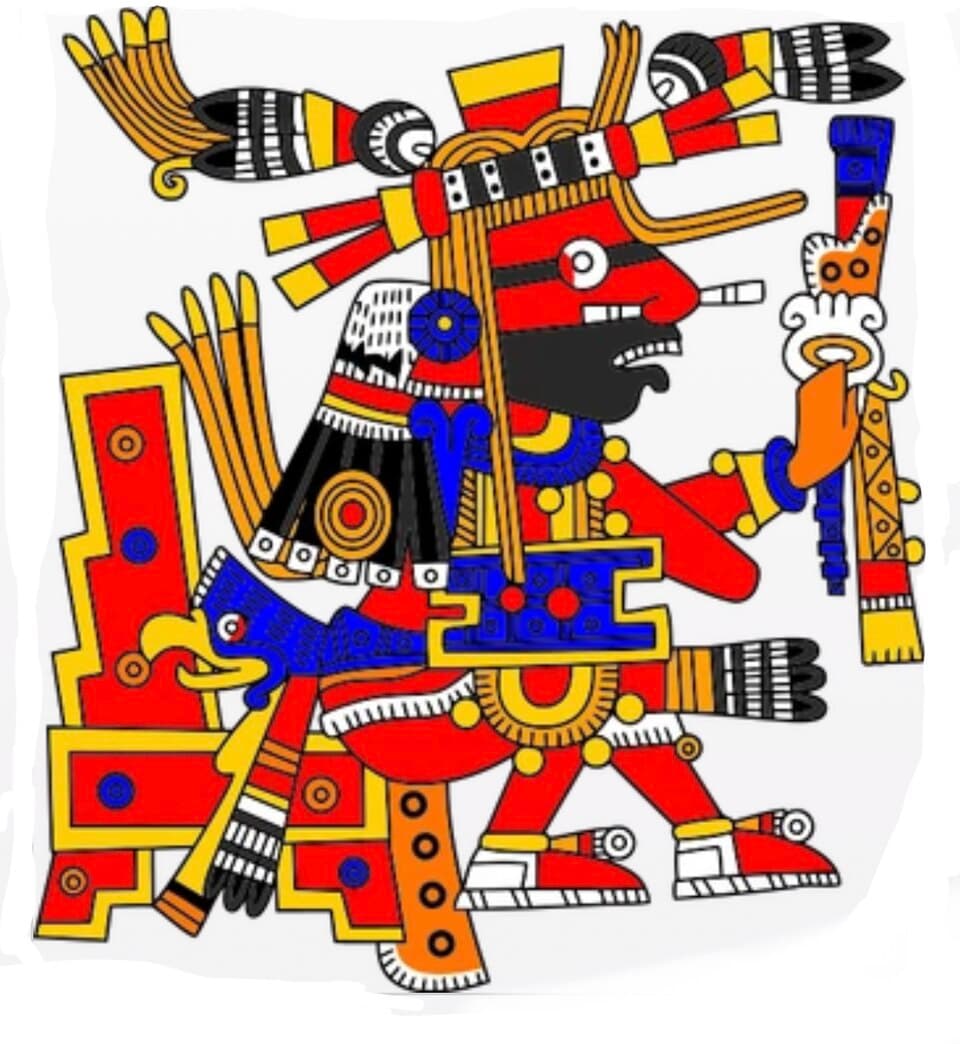
In Aztec mythology, Xiuhtēcuhtli, was the god of fire, day and heat. In historical sources he is called by many names, …
Read →
Aztec Empire
Xiuhtotontli is an Aztec group of gods that are forms of Xiuhtecuhtli.
Read →
China
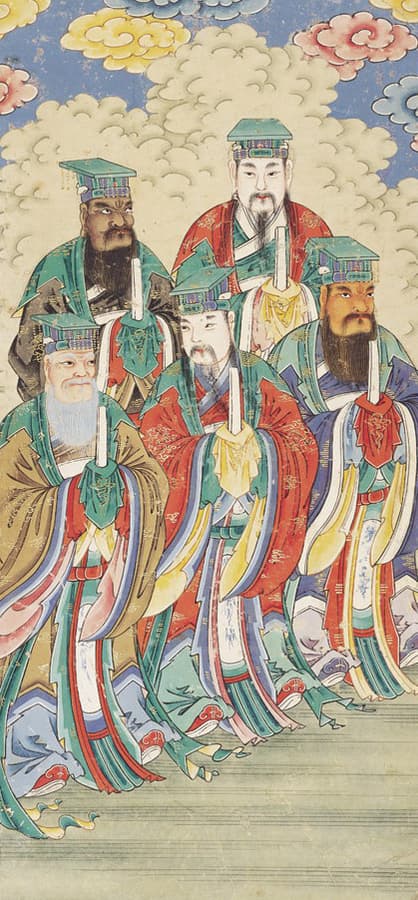
Emperor Xiyue is a Taoist deity of the sacred mountain Mount Hua and one of the Great Emperors of the Five Sacred Mounta…
Read →
China
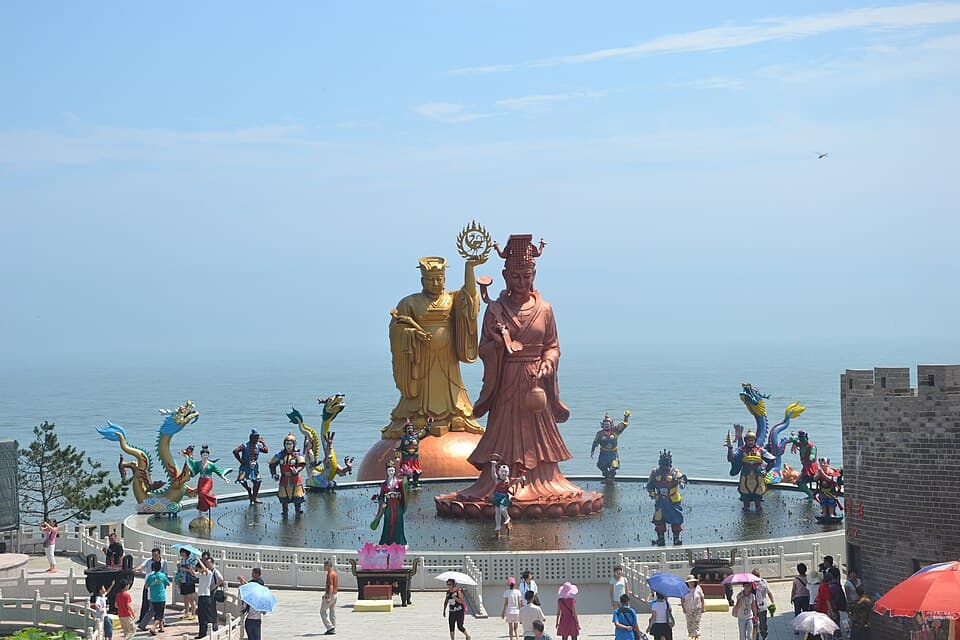
Chinese gods and immortals are beings in various Chinese religions seen in a variety of ways and mythological contexts.
Read →
Maya civilization
Xmucane and Xpiacoc, alternatively Xumucane and Ixpiyacoc (Xpiyacoc), are the names of the divine grandparents of Maya m…
Read →
Maya civilization
Xmulzencab are a group of Maya bee deities.
Read →
Aztec Empire
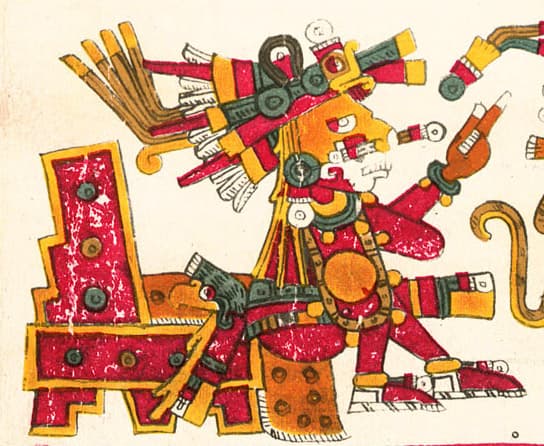
Xōchipilli is the god of beauty, youth, love, passion, sex, sexuality, homosexuality, fertility, arts, song, music, danc…
Read →
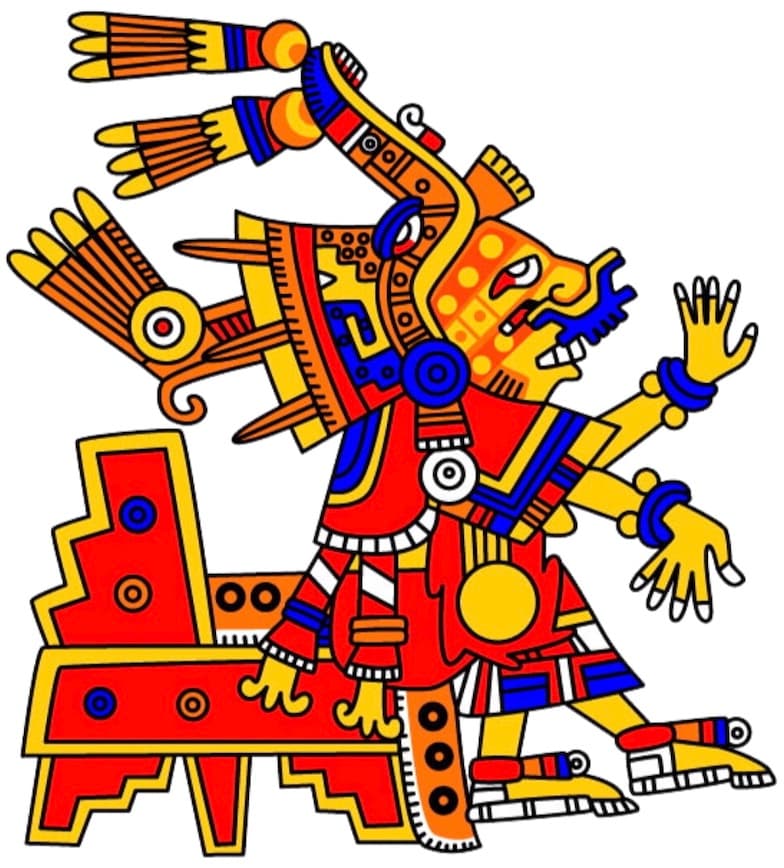
Aztec Empire
In Aztec mythology, Xochiquetzal, also called Ichpochtli, was a goddess associated with fertility, beauty, and love, ser…
Read →
Aztec Empire
Xochitlicue is the Aztec goddess of fertility, patroness of life and death, guide of rebirth, younger sister of Coatlicu…
Read →
Aztec Empire
Xocotl is the Aztec god of the planet Venus and of fire. He is probably related to Xolotl, the god of lightning and dea…
Read →
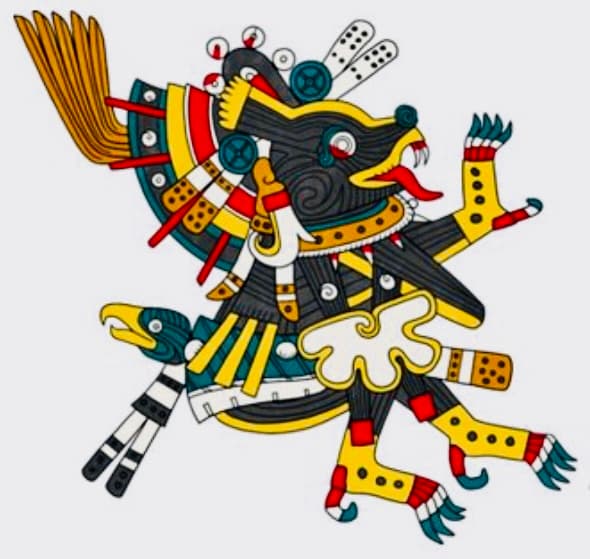
Aztec Empire
In Aztec mythology, Xolotl was a god of fire and lightning. He was commonly depicted as a dog-headed man and was a psyc…
Read →
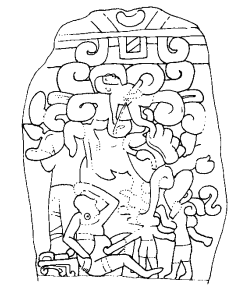
Maya civilization
Xquic is a mythological figure in the myth of the Hero Twins known from the stelae of Izapa, Mexico and the 16th century…
Read →
Maya civilization
La Xtabay is a Yucatec Maya folklore tale about a demonic femme fatale who preys upon men in the Yucatán Peninsula. She…
Read →

China
Xu Shilin, known as Xu Mengjiao (许梦蛟) in some versions, is a Chinese mythological figure, son of the white snake spirit …
Read →
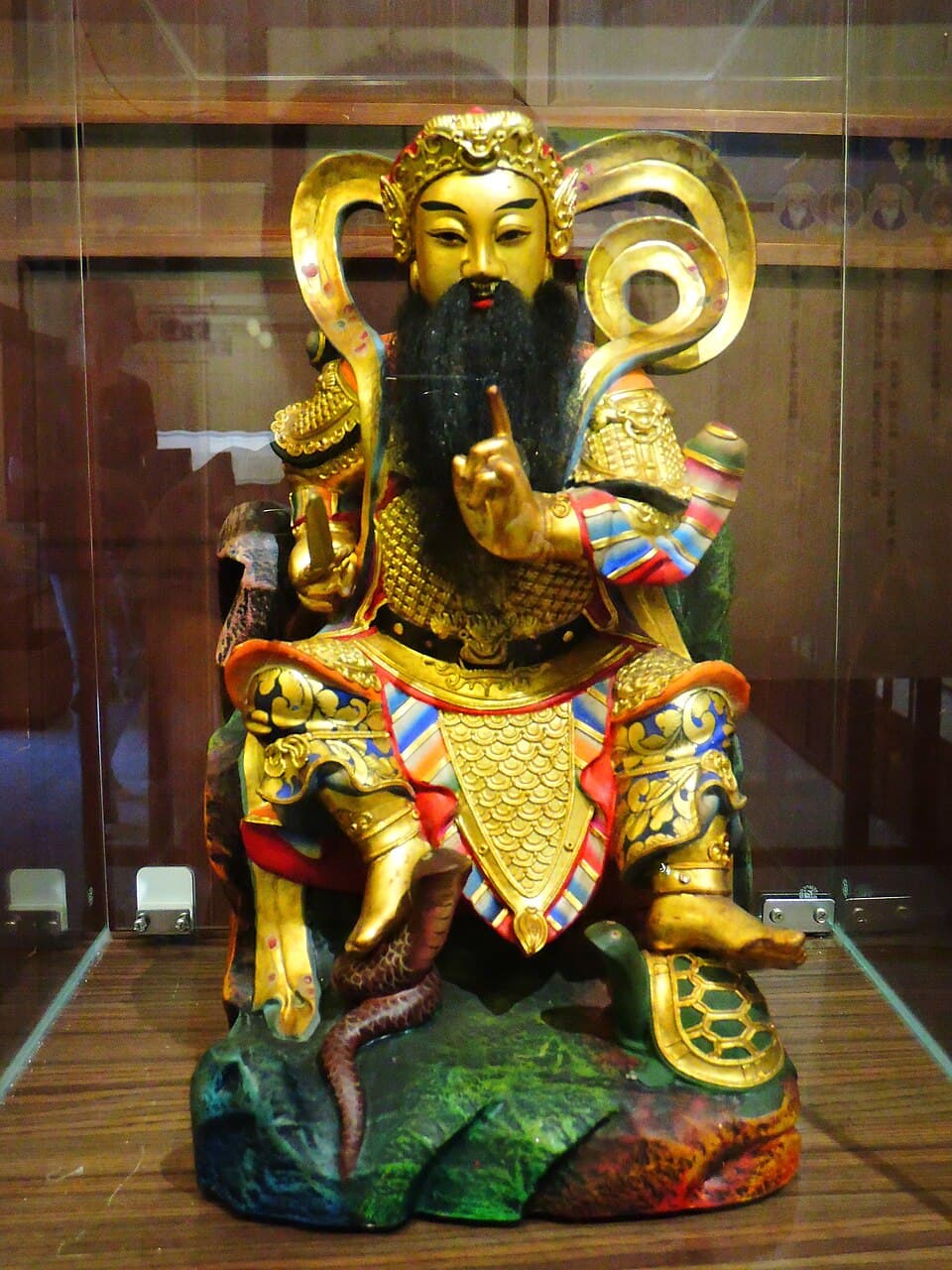
China
Xuanwu or Xuandi, also known as Zhenwu or Zhenwu Dadi, is a deity in Chinese religion and one of the higher-ranking deit…
Read →
Aztec Empire
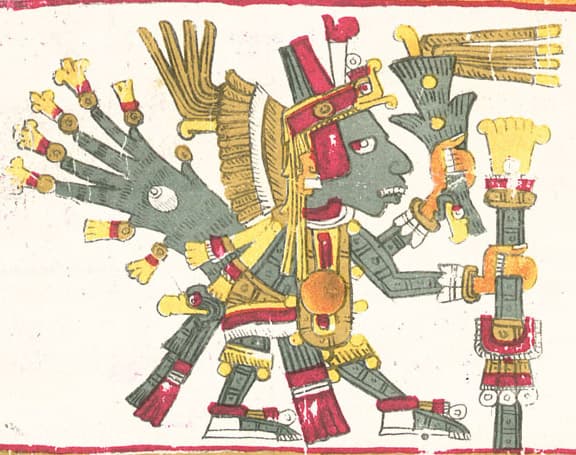
In Aztec mythology, Yacatecuhtli was a patron god of commerce and travelers, especially business travelers. His symbol …
Read →

Ancient Mesopotamia
Yahweh was an ancient Semitic deity in the southeastern ancient Levant that became the national god of the Iron Age king…
Read →
Indian subcontinent
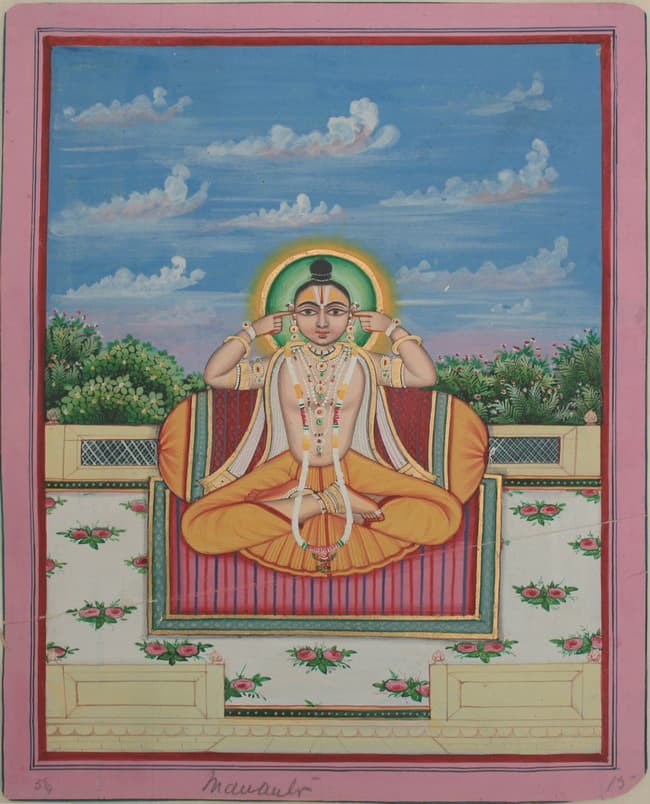
Yajna or Yajñeśvara is mentioned as an avatar of the Hindu god Vishnu in Hindu literature. As Yajna, Vishnu is the embo…
Read →
Ancient Mesopotamia
Yakrub-El or Ikrub-El was a Mesopotamian god worshiped in Terqa in the kingdom of Mari in the early Old Babylonian perio…
Read →
Indian subcontinent
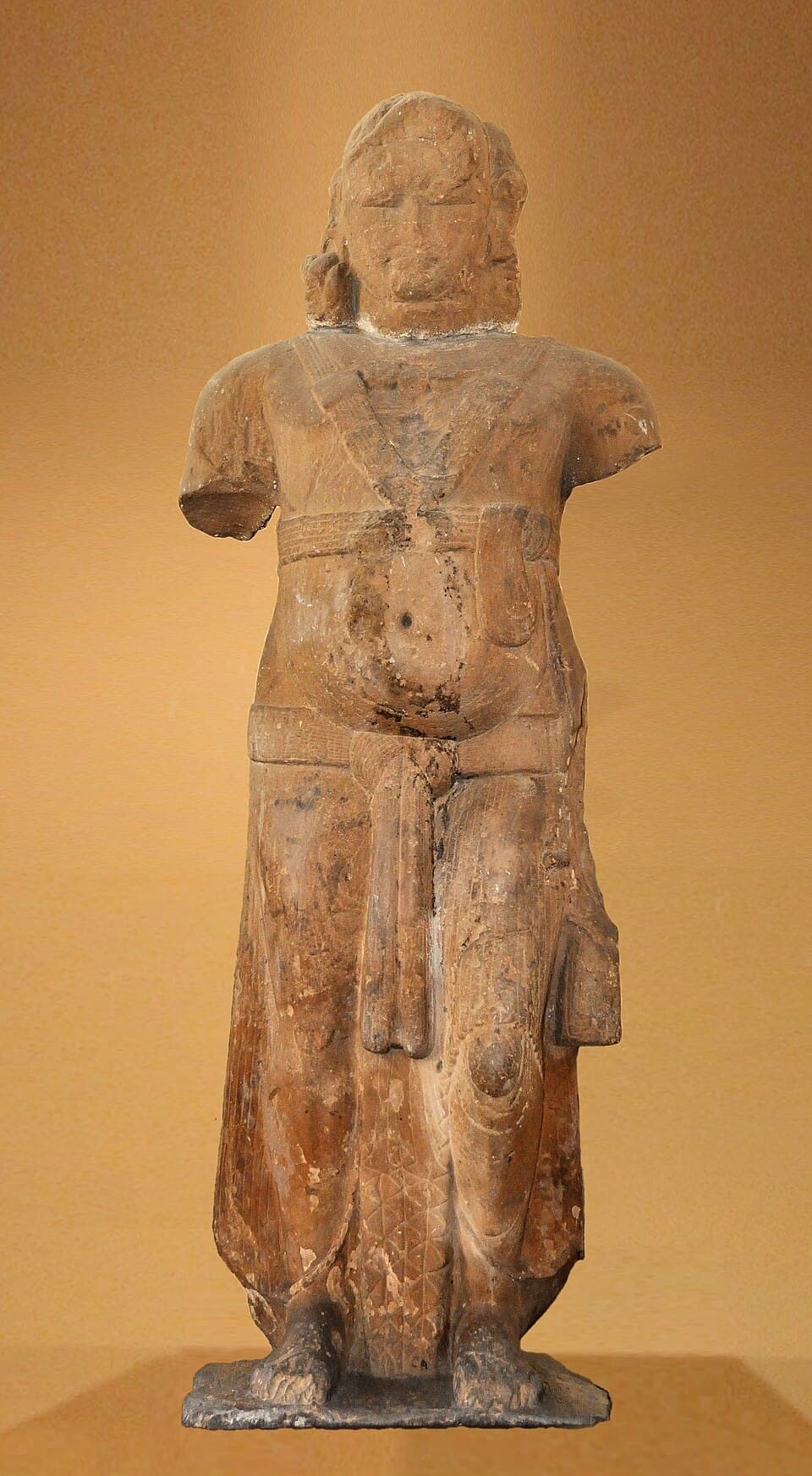
The Yakshas are a broad class of nature spirits in Hindu mythology which are associated with water, trees, forests, wild…
Read →
Indian subcontinent
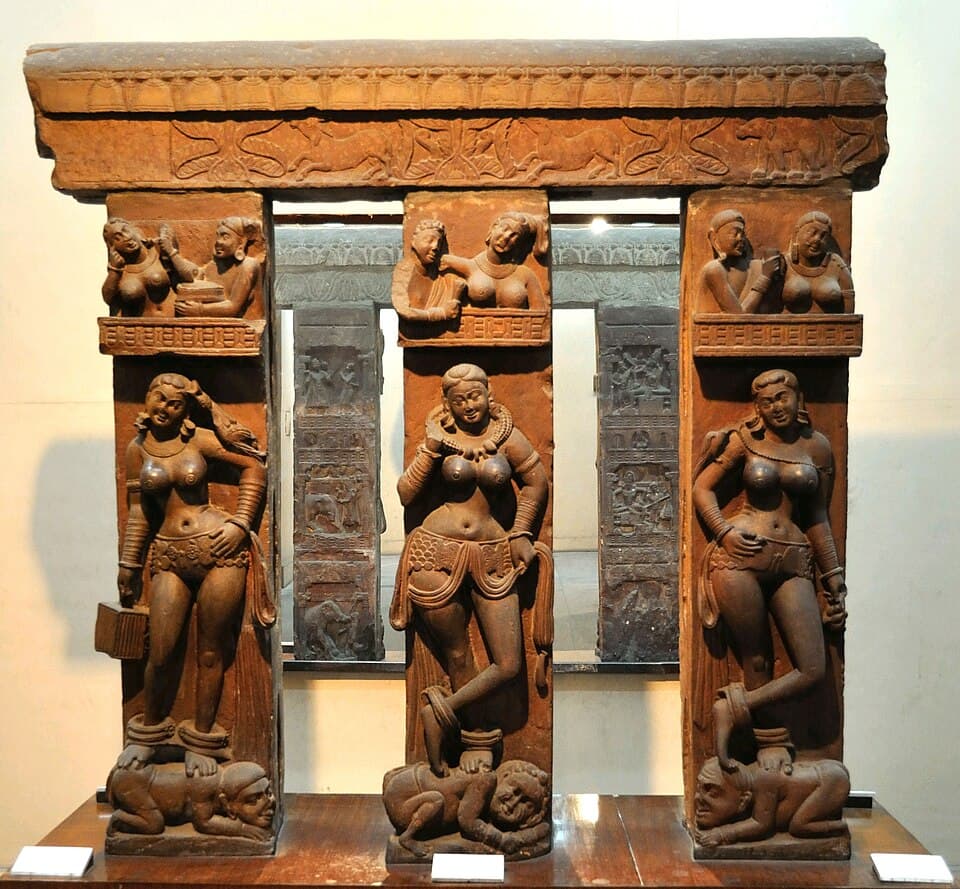
Yakshinis or Yakshis are a class of female nature spirits in Hindu, Buddhist, and Jain religious mythologies. Yakshinis…
Read →
Japan
Yakusanoikazuchi or ikazuchi is a collective name for the eight kami of thunder in Japanese mythology. Each one represe…
Read →
Ancient Egypt
Yam was a god representing the sea and other sources of water worshiped in various locations on the eastern Mediterranea…
Read →
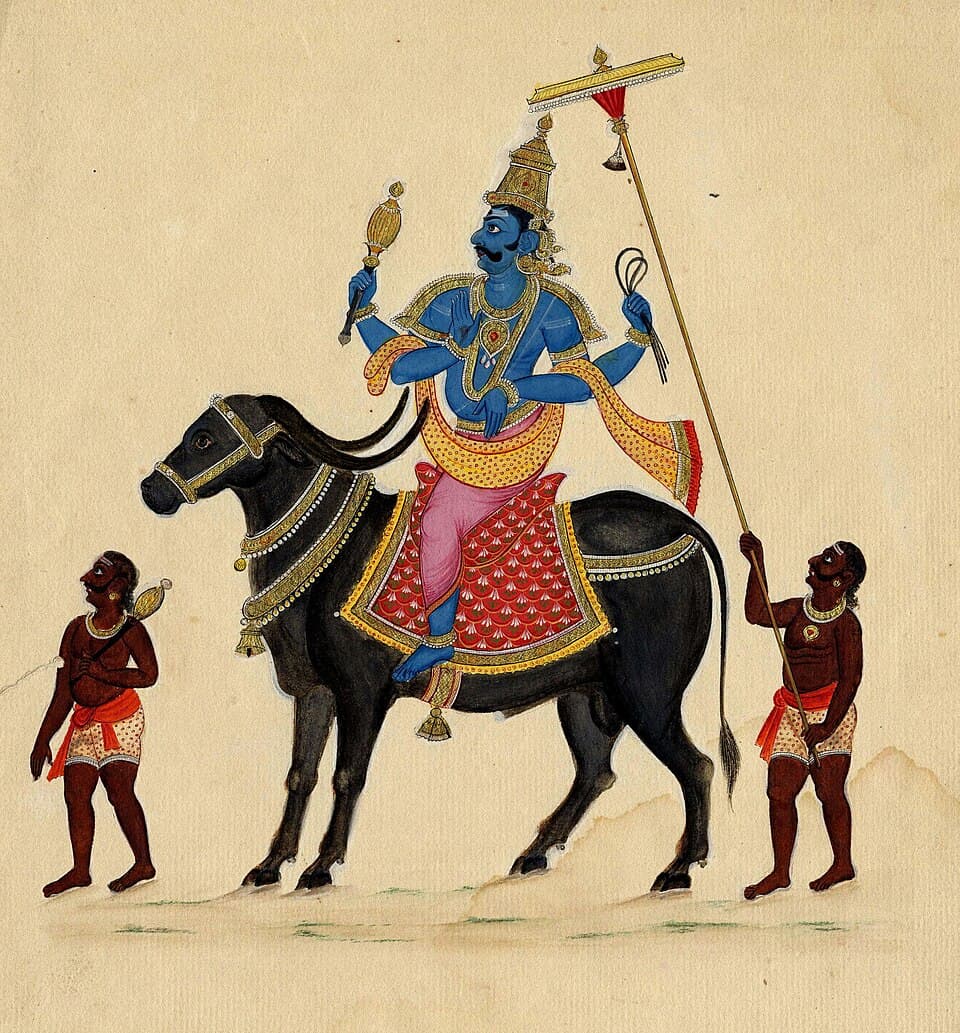
Indian subcontinent
Yama, also known as Kāla and Dharmarāja, is the Hindu god of death and justice, responsible for the dispensation of law …
Read →

Japan
Yamato Okunitama is a kami, the okunitama or tutelary deity of Yamato Province.
Read →

Japan
Yamato Takeru , originally Prince Ousu , was a Japanese folk hero and semi-legendary prince of the imperial dynasty, son…
Read →

Japan
Yamatohime-no-mikoto is a Japanese figure who is said to have established Ise Shrine, where the goddess of the sun, Amat…
Read →

Indian subcontinent
Yamuna is a sacred river in Hinduism and the main tributary of the Ganges River. The river is also worshipped as a Hind…
Read →
China
Yang Asha is a deity of the Chinese pantheon.
Read →
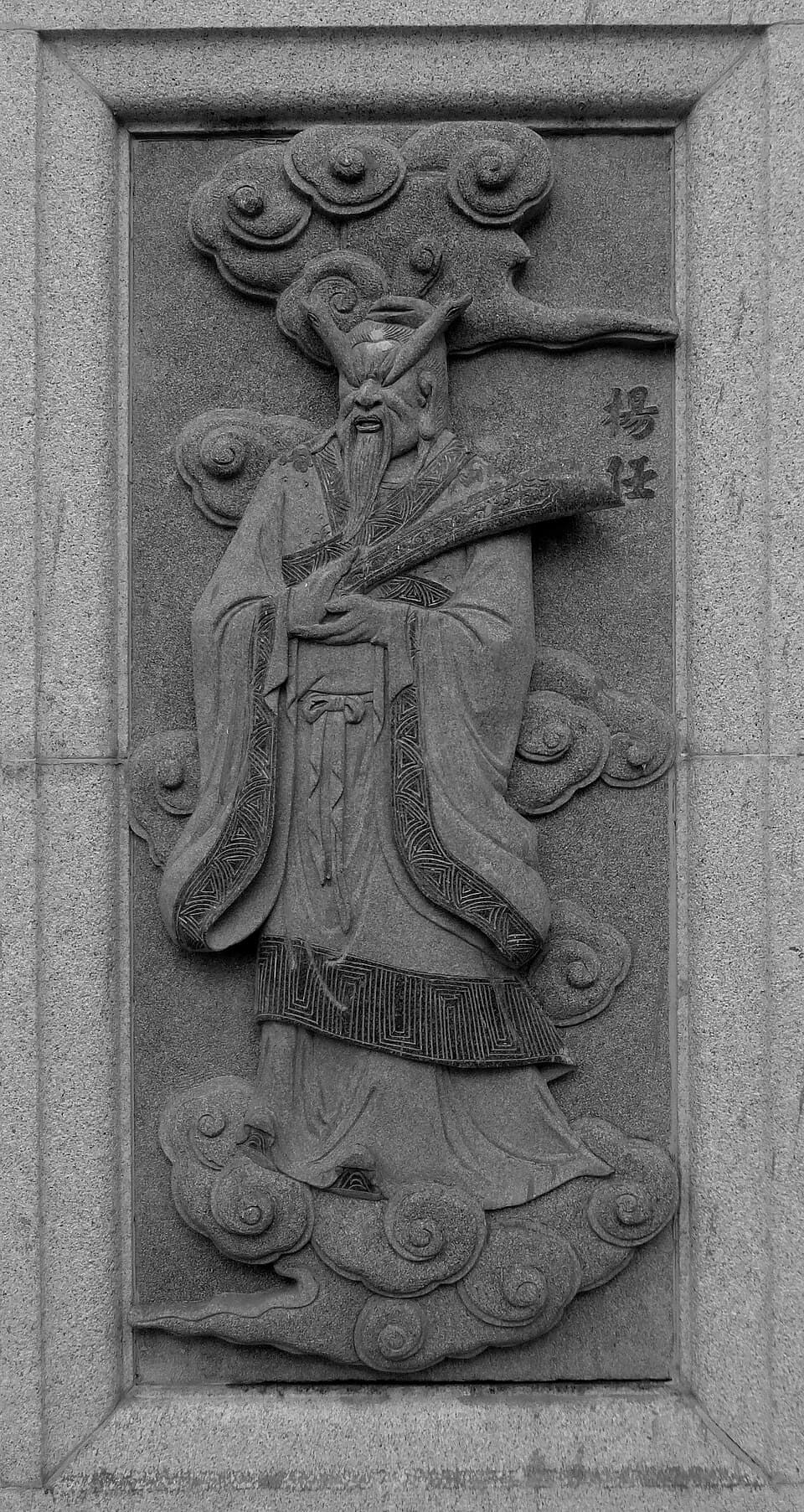
China
Yang Ren is a character from the classic Chinese novel Fengshen Yanyi. He is worshipped as the deity of the year in Chi…
Read →
China
Yanguang Niangniang is a deity of the Chinese pantheon.
Read →

China
In Chinese culture and religion, Yanluo Wang is the god of death and the ruler of Diyu, overseeing the "Ten Kings of Hel…
Read →
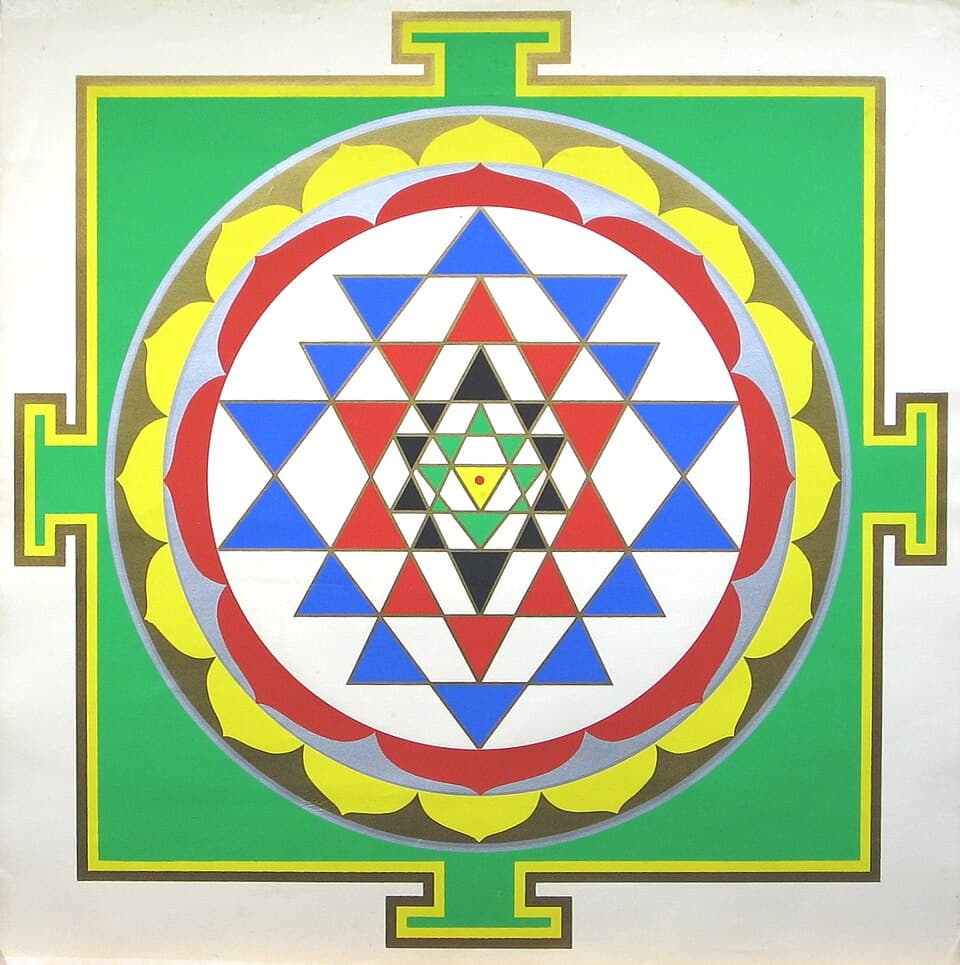
Indian subcontinent
Yantra is a geometrical diagram, mainly from the Tantric traditions of the Indian religions. Yantras are used for the w…
Read →
China
Yaoji is a deity of the Chinese pantheon.
Read →
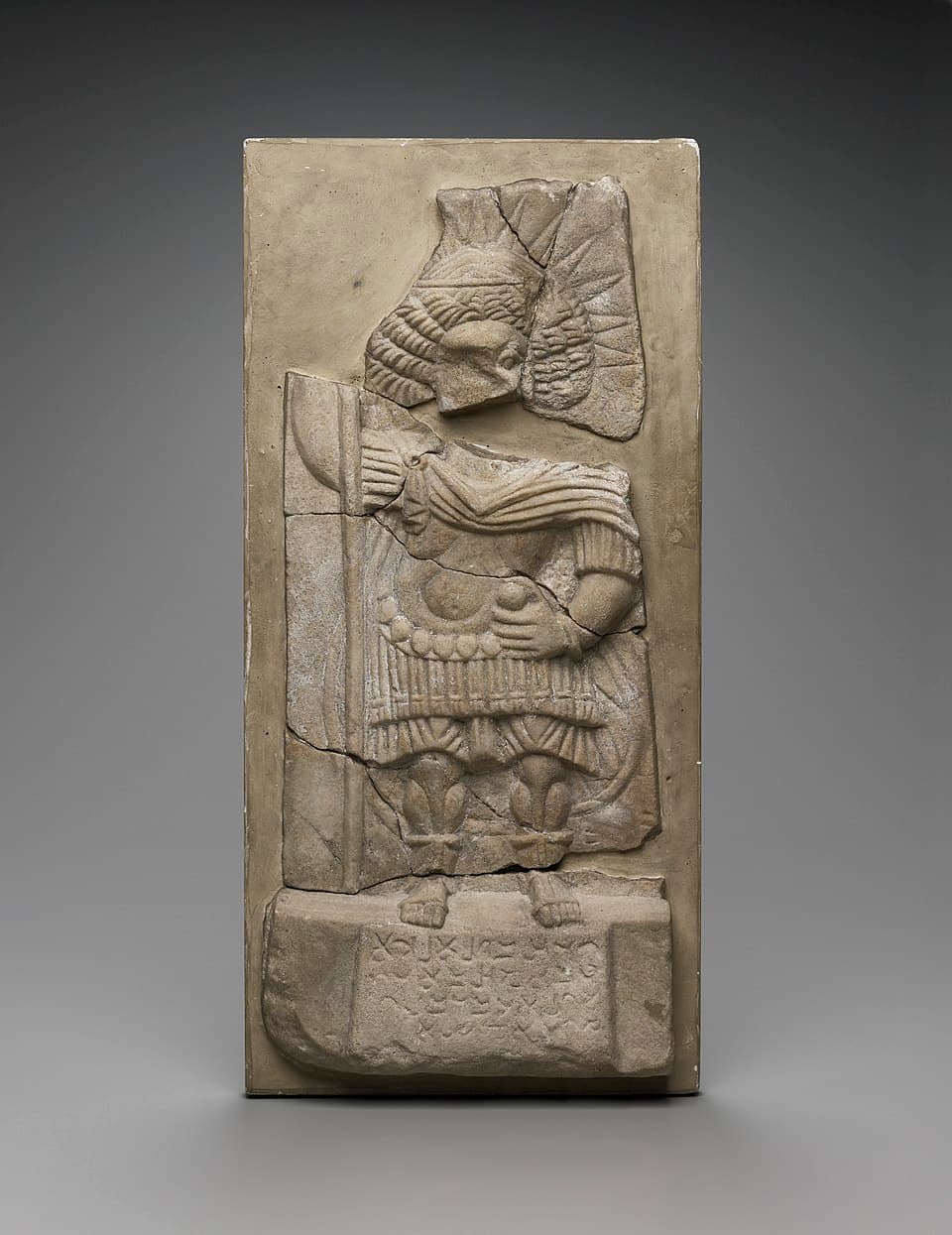
Ancient Levant
Yarhibol or Iarhibol is an Aramean god who was worshiped mainly in ancient Palmyra, a city in central Syria. He was dep…
Read →
Ancient Mesopotamia
Yarikh, or Yaraḫum, was a moon god worshiped in the Ancient Near East. He is best attested in sources from the Amorite …
Read →
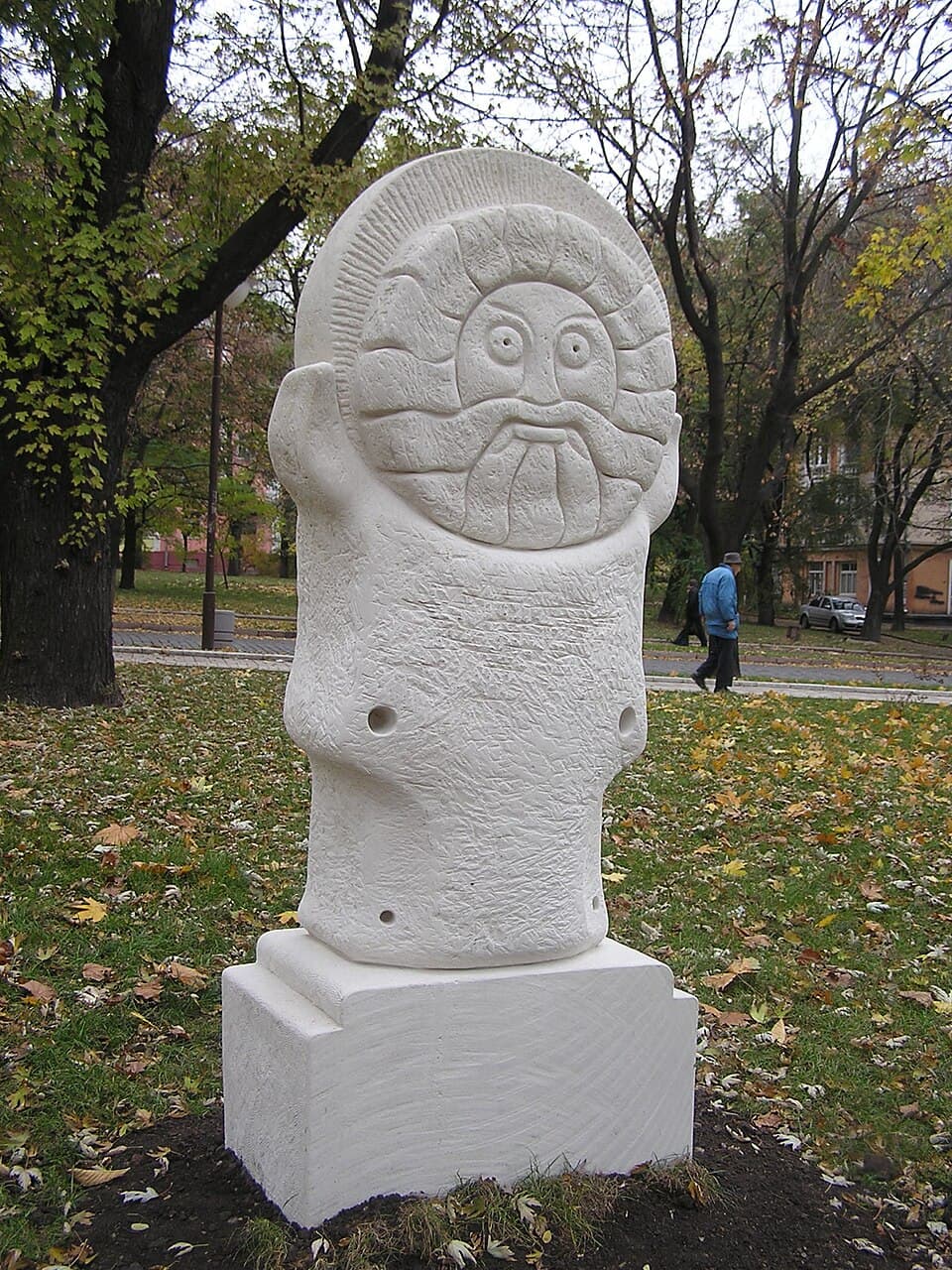
Early Slavs
Jarylo, alternatively Yaryla, Yarilo, Iarilo, Juraj, Jurij, or Gerovit, is an alleged East and South Slavic god of veget…
Read →
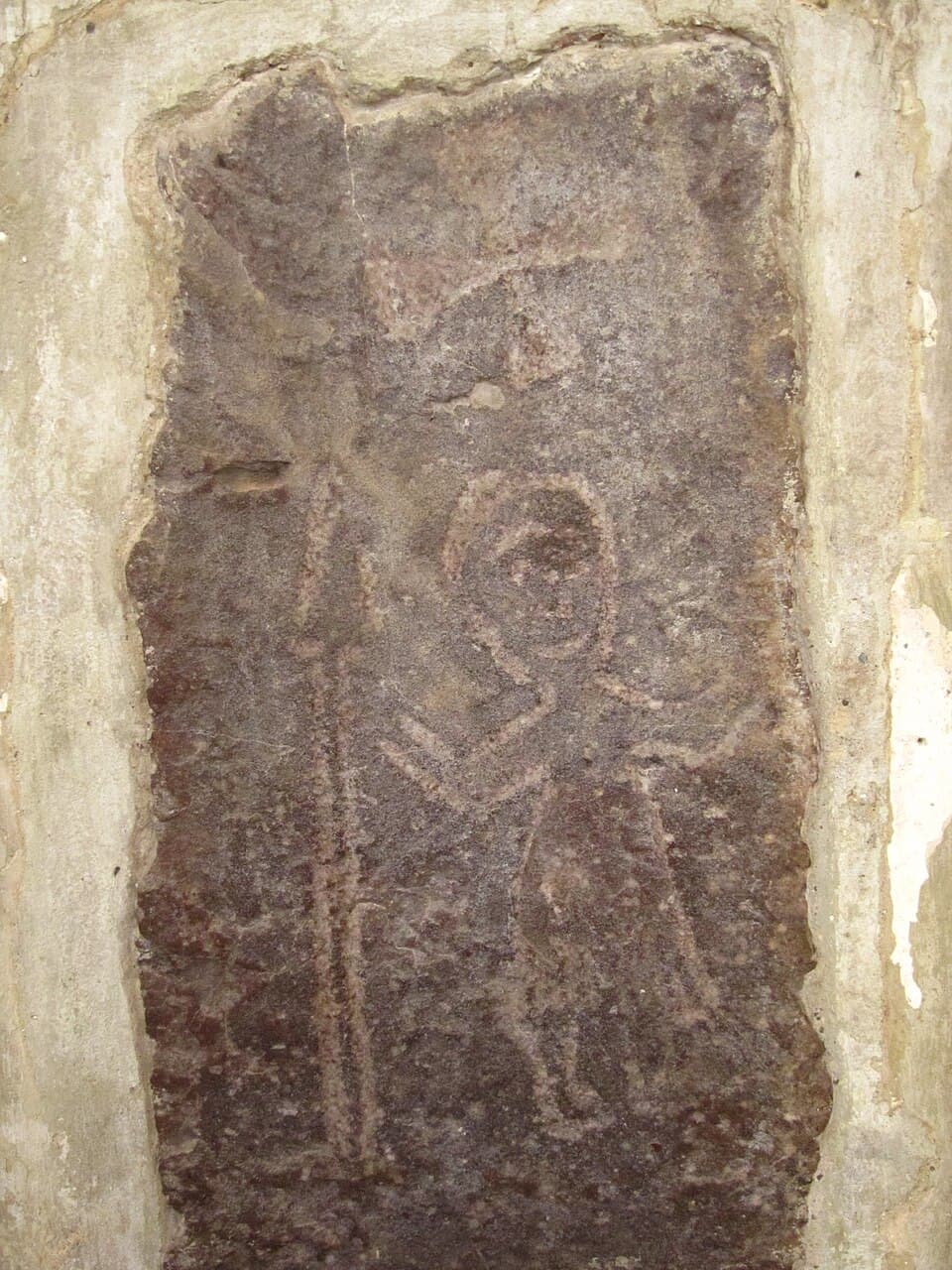
Early Slavs
Yarovit, Iarovit is a Polabian god of war, worshipped in Vologošč (Circipanians) and Hobolin. Sources give only a brief…
Read →

Japan
Yasakatome (八坂刀売神) is a kami in Shinto. She is worshipped in the Suwa Taisha network of shrines. She is the wife of Ta…
Read →
Japan
Yashimajinumi (八島士奴美神) is a Japanese god.
Read →

Indian subcontinent
Yatra, in Indian-origin religions, Hinduism, Buddhism, Jainism and Sikhism, generally means a pilgrimage to holy places …
Read →
Aztec Empire
In Aztec mythology, the Cintēteo are the four gods of maize. They are sons of the goddess Centeōtl and the god Cinteōtl…
Read →
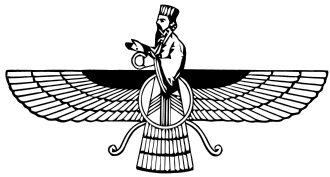
Ancient Persia
Yazata is the Avestan word for a Zoroastrian concept with a wide range of meanings but generally signifying a divinity. …
Read →

Scandinavia
In Norse mythology, Ýdalir ("yew-dales") is a location containing a dwelling owned by the god Ullr. Ýdalir is solely at…
Read →

China
The Yellow Emperor, also known as the Yellow Thearch or Huangdi, was a legendary Chinese sovereign and culture hero incl…
Read →
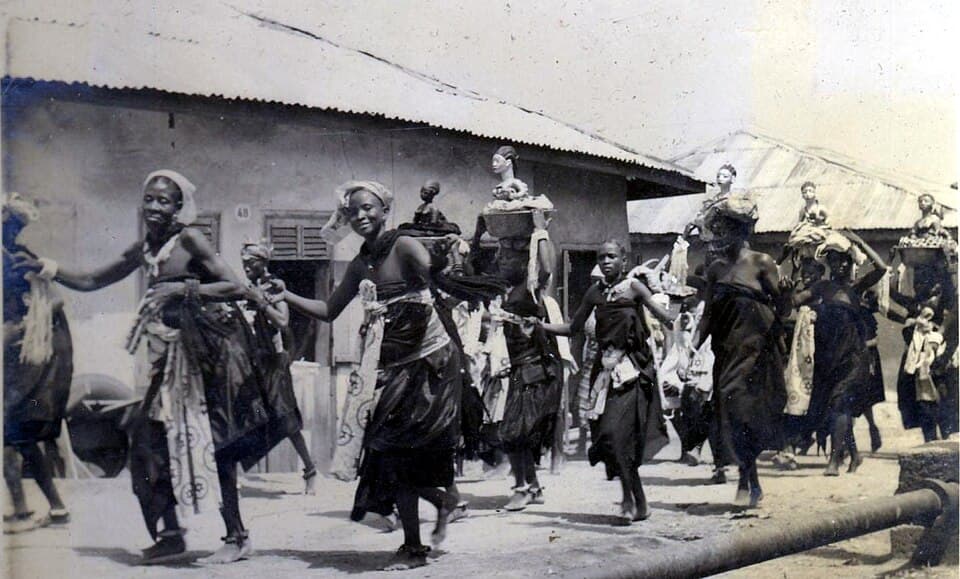
West Africa
Yemọja is a major water deity in the Yoruba religion. She is an oriṣa, and the patron spirit of rivers, particularly th…
Read →
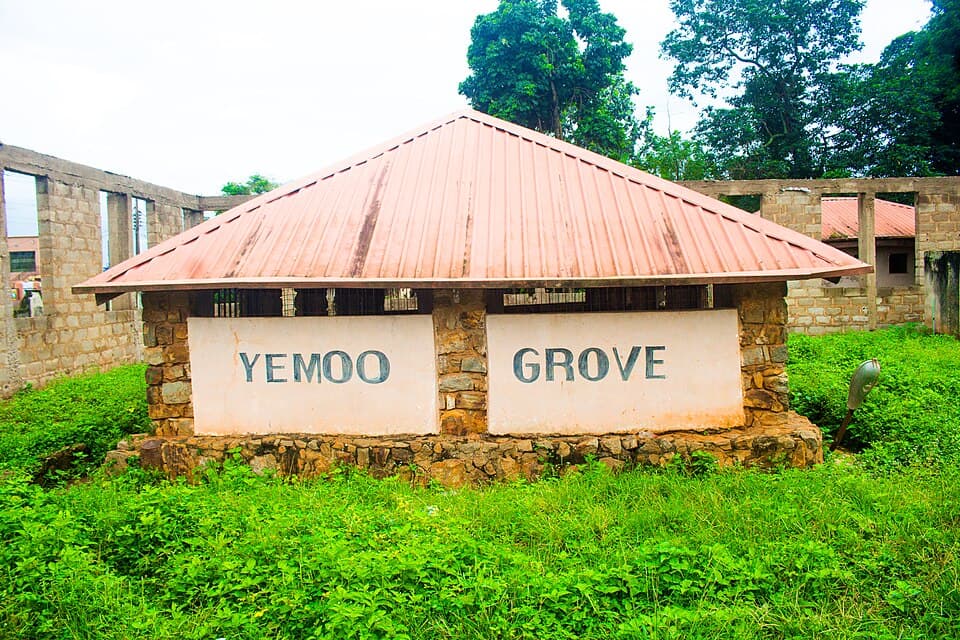
West Africa
In Yoruba religion, Yemowo is an oriṣa of water, maternity and creation, and her consort is Ọbatala.
Read →
West Africa
The Ẹgbado, now Yewa, are a subgroup of the Yoruba people and mostly inhabit Ogun West Senatorial District, Ogun State, …
Read →
China
Yidi is the goddess of wine and alcohol in Chinese mythology (Daoism). She was the brewer credited with the invention o…
Read →
China
Yincha are servants of the underworld, Diyu, often tasked with escorting souls to the afterlife or carrying out the decr…
Read →
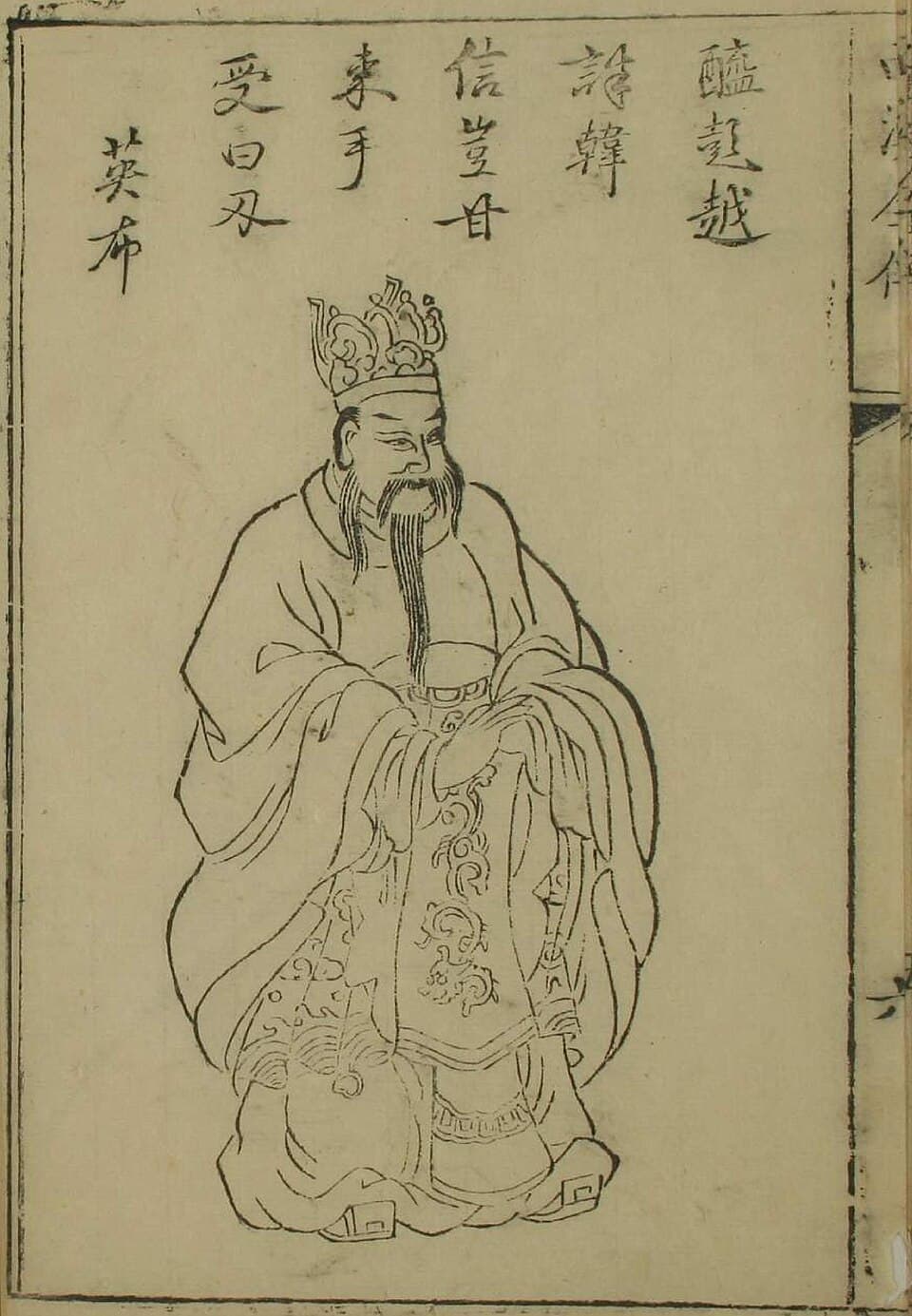
China
Ying Bu was a Chinese military general, monarch, politician, and warlord who lived during the early Han dynasty. He was…
Read →

China
Yinyanggong, also known as Yinyangsi, is a Taoist deity and the personification of the union of yin and yang. He often …
Read →
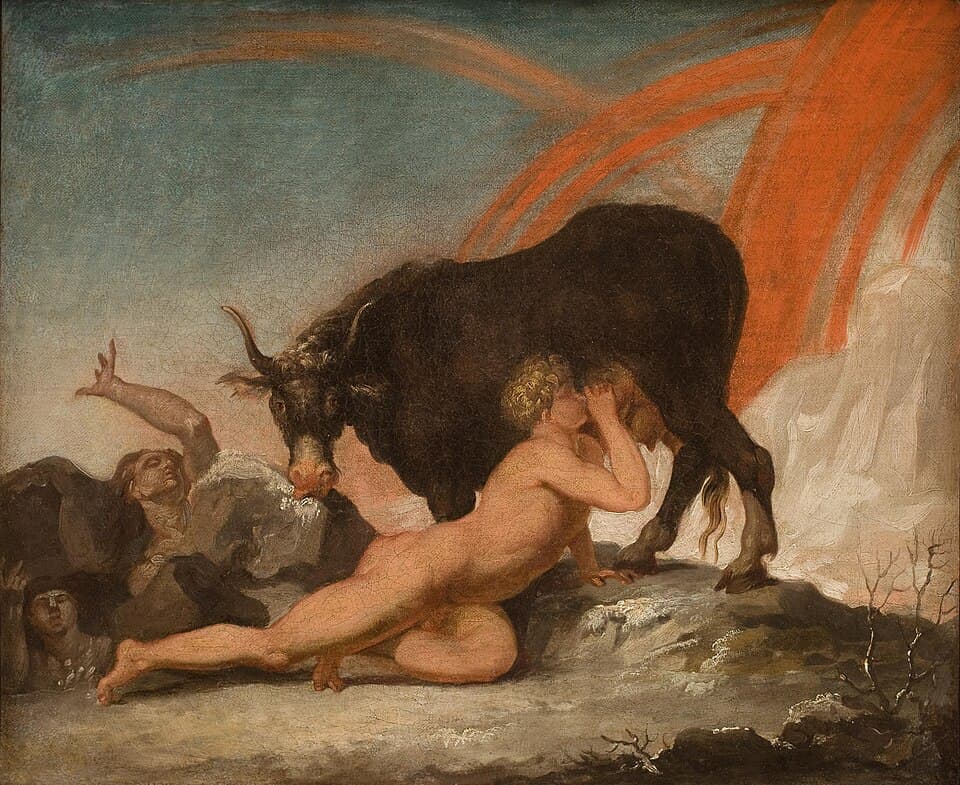
Scandinavia
In Norse mythology, Ymir, also called Aurgelmir, Brimir, or Bláinn, is the ancestor of all jötnar. Ymir is attested in …
Read →

Scandinavia
Old Norse Yngvi, Old High German Ing/Ingwi and Old English Ing are names that relate to a theonym which appears to have …
Read →
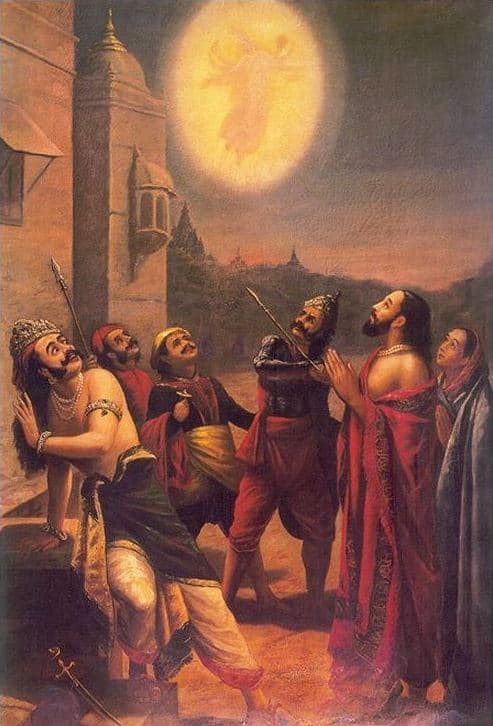
Indian subcontinent
Yogamaya is a Hindu goddess who serves as the personification of Vishnu's powers of illusion. In Vaishnava tradition, s…
Read →
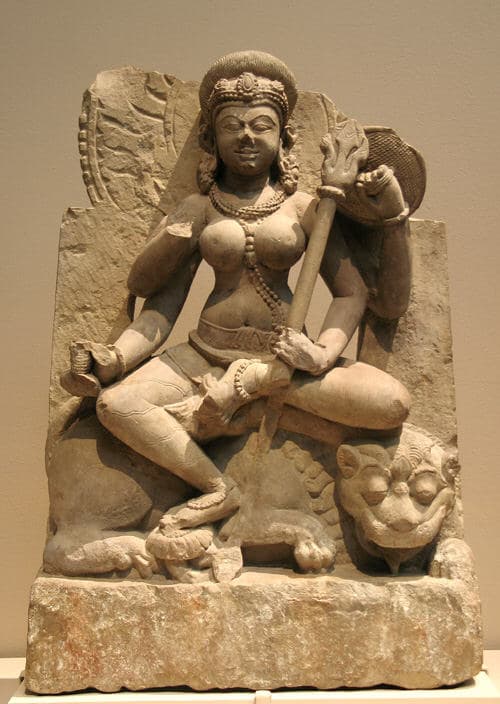
Indian subcontinent
Yogeshvari, also rendered Jogeshvari, is an epithet of the Hindu goddess Durga, a contraction of Yoga-īśvarī, meaning "g…
Read →
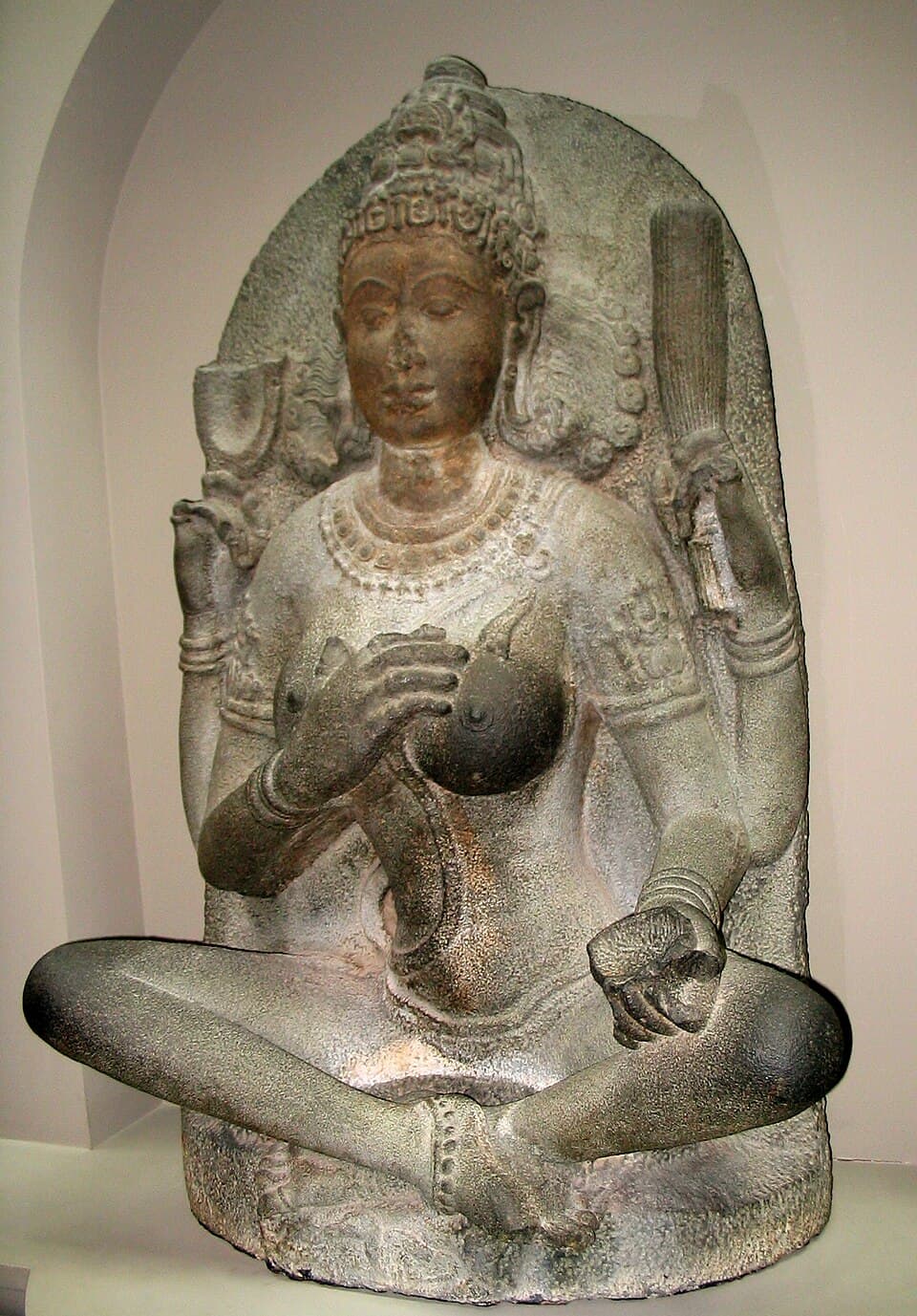
Indian subcontinent
A yogini is a female master practitioner of tantra and yoga, as well as a formal term of respect for female Hindu or Bud…
Read →
Aztec Empire
In Aztec mythology, Yohualticetl, the "Lady of the Night", was a moon goddess and guardian of infants.
Read →

China
Yŏn Kaesomun was a powerful military dictator in the waning days of the Goguryeo kingdom, one of the Three Kingdoms of a…
Read →
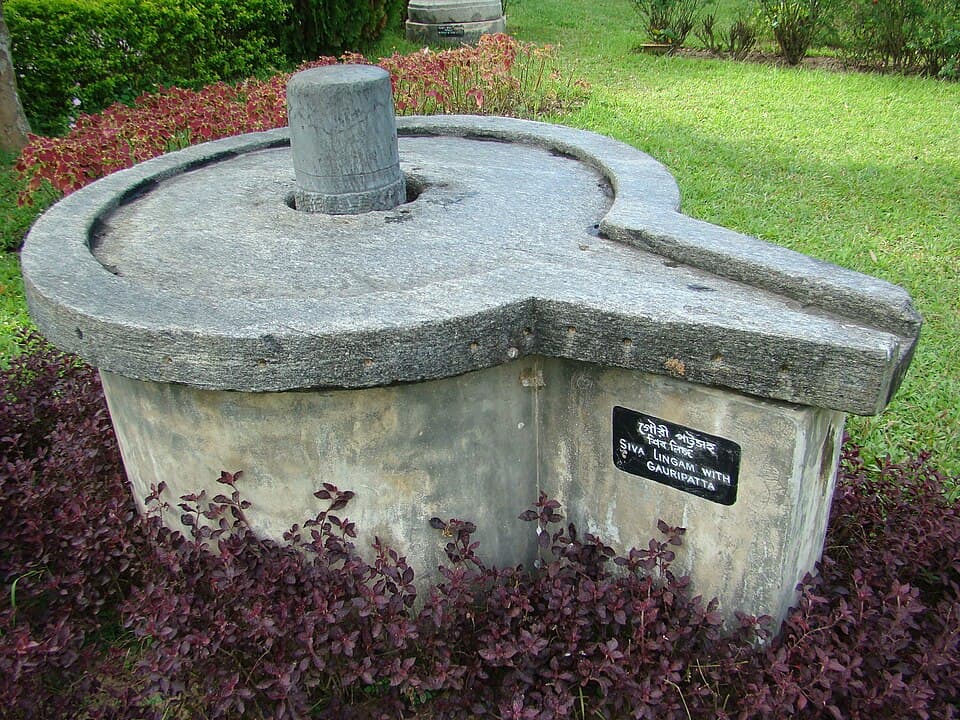
Indian subcontinent
Yoni, sometimes called pindika, is an abstract or aniconic representation of the Hindu goddess Shakti. It is usually sh…
Read →
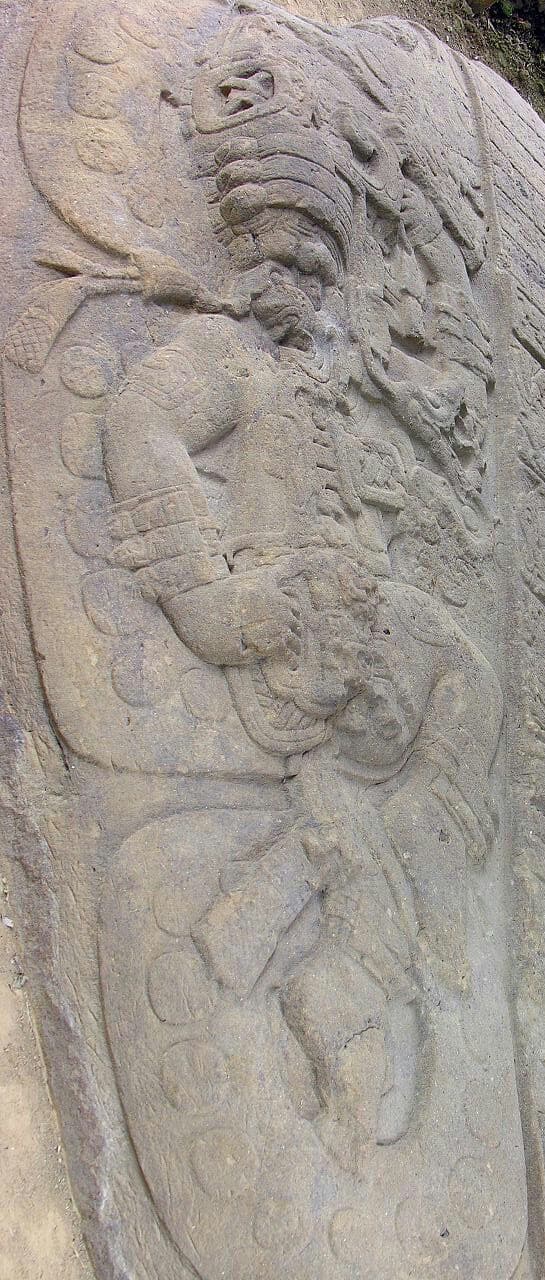
Maya civilization
Yopaat was an important Maya storm god in the southern Maya area that included the cities of Copán and Quiriguá during t…
Read →
China
Yu Shi is a Chinese spirit or god of rain, also known as or conflated with Red Pine, among other names. Translations of…
Read →
China
Yu Shiqie is a deity of the Chinese pantheon.
Read →

China
Yuanshi Tianzun, the Celestial Venerable of the Primordial Beginning or the Primeval Lord of Heaven, is one of the highe…
Read →

China
Yuding Zhenren is a Taoist deity and character in the classic Chinese novel Fengshen Yanyi. He is one of the Twelve Gol…
Read →
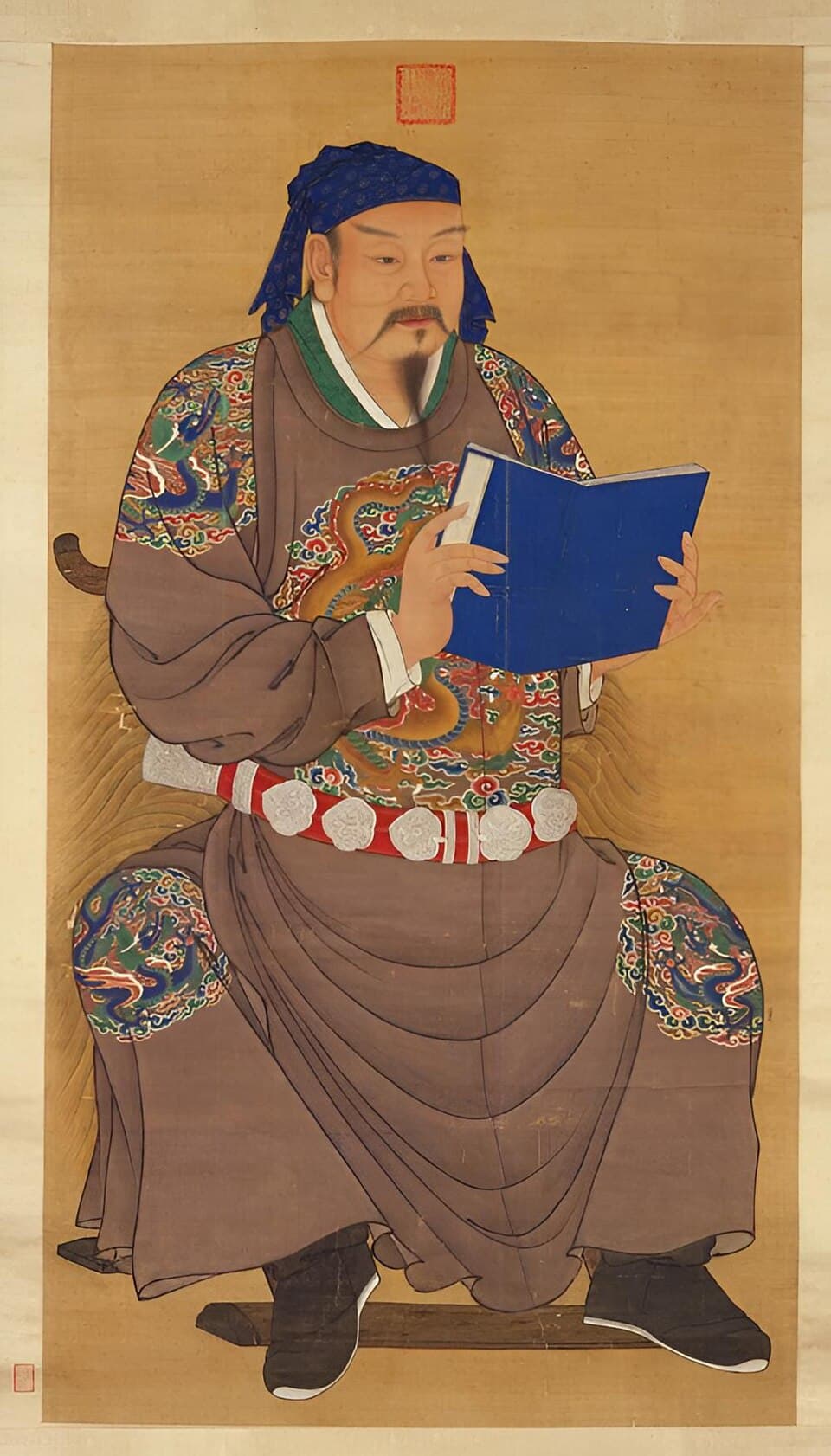
China
Yue Fei, courtesy name Pengju (鵬舉), was a Chinese military general of the Song dynasty and is remembered as a patriotic …
Read →
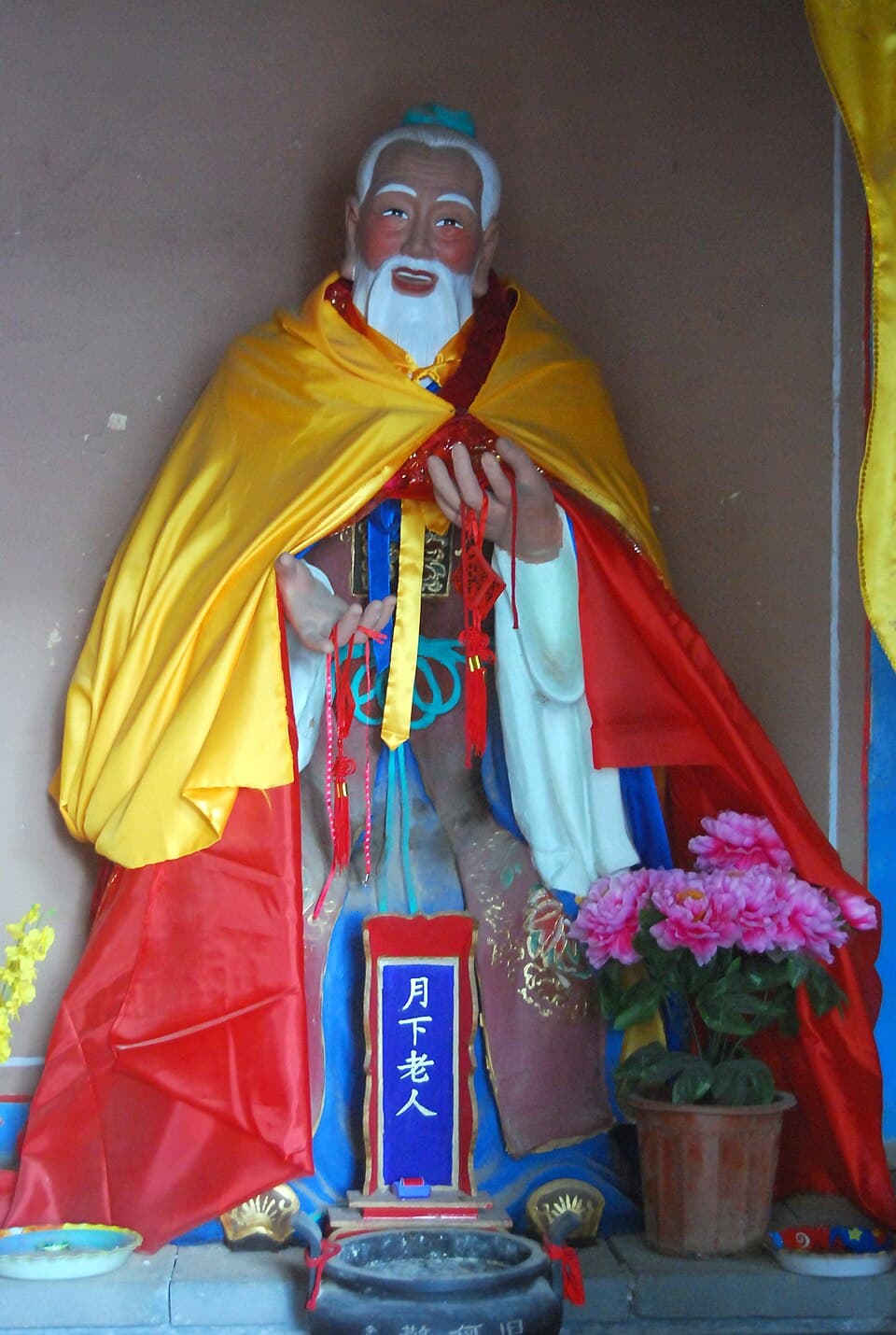
China
Yue Lao is a god of marriage and love in Chinese mythology. He appears as an old man under the moon. Yue Lao appears a…
Read →
Maya civilization
Yum Kaax, also known as Yumká is a Yukatek Maya name for the god of the wild vegetation and guardian of its animals.
Read →
China
Yunhua is a deity of the Chinese pantheon.
Read →
China
Yunü is a deity of the Chinese pantheon.
Read →
China
Yunxiao Niangniang is a deity of the Chinese pantheon.
Read →
China
Yuqiang, in Chinese mythology is one of the descendants of Huang Di, the "Yellow Emperor". Yuqiang was also the god of …
Read →
Ancient Mesopotamia
Zababa was a Mesopotamian god. He was the tutelary deity of the city of Kish and was regarded as a god of war. He was …
Read →

Ancient Mesopotamia
Zabala, also Zabalam was a city of ancient Sumer in Mesopotamia, located in what is now the Dhi Qar governorate in Iraq.…
Read →
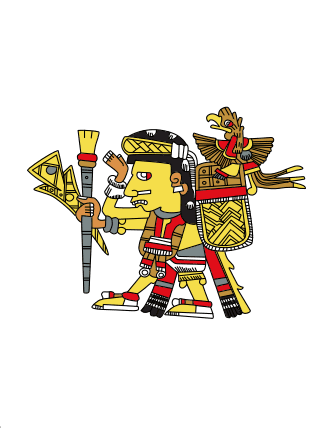
Aztec Empire
Zacatzontli, in Aztec mythology, is the god of the road during the day.
Read →
Ancient Mesopotamia
Zagar was a Mesopotamian god associated with dreams. He shared this role with other deities, such as Mamu and Sisig. L…
Read →
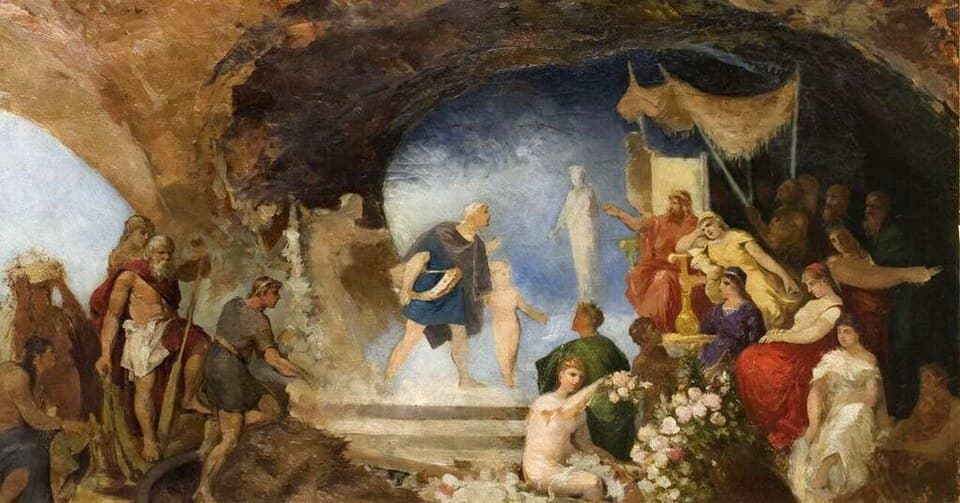
Ancient Greece
In ancient Greek religion and mythology, Zagreus was a god sometimes identified with an Orphic Dionysus who was dismembe…
Read →
Inca Empire
Zalmoxianism or Zamolxianism is a Neopagan movement in Romania which promotes the rebuilding of an ethnic religion and s…
Read →
Ancient Persia
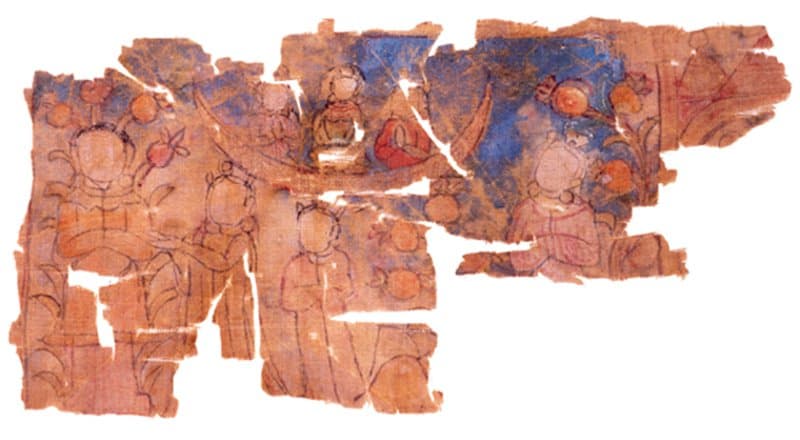
Zam is the Avestan language term for the Zoroastrian concept of "earth", in both the sense of land and soil and in the s…
Read →
Japan
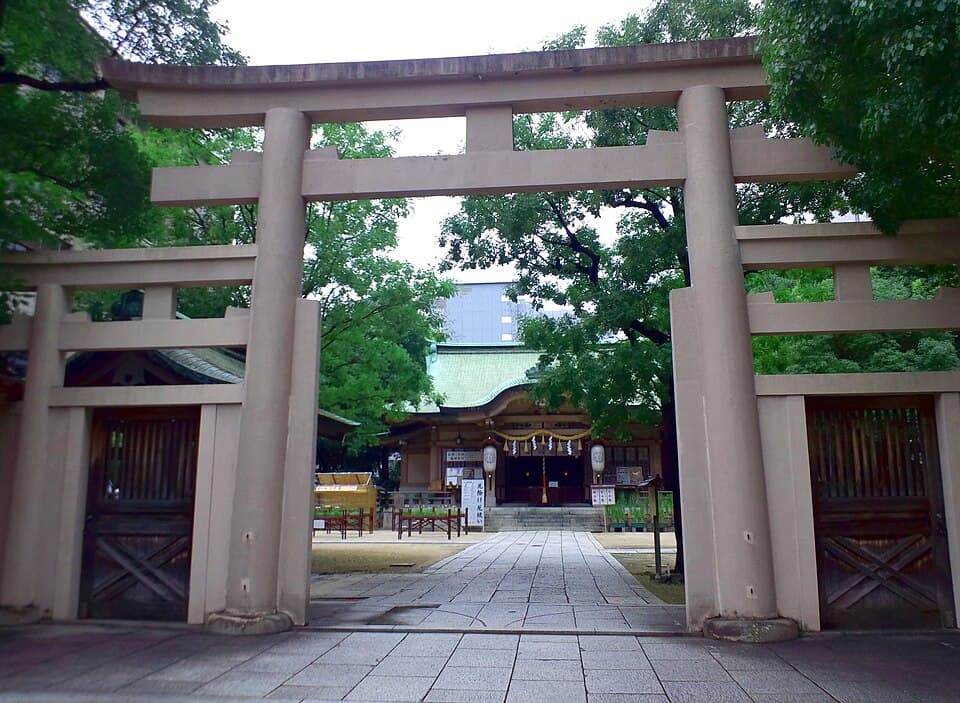
Ikasuri Shrine is a major Shinto shrine located in central Osaka, Japan. Its annual festival is on April 22. In the fo…
Read →
Ancient Persia
In Persian mythology, Zarik is a Daeva in the service of Ahriman.
Read →
Ancient Greece
In Greek mythology, Zelus or Zelos was the daimon that personifies dedication, emulation, eager rivalry, envy, jealousy,…
Read →