Comfa
Zoroastrian1500 BCE – present
Comfa
Ancient Persia
Comfa, or Komfa, is a folk religion in Guyana also known as Spiritualism or Faithism. The word "Comfa" is used by non-p…
Read →
Research Index
An archive of 3,493 gods, deified rulers, and mythological figures across civilizations — from living gods of Egypt to the dying gods of antiquity.
Ancient Persia
Comfa, or Komfa, is a folk religion in Guyana also known as Spiritualism or Faithism. The word "Comfa" is used by non-p…
Read →
Ancient Greece
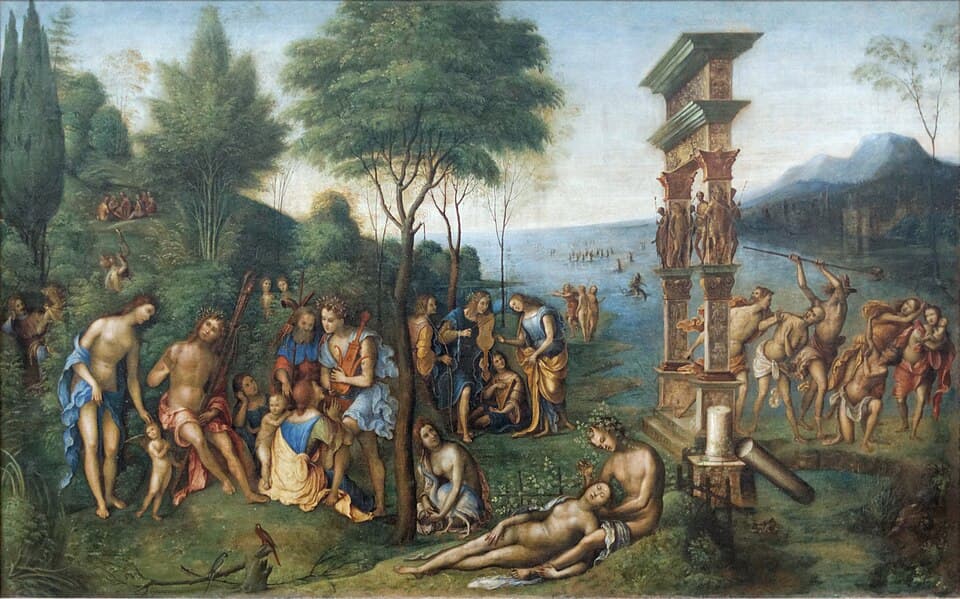
In Greek mythology, Comus is the god of festivity, revels and nocturnal dalliances. Cup-bearer of the god Dionysus, he …
Read →
Iron Age Europe
Condatis was an ancient Celtic deity worshipped primarily in northern Britain but also in Gaul. He was associated with …
Read →

Ancient Persia
Conservative Judaism, also known as Masorti Judaism, is a Jewish religious movement that regards the authority of Jewish…
Read →

Indian subcontinent
The marital status of the Hindu deity Ganesha varies widely in mythological stories and the issue has been the subject o…
Read →
Ancient Rome
In ancient Roman religion, the god Consus was the protector of grains. He was represented by a grain seed. His altar (…
Read →
Iron Age Europe
The Corcu Loígde, meaning Gens of the Calf Goddess, also called the Síl Lugdach meic Itha, were a kingdom centred in Wes…
Read →
Early Slavs
Habernitsa is a noon demon in Slavic mythology, said to live in the area of Prudnik. She is referred to as Chabernica i…
Read →

Ancient Mesopotamia
Corona Borealis is a small constellation in the Northern Celestial Hemisphere. It is one of the 48 constellations liste…
Read →

Ancient Greece
In Greek mythology, Coronis is a Thessalian princess and a lover of the god Apollo. She was the daughter of Cleophema a…
Read →
Ancient Greece
According to Greek mythology, the Korybantes, also spelled Corybantes or Corybants, were the armed and crested dancers w…
Read →

North America
A cosmic ocean, cosmic sea, primordial waters, or celestial river is a mythological motif that represents the world or c…
Read →
Iron Age Europe
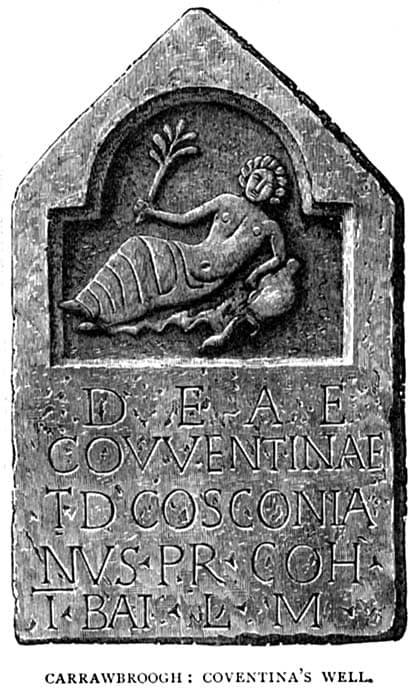
Coventina was a Romano-British goddess of wells and springs. She is known from multiple inscriptions at one site in Nor…
Read →
Aztec Empire
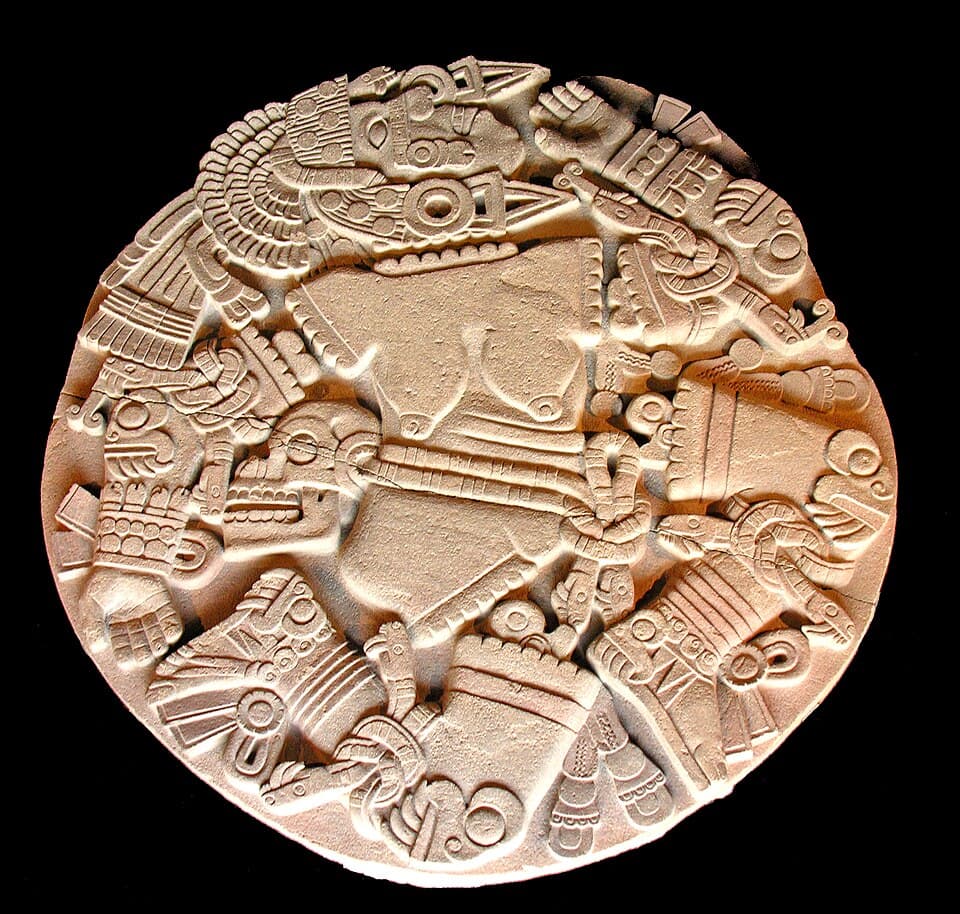
In Aztec religion, Coyolxāuhqui is a daughter of the goddess Cōātlīcue. She was the leader of her brothers, the Centzon…
Read →
Aztec Empire
In Aztec mythology, Coyotlinahual or Coyotl Inahual is the god of featherworkers (amanteca).
Read →
Aztec Empire
In Aztec mythology, the Cintēteo are the four gods of maize. They are sons of the goddess Centeōtl and the god Cinteōtl…
Read →

Ancient Mesopotamia
A creator deity or creator god is a deity responsible for the creation of the Earth, world, and universe in human religi…
Read →

Ancient Egypt
A creator deity or creator god is a deity responsible for the creation of the Earth, world, and universe in human religi…
Read →
Iron Age Europe
In Irish mythology, Credne or Creidhne was the goldsmith of the Tuatha Dé Danann, but he also worked with bronze and bra…
Read →
Ancient Greece
In Greek mythology, Crius, Krios or Kreios was one of the Titans, the children of Uranus (Sky) and Gaia (Earth).
Read →
Iron Age Europe
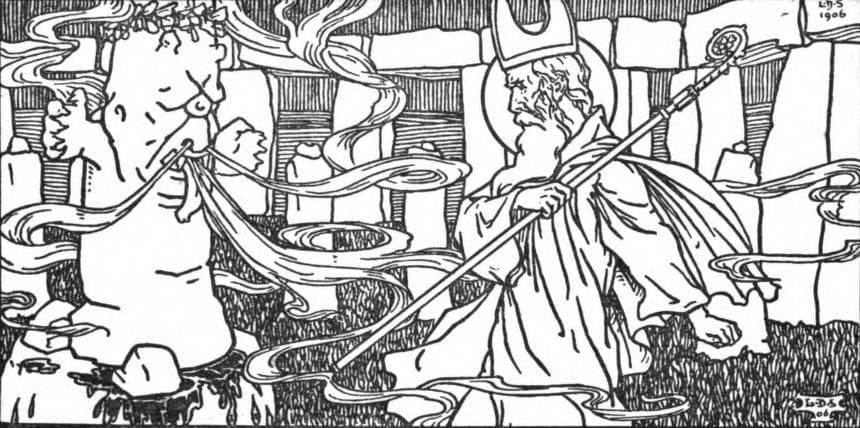
Crom Cruach was a pagan god of pre-Christian Ireland. According to Christian writers, he was propitiated with human sac…
Read →
Iron Age Europe
Crom Dubh is a mythological and folkloric figure of Ireland, based on the god Crom Cruach, mentioned in the 12th-century…
Read →
Ancient Greece
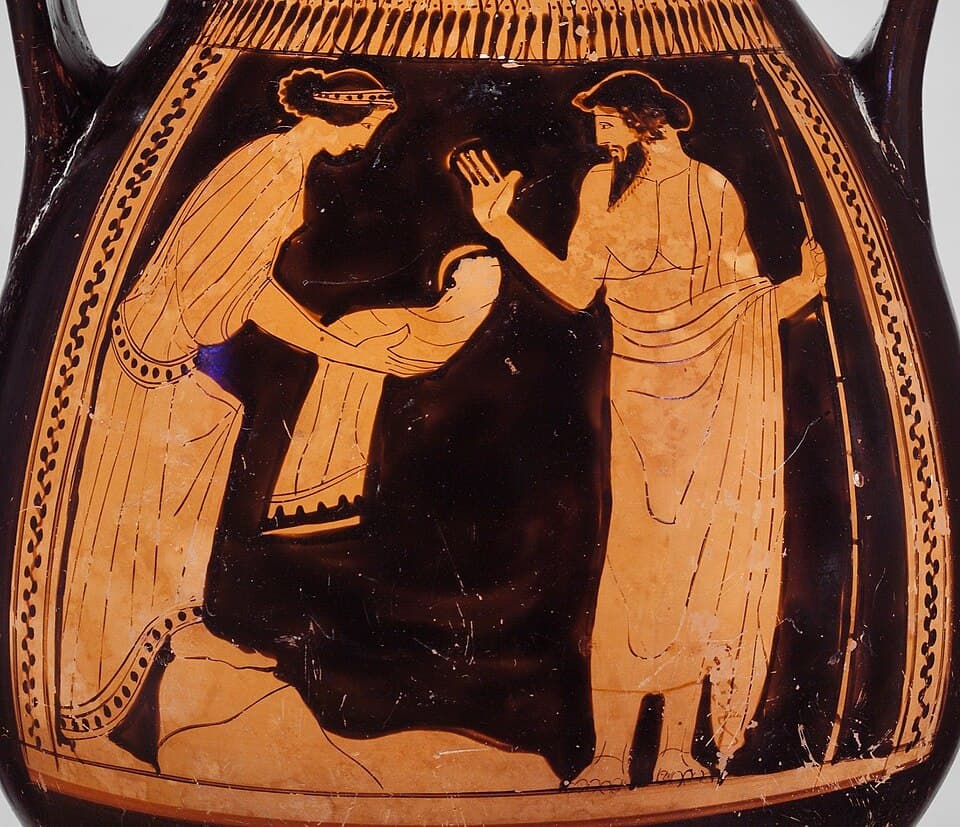
In ancient Greek religion and mythology, Cronus, Cronos, or Kronos was the leader and youngest of the Titans, the childr…
Read →
Ancient Egypt
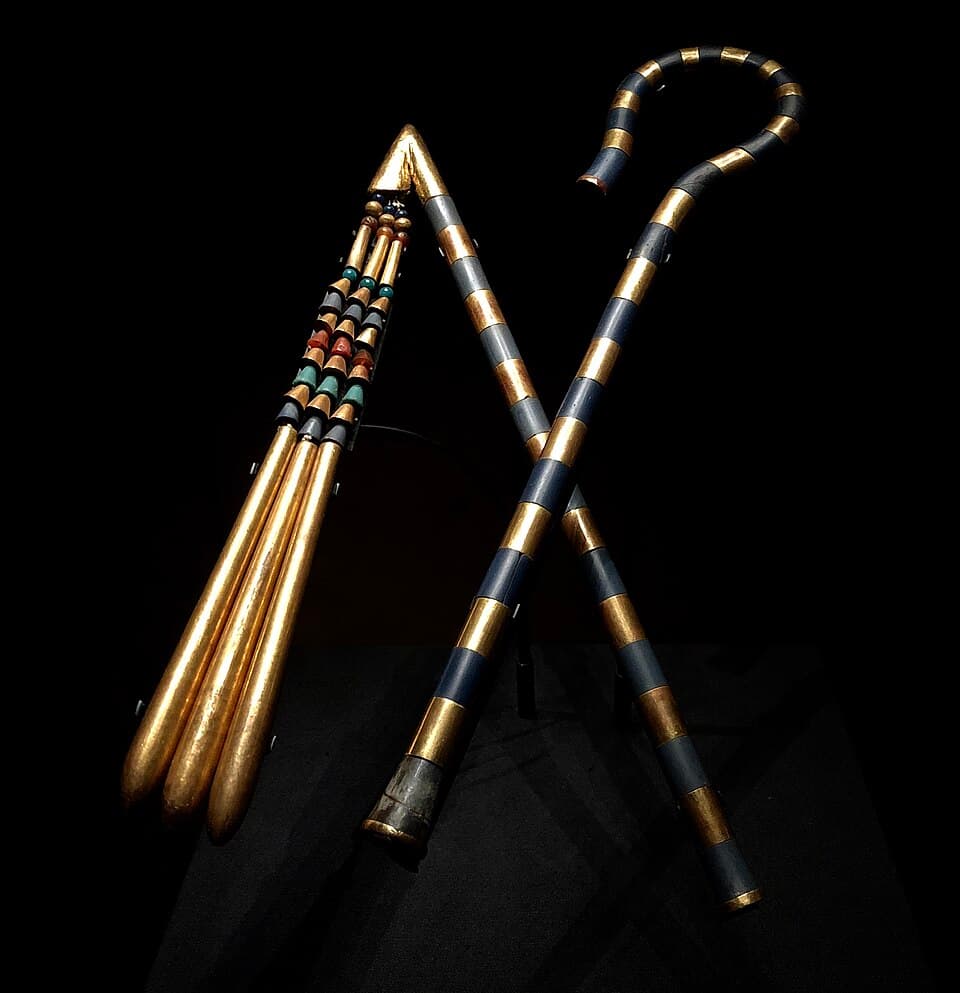
The crook and flail were symbols used in ancient Egyptian society. They were originally the attributes of the deity Osi…
Read →

Ancient Egypt
In ancient Egyptian religion, the crown of justification (mꜣḥ n mꜣꜥ ḫrw) was a wreath or fillet worn by the deceased to …
Read →
Ancient Greece
In Greek mythology, Ctesius may refer to:Ctesius, king of the island called Syra and son of Ormenus. He was the father …
Read →
Iron Age Europe
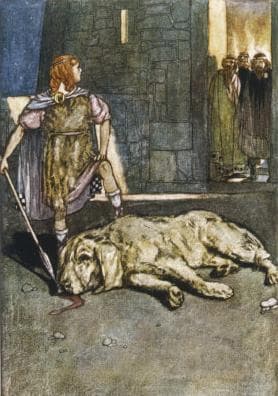
Cú Chulainn, is an Irish warrior hero and demigod in the Ulster Cycle of Irish mythology, as well as in Scottish and Man…
Read →

Asia
Cundī or Cundā is a female Indian Buddhist deity who remains popular in East Asian Buddhism. In Chinese Buddhism, she i…
Read →
Iron Age Europe
Cunomaglus is the epithet of a Celtic god identified with Apollo.
Read →
Ancient Greece
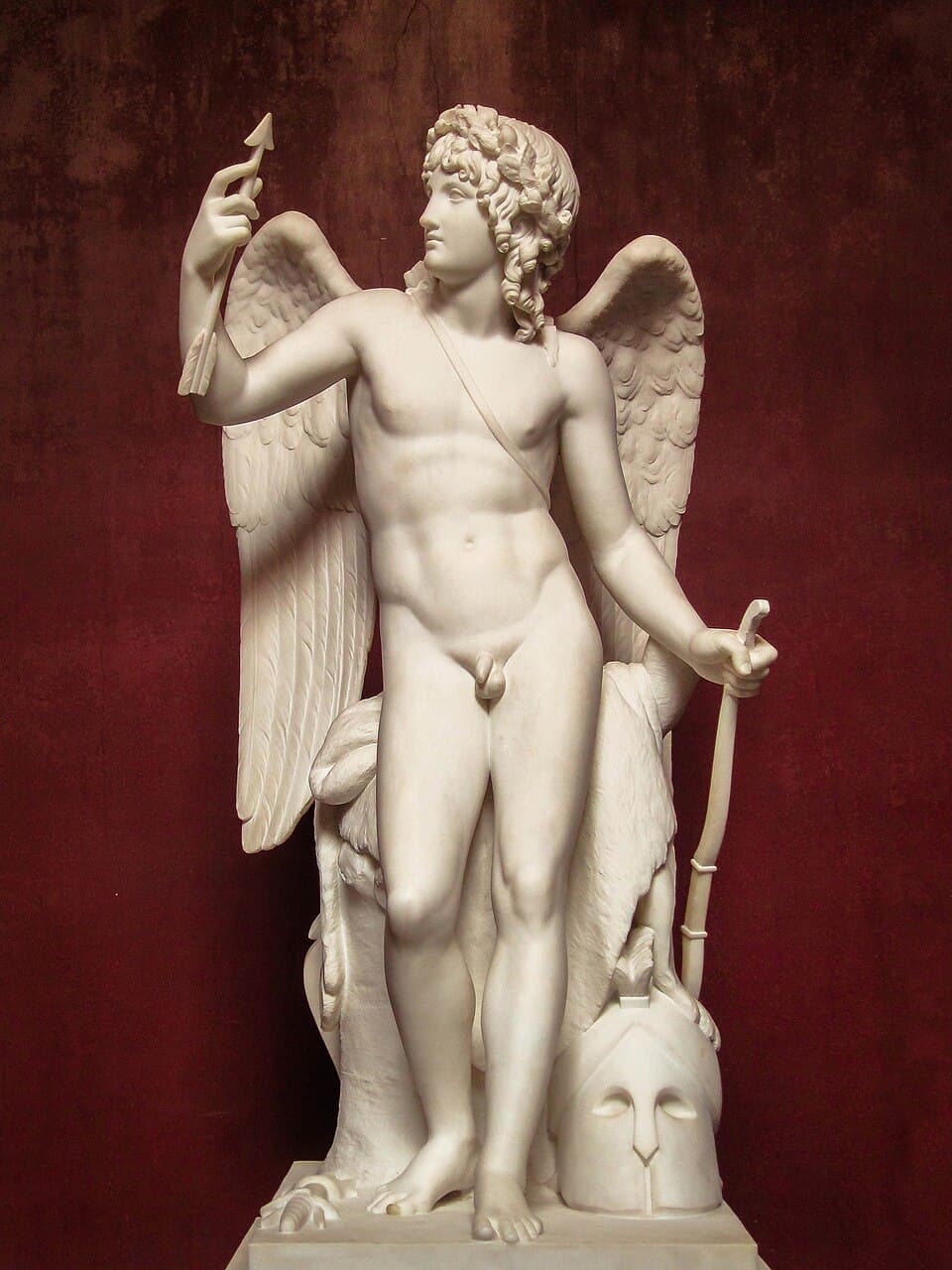
In classical mythology, Cupid is the god of desire, erotic love, attraction and affection. He is often portrayed as the…
Read →
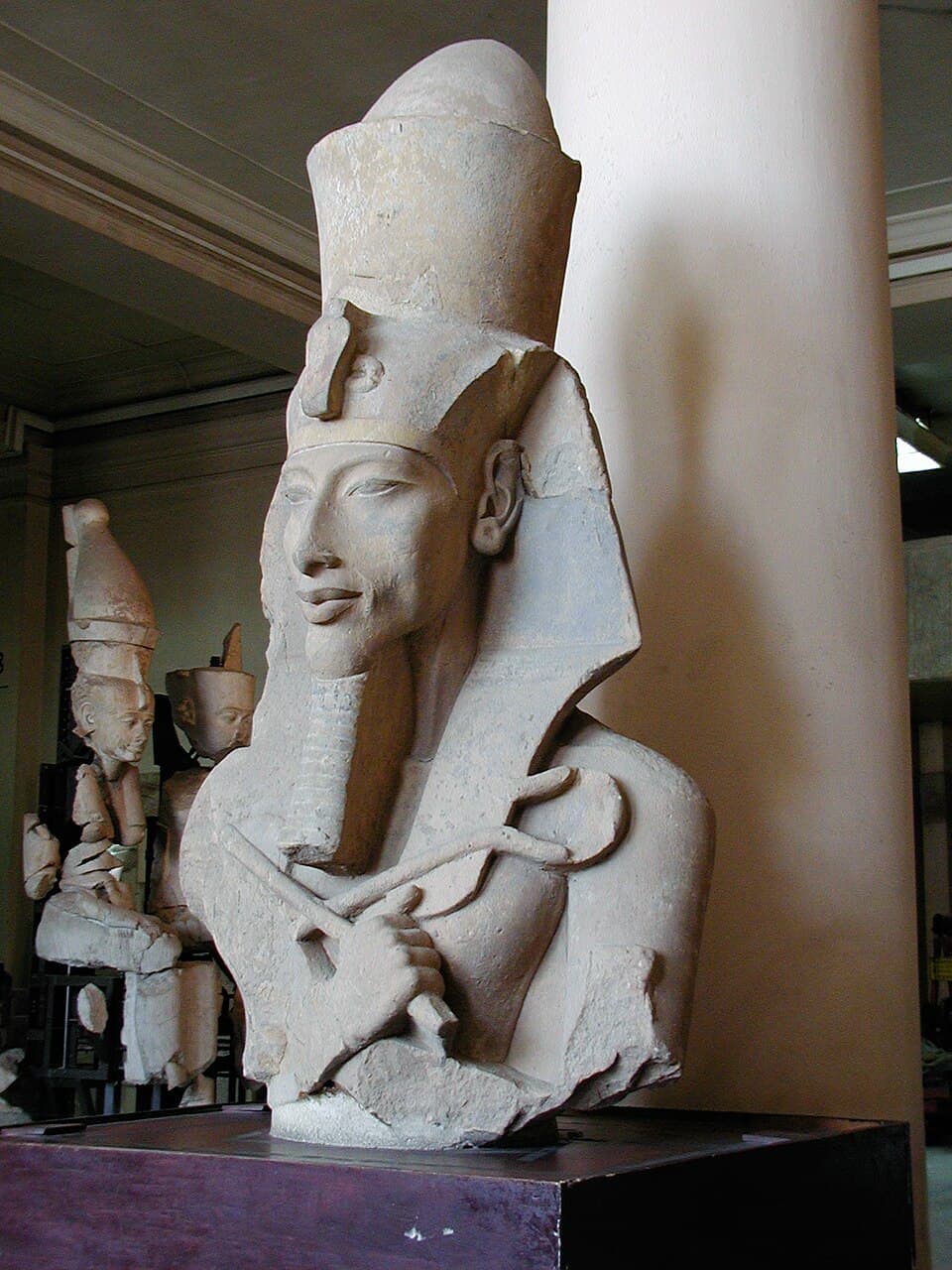
Ancient Egypt
The customs of ancient Egypt, the daily routine of the population, the cities, the crafts, and the economy derive their …
Read →
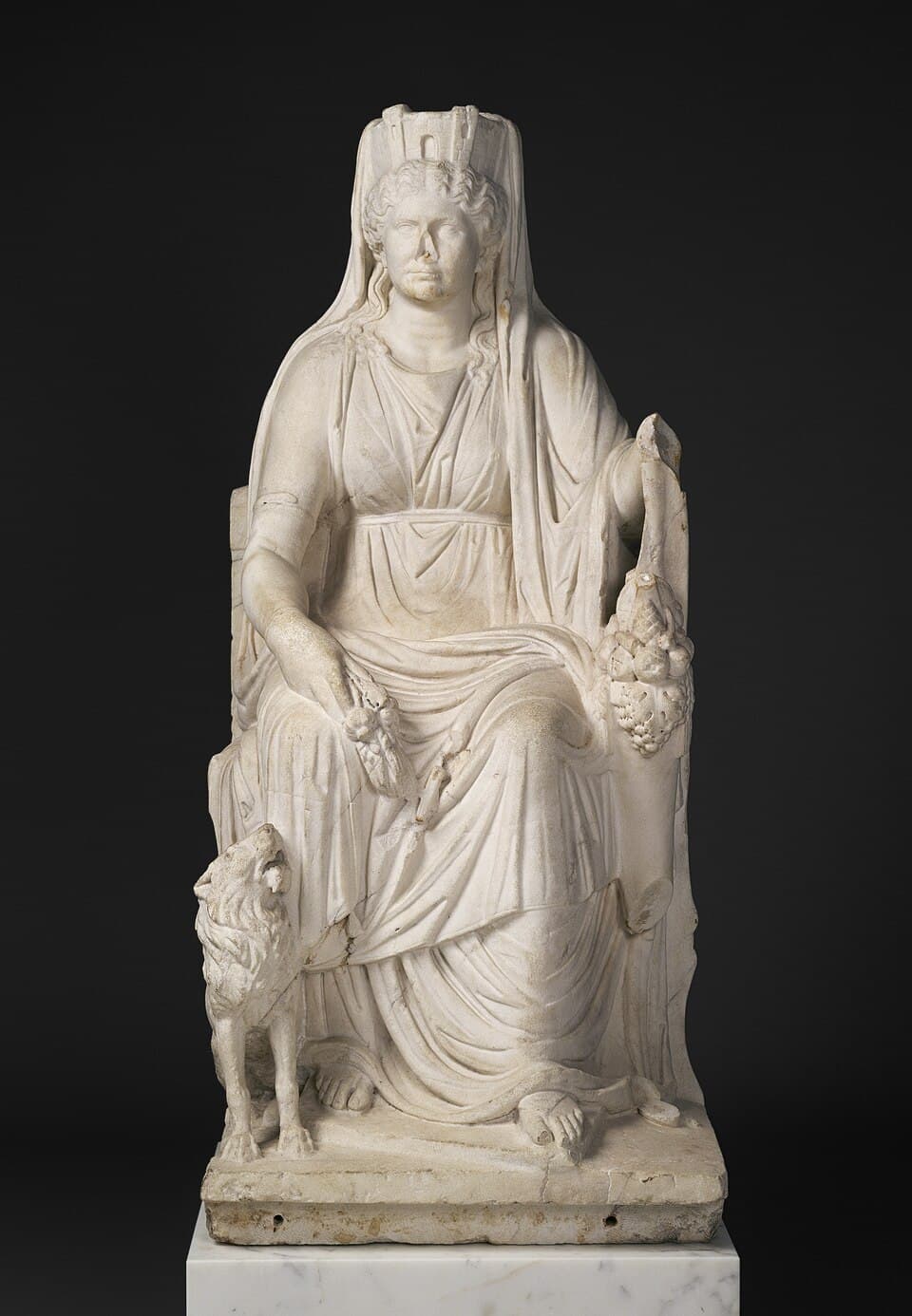
Ancient Persia
Cybele is an Anatolian mother goddess; she may have a possible forerunner in the earliest Neolithic at Çatalhöyük. Gree…
Read →
Iron Age Europe
The cyhyraeth is a ghostly spirit in Welsh mythology, a disembodied moaning voice that sounds before a person's death.
Read →
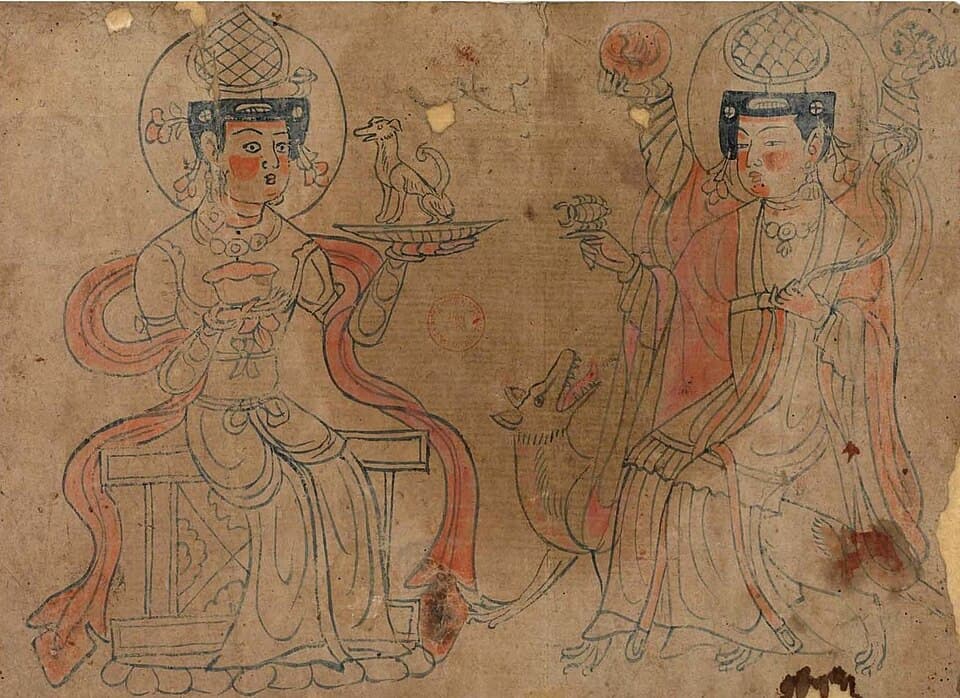
Ancient Persia
Daēnā is a Zoroastrian concept representing insight and revelation, hence "conscience" or "religion. " Alternately, Daen…
Read →
Ancient Persia
A daeva is a Zoroastrian supernatural entity with disagreeable characteristics. In the Gathas, the oldest texts of the …
Read →
Ancient Mesopotamia
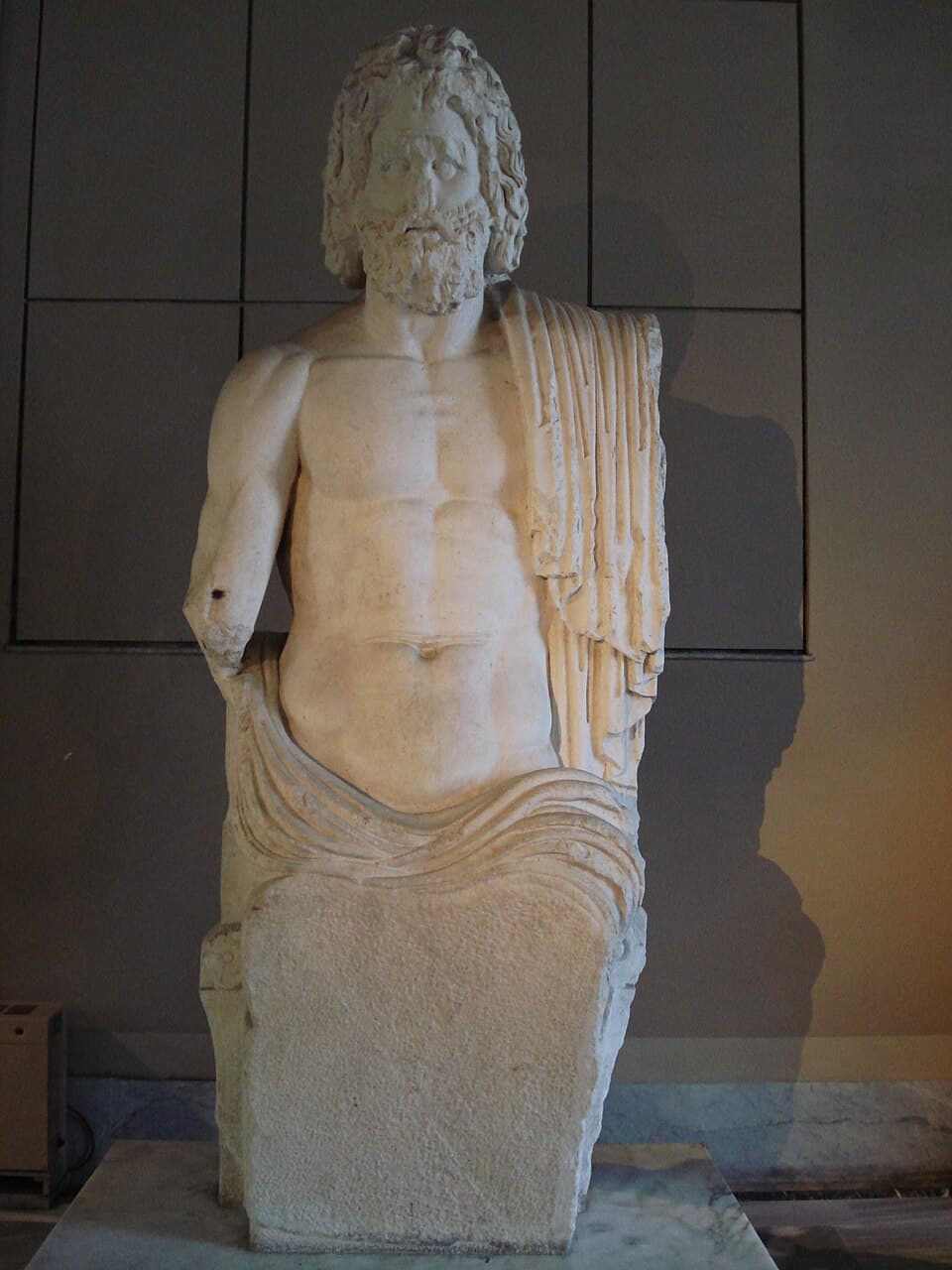
Dagon or Dagan was a god worshipped in ancient Syria, across the middle of the Euphrates, with primary temples located i…
Read →
Scandinavia
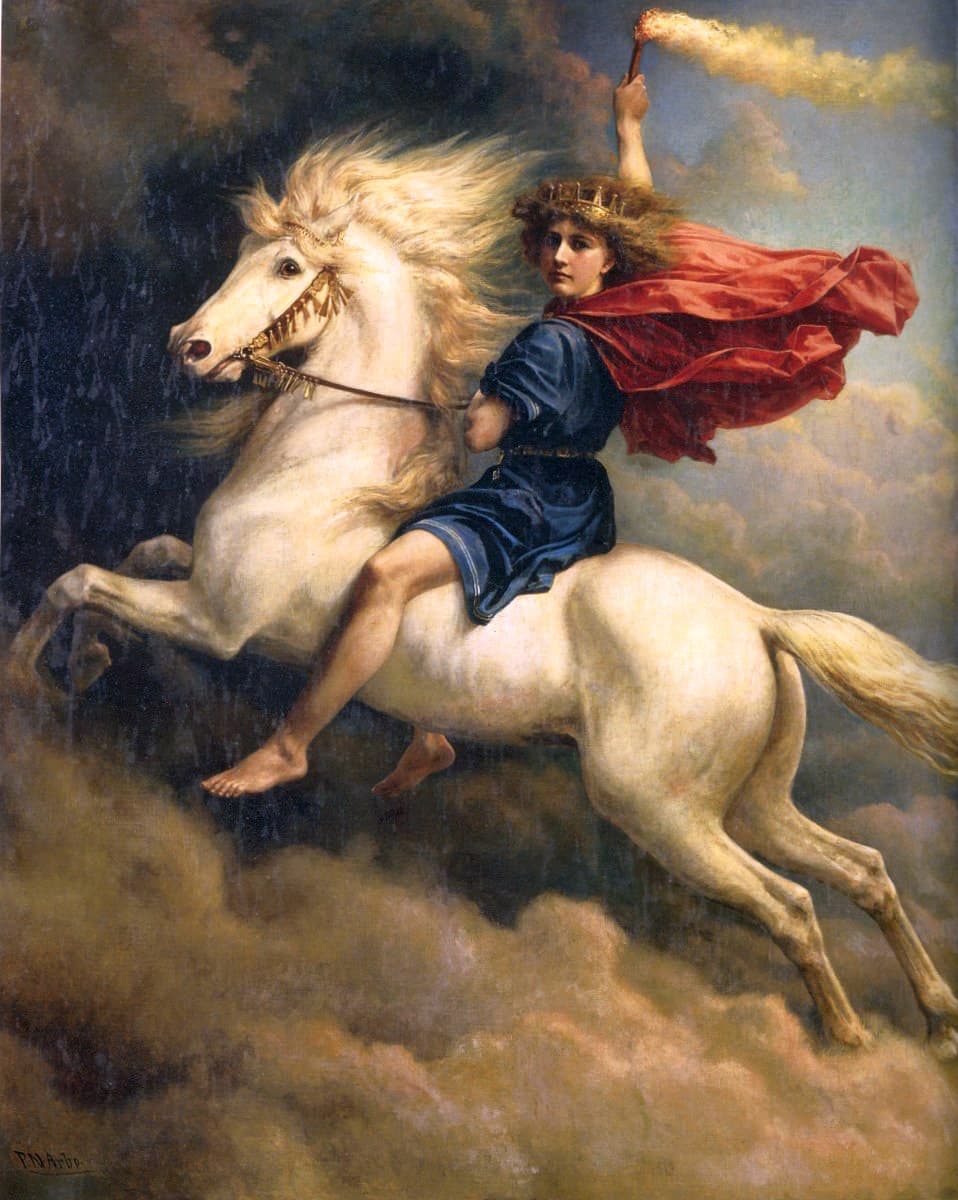
Dagr is the divine personification of the day in Norse mythology. He appears in the Poetic Edda, compiled in the 13th c…
Read →
Ancient Persia
Dahman or Dahman Afrin is the Avestan language name of a Zoroastrian concept, later considered to be the embodiment of p…
Read →
Ancient Greece
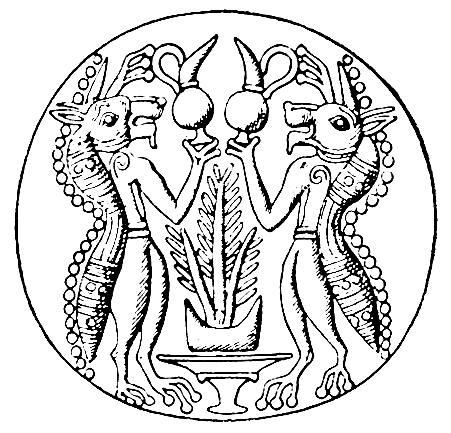
In ancient Greek religion, daimon, also spelled daemon, often referred to lesser deities, but could more broadly signify…
Read →
Indian subcontinent
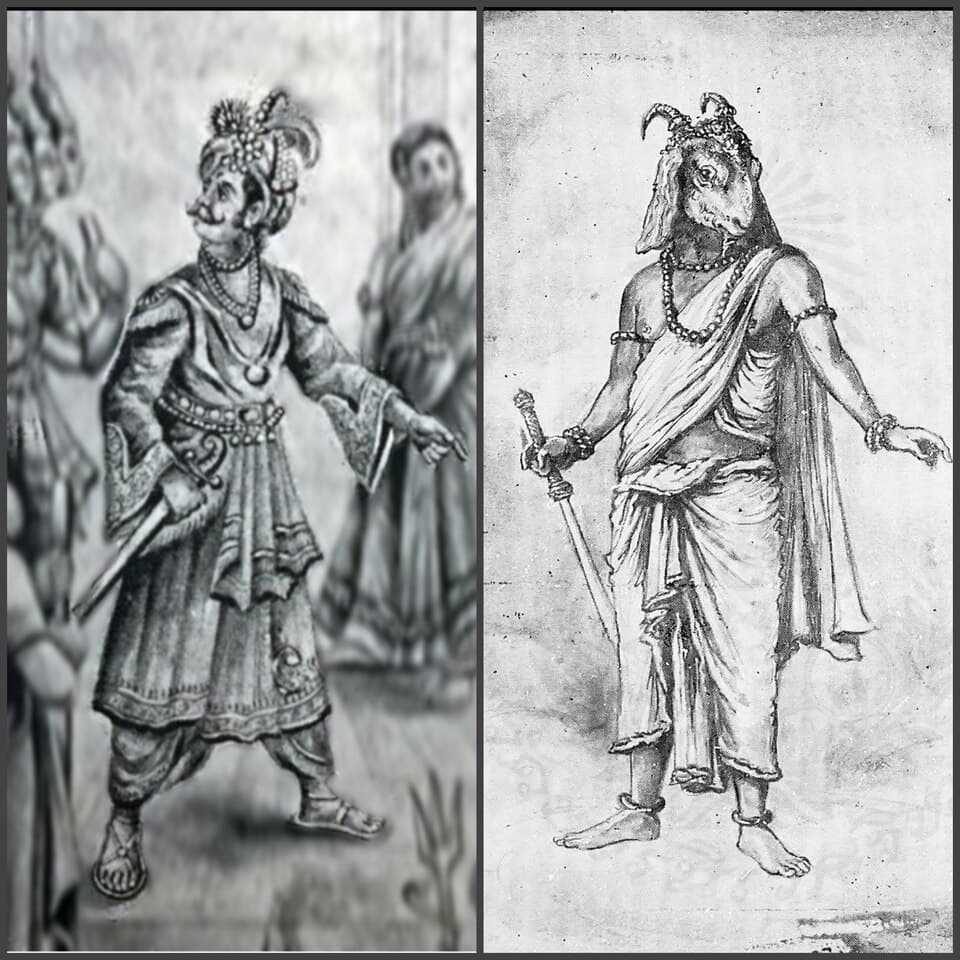
Daksha is a Hindu god whose role underwent a significant transformation from Vedic to Itihasa-Puranic mythology. In the…
Read →
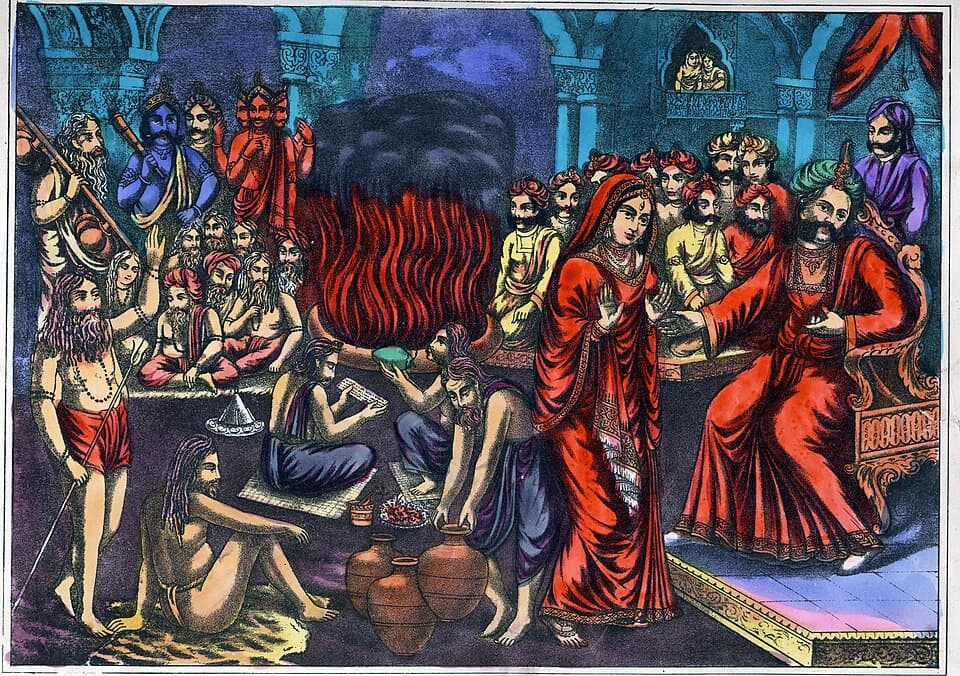
Indian subcontinent
Dakṣayajña is an important event in Hindu mythology that is narrated in various Hindu scriptures. It refers to a yajna …
Read →

Indian subcontinent
Dakshinamurti is an aspect of the Hindu god Shiva as a guru (teacher). He is regarded to be the personification of the …
Read →

Asia
The Dalai Lama is the head of the Gelug school of Tibetan Buddhism. The term is part of the full title "Holiness Knowin…
Read →

Ancient Mesopotamia
Damgalnuna, also known as Damkina, was a Mesopotamian goddess regarded as the wife of the god Enki. Her character is po…
Read →
Iron Age Europe
In Gallo-Roman religion, Damona was a goddess worshipped in Gaul as the consort of Apollo Borvo and of Apollo Moritasgus…
Read →
Ancient Mesopotamia
Damu was a Mesopotamian god. While originally regarded as a dying god connected to vegetation, similar to Dumuzi or Nin…
Read →

Indian subcontinent
In Hindu belief, the danavas are a race descending from Kashyapa and his wife Danu, a daughter of the progenitor god, Da…
Read →

Indian subcontinent
Danu is a Hindu primordial goddess. She is mentioned in the Rigveda to be the mother of the eponymous race known as the…
Read →
Iron Age Europe
*Danu is presumed to have been a goddess in Irish mythology, whose sole attestation is in the name of the Tuatha Dé Dana…
Read →
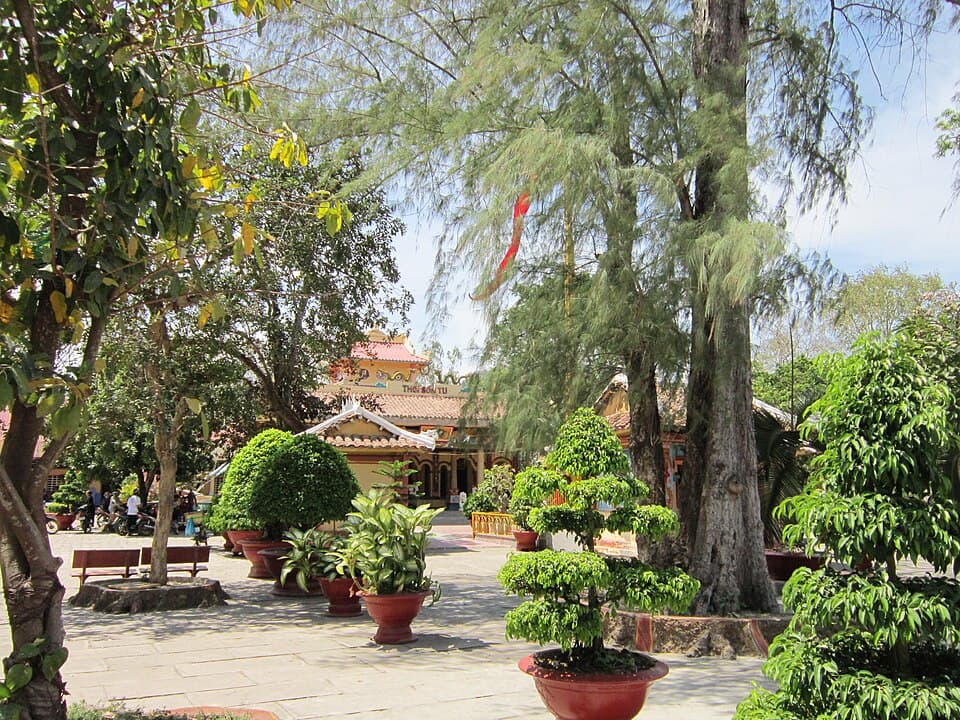
Inca Empire
Đạo Bửu Sơn Kỳ Hương refers to a religious tradition originally practiced by the mystic Đoàn Minh Huyên (1807–1856) and …
Read →
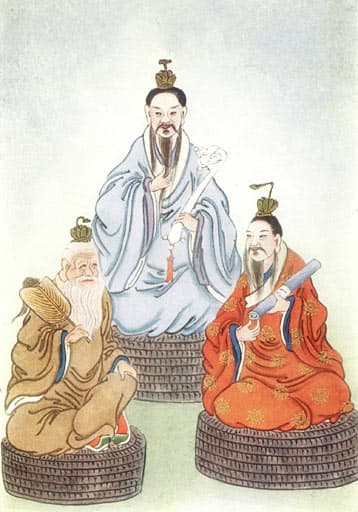
China
Daode Tianzun, also known as Taishang Laojun is a high Taoist god. He is the Taiqing which is one of the Three Pure One…
Read →

China
Dapeng Jinchi Mingwang, also known as the Golden-Winged Great Peng (金翅大鵬雕), is a guardian deity in Mahayana Buddhism. H…
Read →
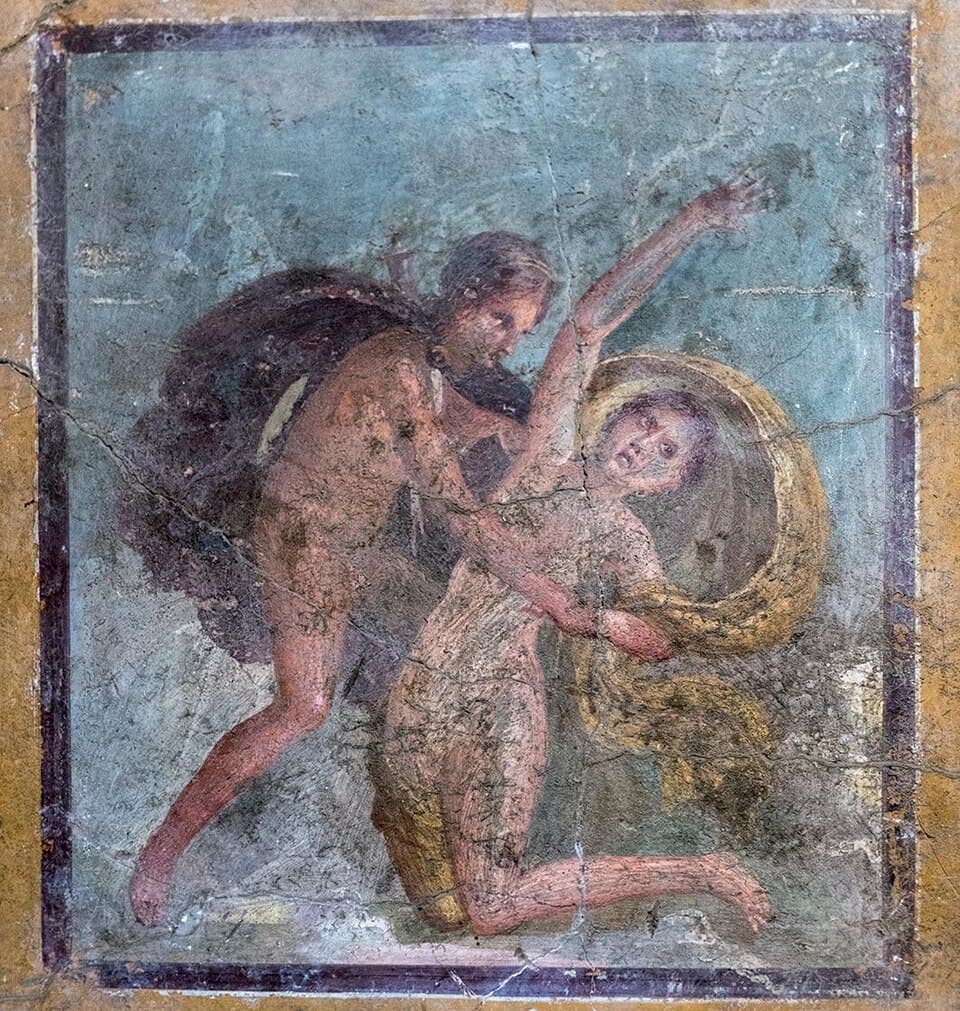
Ancient Greece
Daphne, a figure in Greek mythology, was in various retellings a mortal woman or a nymph, daughter of a river god. The …
Read →
Ancient Greece
Darrhon or Darron was a Paeonian god of healing, whose cult was adopted by the ancient Macedonians, as mentioned by Hesy…
Read →
Indian subcontinent
Dasai is a Sanskrit word found in ancient Indian texts such as the Rigveda, Pali canon, and the Arthashastra. , The Sans…
Read →
Indian subcontinent
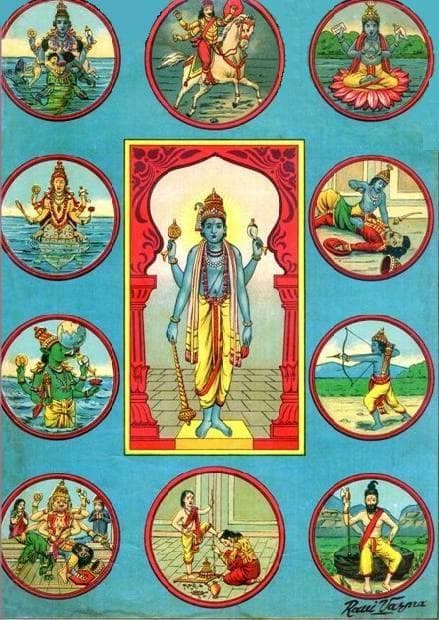
The Dashavatara are the ten primary avatars of Vishnu, a principal Hindu god. Vishnu is said to descend in the form of …
Read →
Indian subcontinent
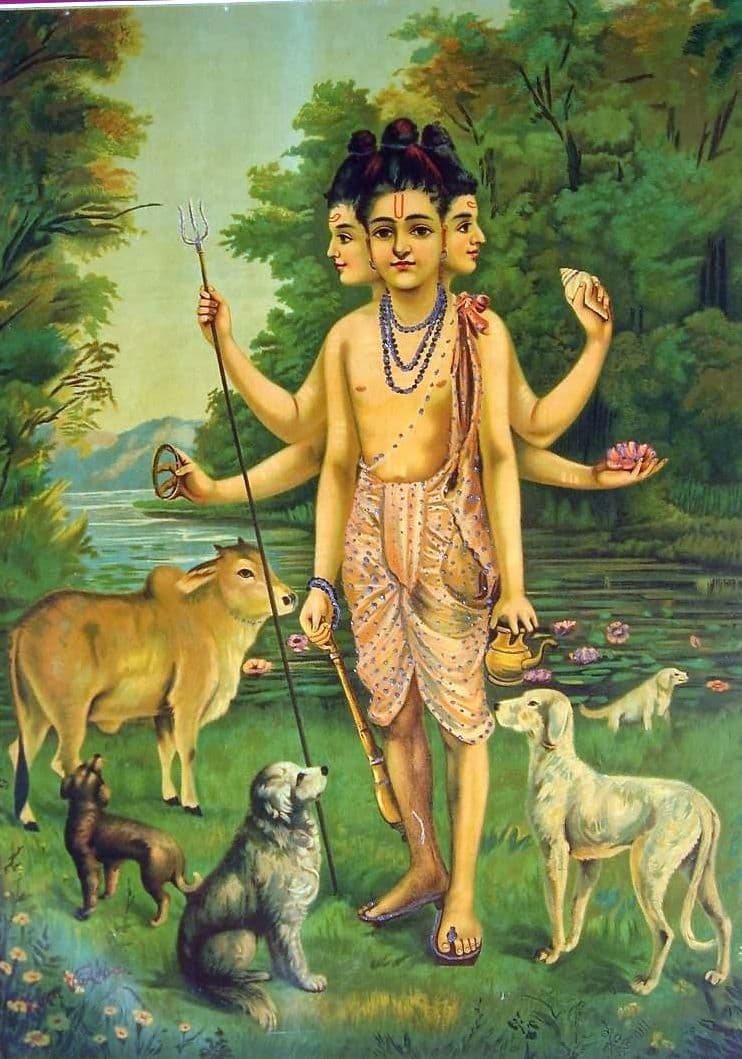
Dattatreya, Dattā or Dattaguru, is a paradigmatic Sannyasi (monk) and one of the lords of yoga, venerated as a Hindu god…
Read →
Ancient Mesopotamia
A dawn god or goddess is a deity in a polytheistic religious tradition who is in some sense associated with the dawn. T…
Read →
Early Slavs
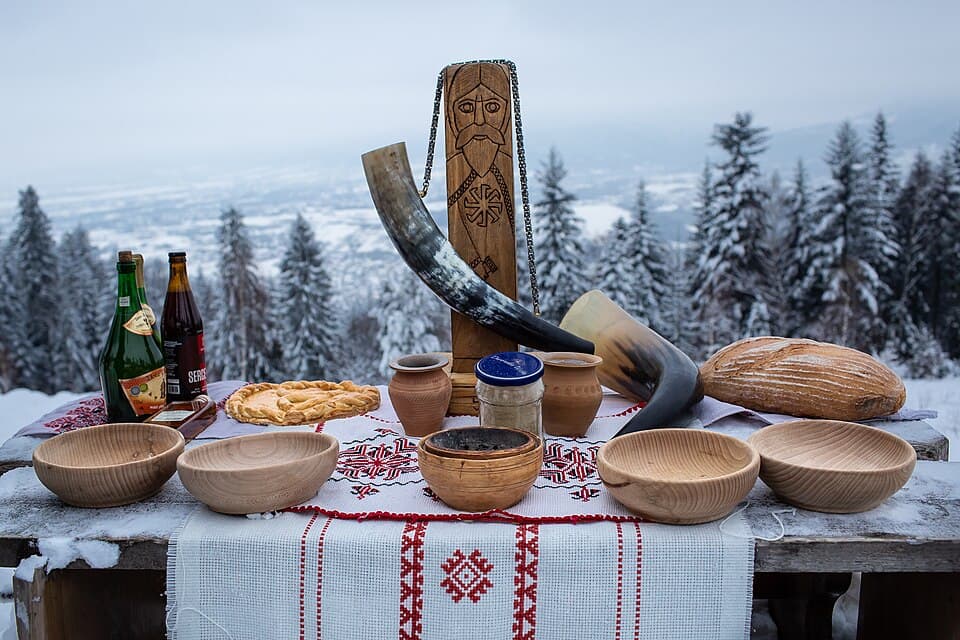
Dazhbog, alternatively Daždźboh, Dazhboh, Dažbog, Dazhdbog, Dajbog, Daybog, Dabog, Dazibogu, or Dadźbóg, was one of the …
Read →

Ancient Rome
On the City of God Against the Pagans, often called The City of God, is a book of Christian philosophy written in Latin …
Read →
Ancient Rome
Dea Dia was a goddess of fertility and growth in ancient Roman religion. She was sometimes identified with Ceres, and s…
Read →
Ancient Rome
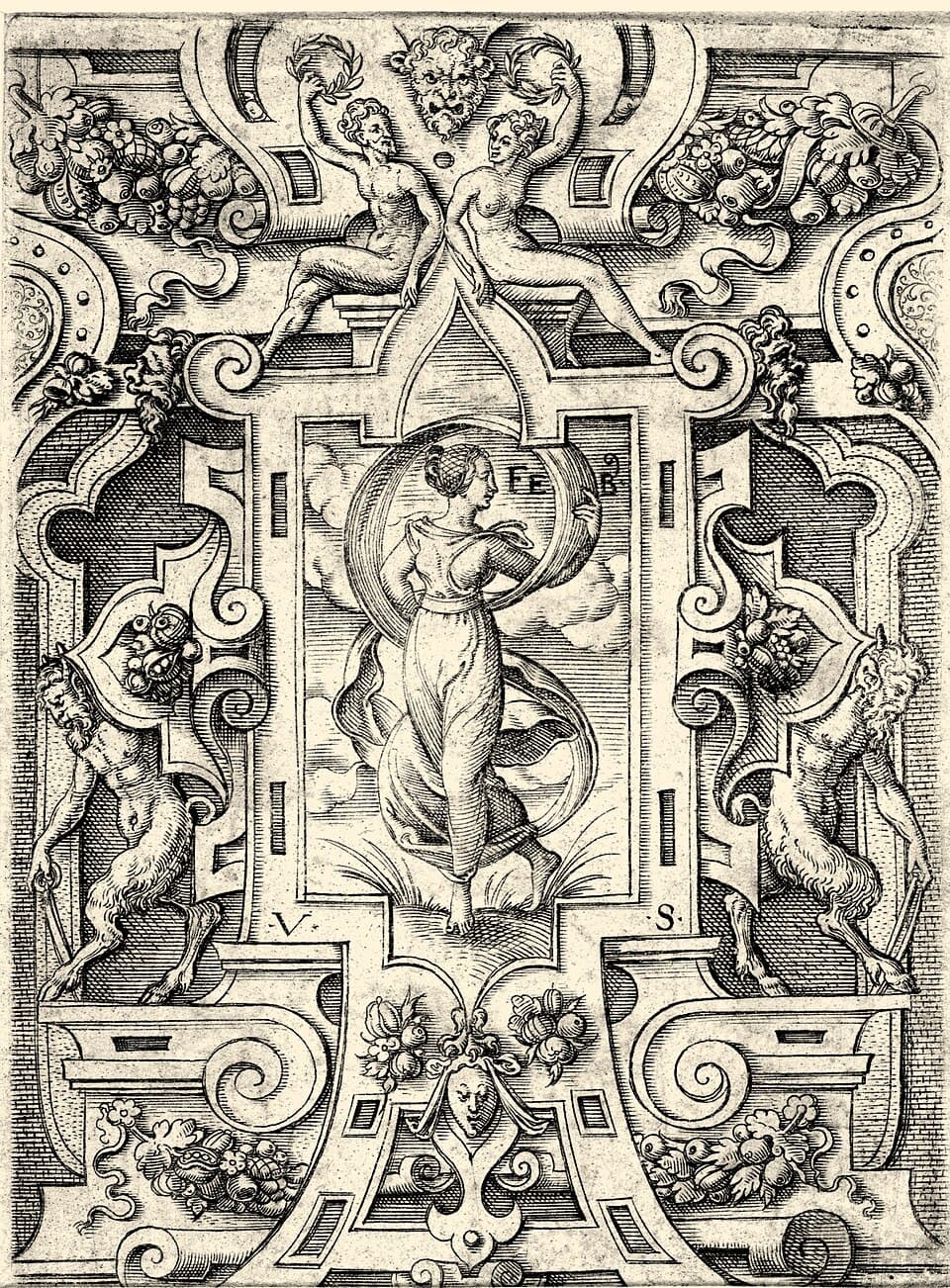
Febris, or Dea Febris, is the Roman goddess of fevers, who embodied, but also protected people from, fever and malaria. …
Read →
Iron Age Europe
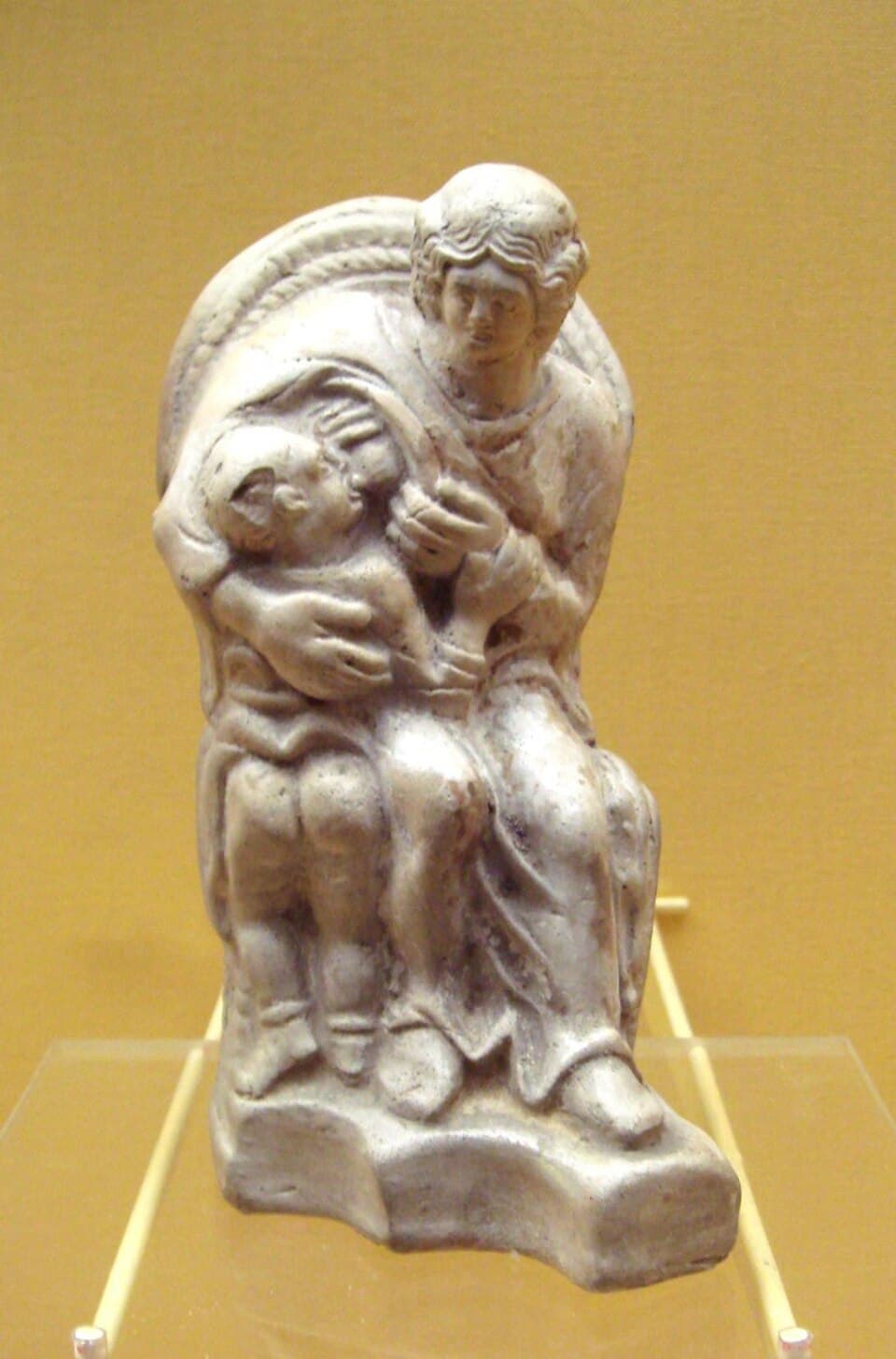
In Celtic mythology, Dea Matrona was the goddess who gives her name to the river Marne in Gaul.
Read →
Ancient Rome
In Roman mythology, Dea Tacita also known as Dea Muta or Muta Tacita, was a goddess of the dead. Ovid's Fasti includes …
Read →
Ancient Rome
Dea Viriplaca was an ancient Roman goddess who mediated in troubled marriages. Married couples went to her shrine to se…
Read →
Ancient Egypt
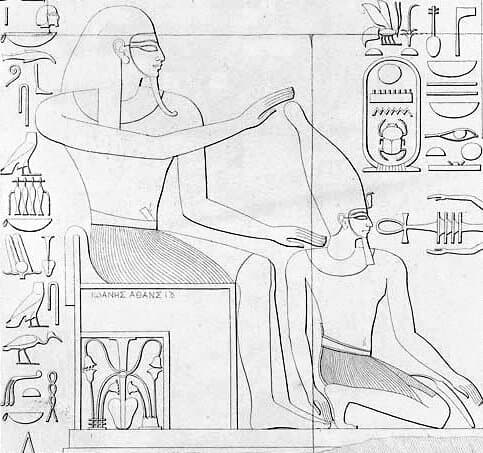
Dedun was a Kushite or Nehasi god worshipped during ancient times in ancient Egypt and Sudan and attested as early as 24…
Read →
Ancient Rome
The dii lucrii or dei lucrii are a collective of Roman deities mentioned by the Christian apologist Arnobius :"Indeed, w…
Read →
Ancient Greece
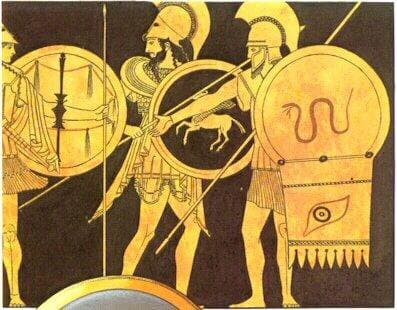
In Greek mythology, Deimos is the personification of fear. He is the son of Ares and Aphrodite, and the brother of Phob…
Read →

Ancient Persia
Deism is the belief, based solely upon logic and observation while rejecting any supernatural speculation, that a Suprem…
Read →
Scandinavia
In Norse mythology, Dellingr is a god. Dellingr is attested in the Poetic Edda, compiled in the 13th century from earli…
Read →
Maya civilization
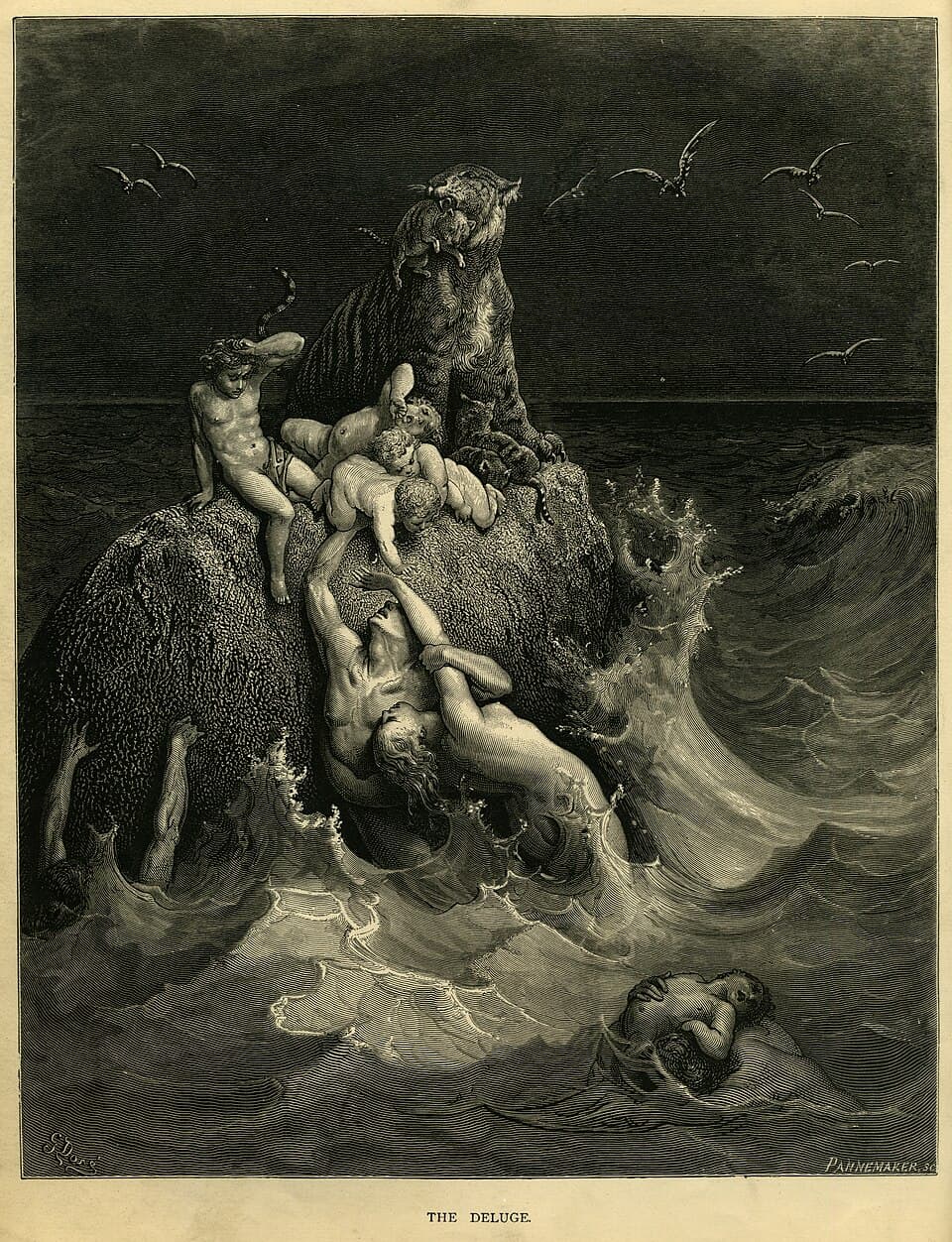
A flood myth or a deluge myth is a narrative in which a great flood—usually sent by one or more deities—destroys civiliz…
Read →
West Africa
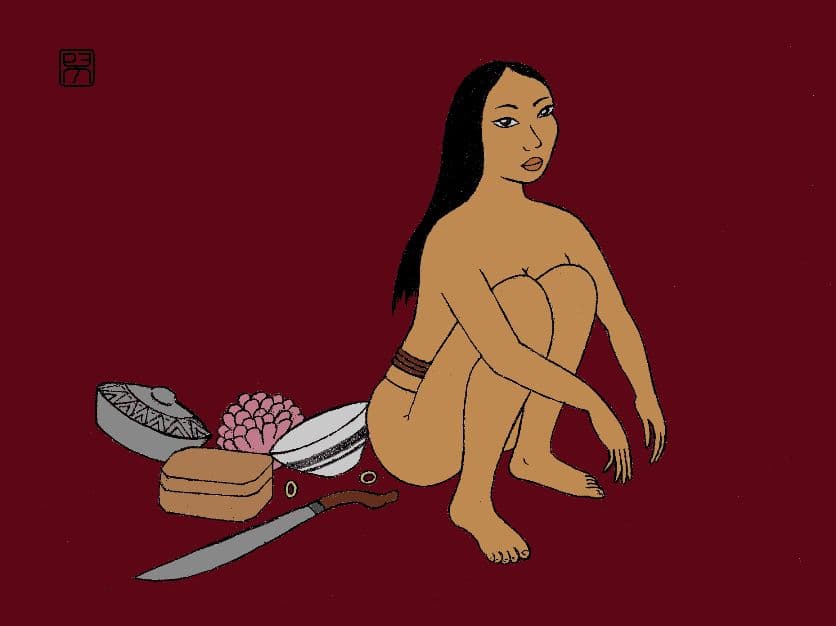
Dema Deity is a concept introduced by Adolf Ellegard Jensen following his research on religious sacrifice. Jensen was a…
Read →
Ancient Greece
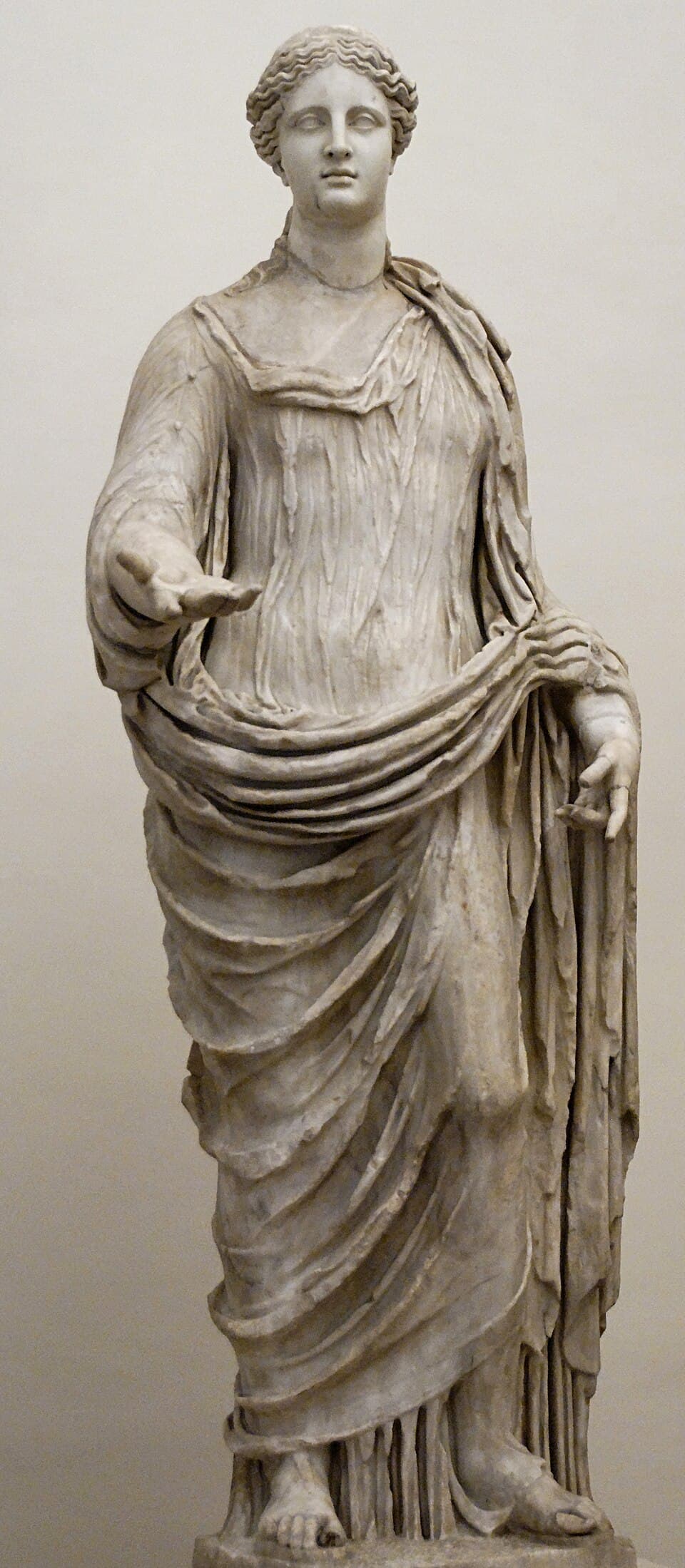
In ancient Greek religion and mythology, Demeter is the Olympian goddess of the harvest and agriculture, presiding over …
Read →
Inca Empire
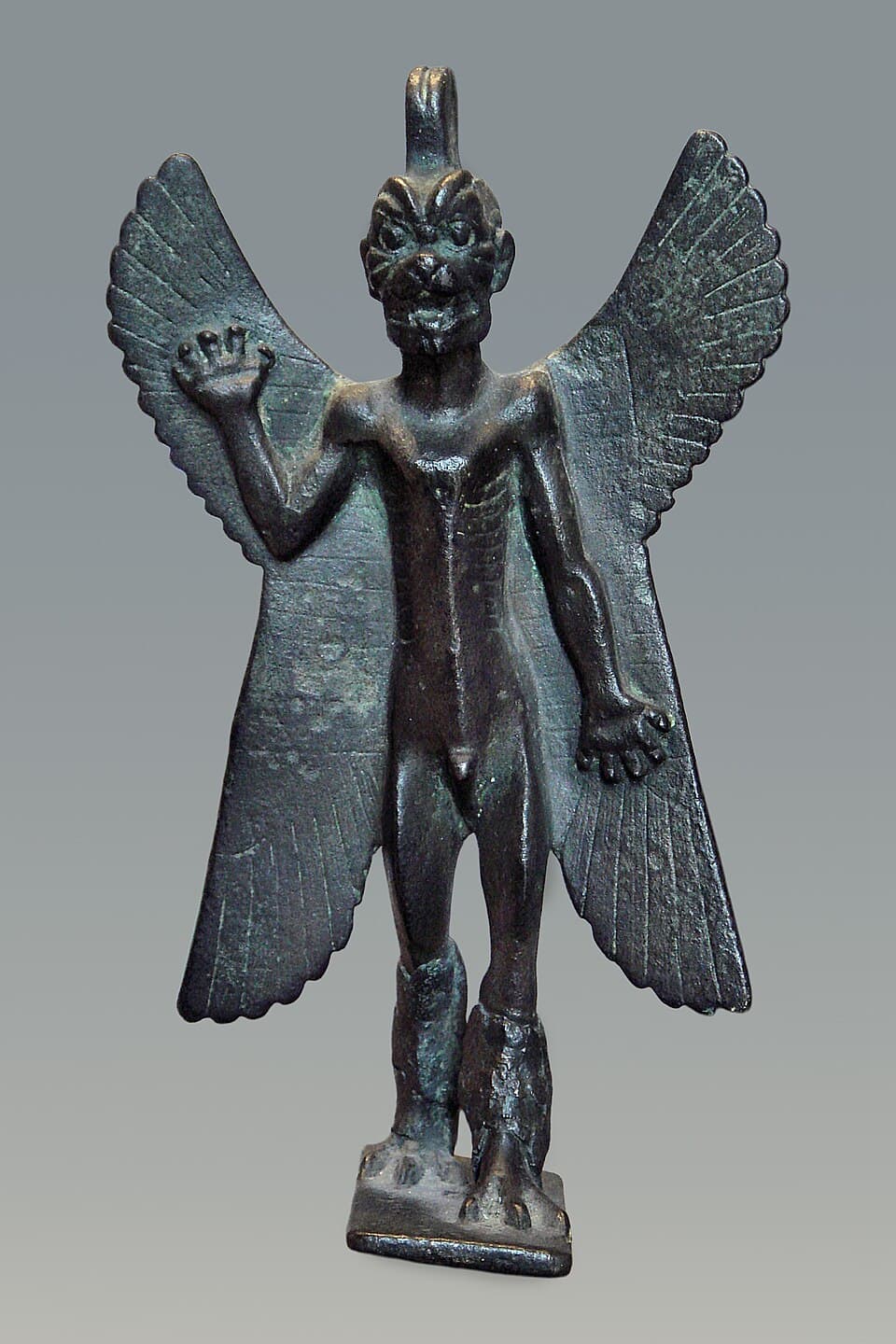
A demon is an evil or malevolent supernatural entity. Historically, belief in demons, or stories about demons, occurs i…
Read →
Polynesia
Spirit possession is an altered state of consciousness and associated behaviors purportedly caused by the control of a h…
Read →
Scandinavia
Demonization or demonisation is the reinterpretation of the deities of polytheistic religions as evil, lying demons by o…
Read →
Early Slavs
Demonization or demonisation is the reinterpretation of the deities of polytheistic religions as evil, lying demons by o…
Read →

China
Deng Zhong is a character in Fengshen Yanyi. He is the number one figure of the four Mount Yellow Blossom's lords. Dur…
Read →
Ancient Mesopotamia
Dērītum or Dīrītum was a Mesopotamian goddess associated with Dēr in the kingdom of Mari. While she was originally a hy…
Read →
Ancient Greece
Despoina or Despoena was the epithet of a goddess worshipped by the Eleusinian Mysteries in Ancient Greece as the daught…
Read →
Early Slavs
Deus otiosus, and also known as the clockmaker theory, is the belief in a creator god who has entirely withdrawn from go…
Read →
Indian subcontinent
‘’‘Dev Mogra’’’ is a tribal deity revered primarily by the Bhil and related indigenous communities inhabiting the Satpur…
Read →

Asia
A Deva in Buddhism is a type of celestial being or god who shares the god-like characteristics of being more powerful, l…
Read →

Indian subcontinent
Deva means 'shiny', 'exalted', 'heavenly being', 'divine being', 'anything of excellence', and is also one of the Sanskr…
Read →
Early Slavs
Devana, Zevana, less often Zievonia is the goddess of wild nature, forests, hunting and the moon worshiped by the Wester…
Read →
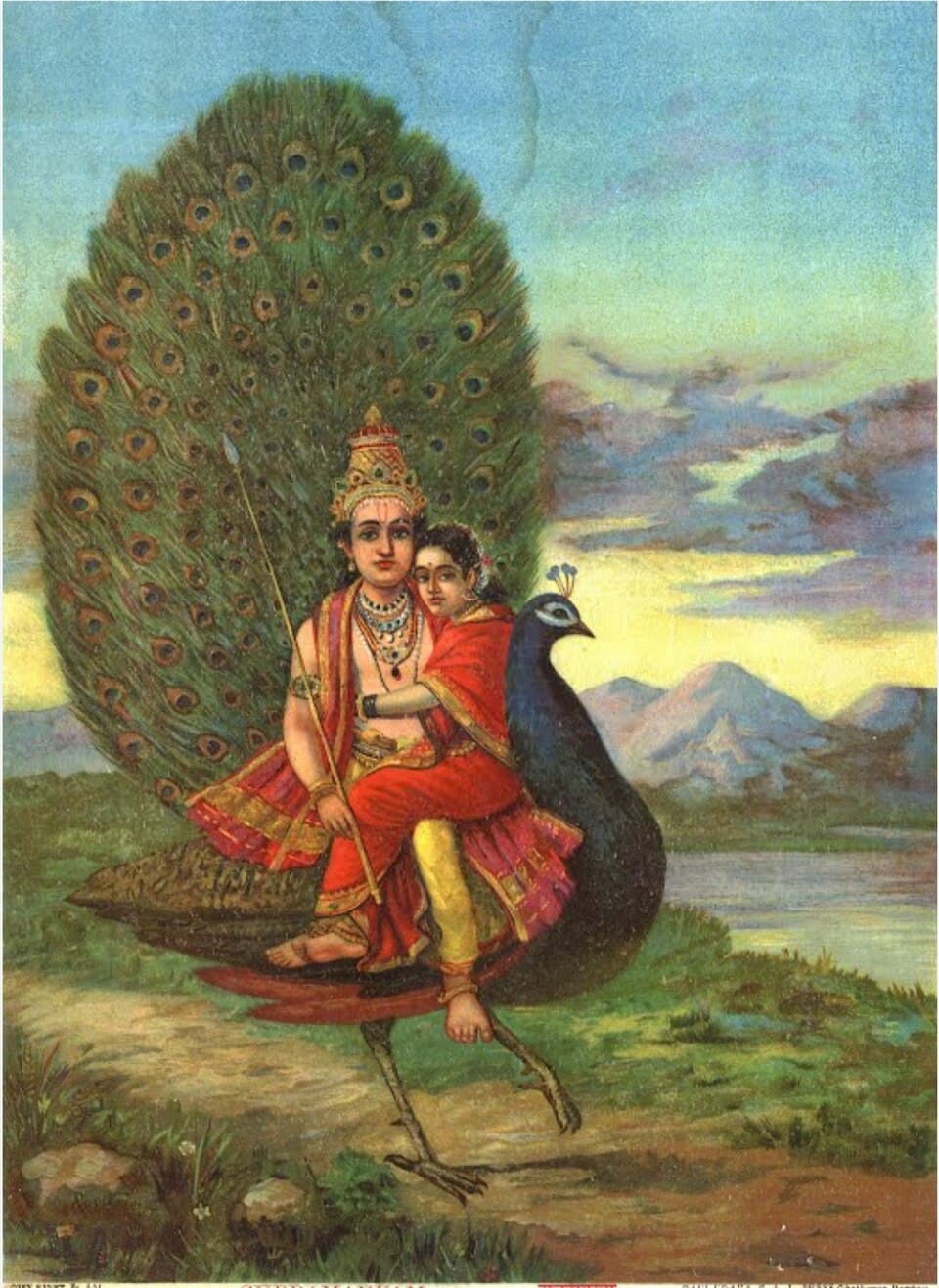
Indian subcontinent
Devasena is the Hindu goddess of aspirations, and the consort of the war god Kartikeya (Murugan). She is also known as …
Read →
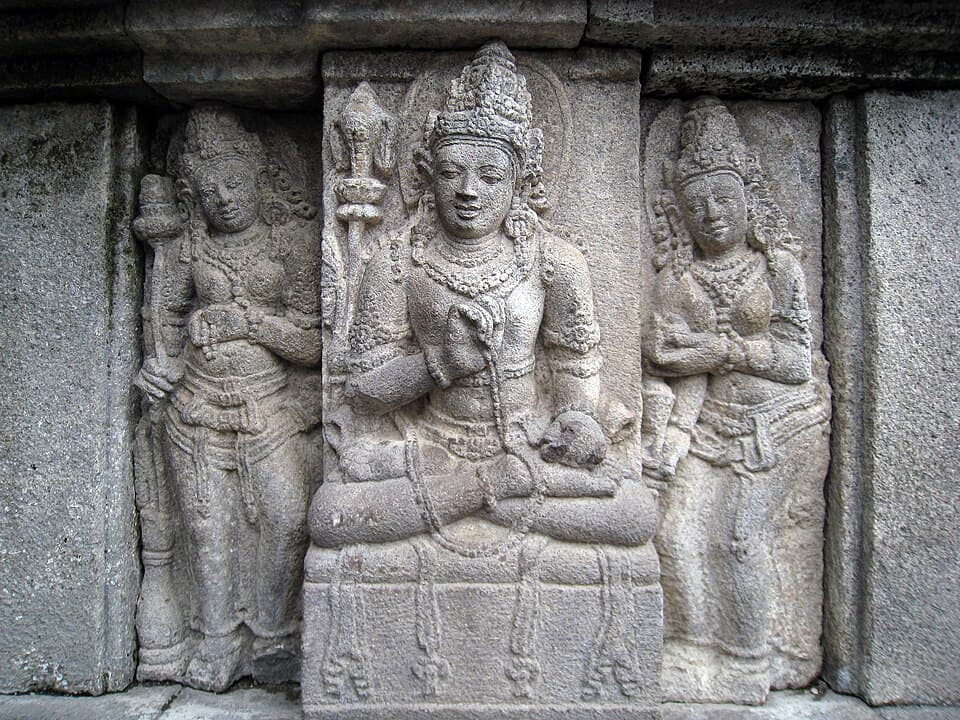
Indian subcontinent
Devata are smaller and more focused Devas (Deities) in Indian religions, such as Hinduism and Buddhism. The term "devat…
Read →
Ancient Rome
In Roman mythology, Deverra was one of the three gods that protected midwives and women in labor, the other two being Pi…
Read →
Ancient Rome
In Roman mythology, Deverra was one of the three gods that protected midwives and women in labor, the other two being Pi…
Read →
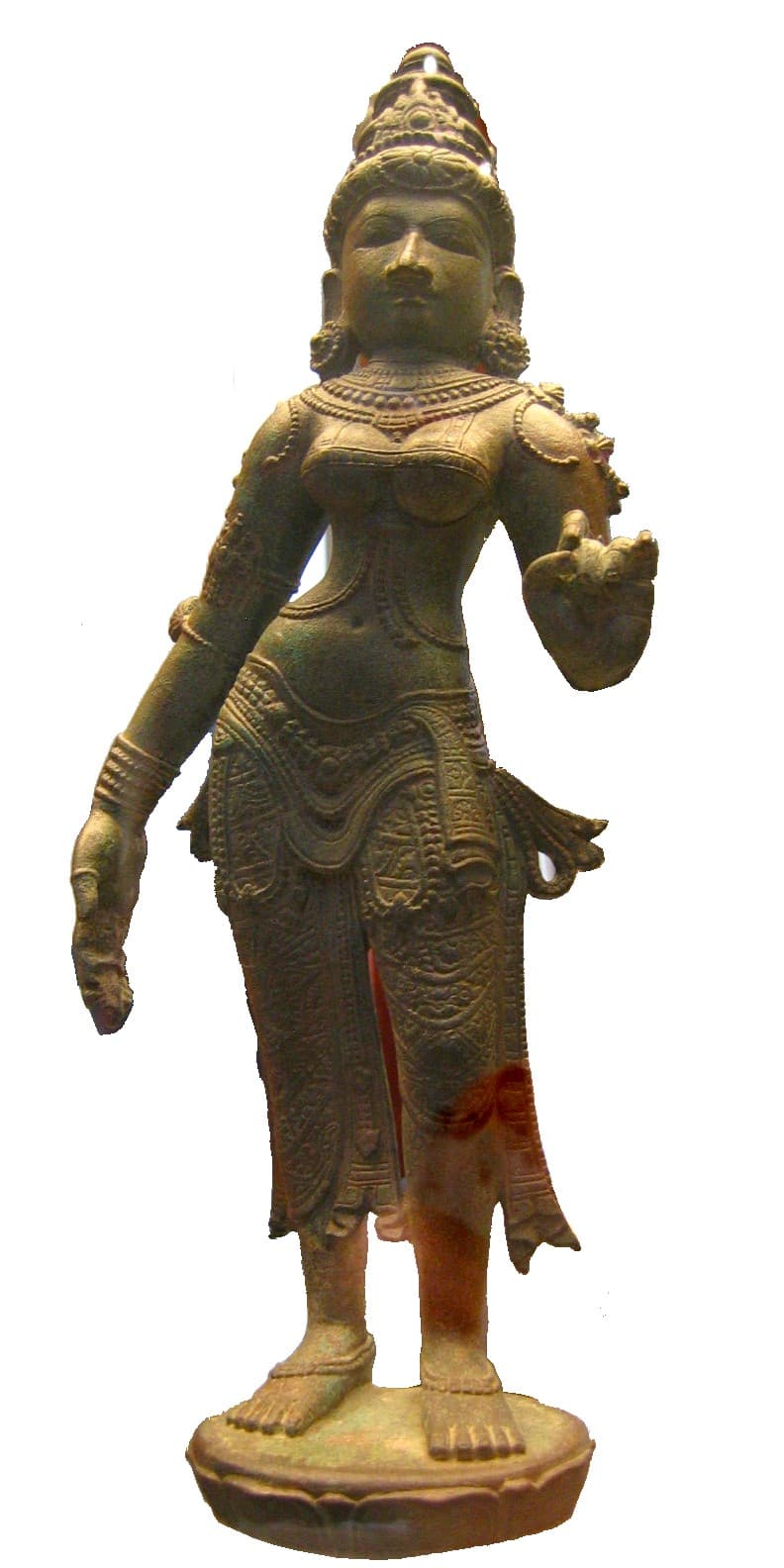
Indian subcontinent
Devī is the Sanskrit word for 'goddess'; the masculine form is Deva. Devi and Deva mean 'heavenly, divine, anything of …
Read →
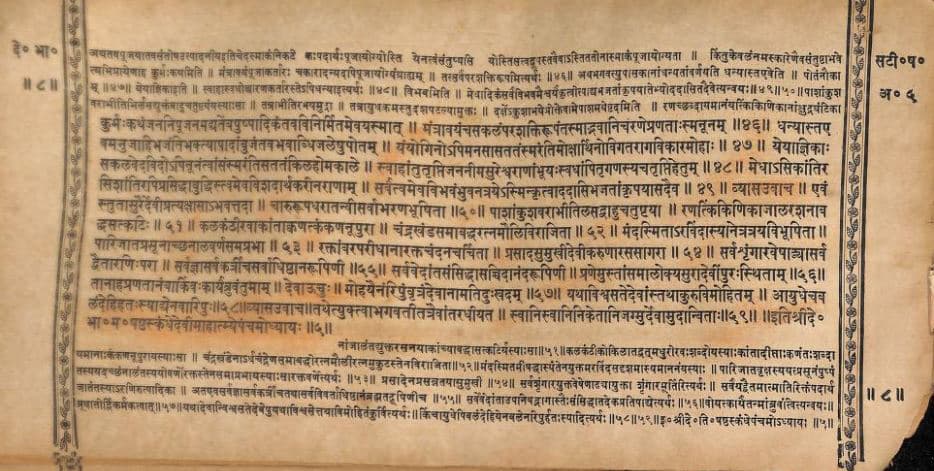
Indian subcontinent
The Devi Bhagavata Purana, also known as the Devi Purana or simply Devi Bhagavatam, is one of the major Puranas of Hindu…
Read →

Indian subcontinent
Devi Kanya Kumari is a manifestation of the Hindu goddess Mahadevi in the form of an adolescent girl. She is variously …
Read →
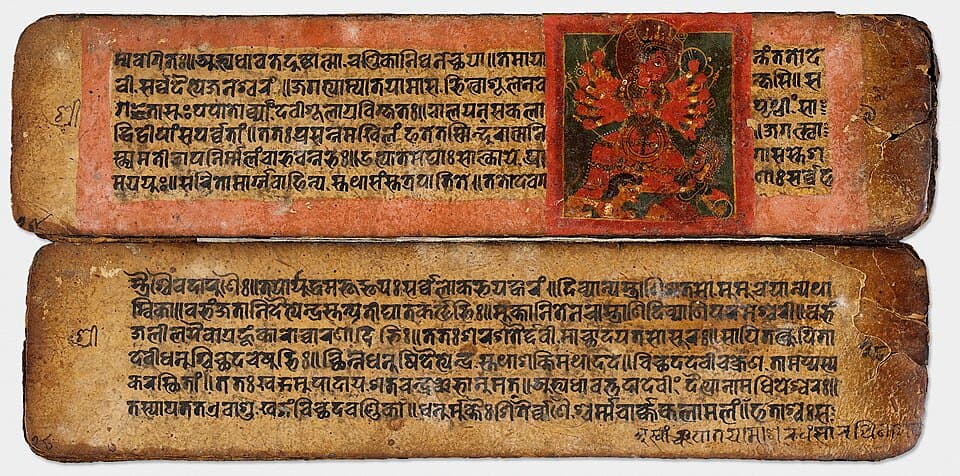
Indian subcontinent
The Devi Mahatmya or Devi Mahatmyam is a Hindu philosophical text describing the Goddess, known as Adi Parashakti or Dur…
Read →

Early Slavs
In Christianity, the Devil, also known as Satan, is a malevolent entity that deceives and tempts humans. Frequently vie…
Read →
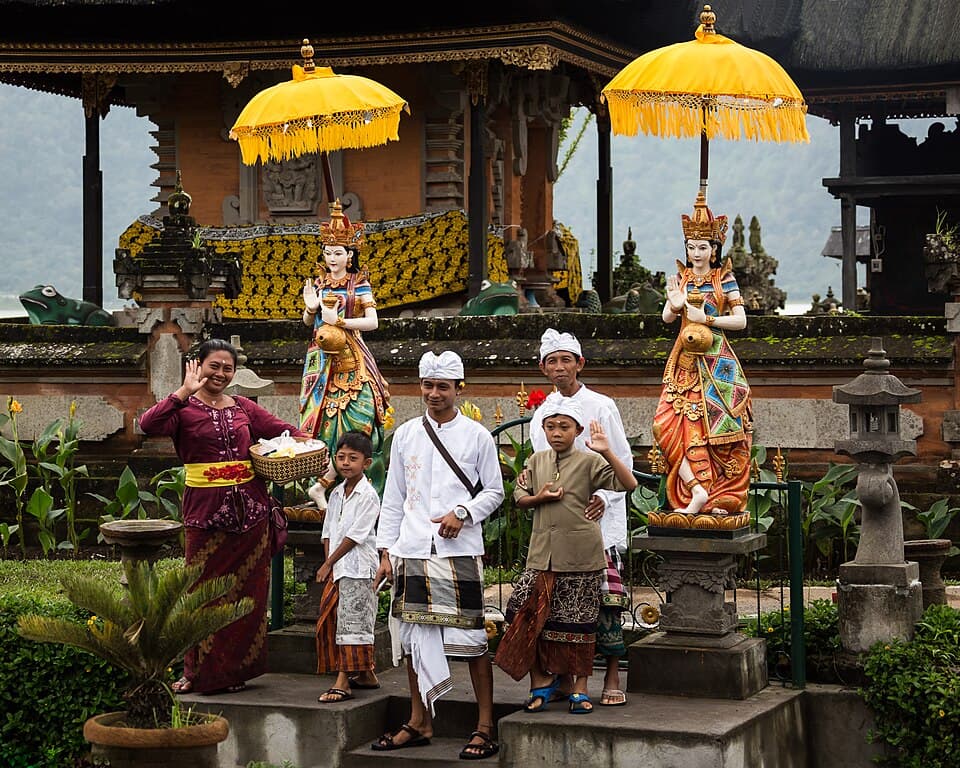
Indian subcontinent
Dewi Danu is the water goddess of the Balinese Hindus, who call their belief-system Agama Tirta, or belief-system of the…
Read →
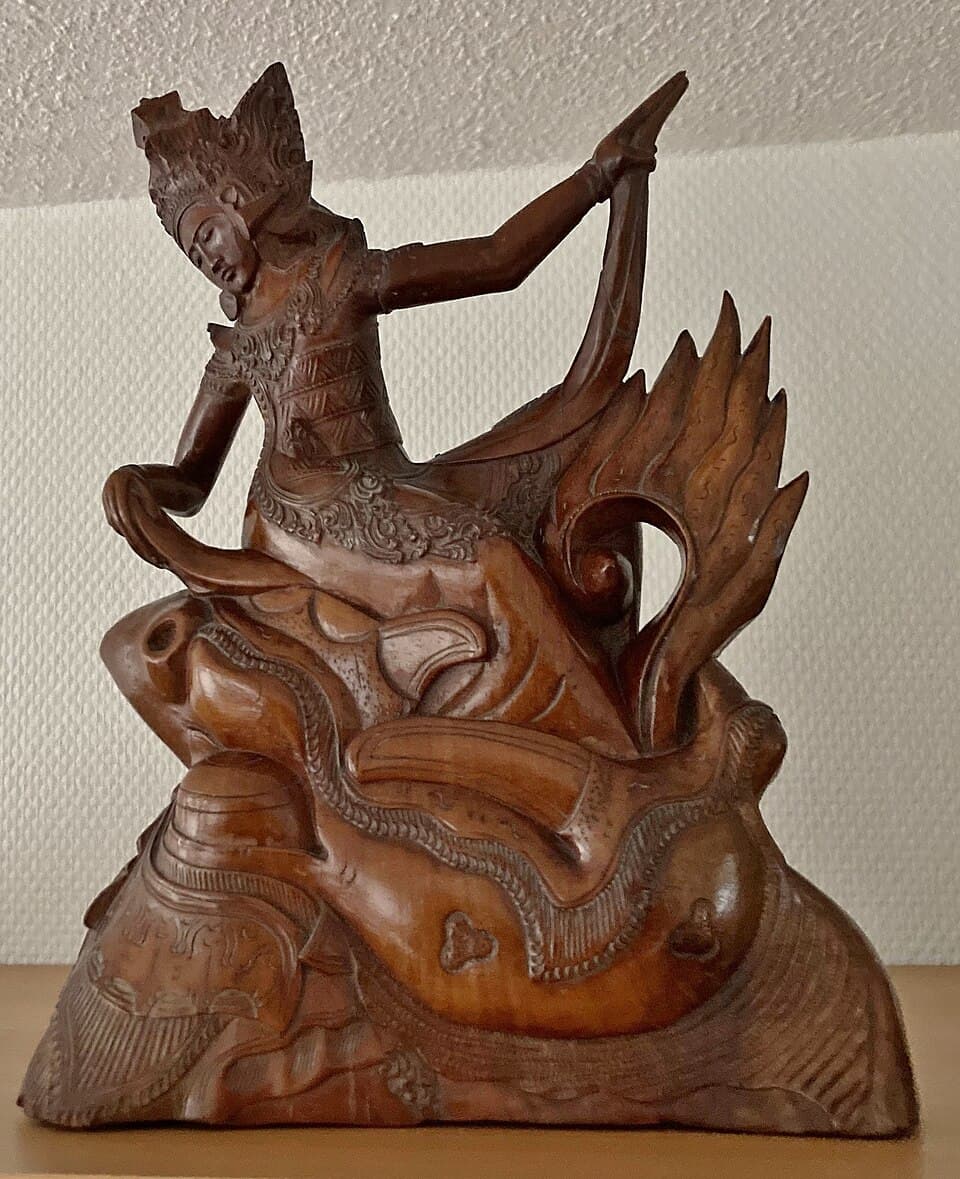
Indian subcontinent
Dewi Ratih, also known as Sang Hyang Ratih or Sang Hyang Semara Ratih, is a Hindu lunar goddess worshipped in Java and B…
Read →
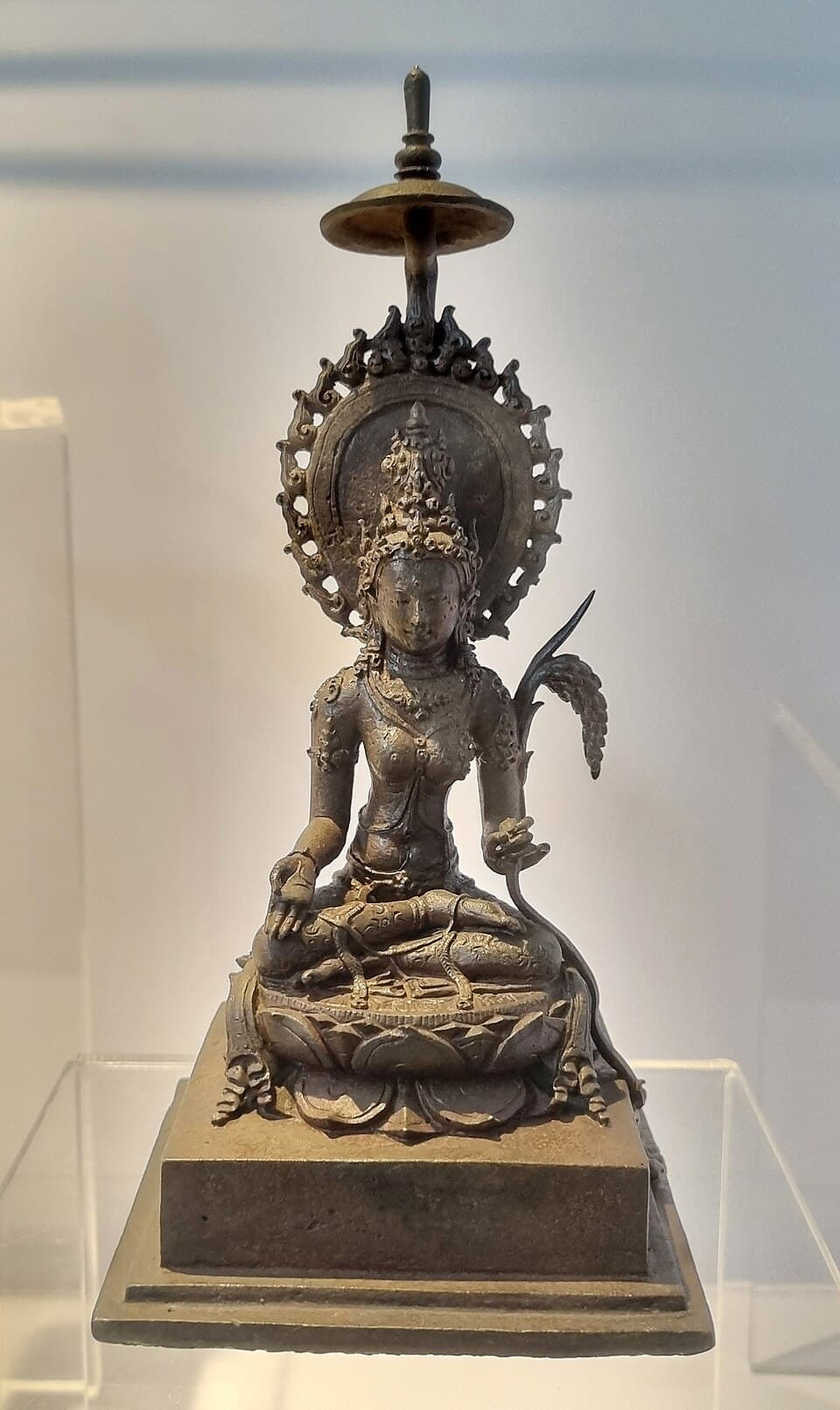
Indian subcontinent
Dewi Sri or Shridevi is the Javanese, Sundanese, and Balinese Hindu Goddess of rice and fertility, still widely worshipe…
Read →
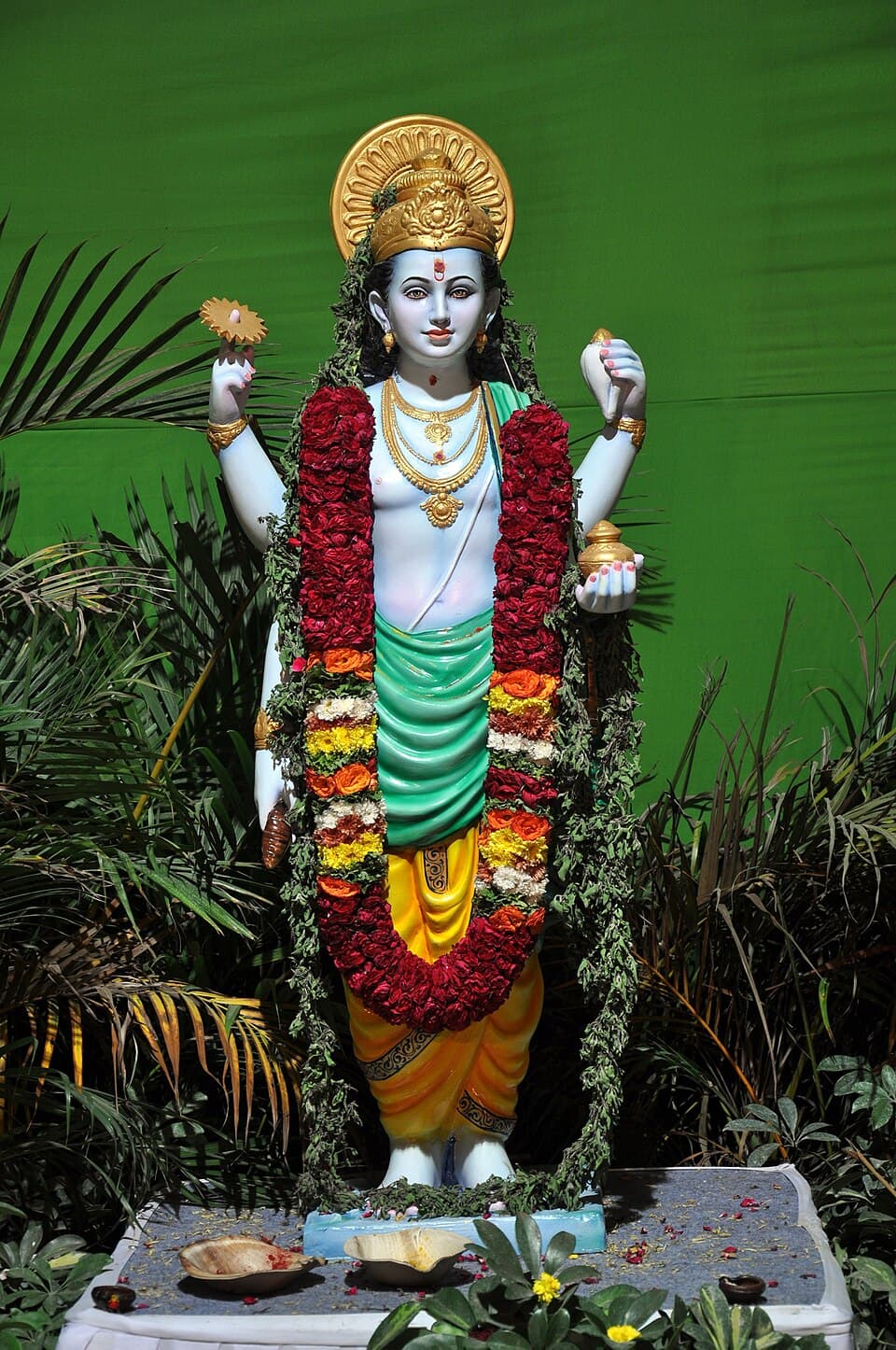
Indian subcontinent
Dhanvantari is the physician of the devas in Hinduism. He is regarded as an avatar of Vishnu. He is mentioned in the P…
Read →
Indian subcontinent
In Hinduism, Dharā is one of the Vasus, gods of the physical cosmos. He represents the earth and the element earth, tho…
Read →
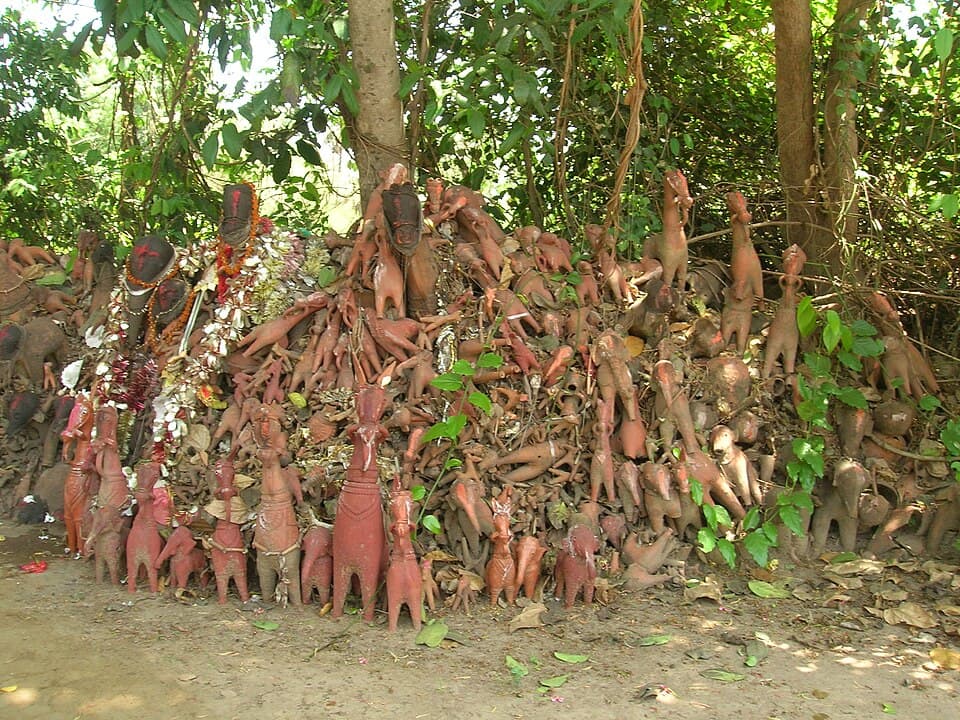
Indian subcontinent
Dharmathakur is a Hindu deity of death and justice, worshipped by villagers in the traditional Rarh region in the presen…
Read →
Indian subcontinent
In Hinduism, Dhata or Dhatr is the name of the solar deity, one of the Adityas. He is also a god of health and magic. …
Read →
Indian subcontinent
Dhisana is one of the Hindu goddess of prosperity in Hinduism. She appears sometimes in the hymns in most of the mandal…
Read →
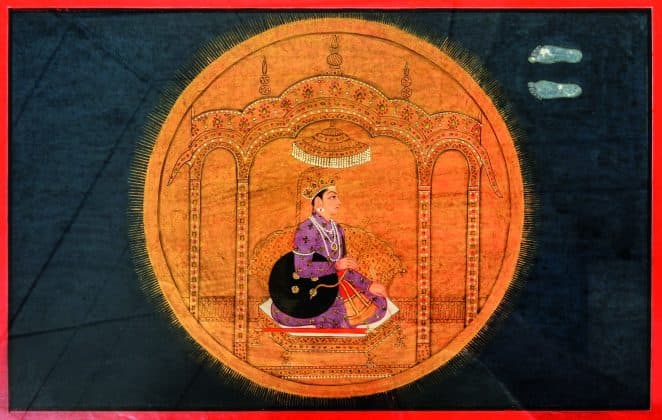
Indian subcontinent
Dhruva was an ascetic devotee of Vishnu mentioned in the Vishnu Purana and the Bhagavata Purana.
Read →
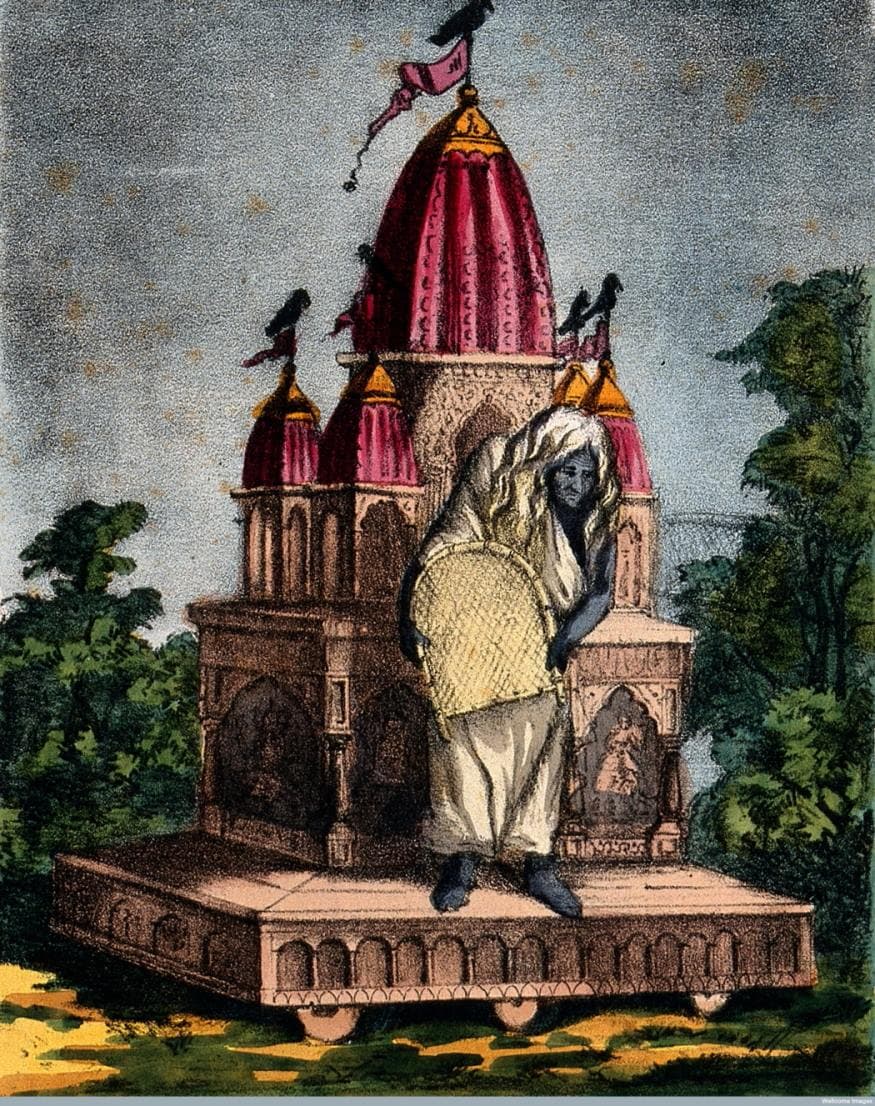
Indian subcontinent
Dhumavati is one of the Mahavidyas, a group of ten Hindu Tantric goddesses. Dhumavati represents the fearsome aspect of…
Read →
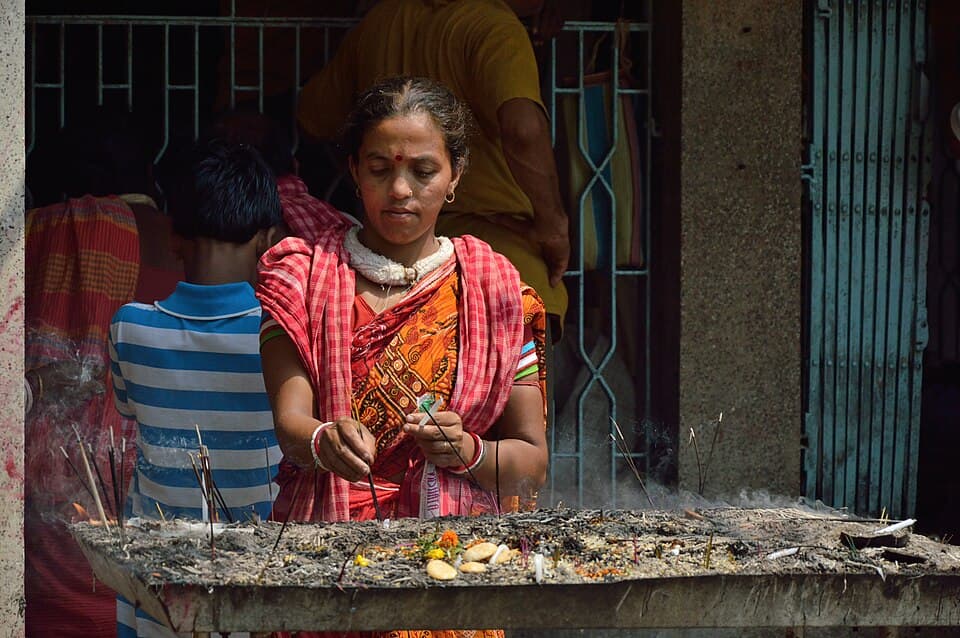
Indian subcontinent
Dhupa (धुप) is, in Indian religions, the ritual offering of incense during puja to an image of a deity, or other object …
Read →
Ancient Rome
In classical Latin, the epithet Indiges, singular in form, is applied to Sol and to Jupiter of Lavinium, later identifie…
Read →
Ancient Rome
The di inferi or dii inferi were a shadowy collective of ancient Roman deities associated with death and the underworld.…
Read →
China
Di Jun, also known as Emperor Jun, is one of the ancient supreme deities of China, now known primarily through five chap…
Read →