Di nixi
Roman750 BCE – 400 CE
Di nixi
Ancient Rome
In ancient Roman religion, the di nixi, also Nixae, were birth deities. They were depicted kneeling or squatting, a mor…
Read →
Research Index
An archive of 3,493 gods, deified rulers, and mythological figures across civilizations — from living gods of Egypt to the dying gods of antiquity.
Ancient Rome
In ancient Roman religion, the di nixi, also Nixae, were birth deities. They were depicted kneeling or squatting, a mor…
Read →
Ancient Rome
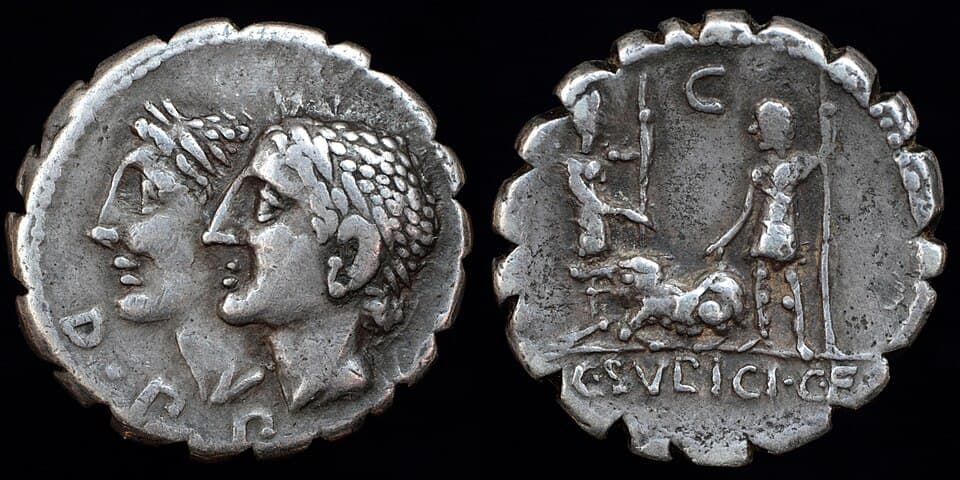
In ancient Roman religion, the Di Penates or Penates were among the dii familiares, or household deities, invoked most o…
Read →
China
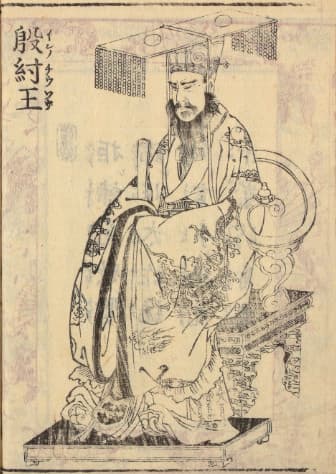
Di Xin of Shang or Shou, King of Shang, was the last king of the Shang dynasty of ancient China. He is also known by a …
Read →
Iron Age Europe
In Irish mythology, Dian Cécht was the god of healing, the healer for the Tuatha Dé Danann, and son of the Dagda accordi…
Read →
Ancient Rome
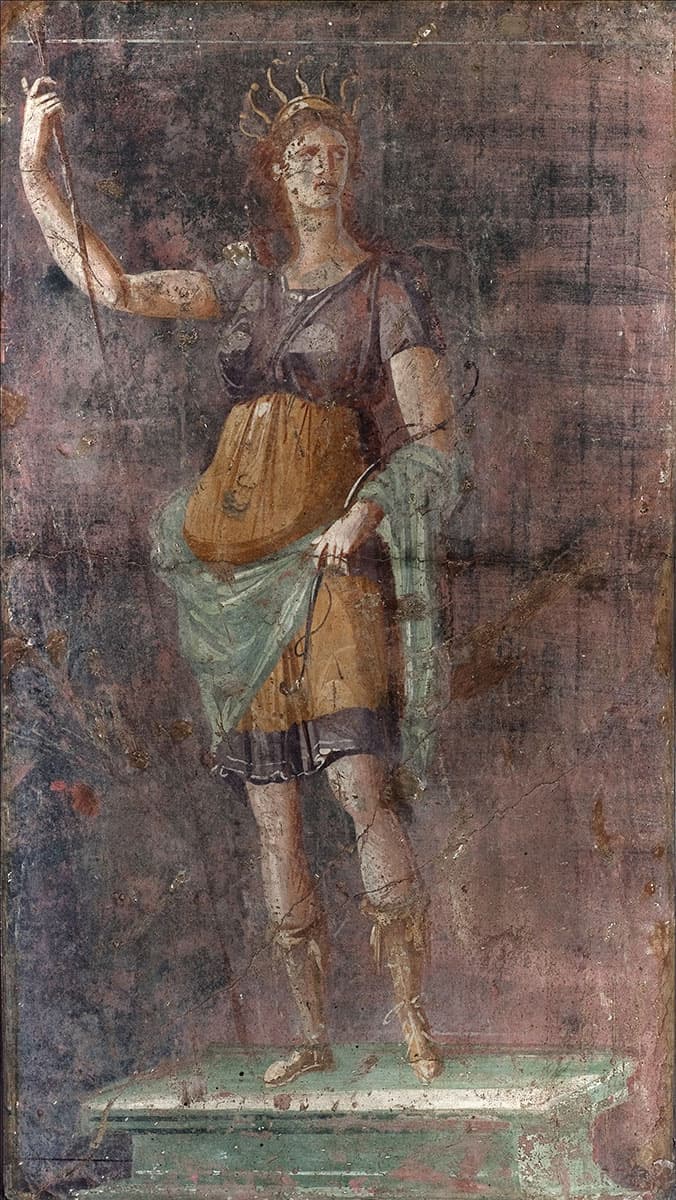
Diana is a goddess in Roman religion, primarily considered a patroness of the countryside and nature, hunters, wildlife,…
Read →
Indian subcontinent
Diana Louise Eck is a scholar of religious studies who is the Fredric Wertham professor of law and psychiatry in society…
Read →
Ancient Rome
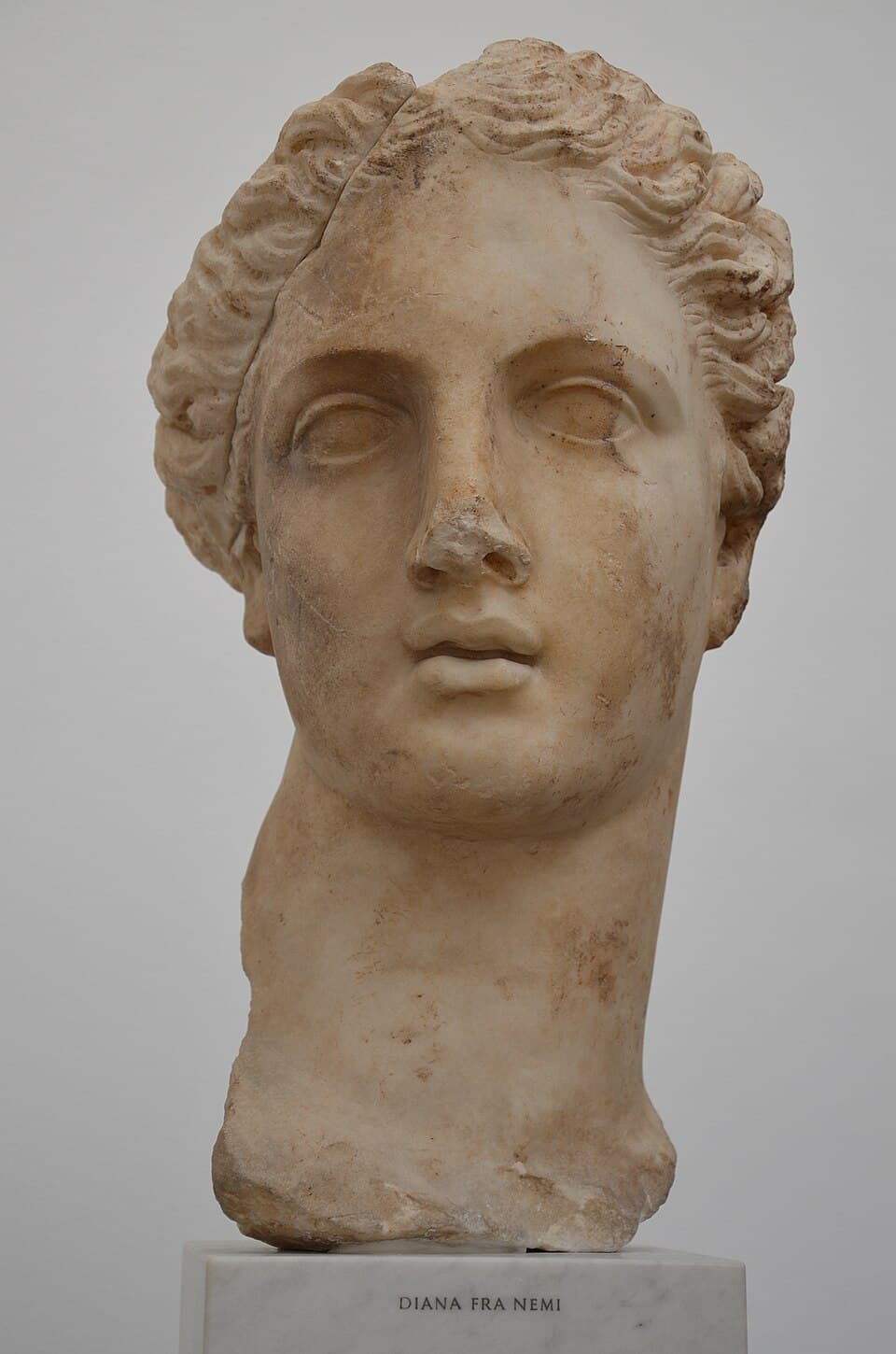
Diana Nemorensis, also known as "Diana of the Wood", was an Italic form of the goddess who became Hellenised during the …
Read →
China
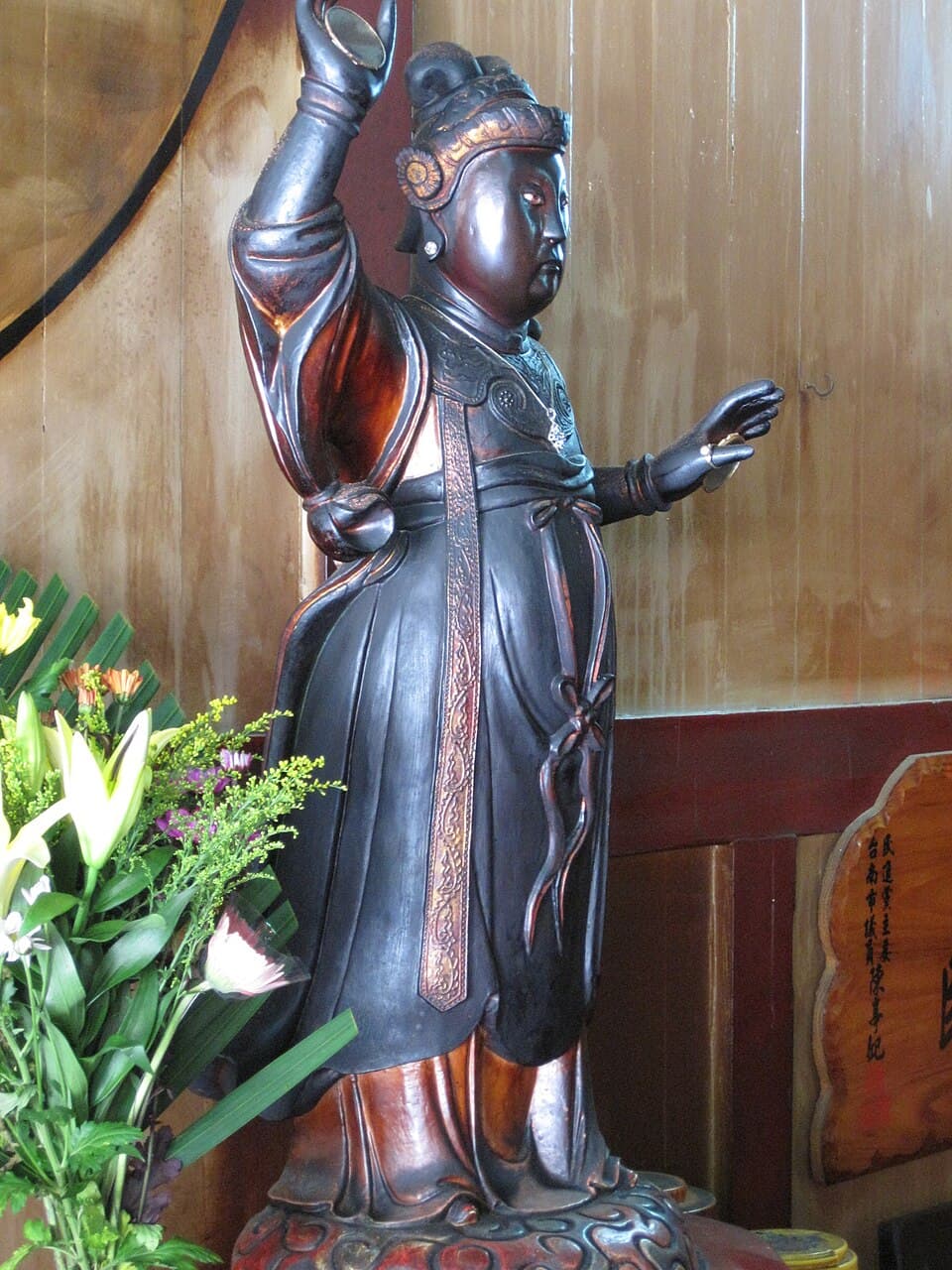
Dianmu, also known as Leizi, is the Chinese goddess of lightning, who is said to have used flashing mirrors to send bolt…
Read →

Iron Age Europe
Diarmuid Ua Duibhne, also known as Diarmuid of the Love Spot, is a hero and demigod in the Fenian Cycle of Irish mytholo…
Read →
Ancient Rome
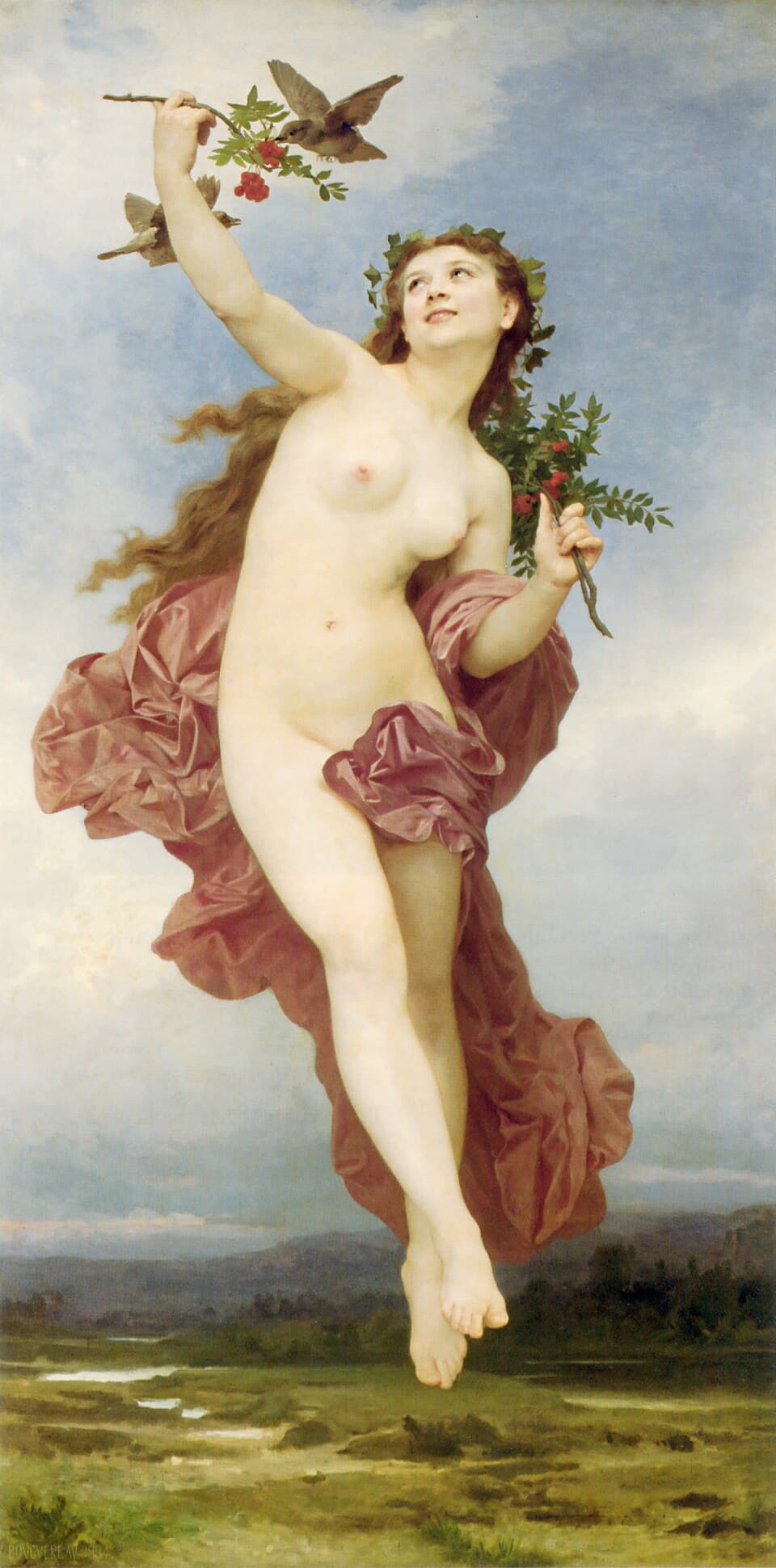
In Roman mythology, Dies was the personification of day. She was the daughter of Chaos and Caligo (mist), and the count…
Read →

West Africa
Diffused monotheism is a term primarily used by scholars in the philosophy of religion and theology to refer to the beli…
Read →
Ancient Rome
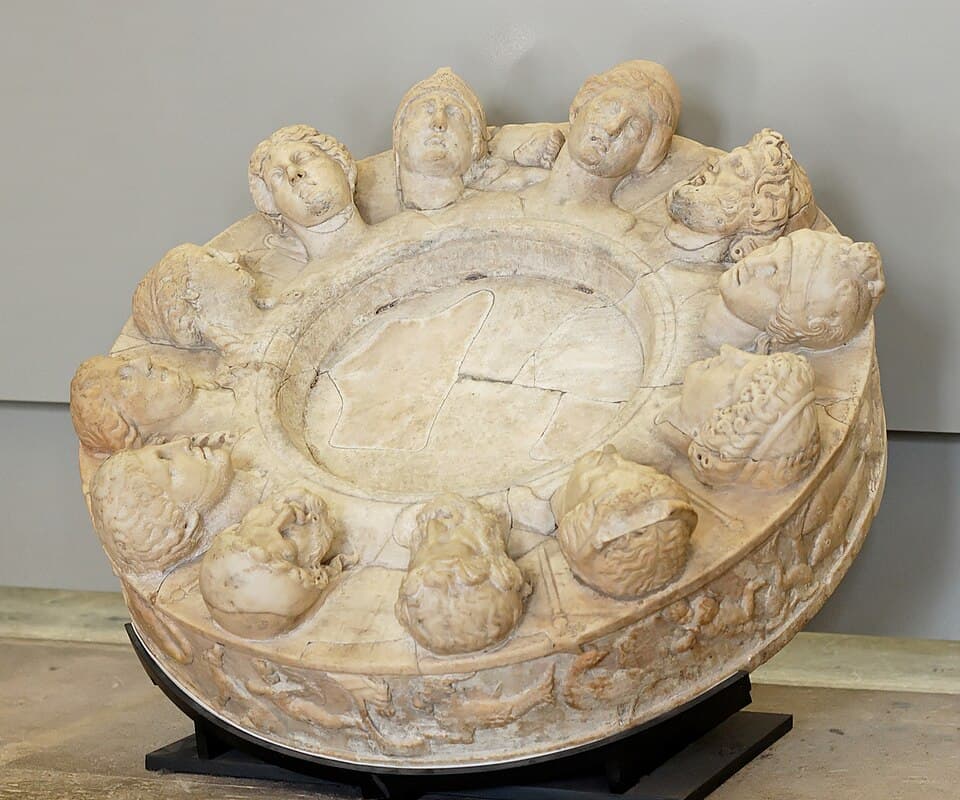
The Dii Consentes, also known as Di or Dei Consentes, or The Harmonious Gods, is an ancient list of twelve major deities…
Read →
Etruria
In Etruscan religion, the dii involuti were a group of gods, or possibly a principle, superior to the ordinary pantheon …
Read →
Ancient Greece
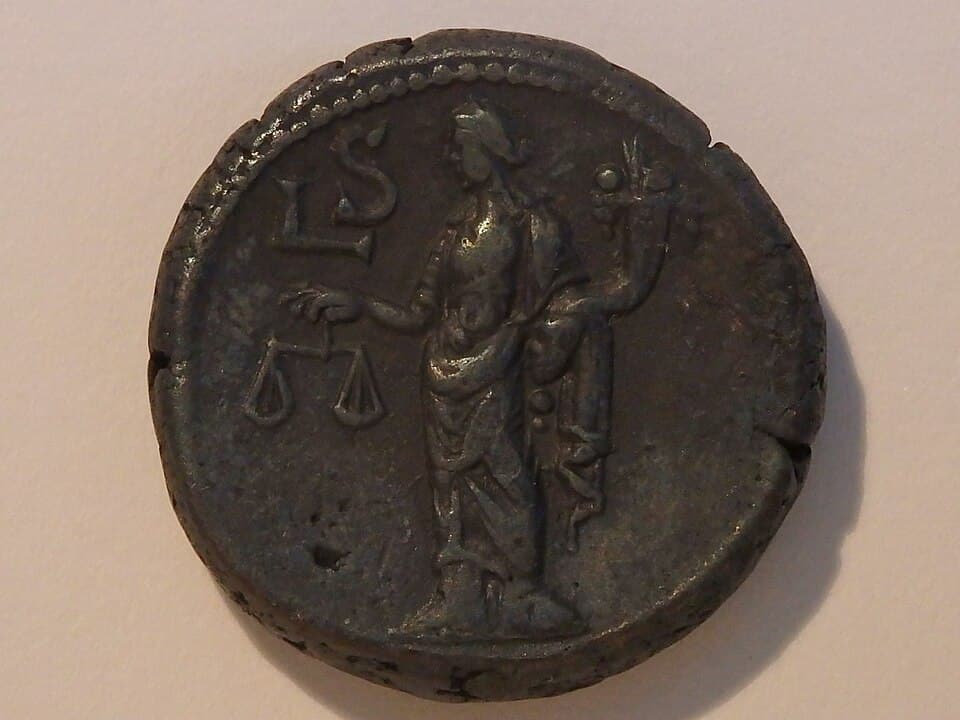
In Greek mythology, Dike or Dice, sometimes also called Dicaeosyne, is the goddess of justice and the spirit of moral or…
Read →
Ancient Mesopotamia
Dimmeku, Dimku or Ḫedimku was a Mesopotamian goddess or demon associated with the underworld. From the Old Babylonian p…
Read →

Ancient Mesopotamia
Dingir ⟨𒀭⟩, usually transliterated DIĜIR, is a Sumerian word for 'god' or 'goddess'. Its cuneiform sign is most common…
Read →
Ancient Mesopotamia
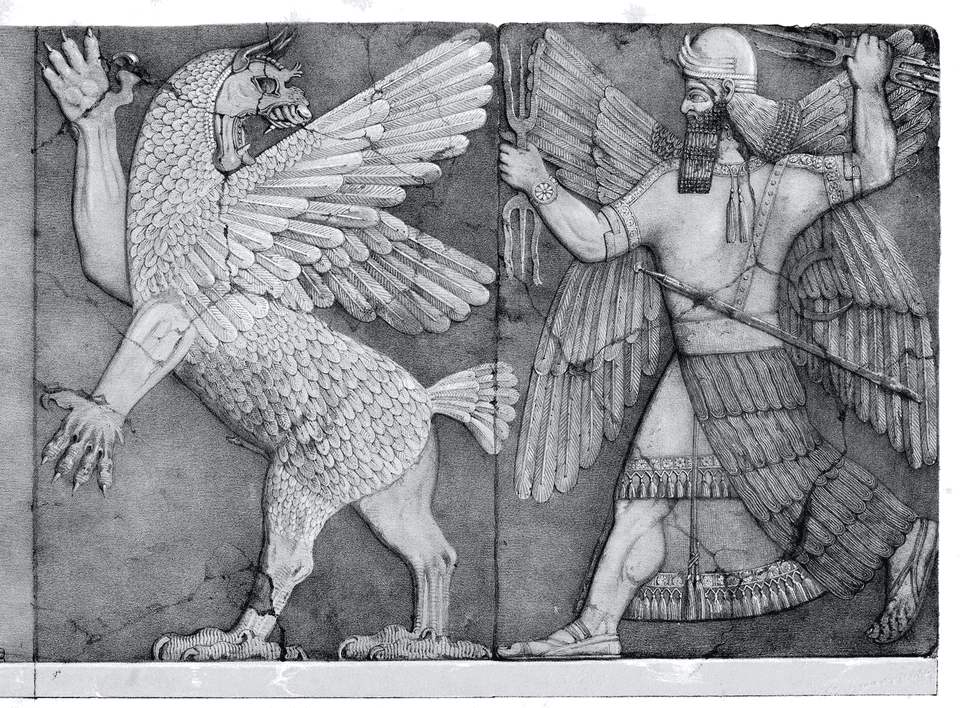
Ninḫursaĝ, sometimes transcribed Ninursag, Ninḫarsag, or Ninḫursaĝa, also known as Damgalnuna or Ninmah, was the ancient…
Read →
Ancient Mesopotamia
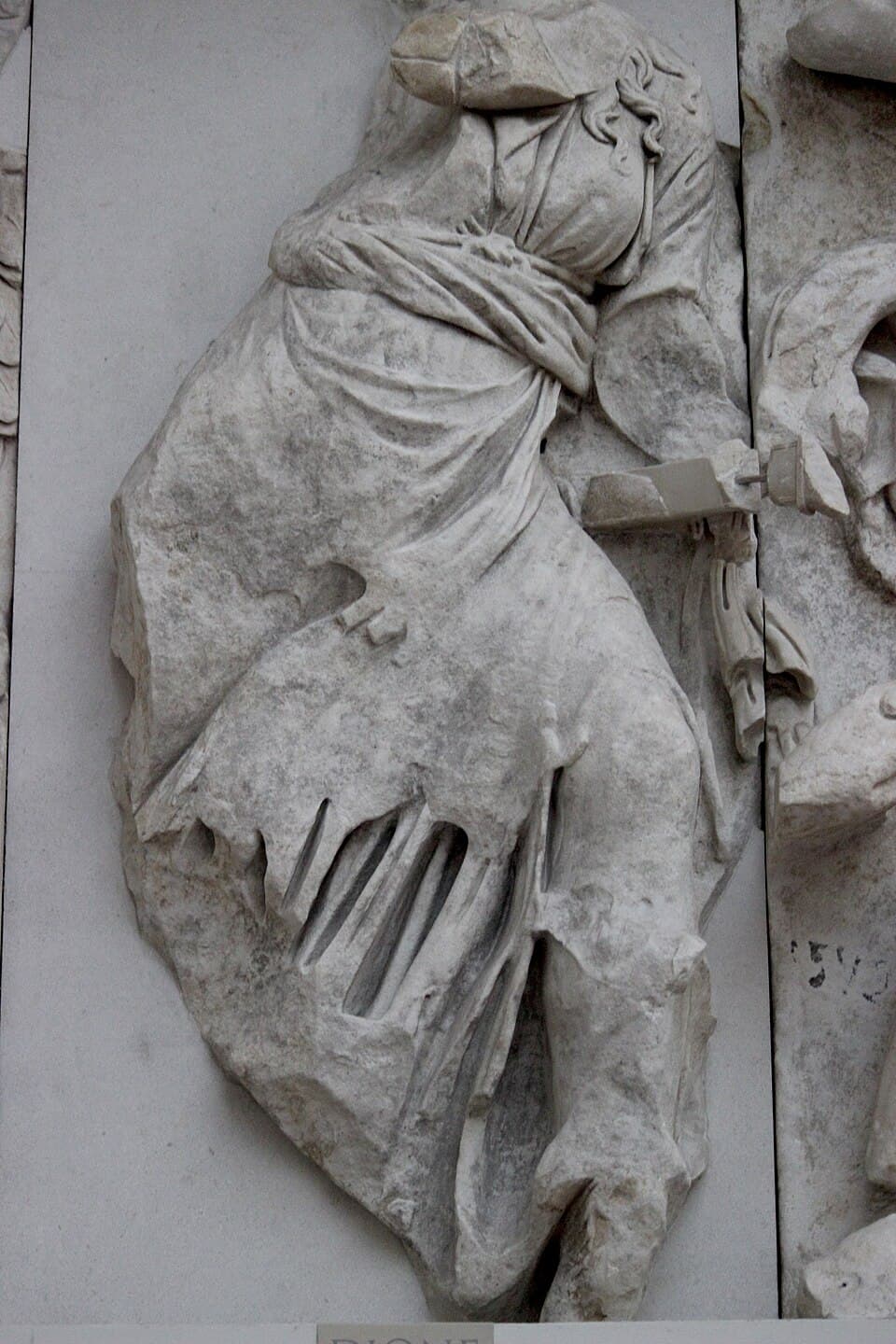
In ancient Greek religion and mythology, Dione is an oracular goddess and Titaness. She is primarily known from Book V …
Read →
Ancient Egypt
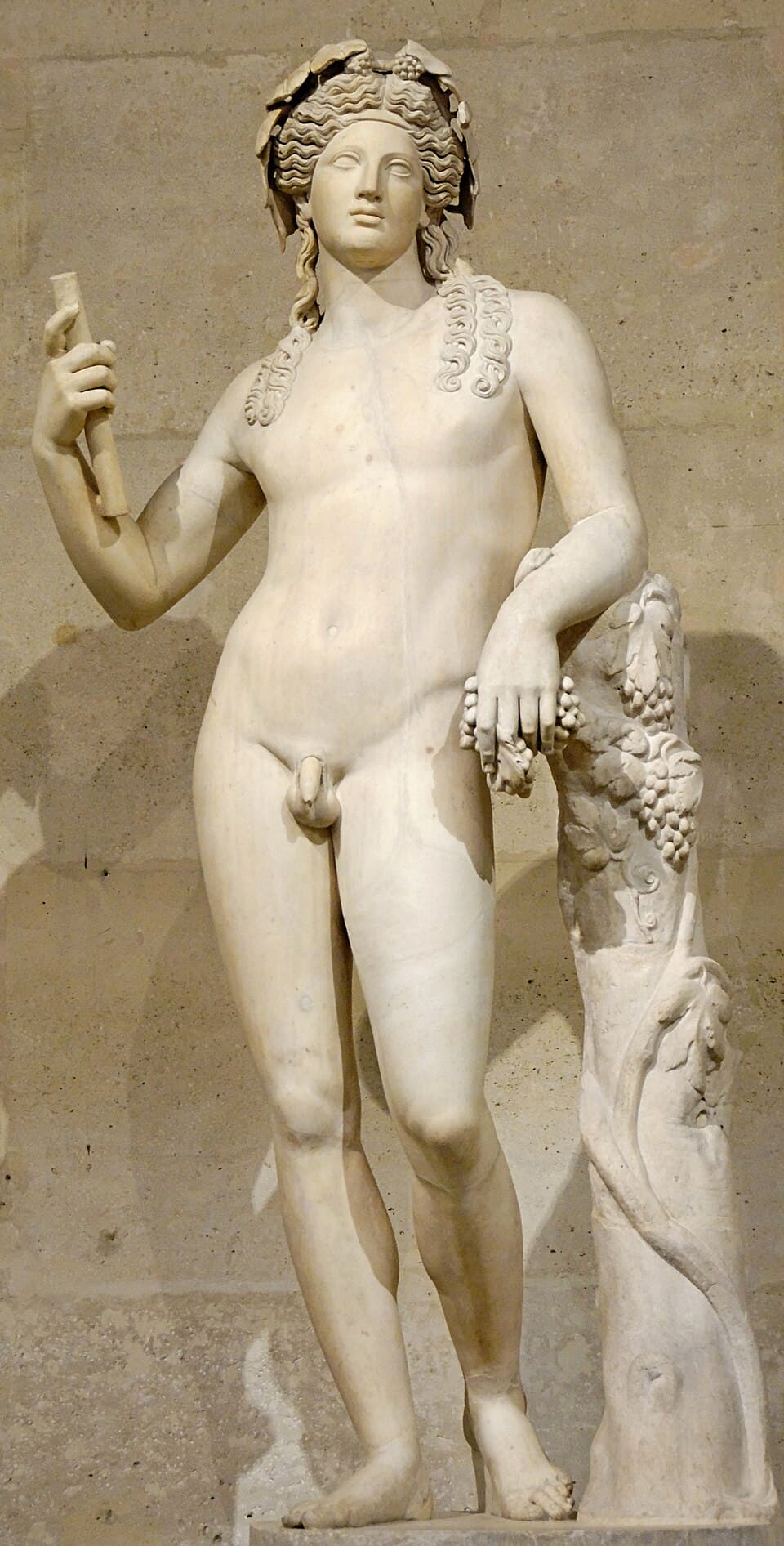
In ancient Greek religion and myth, Dionysus is the god of wine-making, orchards, fruit, vegetation, fertility, festivit…
Read →
Ancient Egypt
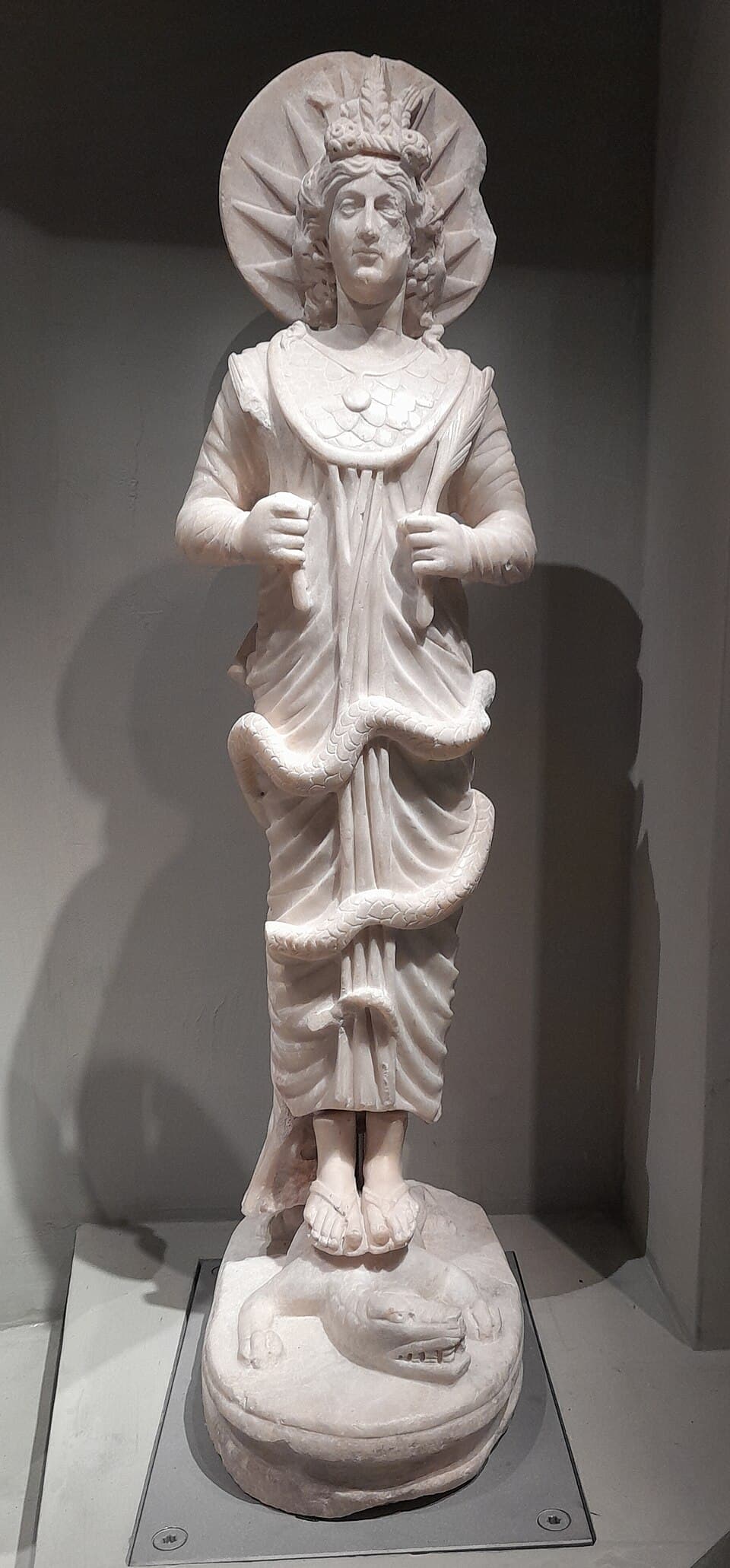
Dionysus-Osiris, alternatively Osiris-Dionysus, is a deity arising from the syncretism of the Egyptian god Osiris and th…
Read →

Scandinavia
In Norse mythology, a dís is a female deity, ghost, or spirit associated with Fate who can be either benevolent or antag…
Read →
Ancient Rome
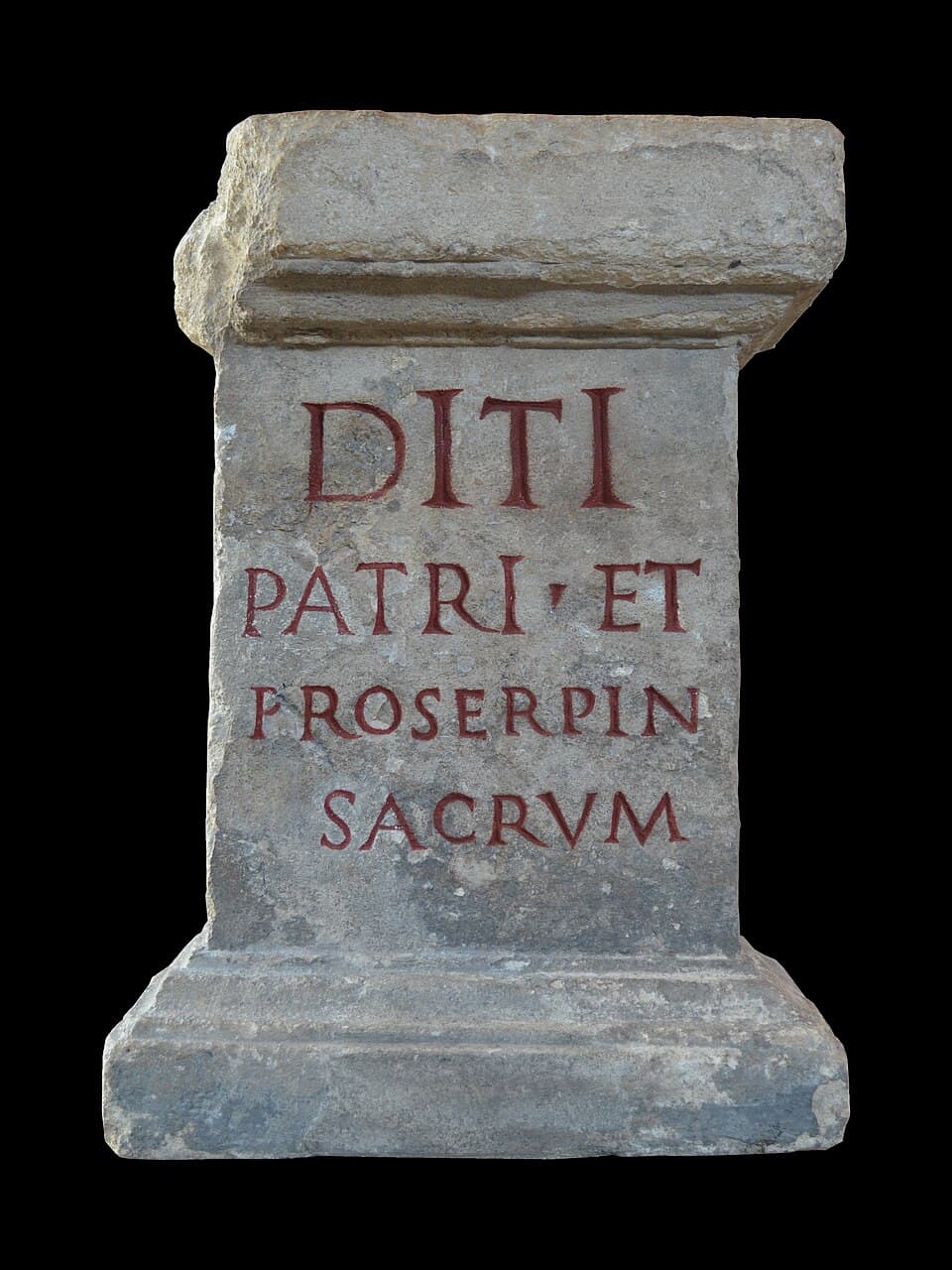
Dis Pater, otherwise known as Rex Infernus or Pluto, is a Roman god of the underworld. Dis was originally associated wi…
Read →
Etruria
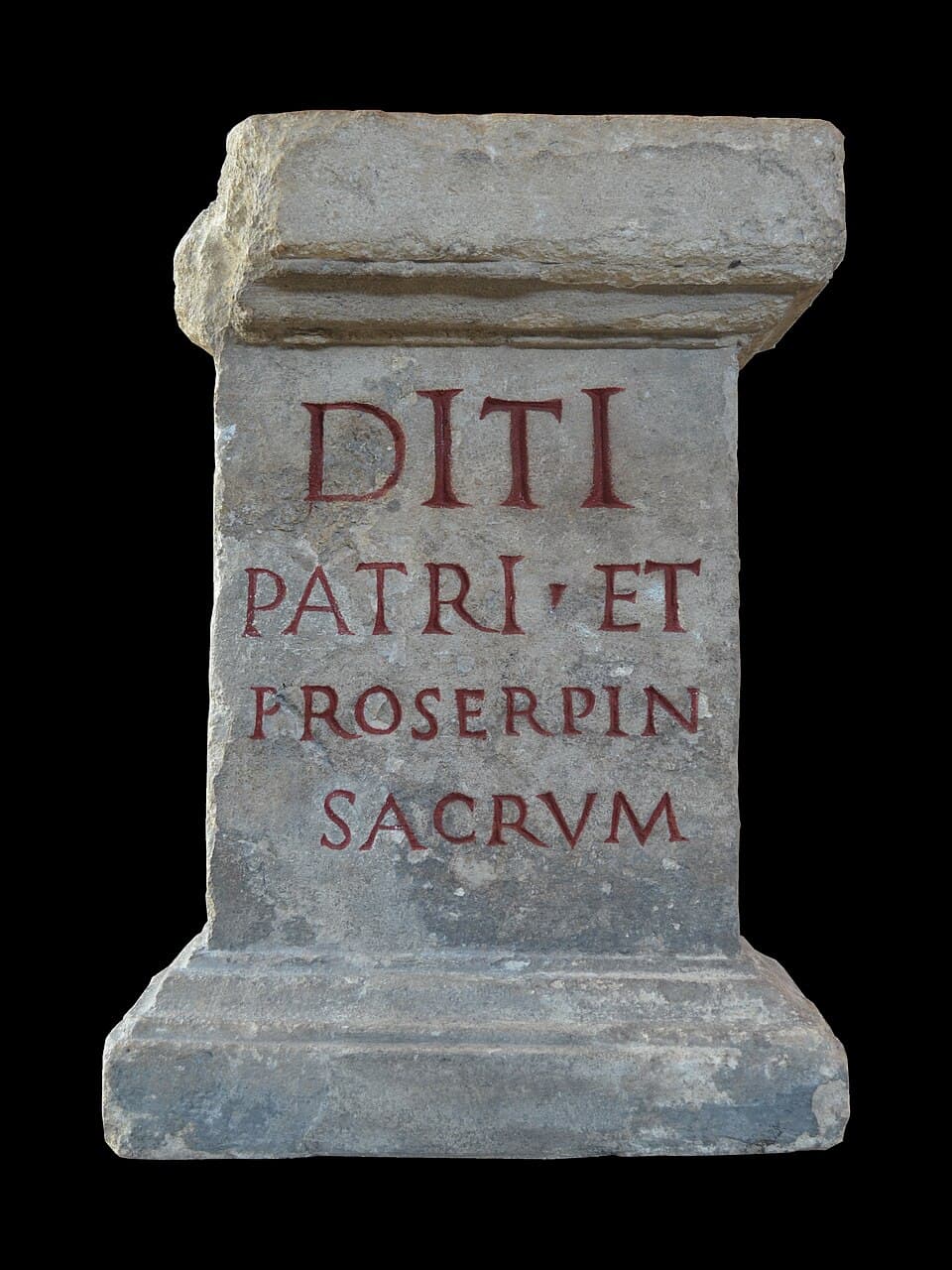
Dis Pater, otherwise known as Rex Infernus or Pluto, is a Roman god of the underworld. Dis was originally associated wi…
Read →
Scandinavia
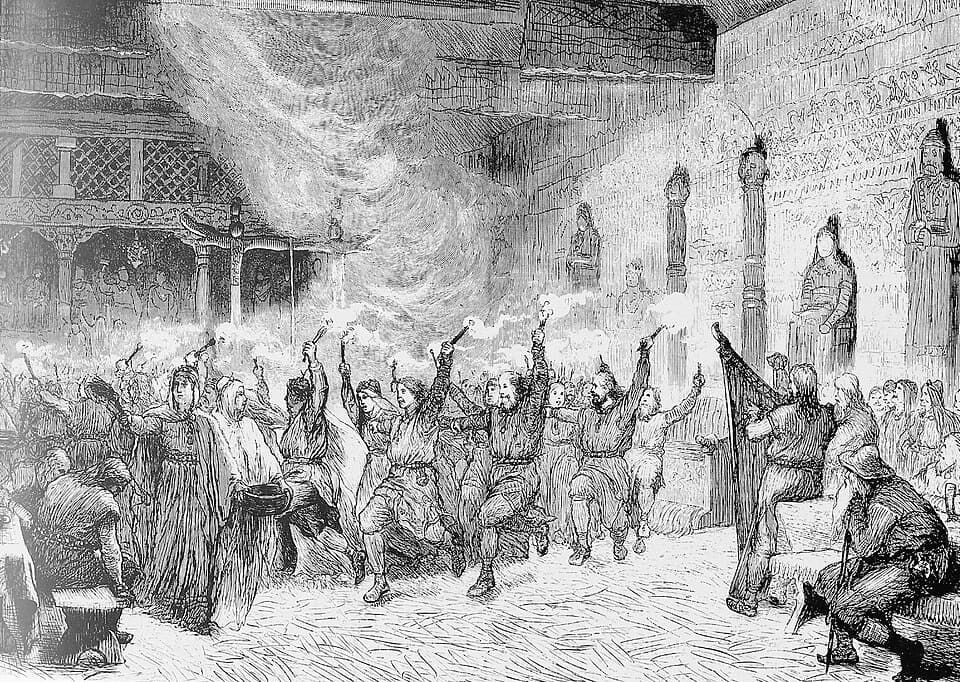
The Dísablót was the blót which was held in honour of the female spirits or deities called dísir, from pre-historic time…
Read →
Ancient Rome
In Roman mythology, Disciplina was a minor deity and the personification of discipline. The word disciplina itself, a L…
Read →
Ancient Rome
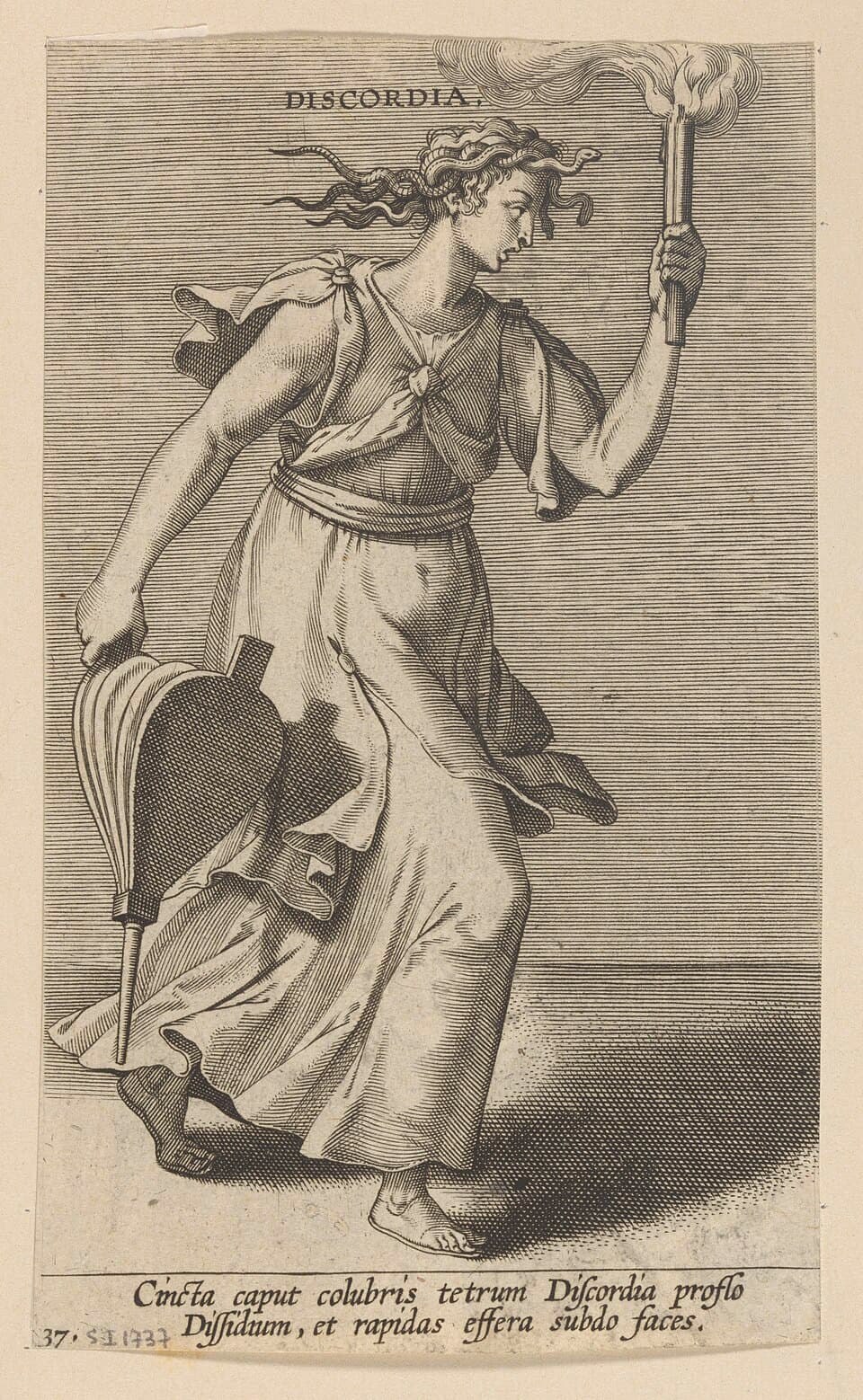
In Roman mythology, Discordia is the Roman equivalent of the Greek Eris, goddess of strife and discord. She was the dau…
Read →

Ancient Persia
Discordianism is a belief system based around Eris, the Greek goddess of strife and discord, and variously defined as a …
Read →
Scandinavia
In Norse mythology, a dís is a female deity, ghost, or spirit associated with Fate who can be either benevolent or antag…
Read →
Indian subcontinent
Diti is a daughter of the Prajapati Daksha in Hinduism. She is a wife of the sage Kashyapa and the mother of the demoni…
Read →
Ancient Rome
In ancient Roman religion, Dius Fidius was a god of oaths associated with Jupiter. His name was thought to be related t…
Read →
Ancient Mesopotamia
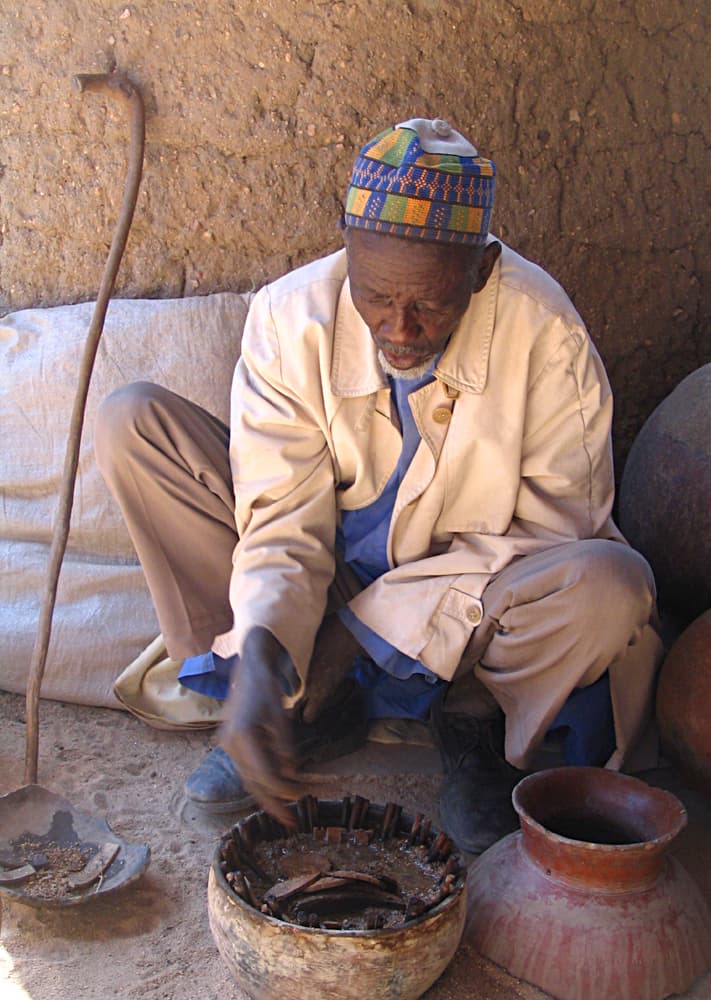
Divination is the attempt to gain insight into a question or situation by way of a magic ritual or practice. Using vari…
Read →

Ancient Mesopotamia
Divine judgment means the judgment of God or other supreme beings and deities within a religion or a spiritual belief.
Read →

Early Slavs
The divine twins are youthful horsemen, either gods or demigods, who serve as rescuers and healers in Proto-Indo-Europea…
Read →
Ancient Persia
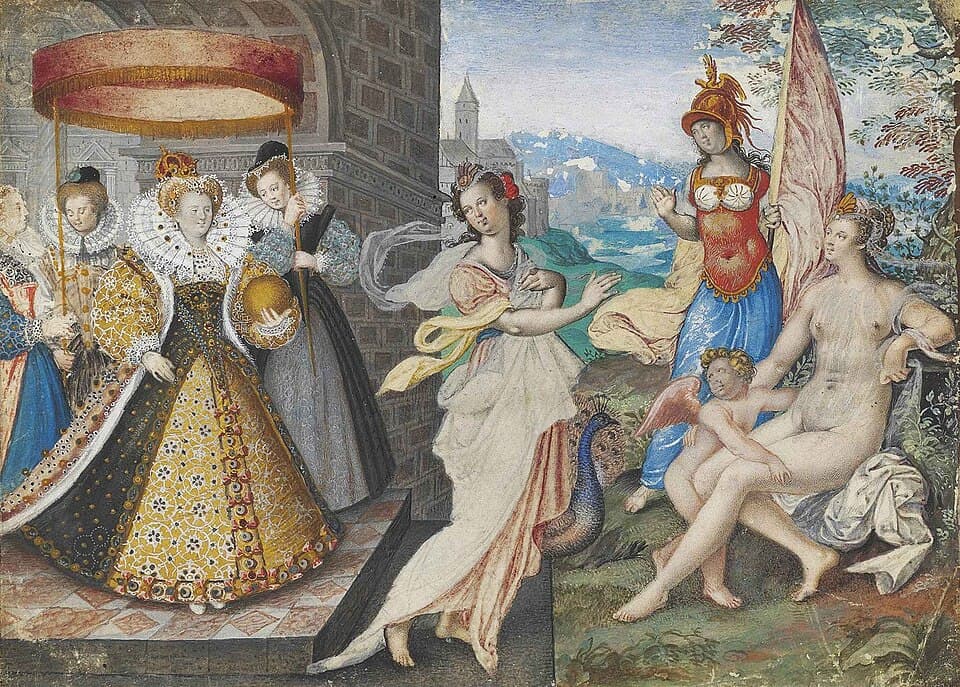
Divinity refers to the quality, presence, or nature of that which is divine—a term that, before the rise of monotheism, …
Read →
Iron Age Europe
Divona is a Gallo-Roman goddess of springs and rivers.
Read →
China
Dizhu shen are deities worshipped in Chinese folk beliefs who are analogous but not to be confused with Tudigong. In Ch…
Read →
Ancient Egypt
The djed, also djt is one of the more ancient and commonly found symbols in ancient Egyptian religion. It is a pillar-l…
Read →
Early Slavs
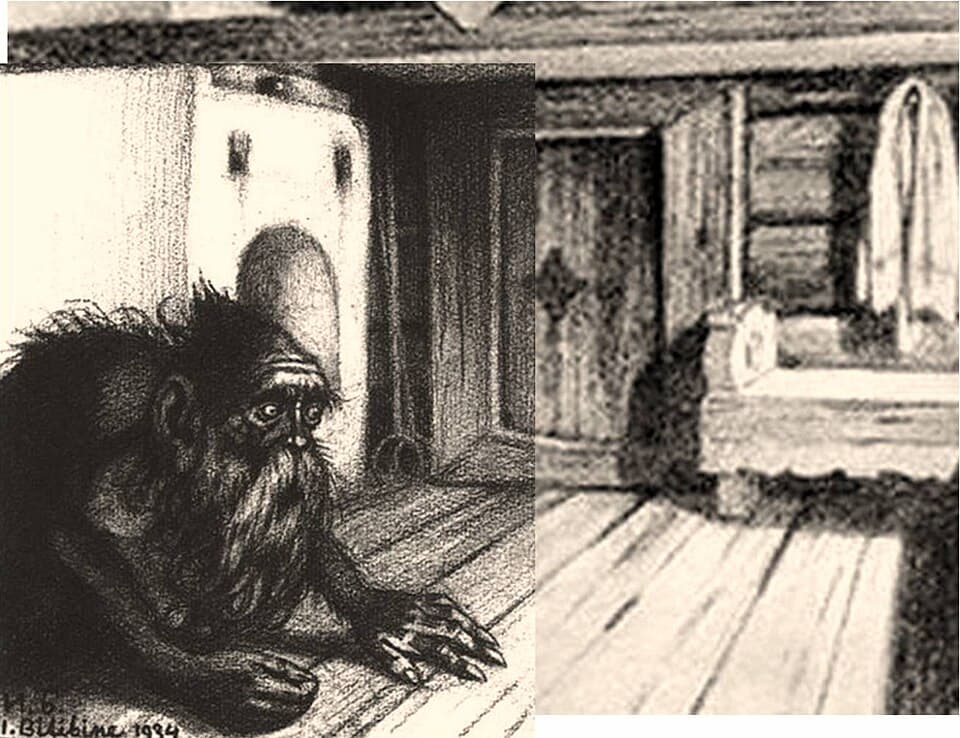
In the Slavic religious tradition, Domovoy is the household spirit of a given kin. According to the Russian folklorist …
Read →
Early Slavs
Donbettyr is the god of all waters, and the protector of fish and fishermen in Ossetian mythology. He is related to a S…
Read →

China
Emperor Dongyue is a Daoist deity of the sacred mountain Mount Tai. He is also believed to be the leader of a large bur…
Read →

Iron Age Europe
In Irish mythology, Donn is an ancestor of the Gaels and believed to be a god of the dead. Donn is said to dwell in Tec…
Read →

Ancient Greece
Doris, in Greek mythology, was a sea goddess. She was one of the 3,000 Oceanids, daughters of the Titans Oceanus and Te…
Read →
China
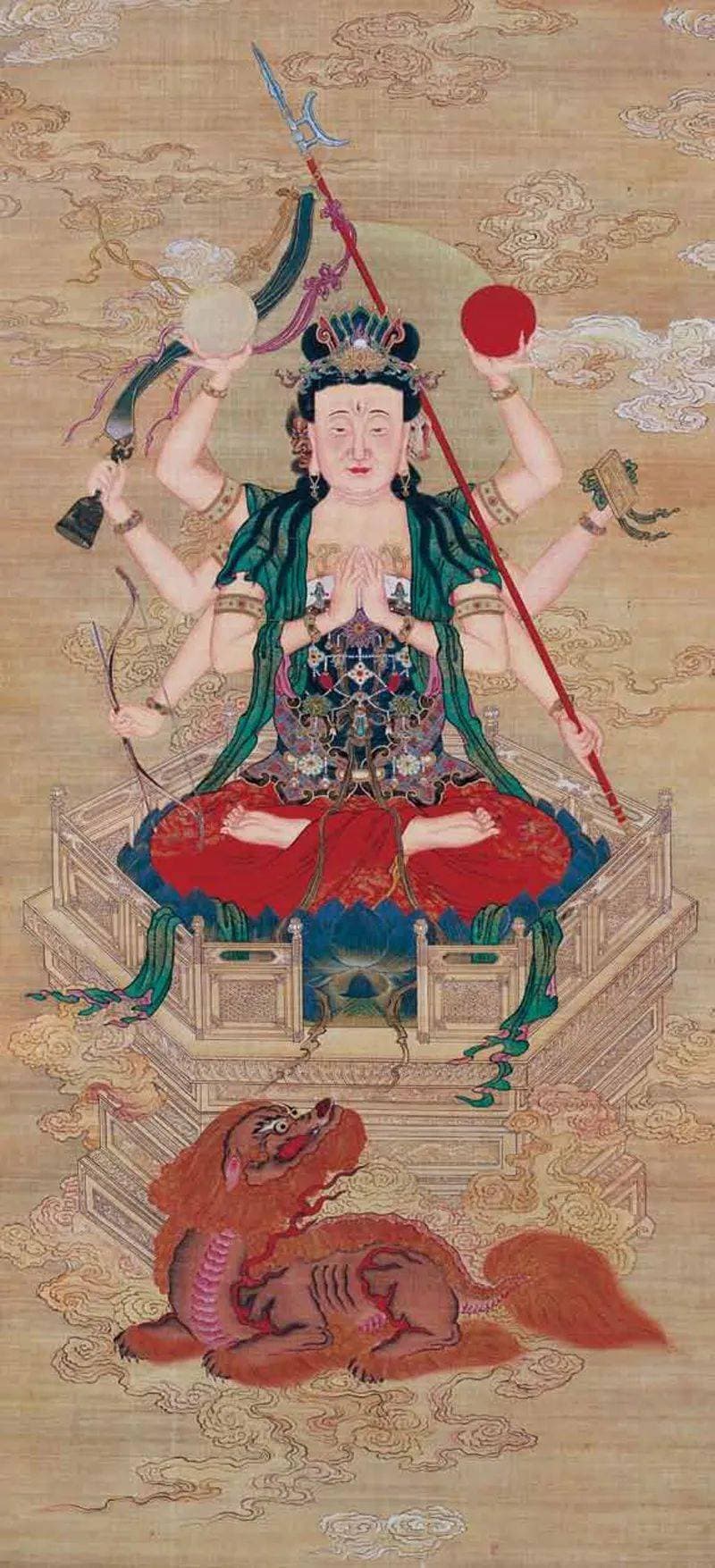
Dǒumǔ, also known as Dǒumǔ Yuánjūn, Dòulǎo Yuánjūn and Tàiyī Yuánjūn, is a goddess in Chinese religion and Taoism. She …
Read →
Ancient Mesopotamia
The Dragon was one of the warriors slain by Ninurta, patron god of Lagash, in Sumerian religion. Its body was hung on t…
Read →

China
The Dragon King, also known as the Dragon God, is a celestial creature, water and weather god in Asian mythology. They …
Read →

Ancient Mesopotamia
Dream interpretation is the process of assigning meaning to dreams. In many ancient societies, such as those of Egypt a…
Read →
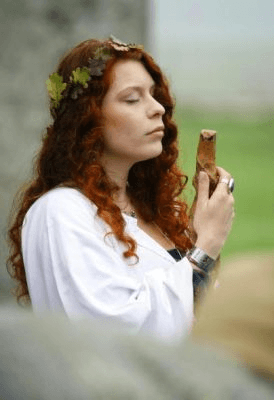
Ancient Persia
Druidry, sometimes termed Druidism, is a modern movement of spirituality or religion that promotes the cultivation of ho…
Read →
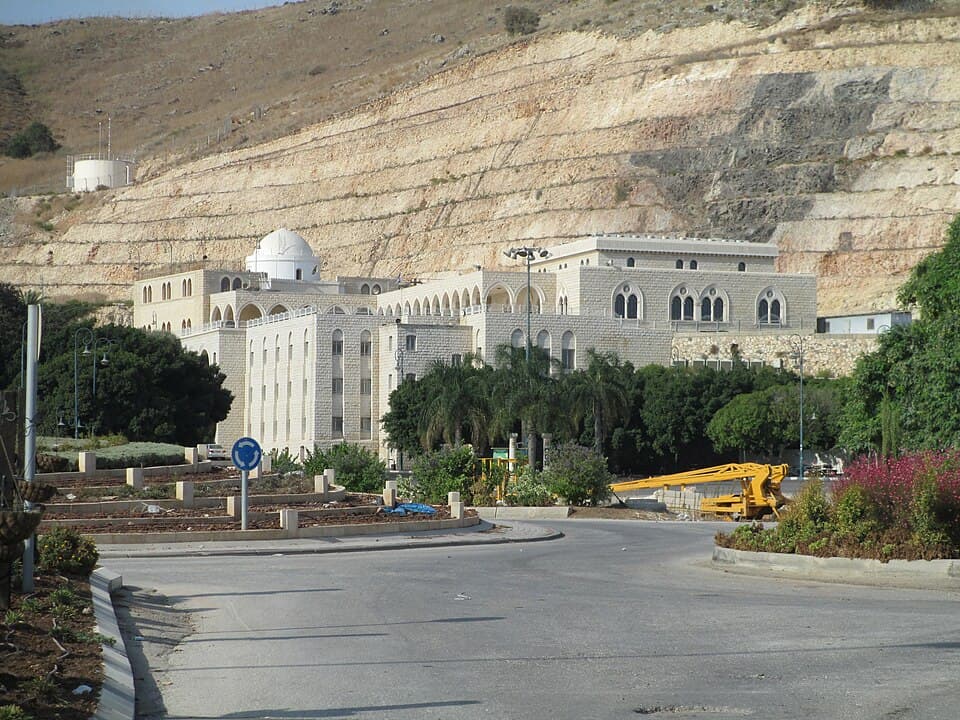
Ancient Persia
The Druze, who call themselves al-Muwaḥḥidūn, are an esoteric religious group of Arabs who adhere to Druzism or the Druz…
Read →
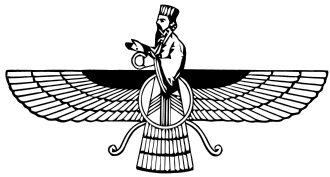
Ancient Persia
Drvaspa is the Avestan language name of an "enigmatic" and "strangely discreet" Zoroastrian divinity, whose name literal…
Read →
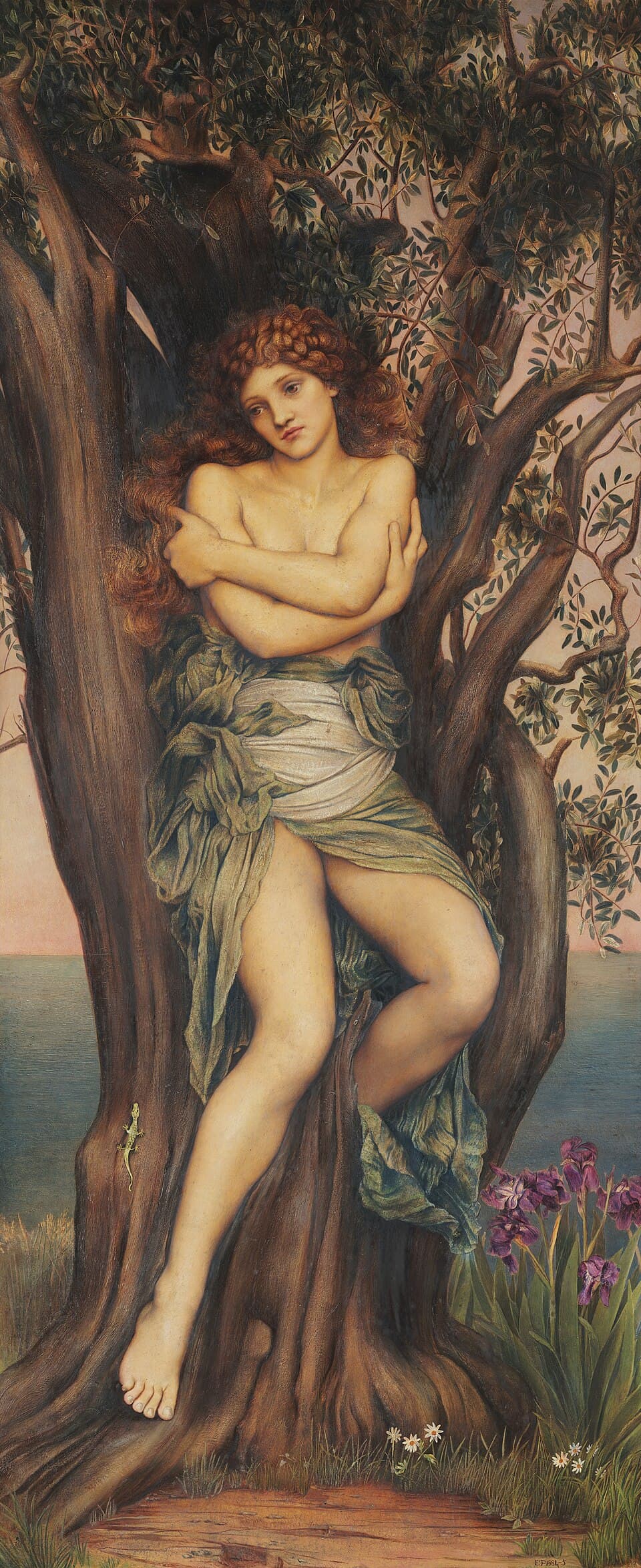
Ancient Greece
A dryad is an oak tree nymph or oak tree spirit in Greek mythology; Drys (δρῦς) means "tree", and more specifically "oak…
Read →

Ancient Egypt
The four sons of Horus were a group of four deities in ancient Egyptian religion who were believed to protect the dead i…
Read →
Ancient Egypt
Duau, the name of this ancient Egyptian moon god, also known as Dauau, is seen in the inscriptions found in the middle o…
Read →
Iron Age Europe
Duberdicus or Duberdico, is a Lusitanian theonym, in the cultural area of Lusitania. It has historically been assumed t…
Read →
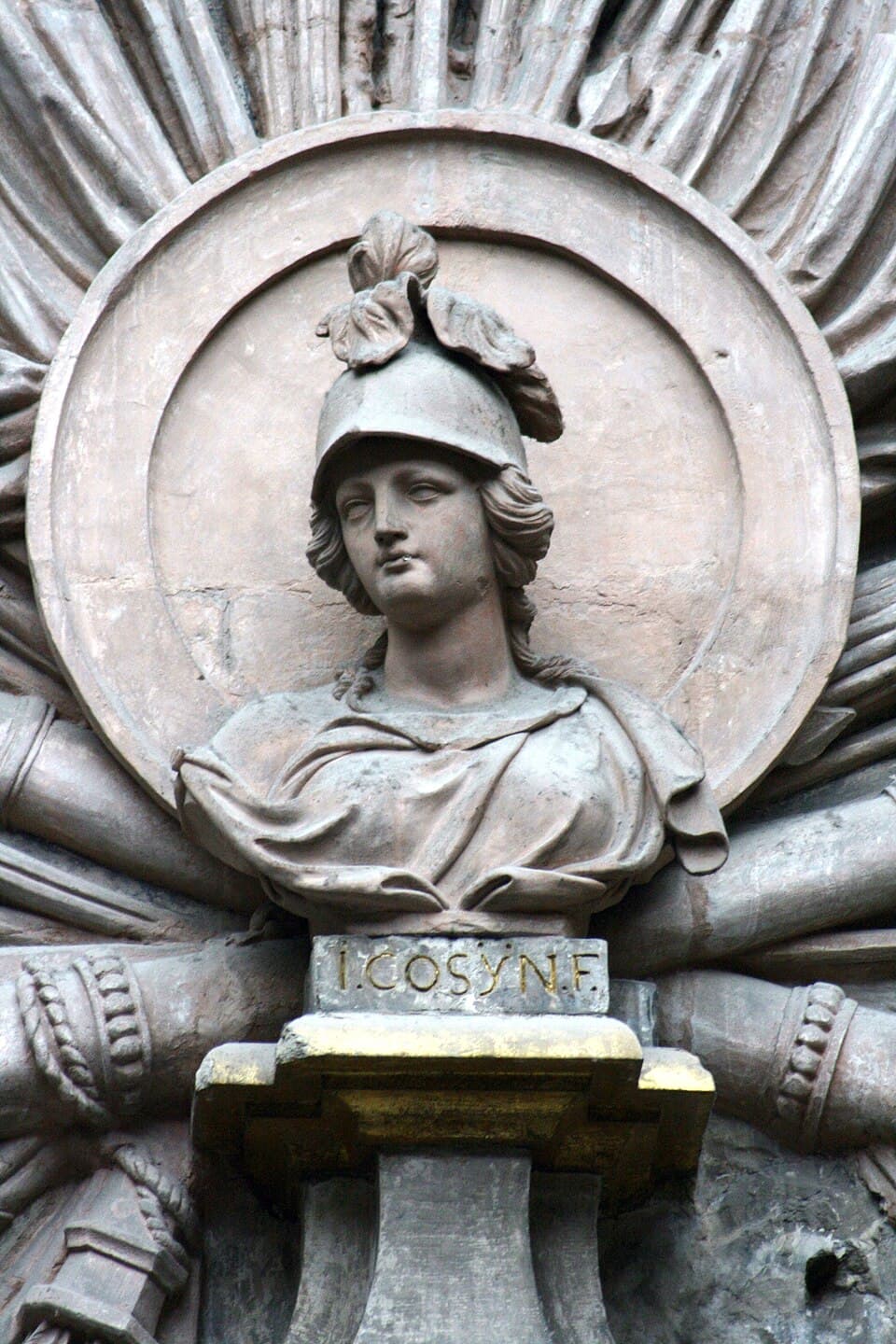
Ancient Rome
Bellona is an ancient Roman goddess of war. She is generally characterized as embodying the destructive and brutal side…
Read →
Early Slavs
Dukljan or Dukljanin is a figure in Serbian mythology that is a reflection of the Roman emperor Diocletian. He is prese…
Read →

Ancient Mesopotamia
Dumuzid, Dumuzi, or Tammuz, known to the Sumerians as Dumuzid the Shepherd and to the Canaanites as Adon, is an ancient …
Read →
Ancient Mesopotamia
Dumuzi-abzu, sometimes spelled Dumuziabzu, was a Mesopotamian goddess worshiped in the state of Lagash. She was the tut…
Read →
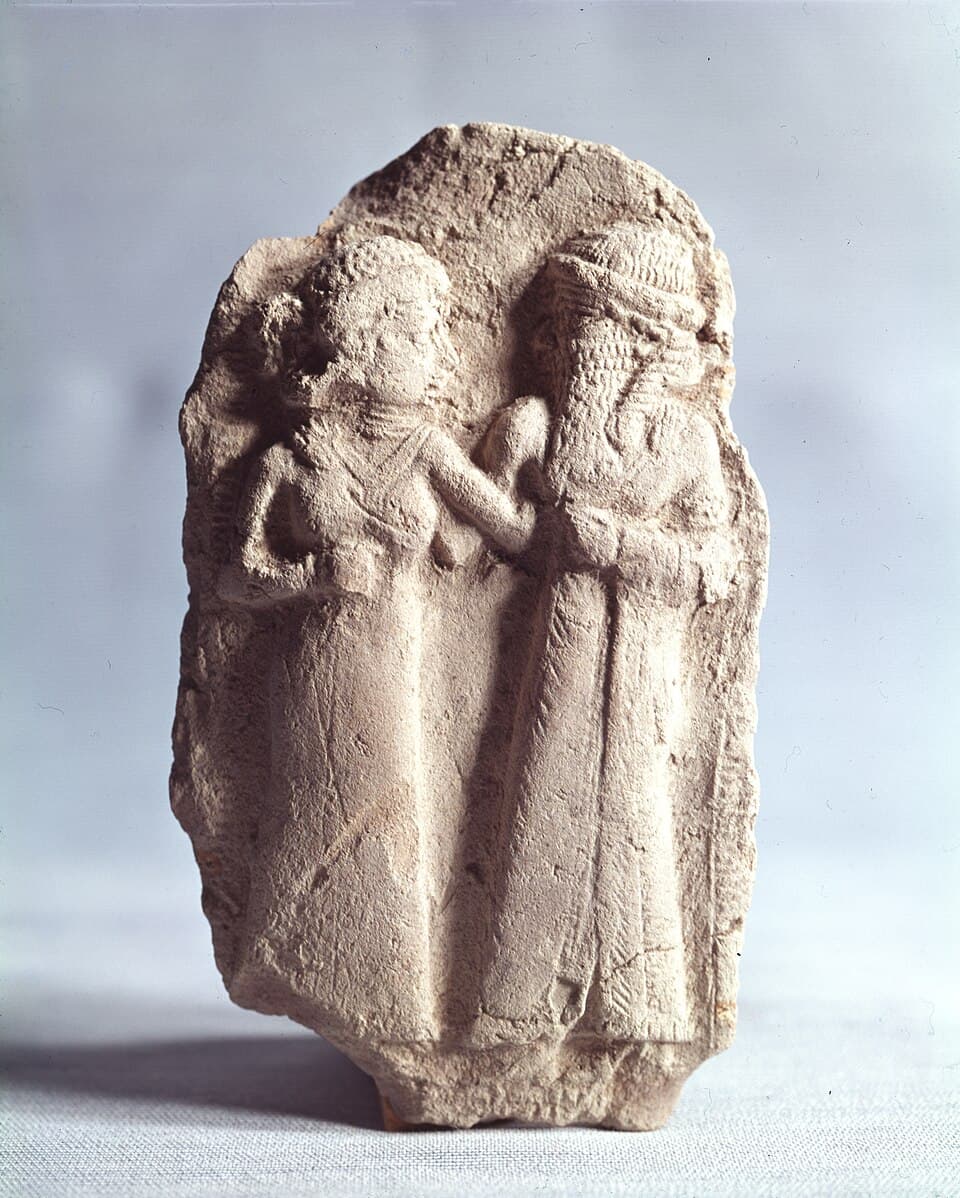
Ancient Mesopotamia
Dumuzid, Dumuzi, or Tammuz, known to the Sumerians as Dumuzid the Shepherd and to the Canaanites as Adon, is an ancient …
Read →
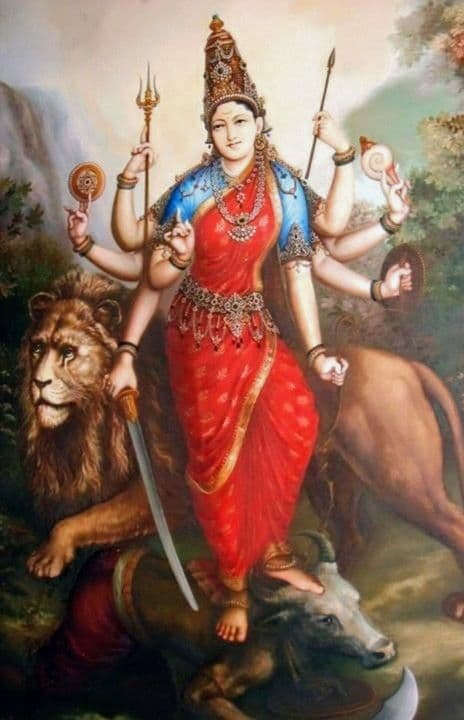
Indian subcontinent
Durga is one of the most important deities in Hinduism. She is widely worshipped by the followers of the goddess-centri…
Read →
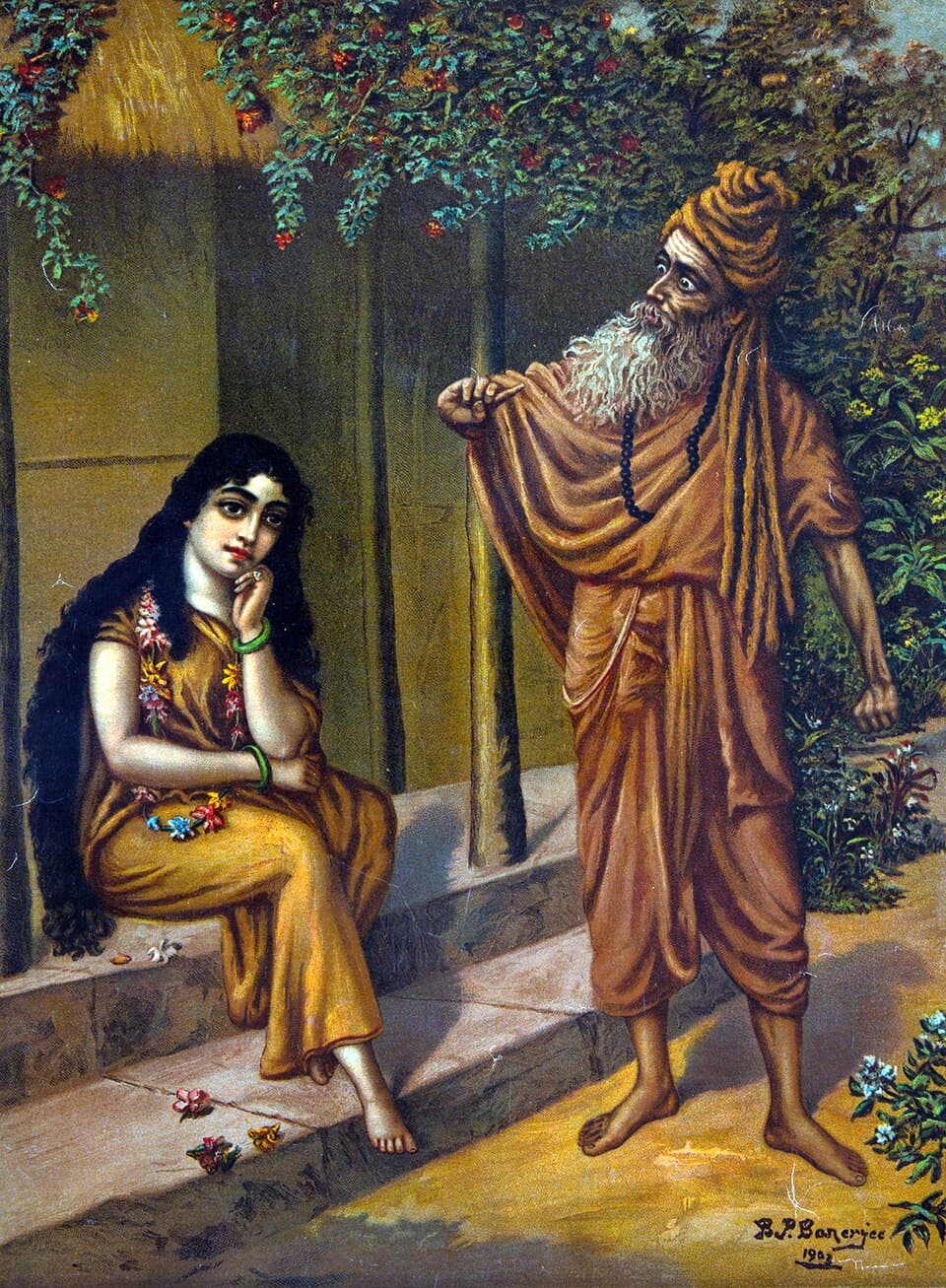
Indian subcontinent
In Hindu scriptures, Durvasa, also known as Durvasas, is a legendary rishi (sage). He is the son of Anasuya and Atri. …
Read →
Iron Age Europe
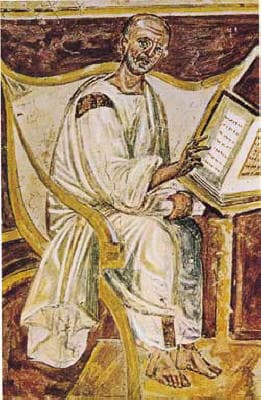
In the Gaulish language, Dusios was a divine being among the continental Celts who was identified with the god Pan of an…
Read →
Ancient Mesopotamia
Duttur was a Mesopotamian goddess best known as the mother of Dumuzid. She frequently appears in texts mourning his dea…
Read →
Indian subcontinent
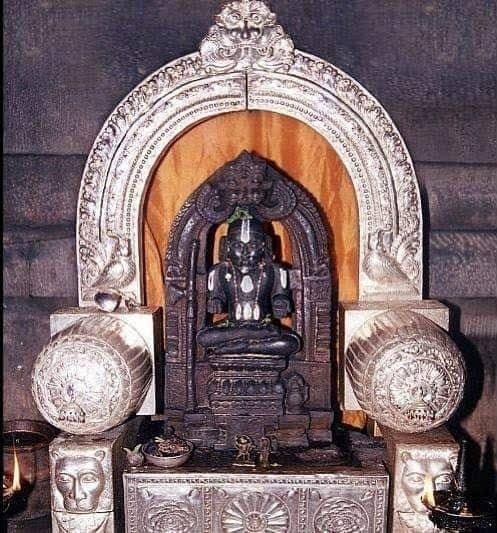
Dvaita Vedanta, is a sub-school in the Vedanta tradition of Hindu philosophy. The term Tattvavada literally means "argu…
Read →

Indian subcontinent
Dvaita Vedanta, is a sub-school in the Vedanta tradition of Hindu philosophy. The term Tattvavada literally means "argu…
Read →
Early Slavs
The Dvorovoy is a Slavic spirit of the courtyard. It was associated with a farmstead's grounds, cattle shed, and stable…
Read →
Indian subcontinent
Dyaus or Dyauspitr is the Rigvedic sky deity. His consort is Prithvi, the earth goddess, and together they are the arch…
Read →
Indian subcontinent
Dyaus or Dyauspitr is the Rigvedic sky deity. His consort is Prithvi, the earth goddess, and together they are the arch…
Read →
Polynesia
*Dyḗus, also *Dyḗus ph₂tḗr, is the reconstructed name of the daylight-sky god in Proto-Indo-European mythology. *Dyēus …
Read →
Inca Empire
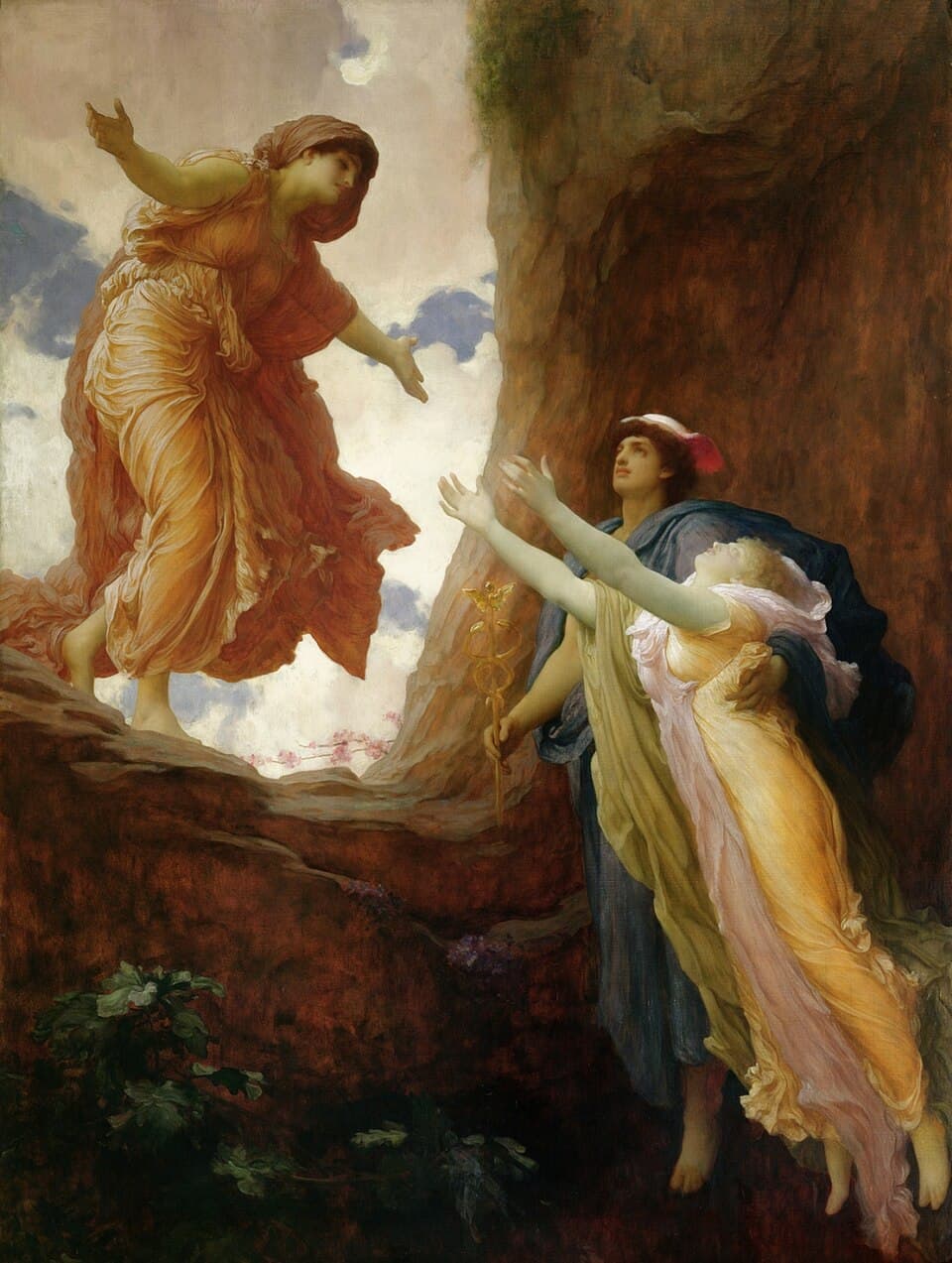
A dying-and-rising god, life–death–rebirth deity, or resurrection deity is a religious motif in which a god or goddess d…
Read →

Ancient Mesopotamia
A dying-and-rising god, life–death–rebirth deity, or resurrection deity is a religious motif in which a god or goddess d…
Read →
Ancient Greece
In Greek mythology, Dysis was the eleventh Hora (Hour) who presided over the hour of sunset. She was the reputed nursem…
Read →
Ancient Greece
In Greek mythology, Dysnomia is the personification of lawlessness. According to Hesiod's Theogony, Dysnomia was the of…
Read →
Ancient Greece
In Greek mythology, Dyssebeia was the caco-daimon and personification of impiety and ungodliness, as opposed to Eusebeia…
Read →
Early Slavs
Dzidzilela, Dzidzileyla, Dzidzilelya is an alleged Polish goddess. First mentioned by Jan Długosz as the Polish equival…
Read →
Early Slavs
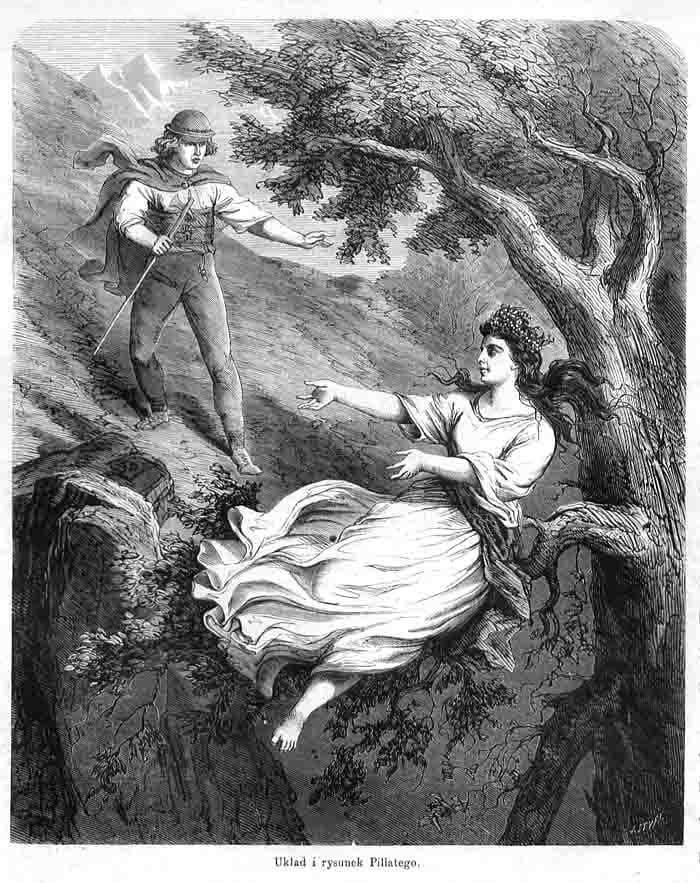
Dziwożona is a female swamp demon in Slavic mythology known for being malicious and dangerous. Most at risk of becoming…
Read →
Iron Age Europe
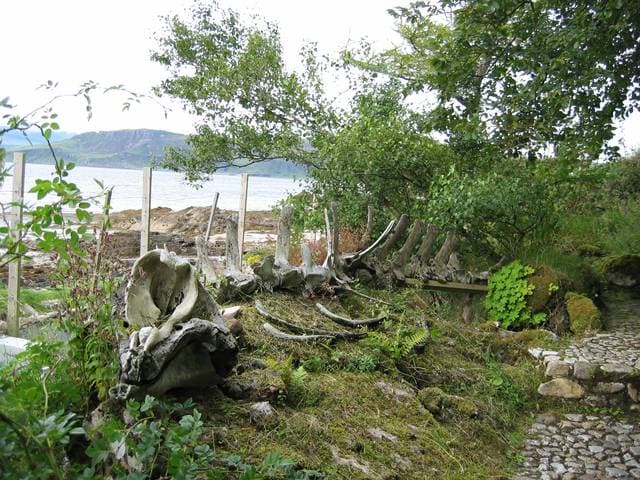
The each-uisge is a water spirit in Irish and Scottish folklore, spelled as the each-uisce in Ireland and cabbyl-ushtey …
Read →

China
The Earl of Mei ruled the State of Mei during the Late Shang period, acting as a vassal for Di Xin. He was allegedly ki…
Read →
Ancient Mesopotamia
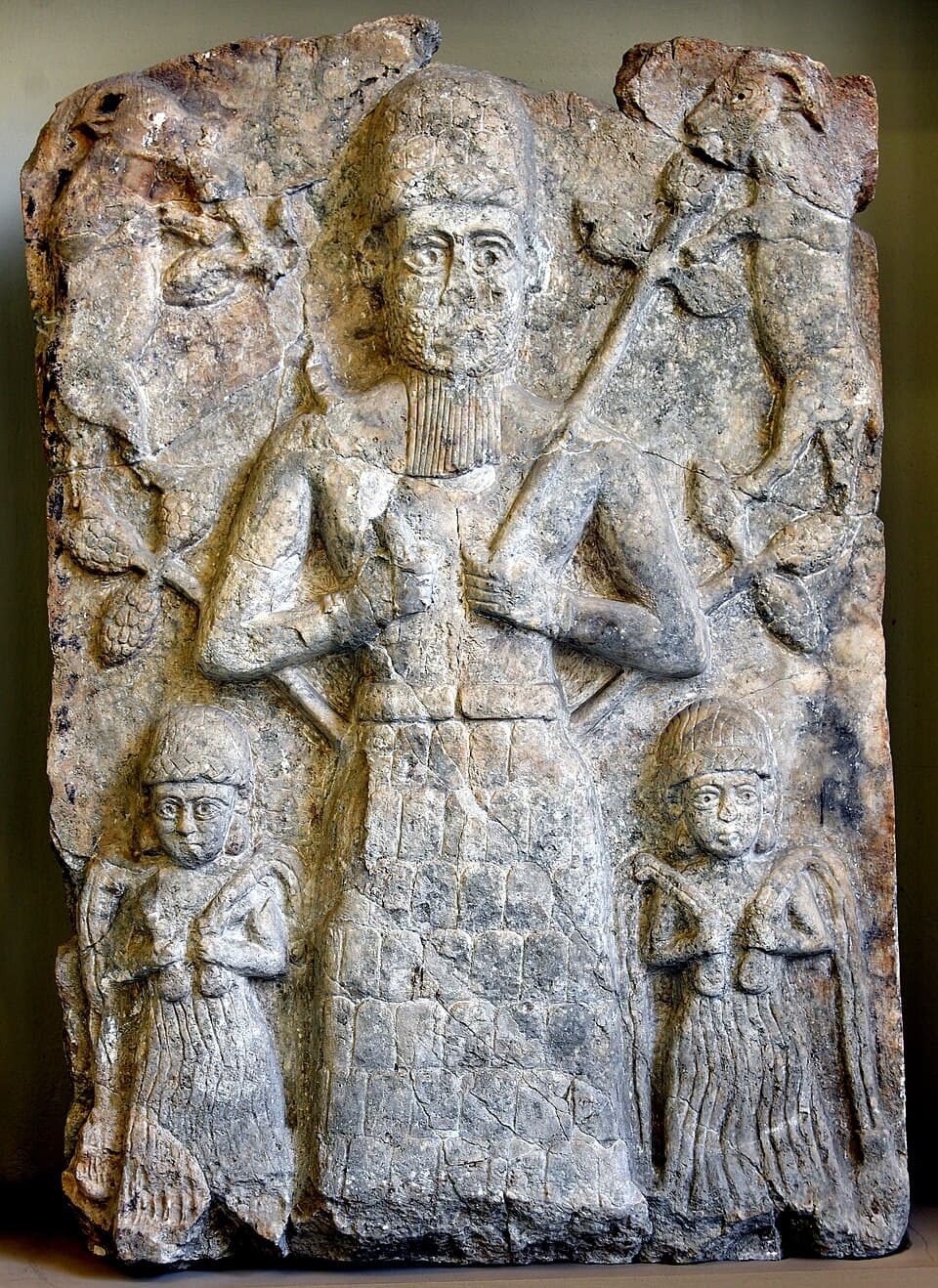
Ebiḫ (Ebih) was a Mesopotamian god presumed to represent the Hamrin Mountains. It has been suggested that while such an…
Read →
Iron Age Europe
In Celtic mythology, Ecne was one of the Tuatha Dé Danann and was the god or goddess of wisdom.
Read →
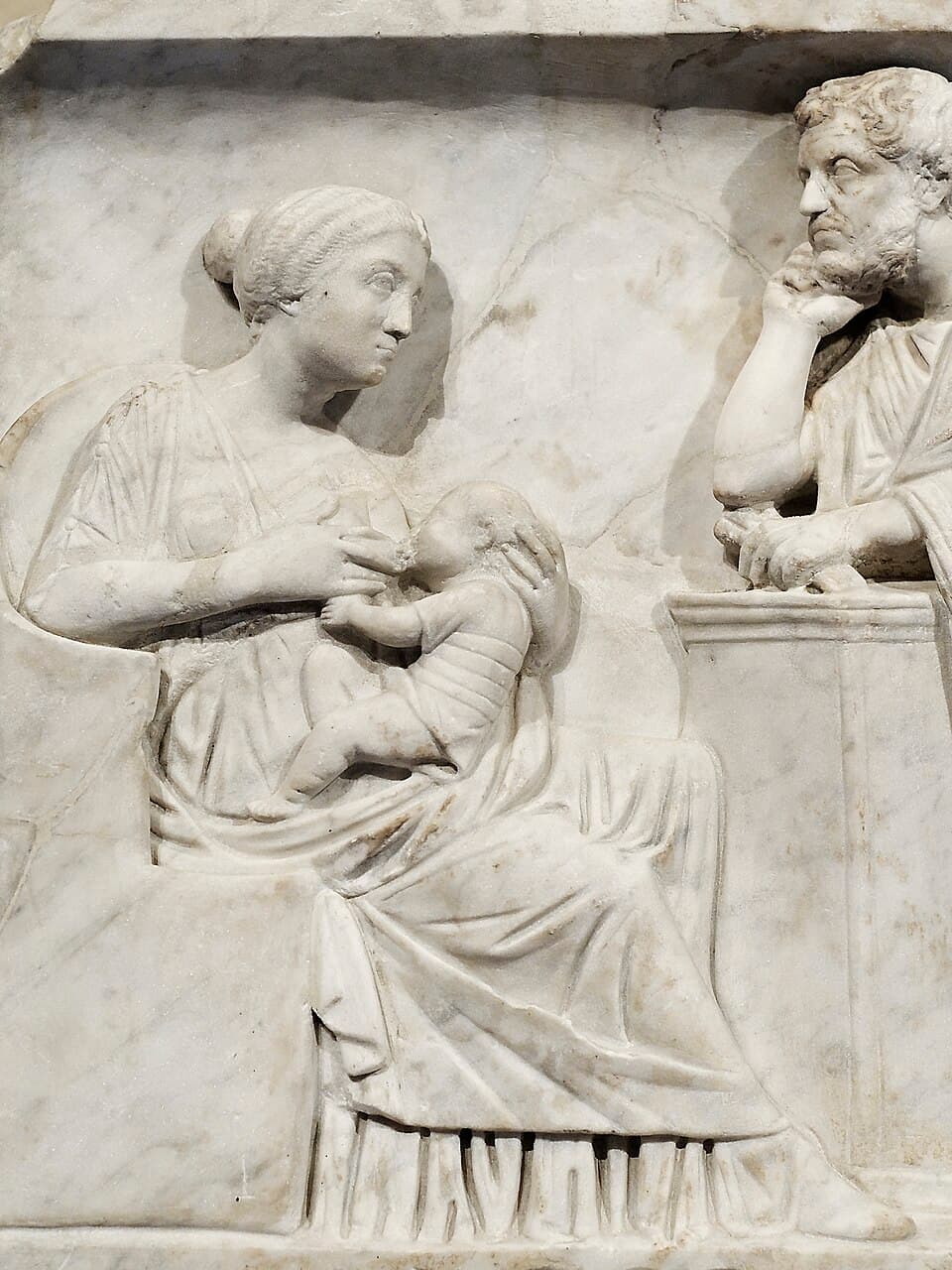
Ancient Rome
In ancient Roman religion, birth and childhood deities were thought to care for every aspect of conception, pregnancy, c…
Read →

Ancient Mesopotamia
The edimmu, read incorrectly sometimes as ekimmu, were a type of utukku in the Mesopotamian religion of Sumer, Akkad, As…
Read →
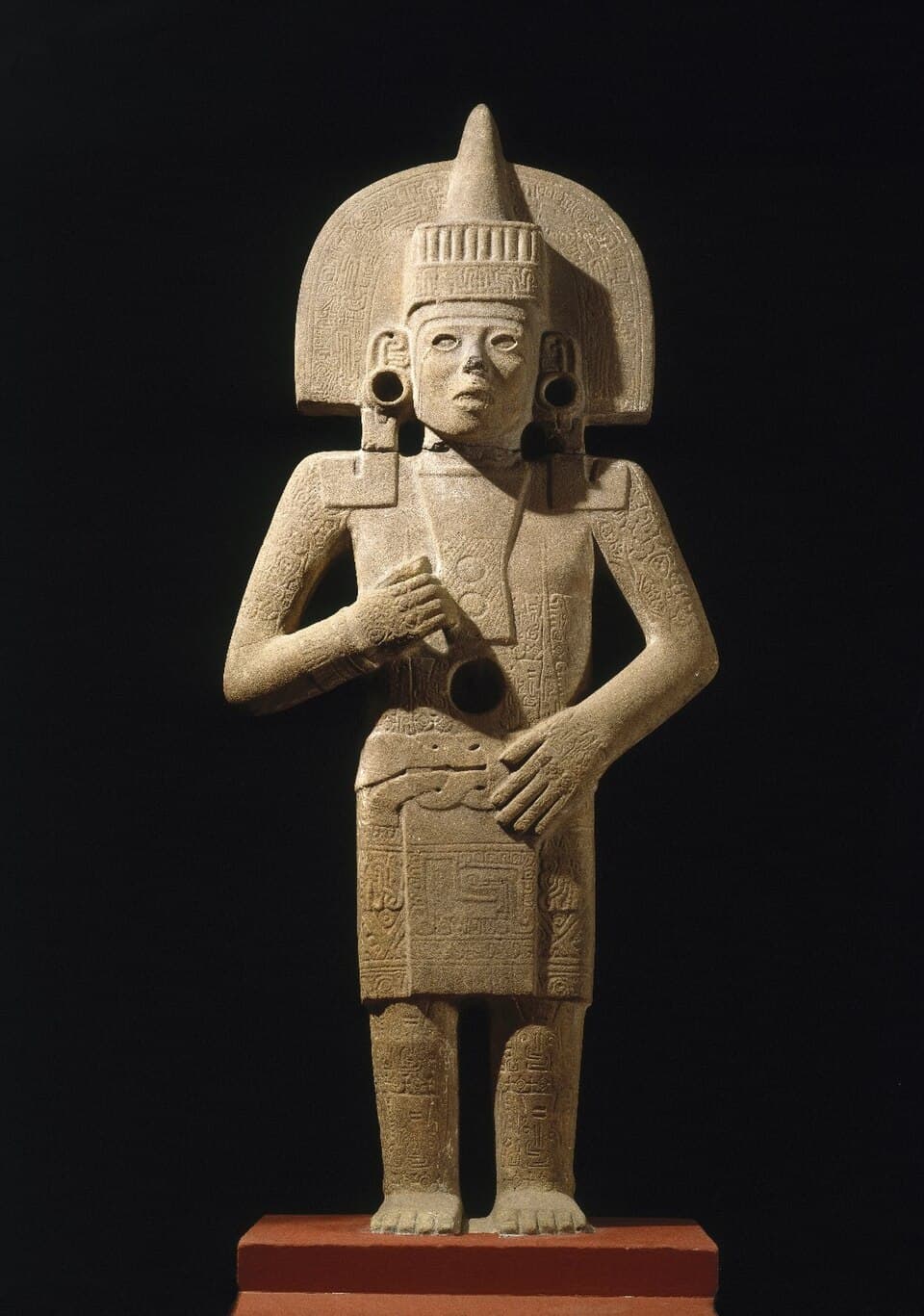
Aztec Empire
Ehecatl is a pre-Columbian deity associated with the wind, who features in Aztec mythology and the mythologies of other …
Read →
Aztec Empire
Ehecatotontli is an Aztec group of gods that are forms of Ehecatl. The Ehecatotontli are Mictlanpachecatl, Cihuatecayot…
Read →
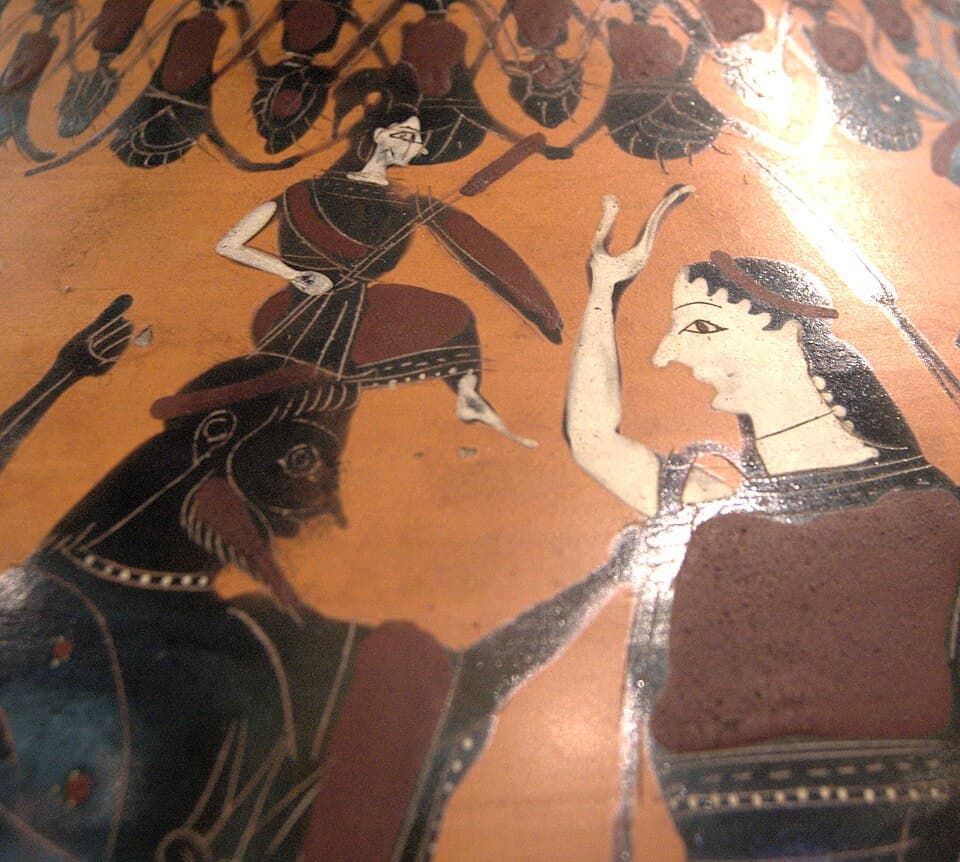
Ancient Greece
Eileithyia or Ilithyia was the Greek goddess of childbirth and midwifery, and the daughter of Zeus and Hera.
Read →
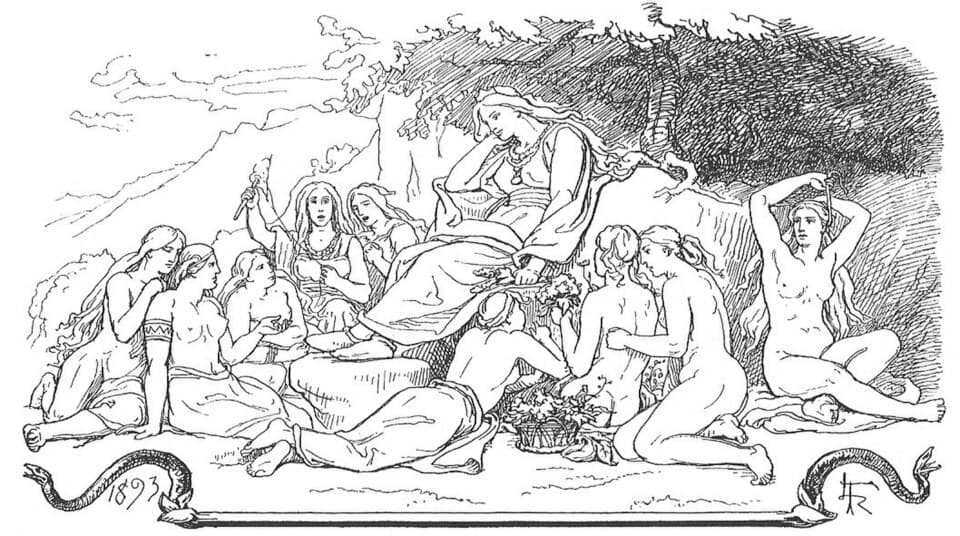
Scandinavia
In Norse mythology, Eir is a goddess or valkyrie associated with medical skill. Eir is attested in the Poetic Edda, com…
Read →
Ancient Greece
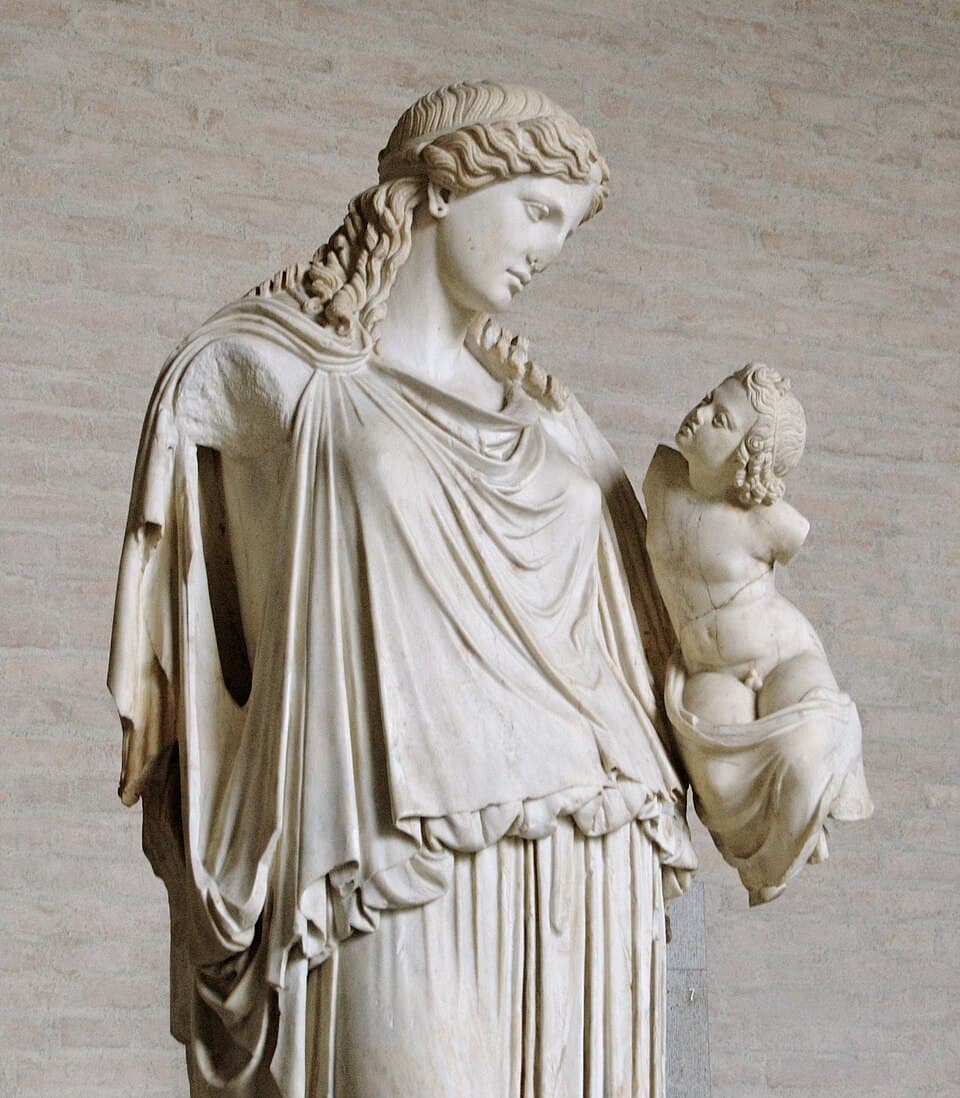
Eirene, more commonly known in English as Peace, is one of the Horae, the personification and goddess of peace in Greek …
Read →

Ancient Greece
Eirene, more commonly known in English as Peace, is one of the Horae, the personification and goddess of peace in Greek …
Read →
Ancient Greece
In Greek mythology, Eiresione or Iresione was the personification of an object very important in many Greek rituals and …
Read →
Maya civilization
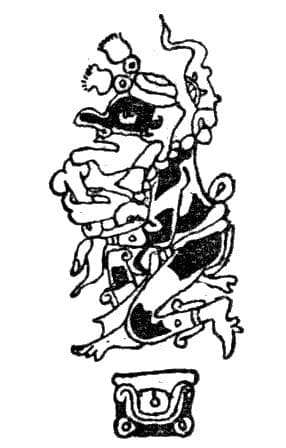
Ek Chuah, also transliterated as Ek Chuaj and known as God M in the Schellhas-Zimmermann-Taube classification of codical…
Read →
Maya civilization
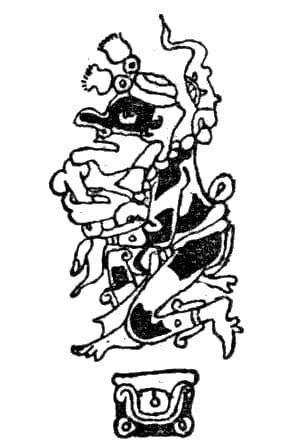
Ek Chuah, also transliterated as Ek Chuaj and known as God M in the Schellhas-Zimmermann-Taube classification of codical…
Read →

Asia
In Buddhism, Ekādaśamukha is a bodhisattva and a manifestation of Avalokiteśvara, counted as one of six forms of the bod…
Read →
Indian subcontinent
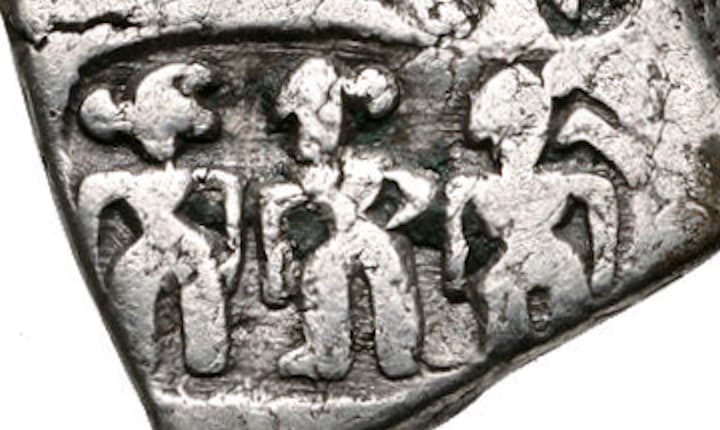
Ekanamsha is a Hindu goddess. She is primarily identified with the illusory power of Vishnu as Yogamaya.
Read →
Ancient Greece
In Greek mythology, Ekecheiria, Ekekheiria, or Ecechiria is a personification associated with Zeus. A statue depicting …
Read →

Inca Empire
The Ekeko is the Tiwanakan god of abundance and prosperity in the mythology and folklore of the people from the Altiplan…
Read →

Indian subcontinent
Eknath, was an Indian Hindu Vaishnava saint, philosopher and poet. He was a devotee of Vitthal, a Hindu deity. He is a…
Read →

Ancient Mesopotamia
El is a Northwest Semitic word meaning 'god' or 'deity', or referring to any one of multiple major ancient Near Eastern …
Read →
Ancient Mesopotamia
El Shaddai or just Shaddai is one of the names of God in Judaism. El Shaddai is conventionally translated into English …
Read →
Ancient Rome
Elagabalus, Aelagabalus, Heliogabalus or simply Elagabal was an Arab-Roman sun god, initially venerated in Emesa, Syria.…
Read →
Iron Age Europe
In Irish mythology, Elatha, Elotha, Elier or Elada was a king of the Fomorians and the father of Bres by Ériu of the Tua…
Read →
Iron Age Europe
In Irish mythology, Elcmar or Ecmar is the husband of Boann and belongs to the divine Tuatha Dé Danann. It has been sug…
Read →
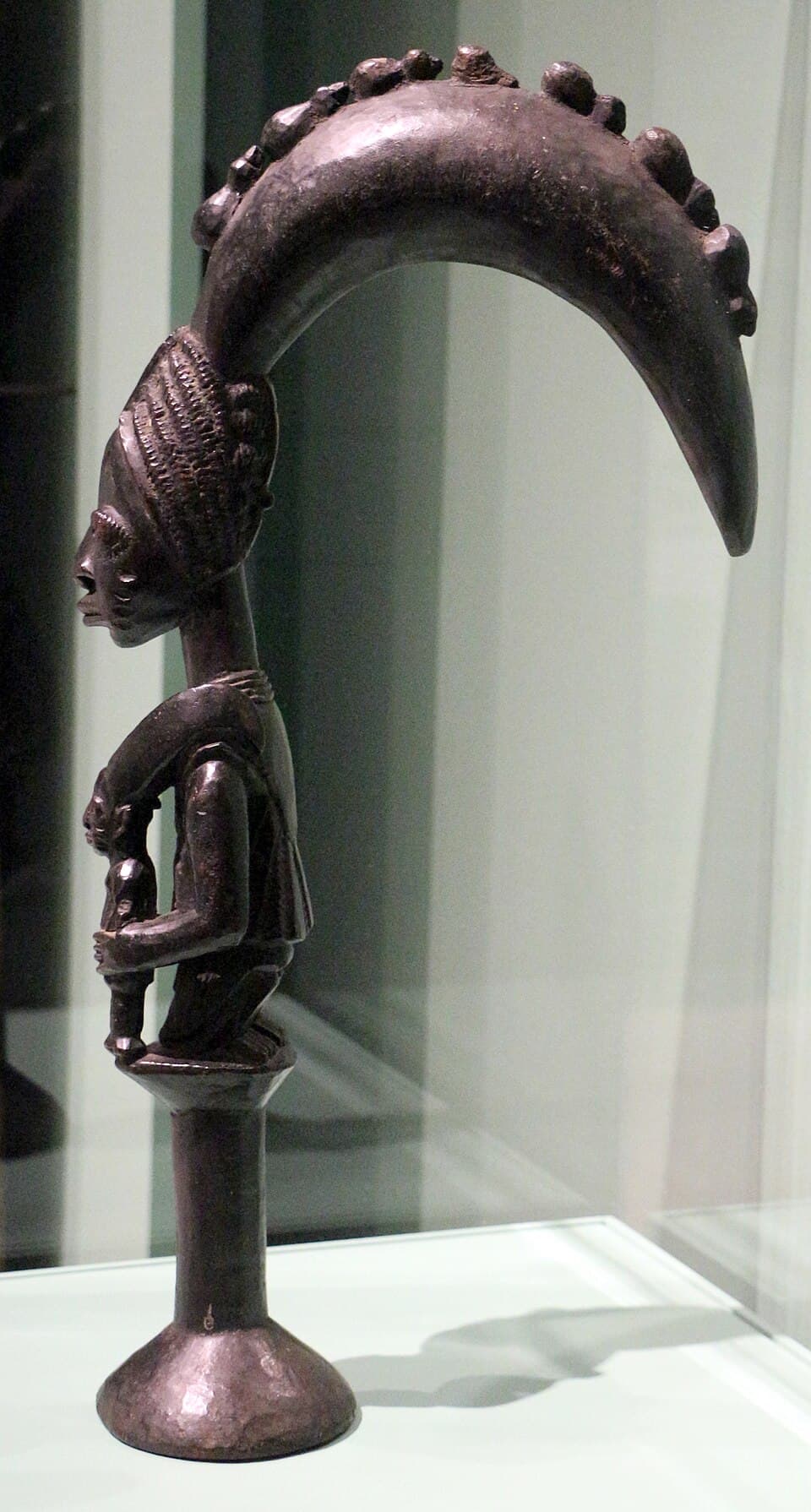
West Africa
Elegua, Eshu / Elegba in North America, in Cuba spelled Elegguá; also known as Eleguá in Latin America Spanish-speaking …
Read →
Ancient Greece
In ancient Athens, Eleos was the personification of compassion. Pausanias described her as "among all the gods the most…
Read →
Ancient Greece
In Greek mythology, Elete was the eight Hora (Hour) who presided over the hour of prayer, the first of the afternoon wor…
Read →
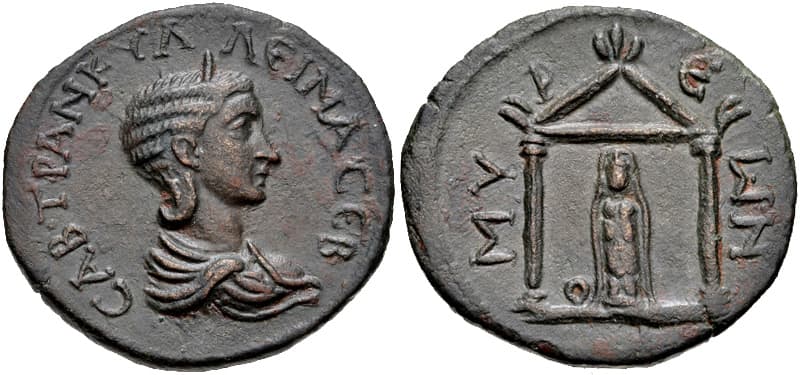
Ancient Greece
The Greek word "ἐλευθερία", transliterated as eleutheria or eleftheria, is a Greek term for, and personification of, the…
Read →
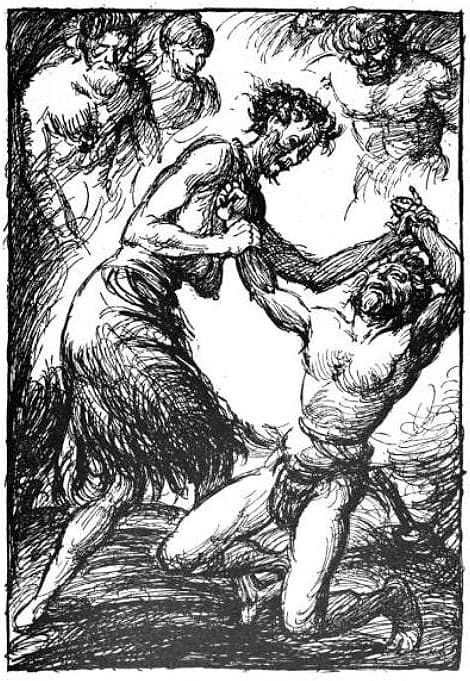
Scandinavia
In Norse mythology, Elli is a personification of old age who, in the Prose Edda book Gylfaginning, defeats Thor in a wre…
Read →

Ancient Mesopotamia
Elohim is a Hebrew word meaning "gods" or "godhood". Although the word is plural in form, in the Hebrew Bible it most o…
Read →
Ancient Levant
Elyon or El Elyon, is an epithet that appears in the Hebrew Bible and in other ancient writings. ʾĒl ʿElyōn is usually …
Read →

Ancient Egypt
Emanationism is a theory in the cosmology or cosmogony of certain religious and philosophical systems, that posits the c…
Read →