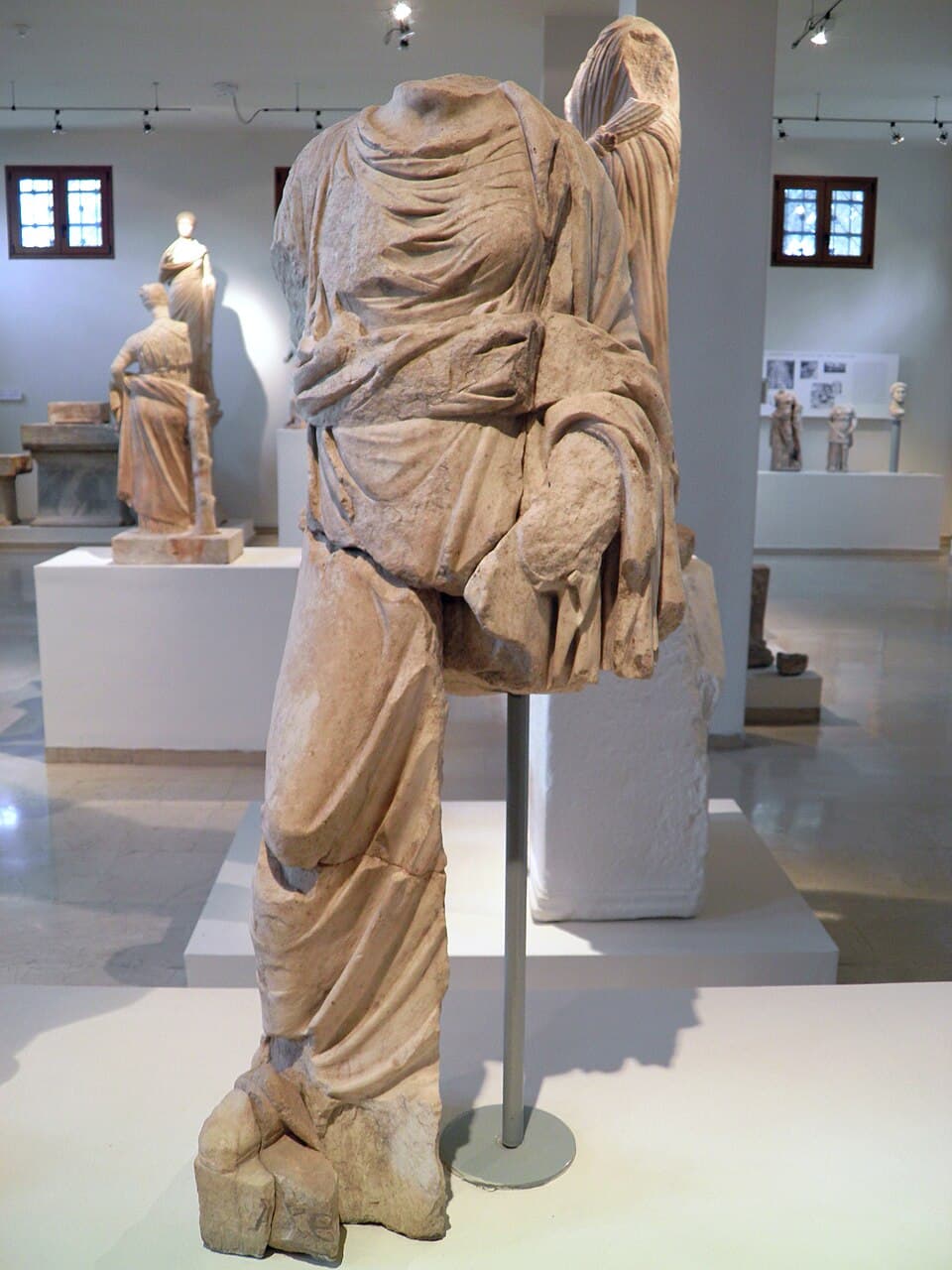
Aceso
Aceso or Akeso was the Greek goddess of well-being and the healing process worshipped in Athens and Epidauros.
Pantheon
Every entry the archive files to this pantheon, with the record for each shown as it stands.
400 entries
These three are recorded for the Greek pantheon as a whole. The archive holds no separate culture, civilization or period for the individual entries below.
Page 1 of 4
Showing 1–108 of 400, alphabetically.
Aceso or Akeso was the Greek goddess of well-being and the healing process worshipped in Athens and Epidauros.

Achelous was the god in ancient Greek religion and mythology associated with the Achelous River, the largest river in Greece. According to Hesiod, he was the son of the Titans Oceanus and Tethys. He was also said to be the father of the Sirens, several nymphs, and other offspring.

The Achelous, also Acheloos, is a river in Epirus, western Greece. It is 220 km (137 mi) long. It formed the boundary between Acarnania and Aetolia of antiquity.
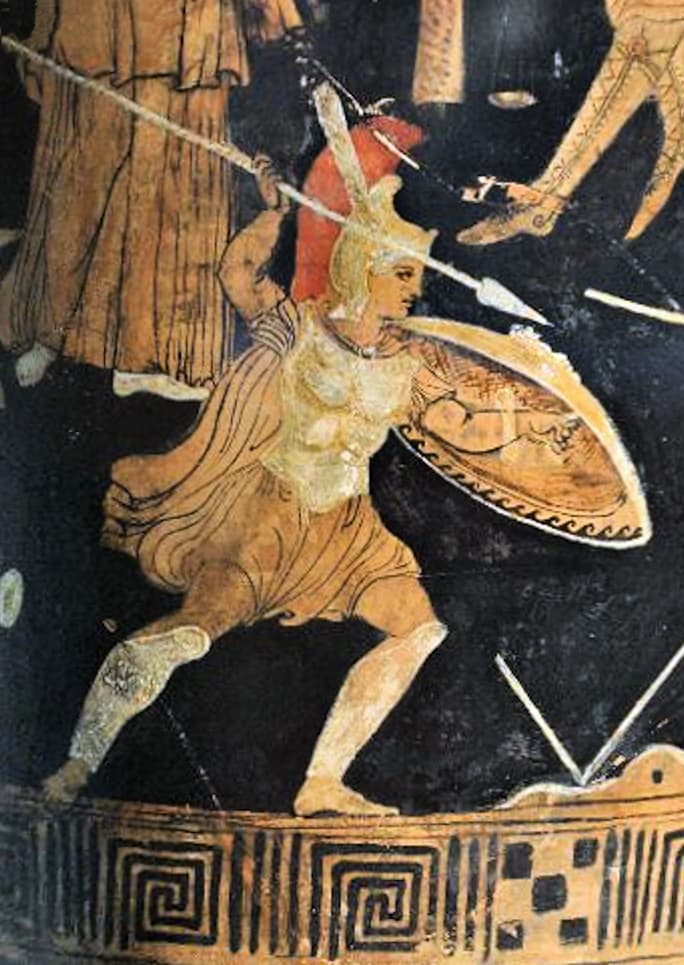
In Greek mythology, Achilles or Achilleus was a hero of the Trojan War who was known as being the greatest of all the Greek warriors. The central character in Homer's Iliad, he was the son of the Nereid Thetis and Peleus, king of Phthia and famous Argonaut. Achilles was raised in Phthia along with his childhood companion Patroclus and received his education by the centaur Chiron.
Achlys, in the Hesiodic Shield of Heracles, is one of the figures depicted on Heracles' shield, perhaps representing the personification of sorrow. In Homer, achlys is the mist which fogs or blinds mortal eyes. Her Roman counterpart Caligo was said to have been the mother of Chaos.
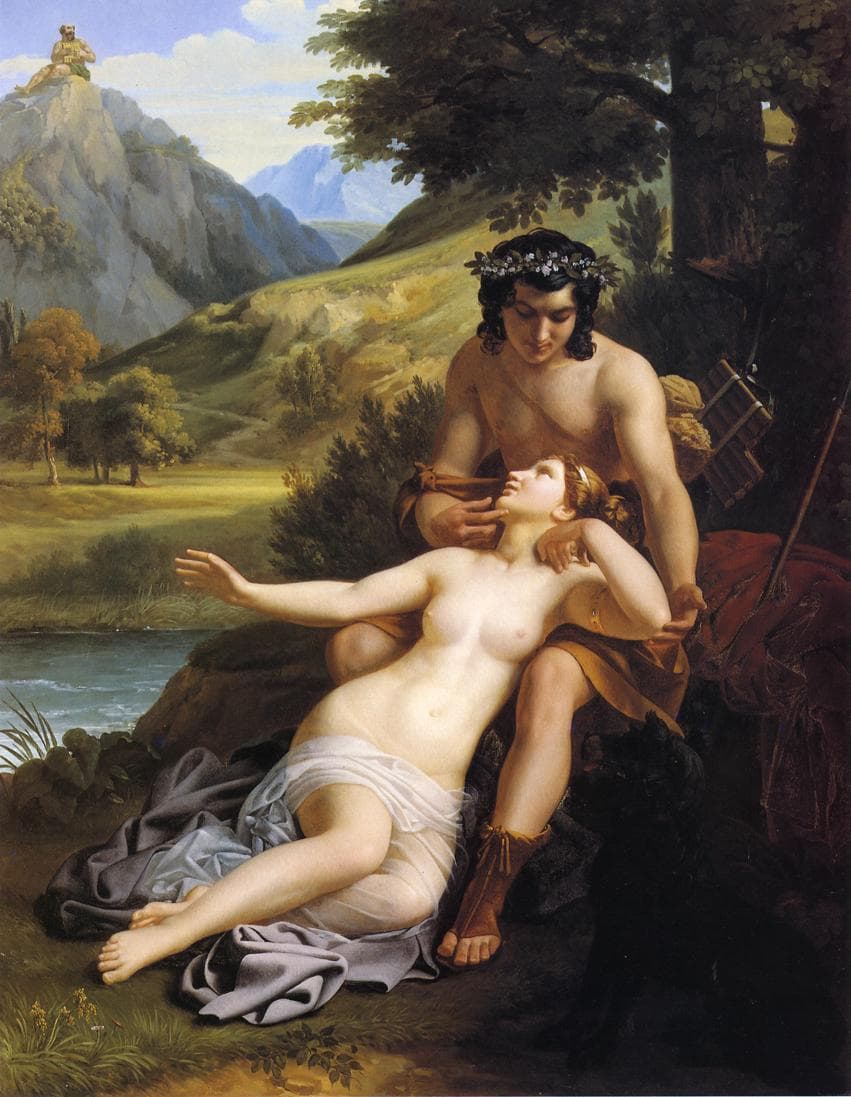
Acis and Galatea are characters from Greek mythology later associated together in Ovid's Metamorphoses. The episode tells of the love between the mortal Acis and the Nereid (sea-nymph) Galatea; when the jealous Cyclops Polyphemus kills Acis, Galatea transforms her lover into an immortal river spirit. The episode was made the subject of poems, operas, paintings, and statues in the Renaissance and after.
In Greek mythology, Acmon is in some sources the father of Uranus, the personification of the sky, with no mother mentioned. A fragment of Alcman is the first attestation of this parentage, and fragments of several later authors refer to Uranus as Akmonídēs. In another genealogy, incorrectly attributed to Hesiod, Acmon is the son of Gaia, and in some sources he is identified with Uranus himself.
In Greek mythology, Acratopotes, the drinker of unmixed wine, was a hero worshiped in Munychia in Attica. According to Pausanias, who calls him simply Acratus, he was one of the divine companions of Dionysus, who was worshiped at Attica. Pausanias saw his image at Athens in the house of Polytion, where it was fixed in the wall.
Adephagia was a figure described as having a temple in Sicily. According to Claudius Aelianus's Varia Historia and a fragment of Polemon, nearby her temple was a statue of Demeter Sitō. According to Konrad Wernicke, she was the personification of "abundant satiety" and a form of Demeter.
In Greek mythology, Adicia or Adikia was the goddess and personification of injustice and wrong-doing.
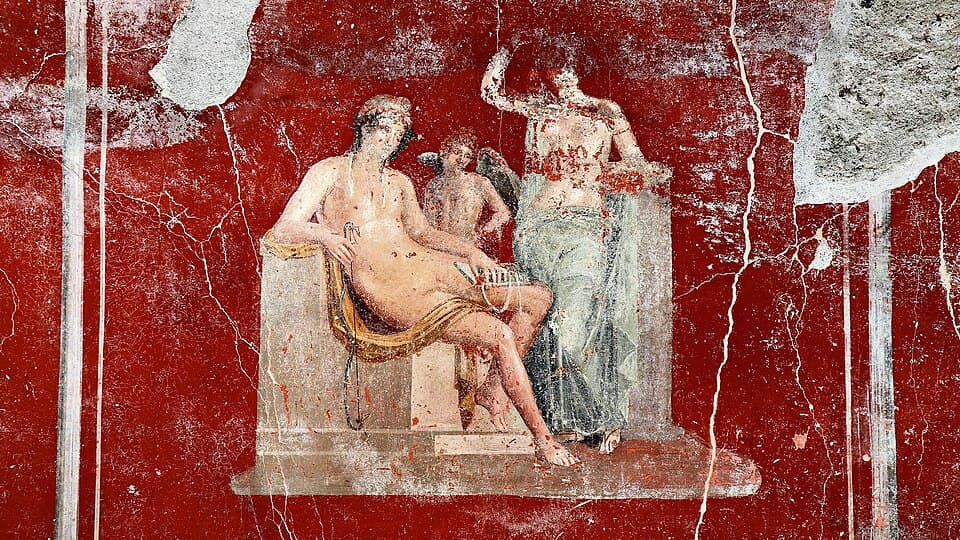
In Greek mythology, Adonis was the mortal lover of the goddesses Aphrodite and Persephone. He was considered to be the ideal of male beauty in classical antiquity.
In ancient Greek religion and mythology, Adrasteia, also spelled Adrastia, Adrastea, Adrestia, Adrestea, Adastreia or Adrasta, originally a Phrygian mountain goddess, probably associated with Cybele, was later a Cretan nymph, and daughter of Melisseus, who was charged by Rhea with nurturing the infant Zeus in secret, to protect him from his father Cronus. By at latest the fifth century BC, she became identified with Nemesis, the goddess of divine retribution.
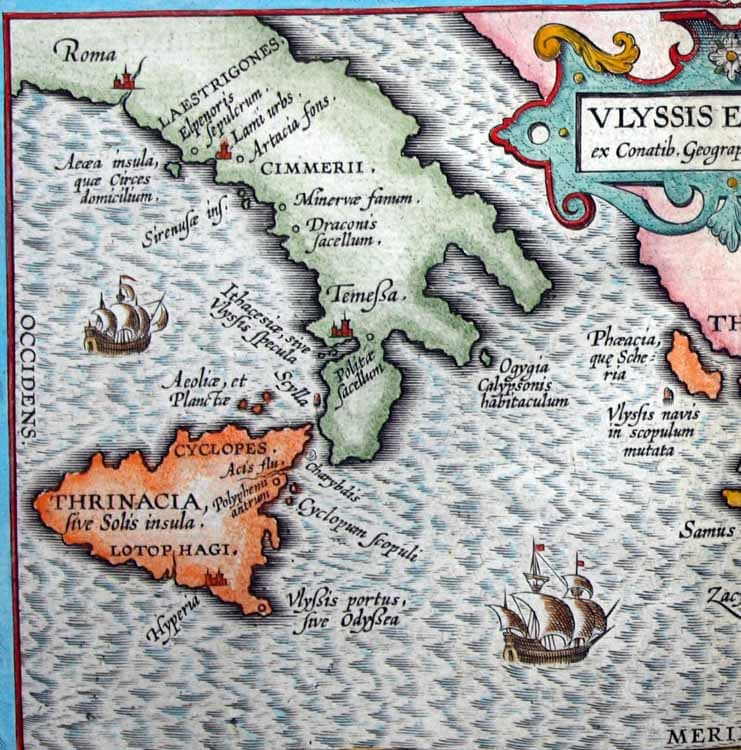
Aeaea, Ææa, Ææ̈ä or Eëä was a mythological island said to be the home of the goddess-sorceress Circe. "Circe would fain have held me back in her halls, the guileful lady of Aeaea, yearning that I should be her husband"..
In Greek mythology, Aegiale was the mother of Alcyone by Aeolus, according to the mythographer Hyginus. In other accounts, it is instead Enarete who is the mother of Alcyone by Aeolus.
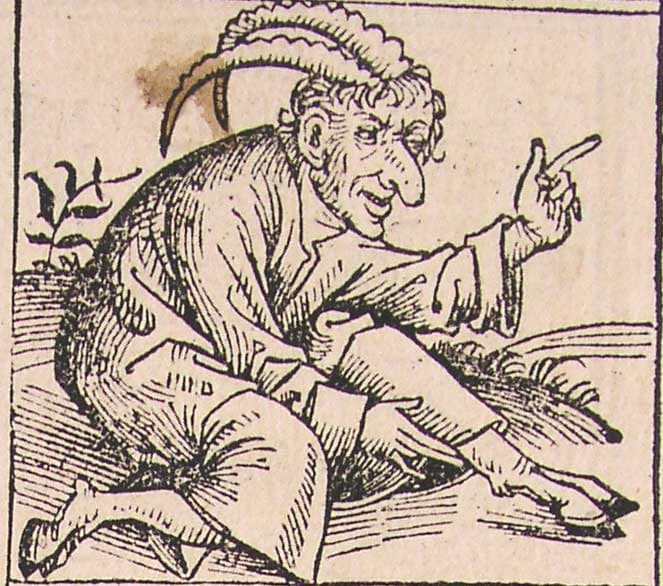
Aegipan was a mythological being, either distinct from or identical to Pan. His story appears to be of late origin.
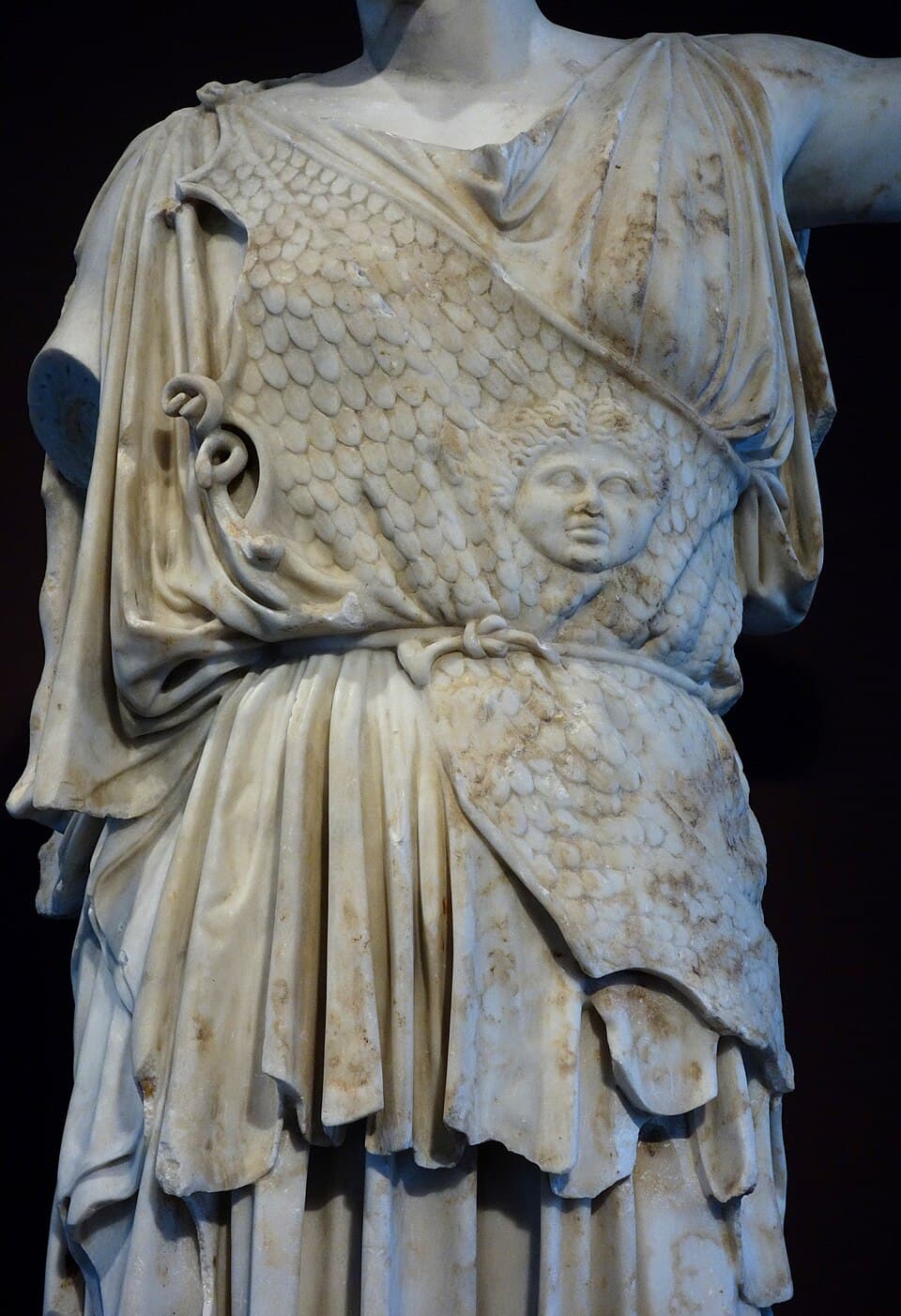
The aegis or egis, as stated in the Iliad, is a device carried by Athena and Zeus, variously interpreted as an animal skin or a shield and sometimes featuring the head of a Gorgon. There may be a connection with a deity named Aex, a daughter of Helios and a nurse of Zeus or alternatively a mistress of Zeus.
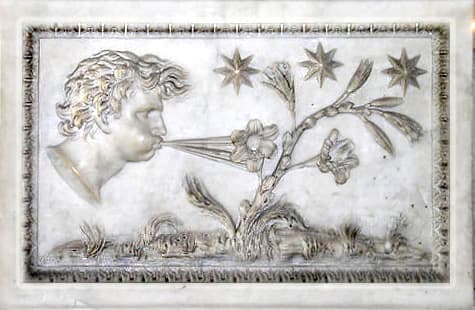
In Greek mythology, Aeolus, the son of Hippotes, was the ruler of the winds encountered by Odysseus in Homer's Odyssey. Aeolus was the king of the island of Aeolia, where he lived with his wife and six sons and six daughters. To ensure safe passage home for Odysseus and his men, Aeolus gave Odysseus a bag containing all the winds, except the gentle west wind.
In Greek mythology, Aergia is the personification of sloth, idleness, indolence and laziness. She is the translation of the Latin Socordia, or Ignavia: the name was translated into Greek because Hyginus mentioned her being based on a Greek source, and thus she can be considered as both a Greek and Roman goddess. Aergia's opposite character is Horme, a goddess of effort.
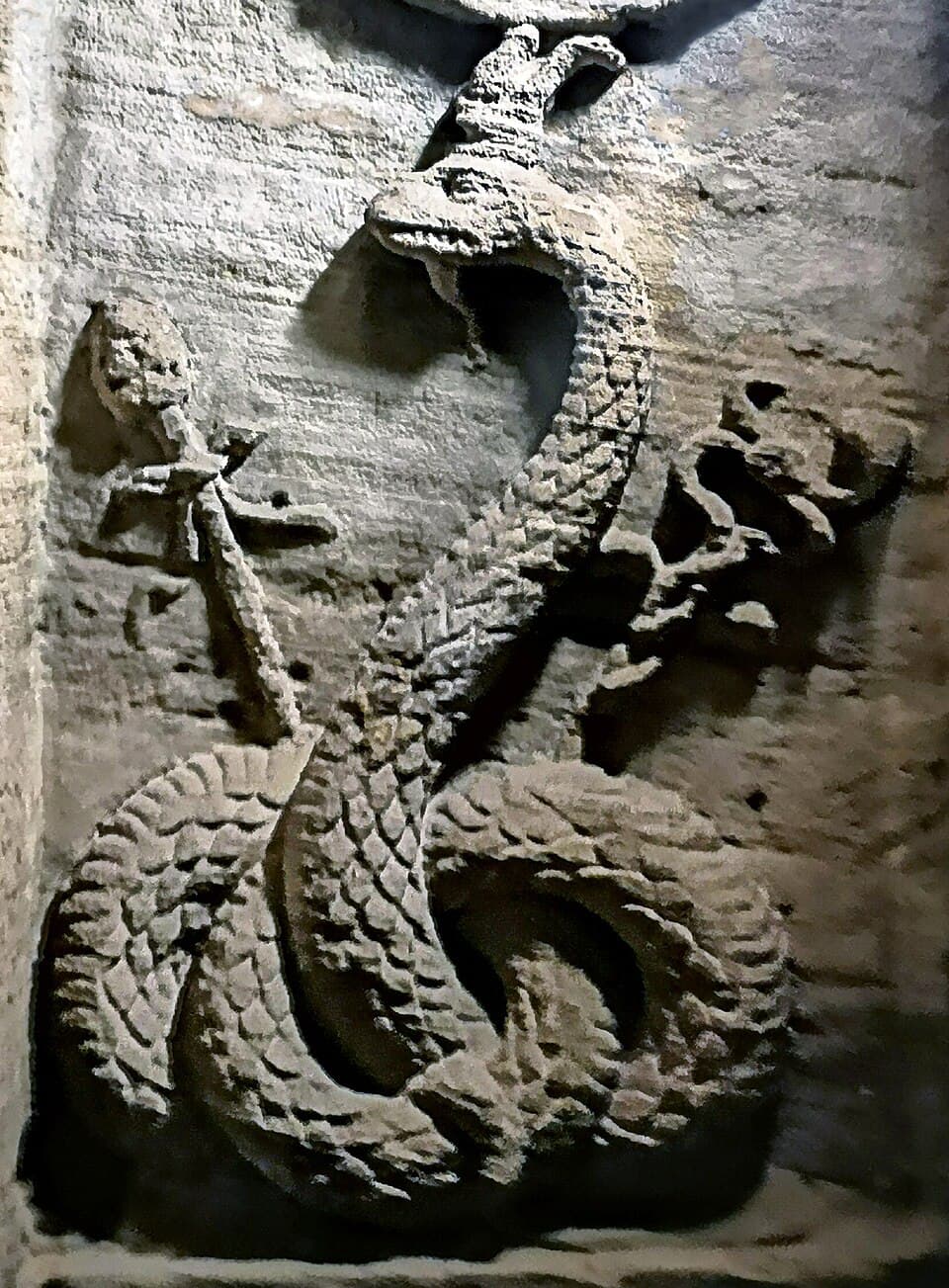
Agathos Daimon originally was a lesser deity (daemon) of classical ancient Greek religion and Graeco-Egyptian religion. In his original Greek form, he served as a household god, to whom, along with Zeus Soter, libations were made after a meal. In later Ptolemaic antiquity he took on two partially distinct roles; one as the Agathos Daimon a prominent serpentine civic god, who served as the special protector of Alexandria.

Agathos Daimon originally was a lesser deity (daemon) of classical ancient Greek religion and Graeco-Egyptian religion. In his original Greek form, he served as a household god, to whom, along with Zeus Soter, libations were made after a meal. In later Ptolemaic antiquity he took on two partially distinct roles; one as the Agathos Daimon a prominent serpentine civic god, who served as the special protector of Alexandria.
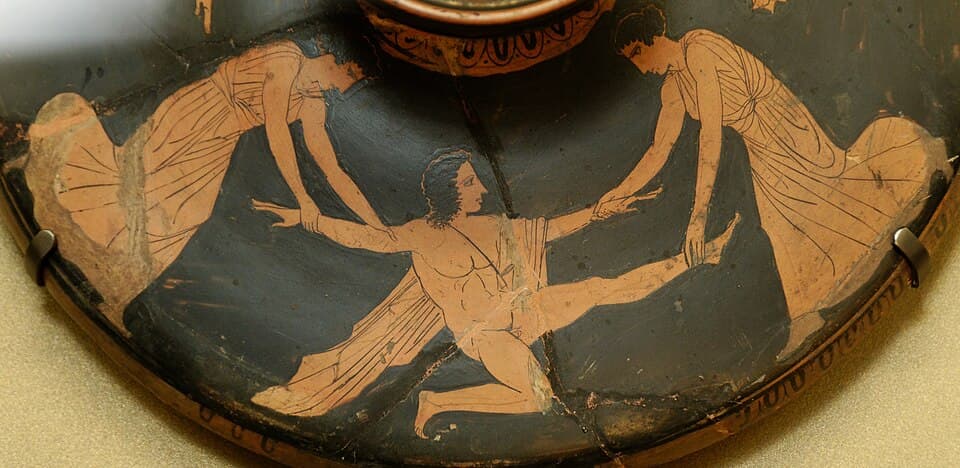
In Greek mythology, Agave, was the daughter of Cadmus and a princess of Thebes. She is most well known for her role in the myths surrounding her nephew, Dionysus, god of wine.
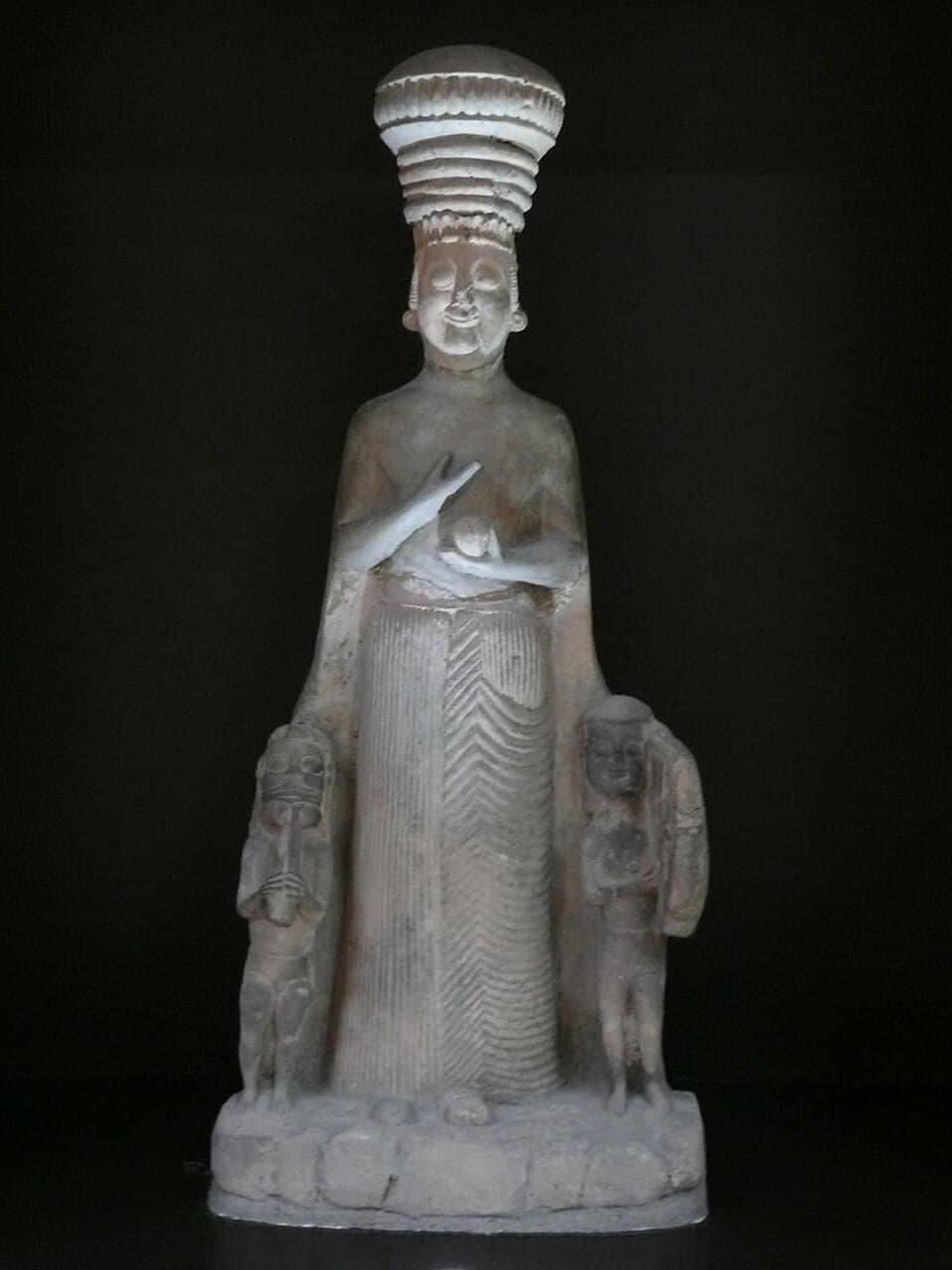
Agdistis is a deity of Greek, Roman, and Anatolian mythology who was a hermaphrodite, having been born with both male and female reproductive organs. The deity was closely associated with the Phrygian goddess Cybele.
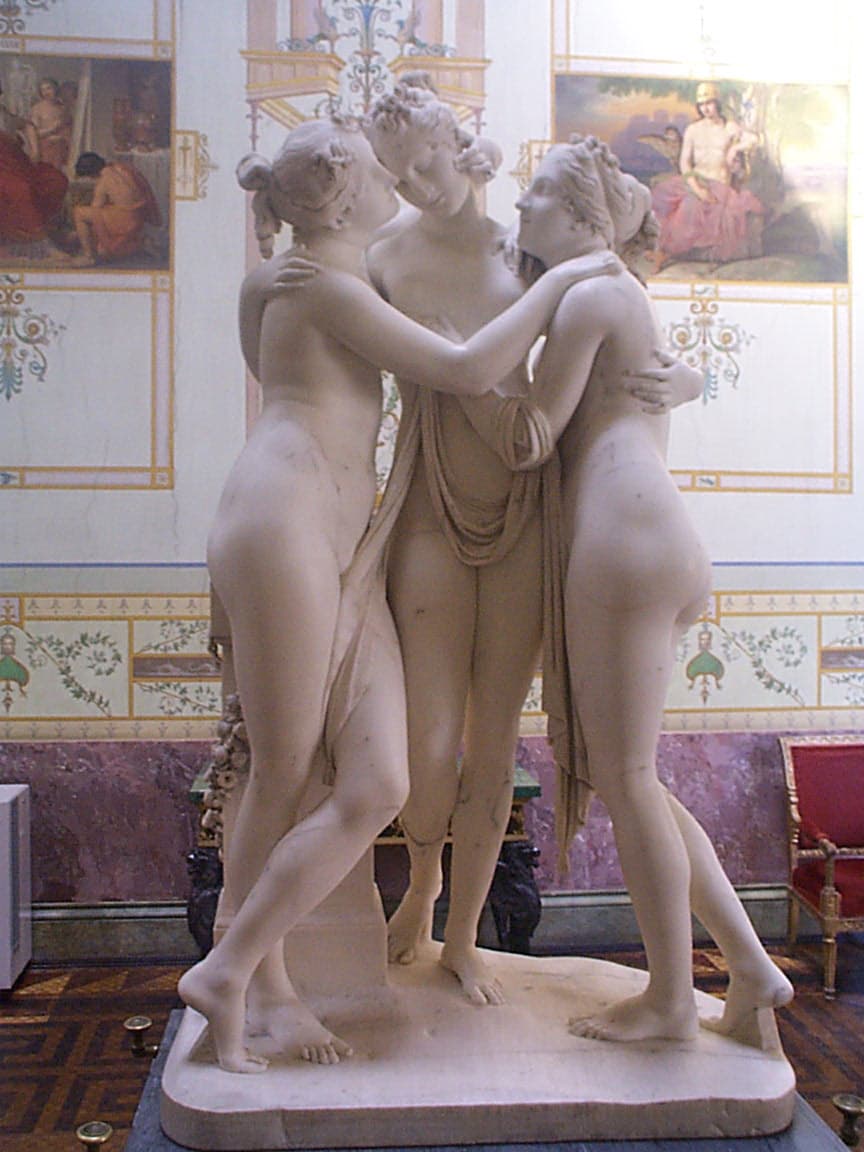
In Greek mythology, Aglaia, Aglaïa or Aglaea is a goddess, one of the Charites. She is the goddess of splendor, brilliance and brightness.
Agon is the Greek deity who personified conflict, struggle or contest. This could be a contest in athletics, in chariot or horse racing, or in music or literature at a public festival in ancient Greece. Agon is the word-forming element in 'agony', explaining the concept of agon(y) in tragedy by its fundamental characters, the protagonist and antagonist.
In Greek mythology Agreus or Argeus and his brother Nomios are two of the Pans, creatures multiplied from the god Pan.
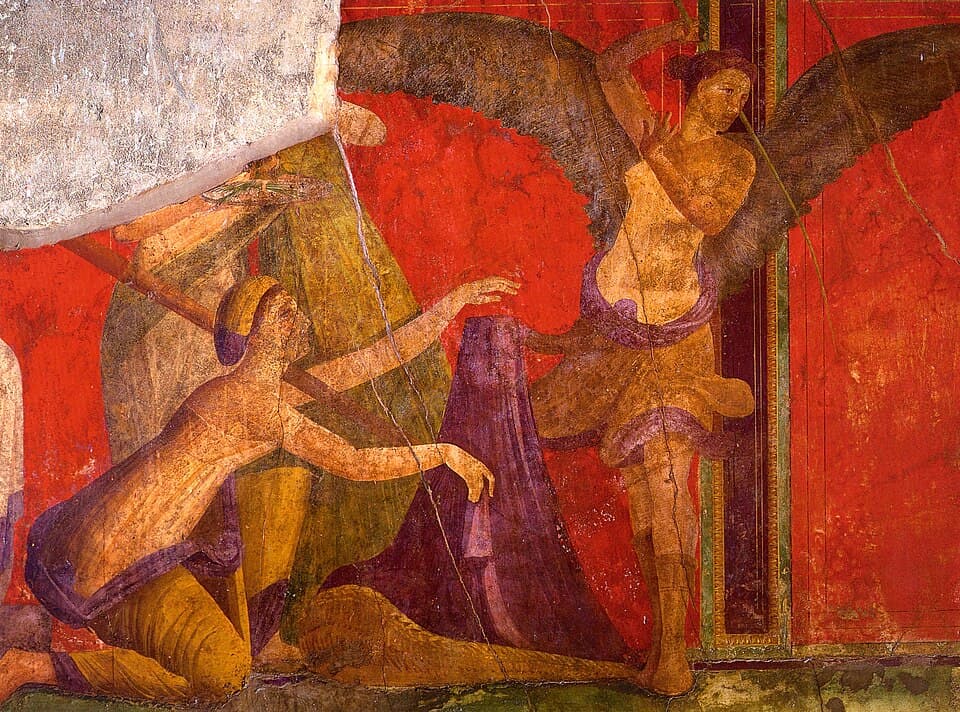
Aidos or Aedos was the Greek personification of either shame or modesty. Aidos, as a quality, was that feeling of reverence or shame which restrains men from wrong. It also encompassed the emotion that a rich person might feel in the presence of the impoverished, that their disparity of wealth, whether a matter of luck or merit, was ultimately undeserved.
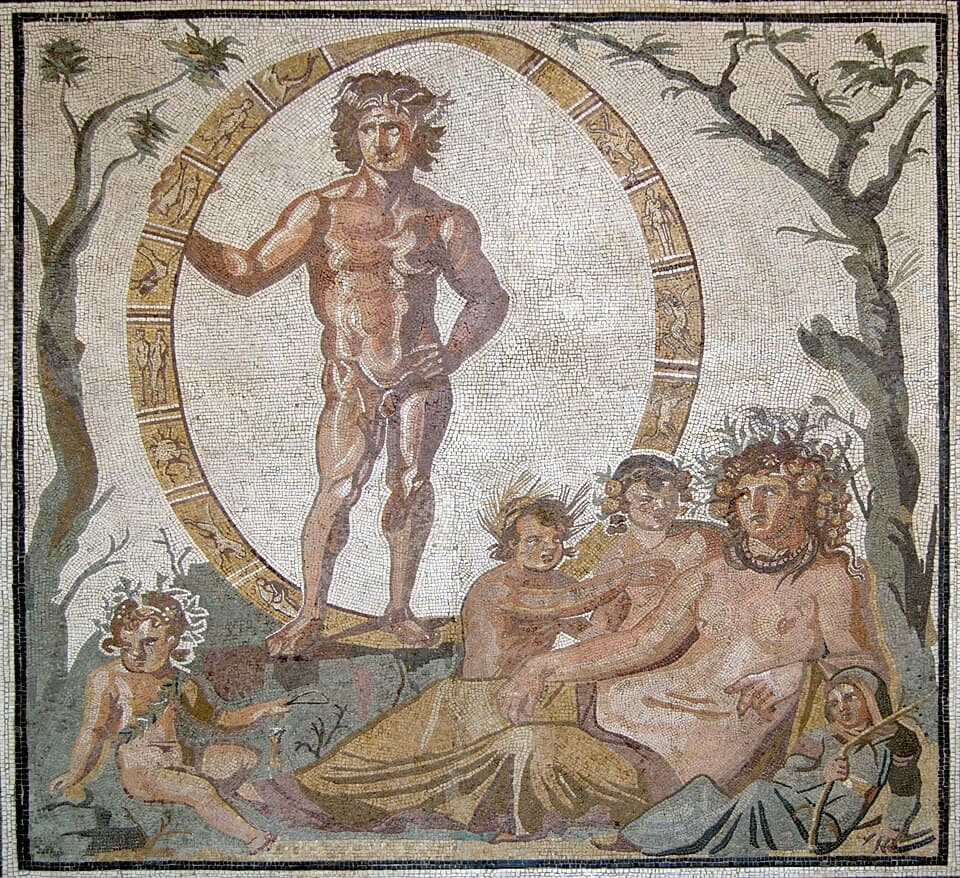
Aion is a Hellenistic deity associated with time, the orb or circle encompassing the universe, and the zodiac. The "time" which Aion represents is perpetual, unbounded, ritual, and cyclic: The future is a returning version of the past, later called aevum. Philosophically and mythologically, especially in the context of the mysteries, Aion is understood as the ontological personification of eternity : the time of indestructible permanence, which is in essence the duration of the fact of Existence, understood as eternal and immutable.

Alala was the personification of the war cry in Greek mythology. Her name derives from the onomatopoeic Greek word ἀλαλή (alalḗ), hence the verb ἀλαλάζω (alalázō), "to raise the war-cry". Greek soldiers attacked the enemy with this cry in order to cause panic in their lines and it was asserted that Athenians adopted it to emulate the cry of the owl, the bird of their patron goddess Athena.
Alastor refers to a number of people and concepts in Greek mythology:Alastor, an epithet of the Greek God Zeus, according to Hesychius of Alexandria and the Etymologicum Magnum, which described him as the avenger of evil deeds, specifically familial bloodshed. As the personification of a curse, it was also a sidekick of the Erinyes. The name is also used, especially by the tragic writers, to designate any deity or demon who avenges wrongs committed by men.
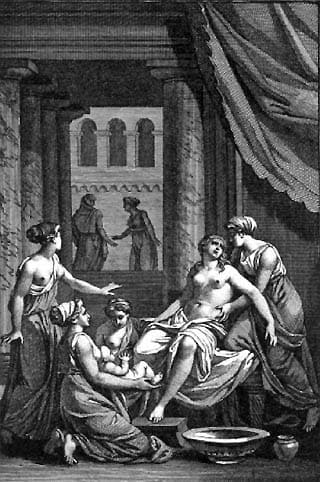
In Greek mythology, Alcmene or Alcmena was the wife of Amphitryon, by whom she bore two children, Iphicles and Laonome. She is best known as the mother of Heracles, whose father was the god Zeus. Alcmene was also referred to as Electryone, a patronymic name as a daughter of Electryon.
Aletheia or Alethia is truth or disclosure in philosophy. Originating in Ancient Greek philosophy, the term was explicitly used for the first time in the history of philosophy by Parmenides in his poem On Nature, in which he contrasts it with doxa (opinion).
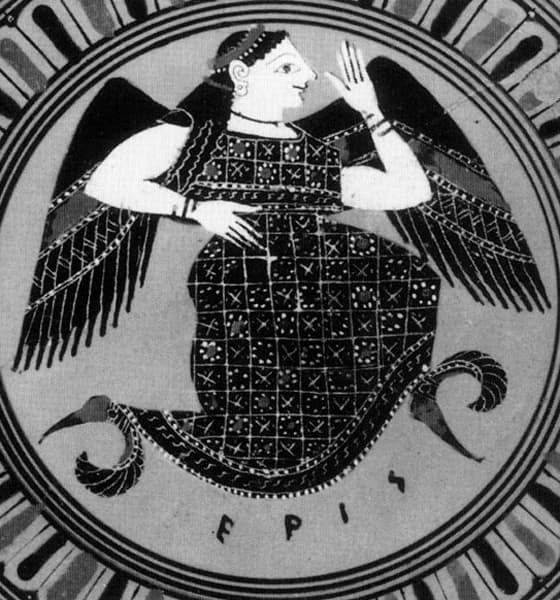
In Greek mythology, Eris is the goddess and personification of strife and discord, particularly in war, and in the Iliad. According to Hesiod she was the daughter of primordial Nyx (Night), and the mother of a long list of undesirable personified abstractions, such as Ponos (Toil), Limos (Famine), Algea (Pains) and Ate (Delusion). Eris initiated a quarrel between Hera, Athena and Aphrodite, which led to the Judgement of Paris and ultimately the Trojan War.
In Greek mythology, the name Alke or Alce may refer to:Alke, the spirit and personification of the abstract concept of courage and battle-strength. In the Iliad, she was depicted on Athena's aegis alongside Ioke, Eris and Phobos. Alke, daughter of Cybele and Olympus.
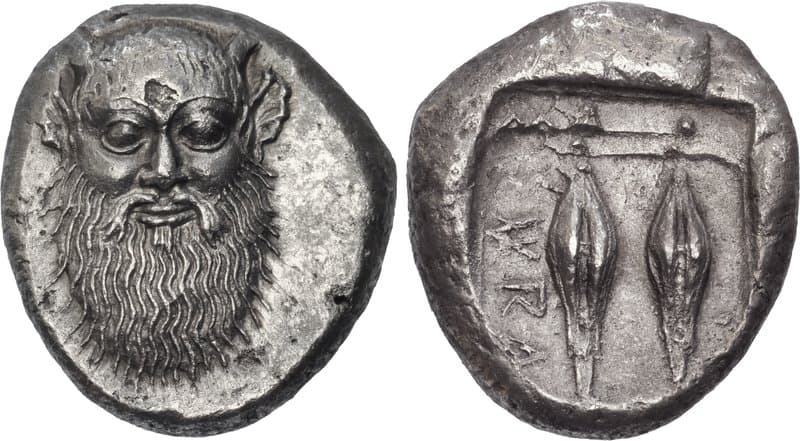
In Greek mythology, Alpheus or Alpheios was the river god who embodied the river of the same name.
In Greek mythology, Amechania or Amekhania was the spirit of impossibility. She was regarded as a close companion of Penia and Ptocheia. She was virtually identical to Aporia.
Amphictyonis in Greek mythology is a local form of Demeter. She was worshiped under this name at Anthela, because it was a meeting place for the amphictyons of Thermopylae, who offered sacrifices to her at the start of every meeting.
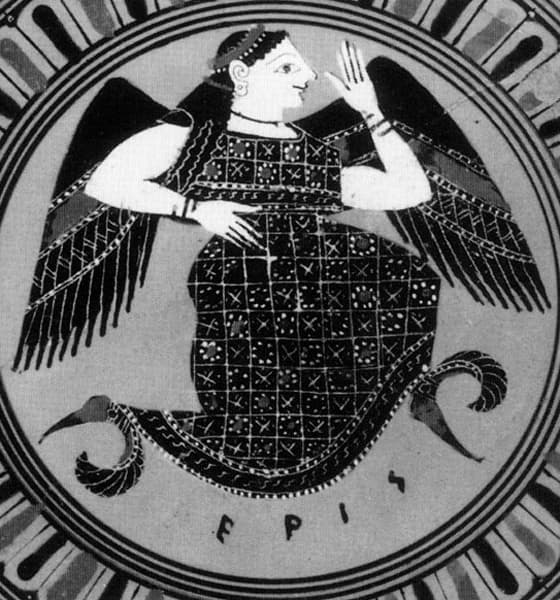
In Greek mythology, Eris is the goddess and personification of strife and discord, particularly in war, and in the Iliad. According to Hesiod she was the daughter of primordial Nyx (Night), and the mother of a long list of undesirable personified abstractions, such as Ponos (Toil), Limos (Famine), Algea (Pains) and Ate (Delusion). Eris initiated a quarrel between Hera, Athena and Aphrodite, which led to the Judgement of Paris and ultimately the Trojan War.
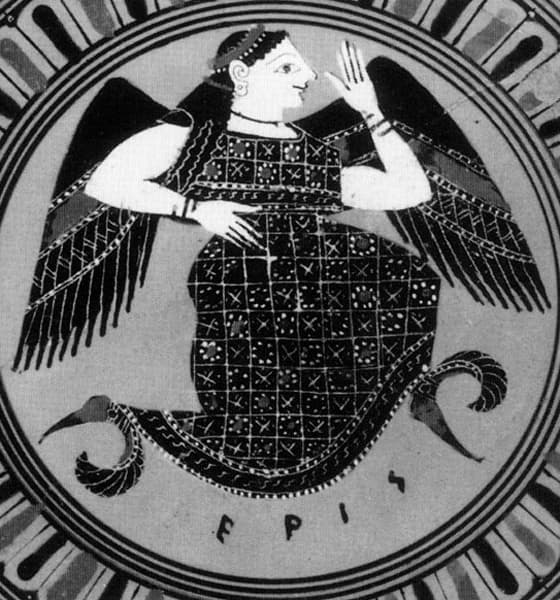
In Greek mythology, Eris is the goddess and personification of strife and discord, particularly in war, and in the Iliad. According to Hesiod she was the daughter of primordial Nyx (Night), and the mother of a long list of undesirable personified abstractions, such as Ponos (Toil), Limos (Famine), Algea (Pains) and Ate (Delusion). Eris initiated a quarrel between Hera, Athena and Aphrodite, which led to the Judgement of Paris and ultimately the Trojan War.
In Greek mythology, Anaideia was the personification of shamelessness. She was the companion of Hybris. Her opposite partner was Eleos, the goddess of mercy.
In ancient Greek religion and mythology, Ananke, from the common noun ἀνάγκη, is a personification of inevitability, compulsion, and necessity, and is customarily depicted as holding a spindle. The births of Ananke and her brother and consort, Chronos, were thought to mark the division between the eon of Chaos and the beginning of the cosmos. Ananke is considered the most powerful dictator of fate and circumstance.
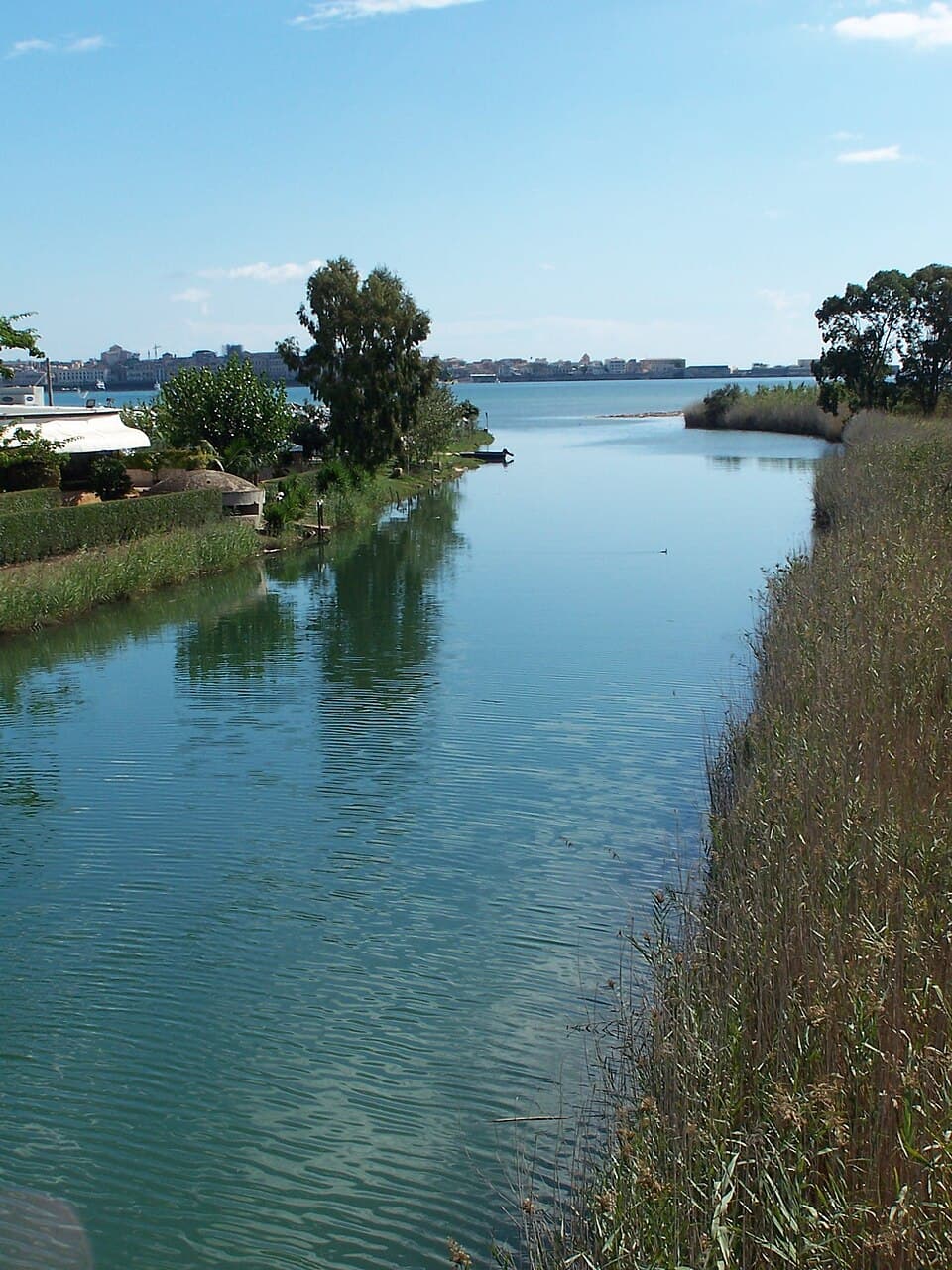
In Greek mythology, Anapus was god of the river Anapus in eastern Sicily. He was worshiped by the Syracusans, who depicted him as a young man. Anapus was husband to the naiad Cyane, who attempted to dissuade Hades from abducting Persephone, describing how she consented to Anapus' wooing out of love, rather than force.
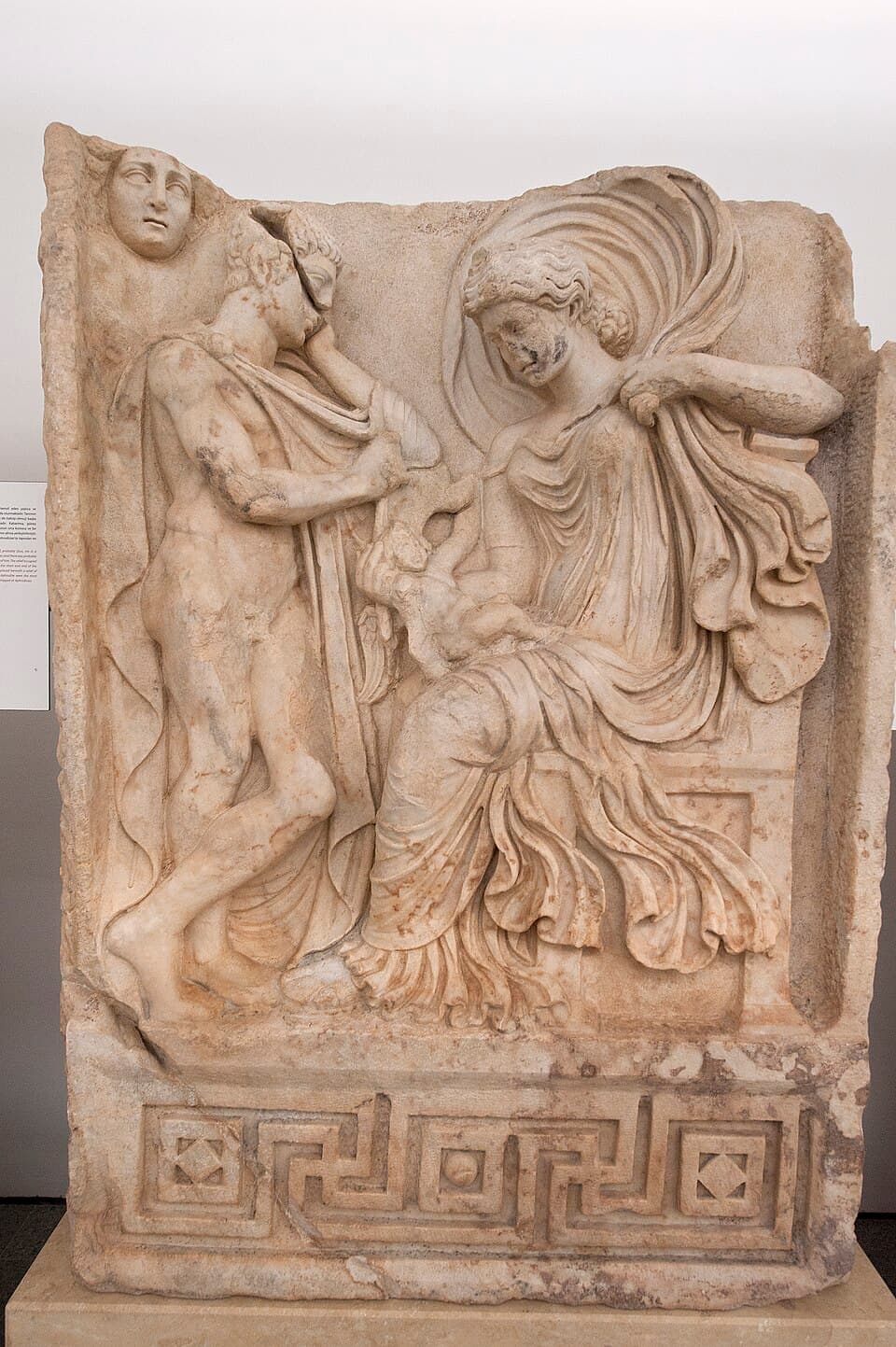
In Greek and Roman mythology, Anchises was a member of the royal family of Troy. He was said to have been the son of King Capys of Dardania and Themiste, daughter of Ilus, who was son of Tros. He is most famous as the father of Aeneas and for his treatment in Virgil's Aeneid.
In Greek mythology, the Androktasiai are collectively the personification of the slaughter of men in battle.
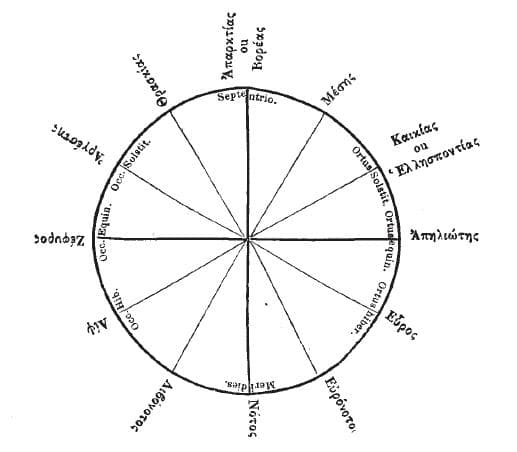
In ancient Greek religion and myth, the Anemoi were wind gods who were each ascribed a cardinal direction from which their respective winds came, and were each associated with various nature, seasons and weather conditions. They were the progeny of the goddess of the dawn Eos and her husband, the god of the dusk, Astraeus.
In a poem by the Greek poet Pindar, Angelia (Ancient Greek: Ἀγγελία is mentioned as a daughter of the Greek messenger-god Hermes, where she is understood as "message" personified.
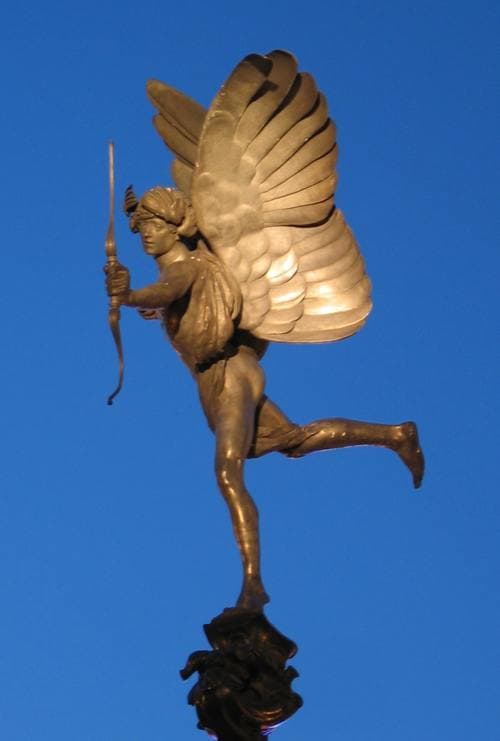
In Greek mythology, Anteros is the god of requited love and also the punisher of those who scorn love and the advances of others, or the avenger of unrequited love.
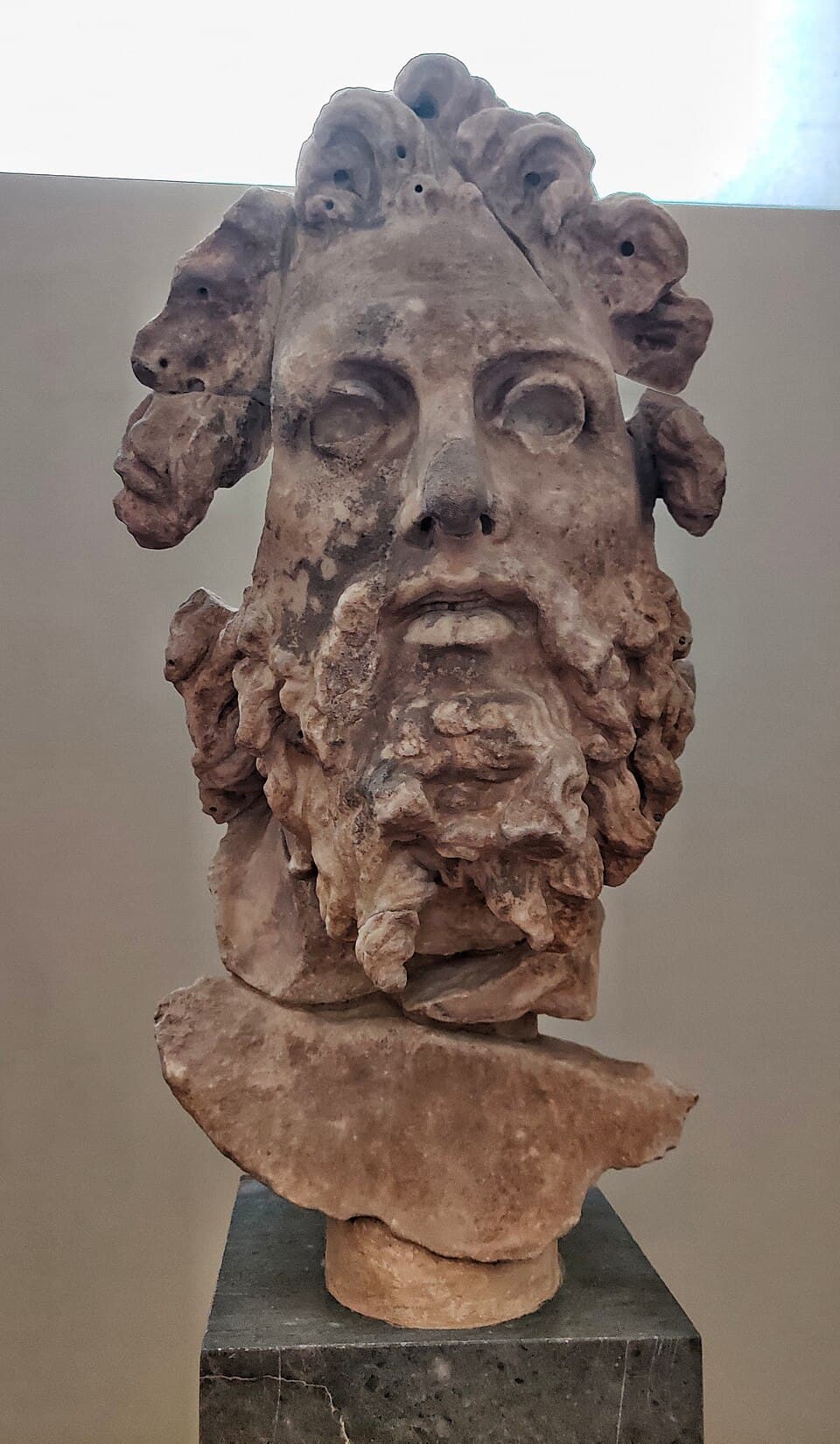
Anytos or Anytus was one of the Titans of Greek mythology. He was supposed to have raised Despoina, and in Arcadia during Pausanias' time the two were represented by statues in a temple near Acacesium.
According to the 2nd-century AD travel writer Pausanias, Aoede was thought to be one of the three Muses at Mount Helicon, alongside Mneme and Melete. He writes that the Macedonian Pierus replaced them with the nine Muses. According to Robin Hard, the names Pausanias gives for these three Muses indicate that it is improbable he "is referring to a genuinely ancient tradition".
In Greek mythology, Apate is the goddess and personification of deceit. Her mother is Nyx, the personification of the night. In Roman mythology her equivalent is Fraus (Fraud), while her male counterpart is Dolus (Deception), both considered children of Nyx and Erebus according to Cicero.
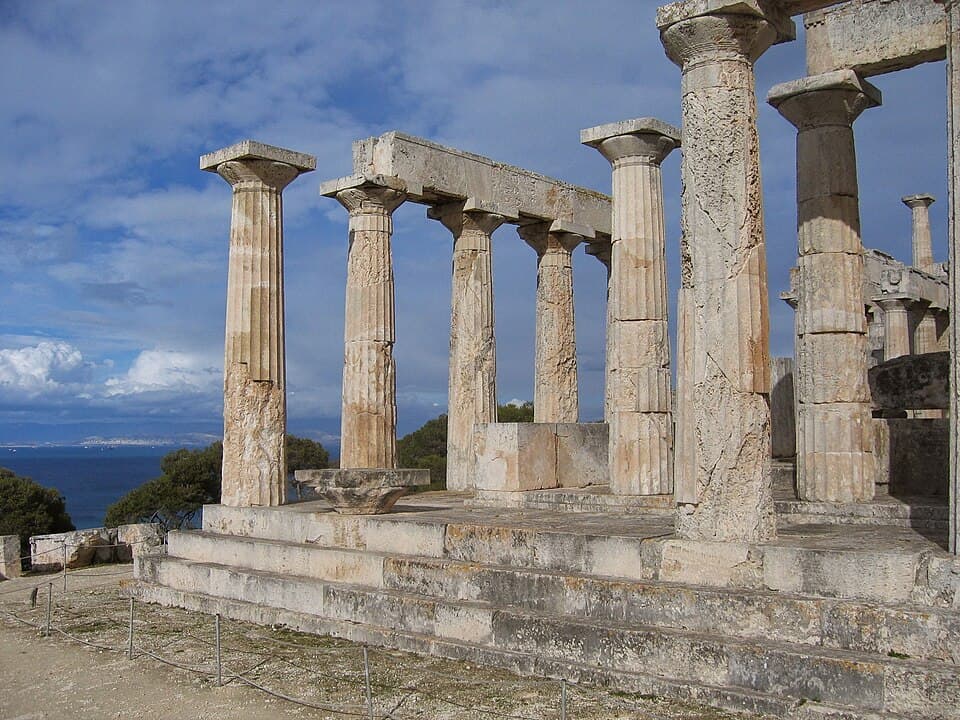
Aphaia was a Greek goddess who was worshipped almost exclusively at a single sanctuary on the island of Aegina in the Saronic Gulf.
In Greek mythology, Apheleia was the spirit and personification of ease, simplicity and primitivity in the good sense, "the good old days". According to Eustathius, she had an altar at the Acropolis of Athens and was honored as a nurse of Athena.
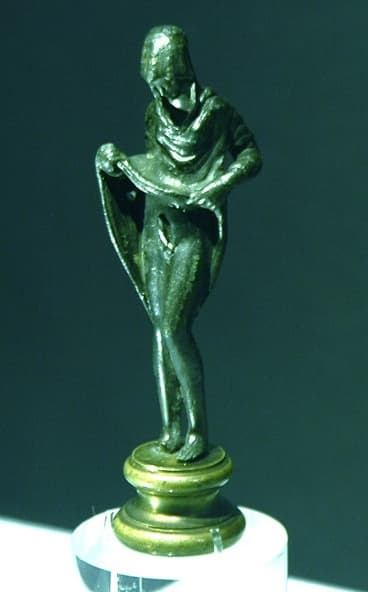
Aphroditus or Aphroditos was a version of the goddess Aphrodite originating from Amathus on the island of Cyprus and celebrated in Athens. He is the masculine version of Aphrodite.
Apollonis was one of the three younger Mousai Apollonides (Muses) in Greek mythology and daughters of Apollo, who were worshipped in Delphi where the Temple of Apollo and the Oracle were located. The three sisters, Cephisso, Apollonis, and Borysthenis, are also known as Nētē, Mesē, and Hypatē where their names are synonymous with those of the lowest, middle, and highest chords of a lyre, further characterizing the Muses as the daughters of Apollo.
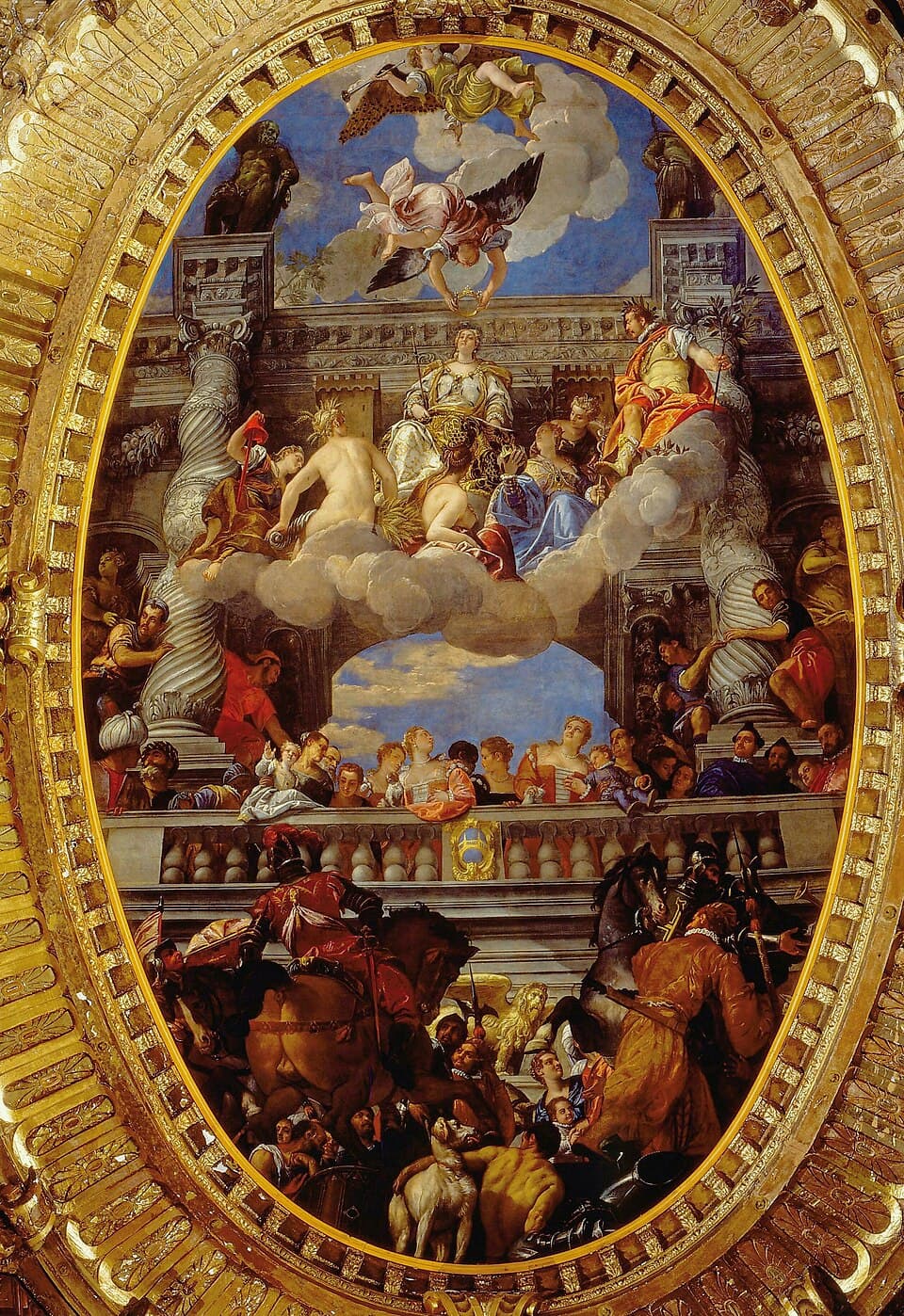
Apotheosis, also called divinization or deification, is the glorification of a subject to divine levels and, commonly, the treatment of a human being, any other living thing, or an abstract idea in the likeness of a deity.
Apotropaei were in ancient Greece certain divinities, by whose assistance the Greeks believed that they were able to avert any threatening danger or calamity—that is, figures of apotropaic magic. Their statues stood at Sicyon near the tomb of Epopeus. The gods Apollo, Zeus and Athena were worshiped with the cult epithet Apotropaios (Averter) in various Greek cities.
In Greek mythology, the Arae were female spirits of curses, particularly of the curses placed by the dead upon those guilty of their death; they were associated with the underworld. They can also curse men such that the cattle of the sun god Helios would have done if they were harmed by any man, as in Homer's Odyssey.
In Greek mythology, Arctus was the twelfth Hora (Hour) who presided over the night sky and constellations. She was originally not part of this lesser-known group of goddesses.
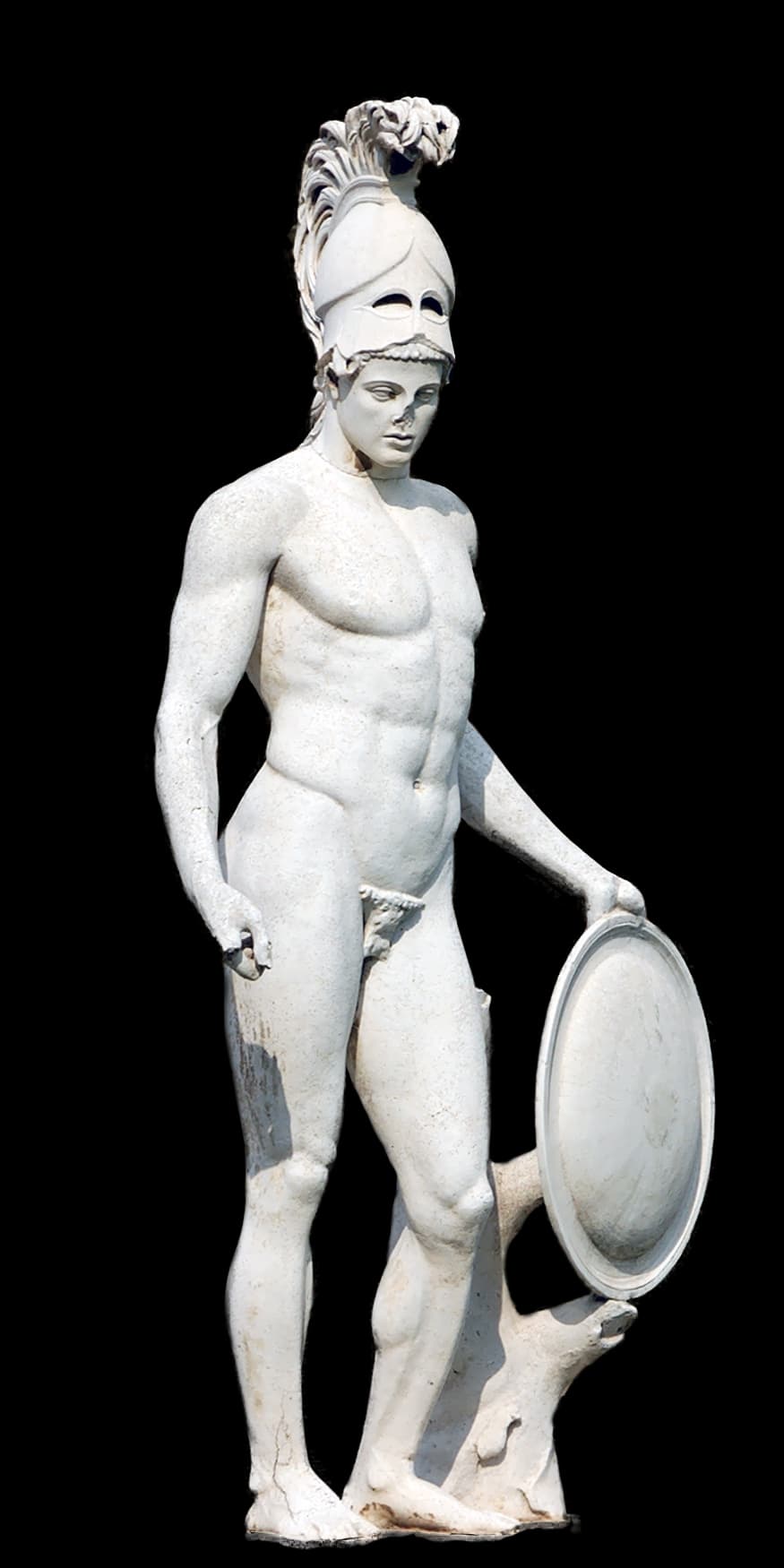
Ares is the Greek god of war and courage. He is one of the Twelve Olympians, and the son of Zeus and Hera. Many Greeks were ambivalent towards him.
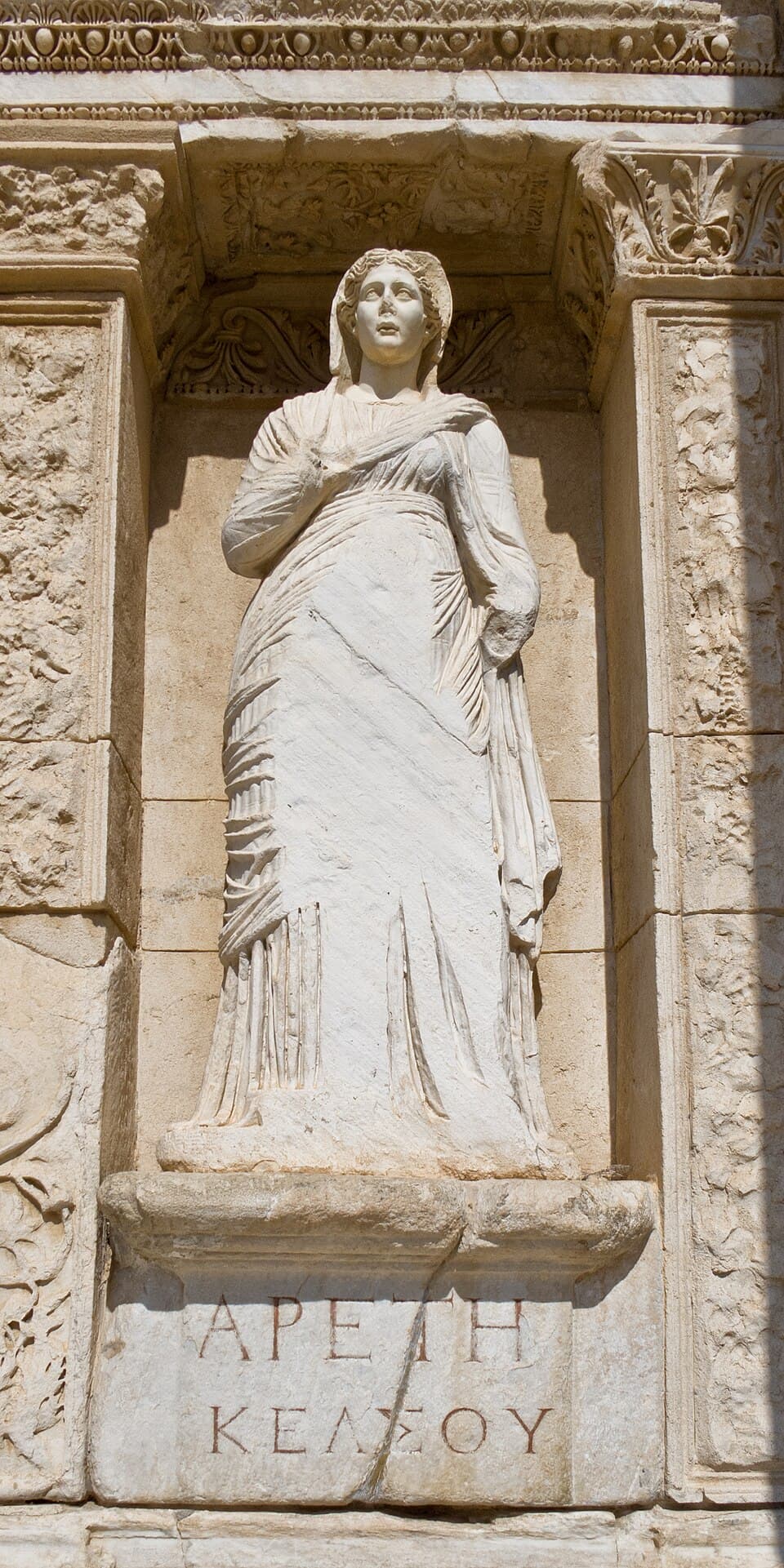
Arete is a concept in ancient Greek thought that refers to "excellence" of any kind—especially a person or thing's "full realization of potential or inherent function. " The term may also refer to excellence in "moral virtue.
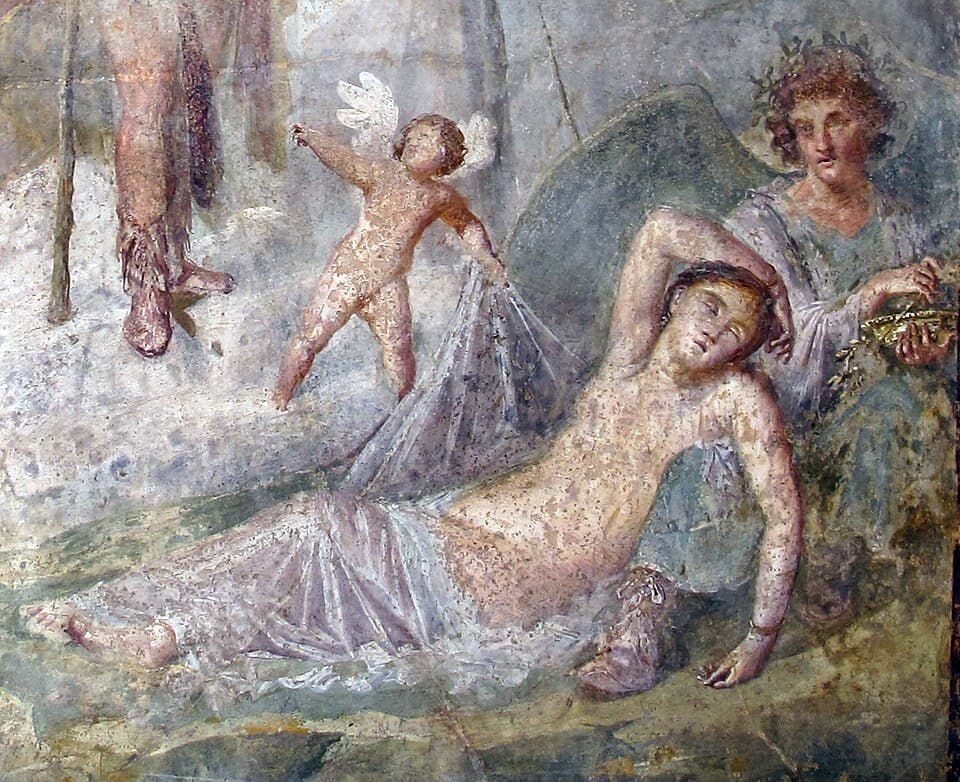
In Greek mythology, Ariadne was a Cretan princess as the daughter of King Minos. There are multiple variations of Ariadne's myth, but she is best known for helping Theseus escape from the Minotaur and being abandoned by him on the island of Naxos. There, Dionysus saw Ariadne sleeping, fell in love with her, and later married her.
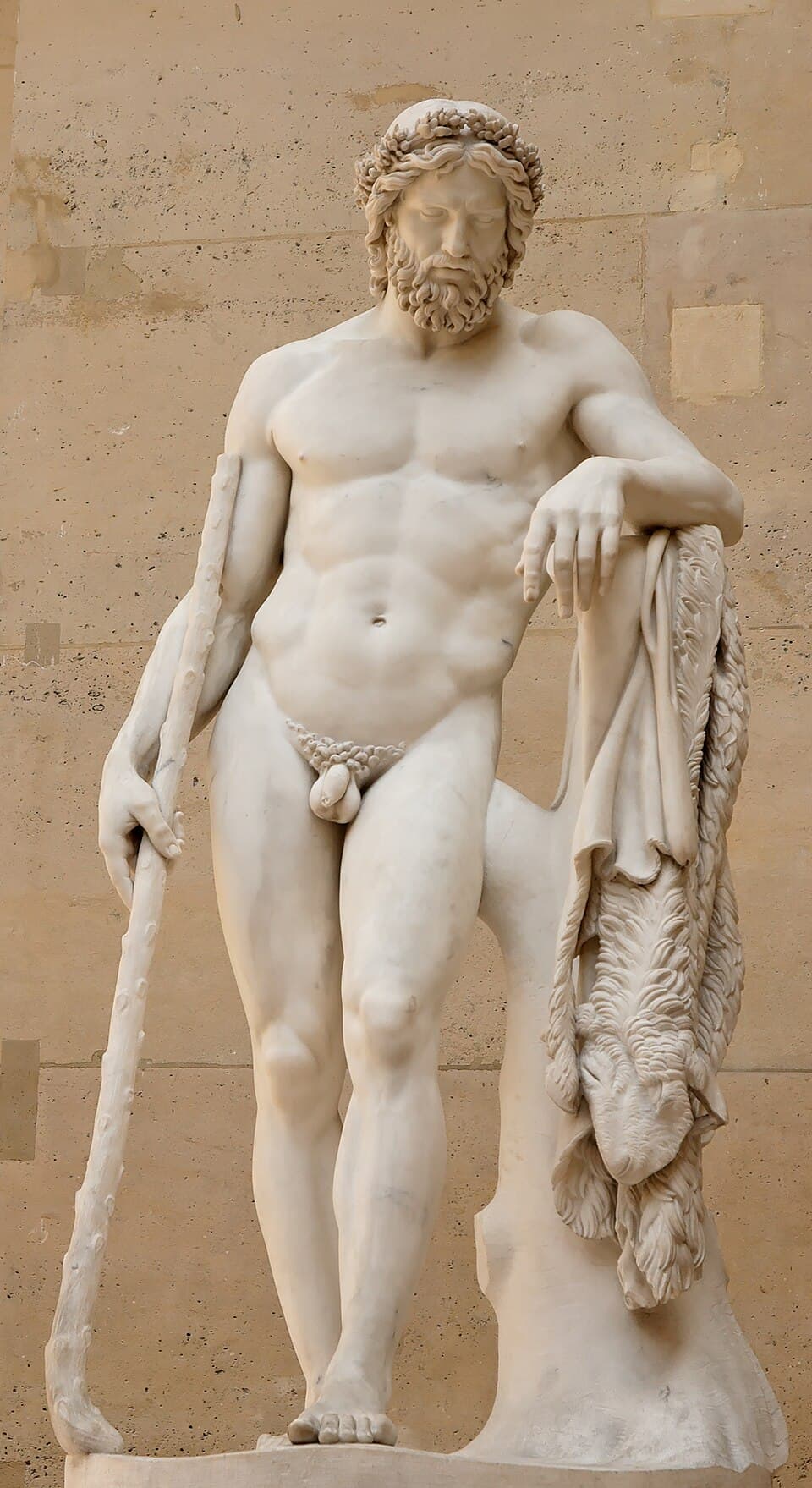
Aristaeus was the mythological culture hero credited with the discovery of many rural useful arts and handicrafts, including beekeeping. He was the son of the huntress Cyrene and Apollo.
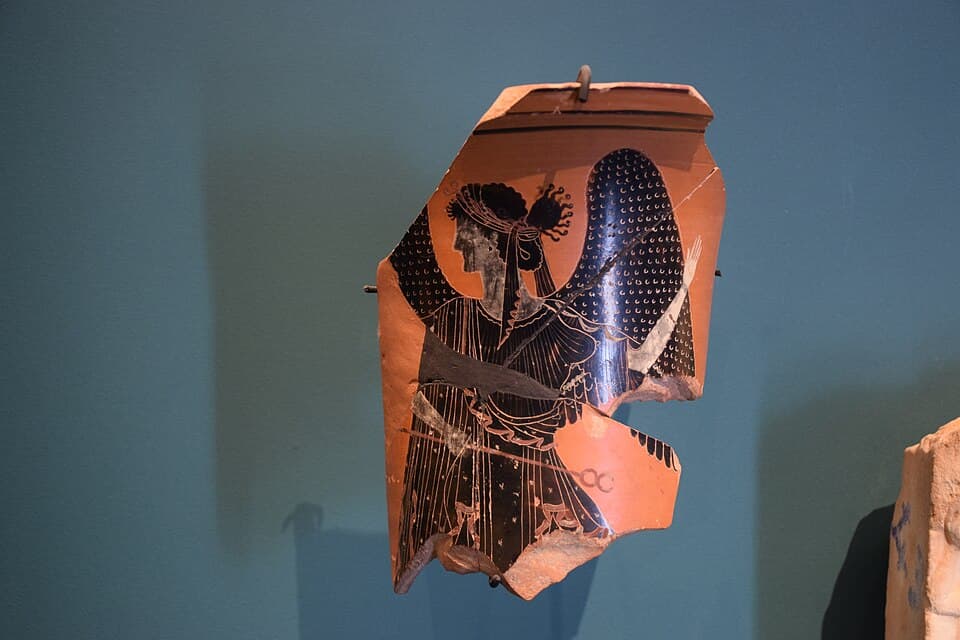
In Greek mythology, Arke or Arce is one of the daughters of Thaumas, and sister to the rainbow goddess Iris. During the Titanomachy, Arke fled from the Olympians' camp and joined the Titans, unlike Iris who remained loyal to Zeus and his allies. After the war was over and the Titans with their allies were defeated, Zeus cut off her wings and cast Arke into Tartarus to be kept imprisoned for all eternity.
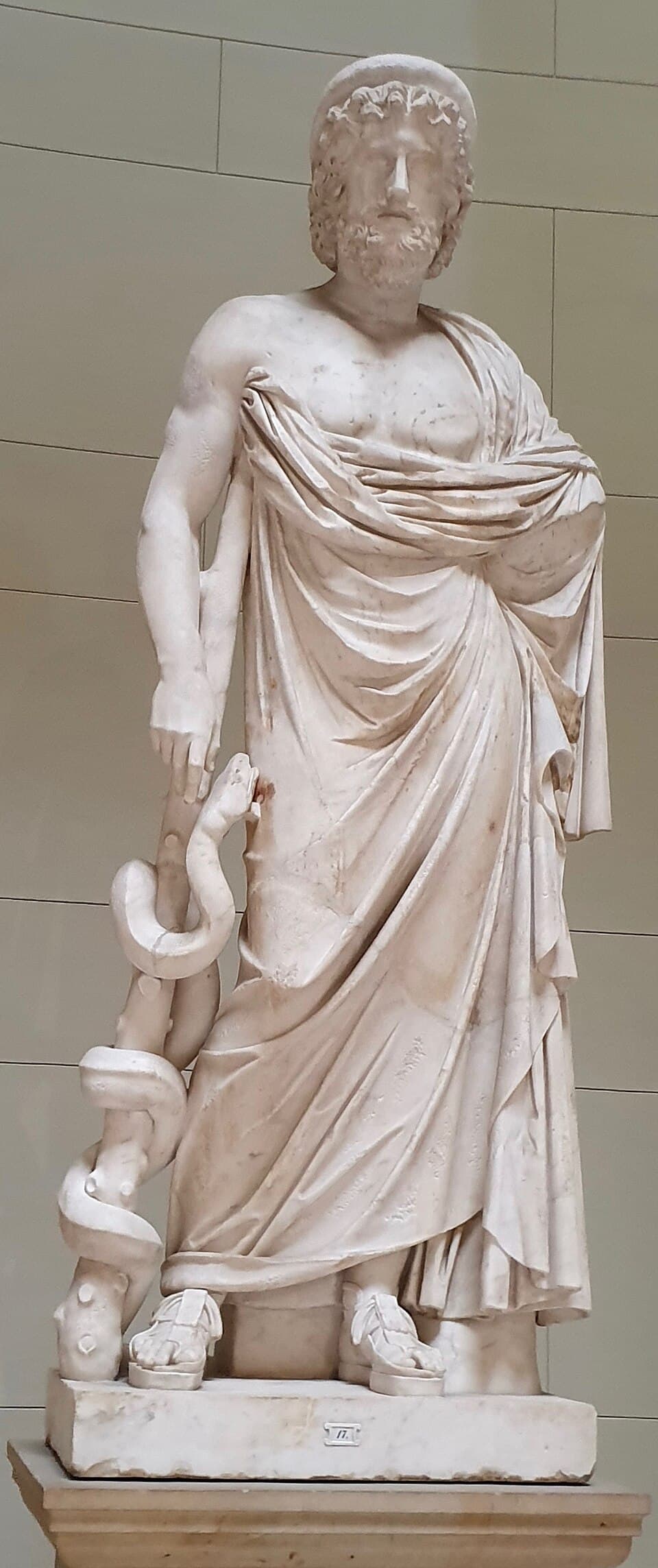
Asclepius is a hero and god of medicine in ancient Greek religion and mythology. He is the son of Apollo and Coronis, or Arsinoe, or of Apollo alone. Asclepius represents the healing aspect of the medical arts; his daughters, the Asclepiades, are: Hygieia, Iaso, Aceso, Aegle and Panacea.
Asopus or Asopos is the name of four different rivers in Greece and one in Turkey. In Greek mythology, it was also the name of the gods of those rivers. Zeus carried off Aegina, Asopus' daughter, and Sisyphus, who had witnessed the act, told Asopus that he could reveal the identity of the person who had abducted Aegina, but in return Asopus would have to provide a perennial fountain of water at Corinth, Sisyphus' city.
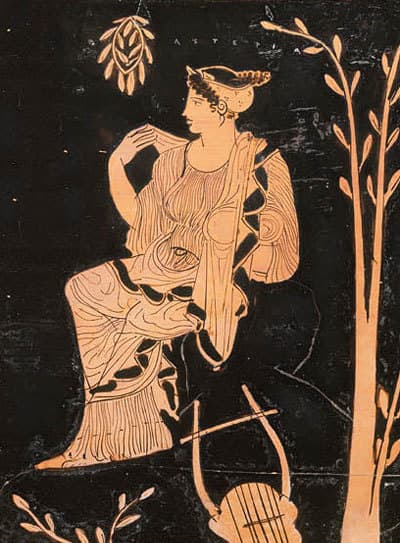
In Greek mythology, Asteria or Asterie is a daughter of the Titans Phoebe and Coeus (Polus) and the sister of Leto. According to Hesiod, by the Titan Perses she had a single child, a daughter named Hecate, the goddess of witchcraft. Other authors made Asteria the mother of the fourth Heracles and Hecate by Zeus.
In Greek mythology, Asterion was a river-god of Argos.
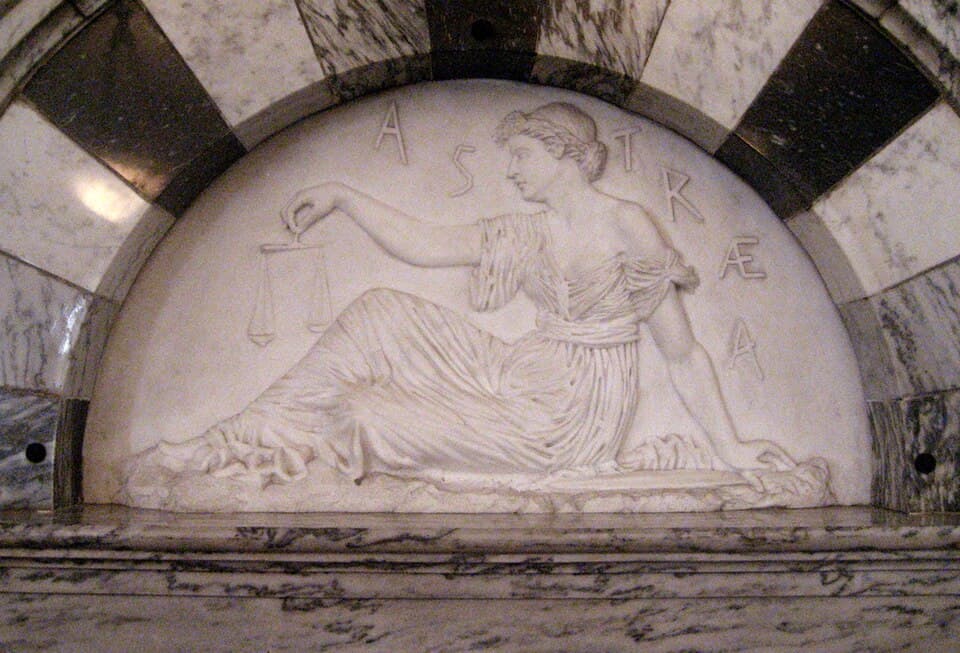
In ancient Greek religion and mythology, Astraea, also spelled Astrea or Astria, is a daughter of Astraeus and Eos. She is the virgin goddess of justice, and is closely associated with another Greek justice goddess, Dike, the daughter of Zeus and Themis. Astraea is not to be confused with Asteria, the goddess of the stars and the daughter of Coeus and Phoebe.
In Greek mythology, Astraeus or Astraios is the son of Crius and Eurybia and the consort of Eos. He is said to be the father of the winds.
In Greek mythology, Astrape and Bronte are personifications of lightning and thunder, respectively.
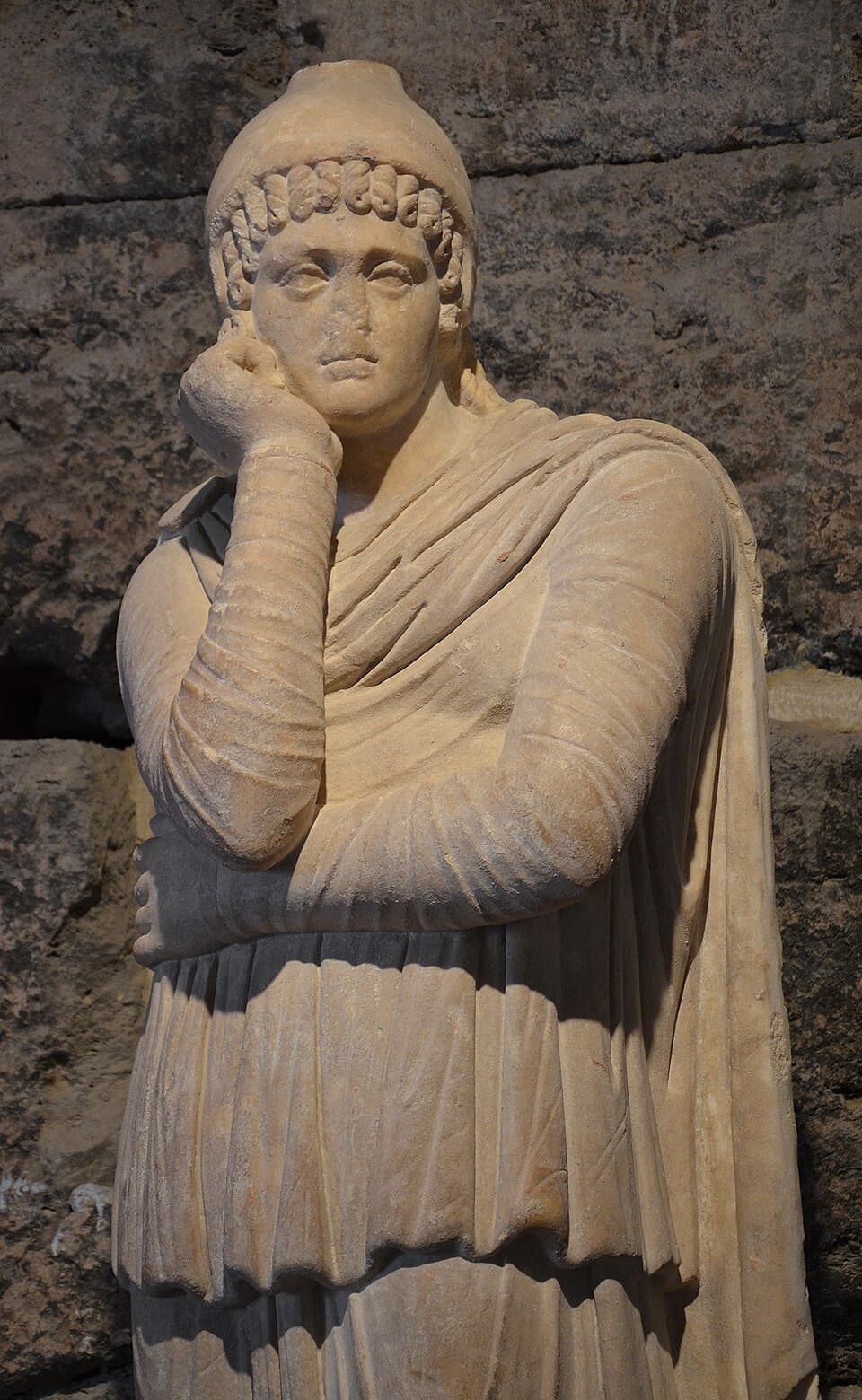
Attis was the consort of Cybele, in Phrygian and Greek mythology.
In Greek mythology, Auge, “Daybreak”, was the first Hora (Hour) who presided over the hour of the first light of day. She was not initially counted as part of this lesser known set of goddesses.
In Greek mythology, Autonoë was a Theban princess as the eldest daughter of Cadmus, founder of Thebes in Boeotia, and the goddess Harmonia. She was the wife of Aristaeus and mother of Actaeon and possibly Macris.
Azesia or Azosia was a cultic epithet of one or more Greek goddesses, or in some cases was possibly a distinct goddess. Different sources disagree on who it was an epithet of exactly: Hesychius of Alexandria wrote that this was an epithet of Demeter, while the Byzantine encyclopedia known as the Suda describes it as an epithet of Persephone. The playwright Sophocles apparently referred to Demeter as "Azesia" in one of his lost plays.
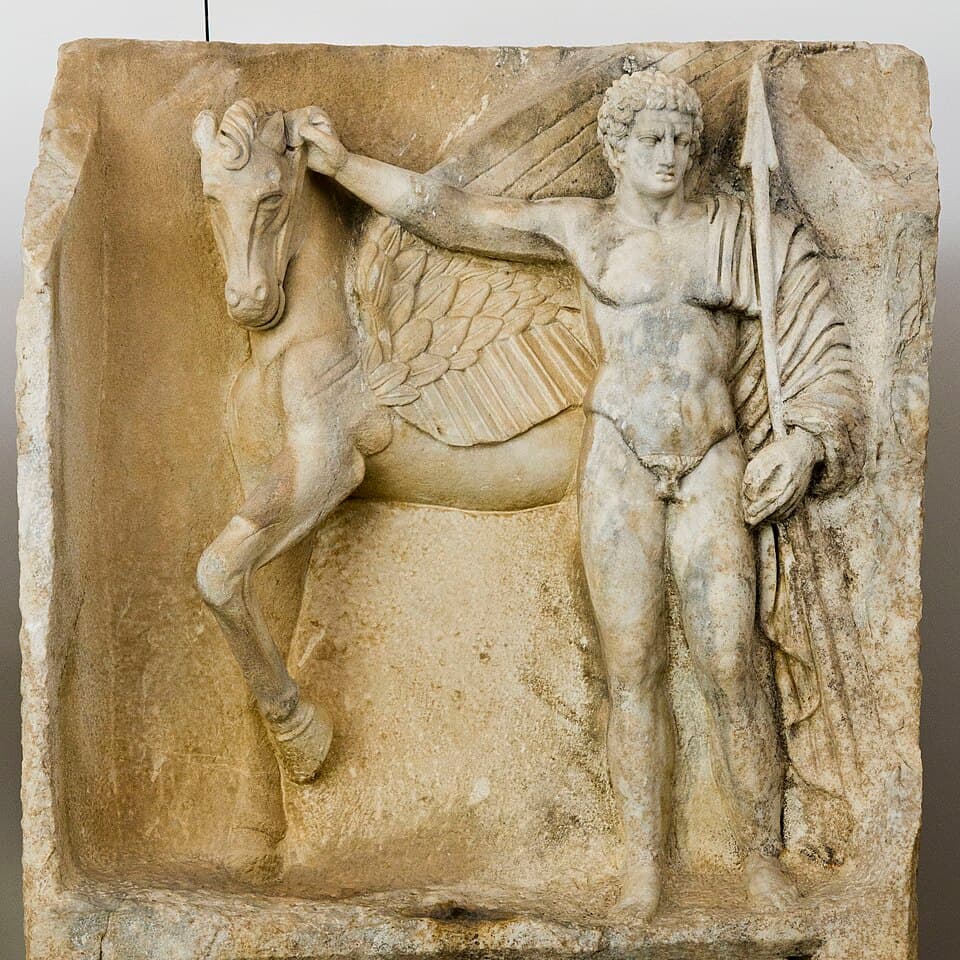
Bellerophon or Bellerophontes or Hipponous, was a divine Corinthian hero of Greek mythology, the son of Poseidon and Eurynome, and the foster son of Glaukos. He was "the greatest hero and slayer of monsters, alongside Cadmus and Perseus, before the days of Heracles". Among his greatest feats was killing the Chimera of the Iliad, a monster that Homer depicted with a lion's head, a goat's body, and a serpent's tail: "her breath came out in terrible blasts of burning flame.

Bellona is an ancient Roman goddess of war. She is generally characterized as embodying the destructive and brutal side of warfare. Her main attribute is the military helmet worn on her head; she often holds a sword, spear, or shield, and brandishes a torch or whip as she rides into battle in a four-horse chariot.
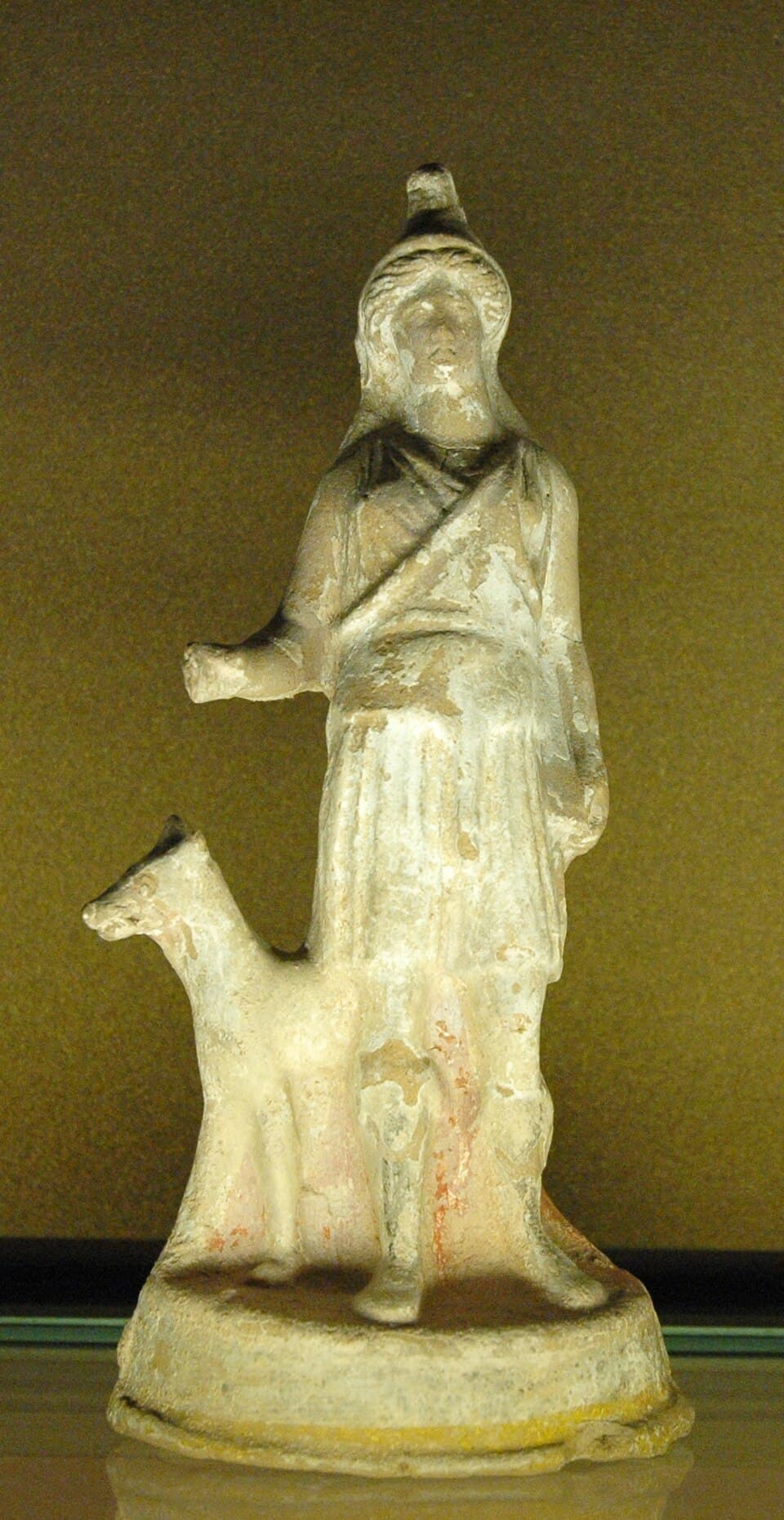
Bendis was a Thracian goddess associated with hunting and the moon. Worship of the goddess seems to have been introduced into Attica around 430 BC. In Athens, Bendis was identified with the goddess Artemis, but she had a separate temple at Piraeus, near the temple of Artemis, and was a distinct goddess.
In Greek mythology, Benthesikyme or Benthesicyme was, according to the mythographer Apollodorus, a daughter of Poseidon and Amphitrite, and the foster mother of Eumolpus. After Chione slept with Poseidon, she gave birth to Eumolpus, but, to avoid the detection of her father, she threw the infant into the sea. Poseidon rescued the child, and gave it to Benthesikyme to raise.
Boreas is the Greek god of the cold north wind, storms, and winter. Although he was normally taken as the north wind, the Roman writers Aulus Gellius and Pliny the Elder both took Boreas as a northeast wind, equivalent to the Roman god Aquilo or Septentrio. Boreas is depicted as being very strong, with a violent temper to match.
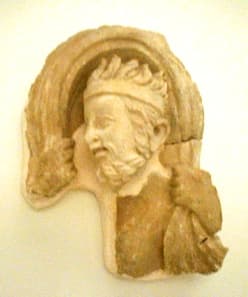
Boreas is the Greek god of the cold north wind, storms, and winter. Although he was normally taken as the north wind, the Roman writers Aulus Gellius and Pliny the Elder both took Boreas as a northeast wind, equivalent to the Roman god Aquilo or Septentrio. Boreas is depicted as being very strong, with a violent temper to match.
In Greek mythology, Borysthenis may refer to two distinct individuals:Borysthenes, one of the three Muses that were daughters of Apollo. Her sisters were Apollonis and Cephisso. the Scythian Earth-and-Water goddess Api, who was called Borysthenis because she was the daughter of the god of the Borysthenēs river.
In ancient Greek religion and myth, the epithet Brimo may be applied to any of several goddesses with an inexorable, dreaded and vengeful aspect that is linked to the land of the Dead: Hecate, Persephone, Demeter Erinyes—the angry, bereft Demeter—or Cybele. Brimo is the "furious" aspect of the Furies. In the solemn moment when Medea picks the dire underworld root for Jason, she calls seven times upon Brimo, "she who haunts the night, the Nursing Mother [Kourotrophos].
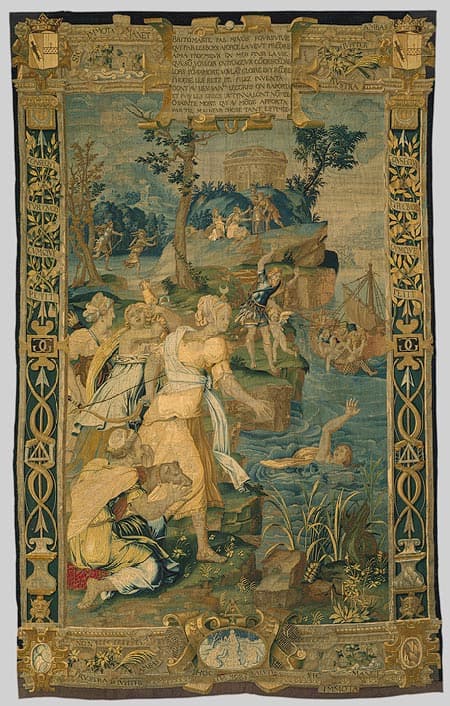
Britomartis was a Greek goddess of mountains, nets, and hunting who was primarily worshipped on the island of Crete. She was sometimes described as a nymph, but she was more commonly conflated or syncretized with the goddesses Artemis, Athena, and Aphaea. She was also known as Dictynna, Dicte, Dictymna, or as a daughter of Dictynna (Δίκτυννα).
Brizo is an ancient Greek goddess who was known as the protector of mariners, sailors, and fishermen. Brizo was also known as an oracular goddess specializing in oneiromancy.
In Greek mythology, Caanthus or Kaanthos was the son of Oceanus and Tethys, and the brother of Melia, who was the consort of Apollo, and an important cult figure at Thebes.
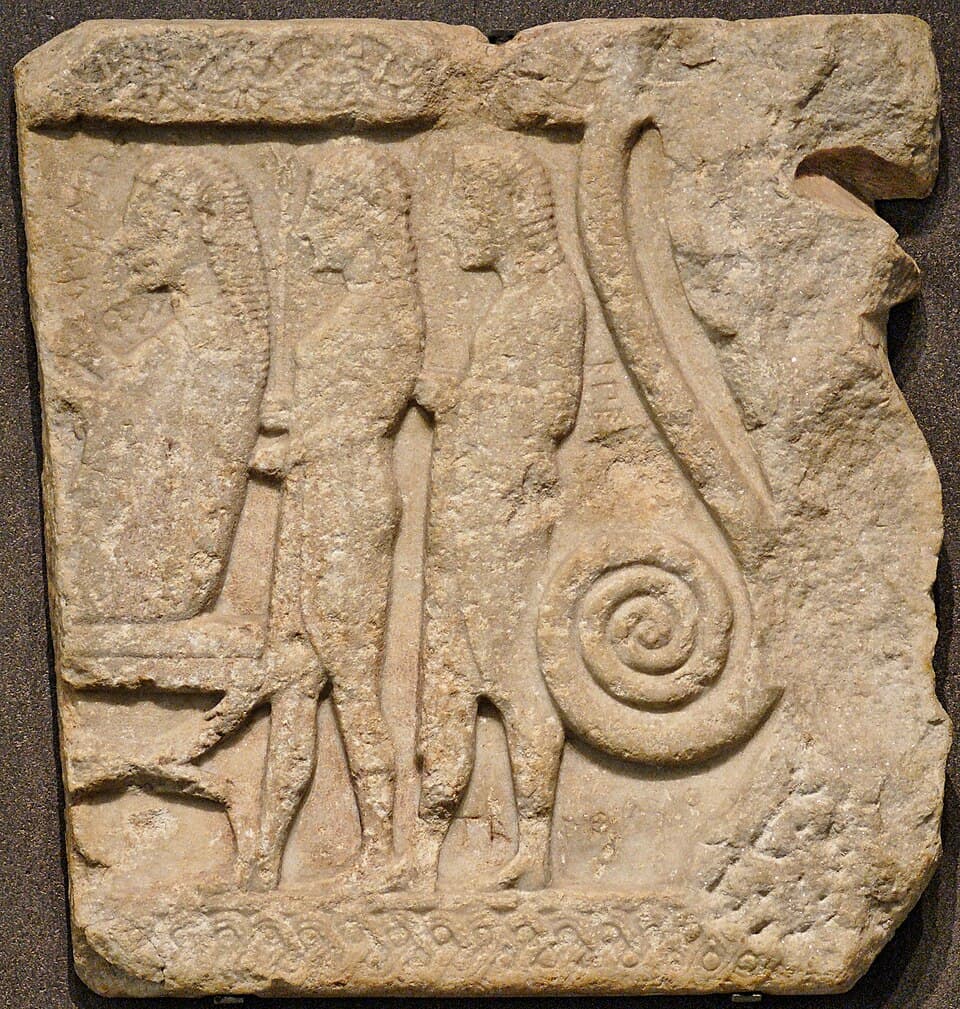
In Greek mythology, the Cabeiri or Cabiri, also transliterated Kabeiri or Kabiri, were a group of enigmatic chthonic deities. They were worshipped in a mystery cult closely associated with that of Hephaestus, centered in the north Aegean Islands of Lemnos and possibly Samothrace—at the Samothrace temple complex—and at Thebes. In their distant origins the Cabeiri and the Samothracian gods may include pre-Greek elements, or other non-Greek elements, such as Thracian, Tyrrhenian, Pelasgian, Phrygian or Hittite.
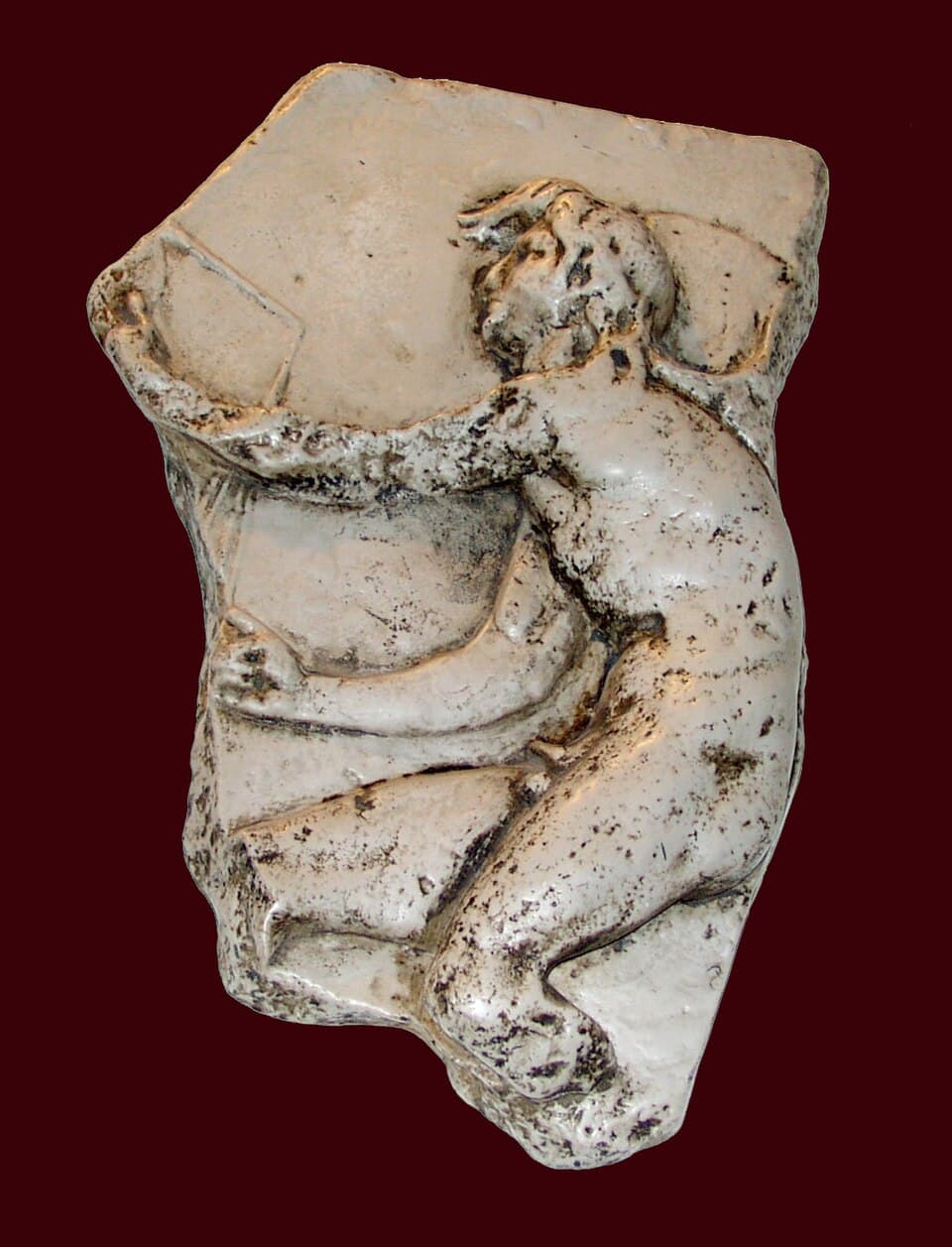
In Greek mythology, Caerus was the personification of opportunity, luck and favorable moments. He was shown with only one lock of hair. His Roman equivalent was Occasio or Tempus.
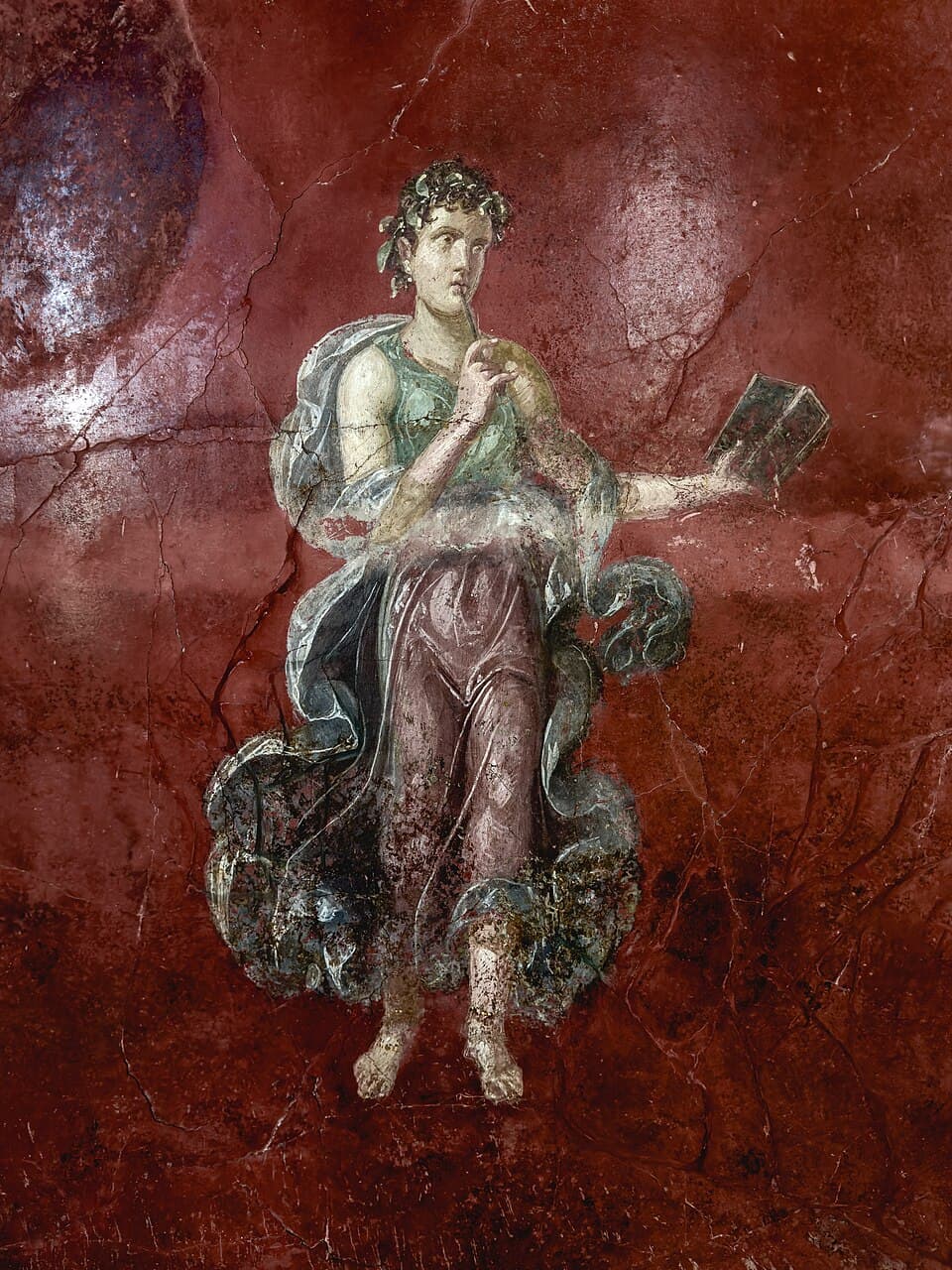
In Greek mythology, Calliope is the Muse who presides over eloquence and epic poetry, so called from the ecstatic harmony of her voice. Hesiod and Ovid called her the "Chief of all Muses".
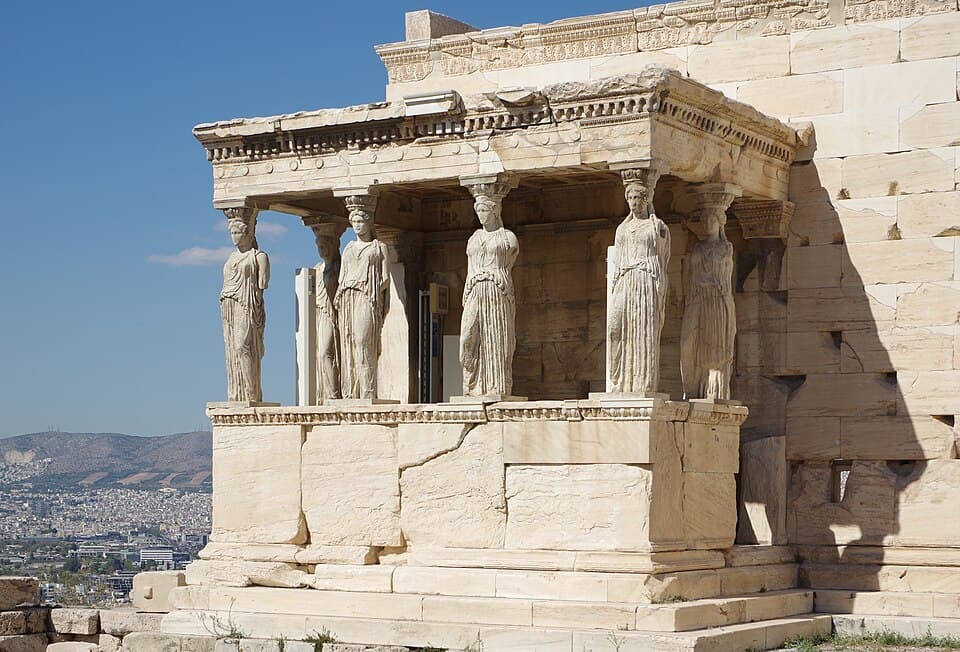
In ancient Greek religion, Artemis Caryatis (Καρυᾶτις) was an epithet of Artemis that was derived from the small polis of Caryae in Laconia. There, an archaic open-air temenos was dedicated to Carya, the Lady of the Nut-Tree, whose priestesses were called the caryatides, represented on the Athenian Acropolis as the marble caryatids supporting the porch of the Erechtheum. The late accounts made of the eponymous Carya a virgin who had been transformed into a nut-tree, whether for her unchastity or to prevent her rape.
Cassiphone is a minor figure in Greek mythology, the daughter of the sorceress-goddess Circe and the Trojan War hero Odysseus. Cassiphone and her tale do not appear in the Odyssey, the epic poem that narrates Odysseus' adventures, but rather she is mentioned in passing in the works of the Hellenistic poet Lycophron and the 12th-century Byzantine scholar John Tzetzes. Cassiphone is notable for killing Telemachus, her paternal half-brother and husband in some versions.
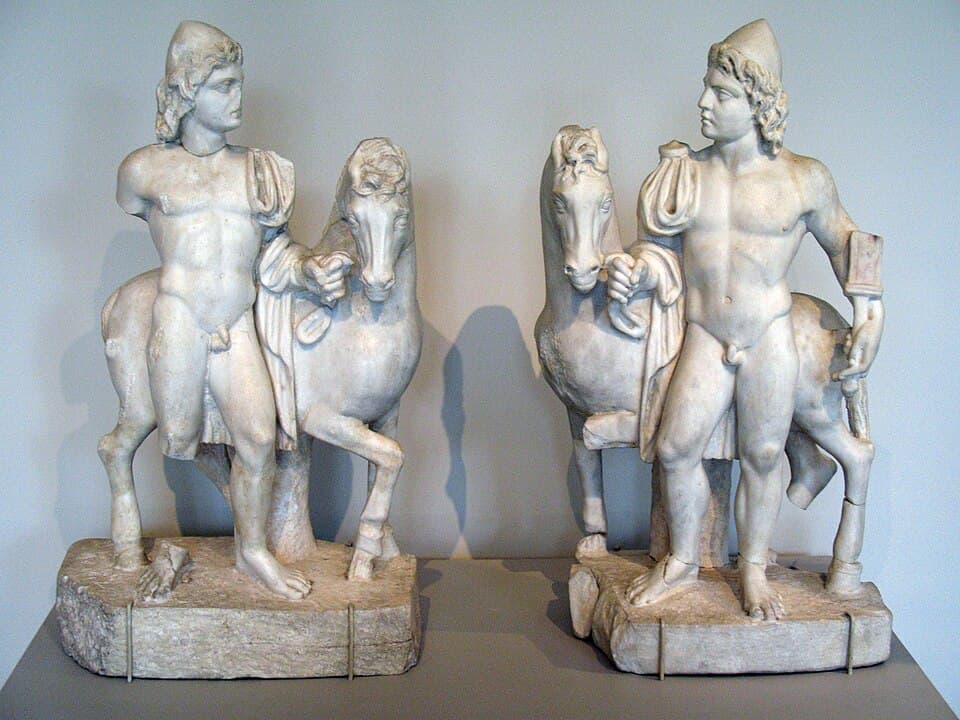
Castor and Pollux are twin half-brothers in Greek and Roman mythology, known together as the Dioscuri or Dioskouroi.
In Greek mythology, Cebren was a Greek river-god, whose river was located near Troy. He was the son of Oceanus and Tethys and he was the father of Asterope and Hesperia, who are sometimes considered to be the same person, and Oenone. The city Cebrene was named for Cebren.
In Greek mythology, Cephisso, Cephiso, or Kephiso was one of the three Muses that were daughters of Apollo. Her sisters were Apollonis and Borysthenis.
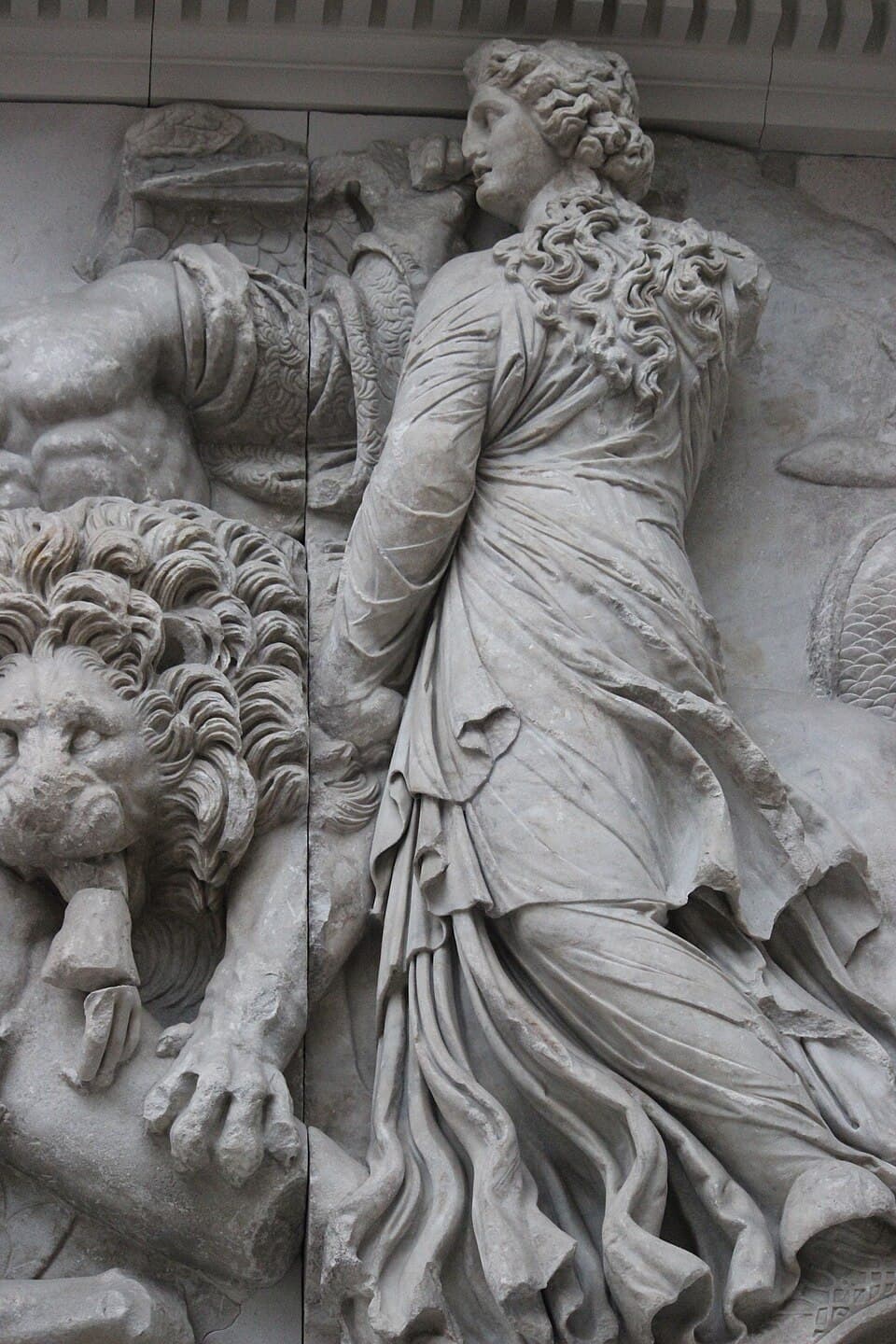
Ceto is a primordial sea goddess in Greek mythology, the daughter of Pontus and his mother, Gaia. As a mythological figure, she is considered to be one of the most ancient deities, and bore a host of monstrous children fathered by Phorcys, another child of Gaia and Pontus. The small Solar System body 65489 Ceto was named after her, and its satellite after Phorcys.
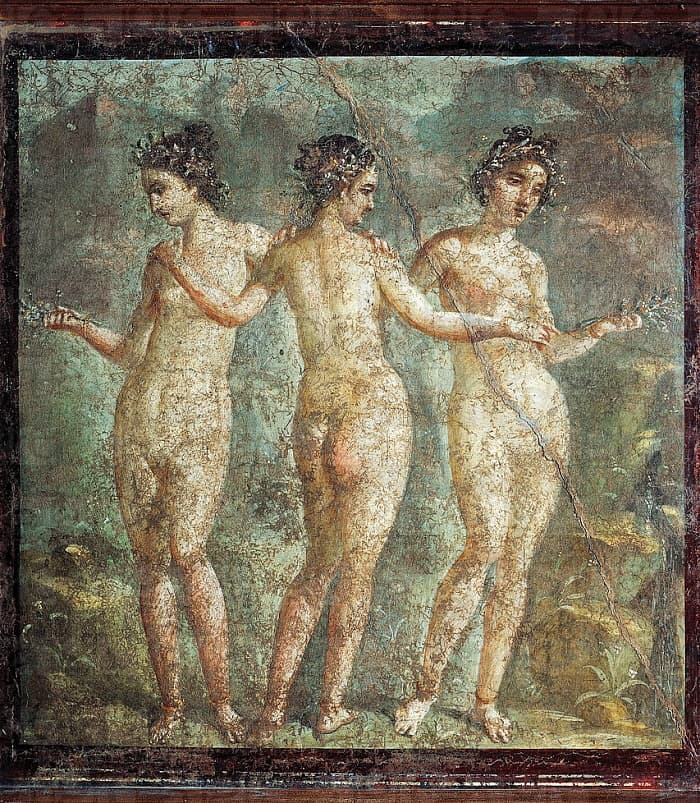
The Charites are goddesses of Greek mythology who personify beauty and grace. According to Hesiod, their names were Aglaia, Euphrosyne, and Thalia and were the daughters of Zeus and Eurynome, the daughter of Oceanus. However, their names, number and parentage varied across accounts.

In Greek mythology, Chloris was a minor nymph who was associated with spring, flowers and new growth, believed to have dwelt in the Elysian Fields.
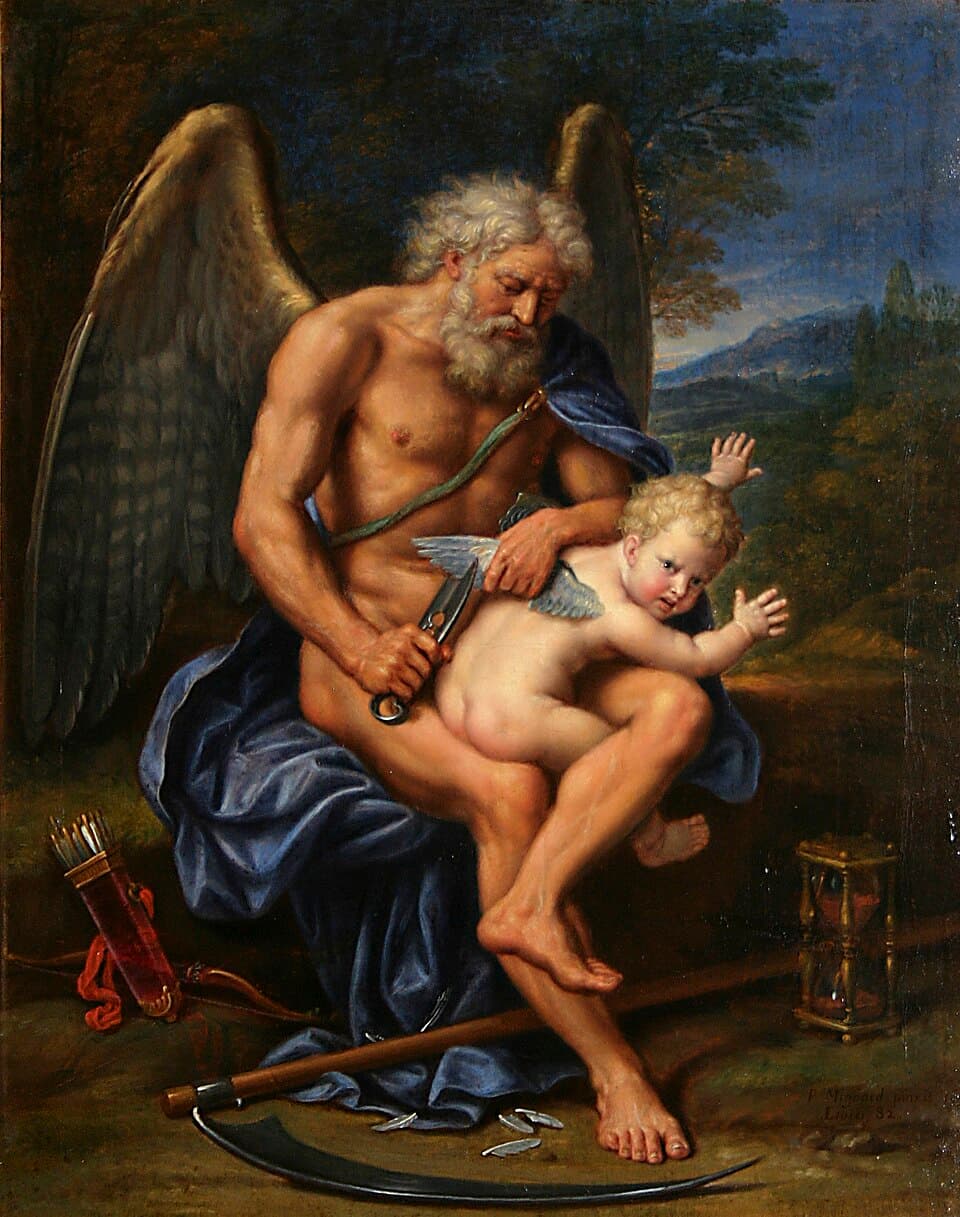
Chronos, also spelled Chronus, is a personification of time in Greek mythology, who is also discussed in pre-Socratic philosophy and later literature. His consort is the goddess Ananke.
Chrysus in Greek mythology is a minor god and the personification of gold.
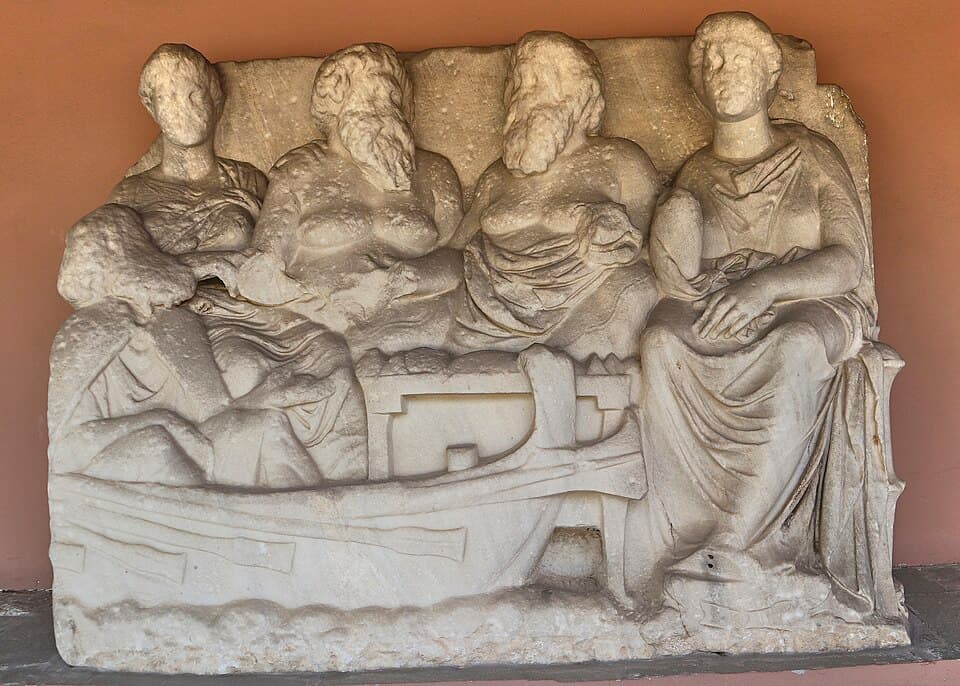
In Greek mythology, deities referred to as chthonic or chthonian were gods or spirits who inhabited the underworld or existed in or under the earth, and were typically associated with death or fertility. The terms chthonic and chthonian are derived from the Ancient Greek word χθών meaning 'earth' or 'soil'. The Greek adjective χθόνιος means 'in, under, or beneath the earth', which can be differentiated from γῆ, which refers to the living surface of land on the earth.
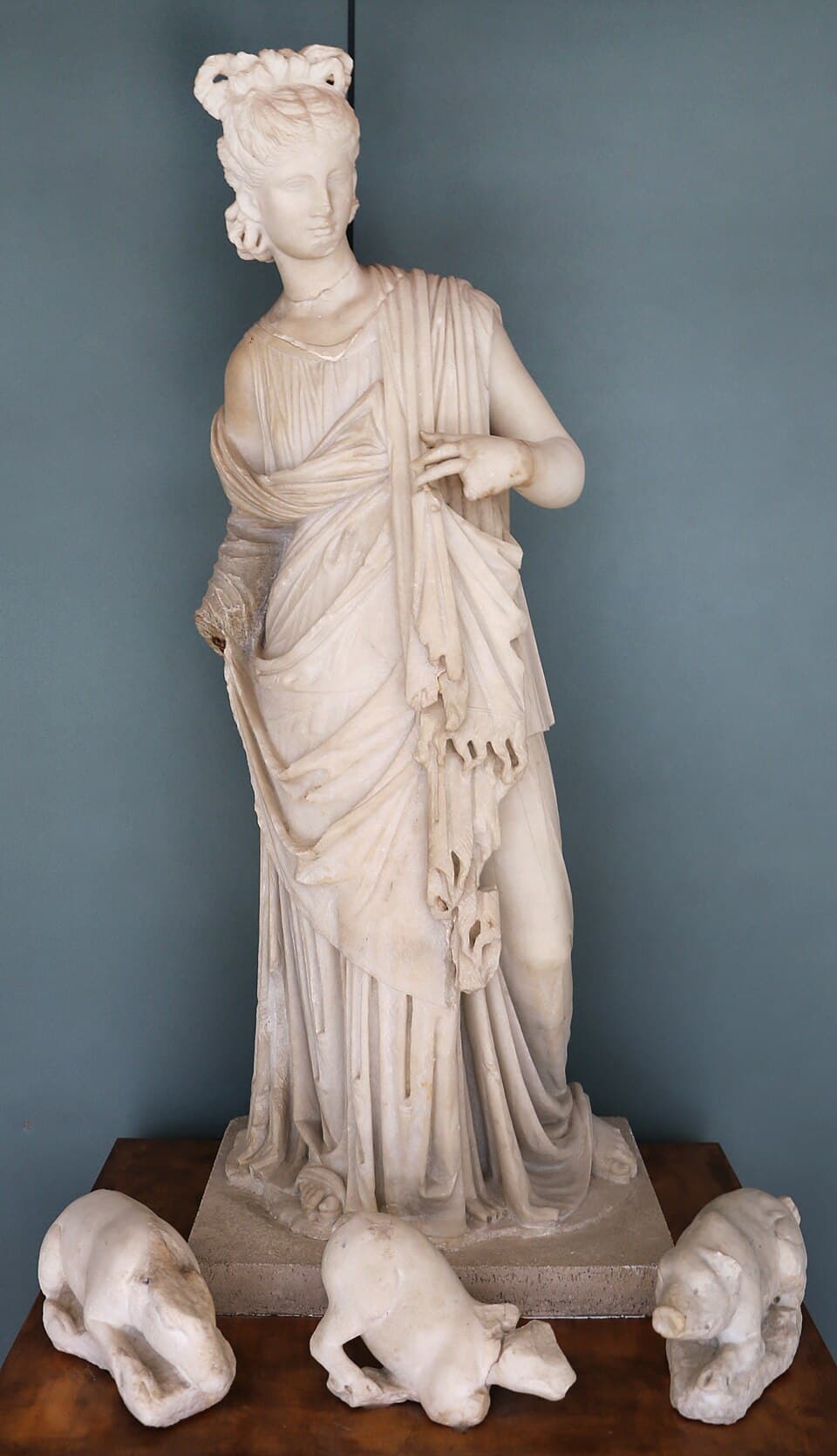
In Greek mythology, Circe is a witch, sometimes considered a goddess or a nymph. In most accounts, Circe is described as the daughter of the sun god Helios and the Oceanid Perse. Circe was renowned for her vast knowledge of potions and herbs.
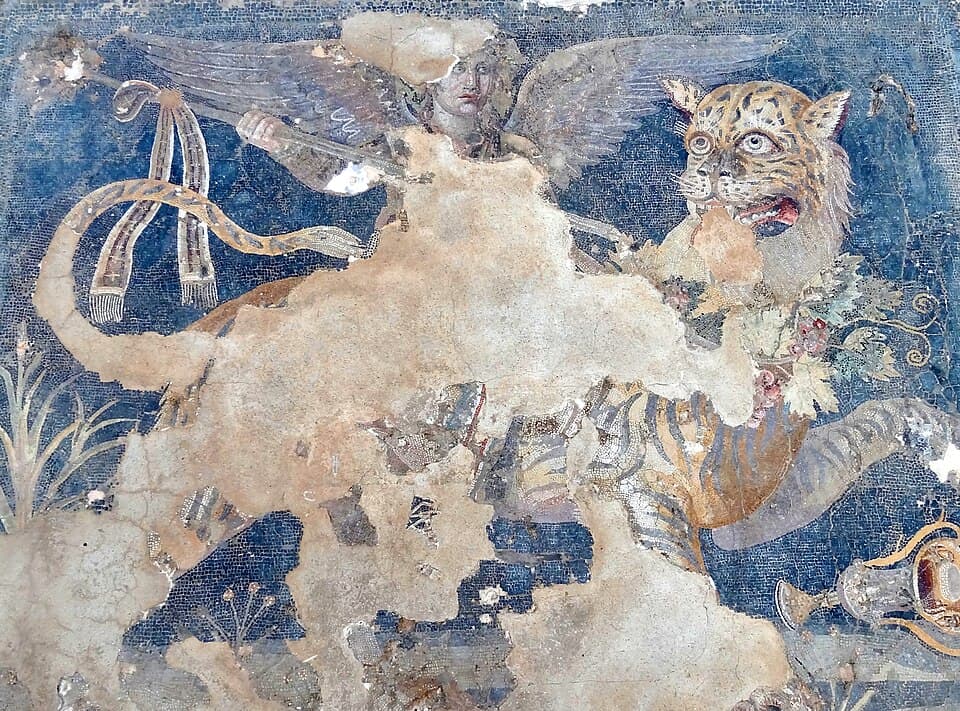
The Dionysia was a large festival in ancient Athens in honor of the god Dionysus, the central events of which were processions and sacrifices in honor of Dionysus, the theatrical performances of dramatic tragedies and, from 487 BC, comedies. It was the second-most important festival after the Panathenaia. The Dionysia actually consisted of two related festivals, the Rural Dionysia and the City Dionysia, which took place in different parts of the year.
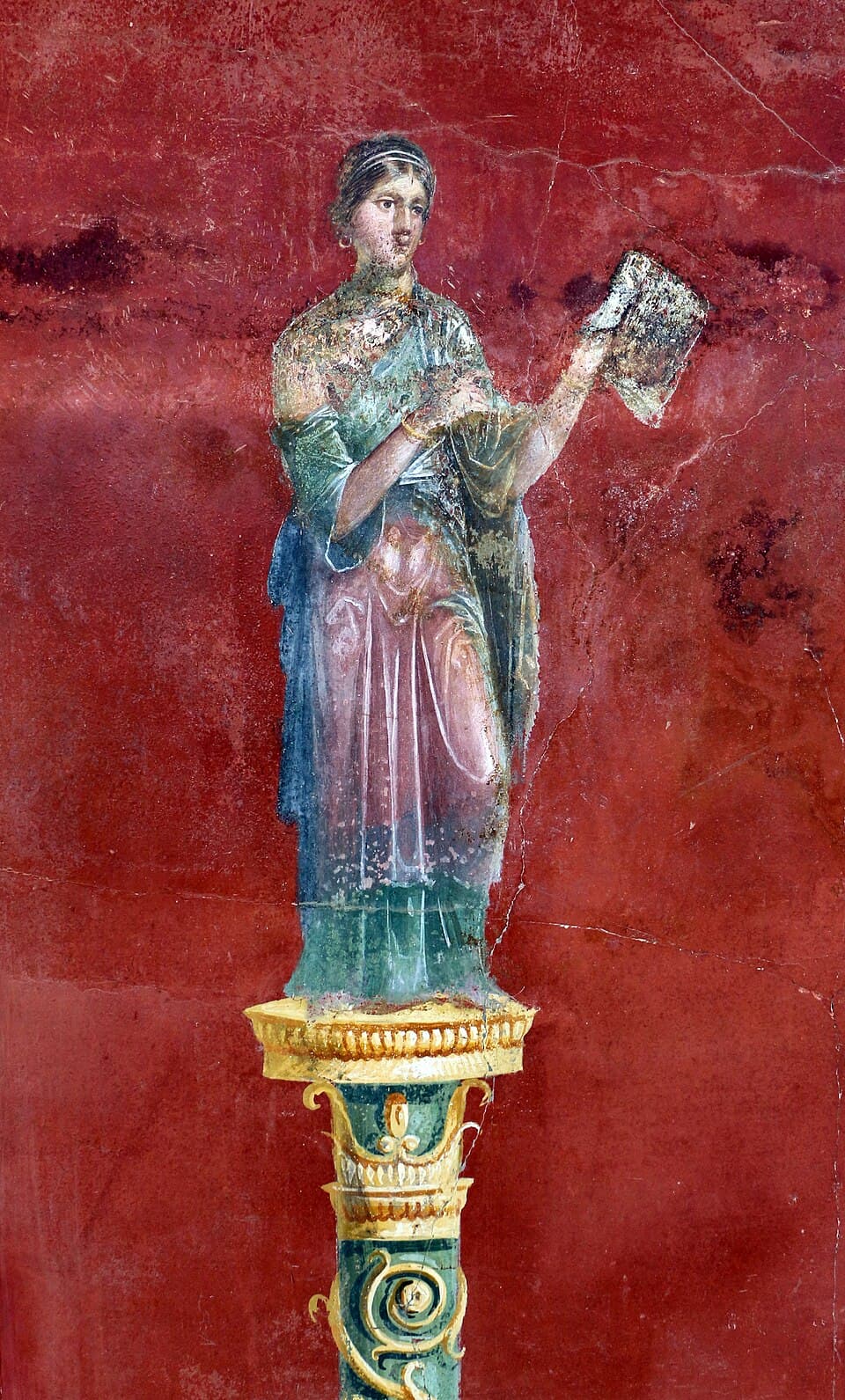
In Greek mythology, Clio, also spelled Kleio, Cleio, or Cleo, is the muse of history, or in a few mythological accounts, the muse of lyre-playing.
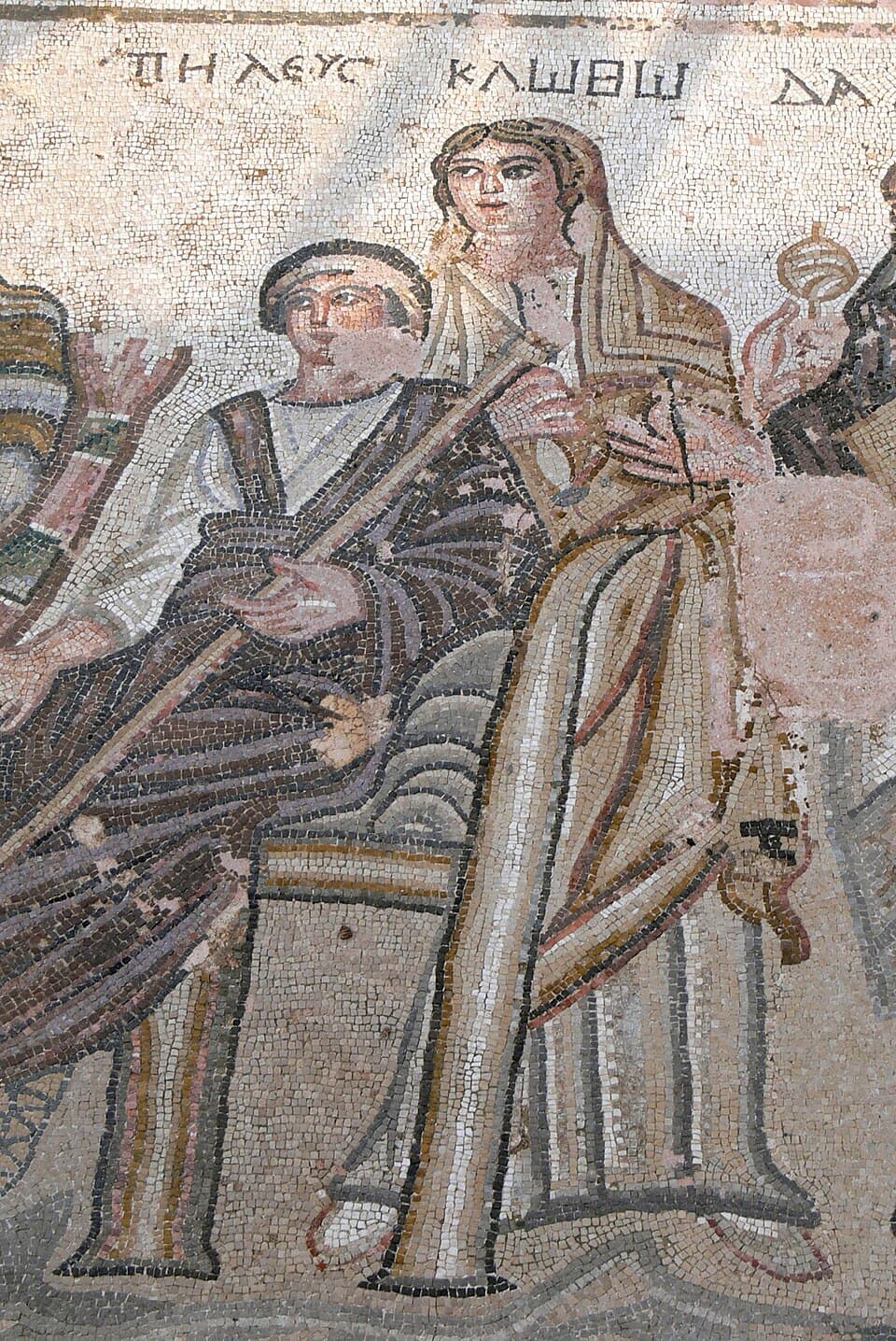
Clotho or Klotho, is a mythological figure. She was one of the Three Fates or Moirai. In ancient Greek mythology, she spins the thread of human life while her sisters draw out (Lachesis) and cut (Atropos) the thread.
In Greek mythology, Clymene or Klymene is the name of one of the three thousand Oceanid nymphs, usually the wife of Iapetus and mother by him of Prometheus, Epimetheus, Atlas and Menoetius.
In Greek mythology, Coeus, also called Koios or Polus, was one of the Titans, the children of Uranus (Sky) and Gaia (Earth).

The Colossus of Rhodes was a statue of the Greek sun god Helios, erected in the city of Rhodes, on the Greek island of the same name, by Chares of Lindos in 280 BC. One of the Seven Wonders of the Ancient World, it was constructed to celebrate the successful defence of Rhodes against an attack by Demetrius I of Macedon, who had besieged it for a year with a large army and navy.
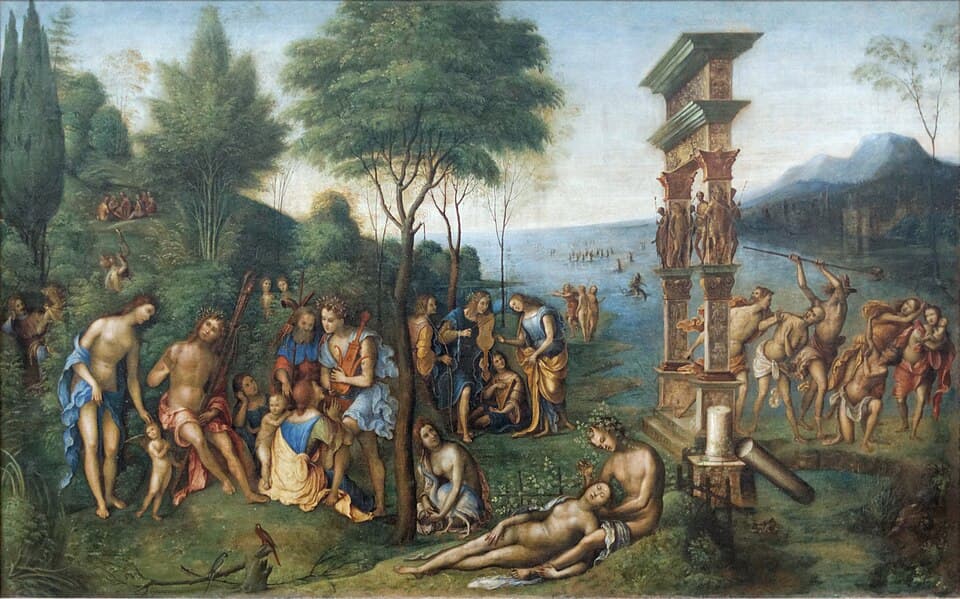
In Greek mythology, Comus is the god of festivity, revels and nocturnal dalliances. Cup-bearer of the god Dionysus, he was represented as a winged youth or a child-like satyr. His mythology occurs only in later antiquity.

In Greek mythology, Coronis is a Thessalian princess and a lover of the god Apollo. She was the daughter of Cleophema and Phlegyas, king of the Lapiths. By Apollo she became the mother of Asclepius, the Greek god of medicine.
According to Greek mythology, the Korybantes, also spelled Corybantes or Corybants, were the armed and crested dancers who worshipped the Phrygian goddess Cybele with drumming and dancing. They are also called the Kurbantes in Phrygia.
Complete index
All 400 names, alphabetically. The grid above pages; this list is the whole holding.