A Commentary to Kant's 'Critique of Pure Reason'
en
Kant, Immanuel, 1724-1804. Kritik der reinen Vernunft
Prussia
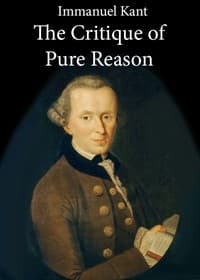
Architect of critical philosophy, who fused rationalism and empiricism in the Critique of Pure Reason.
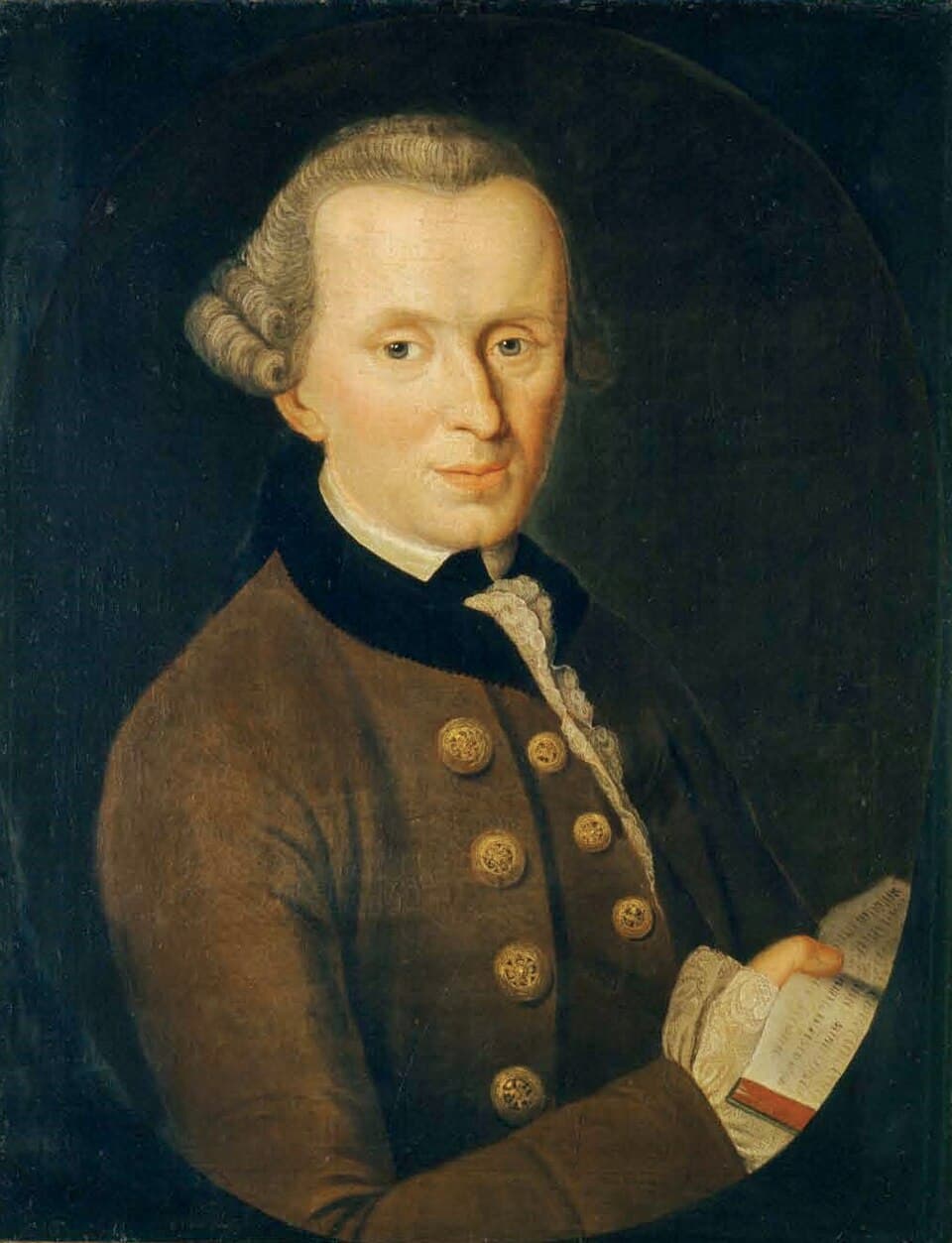
Immanuel Kant never traveled more than a hundred miles from Königsberg, and from that fixed point he redrew the map of philosophy. A Pietist upbringing, decades as a popular lecturer, and then — beginning at fifty-seven — the three Critiques that divide the discipline into before and after.
The Critique of Pure Reason (1781) executes what he called a Copernican revolution: instead of asking how the mind conforms to objects, ask how objects conform to the mind. Space, time, and causality are not features of things-in-themselves but the forms through which any possible experience must arrive. The price of this move is strict: knowledge is limited to phenomena. The traditional proofs of God — ontological, cosmological, from design — are dismantled one by one in the Transcendental Dialectic, not because God is disproven but because reason overreaches when it applies categories like causation beyond experience.
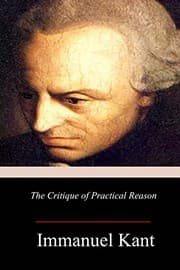
What the first Critique takes away, the second restores on different ground. The Critique of Practical Reason argues that morality — the categorical imperative: act only on maxims you could will as universal law — presupposes freedom, and rationally warrants hope in God and immortality as postulates of practical reason. "I had to deny knowledge in order to make room for faith," he wrote — a sentence theologians and skeptics have fought over ever since.
Religion within the Boundaries of Mere Reason (1793) pressed further — religion's core is morality, historical faiths its vehicles — and earned him a royal censure he politely outmaneuvered. His legacy runs in both directions at once: modern atheism's conviction that the classical proofs fail is Kantian, and modern theology's retreat from proof to moral and existential ground is Kantian too. Almost no one now argues about God without standing on land he surveyed.
en
Kant, Immanuel, 1724-1804. Kritik der reinen Vernunft
en
Church history -- 19th century; Philosophy and religion; Philosophy, Modern -- History
en
Communism -- Russia; Kautsky, Karl, 1854-1938. Terrorismus und Kommunismus; Revolutions
en
Knowledge, Theory of -- Early works to 1800; Metaphysics -- Early works to 1800
en
Copyright
en
Philosophy, German
en
English essays -- 19th century; Europe -- Description and travel
Quote Attribution
Identify the philosopher behind a quote using AI.
Works by and about Kant — readable in full, right here in the Library.